
-
December 17, 2026
Event date:
-
December 19, 2026
Event end:
Festival Background
The Hagoita-Ichi Fair is a vibrant, centuries-old winter tradition rooted deeply in the history of Tokyo. Originating during the Edo period, hagoita were initially wooden battledles used in a traditional New Year’s Eve game called hanetsuki, which was believed to ward off evil spirits and protect children from illness. Over time, these paddles evolved from simple athletic equipment into elaborate works of art, sparking specialized year-end markets where citizens gathered to purchase them as auspicious decorations for the upcoming year.
- Historical origins and development
- Edo-period traditions
- Annual continuation at Sensoji Temple
Dates and Duration
- Event date: December 17th – December 19th, 2026
- Dates and Duration: 3-day annual winter fair
- Opening hours: Typically runs from around 9:00 AM to 9:00 PM daily
- Season/month: December (Winter season)
- Annual schedule information: Held consistently every year from December 17th to December 19th
Visiting this event? Don’t miss out on these amazing activities and local experiences while you’re here.
Venue and Location
Sensoji Temple, located in the historic Asakusa district, stands proudly as Tokyo’s oldest and most revered Buddhist temple. Founded in the 7th century, it serves as the spiritual heart of the city and provides a magnificent, culturally rich backdrop for the Hagoita-Ichi Fair, welcoming millions of annual visitors to its iconic crimson gates and main hall.
- Venue name: Sensoji Temple
- Address: 2-3-1 Asakusa, Taito-ku
- City/ward: Tokyo (Taito ward), Japan
- Event area within the temple grounds: Main courtyard surrounding the main hall and the iconic Nakamise-dori approach
Traditional Hagoita Market
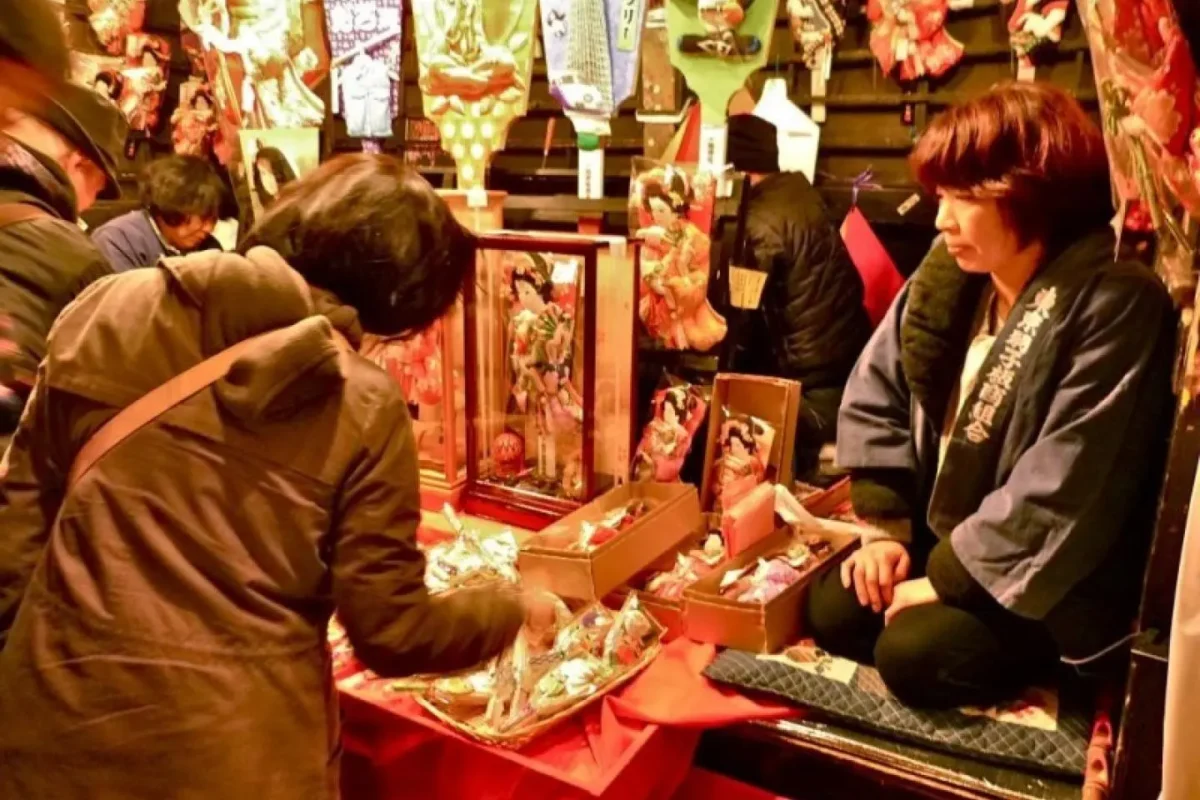
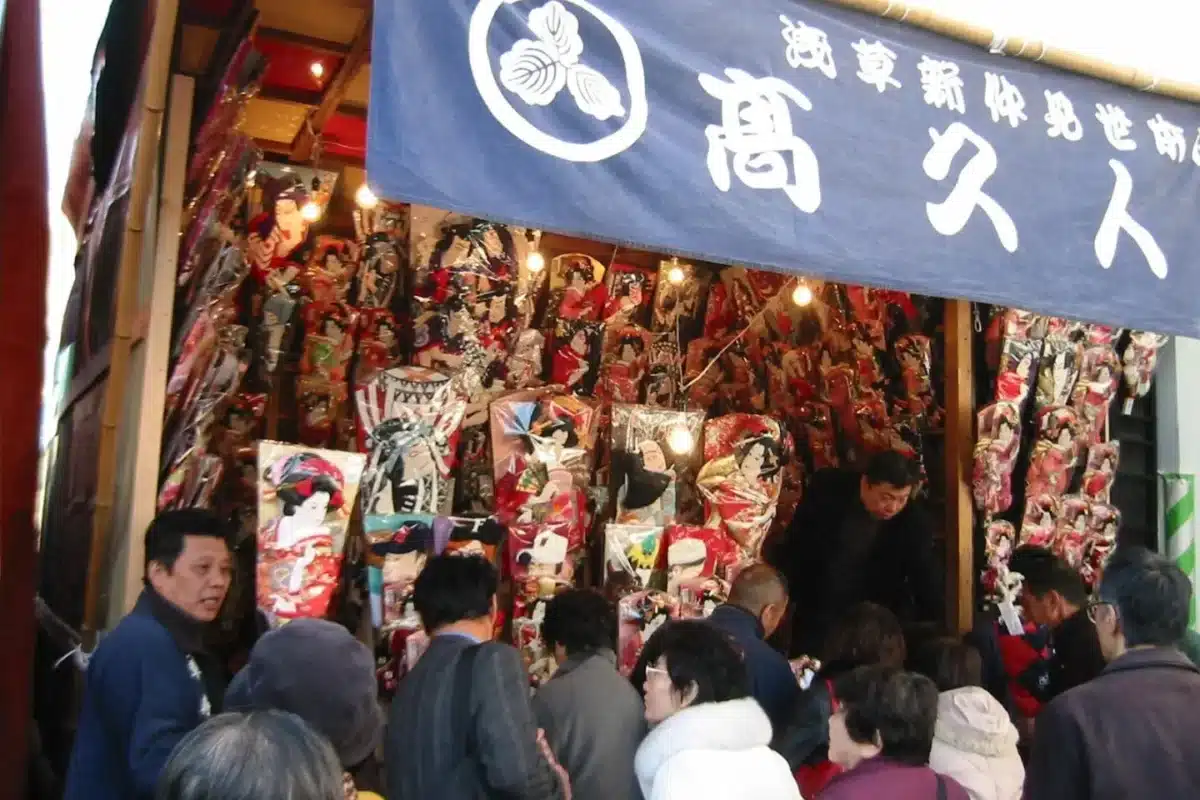
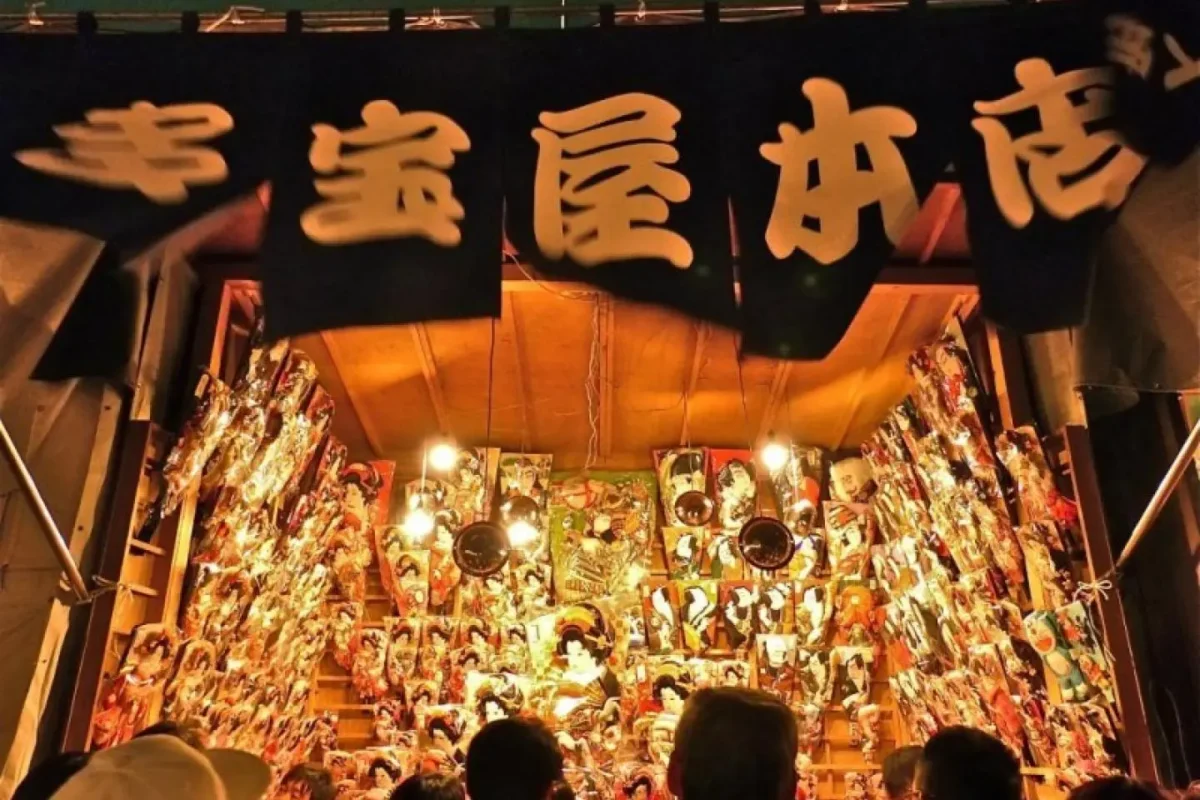
The open-air market transforms the temple grounds into a lively, sensory-rich wonderland featuring dozens of specialized stalls. Vendors line the pathways displaying thousands of decorative hagoita in brilliant colors, turning the historic precincts into a vibrant gallery of traditional craftsmanship. The air fills with the sounds of animated bargaining and traditional festive greetings between merchants and buyers.
Enjoy Your Event Stress-Free with Japan Travelo
Do you know? Planning events, festivals, concerts, and cultural experiences in Japan can be overwhelming. Japan Travelo brings everything together in one place, helping you manage your itinerary, transport, and accommodation with ease—so you can enjoy Japan without the stress of planning.
Each stall showcases an impressive variety of designs, sizes, and price points, ranging from small, affordable souvenirs to masterclass collector pieces. Visitors can experience authentic vendor interactions, learning about the stories behind specific artistic motifs. This year-end shopping experience offers a rare glimpse into traditional Japanese commercial culture that has thrived largely unchanged for centuries.
- Decorative hagoita sales
- Traditional stalls
- Lucky charm products
- Vendor interactions
- Year-end shopping experience
Craftsmanship & Hagoita Designs
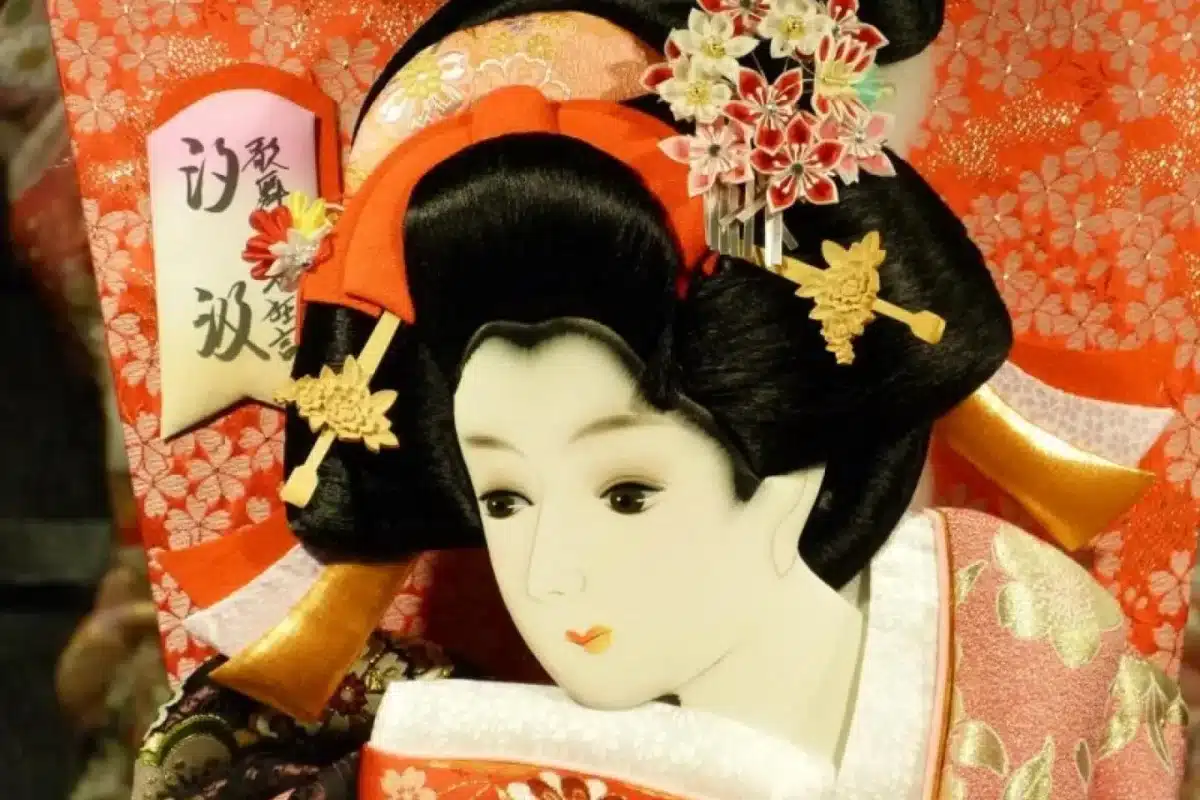
Hagoita paddles are meticulously handcrafted by skilled artisans who utilize traditional techniques passed down through generations. The crafting process combines carved wood, layered fabrics, and intricate padding to create a distinct three-dimensional sculptural effect on the surface of the paddle. Every detail, from facial expressions to textile patterns, reflects hours of meticulous artistic dedication.
The most famous designs feature vivid portraits of traditional Kabuki actors, reflecting the close historical ties between the theater arts and Edo-period popular culture. In modern times, artisans also craft paddles featuring popular contemporary celebrities, athletes, and seasonal cultural themes. This blend of classic heritage and modern pop culture keeps the traditional craft dynamic, relevant, and visually captivating.
- Edo-style artwork
- Embroidery and decorative techniques
- Famous character designs
- Handmade craftsmanship
Ceremony & Special Traditions
The fair is famous for its lively purchase celebration rituals, where merchants and buyers celebrate a successful deal with a synchronized rhythmic hand-clapping performance known as san-bon-jime. This joyous custom echoes across the temple grounds, sealing the transaction with wishes for prosperity and good luck.
Beyond commercial exchanges, visitors can engage in temple-related activities, such as offering prayers at the main altar for health and protection. The gathering reinforces deep-rooted lucky charm traditions, blending spiritual devotion with festive community celebration.
- Purchase celebration rituals
- Temple prayers
- Lucky charm traditions
- Special event activities
Food, Stalls & Shopping Experience
During the fair, the atmosphere around Sensoji Temple becomes electric, filled with the enticing aromas of traditional Japanese street food and the cheerful chatter of crowds. The surrounding alleys buzz with energy as people browse a vast array of seasonal goods and festive novelties.
Visitors can sample local street foods like sweet dango, takoyaki, and yakisoba while exploring the vibrant stalls. It is an ideal setting for souvenir shopping, offering traditional crafts, talismans, and winter treats alongside the main hagoita displays.
- Local street food
- Festival stalls
- Souvenir shopping
- Traditional goods
Visitor Etiquette & Temple Rules
Respecting the sacred nature of the temple grounds and local customs ensures a pleasant, harmonious experience for everyone attending this historic cultural event.
- Respect worship areas
- Keep noise levels low
- Follow temple instructions
- Respect vendors
- Dispose of waste properly
What Visitors Should Wear & Bring
- Comfortable walking shoes
- Warm winter clothing
- Camera/phone
- Cash for purchases
- Small bag for souvenirs
Ticket Information:
- Entry requirement: Free public admission to the temple grounds and market area
- Ticket availability: No tickets or reservations required
- Reservation information: Not applicable (open public access)
- Visitor restrictions: None (open to all ages)
Free vs Paid Activities
- Free activities: Entering temple grounds, viewing the market displays, watching ceremonies
- Paid purchases: Buying hagoita paddles and decorative items
- Optional experiences: Purchasing food and seasonal snacks from street stalls
- Shopping costs: Varies by item size and craftsmanship quality
How to Get There & Public Transport
Reaching Sensoji Temple is exceptionally convenient thanks to Tokyo’s world-class public transportation network, which connects all major parts of the metropolis directly to Asakusa.
- Nearest train stations: Asakusa Station
- Subway routes: Ginza Line, Asakusa Line, and Tobu Skytree Line
- Walking directions: A brief 3-to-5 minute walk from Asakusa Station straight to the temple’s Kaminarimon Gate
- Public transport tips: Use an IC card (Suica or Pasmo) for seamless travel through subway turnstiles
Best Time to Visit & Crowd Tips
Visiting the fair during optimal hours allows you to navigate the bustling market stalls comfortably and take in the full splendor of the illuminated temple grounds.
- Less crowded hours
- Evening atmosphere
- Weekend crowd expectations
- Shopping tips
Photography Rules & Visitor Guidelines
Capturing the vibrant atmosphere of the fair is a wonderful way to preserve memories, provided you maintain courteous behavior toward vendors, performers, and fellow attendees.
- Respect vendors before photographing
- Avoid blocking pathways
- Follow temple photography rules
- Capture traditional displays respectfully
Contact Information:
- Contact Information:
- Phone: 03-3842-0181
- Official Website: https://en.japantravel.com/tokyo/hagoita-ichi-fair/33757
Cultural Significance
In Japanese culture, hagoita are treasured far beyond their origins as game equipment; they are regarded as powerful lucky charms that symbolize health, happiness, and protection from misfortune. Families display them prominently in their homes or businesses to sweep away negative energies and welcome positive fortunes for the new year. The intricate designs often feature auspicious motifs meant to bring longevity, prosperity, and peace to households.
The fair occupies a vital place in Japanese New Year preparations, signaling the official transition from the closing year to the hopeful dawn of the next. Acquiring a new hagoita is viewed as an investment in family well-being and a respectful nod to ancestral customs. Participating in this historic market allows both locals and visitors to engage directly with values of gratitude, protection, and communal harmony.
- Symbolism of hagoita paddles
- Good luck traditions
- Connection with Japanese family customs
- Role in New Year preparations
Video
Location
FAQ
What is the Hagoita-Ichi Fair?
The Hagoita-Ichi Fair is Tokyo's premier year-end traditional market, hosted annually on the historic grounds of Sensoji Temple in Asakusa. Rooted deeply in Edo-period culture, this vibrant three-day event brings together dozens of specialized merchants who sell elaborately decorated hagoita (traditional wooden battledore paddles). Originally used in a New Year's Eve game called hanetsuki to ward off evil spirits, these paddles have evolved into stunning, highly coveted works of art that serve as festive charms to welcome blessings, health, and prosperity for the coming year.
Are tickets required to enter the fair?
No tickets, reservations, or entry fees are required to experience the fair. Admission to the open-air market and the sacred Sensoji Temple grounds is completely free for all domestic visitors and international travelers alike. Guests are free to walk the temple precincts, admire the dazzling displays of artisan paddles, and soak in the festive atmosphere at no charge, though optional purchases like food, souvenirs, or new hagoita paddles require individual payment directly to vendors.
What do hagoita paddles symbolize?
In Japanese tradition, hagoita are powerful symbols of protection, good fortune, and warding off misfortune. Because the wooden battledore was historically used to swat away balls representing disease-carrying mosquitoes, it became a cherished talisman to protect children and households from evil spirits. Today, displaying a decorative hagoita in a home or business is believed to sweep away negative energy, invite happiness, and secure a prosperous and peaceful transition into the new year.
How can I get to Sensoji Temple via train?
Reaching Sensoji Temple is extremely convenient using Tokyo's extensive public transit network. You can take the Tokyo Metro Ginza Line, the Toei Asakusa Line, or the Tobu Skytree Line directly to Asakusa Station. From the station, it is an easy and scenic 3-to-5 minute walk straight to the temple's iconic Kaminarimon (Thunder Gate) and the bustling Nakamise-dori shopping street leading right into the heart of the fair.
What are the typical dates for this annual event?
The Hagoita-Ichi Fair follows a strict, unchanging annual schedule, taking place consistently every year from December 17th through December 19th. These dates mark the final major seasonal temple fair of the calendar year in Tokyo, making it a beloved tradition for locals and travelers looking to finalize their year-end preparations and embrace authentic Japanese cultural heritage before the New Year holidays begin.

Leave a Reply