
Fire rituals & sacred ceremonies
- Dai Himonjiyaki hill-burning spectacle forming a massive fiery character on the hillside of Ojo-dake
- No-yaki pasture management burn across the vast surrounding regional grasslands of the Aso caldera
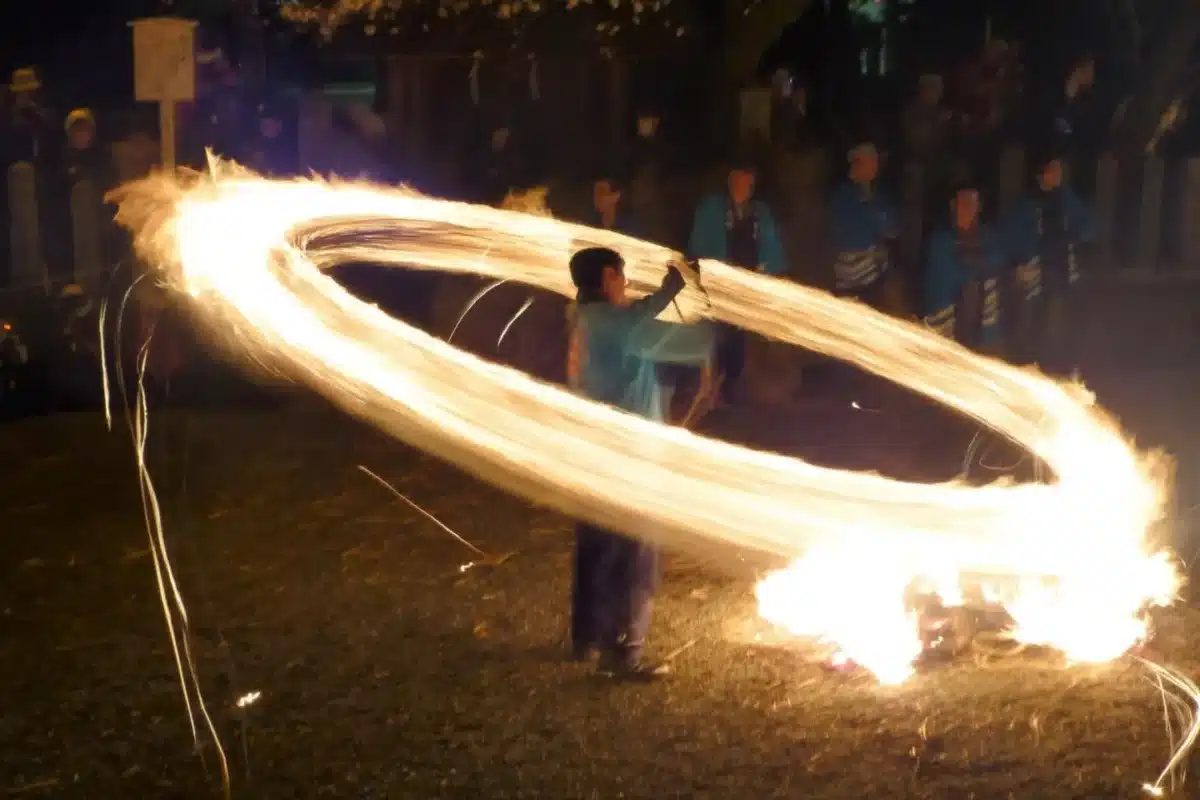
- Hifuri Shinji fire-swinging ritual using bundled grass ropes rotated rapidly in mesmerizing circles
- Gozen-mukae bride-welcoming procession traveling solemnly from the historic shrine grounds
Performances
Sacred kagura music and traditional folk dance performances echo through the historical temple precincts during evening rituals, accompanied by rhythmic chanting from local participants guiding the fiery displays. Performers dressed in traditional ceremonial attire execute synchronized movements that symbolize the purification of the land and the welcoming of spring warmth into the agricultural valleys.
In addition to traditional dance, musical ensembles utilize ancient instruments such as flutes and drums to create an atmospheric soundscape that envelops the entire shrine ground. These auditory elements have been passed down through generations, keeping ancient artistic expressions alive for modern audiences and cultural preservationists alike.
The culmination of these performances often intertwines directly with the fire rituals, where dancers move in harmony with the flickering flames and spinning torches. This dynamic synchronization of sound, movement, and fire creates a mesmerizing visual spectacle that defines the emotional core of the festival experience.
Enjoy Your Event Stress-Free with Japan Travelo
Do you know? Planning events, festivals, concerts, and cultural experiences in Japan can be overwhelming. Japan Travelo brings everything together in one place, helping you manage your itinerary, transport, and accommodation with ease—so you can enjoy Japan without the stress of planning.
Date & Duration
- Event Date: Early March 2027 (Dates TBD)
- Event Duration: Month-long series of cultural events spanning the end of winter
Visiting this event? Don’t miss out on these amazing activities and local experiences while you’re here.
Ticket Information
- How Tickets Are Sold: No tickets or advance reservations are required for public viewing areas and open shrine grounds.
- Admission Type: Free Admission
- Ticket Pricing: Free Admission ($0.00 USD)
- Special Seating Options: Open public viewing spaces around the sprawling shrine grounds and designated safe perimeter zones along the valley.
- VIP Options: None available as this is a historic, community-driven religious festival deeply rooted in local Shinto traditions.
Venue / Location
- City and Country: Kumamoto, Japan
- Venue Name: Aso Shrine
- Google Maps Address: 3083-1 Ichinomiyamachi Miyaji, Aso, Kumamoto 869-2612, Japan
Contact Information
- Phone Number: +81 967-34-1600
- Website: https://en.japantravel.com/kumamoto/aso-fire-festival/33246
Ceremony schedule
The festival kicks off with preliminary Shinto rituals where community members and head priests meticulously prepare the sacred shrine grounds for the seasonal transition. These initial rites focus on purifying the sacred precinct and offering prayers to the mountain deities for a peaceful transition from winter to spring.
Throughout the middle weeks of the month, localized agricultural rites and grand outdoor community burnings take center stage across the valley. Pasture management fires and divine welcoming processions are conducted simultaneously to honor ancestral spirits and prepare the land for the upcoming growing season.
As the month progresses, evening shrine grounds gatherings feature roaring flames, sacred torch displays, and traditional musical accompaniments that light up the cold spring night. These evening events draw large gatherings of locals and travelers alike, creating a deeply immersive communal atmosphere around the sacred altars.
The festival concludes with closing gratitude ceremonies where participants thank the deities for a successful series of events and pray for protection and prosperity throughout the year. Priests return sacred items to their resting places, marking the official end of the seasonal celebrations.
Traditional activities
- Grassland controlled burning known as no-yaki to maintain healthy pastures and prevent forest overgrowth
- Lighting a giant Chinese character representing fire on the steep hillside of Ojo-dake
- Reenacting the divine marriage of ancient ancestral shrine deities during sacred processions
- Participating in community prayer gatherings for a bountiful agricultural harvest and regional prosperity
- Visiting local shrine families during home festival hospitality segments open to cultural explorers
- Gathering information, trail maps, and cultural guides directly at the local tourism hub next to the station
- Exploring historical temple shopping streets illuminated with traditional lanterns for seasonal celebrations
- Sampling regional volcanic caldera culinary specialties like Akaushi beef and local delicacies near the shrine venue
Visitor etiquette
- Maintain a safe distance from active fire-swinging zones and burning perimeters to prevent injuries.
- Follow all safety instructions provided by local event staff, fire wardens, and shrine priests.
- Avoid blocking pathways designated for ritual processions and active community participants.
- Refrain from using flash photography directly in the faces of active participants and ceremonial handlers.
- Respect sacred shrine property and historical structures throughout your exploration of the grounds.
- Keep noise levels moderate during solemn religious prayer segments and traditional shrine rituals.
- Dispose of any personal trash properly in designated waste disposal stations around the festival hub.
- Do not step past safety ropes or barrier markers established along the event viewing grounds.
- Show courteous behavior toward local residents and volunteers hosting these historical community events.
What visitors should wear/bring
- Thick cotton or natural fiber clothing that resists stray sparks and floating embers
- Heavy winter jackets, thermal base layers, and windproof gear to combat freezing nighttime mountain temperatures
- Sturdy, closed-toe walking shoes suitable for gravel shrine paths and uneven volcanic soil
- Portable hand warmers and thermal blankets for cold evening outdoor viewing hours
- Small flashlights or headlamps for safely navigating unlit pathways after sunset
How to get there
Visitors traveling from major regional transit hubs can take the scenic train ride along the primary rail lines leading directly into the heart of the picturesque Aso caldera region. Upon arrival at the local transport terminal, travelers can easily transition to local transit options or connect via short roadway routes leading straight to the historic town center. Clear English signage and dedicated information desks located right next to the station platforms guide visitors smoothly toward the main shrine destination without hassle.
Public transport
Travelers can take the JR Hohi Main Line directly to Miyaji Station, from where the main shrine venue is a convenient 14-minute walk through historical streets or a very short local taxi ride.
Best time to visit
Arriving during the late afternoon hours provides ample time to explore the historic temple street, sample local foods, and secure a comfortable viewing spot before evening temperatures drop significantly. This window also allows visitors to appreciate the architectural details of the shrine in daylight before the nighttime illuminations begin.
Planning your trip around the middle weeks of the month ensures you catch the core nighttime fire ceremonies and massive hillside burns at their absolute peak. Experiencing this peak period guarantees full immersion in the most vibrant cultural highlights of the entire month-long seasonal calendar.
Location
FAQ
Can general visitors participate directly in the fire swinging rituals?
Locals and adventurous visitors are often welcomed to join in swinging the flaming grass ropes under the careful guidance of experienced local handlers. This hands-on involvement offers a profound connection to ancient purification customs practiced across the region.
Is the festival suitable and safe for families with young children?
Families can fully enjoy the vibrant daytime atmosphere and open spaces, though evening crowds and open fire elements require extra parental caution. Parents should maintain close supervision near viewing perimeters as evening events grow crowded.
Where can visitors find English-speaking assistance during the event?
Helpful staff members are stationed right next to the local rail station terminal to provide directions, translated schedules, and safety advice. They are equipped to handle inquiries from international travelers looking to navigate the festival grounds seamlessly.
Are there traditional food vendors available near the shrine grounds?
Bustling food stalls and local merchant shops remain open around the temple street offering regional snacks, hot beverages, and warm meals. These vendors provide a fantastic opportunity to taste authentic local ingredients native to the Aso volcanic caldera.
What happens if unexpected weather conditions become unfavorable?
Outdoor rituals and grassland burns may be temporarily postponed or adjusted depending on wind speeds, precipitation, and strict safety evaluations. Local authorities prioritize public safety above all else, ensuring alternative schedules are communicated promptly.

Leave a Reply