
-
November 28, 2026
Event date:
-
November 28, 2026
Event end:
Doburoku Sake Offering & Tasting Tradition
The distribution of doburoku is the primary focal point of the festival, drawing eager participants who wish to partake in the sacred liquid. As soon as the morning Shinto purification and offering rites are successfully completed by the shrine priests, the doors open for the public tasting. Doburoku is a thick, milky-white, unfiltered rice wine that retains the fermented mash, giving it a rich texture, robust flavor, and a surprisingly potent kick. Drinking this cloudy elixir is believed to cleanse the body of misfortune while granting robust health and financial luck for the coming year.
Participating in the tasting requires patience and respect, as long queues form quickly within the compact shrine courtyard following the morning rituals. Visitors receive modest portions poured directly into small ceremonial cups, allowing them to savor the earthy, sweet, and tangy notes characteristic of traditional unrefined brews. Because the sake is considered sacred offering food blessed by the deities, consuming it is treated as an active act of worship rather than casual drinking. The shared experience of sipping the warm, cloudy brew under the autumn sky fosters an immediate sense of camaraderie among strangers standing shoulder-to-shoulder.
The tradition also emphasizes responsible enjoyment and strict adherence to shrine rules regarding sacred offerings. Doburoku served during the festival must be consumed entirely within the consecrated precincts of Koami Jinja Shrine, as taking blessed sacramental alcohol off the property violates traditional religious protocol. Shrine attendants and volunteers manage the flow of guests gracefully, ensuring that everyone in line gets an opportunity to experience the seasonal blessing. This orderly distribution maintains a calm, respectful atmosphere despite the high volume of enthusiastic visitors packing the neighborhood block.
Enjoy Your Event Stress-Free with Japan Travelo
Do you know? Planning events, festivals, concerts, and cultural experiences in Japan can be overwhelming. Japan Travelo brings everything together in one place, helping you manage your itinerary, transport, and accommodation with ease—so you can enjoy Japan without the stress of planning.
Date & Duration
- Event Date: Saturday – November 28th 2026
- Event Duration: A single-day traditional autumn harvest and shrine celebration held annually in late November
Visiting this event? Don’t miss out on these amazing activities and local experiences while you’re here.
Ticket Information
- How Tickets Are Sold: No advance tickets, reservations, or entry passes are required to access the shrine grounds or participate in the open-air festival space.
- Admission Type: Free Admission for general public entry, shrine worship, and viewing cultural performances
- Ticket Pricing: Free Admission ($0.00 USD) for entering the shrine courtyard, though small monetary offerings (saisen) are traditionally made when praying at the main altar, and small donations may be requested for commemorative sake cups.
- Special Seating Options: Open standing space throughout the compact shrine courtyard and unreserved standing areas around the Kagura dance hall.
- VIP Options: None offered, as this historic neighborhood shrine ritual welcomes all local parishioners, visitors, and travelers equally under traditional community customs.
Visitor Etiquette & What to Wear/Bring
- Dress respectfully in neat, conservative casual clothing appropriate for visiting an active and sacred Shinto religious site
- Wear comfortable slip-on shoes or clean socks, as you may need to navigate stone courtyards and temporary standing areas
- Bring a light winter coat, fleece, or jacket, as standing outdoors in late November weather can become chilly
- Carry small cash denominations in Japanese yen for making monetary offerings at the altar and purchasing amulets
- Refrain from bringing outside food, alcoholic beverages, or consuming outside snacks within the shrine precinct
- Keep voice levels moderate and respect the solemn prayer spaces while moving through congested queues
- Adhere strictly to the rule requiring all blessed doburoku sake to be consumed entirely on-site
- Cooperate fully with shrine marshals, safety staff, and volunteers guiding pedestrian flow during peak hours
- Ask for permission before taking close-up photographs of priests, performers, or fellow worshippers engaged in prayer
Venue / Location
- City and Country: Tokyo, Japan
- Venue Name: Koami Jinja Shrine (Koami Shrine)
- Google Maps Address: 16-23 Nihonbashikoamicho, Chuo City, Tokyo 103-0016, Japan
How to Get There & Public Transport
Reaching Koami Jinja Shrine for the festival is exceptionally straightforward due to its prime location within Tokyo’s central Chuo ward, served by multiple subway lines. Visitors can take the Tokyo Metro Hanzomon Line and disembark directly at Suitengumae Station, followed by an easy short walk to the shrine gates. Alternatively, riding the Tokyo Metro Tozai Line to Kayabacho Station or using Ningyocho Station (served by both the Hibiya Line and Toei Asakusa Line) places travelers within a comfortable five-to-ten-minute stroll of the venue.
Clear pedestrian signposts located around the Nihonbashi and Ningyocho neighborhoods guide foot traffic toward the shrine during major event days. Because parking spaces directly at the shrine are non-existent and surrounding street parking is severely restricted, arriving via the extensive Tokyo public subway network is strongly advised. Commuters traveling from major transit hubs like Tokyo Station or Shinjuku Station can complete their journey to the shrine in under twenty minutes, making it an easy addition to any autumn itinerary.
Festival Background & History
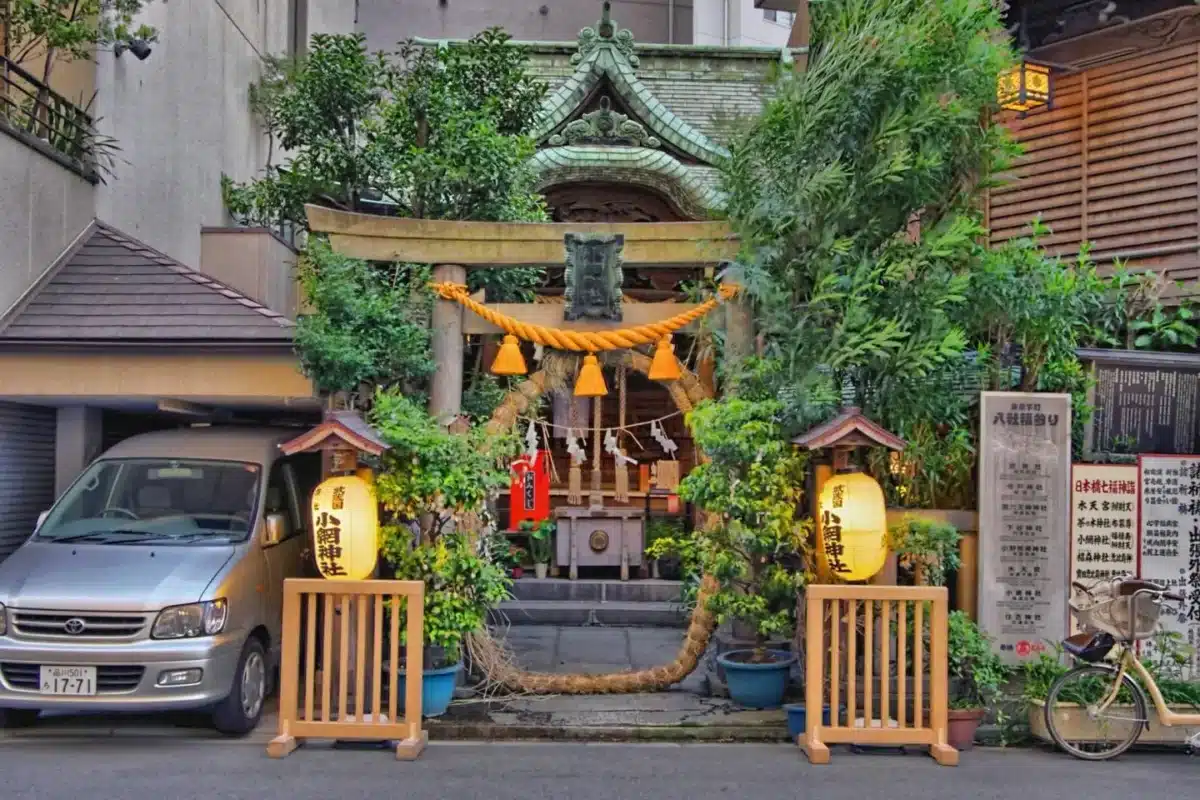
The Doburoku Matsuri at Koami Jinja Shrine stands proudly as one of the two most prominent unrefined sake festivals held within the entire Kanto region. Steeped in centuries of agricultural devotion, the festival was traditionally established to express profound gratitude to the Shinto deities for a bountiful harvest of grains while simultaneously praying for health, safety, and good fortune. Koami Shrine itself is a historically revered sanctuary nestled within the modern commercial expanse of Nihonbashi, noted particularly for housing one of the few remaining traditional structures built primarily from precious bishu-hinoki cypress wood. Surviving fires, urban modernization, and wartime devastation, the shrine has retained its powerful reputation as a spiritual powerhouse of luck and protection.
The central highlight of the festival revolves around doburoku, an ancient style of thick, cloudy, unrefined home-brewed sake that predates modern crystal-clear alcoholic filtering techniques. In ancient Shinto belief systems, sharing freshly brewed unrefined sake with the gods bridged the gap between the divine and mortal realms, sealing a communal pact of mutual protection and gratitude. While strict modern liquor laws prohibit unauthorized home brewing across Japan, select historic shrines like Koami Jinja maintain special traditional dispensations to produce and serve sacred sacramental sake for religious festival purposes. This rare continuity connects contemporary urbanites directly with ancient agrarian lifestyles that defined feudal Tokyo.
The physical setting of the shrine enhances the historical atmosphere, featuring an exquisitely sculpted main hall and a dedicated kagura dance stage constructed in the early twentieth century. On the day of the festival, the quiet neighborhood courtyard transforms into a bustling hub of spiritual activity, drawing thousands of devotees, food enthusiasts, and culture seekers. Attendees line up orderly inside the compact grounds to pay their respects, receive blessings, and partake in the rare seasonal distribution of sacred elixir. It remains an unmissable cultural anchor in Tokyo’s autumn calendar, preserving sacred folk arts that might otherwise vanish into the background of a hyper-modern metropolis.
Cultural Significance & Harvest Traditions
- Celebrates the conclusion of the annual autumn harvest cycle by offering freshly brewed grain products to regional Shinto deities
- Preserves the sacred practice of producing and sharing omiki, sanctified alcohol that bridges human devotion with divine favor
- Reinforces strong community ties among local parishioners, neighborhood businesses, and shrine caretakers
- Promotes traditional Shinto values of gratitude, humility, and reverence for nature’s seasonal provisions
- Maintains rare historical brewing exemptions that keep ancient fermentation techniques alive in contemporary Tokyo
- Serves as a vital cultural bridge connecting modern urban residents with Japan’s deep-rooted agricultural ancestry
- Invites prayers for personal good health, household safety, and commercial prosperity heading into the new year
- Highlights the cultural importance of intangible folk assets through sacred music, dance, and ritual offerings
- Demonstrates how historic neighborhood sanctuaries maintain community identity amidst surrounding high-rise commercial developments
Contact Information
- Official Website: https://en.japantravel.com/tokyo/doburoku-matsuri/32851
Shinto Rituals & Ceremony
- Execution of sacred norito prayers recited by Shinto priests to express gratitude for agricultural harvests
- Formal presentation of freshly harvested rice, grain offerings, and vats of unrefined sake to the enshrined deities
- Ritual purification ceremonies utilizing large paper streamers to cleanse attendees and the shrine grounds of negative energy
- Solemn bowing, hand-clapping, and individual devotional offerings conducted at the main wooden altar
- Special blessing rites invoking protection over health, business success, and warding off misfortune for worshippers
- Active coordination between head priests, shrine attendants, and local neighborhood parishioners throughout the morning liturgy
- Maintenance of rigid ritual protocols that have been preserved through centuries of continuous shrine administration
- Public recitation of spiritual testaments dedicating the day’s joyous atmosphere to community welfare and peace
Sato-kagura Dance Performance
- Graceful traditional theatrical performances hosted on the shrine’s historic elevated wooden kagura stage
- Rhythmic accompaniment featuring traditional Japanese flute melodies, taiko drums, and bronze hand gongs
- Intricate choreographed movements executed by performers wearing elaborate mythological masks and colorful brocade costumes
- Depictions of ancient Japanese folklore, divine legends, and heroic battles against malevolent spiritual forces
- Designated status of the local performance arts as an Important Intangible Folk Cultural Property of Japan
- Engaging storytelling elements that captivate audiences of all ages gathered tightly around the courtyard
- Seamless integration of sacred music and rhythmic dance designed to entertain both human spectators and visiting deities
- Afternoon performance schedules that draw peak crowds into the courtyard following the morning doburoku distribution
Visitor Experience & Festival Atmosphere
The atmosphere at Koami Jinja Shrine during the Doburoku Matsuri is a captivating blend of solemn religious reverence and joyful neighborhood celebration. Because Koami Shrine is geographically compact compared to massive Tokyo mega-shrines, the festival feels remarkably intimate, enveloping visitors in a dense sea of warm community energy. The rich aroma of fermenting rice, wood smoke, and traditional incense hangs gently in the crisp late-November air, immediately signaling to arriving guests that a special seasonal rite is underway. Voices blend into a harmonious murmur of polite chatter, prayers, and appreciative reactions to the flowing sake.
As afternoon approaches and the traditional Sato-kagura dances commence on the elevated wooden stage, the courtyard fills with spectators craning their necks for a better view. The vibrant colors of the performers’ costumes contrast sharply against the dark bishu-hinoki cypress woodwork of the historic shrine buildings, creating a striking visual spectacle. Visitors frequently chat with friendly locals and shrine volunteers, learning about the history of the neighborhood and the spiritual significance of the protective amulets sold at the registration window.
Despite the heavy foot traffic and tight physical constraints of the urban block, the event moves at a deliberate, peaceful pace that encourages mindfulness. There is no rushing the sacred rituals or the sake tasting; everyone adapts to the patient rhythm set by the shrine priests and administrators. Leaving the shrine grounds after spending an hour or two immersed in the festivities leaves visitors feeling grounded, culturally enriched, and pleasantly warmed by the autumn hospitality.
Video
Location
FAQ
What is doburoku and why is it served during this specific November festival?
Doburoku is a traditional style of thick, cloudy, unrefined Japanese sake that retains its fermented rice mash. It is served during the festival to thank the deities for the autumn grain harvest and to pray for health and good fortune.
Is there any admission fee required to enter Koami Shrine during the Doburoku Matsuri?
General admission to the shrine grounds, courtyard viewing areas, and cultural performances is entirely free for all visitors. Attendees only contribute voluntary monetary offerings when praying at the main altar or acquiring protective shrine talismans.
Can visitors take the blessed doburoku sake away from the shrine premises in a container?
Taking doburoku off the shrine property is strictly prohibited according to traditional religious rules governing sacred sacramental offerings. All portions distributed to participants must be consumed entirely within the consecrated boundaries of the shrine.
What is the most convenient way to travel to Koami Jinja Shrine using public transport?
The shrine is easily accessible via several nearby subway stations, including Suitengumae Station on the Hanzomon Line and Kayabacho Station on the Tozai Line. A short walk from any of these stations brings visitors directly to the shrine entrance gates.
What special cultural performances can attendees expect to see during the event?
Visitors can watch traditional Sato-kagura theatrical dances performed on the shrine's historic wooden stage. These dances feature musicians playing flutes and drums alongside performers wearing elaborate mythological masks and colorful historical costumes.

Leave a Reply