


What to expect in 2027
Yukidaruma Snowman Festival 2027 is a distinctive winter celebration in the snowy mountain communities of Shiramine and Kuwajima in Hakusan, Ishikawa Prefecture. The festival transforms the snow-covered villages into an outdoor winter gallery filled with thousands of handmade snowmen, snow sculptures, candle displays and illuminated streets.
The event is scheduled for early February 2027, although the exact festival dates have not yet been confirmed. The official Japan Travel event listing currently describes the event as “Early February 2027” and states that the dates will be updated once the organizers make an official announcement.
The festival has been held for more than 20 years and is closely connected with the heavy winter snowfall of the Hakusan mountain region. Rather than relying on large commercial attractions, Yukidaruma Snowman Festival uses the natural winter landscape as its setting.
Enjoy Your Event Stress-Free with Japan Travelo
Do you know? Planning events, festivals, concerts, and cultural experiences in Japan can be overwhelming. Japan Travelo brings everything together in one place, helping you manage your itinerary, transport, and accommodation with ease—so you can enjoy Japan without the stress of planning.
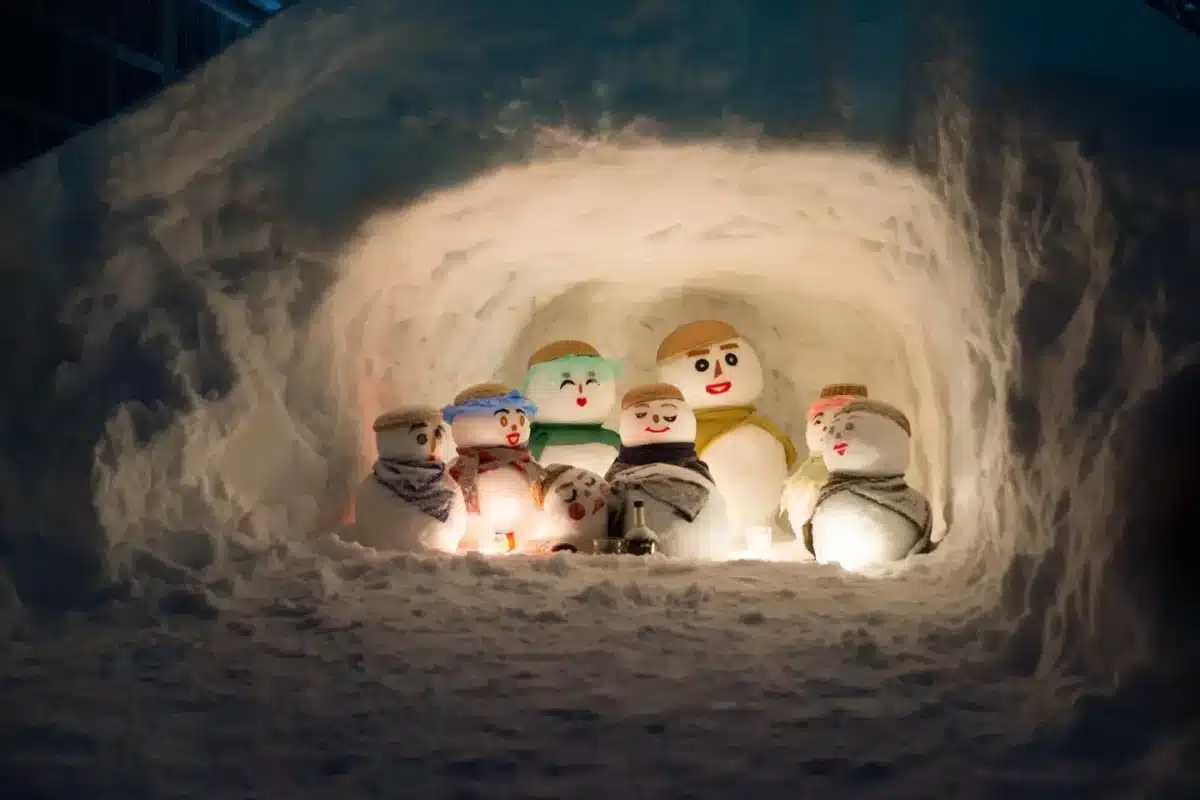
One of the most memorable features is the enormous number of snowmen placed throughout the village. Japan Travel reports that more than 3,000 snowmen can decorate the snowy streets, with students from across Ishikawa also helping create snow figures.
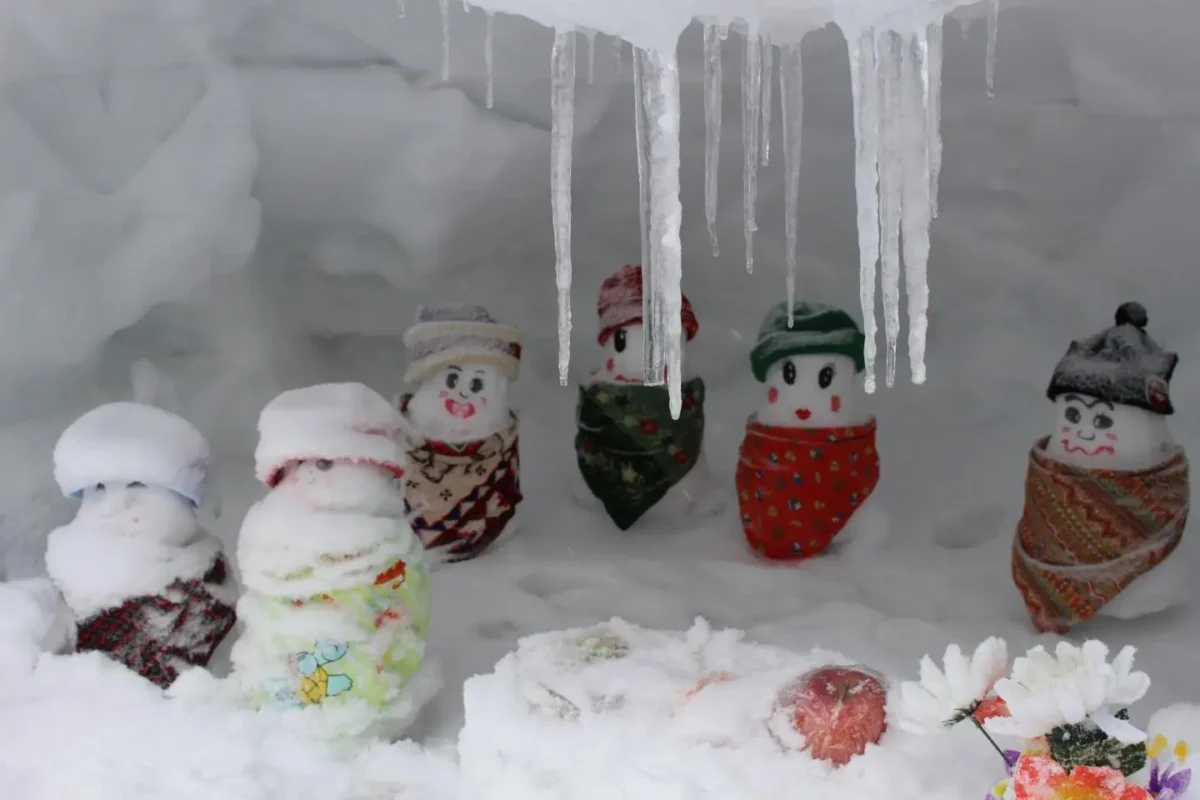
The snowmen come in different shapes, sizes and styles. Some are simple traditional snow figures, while others are decorated with faces, clothing, accessories and imaginative designs.
As daylight fades, candles and lights create a completely different atmosphere. The main candlelight illumination generally begins around 5 PM according to the established festival format, although the 2027 schedule remains subject to confirmation.
The festival is particularly appealing to travelers looking for a quieter rural winter experience. Shiramine sits at the foot of Mount Hakusan, surrounded by snowy mountains and traditional village scenery, while neighboring Kuwajima also participates in the winter celebration.
Event dates
Yukidaruma Snowman Festival 2027 is planned for early February 2027, with the exact dates still to be announced.
The current event information specifically lists the festival as:
- Early February 2027
- Exact dates: To be confirmed
- Location: Shiramine and Kuwajima, Hakusan, Ishikawa
- Entry: Free
Japan Travel currently states that the 2027 dates have not yet been confirmed by the organizers. Visitors should therefore avoid planning around a specific day until the official announcement is released.
The traditional festival format generally centers on an afternoon-to-evening programme. Activities usually begin around 3 PM, followed by the main candlelight illumination from approximately 5 PM.
The neighboring Kuwajima area has traditionally participated in the winter snowman celebrations around the same period, while Shiramine hosts the principal snowman festival atmosphere.
Because the exact 2027 schedule is not yet published, travelers should check the official event information before booking transportation or accommodation specifically for the festival.
Visiting this event? Don’t miss out on these amazing activities and local experiences while you’re here.
Venue & event locations
The festival takes place in the snowy mountain communities of Shiramine and Kuwajima in Hakusan, Ishikawa Prefecture.
The Japan Travel listing identifies Kuwajima as the event venue while describing the wider festival experience as taking place in both Shiramine and Kuwajima.
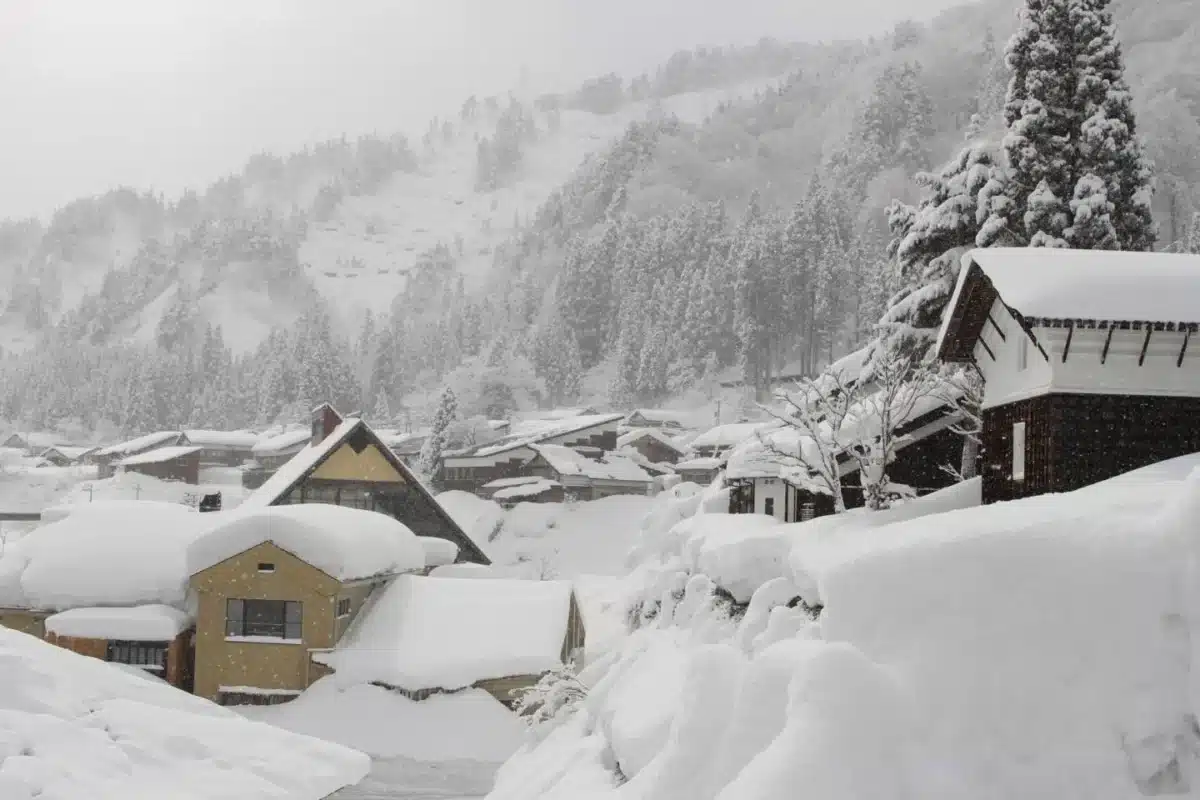
Shiramine is located at the foot of Mount Hakusan and becomes heavily covered in snow during winter. The village streets, homes, roadside spaces and local community areas provide the setting for thousands of snowmen.
Kuwajima is a neighboring mountain settlement that also takes part in the snowman celebrations.
Important areas to explore include:
- Shiramine village streets
- Kuwajima village
- Snow-covered residential areas
- Snowman display zones
- Candlelight illumination areas
- Local community spaces
- Traditional streets and winter landscapes
Unlike a festival held inside a single enclosed venue, Yukidaruma Snowman Festival is spread throughout the villages. Walking is therefore an important part of the experience.
The snowy surroundings are also an attraction in themselves. Visitors can enjoy views of the Hakusan mountain landscape while moving between different snowman displays.
Full holiday programme
The main programme revolves around snow sculptures, handmade snowmen, candlelight displays and community-created winter decorations.
The centerpiece is the large collection of snowmen distributed throughout the village. More than 3,000 snowmen may appear during the festival period, creating a continuous winter display rather than a single sculpture exhibition.
Many of the snowmen are created by local residents and students. Their designs can range from simple snow figures to more elaborate characters and imaginative scenes.
The festival also emphasizes the relationship between the community and its snowy environment. Snow is not simply a backdrop; it becomes the main material for the artistic displays.
The traditional programme generally develops throughout the afternoon:
- Snowman displays become accessible during daylight
- Visitors explore the village streets
- Community snow sculptures provide photo opportunities
- Local winter attractions and food become part of the experience
- Candle displays are prepared
- Evening illumination begins
- Snowmen and snowy streets are illuminated after dark
The evening transformation is particularly important. Once candles are lit, the snow-covered village takes on a quieter and more atmospheric character.
Main attractions & highlights
The main attraction is the sheer number and variety of snowmen spread throughout Shiramine.
Visitors can find snowmen in different sizes and designs, with many created by students and local residents. This community involvement gives the displays a personal character that differs from professionally produced ice festivals.
The candlelight displays are another major highlight. As darkness arrives, candles are placed among the snow sculptures and along sections of the village, creating warm points of light against the cold white landscape.
The mountain scenery surrounding Shiramine also contributes to the festival experience. The village is situated at the foot of Mount Hakusan, making the event particularly scenic when winter conditions are favorable.
Other highlights include:
- Thousands of handmade snowmen
- Snow sculptures created by students
- Candlelit snowy streets
- Winter photography opportunities
- Traditional mountain-village scenery
- Evening illumination
- Local winter food
- Snow-covered landscapes around Hakusan
Visitors should allow time to walk rather than simply arriving at one viewing point. The character of the festival comes from discovering individual snowmen and small displays throughout the village.
Markets, decorations & themed areas
Yukidaruma Snowman Festival is not primarily a large commercial market. Its visual identity comes from handmade snowmen and community decorations distributed throughout the snowy village.
Snow figures can appear near homes, roads, community spaces and other parts of the settlement. This creates the impression that the entire village has become part of the festival.
Themed snowmen may be decorated with:
- Faces
- Hats
- Scarves
- Clothing
- Accessories
- Character-inspired designs
- Seasonal decorations
The festival’s candlelight areas become particularly attractive after sunset.
Visitors should expect the displays to vary from year to year because many are handmade specifically for each festival edition.
The lack of a rigid exhibition layout is part of the experience. Travelers can walk through the village and discover unexpected snow sculptures rather than following a conventional indoor exhibition route.
Because this is a snowy mountain community, visitors should dress appropriately and allow extra time for walking on snow-covered or icy surfaces.
Events & entertainment schedule
The exact 2027 programme has not yet been announced, but the established festival format provides a useful indication of what visitors can expect.
The event generally begins during the afternoon, with Japan Travel reporting a typical starting time of around 3 PM.
During the afternoon, visitors can explore the snowman displays while there is still natural daylight. This is an excellent time for photography because the details of individual snow sculptures are easier to see.
As evening approaches, the festival transitions into its illumination period.
The established programme generally includes:
- Afternoon snowman viewing
- Village walks
- Snow sculpture photography
- Community displays
- Candle preparation
- Evening candlelight illumination
- Nighttime snowman viewing
The main candlelight illumination generally begins around 5 PM.
The final 2027 schedule should be checked once organizers publish the confirmed programme.
Admission & ticket information
Yukidaruma Snowman Festival is listed as a free-entry event.
There is no standard festival admission ticket for visitors.
Japan Travel currently lists the 2027 festival as free entry, meaning visitors can explore the public snowman displays and village festival areas without purchasing a general admission pass.
There are no standard VIP or general admission ticket categories associated with the event.
Visitors should nevertheless budget separately for:
- Transportation
- Accommodation
- Meals
- Local shopping
- Optional sightseeing
- Winter equipment if required
Any specific paid activities or local services introduced for the 2027 edition should be confirmed after the official programme is released.
Special experiences & activities
One of the best experiences is simply walking through the snow-covered village and discovering the snowmen individually.
Unlike a conventional winter event where sculptures are concentrated in one park, Yukidaruma Snowman Festival integrates the displays into the local community.
Visitors can photograph snowmen during the afternoon and then return after dark to see how the same displays change under candlelight.
The evening experience is particularly atmospheric because the warm candlelight contrasts with the cold snow and dark mountain surroundings.
Other experiences include:
- Exploring Shiramine on foot
- Visiting Kuwajima
- Photographing handmade snowmen
- Watching the village illumination
- Sampling local winter foods
- Experiencing rural Ishikawa in heavy snow
- Combining the festival with Hakusan sightseeing
Travelers interested in Japanese rural culture can also use the festival as an opportunity to explore the traditional architecture and mountain lifestyle of the Hakusan region.
Family & children’s activities
Yukidaruma Snowman Festival is particularly suitable for families because the central attraction is easy to understand and visually engaging.
Children can enjoy searching for different snowmen throughout the village, comparing their designs and photographing their favorite creations.
The participation of students in creating snowmen also gives the festival a strong connection with younger generations. Japan Travel notes that students from across Ishikawa help create snowmen for the event.
Family activities can include:
- Snowman spotting
- Photographing favorite sculptures
- Exploring the illuminated village
- Walking through snow-covered streets
- Looking for unusual snowman designs
- Enjoying seasonal food
- Learning about rural winter life
Parents should prepare children for cold temperatures and potentially deep snow.
Warm clothing, waterproof footwear, gloves and head protection are particularly important because visitors may spend several hours outside.
Young children should also be supervised carefully on icy surfaces and around roads or vehicle-access areas.
Event rules
Because the festival takes place within a real mountain community, visitors should treat the village and its residents with respect.
Important visitor guidelines include:
- Do not damage or move snowmen.
- Do not climb on finished snow sculptures.
- Avoid entering private property.
- Follow temporary signs and local instructions.
- Keep roads and entrances clear.
- Do not block residents’ access to their homes.
- Dispose of rubbish properly.
- Respect local residents while photographing displays.
- Take extra care on snowy and icy roads.
- Follow instructions from festival staff and local authorities.
Visitors should remember that many snowmen are created by residents and students. Touching or altering them can damage the artwork.
Photography is encouraged, but travelers should avoid photographing private homes or residents without appropriate consideration.
Winter weather can also change rapidly in the Hakusan mountains. Visitors should monitor local weather and transportation information before traveling.
How to get there
Yukidaruma Snowman Festival is held in a remote mountain area of Hakusan, so reaching the villages requires more planning than attending an urban festival.
The nearest major city for many travelers is Kanazawa, while Hakusan provides the closest broader urban area.
Visitors typically travel toward the Hakusan mountain region and then continue toward Shiramine and Kuwajima by road.
Because the festival is held in a snowy mountain environment, travel times can be significantly affected by winter conditions.
Travelers should allow additional time for:
- Snow-covered roads
- Winter traffic
- Reduced driving speeds
- Possible transportation delays
- Parking arrangements
- Walking between display areas
Visitors coming from Kanazawa or other parts of Ishikawa should check local bus schedules and road conditions before departure.
Private vehicles can provide greater flexibility, but winter driving experience and appropriate tires are essential.
Public transport & parking
Public transportation options to Shiramine and Kuwajima are more limited than those available in central Kanazawa.
Visitors should check current local bus services before traveling because winter schedules can differ from normal seasonal transportation.
The festival’s remote location means that travelers should not assume frequent services throughout the day.
For those driving, winter road conditions are an important consideration. Roads in the Hakusan mountain region can experience heavy snow and ice, particularly around the festival period.
Visitors using a car should:
- Use winter tires
- Check road conditions before departure
- Carry appropriate winter equipment
- Allow additional travel time
- Follow temporary parking signs
- Avoid blocking local roads
- Follow directions from festival staff
Parking arrangements may be organized locally for festival visitors, but specific 2027 parking details should be confirmed once the organizers publish the final visitor information.
Accommodation areas
Shiramine is the most convenient area for travelers who want to stay close to the festival environment.
Staying locally allows visitors to experience the snowy mountain village after dark and reduces the need to travel long distances during winter conditions.
Other accommodation options can be considered around the wider Hakusan area.
Kanazawa is another possibility for travelers who prefer a larger selection of hotels, restaurants and transport connections. However, staying in Kanazawa means allowing additional travel time to reach the festival.
Potential accommodation areas include:
- Shiramine
- Hakusan
- Wider Hakusan mountain area
- Kanazawa
Local accommodation can provide a more immersive winter experience, particularly for travelers interested in rural Japan.
Visitors should book early if they intend to stay close to Shiramine because accommodation capacity in mountain communities is limited compared with major Japanese cities.
Food, drinks & seasonal specialties
The festival provides an opportunity to experience the food culture of Ishikawa’s snowy mountain communities.
Visitors can look for warm seasonal dishes and local specialties that are particularly enjoyable in cold winter weather.
Possible regional foods to explore include:
- Local mountain vegetables
- Warm noodle dishes
- Rice-based dishes
- Regional soups
- Pickled vegetables
- Local sweets
- Hot drinks
- Ishikawa regional cuisine
The broader Hakusan region is known for traditional mountain food culture, and winter is an especially appropriate time to enjoy warming dishes.
Travelers should not expect a huge commercial food festival with dozens of large vendors. The appeal is more closely connected with the local community and rural winter setting.
Visitors should also plan meals in advance if staying in a smaller village, as restaurant and shop opening hours can be more limited than in Kanazawa.
Accessibility
Yukidaruma Snowman Festival takes place outdoors in a snowy mountain environment, so accessibility can be affected by weather and surface conditions.
Snow and ice may make walking difficult, especially for visitors with limited mobility.
The festival is spread across village streets rather than being concentrated inside a fully accessible exhibition hall.
Visitors with mobility requirements should consider:
- Checking snow and road conditions in advance
- Confirming local transport arrangements
- Allowing additional travel time
- Using appropriate winter mobility equipment
- Avoiding steep or icy sections
- Asking local tourism staff about accessible routes
Wheelchair users and travelers with walking difficulties should confirm the conditions of specific viewing areas before traveling.
Families with strollers should also be prepared for deep snow and uneven surfaces, which can make conventional stroller use difficult.
Best days & times to visit
Because the exact 2027 dates have not yet been announced, visitors should wait for the official programme before choosing a specific day.
The most atmospheric period is generally the transition from late afternoon into evening.
Arriving during daylight allows visitors to see the details of the snowmen clearly and explore the village before the crowds and darkness increase.
Staying into the evening provides the opportunity to experience the candlelight illumination.
A useful visit pattern is:
- Arrive during the afternoon
- Explore the snowman displays in daylight
- Photograph the village and mountain scenery
- Explore additional snow sculptures
- Find a suitable position for the evening illumination
- Experience the candlelit snowmen after dark
- Leave before late-night winter transportation becomes limited
The evening period is particularly attractive for photography because candlelight creates a strong contrast against the snow.
Visitors who prefer a quieter experience may want to explore the displays earlier in the afternoon before the main illumination period.
Previous year’s highlights
The previous festival editions have continued the event’s established tradition of transforming the Hakusan mountain villages into a large outdoor snowman display.
The festival’s long-running history, spanning more than 20 years, has allowed local residents and students to develop a distinctive winter tradition based on the region’s abundant snowfall.
One of the recurring highlights is the presence of more than 3,000 snowmen throughout the snowy streets. The variety of designs means that visitors can spend considerable time walking through the village and discovering individual creations.
Student participation has also remained an important part of the event. Young creators from across Ishikawa contribute snowmen, adding a playful and community-focused character to the displays.
The evening candlelight illumination remains another major attraction. Once the candles are lit, the snowy streets take on a different appearance and visitors can see the sculptures in a warm, atmospheric setting.
The surrounding scenery is an equally important part of the experience. Shiramine’s location at the foot of Mount Hakusan creates a dramatic winter landscape that complements the snow sculptures.
The 2027 edition is expected to continue this community-centered format, although the final programme and confirmed event dates remain to be announced.
Location
FAQ
What are the primary dates and operational schedule for the festival?
The festival typically takes place during early February each year, kicking off its main events around 3pm with evening illuminations starting at 5pm. Because exact dates can vary depending on local weather and snow conditions, checking official announcements in advance is strongly recommended. This limited-time winter celebration runs primarily on Fridays and weekends to help manage visitor crowds effectively in the small mountain towns.
How can travelers reach the remote mountain villages of Shiramine and Kuwajima?
Visitors typically access the region by taking regional highway buses or driving rental vehicles equipped for winter mountain roads from major Ishikawa hubs. Public transit schedules to the Hakusan foothills can be limited, making early travel planning essential for a smooth day trip. Renting a car provides the greatest flexibility for exploring both village locations comfortably at your own pace.
Are there any admission fees required to view the snowmen and illuminations?
No tickets, bookings, or admission fees are required, as the entire festival takes place openly along public streets and village pathways. Visitors can walk freely through Shiramine and Kuwajima to admire the thousands of illuminated snow sculptures without spending a single dollar on entry. This open-access format makes it an exceptionally family-friendly and budget-conscious winter travel destination.
What kind of clothing and gear should visitors pack for the mountain weather?
Travelers must pack heavy waterproof snow boots with deep traction soles, thermal base layers, windproof outer jackets, and warm winter accessories. Mountain temperatures drop sharply once the sun sets, making proper cold-weather gear vital for enjoying the outdoor evening illuminations comfortably. Bringing extra camera batteries and keeping your phone warm in an inner pocket is also highly advised.
What food options and local specialties are available for visitors at the festival?
Visitors can sample a wide variety of comforting winter foods at local street stalls and community markets operating throughout the villages. Popular regional specialties include hot mountain wild game soups, fresh handmade buckwheat soba, grilled sweet mochi, and warm local sake. These hearty culinary treats provide essential warmth and energy while exploring the snowy mountain streets.

Leave a Reply