
-
December 15, 2026
Event date:
-
December 18, 2026
Event end:
What to expect in 2026
Kasuga Wakamiya On-Matsuri 2026 is one of Nara’s most important traditional festivals, bringing centuries-old Shinto rituals, historic processions, sacred music, dance and performing arts together around Kasuga Taisha and the Wakamiya Shrine. The central observances officially run from December 15 to December 18, with December 17 serving as the principal day and the famous O-Watari-shiki period procession taking place through central Nara.
The festival has roots reaching back to 1136 and was originally associated with prayers for peace, good harvests and protection from disease. Its long continuity has made it an important part of Nara’s cultural heritage, with traditional performing arts preserved through the festival generations.
Visitors can expect a very different experience from a modern commercial festival. Kasuga Wakamiya On-Matsuri is centered on religious ceremonies and cultural preservation rather than stages, commercial entertainment or large-scale food concessions. The atmosphere changes throughout the festival, from the preparations and purification rituals to the spectacular historical procession and the solemn ceremonies at the temporary sacred sanctuary.
Enjoy Your Event Stress-Free with Japan Travelo
Do you know? Planning events, festivals, concerts, and cultural experiences in Japan can be overwhelming. Japan Travelo brings everything together in one place, helping you manage your itinerary, transport, and accommodation with ease—so you can enjoy Japan without the stress of planning.
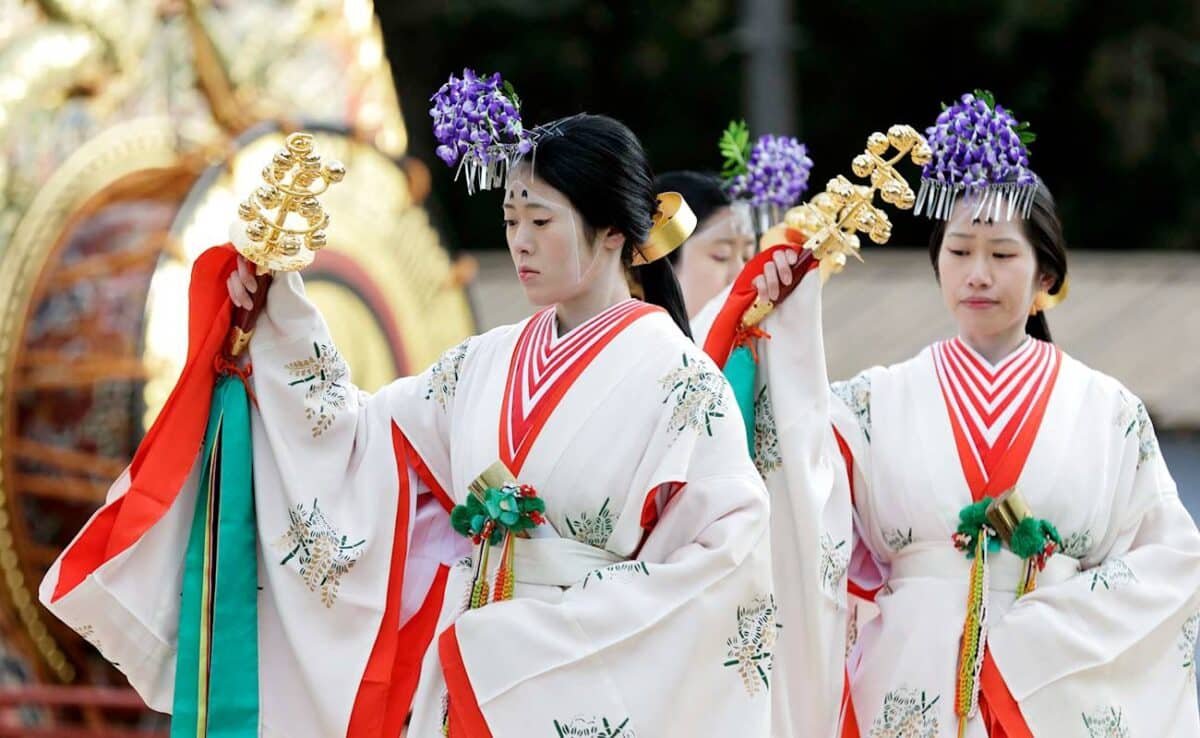
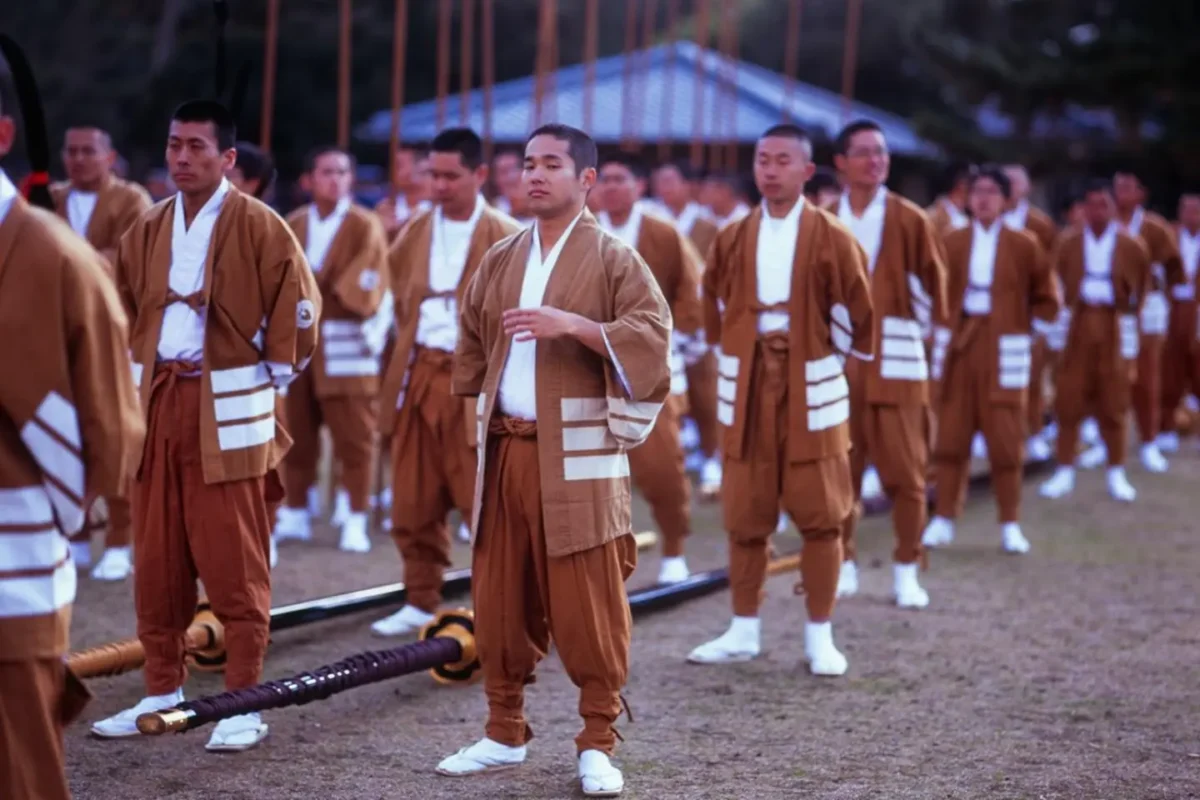
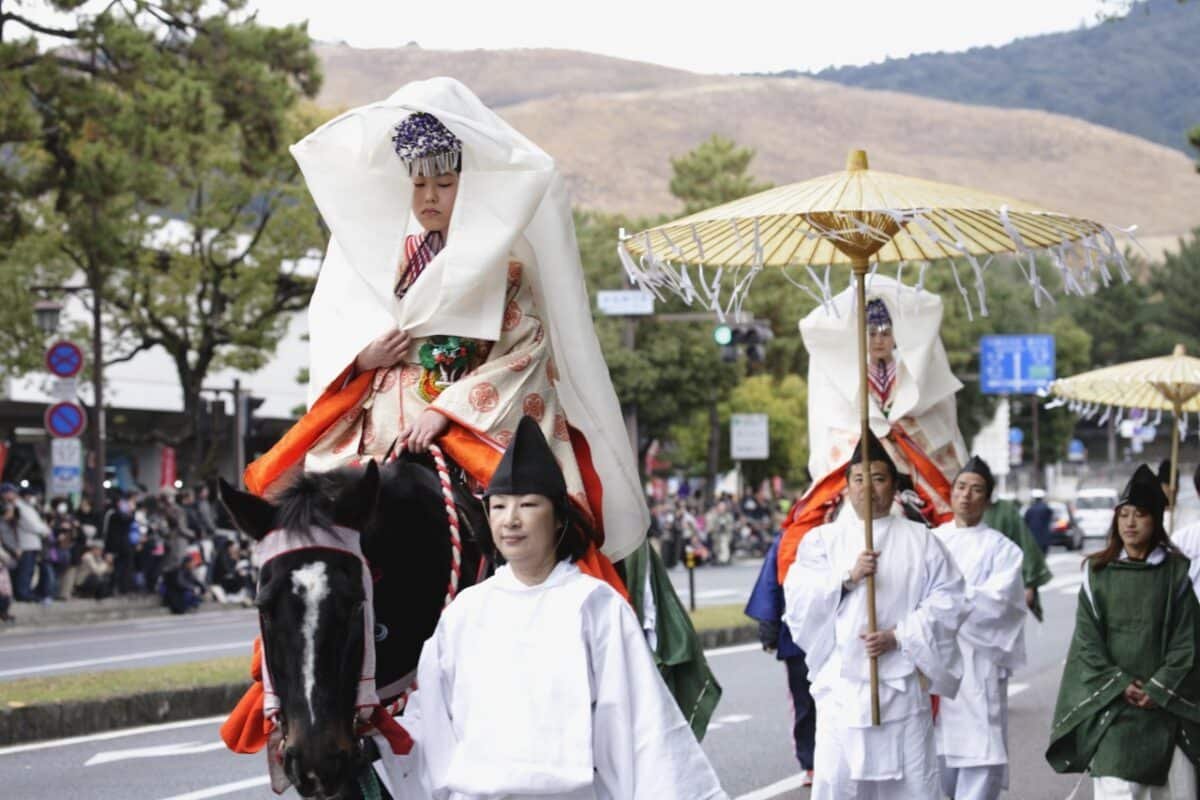
The main highlight is the O-Watari-shiki, a procession in which participants wearing costumes representing different historical periods make their way through Nara. Japan Travel describes approximately 500 participants representing eras from the Heian period through the late Edo period.
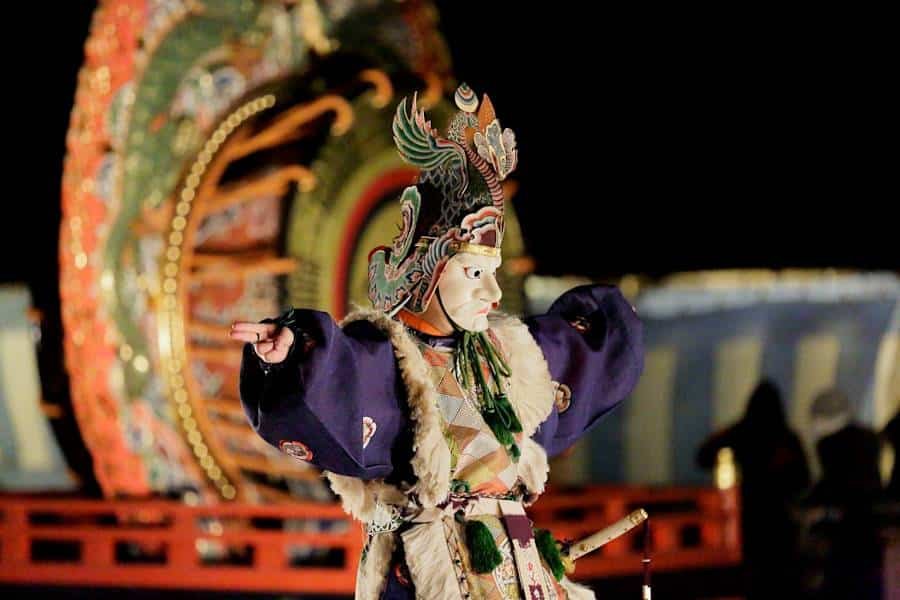
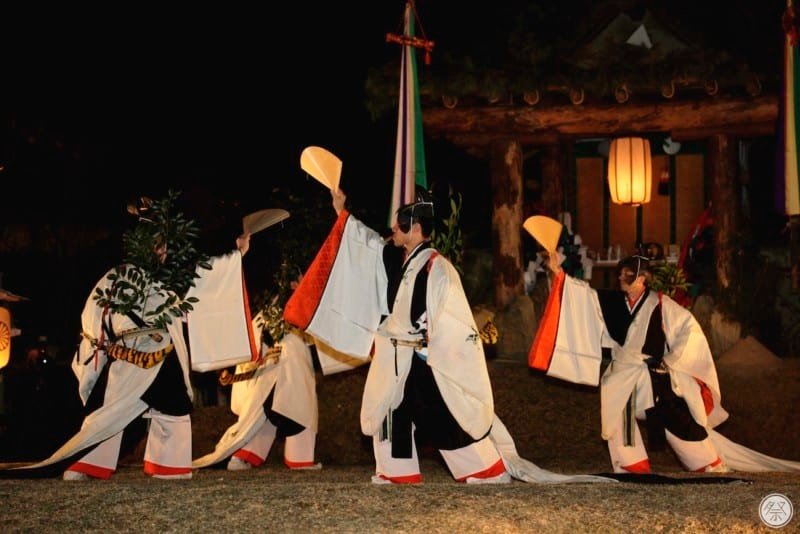
Traditional performances are another major attraction. Visitors may encounter kagura, dengaku, bugaku, ceremonial music, sacred dances, noh-related traditions and other forms of performing arts connected with the festival. These traditions are among the elements that have helped make the event particularly significant for understanding Japan’s historical performing culture.
Event dates
Kasuga Wakamiya On-Matsuri 2026 is officially scheduled for December 15–18, 2026, with the main historical procession taking place on December 17. The official festival organization states that the central festival period is held every year from December 15 through December 18.
The main sequence is:
- December 15: Oshukusho-mōde, Miyutate purification ceremonies and Oshukusho Festival
- December 16: preliminary shrine visits, dengaku offerings and Yoimiyasai
- December 17: the principal festival day, including the midnight transfer ceremony, O-Watari-shiki, horse-related ceremonies and Otabisho Festival
- December 18: Hōnō-zumō dedication and Goen-no-Nō performances
The exact timing of individual rituals can vary, and many ceremonies are religious observances rather than conventional performances designed for continuous public viewing.
Visiting this event? Don’t miss out on these amazing activities and local experiences while you’re here.
Venues & festival locations
The main venue is Kasuga Taisha, located at 160 Kasugano-cho, Nara City, Nara 630-8212. The wider festival route extends beyond the shrine grounds into central Nara, making the event partly a shrine festival and partly a city procession.
Important festival locations include:
- Kasuga Taisha and Kasuga Wakamiya Shrine
- Otabisho, the temporary sacred sanctuary used during the festival
- Ichino-torii area
- Matsushita-no-shiki area
- Nara Prefectural Government area
- Central Nara streets used by the historical procession
- Oshukusho
- The approach to Kasuga Taisha
- Otabisho-mae area
The O-Watari-shiki is particularly important because it moves through public areas of Nara rather than remaining inside the shrine complex. Historical costumes, horses, musicians, shrine attendants and other participants create a moving cultural display through the city.
Full cultural programme
The festival programme develops over several days, with the largest concentration of ceremonies on December 17.
December 15 begins with the Oshukusho-mōde. Participants associated with the festival travel in procession from around JR Nara Station toward the Oshukusho. Miyutate purification rituals are subsequently held at several times during the afternoon, including a session for general worshippers. The Oshukusho Festival follows in the evening.
December 16 is a preparation day for the major rituals. Yamato samurai participants make their evening shrine visit, the dengaku performers visit the shrine and offer their traditional performance, and the Yoimiyasai is conducted to pray for the safe execution of the festival.
December 17 is the central day. The day begins with the sacred transfer of the Wakamiya deity to the Otabisho during the night. Later, the historical procession moves through Nara before reaching the sacred festival area. The Otabisho Festival then continues with an extensive programme of sacred music and performing arts.
December 18 provides the closing cultural programme, including dedicated sumo and Goen-no-Nō performances.
Featured traditions & performances
Kasuga Wakamiya On-Matsuri is particularly valuable for visitors interested in traditional Japanese performing arts.
Dengaku, historically connected with agricultural and field performance traditions, is one of the arts associated with the festival. Bugaku, the refined court music and dance tradition, is another important feature.
The festival also preserves forms of sarugaku, a historical performance tradition associated with the development of noh and kyōgen. The Nara National Museum describes the festival as bringing together dengaku, bugaku and sarugaku among its traditional performing arts.
Kagura and traditional dances add another dimension to the programme. Rather than being presented as a modern concert, these performances form part of religious offerings made in connection with the Wakamiya deity.
The combination of music, movement, costumes and ritual makes the festival especially useful for visitors wanting to understand how Japanese performing arts developed within religious and courtly settings.
Historical & heritage highlights
Kasuga Wakamiya On-Matsuri traces its recorded origins to 1136, giving the festival a history extending across almost nine centuries. The Nara National Museum notes that its traditions have continued through generations and that the festival has become an important expression of the cultural world associated with Kasuga faith and the wider Yamato region.
The festival’s historical procession is one of its strongest heritage attractions. Participants represent different periods of Japanese history through clothing, equipment, ceremonial roles and procession order.
The O-Watari-shiki is also recognized as an Important Intangible Folk Cultural Property together with the sacred performing arts presented during the festival.
Visitors can also connect the festival with the broader heritage of Kasuga Taisha, whose shrine grounds, ancient forest setting and historic religious traditions make the surrounding area one of Nara’s major cultural destinations.
Events & activities schedule
The central programme can be understood as a four-day progression:
- December 15: Oshukusho-mōde, Miyutate purification ceremonies and Oshukusho Festival
- December 16: Yamato samurai Yoimiyamōde, dengaku Yoimiyamōde and Yoimiyasai
- December 17: sacred transfer, historical procession, horse ceremonies, Otabisho Festival and the return ceremony
- December 18: dedicated sumo and Goen-no-Nō
On December 17, the O-Watari-shiki is the major public spectacle. The procession traditionally represents historical periods and includes participants in elaborate costumes. Nara City Tourism information places the procession around midday, followed by the Otabisho Festival in the afternoon and continuing into the evening.
The late-night religious ceremonies are considerably more solemn. Visitors should treat them as sacred observances rather than ordinary entertainment events.
Ticket types & entry options
General attendance at Kasuga Wakamiya On-Matsuri is free. Japan Travel lists the 2026 event as free, and the festival itself does not operate like a ticketed commercial festival with a general admission gate.
However, special spectator seating may be offered for the O-Watari-shiki and other key viewing areas. As a reference, the previous edition offered several categories of special seating:
- Todai-ji/Daidōji area-style procession viewing: approximately $13
- Matsushita-no-shiki south seating: approximately $37
- Matsushita-no-shiki north seating: approximately $33
- Otabisho-mae seating: approximately $67
These figures are approximate USD conversions of the previous edition’s published prices and should be treated as reference pricing until the 2026 seating arrangements are formally published. The 2025 special seating ranged from ¥2,000 to ¥10,000 depending on location and viewing period.
The main festival remains accessible without purchasing these reserved viewing seats.
Guided tours & cultural experiences
Visitors looking for a deeper cultural experience can combine the festival with guided visits to Kasuga Taisha, the Nara National Museum and the surrounding historic district.
A guided experience can be especially helpful because many of the ceremonies use Japanese religious terminology and have historical meanings that are not immediately apparent to first-time visitors.
Good cultural experiences include:
- Learning about the history of Wakamiya Shrine
- Following part of the O-Watari-shiki route
- Visiting the Nara National Museum
- Exploring the historic Kasuga Taisha precinct
- Learning about dengaku and bugaku
- Visiting nearby Nara Park and historic temples
- Exploring traditional Naramachi after the festival ceremonies
The Nara National Museum has regularly presented exhibitions examining the history, rituals and artistic heritage connected with On-Matsuri, demonstrating the festival’s importance beyond the individual December ceremonies.
Special ceremonies & celebrations
The most distinctive ceremonies are concentrated on December 17.
The Sencō-no-Gi takes place around midnight as the Wakamiya deity is transferred from the shrine to the temporary Otabisho. The ceremony is conducted in darkness and has an exceptionally solemn character. Nara City Tourism information explains that the lights along the approach are extinguished and that photography and even using lights to illuminate the path are not permitted during this ritual.
Later, the O-Watari-shiki brings a spectacular historical procession through Nara. The procession includes people in period costumes, shrine attendants, horses and performing groups.
At the Otabisho, the festival continues with the Otabisho Festival. Traditional performing arts are offered before the temporary sacred sanctuary, creating a long sequence of music, dance and ceremonial performances.
The Kangen-style musical traditions, dengaku, bugaku and other sacred arts are among the most culturally significant elements of the event.
Festival rules
Kasuga Wakamiya On-Matsuri is a religious festival, so visitors should behave respectfully throughout the shrine grounds and procession route.
Important considerations include:
- Follow instructions from shrine staff and event officials.
- Do not enter restricted ritual areas.
- Do not interfere with participants or horses.
- Keep pathways clear for processions.
- Follow photography restrictions where posted.
- Avoid flash photography during sensitive ceremonies.
- Keep noise to a minimum during religious rituals.
- Do not use drones around Kasuga Taisha.
- Smoking is prohibited within the shrine area.
- Pets are not permitted within the shrine grounds.
Kasuga Taisha specifically lists no pets, no drones and no smoking among its restrictions.
The midnight transfer ceremony has particularly strict expectations concerning light and photography, so visitors intending to observe it should follow official instructions carefully.
How to get there
Kasuga Taisha is located in eastern Nara, within the historic Nara Park area.
From JR Nara Station or Kintetsu Nara Station, visitors can take a Nara Kotsu bus toward Kasuga Taisha Honden. The official Kasuga Taisha information identifies the Kasuga Taisha Honden stop as the most direct bus option.
Visitors can also use the city loop bus to Kasuga Taisha Omotesando. From there, the shrine is reached on foot through the historic approach.
Kintetsu Nara Station is also within walking distance. Kasuga Taisha estimates the walk from Kintetsu Nara Station at approximately 25 minutes.
Because the O-Watari-shiki uses public roads in central Nara, visitors attending the main procession should not simply travel directly to the shrine. Checking the official procession route and choosing a viewing point in advance is more practical.
Public transport & parking
Public transport is the recommended way to reach the festival, particularly on December 17 when the procession attracts visitors and temporary traffic restrictions may affect parts of central Nara.
Nara Kotsu buses connect JR Nara Station with Kasuga Taisha. The bus journey to Kasuga Taisha Omotesando is approximately 9 minutes from the JR Nara area on listed services, while Kasuga Taisha Honden is served by additional routes.
Kasuga Taisha has a parking area with around 100 spaces, but the shrine warns that parking can close without advance notice because of shrine events. The standard published passenger-car parking charge is approximately $10 when converted from the listed ¥1,500 fee.
For the festival itself, public transport and walking are generally more convenient than trying to drive into the central viewing areas.
Accommodation areas
Staying in central Nara is the most convenient choice for visitors who want to experience several days of the festival.
Useful accommodation areas include:
- Nara Station area
- Kintetsu Nara Station area
- Naramachi
- Nara Park area
- Kasuga Taisha surroundings
- Higashimuki and Sanjo-dori areas
The Nara Station area provides convenient access to buses and trains, while accommodation closer to Nara Park can reduce walking time to Kasuga Taisha.
For visitors concentrating on December 17, staying within walking distance of the procession route can be particularly useful because the most important activities occur across several locations rather than at one enclosed venue.
Booking early is advisable because the festival coincides with the winter tourism period and Nara’s major heritage attractions remain popular throughout the year.
Food & traditional specialties
Food is not the primary focus of Kasuga Wakamiya On-Matsuri, but traditional food is connected with the festival culture.
One notable specialty associated with the Oshukusho Festival is noppe-jiru, a traditional thick soup that has been served in connection with the festival. The official festival programme notes that the dish is traditionally provided by local shopping district participants during the Oshukusho Festival.
Visitors can also use the festival as an opportunity to sample traditional Nara cuisine around the city.
Local specialties to consider include:
- Noppe-jiru
- Kakinoha-zushi
- Miwa somen
- Traditional Japanese sweets
- Nara pickles
- Local sake
- Seasonal winter dishes
The best approach is to treat food as part of a wider Nara cultural itinerary rather than expecting a large festival food market.
Accessibility
Accessibility can vary considerably between festival locations because the event includes shrine grounds, historic streets, public roads and temporary viewing areas.
The main approach to Kasuga Taisha is accessible by bus, while visitors should expect walking on historic paths and around large public crowds.
Special seating may provide a more structured viewing environment for visitors who prefer a reserved location, although availability, access arrangements and seating design should be checked for the 2026 edition.
Visitors with mobility requirements should plan carefully for December 17 because the procession takes place across central Nara and crowd density can increase around popular viewing points.
The Nara National Museum has also provided accessibility-related admission arrangements in its exhibitions connected with On-Matsuri, including free entry for visitors presenting qualifying disability certificates and an accompanying caretaker.
Best cultural experiences
The strongest cultural experience is to build a full-day or multi-day itinerary around the festival rather than visiting only for the procession.
Start with Kasuga Taisha and learn about the shrine and Wakamiya before following the O-Watari-shiki through central Nara. Watching the procession from a respectful public location allows visitors to appreciate the costumes, horses, musicians and ceremonial groups without entering restricted areas.
The Otabisho Festival offers another important perspective because it demonstrates how music, dance and other performing arts are incorporated into religious observance.
For visitors especially interested in history, combining the festival with the Nara National Museum is worthwhile. Museum exhibitions have highlighted the festival’s sacred objects, performing traditions and long historical development.
A visit to Naramachi can complement the experience by showing a different side of Nara’s historic urban culture.
Previous year’s highlights
The previous edition continued the festival’s long-established pattern of multi-day ceremonies culminating in the December 17 procession and Otabisho Festival.
The 2025 programme included the Oshukusho-mōde, several Miyutate purification ceremonies, the Oshukusho Festival, Yamato samurai and dengaku shrine visits, the Yoimiyasai, the O-Watari-shiki, the Otabisho Festival and the closing ceremonies.
The 2025 special seating programme also demonstrated the range of viewing options available for the procession. Seats were provided around Todai-dori, the Matsushita-no-shiki area and the Otabisho, with different viewing periods and supplementary materials depending on the location.
One of the most significant continuing attractions was the historical procession, which presents a visual journey through Japanese history using costumes and ceremonial roles. Japan Travel describes around 500 participants representing successive periods from the Heian period through the late Edo period.
Official tickets
There is no standard admission ticket required to attend Kasuga Wakamiya On-Matsuri. Japan Travel lists the festival as free, while the official festival organization publishes the programme and ritual information for visitors.
Special spectator seating for the O-Watari-shiki may be offered separately. The 2025 edition used paid reserved viewing areas, so visitors interested in premium viewing should check the official Kasuga Wakamiya On-Matsuri website and the Nara City Tourism Association for the 2026 release.
https://en.japantravel.com/nara/kasuga-wakamiya-on-matsuri/32005
The official festival site provides the event programme, route information and updates, while Kasuga Taisha provides information about the shrine, access and visitor regulations.
Video
Location
FAQ
What are the exact dates when Kasuga Wakamiya On-matsuri is held every year?
The festival takes place annually across a four-to-five-day span from December 14th through December 18th within the historic temple grounds of Nara. While various subsidiary rites occur throughout the period, the primary public spectacles and major historical processions are concentrated heavily on December 17th. Planning your itinerary around mid-December ensures you catch the core historical pageantry and traditional performances.
How can travelers easily access the festival venues using public transportation?
Visitors can take a comfortable train ride to either JR Nara Station or Kintetsu Nara Station before boarding a local Nara Kotsu bus directly to the Kasuga Taisha Honden stop. Alternatively, travelers can enjoy a scenic 30-minute walk eastward through picturesque Nara Park straight toward the shrine complex. Utilizing regional rail networks makes traveling from nearby Osaka or Kyoto exceptionally convenient for day-trippers.
Is it necessary to purchase admission tickets to view the historical procession and shrine events?
General public viewing along the open street routes and standard shrine grounds is completely free of charge for all visitors. While optional paid reserved seating can be purchased in advance for specific prime viewing sections of the parade, most areas accommodate free roadside spectators. Arriving ahead of schedule is recommended to secure an optimal vantage point along the busy public sidewalks.
What specific rules apply to visitors attending the solemn midnight Shinto rituals?
Midnight ceremonies require absolute silence, complete darkness from artificial lights, and a strict ban on all photography or video recording. Attendees must follow instructions from shrine staff precisely, turning off all electronic devices and offering respectful bows as sacred objects pass. These deep-seated protocols protect the sanctity of centuries-old religious traditions observed deep within the temple precincts.
What weather conditions should travelers anticipate during December in Nara?
December temperatures in Nara drop significantly, particularly during afternoon shade and late-night outdoor ceremonies conducted under open winter skies. Visitors must pack heavy coats, thermal layers, gloves, and warm footwear to stay comfortable during hours of stationary outdoor viewing. Preparing adequately for the cold ensures a pleasant and uninterrupted cultural experience throughout the multi-day festival schedule.

Leave a Reply