
What to expect in 2027
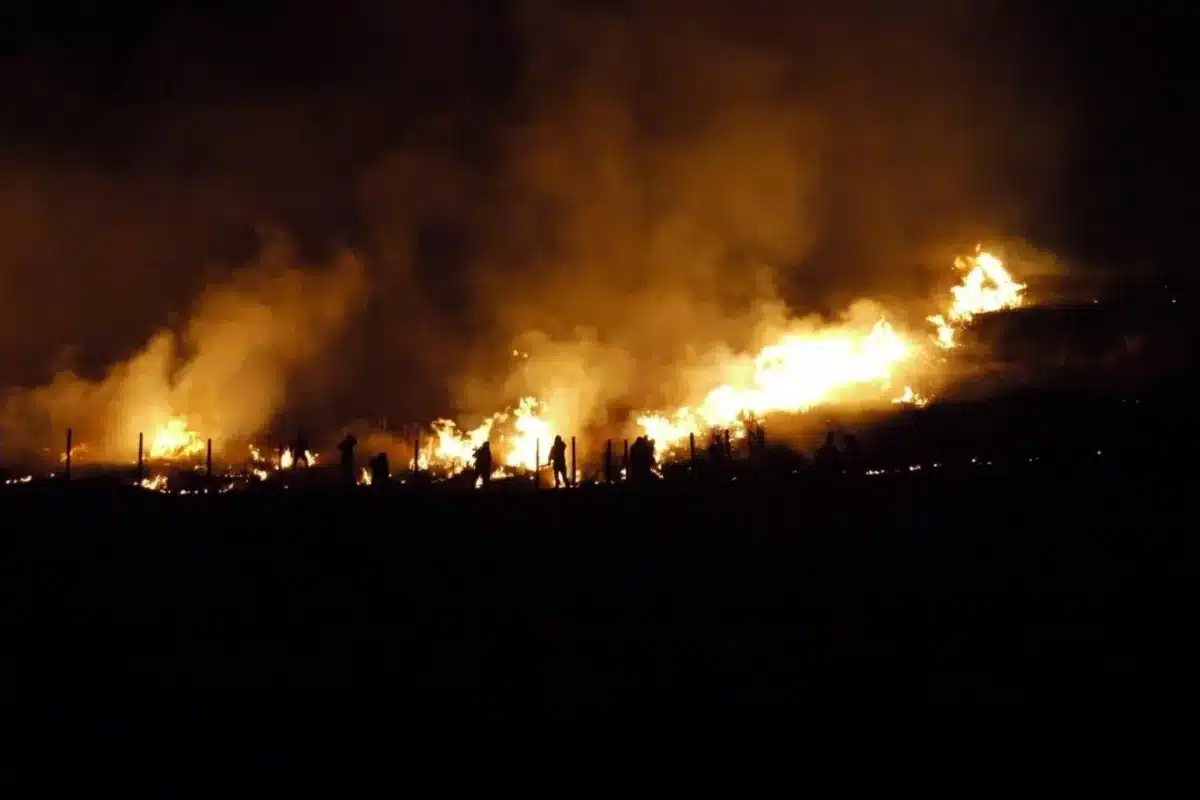
Yamayaki Festival 2027, also known as Wakakusa Yamayaki, is one of Nara’s most spectacular traditional winter events. Each year, the grass-covered slopes of Mount Wakakusa are deliberately set alight in a carefully organized ceremony that combines religious traditions, a sacred-fire procession, fireworks and the controlled burning of the mountainside.
The festival takes place around Mount Wakakusa at the eastern edge of Nara Park. The mountain rises above the historic city and provides a dramatic backdrop for the evening ceremony. When the dry grass is ignited, the fire gradually spreads across the hillside, creating a broad band of orange light that can be seen from many parts of Nara. The event is preceded by a major fireworks display, making the evening a combination of traditional ritual and large-scale visual spectacle.
Yamayaki is not simply a mountain-burning demonstration. It is a long-established religious and cultural event involving Kasuga Taisha, Todai-ji and Kofuku-ji, three of Nara’s most important historic religious institutions. The sacred fire is carried in procession before the mountain is burned, linking the modern spectacle with centuries of local traditions.
Enjoy Your Event Stress-Free with Japan Travelo
Do you know? Planning events, festivals, concerts, and cultural experiences in Japan can be overwhelming. Japan Travelo brings everything together in one place, helping you manage your itinerary, transport, and accommodation with ease—so you can enjoy Japan without the stress of planning.
Visitors in 2027 can expect:
- Sacred-fire procession: A procession carries sacred fire toward Mount Wakakusa.
- Traditional ceremonies: Religious ceremonies take place before the mountain is ignited.
- Large fireworks display: A major fireworks presentation takes place immediately before the main burn.
- Mountain-wide flames: The grass-covered slopes are ignited in a coordinated operation.
- Historic surroundings: The event takes place beside Nara Park, Todai-ji, Kasuga Taisha and other major cultural sites.
- Winter atmosphere: The combination of cold night air, fireworks, temple silhouettes and the illuminated mountain creates a distinctive Nara experience.
- Multiple viewing locations: The spectacle can be observed from areas around Nara Park and from more distant viewpoints across the city.
The exact 2027 arrangements, including paid viewing zones, ticket sales and detailed crowd-management measures, should be confirmed through the official event organizers once the programme is finalized. Nara Prefecture has already begun preparations for 2027 paid-viewing ticket management and a VIP viewing area, indicating that organized spectator facilities will continue to be part of the event.
Event dates
Yamayaki Festival 2027 is scheduled for Late January 2027 (Dates TBD).
The Japan Travel event page currently lists the festival for late January 2027 and states that the official dates have not yet been confirmed. The traditional timing is associated with the fourth Saturday of January, but visitors should rely on the official announcement rather than assuming the final date.
Weather is an important consideration. The mountain burn depends on suitable conditions, including the condition of the dry grass, wind and overall safety. The event can be cancelled or postponed when conditions do not allow the burning to proceed safely, so visitors should check the official information close to the festival.
The fireworks and burning ceremony normally form the evening climax, while the sacred-fire procession and earlier ceremonies take place beforehand.
Visiting this event? Don’t miss out on these amazing activities and local experiences while you’re here.
Venues & festival locations
The main venue is Mount Wakakusa, also known as Wakakusayama, in Nara Park.
Mount Wakakusa
Wakakusayama, Nara City, Nara Prefecture, Japan
Mount Wakakusa is approximately 342 metres high and covers around 33 hectares. The mountain has a distinctive three-tiered appearance and is one of the most recognizable natural landmarks in Nara. A historic burial mound known as Uguisuzuka Kofun is located near the summit.
The festival extends beyond the mountain itself. Important locations include:
- Kasuga Taisha: The sacred fire is prepared and the procession begins from the Kasuga area.
- Tobihino: A major open area near Kasuga Taisha associated with the O-Tondo bonfire and festival preparations.
- Mizuya Bridge area: A traditional point associated with the sacred-fire preparations.
- Nogami Shrine: A small shrine at the foot of Mount Wakakusa where ceremonies take place before the fire reaches the mountain.
- Mount Wakakusa foothills: The principal area for close views of the burning hillside.
- Nara Park: A broad viewing environment with several possible perspectives.
- Nara Park Bus Terminal: A designated viewing facility that has been used as a paid viewing location.
The official Nara Travel Guide identifies Nara Park and Mount Wakakusa as the event location, while the prefectural event information explains how the sacred fire moves through the festival route before reaching the mountain.
Full cultural programme
The Yamayaki programme combines religious ceremonies, traditional processions, fireworks and the mountain-burning ceremony.
The cultural programme generally includes:
- Sacred-fire preparation
- O-Tondo bonfire activities
- Religious ceremonies
- Procession of sacred fire
- Yamabushi participants
- Conch-shell music
- Traditional court music
- Ceremonies at Nogami Shrine
- Transfer of fire to torches
- Procession toward Mount Wakakusa
- Large fireworks display
- Coordinated mountain ignition
- Fire-control and extinguishing operations
The procession is particularly atmospheric. Yamabushi in traditional clothing take part, some blowing conch shells while musicians perform traditional music. The involvement of Buddhist monks and shrine representatives reflects the interwoven religious traditions that developed around Nara’s major temples and shrines.
The main burn is a carefully coordinated operation rather than an uncontrolled wildfire. Nara City firefighters and other personnel participate in the safety operation, while the grass is deliberately ignited across the designated area.
The prefectural information states that approximately 33 hectares of grassland are involved, with a perimeter of around 3.8 kilometres.
Featured traditions & performances
One of the most important traditions is the sacred-fire procession. The fire is treated as a religious flame and carried toward the mountain through a ceremonial sequence involving representatives of Nara’s major religious institutions.
Yamabushi procession
Yamabushi dressed in traditional clothing form part of the procession. Their presence gives the event a distinctly historic appearance, particularly when combined with conch-shell calls and traditional music.
Traditional court music
Traditional musical performances accompany parts of the procession and ceremonies. The music provides a strong contrast with the explosive fireworks that later announce the beginning of the mountain-burning spectacle.
O-Tondo bonfire
A large bonfire at the Kasuga area forms part of the wider ceremonial programme. Traditional talismans, charms and New Year decorations can be burned as part of the ritual, accompanied by prayers for good fortune and an abundant harvest.
Fireworks
The fireworks are one of the festival’s most recognizable features. They are launched shortly before the mountain is ignited and create a dramatic transition from the religious procession to the spectacular nighttime burn.
Mountain burning
The climax comes when the dry grass covering Mount Wakakusa is ignited. The flames spread across the slopes, producing a large illuminated landscape that can be seen from around Nara.
Historical & heritage highlights
Yamayaki has been part of Nara’s cultural landscape for centuries, although its precise origins remain uncertain.
One traditional explanation connects the custom to a historic dispute involving Todai-ji and Kofuku-ji. Japan Travel describes a conflict dating to the eighteenth century as one possible origin of the practice. Other explanations connect the burning to controlling vegetation, driving away wild animals or dealing with supernatural concerns.
Because the precise origin is unclear, Yamayaki is best understood as a tradition whose meaning has developed through several layers of Nara’s history.
The involvement of Kasuga Taisha, Todai-ji and Kofuku-ji is especially significant. These institutions represent major parts of Nara’s religious and cultural heritage, and their participation gives the festival a character that extends beyond a simple agricultural grass-burning practice.
Mount Wakakusa itself is also historically important. Its summit contains Uguisuzuka Kofun, a major ancient burial mound, and the mountain provides views across Nara Basin.
The festival therefore connects natural landscape, ancient burial traditions, Buddhist temples, Shinto shrines and local seasonal customs in one event.
Events & activities schedule
The detailed 2027 schedule has not yet been confirmed, but the traditional sequence can be understood as a series of connected activities.
Afternoon preparations
Festival preparations begin well before the mountain is burned. Visitors arriving early can explore Nara Park, Kasuga Taisha, Todai-ji and the areas surrounding Mount Wakakusa while preparing for the evening spectacle.
O-Tondo and ceremonial activities
The wider festival programme includes a large bonfire and related traditional activities around the Kasuga area. These ceremonies form an important cultural introduction to the later mountain-burning event.
Sacred-fire procession
A sacred fire is carried in procession toward Mount Wakakusa. Traditional clothing, conch shells, music and ceremonial movement make this one of the most atmospheric parts of the festival.
Nogami Shrine ceremony
The procession reaches Nogami Shrine at the foot of the mountain, where further ceremonies take place before the fire is carried onward.
Fireworks
The fireworks provide the immediate prelude to the mountain burning. The display is visible from numerous locations around Nara.
Mountain ignition
After the fireworks, the prepared hillside is set alight. Fire spreads across the grass while firefighters and festival personnel monitor the operation.
Fire extinguishing
Once the burn is complete, Nara’s fire brigade and other officials work to extinguish remaining flames and ensure the area is safe.
Ticket types & entry options
The general Yamayaki spectacle can be viewed from public areas around Nara Park, meaning visitors do not necessarily need a ticket to experience the festival.
However, paid viewing zones were introduced for the event in the previous edition as part of crowd management and safety measures. The previous edition charged approximately $13.33 per person for visitors of middle-school age and above, while younger children could enter free under the stated accompanying-adult arrangement.
For 2027, the organizers are preparing a paid-ticket management system for designated viewing areas. The official procurement documents also show that a VIP viewing area around Nogami Shrine is being planned.
The 2027 ticket prices and exact paid areas have not yet been announced, so the previous edition’s $13.33 adult admission should be treated only as a reference rather than a confirmed 2027 price.
Possible viewing options include:
- Public viewing: Free from suitable public areas.
- Designated paid viewing areas: Previous edition reference price approximately $13.33 for eligible visitors.
- Nara Park Bus Terminal rooftop: A designated viewing area used previously, particularly suitable for visitors seeking a more controlled viewing environment.
- VIP viewing area: A 2027 facility is being planned around Nogami Shrine, but the price and final arrangements have not been announced.
Guided tours & cultural experiences
Yamayaki is particularly rewarding when combined with a cultural walking experience through Nara.
Visitors can arrive early and explore the historic landscape before the evening festival begins. The area around Nara Park contains some of Japan’s most significant Buddhist and Shinto sites, including Todai-ji, Kofuku-ji and Kasuga Taisha.
A self-guided cultural route can include:
- Nara Park
- Todai-ji
- Kasuga Taisha
- Tobihino
- Niu?
- Nogami Shrine
- Mount Wakakusa foothills
- Evening Yamayaki viewing area
For a more structured experience, visitors can look for local Nara guides or cultural walking tours that explain the religious history of the city and the connection between the major temples and shrines participating in Yamayaki.
The most valuable cultural experience is to understand the sacred-fire procession before watching the mountain burn. The event makes considerably more sense when viewed as a centuries-old religious tradition rather than simply a spectacular fire show.
Special ceremonies & celebrations
The festival’s religious ceremonies form the foundation of the event.
The sacred fire is prepared through a traditional sequence connected with Kasuga Taisha and is then carried toward the mountain. Ceremonies at Nogami Shrine provide another important stage before the fire reaches the prepared grassland.
The participation of representatives connected with Kasuga Taisha, Todai-ji and Kofuku-ji is a major feature of the festival. This combination of Buddhist and Shinto traditions reflects Nara’s long religious history.
The O-Tondo ceremony is another important component. A large bonfire is used to burn traditional protective objects and New Year decorations, accompanied by prayers for good fortune and a successful harvest.
For visitors, these ceremonies provide an opportunity to see the spiritual context behind the spectacular evening burn.
Festival rules
Yamayaki involves real fire, large crowds and carefully controlled movement, so visitors should follow all official instructions.
Stay outside restricted areas
Do not enter cordoned-off sections around the mountain, fireworks launch zones or fire-control areas.
Follow crowd-control instructions
Police, firefighters, festival staff and city officials may change pedestrian routes or viewing arrangements according to conditions.
Do not approach the fire
The flames can spread rapidly across dry grass. Visitors should remain within designated spectator areas.
Respect the religious ceremonies
The sacred-fire procession and shrine ceremonies are important religious traditions. Photography should never interfere with participants or block the procession.
Avoid drones
Drones should not be flown around the festival because of the combination of crowds, fireworks, helicopters or other safety concerns and active fire operations.
Protect children
Children should remain under close supervision, especially near crowded viewing areas and pedestrian routes.
Prepare for cold weather
The festival takes place in winter, after dark. Warm clothing, gloves and comfortable shoes are strongly recommended.
Expect possible cancellation
The burning depends on weather and safety conditions. Strong winds, heavy snow or unsuitable grass conditions can result in cancellation. Visitors should check official information before travelling.
How to get there
Mount Wakakusa is located within Nara Park and can be reached from both major Nara railway stations.
From Kintetsu Nara Station, visitors can walk east toward Nara Park and Mount Wakakusa. The official access information estimates roughly 30 minutes on foot to the mountain foothills.
From JR Nara Station, the walk is longer, with the official information estimating approximately 38 minutes to the mountain area.
Buses are particularly useful for visitors who prefer not to walk the entire distance.
From Kintetsu Nara Station, visitors can use Nara Kotsu buses toward the Todai-ji and Kasuga Taisha area. From JR Nara Station, buses also connect with the same sightseeing area. The closest useful stops include the Todai-ji Daibutsuden and Kasuga Taisha-mae area.
On the festival evening, visitors should allow considerably more time than normal because roads and pedestrian routes can become congested.
Public transport & parking
Public transportation is strongly recommended for Yamayaki.
The official Nara Prefecture FAQ states that there is no dedicated Yamayaki parking lot and advises visitors to use public transportation because traffic restrictions and heavy congestion occur around Nara Park during the event.
Traffic controls can affect access to roads around the Nara Park and Mount Wakakusa area. These restrictions are designed to protect pedestrians and allow emergency and festival operations to proceed safely.
Visitors arriving by train should therefore plan to leave their vehicle outside the immediate festival area and continue by rail, bus and walking.
General Nara Park parking facilities exist, but availability can become extremely limited during major events. Parking conditions can also change because of temporary restrictions.
Accommodation areas
Nara City is the most convenient accommodation base for Yamayaki.
Nara Park area
Staying around Nara Park provides easy access to the festival area and allows visitors to explore Todai-ji, Kasuga Taisha and the surrounding historic district before the evening programme.
Naramachi
The traditional Naramachi district offers historic streets, machiya-style architecture, restaurants and small hotels or guesthouses. It is within walking distance of many central Nara attractions.
Kintetsu Nara Station
This is one of the most convenient areas for visitors using public transportation. There are hotels, restaurants and shopping facilities nearby.
JR Nara Station
JR Nara Station provides a wider range of accommodation and convenient connections for visitors travelling from Kyoto, Osaka and other parts of Japan.
Because Yamayaki attracts large numbers of spectators, accommodation can become busy around the festival period. Booking early is advisable once the final 2027 arrangements are confirmed.
Food & traditional specialties
Yamayaki itself is primarily a cultural and religious event rather than a food festival.
Temporary food stalls have traditionally appeared around the Nara Park area during the event, particularly along routes approaching Mount Wakakusa. Visitors can expect typical Japanese festival foods and warm drinks depending on the year’s vendor arrangements.
Possible festival-style foods may include:
- Takoyaki
- Okonomiyaki
- Grilled foods
- Japanese sweets
- Rice-based snacks
- Hot drinks
- Seasonal street-food specialties
Nara is also known for regional foods such as persimmon-leaf sushi, locally produced sake, traditional sweets and dishes using local vegetables.
Because the evening can be cold, finding a warm meal before or after the mountain burning is a practical part of the experience. Visitors should not rely exclusively on festival stalls, especially if travelling with children or people with dietary requirements.
Accessibility
Accessibility has become increasingly important in the organization of Yamayaki. The previous edition introduced a paid viewing area on the rooftop of the Nara Park Bus Terminal specifically described as suitable for families with young children and older visitors. The area is near transportation, has barrier-free facilities and includes toilets.
The mountain itself is not an ideal viewing environment for everyone because the terrain is grassy and sloped. Visitors with limited mobility should consider choosing a designated viewing location rather than attempting to move up the mountain.
The Nara Park Bus Terminal viewing area is particularly relevant for visitors who require easier access, although the exact 2027 arrangements should be confirmed once tickets and viewing zones are announced.
Visitors should also remember that crowd density can make movement difficult even where physical accessibility facilities are available.
Best cultural experiences
The best experience begins well before the mountain is illuminated.
See the sacred-fire procession
Watching the procession move through Nara provides the cultural context for the later spectacle. The traditional clothing, music, conch shells and flaming torches create an atmosphere that is very different from a conventional fireworks festival.
Visit Kasuga Taisha beforehand
Kasuga Taisha is closely connected with the sacred-fire traditions of Yamayaki and provides an opportunity to understand Nara’s ancient religious landscape.
Explore Tobihino
The open grassland around Tobihino is an important part of the wider festival environment and offers a different perspective on the ceremonial preparations.
Watch the fireworks
The fireworks are an essential part of the evening. They provide a dramatic transition before the mountain is set alight.
Watch the fire from a safe viewpoint
The best perspective depends on what visitors want. Those seeking proximity may consider designated viewing areas, while photographers may prefer a wider city viewpoint that captures the burning mountain against Nara’s skyline.
Combine the festival with Todai-ji
Todai-ji is one of Nara’s most important cultural landmarks and is closely connected with the festival traditions. Visiting the temple before the evening spectacle creates a natural cultural itinerary.
Stay after the fireworks
The fireworks are spectacular, but the mountain burning itself is the defining experience. Visitors should remain in position rather than assuming the fireworks are the finale.
Previous year’s highlights
The previous edition marked an important development in the organization of Yamayaki because designated paid viewing areas were introduced to improve crowd management and strengthen event security.
The paid areas included the area inside the Mount Wakakusa foothill gates and the rooftop of the Nara Park Bus Terminal. The foothill area was designed to accommodate thousands of spectators and provide close views of the fireworks and mountain fire. The rooftop viewing area was smaller and designed to provide a more comfortable, accessible viewing environment.
The previous edition also continued the traditional combination of sacred fire, fireworks and mountain burning.
The official prefectural information describes a major fireworks display followed by the coordinated ignition of approximately 33 hectares of grassland. Around 300 members of the Nara City Fire Brigade participate in the mountain-burning operation, transferring fire from a large bonfire to torches and helping ignite the prepared hillside.
For 2027, the event organizers are already preparing the next stage of paid viewing management. Official procurement documents specifically mention the development of a ticketing system for paid viewing areas and a separate VIP viewing-area project around Nogami Shrine.
Official tickets
Yamayaki remains accessible from public areas around Nara Park, but designated paid viewing areas have become part of the event organization.
For reference, the previous edition’s paid viewing admission was approximately $13.33 for visitors of middle-school age and above, while children below that age could enter under the specified accompanying-adult arrangement.
The 2027 ticket price has not yet been announced. The previous edition’s $13.33 price should therefore be treated as the reference price rather than a confirmed 2027 admission fee.
Official preparations for 2027 indicate that advance paid-viewing ticket management will be used again. A separate VIP viewing area around Nogami Shrine is also being planned, although its final availability, ticket price, capacity and purchasing procedure have not yet been announced.
General public viewing remains possible from suitable areas around Nara Park, subject to crowd controls and safety restrictions.
Visitors should use the official Yamayaki information from Nara Prefecture for the final 2027 ticket announcement, viewing-zone map, access restrictions, weather information and confirmed programme.
Video
Location
FAQ
What are the primary dates when the Yamayaki Festival is held each year?
The festival traditionally takes place annually on the fourth Saturday in January in the historic city of Nara. However, event schedules are heavily dependent on favorable weather conditions and dry grass availability on the mountain. Checking official municipal announcements prior to your trip is essential to confirm the exact date.
How can travelers reach the Mount Wakakusa festival site using public transportation?
Visitors can take a convenient train ride on the Kintetsu Nara Line directly to Kintetsu-Nara Station. From the station, the festival grounds at Nara Park and the base of the mountain are a scenic 15 to 20-minute walk. Regional rail links from Osaka and Kyoto make day trips very accessible for tourists.
Is it necessary to purchase admission tickets to view the mountain burning and fireworks?
No tickets, bookings, or admission fees are required to enter Nara Park or watch the mountain fire and fireworks display. General public viewing is completely free across open park lawns and surrounding public streets. Arriving early is the only requirement to secure a comfortable viewing position.
What is the historical origin behind the famous Yamayaki mountain burning tradition?
The festival traces its roots back to 1760, originating from a bitter boundary dispute between the powerful Todai-ji and Kofuku-ji temples. Over time, this historical conflict transformed into a revered communal custom celebrated annually to clear dead grass and pray for peace. Today, it stands as one of Nara's most iconic winter cultural traditions.
What weather conditions and clothing preparations should visitors anticipate in late January?
Late January in Nara brings freezing winter temperatures, especially after sunset when visitors stand outdoors for hours. Travelers must wear heavy thermal layers, windproof coats, gloves, hats, and sturdy footwear to stay warm. Bringing eye protection is also recommended to guard against floating ash from the mountain fire.

Leave a Reply