
What to expect in 2027
Saitama’s Enmusubi Wind Chime Festival 2027 will transform the grounds of Kawagoe Hikawa Shrine into one of the most distinctive summer cultural settings in Saitama. The festival is centered on hundreds of colorful wind chimes, known as furin, which create a gentle sound as they move in the summer breeze. The event is expected to run from June through September 2027, although the exact dates have not yet been announced.
The festival is closely connected with the shrine’s role as a place associated with relationships, marriage and family harmony. Visitors can see wishes written on wooden strips attached to wind chimes, walk beneath colorful installations and experience the shrine grounds illuminated in the evening.
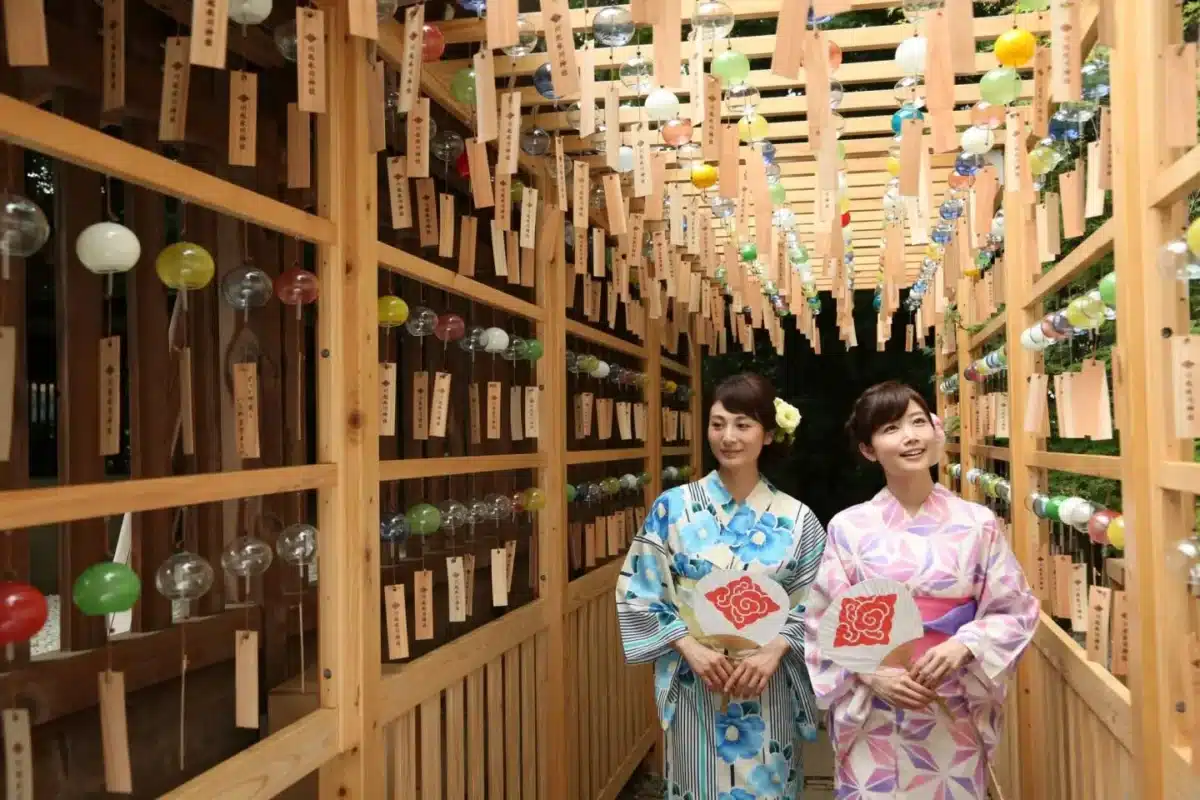
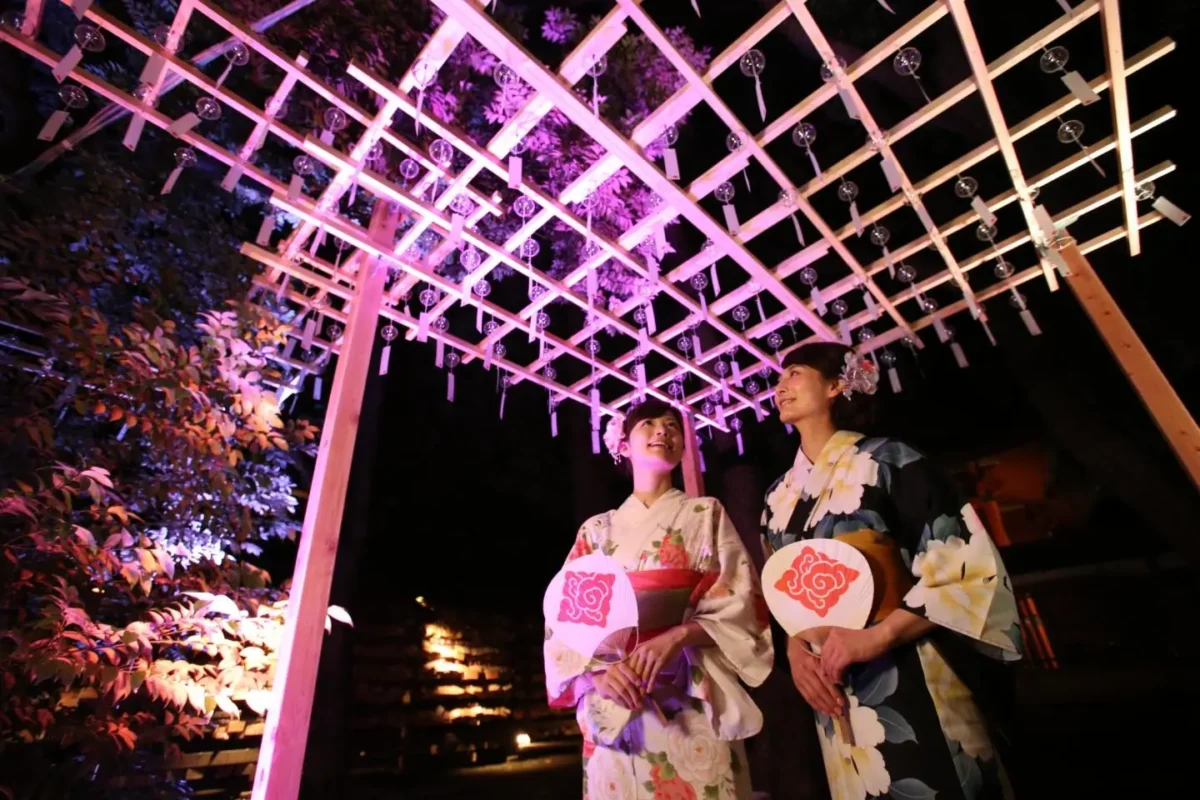
One of the most recognizable attractions is the Furin Komichi, or wind chime lane. Rows of glass wind chimes create a colorful passageway and provide one of the festival’s signature photographic scenes. A second installation, Furin Kairo, features wind chimes carrying wishes from visitors and worshippers.
Enjoy Your Event Stress-Free with Japan Travelo
Do you know? Planning events, festivals, concerts, and cultural experiences in Japan can be overwhelming. Japan Travelo brings everything together in one place, helping you manage your itinerary, transport, and accommodation with ease—so you can enjoy Japan without the stress of planning.
The festival is also an excellent opportunity to experience Kawagoe, often called “Little Edo” because of its preserved historical streetscape. Visitors can combine the shrine experience with Kawagoe’s traditional merchant district, the famous Toki no Kane bell tower, Kashiya Yokocho and local food shops.
The festival has become a major seasonal attraction since its introduction in 2014. Japan Travel reports that approximately 100,000 people have visited the event each year since its beginning, demonstrating how a relatively modern shrine event has developed into an important summer attraction.
Event dates
Saitama’s Enmusubi Wind Chime Festival 2027 is expected to take place from June through September, with the precise opening and closing dates still to be confirmed.
The event traditionally operates across a long summer period rather than being limited to a single weekend. This gives travelers considerable flexibility when planning a visit to Kawagoe.
The 2026 edition was listed by Japan Travel as a daily event with daytime and evening access, and the festival was identified as a free-entry cultural event. The final 2027 operating hours should be confirmed when the new programme is published.
Because the festival is installed over an extended period, visitors can choose between a quieter daytime visit and an evening experience when illuminated installations become particularly atmospheric.
Visiting this event? Don’t miss out on these amazing activities and local experiences while you’re here.
Venue & event locations
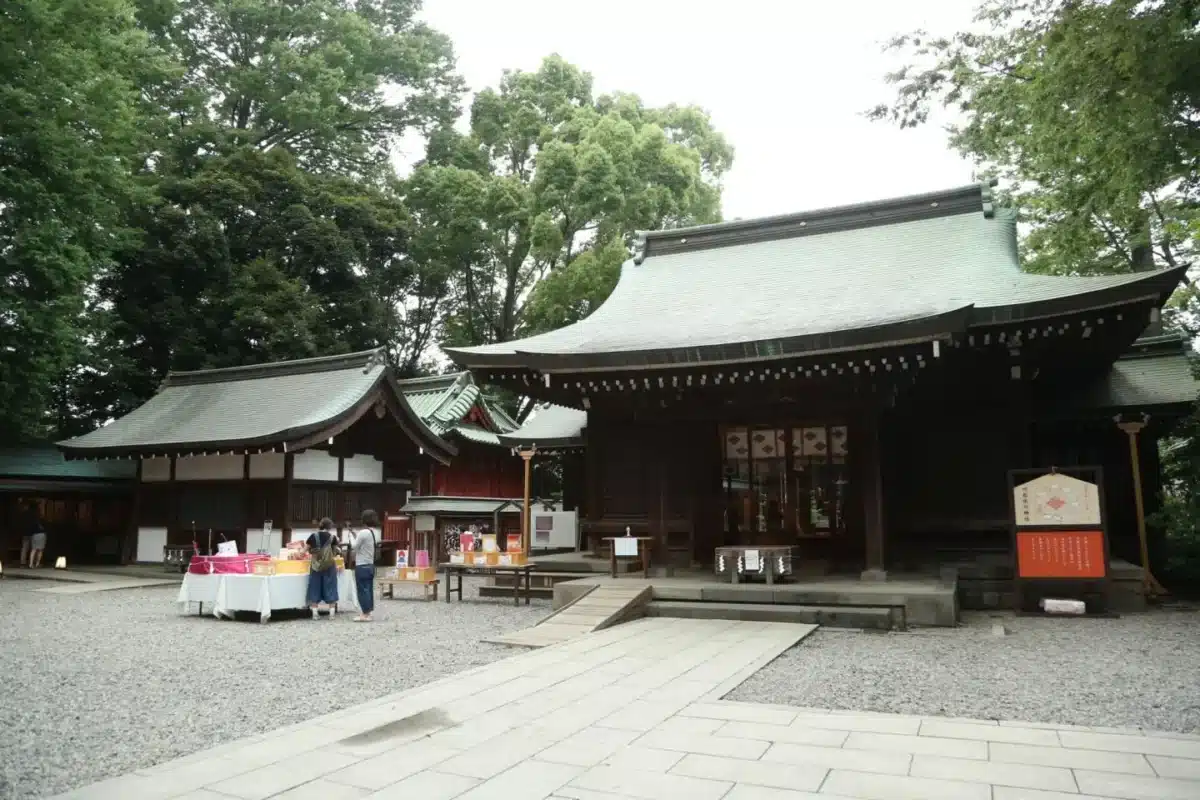
The principal venue is Kawagoe Hikawa Shrine, a historic Shinto shrine in Kawagoe, Saitama Prefecture.
Kawagoe Hikawa Shrine
Address: 2-11 Miyashitamachi, Kawagoe-shi, Saitama, Japan.
The shrine is located on the edge of central Kawagoe and is surrounded by greenery, creating a peaceful setting for the colorful wind-chime displays. The shrine itself has a history of approximately 1,500 years and is associated with five deities.
Furin Komichi
The Wind Chime Lane is one of the central festival installations. Visitors walk alongside numerous glass wind chimes arranged in different colors, creating a tunnel-like visual experience.
Furin Kairo
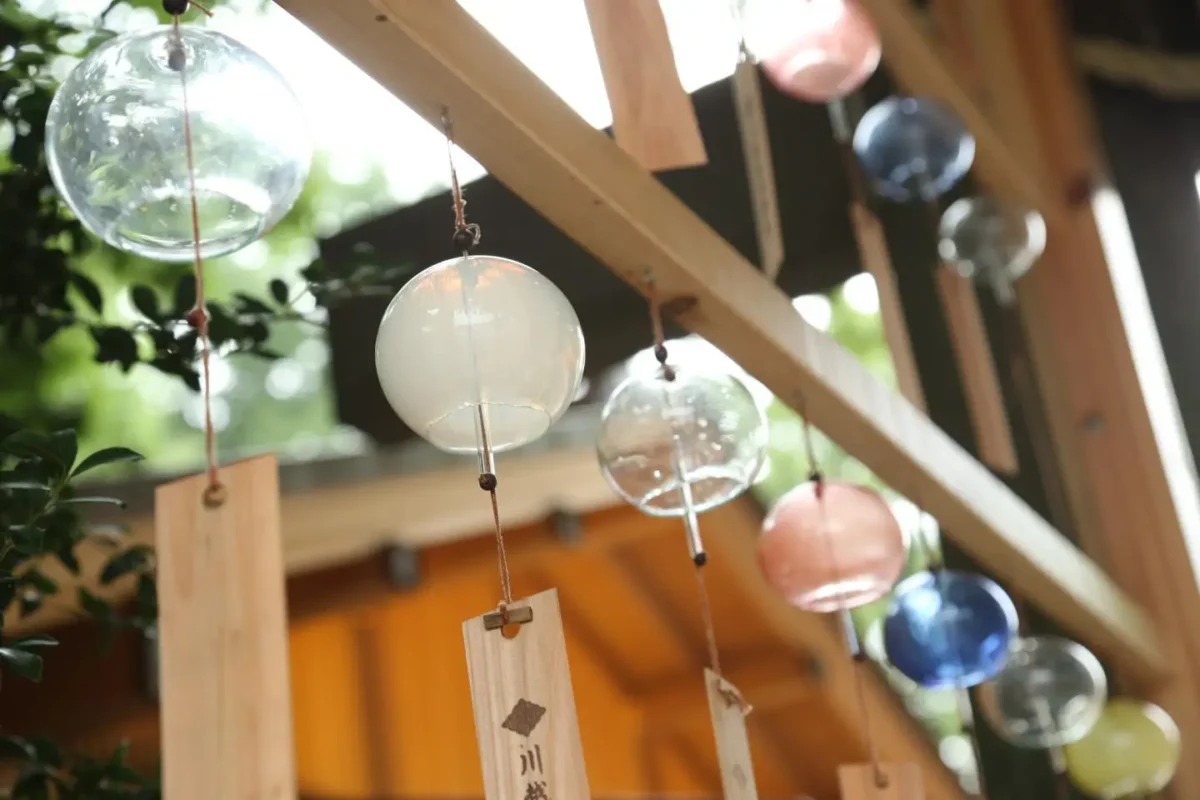
The Corridor of Marriage Wind Chimes provides a more symbolic experience. Wishes written on thin wooden strips are attached to the wind chimes, connecting the festival with the shrine’s associations with relationships and good fortune.
Amano gawa no Negai Goto
The shrine’s sacred water area is illuminated as part of the festival, creating the “Prayers of the Milky Way” display. This area represents the story of the meeting of the stars Vega and Altair and adds a nighttime visual element to the festival.
Full holiday programme
The festival programme is built around seasonal installations rather than a conventional stage-based festival. Visitors can explore the shrine grounds and discover different themed areas.
Wind chime displays
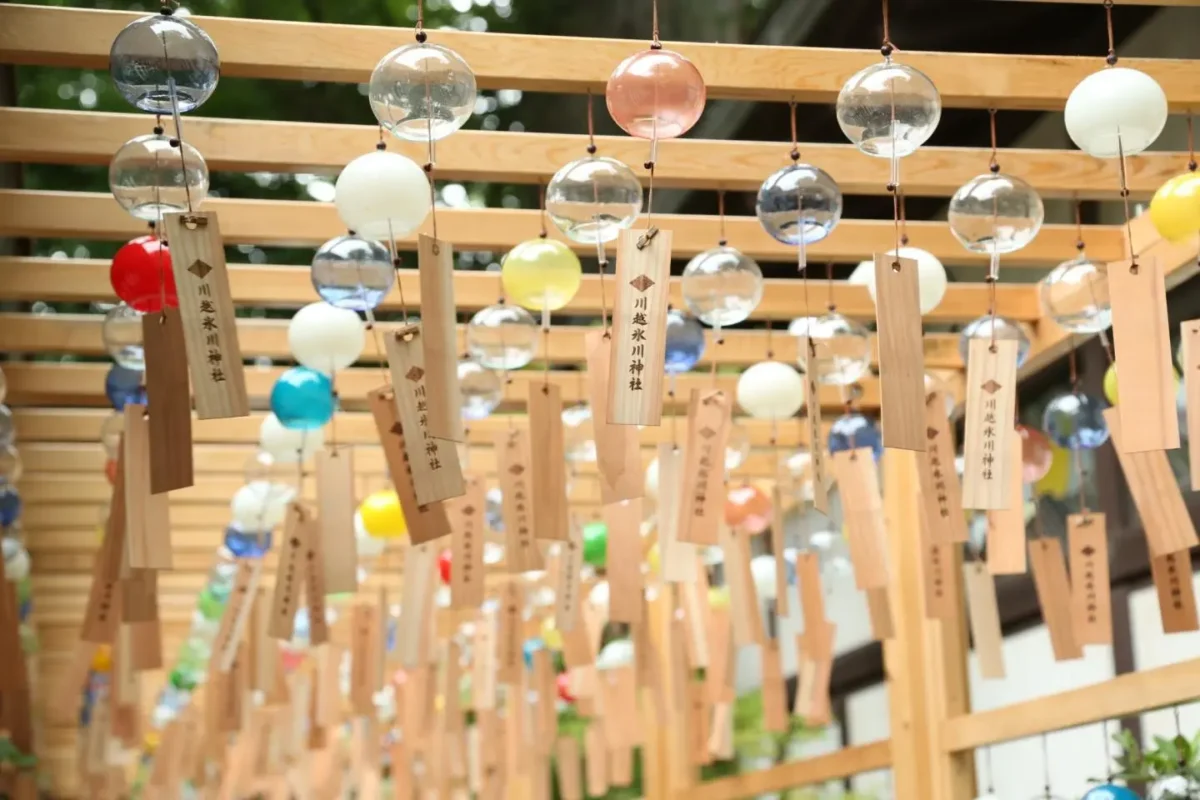
The main attraction is the extensive collection of colorful glass furin. Their movement and sound create a constantly changing atmosphere as the wind passes through the shrine grounds.
Furin Komichi
Visitors can walk through the main wind-chime pathway and enjoy the combination of color, movement and sound.
Furin Kairo
The marriage wind-chime corridor connects the decorative installation with the shrine’s spiritual theme of relationships and good fortune.
Prayers of the Milky Way
The sacred water area is illuminated to represent the meeting of Vega and Altair, adding a celestial theme to the summer festival.
Bamboo art
The Takemari Furin Objet d’Art uses bamboo ornaments to create changing patterns of light and shadow. It provides a quieter visual experience within the larger festival installation.
Shrine visit
Visitors can combine the seasonal decorations with a visit to the main shrine buildings and grounds, maintaining the traditional religious character of the location.
Main attractions & highlights
The wind chimes themselves are the defining attraction. Their delicate sound is closely associated with Japanese summer and provides a sensory experience that combines sound, color and movement.
Colorful furin
The festival’s wind chimes appear in many colors, creating an unusually vivid contrast with the shrine’s greenery and traditional architecture.
Wish-filled wind chimes
The Furin Kairo installation gives the displays a personal dimension because visitors’ wishes become part of the visual environment.
Illuminated water
The Amano gawa no Negai Goto installation becomes especially atmospheric after dark, with light reflecting from the sacred water.
Bamboo illumination
The Takemari Furin Objet d’Art combines wind chimes and bamboo to create patterns of light and shadow.
Historic shrine setting
The ancient setting of Kawagoe Hikawa Shrine gives the modern festival a strong connection with Japanese religious and cultural traditions.
Kawagoe’s Little Edo streets
The festival can easily be combined with a wider visit to Kawagoe’s historic district, including the famous Bell Tower and traditional merchant streets.
Markets, decorations & themed areas
The Enmusubi Wind Chime Festival is primarily an installation-based cultural event rather than a large market festival. The emphasis is on decorated shrine spaces, seasonal artwork and the atmosphere created by hundreds of wind chimes.
The Furin Komichi is the principal decorative area, while Furin Kairo adds a more intimate theme focused on wishes and relationships.
Visitors should also look for the bamboo installation and illuminated water display. These areas demonstrate how the festival changes character from bright daytime scenery to a more atmospheric evening environment.
The wider Kawagoe area provides additional opportunities for shopping. Traditional stores and confectionery businesses in the historic district sell Japanese sweets, souvenirs, crafts and local products.
Visitors can therefore combine the festival’s decorative installations with Kawagoe’s traditional shopping streets rather than treating the shrine as an isolated attraction.
Events & entertainment schedule
The exact 2027 daily schedule has not yet been announced. Unlike a music festival, the Enmusubi Wind Chime Festival is structured around installations that visitors can experience throughout the operating period.
Daytime experience
During daylight, the colorful glass wind chimes are especially effective against the greenery of the shrine grounds. Visitors can explore the displays, visit the shrine and make wishes.
Wind chime lane
The Furin Komichi provides the principal walking route through the decorative installations.
Wish corridor
The Furin Kairo allows visitors to see wishes displayed alongside the wind chimes.
Evening illumination
After sunset, selected areas take on a different appearance through lighting, especially the sacred-water installation and bamboo artwork.
Shrine and Kawagoe sightseeing
Visitors can extend their day by exploring the shrine grounds and then continuing into Kawagoe’s historic center.
The latest published festival information has described daily operating hours extending into the evening, but the precise 2027 hours should be checked before visiting.
Admission & ticket information
The Enmusubi Wind Chime Festival is listed as a free-entry event. Japan Travel’s current event information identifies the festival as free, meaning visitors do not need to purchase a general admission ticket to enter the festival area.
There is no announced 2027 ticket price requiring conversion from euros to US dollars.
The shrine itself is also a functioning religious site, so visitors should remember that the festival installations are located within an active shrine rather than a conventional ticketed entertainment venue.
Individual souvenirs, wishes, food, drinks or other optional purchases are separate from festival admission.
Special experiences & activities
The festival offers several experiences that allow visitors to participate rather than simply photograph the decorations.
Make a wish
The relationship between wind chimes and personal wishes is central to the festival. Visitors can participate in the tradition by writing wishes on wooden strips and adding them to the appropriate display.
Walk through the wind chime installations
Walking through the Furin Komichi provides an immersive experience as the sound of the bells changes with the wind.
Experience the shrine at night
The illuminated installations create a substantially different atmosphere after dark, making an evening visit worthwhile.
Explore the bamboo artwork
The Takemari Furin Objet d’Art combines natural bamboo with light and shadow, providing a quieter artistic installation within the festival.
Visit the shrine
The festival can be combined with a traditional shrine visit, allowing travelers to experience both the seasonal celebration and the permanent religious site.
Family & children’s activities
The festival is suitable for families because the displays are easy to explore at a relaxed pace and do not require visitors to follow a long performance schedule.
Children can enjoy the colorful wind chimes, the sound created by the moving bells and the illuminated installations. The different themed areas also provide opportunities to introduce younger visitors to Japanese shrine culture and seasonal traditions.
Families can combine the shrine visit with Kawagoe’s historic streets, where traditional sweets and shops provide additional activities.
Parents should supervise children around crowded pathways and shrine areas, particularly during evening periods when the illuminated displays attract more visitors.
Because the festival is free and spread across an extended seasonal period, families can also choose a less crowded visiting period rather than having to attend on one specific festival day.
Event rules
Visitors should remember that the Enmusubi Wind Chime Festival takes place within Kawagoe Hikawa Shrine, an active Shinto religious site.
Respect shrine etiquette
Visitors should follow normal shrine etiquette and behave respectfully around worship areas.
Do not touch installations unnecessarily
The wind chimes and decorative structures are part of the festival installation and should be treated carefully.
Keep pathways clear
Avoid stopping for extended periods in narrow walkways when taking photographs, particularly during busy evening periods.
Photography
Photography is an important part of the experience, but visitors should avoid blocking other people and should follow any restrictions posted around specific shrine areas.
Keep the grounds clean
Visitors should dispose of rubbish appropriately and help maintain the clean atmosphere of the shrine.
Respect worshippers
The shrine remains a place of worship throughout the festival, so visitors should avoid disrupting people who are praying or participating in religious activities.
How to get there
Kawagoe Hikawa Shrine is located in the northern part of central Kawagoe and can be reached by bus from the city’s main railway stations.
The closest major railway access points are Kawagoe Station and Hon-Kawagoe Station. The official Kawagoe Hikawa Shrine access information recommends using a bus from these stations rather than relying on walking from the railway station.
From Kawagoe Station, Tobu Bus services can be taken toward Kawagoe Hikawa Shrine. The shrine stop is immediately adjacent to the destination.
The Koedo Loop Bus also serves a stop directly at Kawagoe Hikawa Shrine, making it particularly convenient for tourists exploring Kawagoe’s historical attractions.
Visitors coming from Tokyo can first travel by train to Kawagoe and then continue by local bus.
Public transport & parking
Public transportation is the easiest option for most visitors.
From Kawagoe Station
Tobu Bus services depart from the station, including routes toward Kawagoe Hikawa Shrine. The official shrine information lists the shrine stop as being immediately adjacent to the destination.
From Hon-Kawagoe Station
Visitors can use local bus services toward the shrine and surrounding historic district.
Koedo Loop Bus
The sightseeing-oriented Koedo Loop Bus stops at Kawagoe Hikawa Shrine, making it useful for visitors combining the wind-chime festival with other attractions.
Parking
Visitors arriving by car should check current parking arrangements before traveling. Parking availability can become more limited during busy summer sightseeing periods, and public transportation is preferable when possible.
Accommodation areas
Kawagoe is suitable for an overnight stay, particularly for travelers who want to experience the wind-chime displays in the evening and explore the historic district without rushing back to Tokyo.
Kawagoe Station area
This is the most convenient base for railway connections, shopping, restaurants and onward travel.
Hon-Kawagoe area
Staying around Hon-Kawagoe provides convenient access to the historic center and makes it easier to combine the festival with traditional Kawagoe sightseeing.
Kawagoe Old Town
Accommodation around the historic district places visitors close to traditional architecture, restaurants and attractions such as the Bell Tower.
Tokyo
Visitors with limited time can also stay in Tokyo and make Kawagoe a day trip. The city’s railway connections make this practical, although an overnight stay allows more time for an evening festival visit.
Food, drinks & seasonal specialties
The festival itself is not primarily a food festival, but visitors can easily combine the wind-chime experience with Kawagoe’s distinctive food culture.
Kawagoe sweet potatoes
Kawagoe is famous for sweet potatoes and a wide variety of potato-based sweets and snacks. Visitors will find these throughout the historic shopping streets.
Traditional Japanese sweets
The old town has numerous confectionery shops selling traditional sweets that make convenient souvenirs or snacks.
Festival refreshments
Seasonal drinks and casual food may be available around the shrine and surrounding sightseeing areas, depending on the 2027 programme.
Kashiya Yokocho
Candy Alley is one of Kawagoe’s best-known food streets and provides an excellent addition to a festival itinerary. Visitors can browse traditional sweets and nostalgic Japanese snacks.
A visit to the wind-chime festival can therefore become a wider culinary exploration of Kawagoe rather than simply a short shrine stop.
Accessibility
Kawagoe Hikawa Shrine is accessible by bus from the city’s main railway stations, and the official shrine access information specifically provides routes to the shrine entrance.
The festival takes place across shrine grounds and outdoor pathways, so conditions can vary depending on the location of individual installations.
Visitors with mobility requirements should consider contacting the shrine before visiting if they need specific information about accessible routes, toilets or assistance.
During busy periods, narrow paths around popular wind-chime installations can become crowded. Visiting during quieter periods may provide a more comfortable experience.
The surrounding Kawagoe sightseeing district contains pedestrian areas and traditional streets, so visitors using mobility aids should plan routes according to their individual requirements.
Best days & times to visit
Because the festival runs across a long summer period, visitors have considerable flexibility when choosing when to visit.
Early in the day
Daytime visits are particularly effective for seeing the colors and details of the glass wind chimes. The natural light also works well for photography.
Late afternoon
A late-afternoon visit allows travelers to see the shrine before sunset and remain for the transition into evening illumination.
After dark
Evening is one of the most atmospheric times to experience the festival. Illuminated displays around the sacred water and bamboo artwork create a different visual experience from the daytime installations.
Weekdays
Weekdays can be preferable for visitors seeking a quieter atmosphere, although actual crowd levels vary.
Combine with Kawagoe Old Town
Visitors can spend the daytime exploring the historic merchant district and then head to Hikawa Shrine later in the day for the wind-chime installations.
Previous year’s highlights
Previous editions have established the Enmusubi Wind Chime Festival as one of Kawagoe’s best-known summer cultural attractions. Japan Travel reports that the festival has welcomed approximately 100,000 visitors annually since its introduction in 2014.
The Furin Komichi has remained one of the signature attractions, with rows of delicate glass bells creating a colorful walking route through the shrine grounds.
The Furin Kairo has provided a more personal highlight by displaying wishes written by worshippers and visitors alongside the wind chimes. This connects the visual spectacle with the shrine’s long-standing association with relationships and good fortune.
The illuminated Amano gawa no Negai Goto installation has also added a strong evening attraction. The display uses the shrine’s sacred water to represent the story of Vega and Altair, giving the summer event a celestial theme.
Another notable feature has been the Takemari Furin Objet d’Art, where bamboo ornaments create changing patterns of light and shadow.
The festival’s location has also contributed significantly to its popularity. Visitors can easily continue from the shrine to Kawagoe’s historic streets, traditional shops, sweets stores and the famous Toki no Kane bell tower.
Official event information
The official venue for Saitama’s Enmusubi Wind Chime Festival is Kawagoe Hikawa Shrine. Japan Travel currently lists the event as a free-entry seasonal festival and identifies the shrine at 2-11 Miyashitamachi, Kawagoe, Saitama.
For official shrine information, visitors can use Kawagoe Hikawa Shrine, which provides information about the shrine, access, facilities and current announcements.
The shrine’s official access information confirms that Kawagoe Station and Hon-Kawagoe Station are the principal railway access points and recommends using buses to reach the shrine.
The 2027 festival dates, operating hours and any changes to the installation programme should be confirmed through the latest official information before traveling.
Video
Location
FAQ
What is Saitama's Enmusubi Wind Chime Festival?
It is a summer cultural event held at Kawagoe Hikawa Shrine featuring colorful Japanese wind chimes and seasonal artistic installations. The festival combines the sound of furin with the shrine's traditions surrounding relationships, wishes and good fortune.
Where is the Enmusubi Wind Chime Festival held?
The festival is held at Kawagoe Hikawa Shrine in Kawagoe, Saitama Prefecture. The shrine is easily reached by bus from Kawagoe and Hon-Kawagoe stations, with a sightseeing loop bus also stopping directly at the shrine.
What are the main attractions at the festival?
The main attractions include Furin Komichi, Furin Kairo, illuminated sacred water representing the Milky Way and the Takemari Furin bamboo artwork. Visitors can also explore the historic shrine grounds and make a wish as part of the festival experience.
Is the Enmusubi Wind Chime Festival suitable for families?
Yes, the colorful displays and gentle sound of the wind chimes make the festival suitable for visitors of different ages. Families can also combine the shrine visit with Kawagoe's historic streets, traditional sweets shops and other attractions in the old town.
What is the best way to experience the festival?
A late-afternoon visit followed by an evening walk allows visitors to experience both the colorful daytime displays and illuminated installations after dark. Combining the shrine with Kawagoe's old town, Bell Tower and traditional food streets makes for a fuller cultural experience.

Leave a Reply