
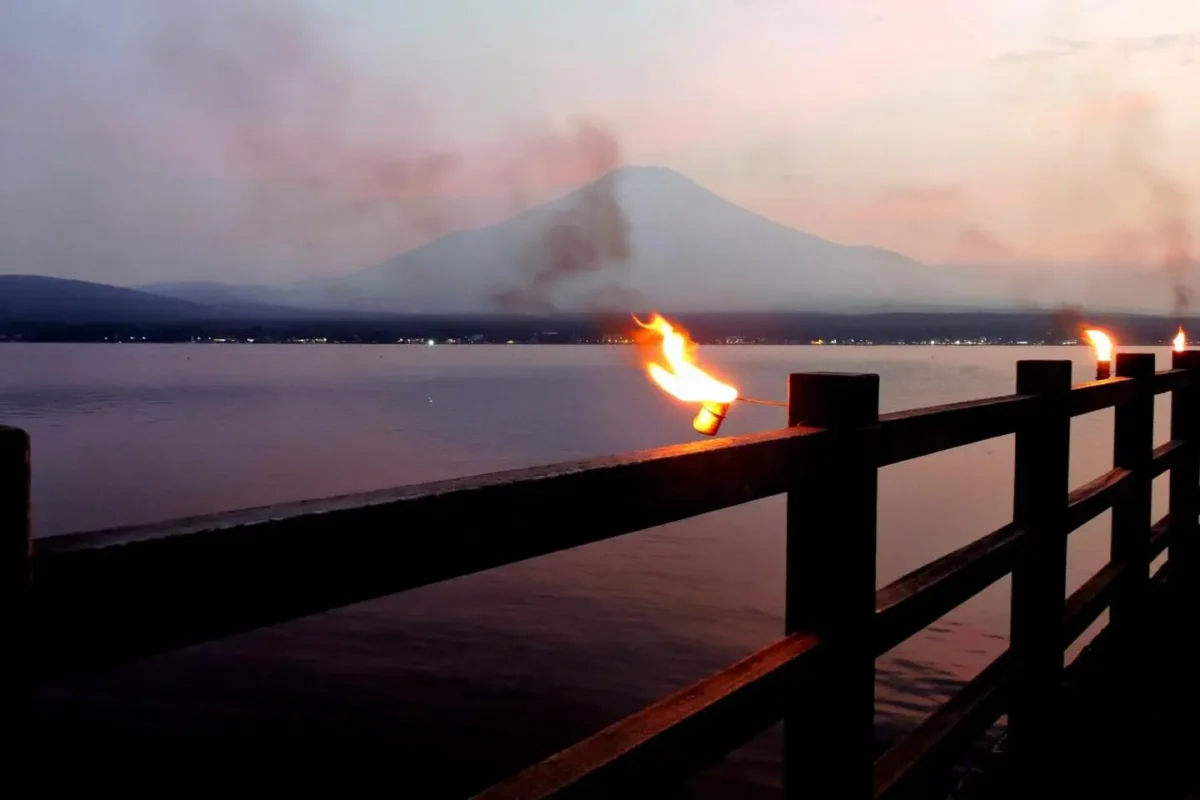
What to expect in 2027
Lake Yamanaka Fireworks Festival, also known as Yamanakako Hōkosai, is one of the signature summer celebrations around the Fuji Five Lakes. The event combines a traditional lake appreciation festival with a large evening fireworks display, creating a distinctive experience where Japanese summer culture, mountain scenery and fireworks come together around Lake Yamanaka.
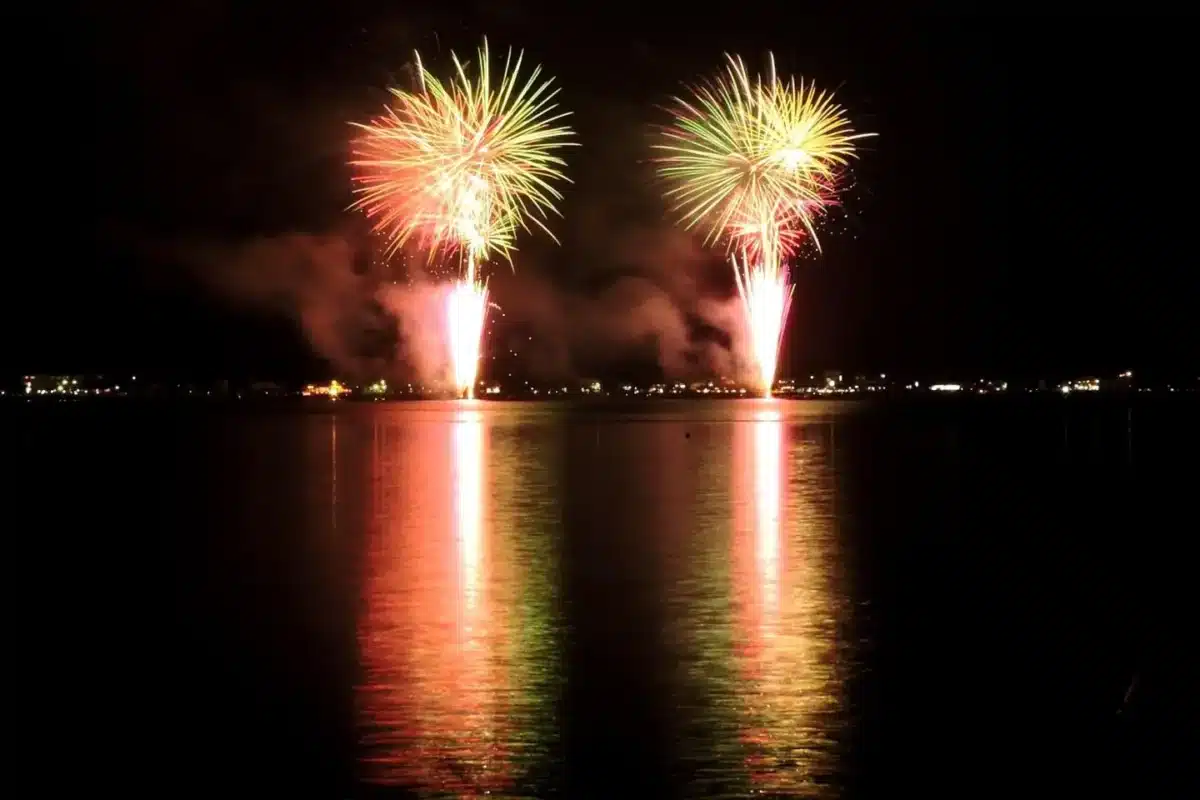
The festival is particularly memorable because the fireworks are launched from locations around the lake rather than from a single conventional stadium-style venue. Recent official information explains that fireworks are launched from two areas, allowing spectators around different sections of the lakeshore to enjoy the display.
The event has a strong connection with the natural environment of Lake Yamanaka. The name Hōkosai refers to a festival expressing gratitude to the lake, and the celebration has become one of the major summer events in the Fuji Five Lakes region. The local tourism association describes it as the opening event of the Fuji Five Lakes fireworks season.
Enjoy Your Event Stress-Free with Japan Travelo
Do you know? Planning events, festivals, concerts, and cultural experiences in Japan can be overwhelming. Japan Travelo brings everything together in one place, helping you manage your itinerary, transport, and accommodation with ease—so you can enjoy Japan without the stress of planning.
The 2027 edition is expected to retain the established combination of daytime ceremonial activities and an evening fireworks programme. The exact 2027 programme has not yet been published, so individual performances, food stalls, temporary facilities and viewing arrangements should be confirmed closer to the event.
Visitors can expect a relaxed lakeside atmosphere during the daytime before the festival becomes busier toward the evening. As darkness arrives, the focus shifts to the fireworks reflected across the water, with the surrounding mountains creating a dramatic natural backdrop.
For travellers staying around Yamanakako, the festival can also be combined with sightseeing around the lake, Fuji viewpoints, lakeside walks, cycling, local restaurants and nearby attractions.
Event dates
The 2027 event is listed as Early August 2027 (Dates TBD).
The exact 2027 date has not yet been announced in the available official information. The Yamanakako tourism association’s annual event calendar identifies Yamanakako Hōkosai as a recurring August festival, while recent editions have followed the established early-August pattern.
The festival has traditionally been organized around a single major summer celebration, with daytime activities followed by the principal fireworks display in the evening.
Visitors should check the Yamanakako tourism information before travelling for the confirmed programme, launch locations, parking arrangements, weather announcements and any temporary access restrictions.
Visiting this event? Don’t miss out on these amazing activities and local experiences while you’re here.
Venues & festival locations
Lake Yamanaka
Lake Yamanaka is the central setting for the festival. As the largest of the Fuji Five Lakes, it provides a wide open landscape from which the fireworks can be viewed from different lakeside areas.
Yamanaka lakeshore
The Yamanaka district is one of the main festival areas. Recent official information identifies the waters off the Yamanaka lakeside parking area as one of the principal fireworks launch locations.
Hirano area
Recent editions have also used the Hirano side of Lake Yamanaka for fireworks, providing a second launch area and expanding the viewing opportunities around the lake.
Lakeside viewing areas
Visitors can watch from suitable public areas around the lake, although individual access arrangements may vary depending on crowd management and event operations.
Lake Yamanaka tourist district
Restaurants, accommodation, cafés and lakeside facilities around Yamanakako become part of the wider festival experience, especially for visitors staying overnight.
Full holiday programme
The exact 2027 programme has not yet been released, but the established Hōkosai format includes more than the evening fireworks.
Festival ceremony
The festival has a traditional daytime component connected with giving thanks to Lake Yamanaka. The local tourism association describes Hōkosai as a festival expressing gratitude to the lake.
Lakeside activities
The lake itself becomes the focus of the celebration, with visitors gathering along the shore before the fireworks.
Local entertainment
Depending on the edition, temporary stages and local entertainment may form part of the festival environment.
Fireworks programme
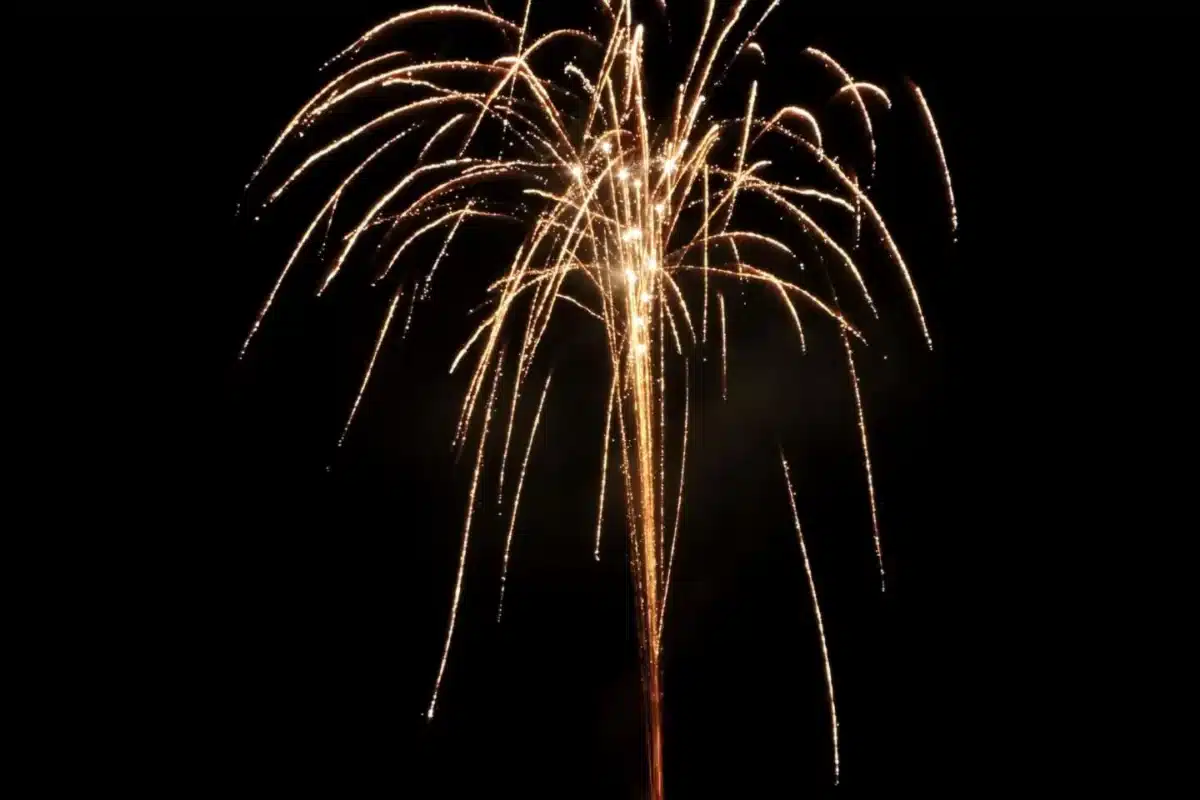
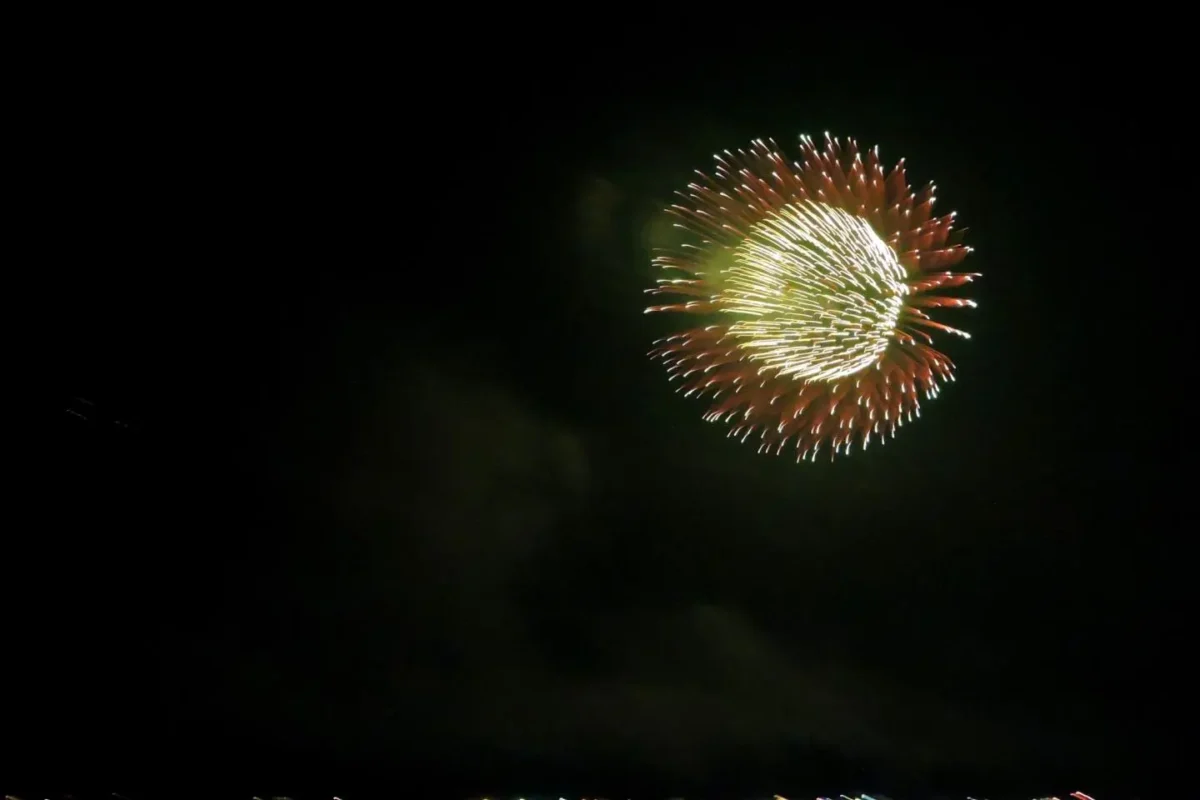
The major evening attraction is the large fireworks display, with launches from multiple locations around the lake.
Summer festival atmosphere
Food stalls, local refreshments, families, visitors and lakeside sightseeing create the broader atmosphere around the fireworks.
The precise 2027 entertainment programme should be considered provisional until published by the organizers.
Main attractions & highlights
Multi-location fireworks
One of the defining features of Hōkosai is that fireworks are launched from more than one location around Lake Yamanaka. This allows spectators to experience the display from different parts of the shoreline.
Lake reflections
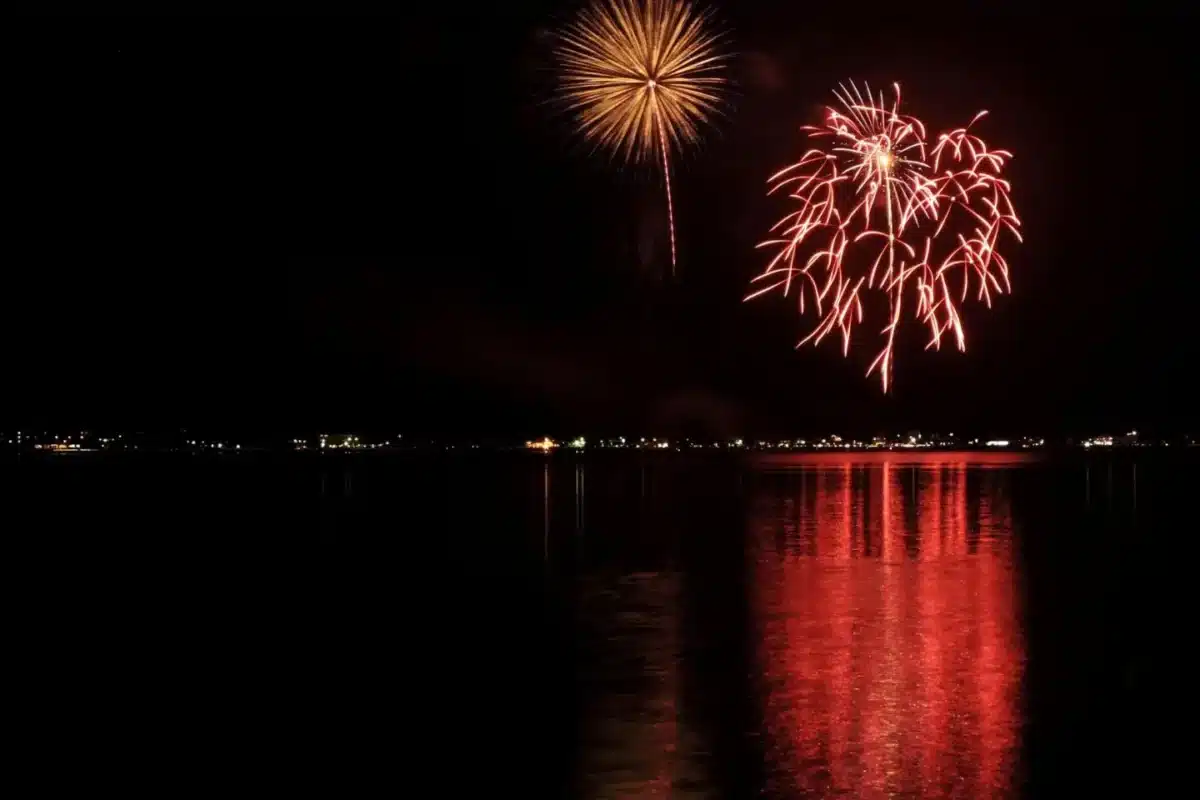
The surface of Lake Yamanaka can reflect the fireworks, particularly when wind conditions are favorable. This creates a second layer of light beneath the fireworks in the sky.
Mount Fuji surroundings
Lake Yamanaka is one of the classic viewpoints for Mount Fuji, and the surrounding landscape gives the fireworks a distinctly scenic setting.
Lakeside atmosphere
Unlike fireworks staged in a dense urban centre, the Hōkosai experience combines open water, mountain scenery and traditional summer festivities.
Evening finale
The fireworks are the major climax of the festival and attract visitors from around the wider Fuji Five Lakes region.
Local cultural identity
The festival’s connection with gratitude toward the lake gives it a cultural identity beyond being simply a fireworks display.
Markets, decorations & themed areas
Lake Yamanaka Fireworks Festival is not primarily a large-scale market festival, but temporary food and activity areas traditionally contribute to the summer atmosphere.
Festival food stalls
Temporary vendors may offer Japanese festival snacks and drinks around the main gathering areas.
Lakeside gathering areas
Visitors congregate around accessible parts of the waterfront before the fireworks, creating a relaxed matsuri atmosphere.
Summer decorations
Temporary festival signage, lighting and event structures may be installed around the principal areas.
Local businesses
Restaurants, cafés, accommodation providers and other local businesses around Yamanakako benefit from the increased visitor activity.
Viewing zones
Because the fireworks are launched from different areas, visitors can choose between different sections of the lake rather than being restricted to one large enclosed festival ground.
Specific 2027 market vendors, themed areas and temporary facilities have not yet been announced.
Events & entertainment schedule
The detailed 2027 schedule will be announced closer to the festival. The established structure provides an indication of how the day can unfold.
Daytime festival activities
The celebration begins with daytime ceremonial and community activities connected with Hōkosai.
Afternoon lakeside period
Visitors typically have time to explore the lake, visit nearby attractions, eat at local restaurants and find a suitable viewing position.
Pre-fireworks atmosphere
As evening approaches, more visitors gather around the lakeshore and temporary festival activity becomes busier.
Fireworks opening
The main fireworks programme begins after dark. Recent official information has placed the main display in the evening.
Multi-location display
Fireworks are launched from two areas in recent editions, allowing viewers around different parts of the lake to see the display.
Finale
The fireworks build toward a large closing sequence before the festival gradually winds down.
Admission & ticket information
Lake Yamanaka Fireworks Festival is primarily a public outdoor event rather than a conventional ticketed music festival.
General viewing
Public viewing around suitable lakeside areas has traditionally been available without a general admission ticket.
Main fireworks
The fireworks display itself is a public festival attraction, and recent official information does not list a general admission charge.
Viewing restrictions
Certain locations may have temporary restrictions, reserved areas or access controls depending on the year’s event arrangements.
Parking
Parking arrangements are separate from admission. Some temporary parking facilities have been provided in recent editions.
Expected 2027 admission
General festival viewing: Free
Visitors should check the official event information for any changes to access, reserved viewing areas or temporary parking charges.
Special experiences & activities
Lakeside fireworks viewing
Watching the fireworks directly from the Lake Yamanaka shoreline is the defining experience.
Mount Fuji sightseeing
Visitors can combine the festival with daytime views of Mount Fuji from lakeside viewpoints.
Lake activities
Yamanakako is popular for outdoor recreation, including walking, cycling, boating and other seasonal activities.
Photography
The combination of fireworks, lake reflections and surrounding mountains makes the festival attractive for photographers.
Overnight lakeside stay
Staying overnight allows visitors to avoid immediately leaving after the fireworks and experience the quieter lake atmosphere after the crowds depart.
Local sightseeing
The festival can be combined with attractions around the Fuji Five Lakes, including nature areas, viewpoints and cultural sites.
Family & children’s activities
Hōkosai is suitable for families because the main attraction takes place outdoors and the fireworks can be viewed from different lakeside locations.
Family viewing
Families can choose a suitable lakeside location rather than being restricted to one enclosed event site.
Festival food
Children can enjoy traditional Japanese summer snacks and drinks from temporary vendors when available.
Lakeside recreation
Families can use the daytime period for sightseeing, walking and outdoor activities around Lake Yamanaka before the evening programme.
Early arrival
Arriving before the evening crowd becomes heavy can make it easier for families to find a comfortable viewing location.
Safety
Children should remain close to adults around the lakeshore, particularly after dark and during the busy period immediately before and after the fireworks.
Parents should also prepare for the possibility of rain because summer weather around the lake can change quickly.
Event rules
Follow local instructions
Visitors should follow instructions from event staff, police and local authorities, particularly around lakeside access and crowd movement.
Respect private property
Not every attractive lakeside location is a public viewing area. Visitors should avoid entering private land, hotel grounds or restricted facilities without permission.
Keep emergency routes clear
Do not block roads, entrances, parking areas or emergency access routes while waiting for the fireworks.
Photography etiquette
Tripods and cameras should be positioned so they do not obstruct other visitors. Any temporary photography restrictions should be followed.
No unauthorized fireworks
Visitors should not bring or set off their own fireworks in the festival area.
Lakeside safety
Stay away from unsafe edges of the lake and follow any barriers or temporary restrictions.
Weather precautions
The event may be affected by severe weather. The official local information warns that schedules can change because of weather and other circumstances.
How to get there
Lake Yamanaka is located in Yamanashi Prefecture within the Fuji Five Lakes region and is accessible from Tokyo, the wider Mount Fuji area and nearby railway stations.
From Tokyo
Visitors can travel toward the Mount Fuji and Yamanakako area by highway bus or a combination of rail and local transportation.
From Fujisan Station
Fujisan Station is an important transport point for visitors approaching Yamanakako from the Fuji Five Lakes side. Local buses connect the station with destinations around Lake Yamanaka.
By car
Driving is popular because the lake is spread across a large area and many scenic viewpoints are easier to reach by road.
From central Yamanakako
Visitors already staying around the lake can walk, cycle, take a local bus or use a taxi depending on the selected viewing area.
Because the festival attracts significant numbers of visitors, travellers should plan their journey well before the evening fireworks.
Public transport & parking
Local buses
Bus services connect Lake Yamanaka with Fujisan Station and other destinations around the Fuji Five Lakes. Services may become crowded during major events.
Highway buses
Highway bus connections are available from the Tokyo area toward the Mount Fuji region and Yamanakako, making them useful for visitors without a car.
Taxi
Taxis can be useful for accommodation-to-lakeshore transfers, although availability can become limited during the busiest period.
Temporary parking
Recent official festival information has provided temporary free parking locations for visitors. The 2026 information, for example, listed temporary parking at Yamanaka Elementary School, Hana no Miyako Park and another local location.
Traffic congestion
The local tourism association warns that significant congestion can occur on lakeside and surrounding roads during the festival.
Visitors arriving by car should therefore reach the area early and expect slower traffic when leaving after the fireworks.
Accommodation areas
Yamanakako lakeshore
Staying directly around Lake Yamanaka provides the easiest access to lakeside viewing areas and allows visitors to avoid the need for a long journey immediately after the fireworks.
Yamanaka area
The Yamanaka district is convenient for visitors interested in the main festival area and central lakeside attractions.
Hirano area
Hirano offers accommodation, restaurants and lakeside scenery on another side of the lake and can be particularly useful for visitors seeking a quieter setting.
Nagaike area
The Nagaike area is known for scenic Mount Fuji viewpoints and lakeside access, making it attractive for visitors combining fireworks with photography.
Asahigaoka
Asahigaoka is another established accommodation and sightseeing area around Yamanakako, with access to lakeside attractions and transportation.
Fuji Five Lakes region
Visitors unable to find accommodation directly beside Lake Yamanaka can stay elsewhere around the Fuji Five Lakes and travel into Yamanakako for the event.
Food, drinks & seasonal specialties
The fireworks festival provides an opportunity to experience local Japanese summer food alongside the scenery of Yamanakako.
Festival snacks
Temporary food stalls may offer familiar matsuri foods such as grilled items, noodles, takoyaki, yakisoba and sweets.
Hoto noodles
Hoto is one of Yamanashi’s best-known regional dishes. The thick noodles are traditionally served in a hearty miso-based soup with vegetables and are particularly associated with the Mount Fuji and Yamanashi region.
Grilled foods
Festival and lakeside food vendors may offer grilled meat, seafood and other hot snacks.
Japanese sweets
Visitors can look for seasonal Japanese sweets and desserts around local shops and festival areas.
Local drinks
Yamanashi is well known for fruit-based products and regional beverages. Local restaurants around Yamanakako offer a range of drinks suitable for summer dining.
Lake-area restaurants
Visitors staying overnight can experience local restaurants rather than relying entirely on temporary festival stalls.
Because vendors vary by edition, the exact 2027 food lineup should be checked closer to the event.
Accessibility
Lake Yamanaka provides many open public spaces, but festival accessibility can vary depending on the exact viewing location.
Lakeside paths
Some lakeside areas have relatively accessible paved paths, while other locations may have grass, gravel or uneven surfaces.
Crowds
Busy areas around the fireworks can make movement difficult for wheelchair users, elderly visitors and families with strollers.
Transport
Visitors with mobility requirements should consider staying close to their preferred viewing area to reduce the need for long transfers after dark.
Parking
Accessible parking arrangements may vary between temporary festival parking areas. Visitors requiring accessible parking should check with the local organizers before arrival.
Weather
Rain can make grassy and unpaved viewing areas slippery. Appropriate footwear and weather protection are recommended.
Facilities
Toilets and other temporary facilities may be added for the festival, but visitors with specific accessibility requirements should verify the available facilities before travelling.
Best days & times to visit
The festival is centered on a single major celebration, so there is not normally a choice between several festival days.
Best time for sightseeing
Arrive during the daytime to explore Lake Yamanaka before the evening crowds become heavy.
Best time for photography
The period before sunset can provide attractive lake and mountain scenery, while the fireworks offer the main nighttime photography opportunity.
Best time to secure a viewing position
Visitors should arrive well before the fireworks begin, particularly if they want a clear lakeside position.
Best for families
Families may prefer arriving earlier, when it is easier to move around, find food and identify toilets before the main crowd arrives.
Best for photographers
Photographers should scout the shoreline before dark and identify a position with an unobstructed view of the lake and launch areas.
Best for overnight visitors
Staying locally provides the most relaxed experience because visitors can remain in the area after the fireworks rather than immediately joining departing traffic.
Previous year’s highlights
Recent editions have demonstrated why Hōkosai remains one of the major summer attractions around Lake Yamanaka.
The 2026 festival used two principal fireworks launch areas, continuing the format of presenting the display from both the Yamanaka and Hirano sides of the lake. The local tourism association described the fireworks as the major highlight of the festival.
The 2026 display began after dark and continued through a weather-affected evening. Rain arrived after the fireworks had already begun, eventually becoming heavy, but the programme was completed. This illustrates the importance of checking weather conditions before attending an outdoor fireworks event in the mountains.
The previous edition also maintained the festival’s connection with the lake itself. Hōkosai is not simply branded as a fireworks show; its name and tradition express gratitude toward Lake Yamanaka. The daytime ceremony provides this cultural dimension before the large evening celebration.
The 2025 edition similarly used the Yamanaka and Hirano areas for the fireworks. Local reports noted that the Yamanaka cycling road was subject to entry control requiring a wristband, demonstrating that particular viewing locations can have special crowd-management arrangements in some years.
Earlier editions have also shown how strongly weather can affect the visual experience. When wind is weak, smoke can remain over the lake and temporarily obscure some fireworks, while suitable wind can help maintain clearer views.
These previous experiences make flexible planning important for the 2027 edition. Visitors should choose their viewing location according to official access arrangements rather than assuming that every lakeside point will have identical conditions.
Official event information
The official local tourism source for Lake Yamanaka lists Hōkosai as a recurring annual August event and provides updates on the festival, fireworks, viewing arrangements and local conditions.
Official Yamanakako event information
The Yamanakako tourism information website is the most useful source for checking the latest festival programme, fireworks arrangements, parking information and weather-related updates.
2027 programme
The exact 2027 programme, launch locations, viewing restrictions and parking arrangements should be confirmed once released.
General admission
The fireworks festival is traditionally a public outdoor celebration, with no general admission charge listed in the current official information.
https://en.japantravel.com/yamanashi/firework-festival-at-lake-yamanaka/22247
Venue
Lake Yamanaka, Yamanakako, Yamanashi, Japan.
Video
Location
FAQ
What is the significance of holding fireworks at Lake Yamanaka in early August?
The event marks the historic opening of the regional summer festival season, paying tribute to local water deities while offering prayers for regional protection and disaster avoidance. Originally rooted in post-disaster traditions from the Taisho era, it has evolved into a beloved community celebration of gratitude and summer renewal.
Can visitors view the fireworks clearly without purchasing reserved tickets?
Yes, extensive open shoreline areas around the lake allow the public to watch the spectacular aerial displays completely free of charge. While paid seating offers structured comfort and prime framing, casual spectators can easily find wonderful viewing angles along public walking paths.
How does Mount Fuji enhance the visual experience of the pyrotechnic display?
The dark, majestic silhouette of Japan's highest peak stands permanently in the background, anchoring the bright exploding light patterns with timeless natural grandeur. This unique alignment of volcano, lake reflection, and high-altitude sky creates a dramatic visual contrast found nowhere else.
What transportation methods work best for reaching the remote lakeside venue?
Most travelers rely on direct highway express buses running from Tokyo stations or regional transit lines connecting through major rail hubs like Fujisan Station. Visitors arriving by private car must secure advance parking passes since day-of vehicle accommodations around the main venue are restricted.
What weather preparations should travelers keep in mind for an alpine evening?
Even during midsummer, the high elevation of roughly 980 meters causes temperatures to drop significantly once night settles over the water surface. Bringing a warm jacket, portable rain gear, and comfortable walking shoes ensures a comfortable experience through changing mountain conditions.

Leave a Reply