
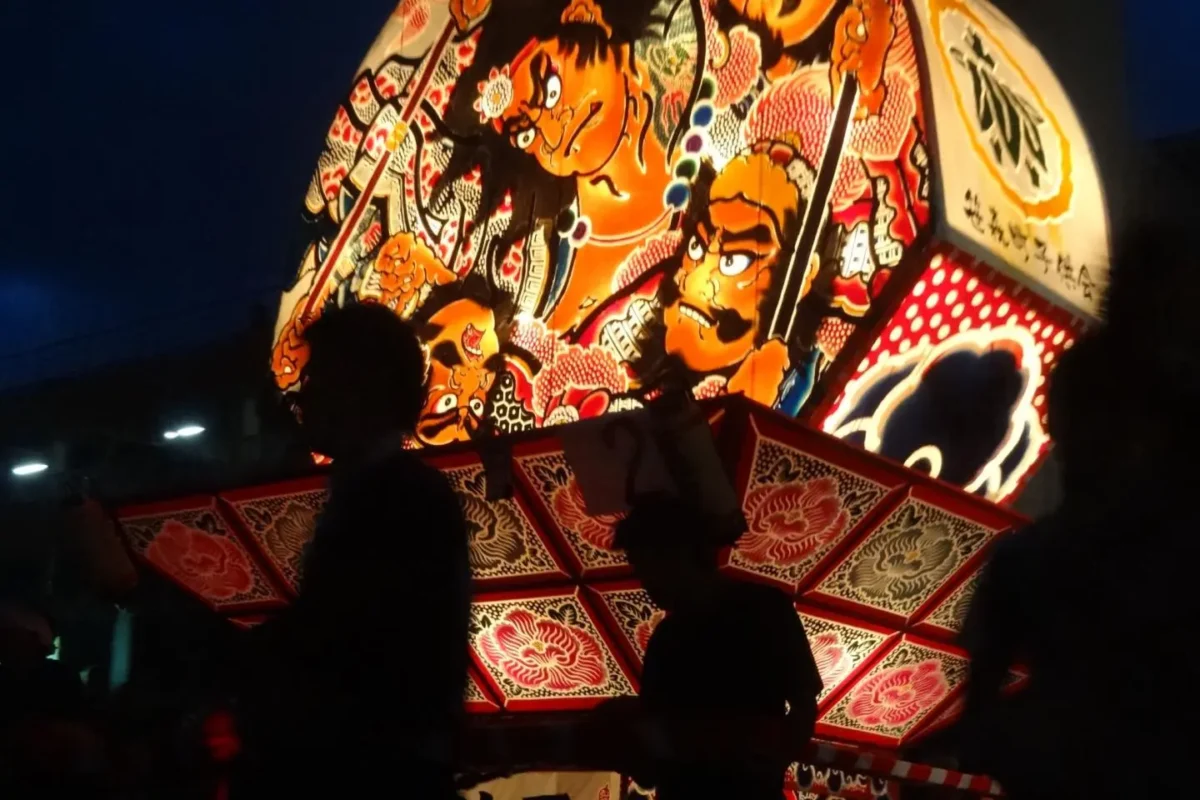
Night Parade Experience & Festival Atmosphere
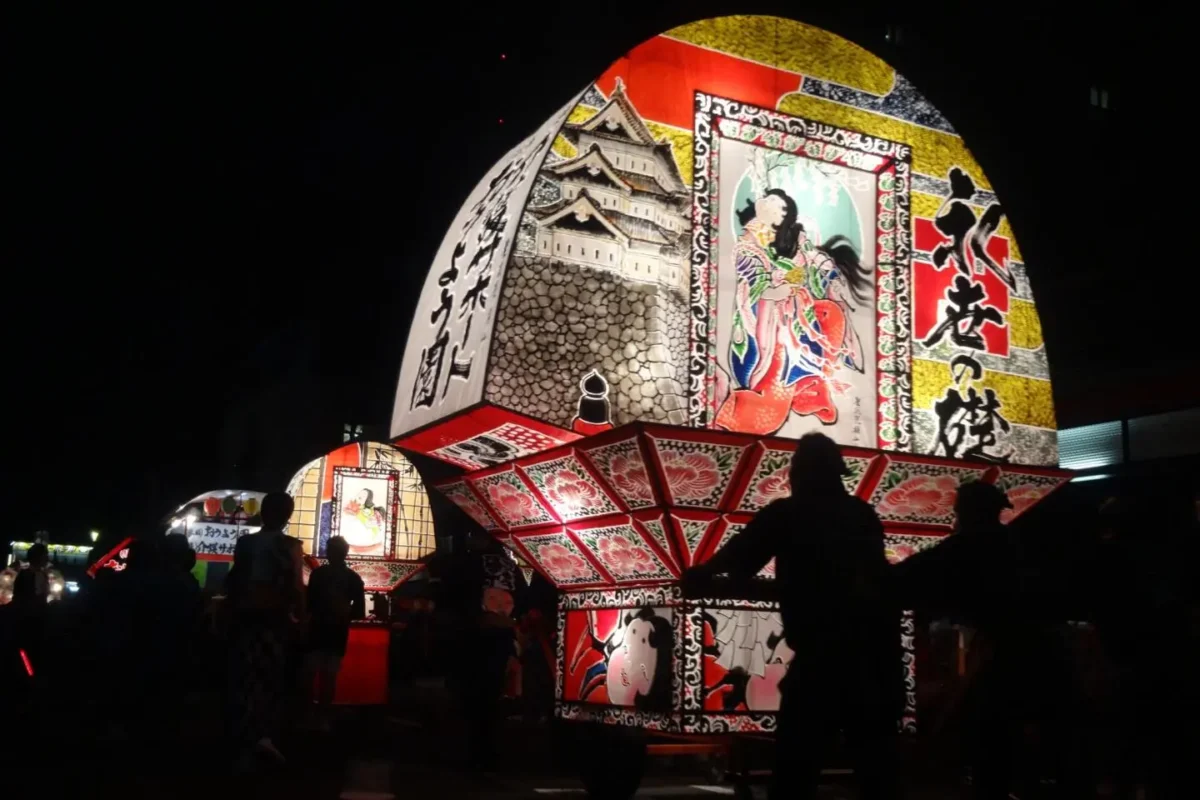
As evening descends on the historic castle town, the atmosphere shifts dramatically into a high-energy celebration of light and sound. Roughly eighty distinct neputa floats of various dimensions participate throughout the week, navigating three shifting street routes that keep the nightly procession fresh and engaging for returning spectators. The glowing giants glide smoothly through the narrow corridors, casting dramatic shadows against traditional storefronts.
The entire procession pulses forward to the rhythmic roar of participants chanting the iconic festival battle cry, “Yah-ya Doh.” This collective vocalization fills the humid summer air, urging the float bearers onward and unifying the massive crowds lining the curbsides. Spectators are completely immersed in the action, surrounded by the infectious energy of dancers and musicians marching closely alongside the structures.
The summer-night ambiance is both electric and deeply nostalgic, blending historical pageantry with a warm community festival feeling. Food vendors scent the evening breeze with savory aromas while thousands of onlookers cheer, clap, and sway to the driving cadence of the drums, creating an unforgettable cultural spectacle.
Enjoy Your Event Stress-Free with Japan Travelo
Do you know? Planning events, festivals, concerts, and cultural experiences in Japan can be overwhelming. Japan Travelo brings everything together in one place, helping you manage your itinerary, transport, and accommodation with ease—so you can enjoy Japan without the stress of planning.
- Eighty distinct illuminated floats parading through the historic streets every evening after sunset
- Dynamic shifting parade routes that change across different nights to showcase different neighborhoods
- Enthusiastic “Yah-ya Doh” chanting shouted in unison by participants and pullers to build collective momentum
- Immersive street-level proximity allowing spectators to stand feet away from passing lanterns
- Vibrant summer-night energy combining historical reverence with a lively, joyful neighborhood party mood
- Glow of hundreds of lanterns reflecting off modern asphalt and traditional buildings alike
- Packed curbside crowds sharing food, excitement, and deep appreciation for local heritage
When & How Long
- Event Date: Early August 2027 (Dates TBD)
- Event Duration: A week-long summer celebration running across seven consecutive days and nights
Visiting this event? Don’t miss out on these amazing activities and local experiences while you’re here.
Visitor Tips, Safety & What to Bring
Navigating the Hirosaki Neputa Festival successfully requires mindful preparation due to large summer crowds and active parade routes. Because floats move directly through public thoroughfares without rigid physical barricades in many areas, spectators must remain alert and step back quickly when directed by local security staff. Securing accommodation and transport tickets well in advance is essential, as hotels across the region book out completely during peak festival week.
Weather conditions during early August in northern Japan can be quite warm and humid during the day, occasionally punctuated by sudden evening showers. Lightweight, breathable clothing combined with comfortable walking shoes is necessary for navigating long stretches of pavement and gravel paths. Carrying insect repellent, a compact rain poncho, and a small folding stool can greatly enhance comfort during extended curbside viewing sessions.
Entry & Tickets
- How Tickets Are Sold: General viewing is available freely along open streets, while optional paid reserved seating can be purchased online or through local convenience stores
- Admission Type: Unrestricted public access for street viewing combined with optional ticketed seating areas
- Ticket Pricing: Free Admission to $26.50 (General public street viewing is completely free, while optional paid reserved spectator seats cost approximately $26.50)
- Special Seating Options: Designated chair-seating sections situated along primary course stretches like Dotemachi for optimal viewing comfort
- VIP Options: None offered, as the celebration focuses on community-wide inclusion and open public participation rather than exclusive VIP tiers
Taiko Drums, Flutes & Traditional Performances
The auditory landscape of the Hirosaki Neputa Festival is just as powerful and defining as its visual artistry. Every moving float is accompanied by a dedicated ensemble of musicians and performers who march directly alongside the structure, delivering an unrelenting acoustic backdrop that drives the parade forward.
At the center of this musical force are massive taiko drums, including thunderous odaiko instruments that require immense physical stamina to strike continuously. The deep, resonant booms of the drums vibrate through the ground, accompanied by the high-pitched melodies of traditional bamboo flutes and the crisp clatter of small hand-held bronze bells.
- Thunderous odaiko drums delivering deep, vibrating rhythms that anchor the musical arrangement
- Traditional bamboo flutes providing soaring, melodic counterpoints to the heavy percussion
- Rhythmic bronze hand bells adding bright metallic layers to the marching musical ensemble
- Dedicated marching musicians who perform continuously along the multi-kilometer parade routes
- Nationally recognized soundscapes officially preserved for their unique cultural and historical value
- Synchronized acoustic pacing designed to match the heavy footsteps of the float pullers and pushers
Where It Takes Place
- City and Country: Hirosaki, Aomori Prefecture, Japan
- Venue Name: Hirosaki City Historic Streets and Parade Routes
- Google Maps Address: Dotemachi Course and Ekimae Course, Hirosaki, Aomori 036-8203, Japan
Giant Neputa Floats & Warrior Artwork
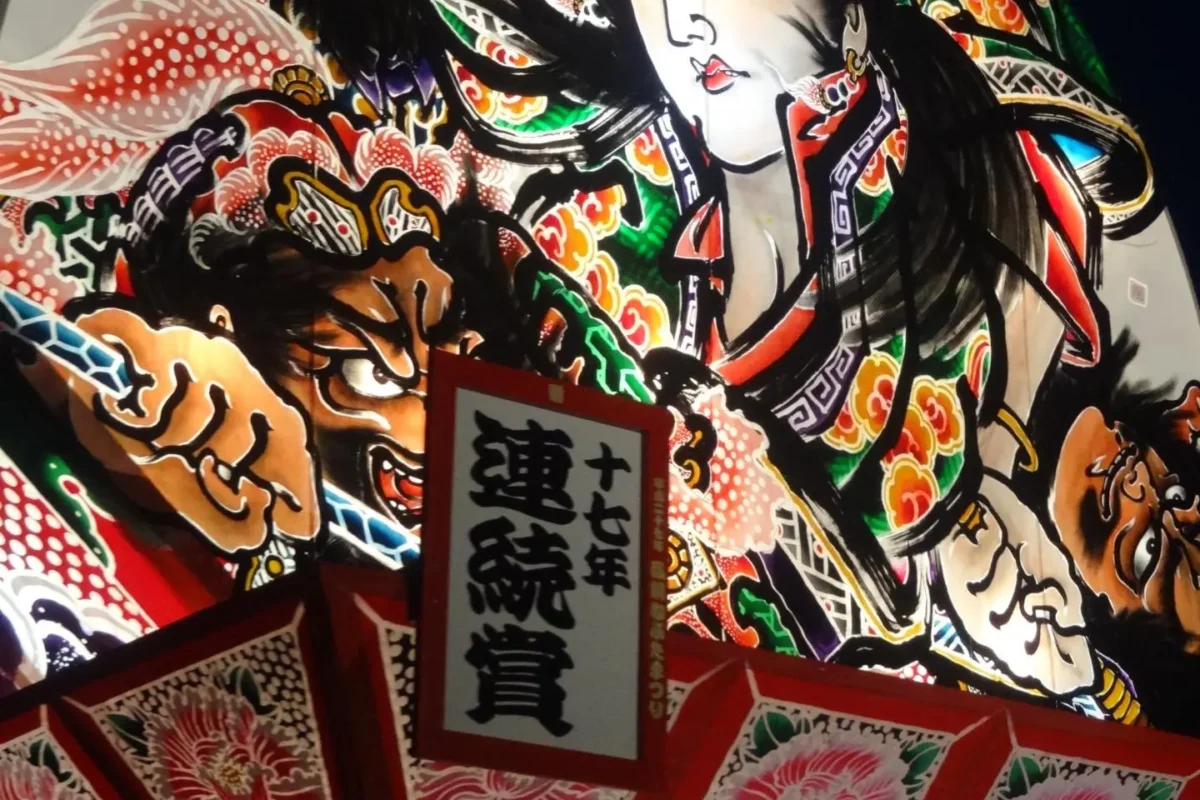
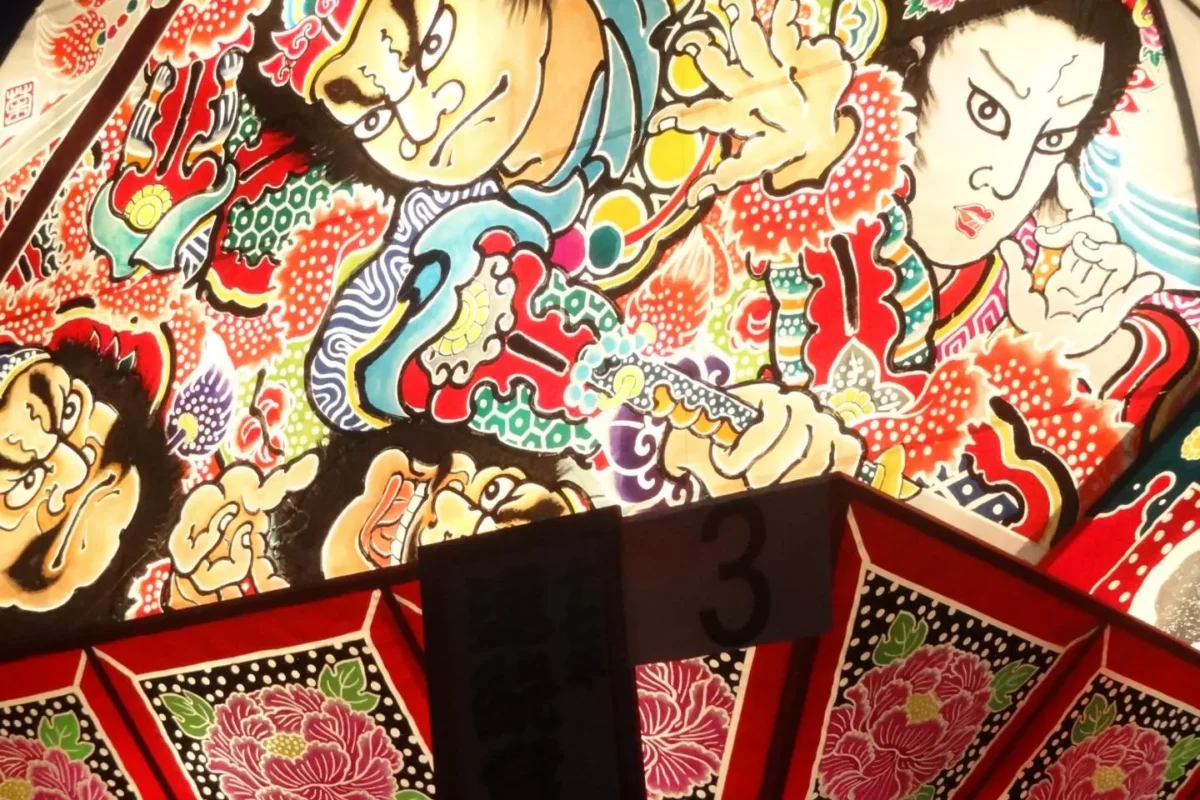
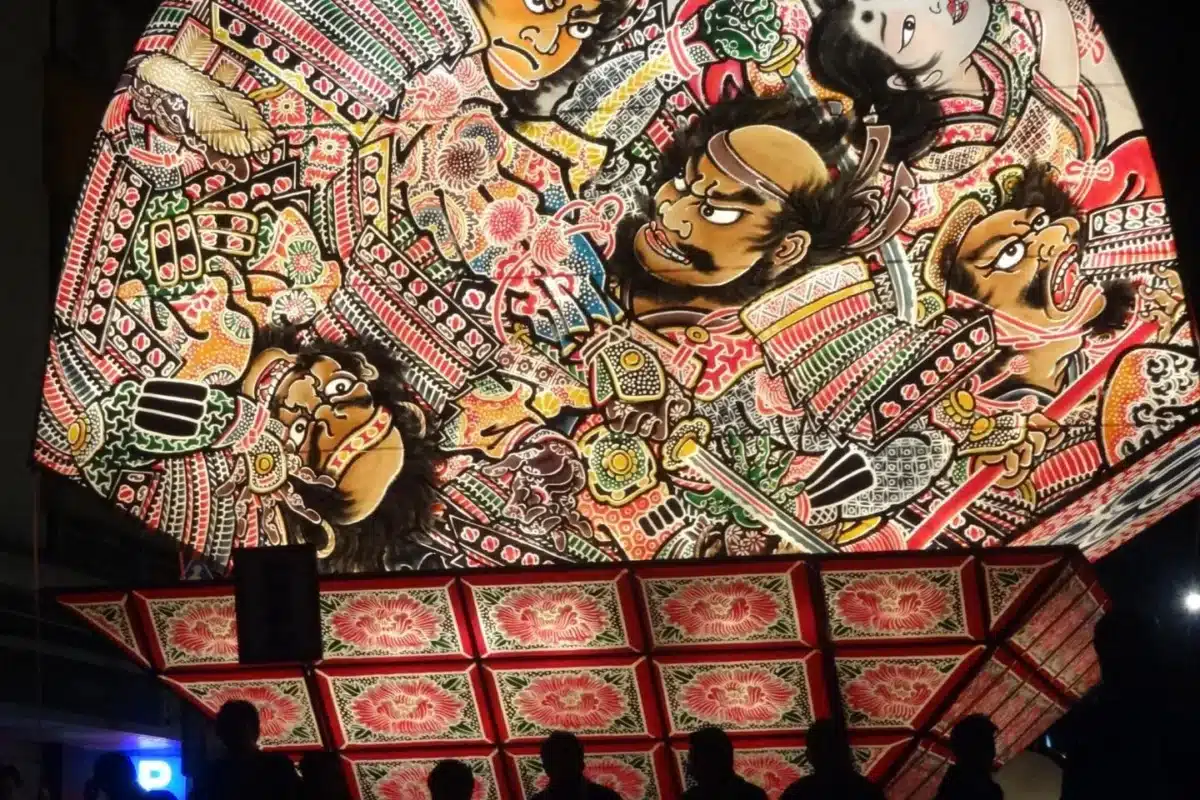
The Hirosaki Neputa Festival features magnificent, towering structures that transform the old castle town into a gallery of traditional craftsmanship. Unlike other regional lantern events, Hirosaki is famous primarily for its majestic fan-shaped ogi neputa, alongside substantial rectangular kumi neputa floats that can reach up to ten meters in height. These massive glowing canvases portray dramatic, heroic scenes drawn from ancient Chinese and Japanese historical epics, such as the Romance of the Three Kingdoms and the Water Margin.
- Majestic fan-shaped ogi neputa serving as the signature visual icon of the Hirosaki celebration
- Towering structures reaching up to ten meters in height, demanding immense coordination from moving teams
- Intricate kagami-e front paintings illustrating fierce warriors and legendary battles from classic literature
- Graceful miokuri back illustrations portraying sorrowful beauties or serene deities for aesthetic contrast
- Hand-painted Japanese paper skins stretched over complex wire and wooden frameworks
- Internal illumination systems that make the colorful historical artwork glow brilliantly against the night sky
- Months of collaborative craftsmanship involving local neighborhood artists and dedicated community builders
Event Contact Details
- Email: kankokan@hirosaki-kanko.or.jp
- Phone Number: +81 172-37-5501
- Website: https://www.hirosaki-kanko.or.jp/
Float Making & Local Community Participation
The foundation of the Hirosaki Neputa Festival lies in deep grassroots community involvement rather than commercial production. Weeks and months before August, local neighborhood associations, corporate groups, school clubs, and civic organizations band together to design and construct their community’s entry.
This collaborative preparation process serves as a vital social anchor, passing down traditional bamboo-working, paper-pasting, and painting techniques from veteran mentors to younger generations. Participants gather in local storage sheds and community centers during humid summer evenings, hammering frames and mixing paints while forging strong interpersonal bonds.
Operating the floats during the actual week requires absolute teamwork, with dozens of local volunteers pulling ropes, pushing heavy support frames, and steering the massive structures around tight urban corners. This shared physical effort unites generations of residents, ensuring that the festival remains a living expression of civic pride and mutual cooperation.
Hirosaki Neputa vs Aomori Nebuta
- Lantern structural form: Hirosaki features elegant, iconic fan-shaped ogi neputa, whereas Aomori showcases massive, three-dimensional, multi-angled warrior figures
- Overall float aesthetics: Hirosaki balances fierce front battle scenes with serene back portraits of women, while Aomori focuses on sprawling, all-sides dimensional dynamism
- Participant dancing styles: Hirosaki relies on coordinated chanting groups and disciplined pullers, compared with Aomori’s open haneto dancers who invite total public jumping participation
- Daytime transition events: Hirosaki hosts a special final-day morning parade and burning ceremony, whereas Aomori concludes with a massive daytime maritime water parade and fireworks finale
- Historical scale and vibe: Hirosaki offers a historic castle-town intimacy with hundreds of years of refined aesthetic tradition, contrasted against Aomori’s massive urban-scale spectacle
- Acoustic accompaniment: Both feature heavy taiko drumming, though Hirosaki places distinct emphasis on its unique flutes and preserved bell rhythms
Final Day Events & Neputa Burning Ceremony
The climax of the festival arrives on the final day with unique daytime traditions known collectively as Nanukabi Okuri. Unlike the evening spectacles that dominate the earlier part of the week, the final morning features a dedicated daytime parade where tired yet proud participants guide select floats through the streets one last time under the summer sun.
- Dedicated daytime final parade allowing participants and visitors to view float details under natural sunlight
- Nanukabi Okuri purification rites marking the ceremonial closing of the week-long summer celebration
- Riverbank gathering traditions where selected floats are symbolically cleared or prepared for burning
- Purification bonfires that consume the paper artwork to clear away negative energy and illness
- Emotional closing atmosphere uniting the community in peaceful reflection as the festival cycle ends
Best Viewing Spots & Photography Opportunities
- Dotemachi course straightaways offering wide-angle views of massive fan floats moving past traditional storefronts
- Station Front (Ekimae) wide avenues providing spacious curbside angles for capturing full-length float processions
- Elevated pedestrian overpasses granting high-angle downward perspectives of glowing lantern tops and marching crowds
- Narrow merchant corners allowing dramatic close-up shots of fierce warrior expressions painted on kagami-e panels
- Street-level low angles emphasizing the massive towering scale of the ten-meter structures against the night sky
- Reflective puddle spots after evening rain capturing mirror images of illuminated paper floats on wet asphalt
- Musician and drummer close-ups focusing on intense performer expressions during heavy taiko sequences
- Backside miokuri captures highlighting the serene, painted portraits of women on the rear of the fans
- Respectful portrait framing of local participants resting between parade loops, maintaining polite distance and etiquette
Festival Food, Local Culture & Hirosaki Experience
The festival experience extends far beyond the parade routes into the vibrant culinary and cultural landscape of the old castle town. Numerous food stalls line the event corridors, filling the air with the scent of grilled yakitori skewers, buttered potatoes, sweet cotton candy, and regional street delicacies. Visitors can also sample local Tsugaru comfort foods like fresh apple-based treats, highlighting Hirosaki’s status as Japan’s premier apple-producing region.
- Vibrant street food stalls offering classic grilled skewers, fried snacks, and refreshing summer beverages
- Local Tsugaru culinary specialties highlighting regional mountain vegetables and fresh seasonal ingredients
- Hirosaki apple delicacies ranging from fresh juices to gourmet apple pies from local orchards
- Historic Hirosaki Park grounds featuring ancient stone walls, moat bridges, and scenic feudal gardens
- Original feudal castle tower providing panoramic views across the city toward Mount Iwaki
- Traditional craft museums displaying miniature floats, historical instruments, and local woodwork
- Quaint historical coffee shops housed inside preserved Meiji-era Western-style buildings downtown
Video
Location
FAQ
What is the primary difference between Hirosaki Neputa and other regional lantern festivals?
Hirosaki is uniquely celebrated for its massive, elegant fan-shaped ogi neputa floats that feature fierce warrior paintings on the front and serene female portraits on the back. Unlike urban celebrations that rely on open public dancing, Hirosaki emphasizes disciplined marching groups, rhythmic bell-and-flute music, and powerful taiko drumming.
Do visitors need to purchase advance tickets to watch the street parades?
General public viewing along the open streets and curbsides is entirely free and accessible to all visitors without any advance ticket purchase required. Travelers who prefer guaranteed seating can optionally purchase affordable reserved spectator seats located along primary course stretches.
Can tourists actively participate or walk along with the festival processions?
While float pulling and heavy labor are managed by dedicated neighborhood associations and local community groups, visitors are warmly encouraged to join the festive energy. Spectators can comfortably cheer from the sidelines, chant along with the crowds, and soak in the vibrant neighborhood atmosphere.
What are the best methods for traveling to Hirosaki during the busy festival week?
The most efficient route is taking the Tohoku Shinkansen bullet train to Shin-Aomori Station, followed by a convenient local train transfer directly to JR Hirosaki Station. Because regional accommodations fill up months ahead, booking train seats and lodging well in advance is strongly recommended.
What happens on the final day of the festival week?
The final day features a special daytime parade where select floats make a final journey under the morning sun for easy viewing. This is followed by the ceremonial riverbank events that symbolize purification and bid farewell to the seasonal festival spirits.

Leave a Reply