
-
March 15, 2027
Event date:
-
March 15, 2027
Event end:
Traditional Music, Rituals & Festival Atmosphere
The auditory backdrop of the matsuri features stirring taiko drum performances that set a thunderous rhythm from the early morning hours onward. Melodic flute tunes and traditional gagaku court music weave through the air, adding an aura of timeless majesty to the shrine grounds. These classic acoustic elements anchor the humorous and eccentric visuals in deep historical reverence.
The overarching atmosphere of the day is remarkably cheerful, friendly, and open-minded. Foreign tourists and local families mingle effortlessly, sharing laughter, snacks, and novelty items under the warm spring sun. This welcoming spirit showcases a side of Japanese culture where festive release coexists harmoniously with strict public manners.
- Thunderous live taiko drum performances resonating across the shrine courtyards
- Traditional flute melodies and ceremonial court music enhancing the sacred mood
- Inclusive, highly welcoming community environment enjoyed by international visitors
- Spring sunshine and blooming seasonal backdrops elevating the outdoor festival mood
- Harmonious blending of solemn religious devotion with lighthearted communal humor
- Spontaneous conversations and shared camaraderie among diverse groups of spectators
Mochi-Maki Rice Cake Throwing
As the grand procession successfully reaches the main shrine grounds, the sacred phallus is carefully installed in its resting home for the coming year. Following this solemn transition, participants and spectators flood the adjacent square in high anticipation of the traditional mochi nage. This exciting climax involves the showering of celebratory rice cakes onto the gathered crowds below.
Enjoy Your Event Stress-Free with Japan Travelo
Do you know? Planning events, festivals, concerts, and cultural experiences in Japan can be overwhelming. Japan Travelo brings everything together in one place, helping you manage your itinerary, transport, and accommodation with ease—so you can enjoy Japan without the stress of planning.
- Climax event held in the main square immediately following the procession’s arrival
- Town officials and VIP organizers showering rice cakes from elevated platforms
- Enthusiastic crowd participation creating a playful and exciting scramble for treats
- Cultural belief linking successful catches to personal good fortune and household blessings
- Traditional custom of keeping the firm ritual rice cakes as commemorative keepsakes
- Joyful collective atmosphere bringing the day’s sacred rites to a festive close
When & How Long
- Event Date: Monday, March 15th, 2027
- Event Duration: A vibrant, single-day annual celebration peaking around midday with traditional processions and rituals
Visiting this event? Don’t miss out on these amazing activities and local experiences while you’re here.
O-owasegata Sacred Wooden Symbol
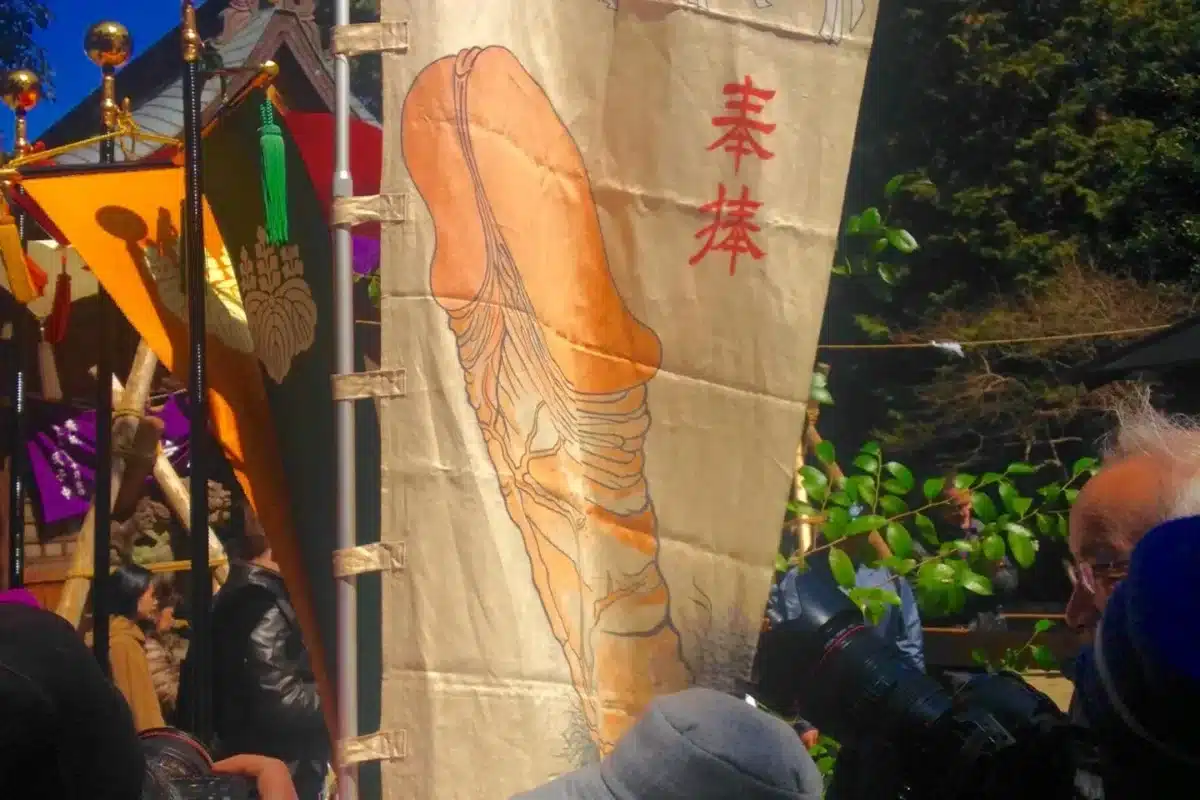
The absolute centerpiece of the festival day is a remarkable two-meter-long wooden carving known as the O-owasegata. Weighing in at a hefty 280 kilograms, this magnificent phallic sculpture is meticulously crafted anew each year from select Japanese cypress timber. Glinting warmly in the sunlight, the freshly polished wood represents the pinnacle of local artisanal skill and spiritual devotion.
The creation process is deeply ritualized, beginning weeks prior with sacred cutting ceremonies before the finished piece is housed inside a portable shrine. Once displayed prior to the parade, crowds gather closely around the detailed anatomical structure to capture photographs and marvel at its scale. The energy surrounding the sculpture builds intensely as spectators are invited to interact respectfully with the sacred artifact.
Entry & Tickets
- How Tickets Are Sold: General access to the shrine grounds, festival streets, and public viewing areas is completely open without requiring advance tickets or bookings
- Admission Type: Free Admission
- Ticket Pricing: Free Admission
- Special Seating Options: Open-air standing areas along the procession route and open public spaces within the shrine grounds available on a first-come, first-served basis
- VIP Options: No VIP tier options, exclusive passes, or paid reserved seating sections are offered for this public community festival
Mikoshi Procession & Traditional Parade
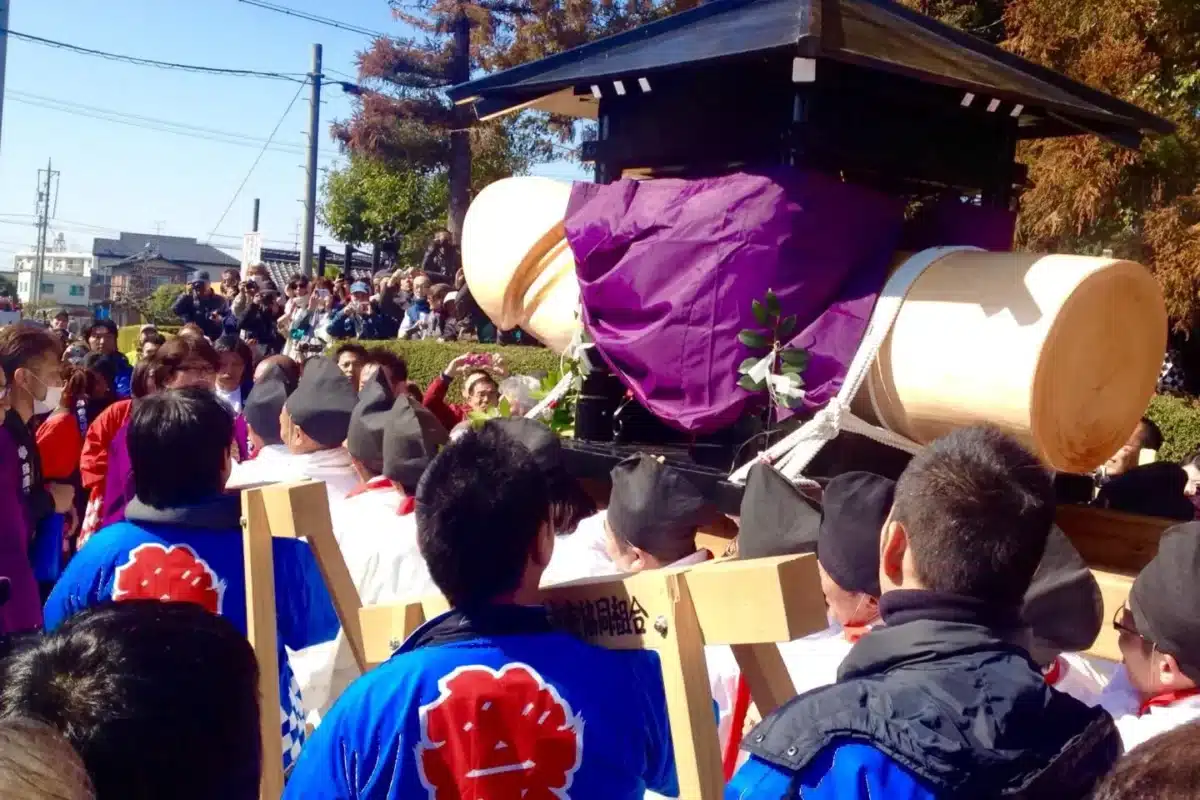
The climax of the festival arrives when the grand procession departs toward the main shrine under clear spring skies. A dedicated troupe of bearers hoists the heavy portable shrine onto their shoulders, setting off on a vibrant kilometer-long journey. Their synchronized movements and powerful shouts fill the streets with an infectious wave of celebratory momentum.
The bearers demonstrate remarkable physical endurance, frequently spinning in circles and bouncing the heavy palanquin up and down to the absolute delight of onlookers. This theatrical display of strength is widely believed to grant them personal luck during an otherwise unauspicious age milestone. Spectators line the entire route densely, cheering, taking photographs, and soaking in the high-energy spectacle.
- Enigmatic parade route stretching approximately one kilometer between regional gathering points
- Heavy portable mikoshi shrine hoisted and transported directly on human shoulders
- Energetic spinning maneuvers and vertical bouncing executed by the athletic bearers
- Dense crowds lining the curbs to capture photographs and encourage the participants
- Coordination with traditional musical ensembles leading the marching column forward
- Joyful interruptions for ritual halts, prayers, and community blessings along the way
- Seamless police and volunteer traffic management ensuring safe pedestrian passage
- Triumphant arrival sequence culminating at the sacred gates of Tagata Shrine
- Immersive festive ambiance blending solemn Shinto heritage with lighthearted revelry
Where It Takes Place
- City and Country: Komaki, Aichi Prefecture, Japan
- Venue Name: Tagata Shrine
- Google Maps Address: 152 Tagatacho, Komaki, Aichi 485-0004, Japan
Five Women & Smaller Sacred Symbols
- Traditional selection of five female attendants known as the Goninshu via a specialized ritual lottery
- Important ceremonial roles undertaken by local women to balance the procession’s energy
- Carriage of smaller sacred objects, symbolic treasures, and ritual offerings alongside the main parade
- Elegant traditional kimono and ceremonial garb worn throughout the length of the march
- Accompanying secondary portable shrines including the Gyoren and Gozen Mikoshi
- Representation of historic community lineage and female-aligned deities in the shrine pantheon
Festival Food, Sake & Souvenirs
- Bustling street food stalls lining the station approach offering classic festival grilled snacks
- Delightfully themed novelty treats including brightly colored phallic lollipops and chocolate-covered bananas
- Generous free-flowing distribution of ceremonial sake poured freely by cheerful local volunteers
- Interactive mobile sake carts encouraging friendly social connections along the parade route
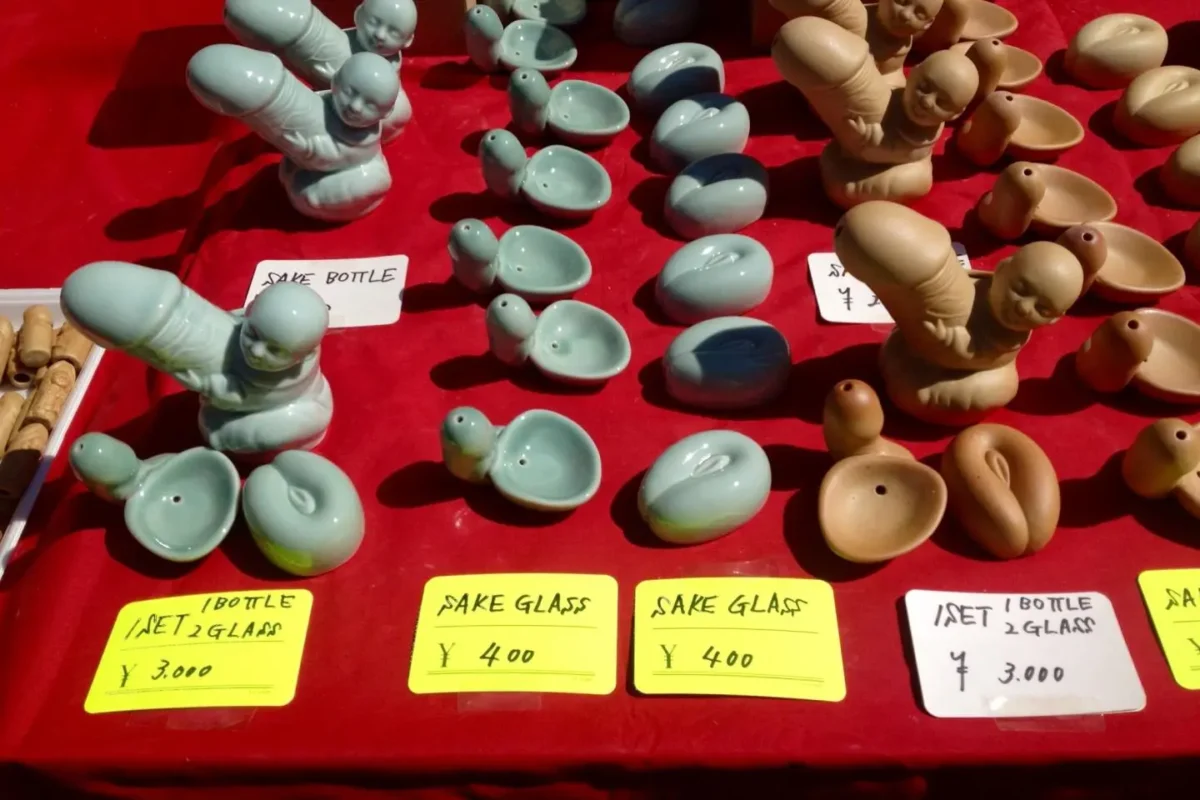
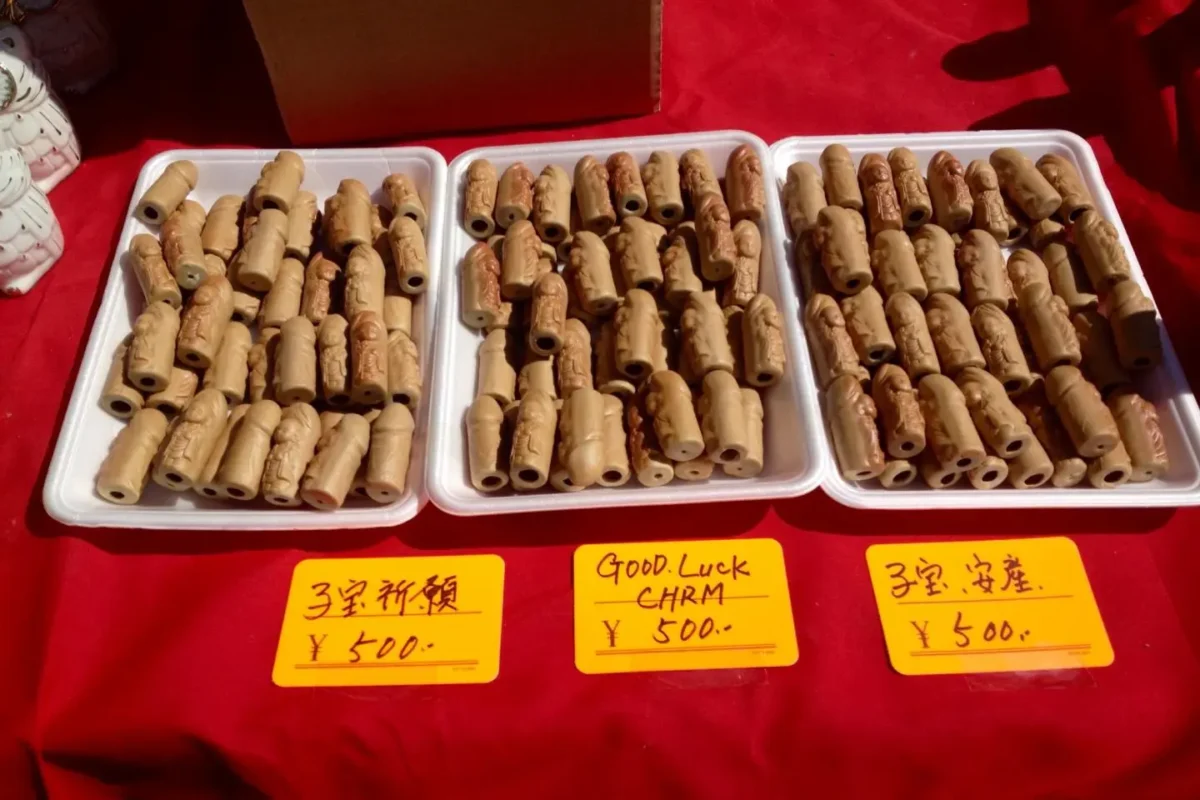
- Specialized souvenir booths selling humorous sake cups, novelty ashtrays, and wooden carvings
- Local artisan stalls displaying unique fertility-themed artwork and hand-crafted mementos
- Shared snacking and casual conversations uniting travelers around food and drink stations
Event Contact
- Phone Number: +81 568-76-2906 (Tagata Shrine Office)
- Website: https://www.komaki-kanko.jp/en/ (Komaki City Tourism Association)
Festival History & Fertility Tradition
Held at Tagata Shrine every March 15th, Tagata Honensai is a famous fertility festival designed to celebrate a bountiful harvest, prosperity, and all things fertility. Located in the city of Komaki just north of Nagoya, it stands out as one of Japan’s most widely recognized and distinctive cultural events. The matsuri bridges ancient indigenous practices with a remarkably high-spirited, joyful community celebration.
The upcoming festival promises an experience quite different from standard solemn temple rites, balancing deep spiritual tradition with a surprisingly lively atmosphere. Central to the day’s events is the energetic procession of a massive wooden phallus moving from a secondary location toward the main shrine. Far from being a modern novelty, this unique observance has been passed down through generations to invoke divine blessings for the land and its people.
Arriving at the train station on the festival morning introduces visitors to a steady, cheerful stream of people heading directly for the sacred grounds. Lined with bilingual signs and bustling stalls, the route sets an inviting tone for both local residents and international travelers. It is a celebration where ancient agrarian prayers meet open-hearted modern hospitality under the spring sun.
Shinto Beliefs, Harvest & Fertility Significance
Tagata Shrine itself is thought to date back 1,500 years and houses a revered female kami, or deity, embodying fertility, harvest, and renewal. In traditional Shinto perspective, the festival serves as a vital supplication to ensure agricultural success and the flourishing of all natural things. The harmonious interaction between heavenly grace and earthly production forms the foundational philosophy of the rites.
The shrine grounds feature various artistic expressions of fertility nestled tastefully amongst shady trees and traditional stone arrangements. Worshippers of all ages eagerly queue up to offer prayers, reflecting a culture that approaches themes of creation with openness and reverence. This philosophy treats generative symbols not as taboo, but as sacred conduits for life, health, and communal continuity.
- Dedicated prayers offered to divine guardians for successful crop yields and agricultural abundance
- Celebration of family prosperity, safe childbearing, and smooth domestic milestones
- Shinto recognition of the sacred balance between mother earth and cosmic fertility forces
- Ritual framing of generative power as a vital blessing for future community generations
- Integration of ancient animistic gratitude with prayers for modern local prosperity
- Open participation welcoming people of all backgrounds to share in communal blessings
Shrine Priests, Mikoshi Bearers & Participants
The ceremonial integrity of the festival is led by Shinto priests in pristine traditional finery who guide the proceedings with dignified solemnity. Ahead of the main portable shrine, they perform vital purification rites, scattering salt along the route to clear negative energies. Their meticulous oversight ensures that ancient customs are honored precisely while maintaining a welcoming atmosphere for the public.
The honorable task of carrying the heavy phallic mikoshi is traditionally entrusted to a specific group of local men aged 42. In Japanese traditional reckoning, this specific age represents a pivotal turning point or yakudoshi year where special spiritual protection is sought. Dressed in matching festival garments, these participants channel their collective strength into managing the grueling physical demands of the parade.
Surrounding the central bearers are various community members, shrine volunteers, and attendants wearing traditional happi coats and ceremonial garb. Their cooperative synergy keeps the complex timeline running smoothly from morning preparations to the final afternoon rituals. This clear division of generational and ceremonial roles preserves the authentic structure of the ancient rite.
- Senior Shinto priests officiating sacred prayers, offerings, and purification rituals
- Salt-sprinkling purification team clearing and blessing the street pathway ahead
- Designated male bearers aged 42 shouldering the heavy mikoshi to ward off misfortune
- Neighborhood volunteers managing crowd safety, sake distribution, and logistical support
- Local musicians and attendants dressed in traditional festival attire executing precise duties
- Multi-generational community backing ensuring seamless execution across all festival sectors
Location
FAQ
What is the easiest way to travel to Tagata Shrine from Nagoya Station?
Travelers can take the Meitetsu-Komaki Line directly from central Nagoya to Tagatajinja-mae Station. From the station exit, a simple five-minute walk southwest brings visitors straight to the shrine gates. Following the steady stream of fellow festival-goers makes navigation effortless.
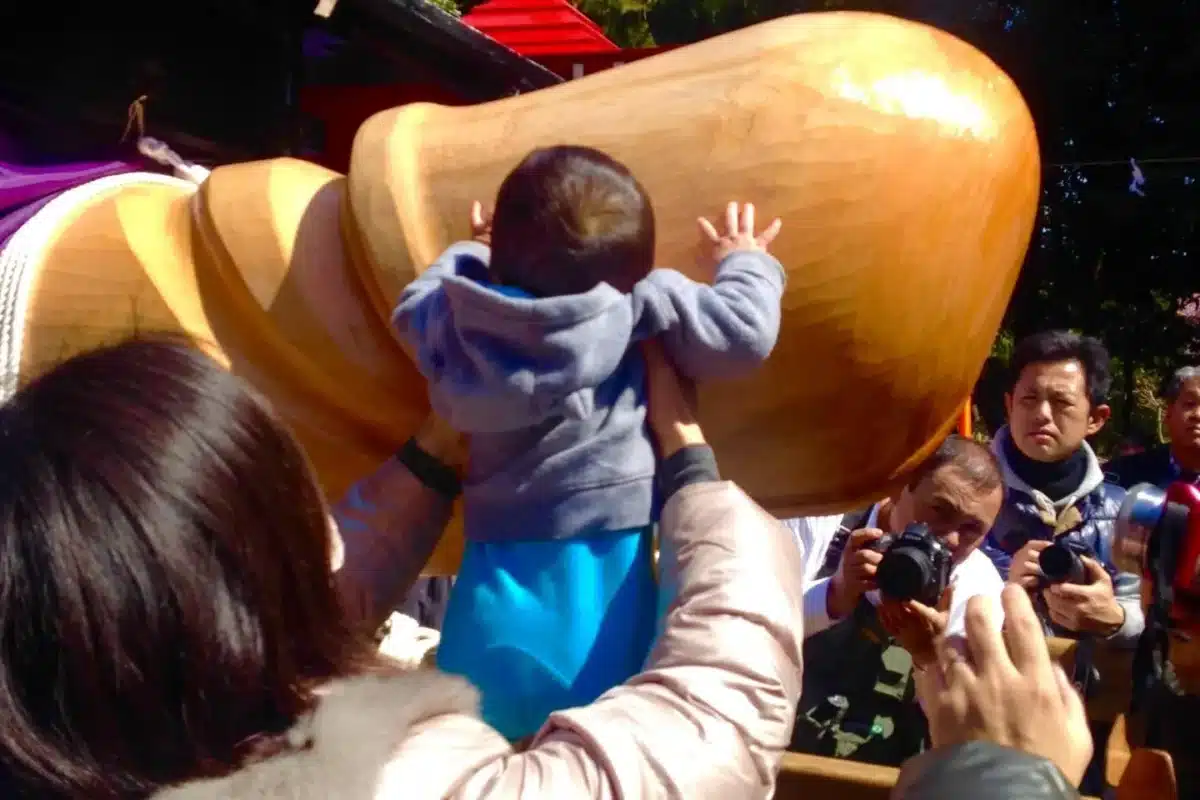
Are visitors allowed to touch the large wooden phallus during the procession?
Spectators frequently have opportunities to touch the sacred carving when it pauses or during pre-procession display moments. Enthusiastic locals often encourage nearby visitors to partake in this interactive blessing. Respecting the instructions of parade marshals ensures a safe and fun experience for everyone.
Is the festival appropriate for families with children and general tourists?
The festival is celebrated with a remarkably wholesome, joyous, and welcoming community atmosphere suitable for all ages. While the imagery is famously direct and unconventional, the event is rooted in sincere agricultural and family prayers. Visitors regularly include multi-generational families and international travelers enjoying the spring weather.
Should visitors plan to drive personal vehicles to the shrine on festival day?
Driving is strongly discouraged on March 15th due to major street closures, heavy traffic congestion, and a complete lack of standard parking at the venue. Utilizing efficient public railway networks like the Meitetsu Line is the recommended travel method. Walking from the nearby station prevents major transit delays.
Is it necessary to purchase advance tickets or register for shrine entry?
General entry to the shrine grounds and viewing the street processions requires zero tickets or prior reservations. Visitors can freely wander the festival zones, watch the rituals, and enjoy the food stalls at no cost. Optional individual prayer services inside the main hall operate on a standard walk-in basis.

Leave a Reply