
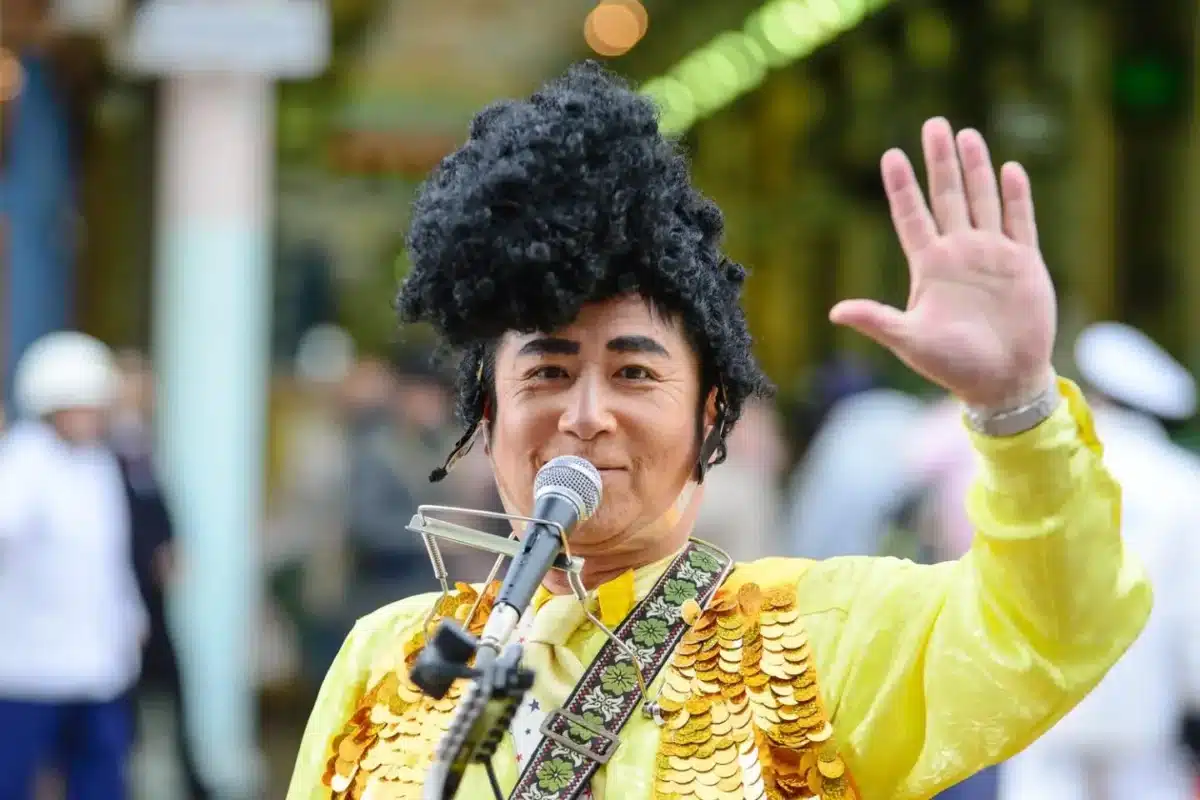
Amateur Chindon Competition & Community Participation
Beyond the professional ranks, the festival heavily emphasizes grassroots involvement through a dedicated amateur chindon competition. Local community groups, school clubs, and independent enthusiast teams spend months preparing creative routines, handmade instruments, and clever costumes. This inclusive platform allows everyday citizens to step out of the audience and actively contribute to the festive energy.
The amateur segment fosters a deep sense of local pride and intergenerational bonding as participants of all ages share the spotlight. By bridging professional mastery with community enthusiasm, the event reinforces its post-war founding mission of bringing smiles and unity back to Toyama. Spectators are treated to wonderfully inventive performances that highlight the universal appeal of chindon culture.
Chindon Sakura Night Parade & Cherry Blossoms
- Evening chindon performances staged against the breathtaking backdrop of Toyama’s illuminated spring cherry blossoms
- Scenic twilight processions winding along the historic banks of the Matsukawa River
- Soft lanterns casting gentle glows over blooming pink petals and reflecting across the flowing water
- Unique acoustic resonance carrying traditional music softly through cool spring night air
- Romantic nighttime viewing conditions offering a peaceful contrast to bustling daytime parades
- Photogenic scenes pairing vibrant performer costumes with delicate spring flora
When & How Long
- Event Date: Early April 2027 (Dates TBD)
- Event Duration: A multi-day spring celebration packed with traditional street performances, competitions, and grand parades
Visiting this event? Don’t miss out on these amazing activities and local experiences while you’re here.
Chindon Music, Instruments & Street Performance
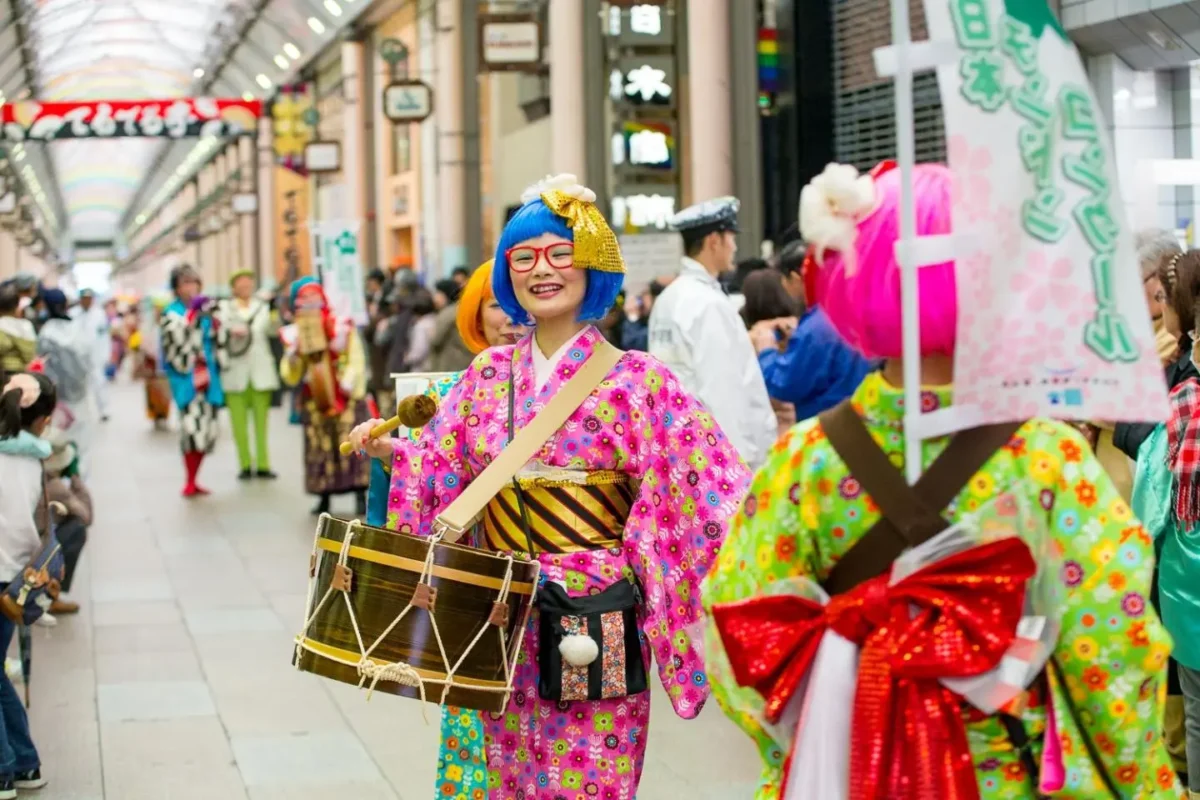
The distinctive soundscape of the festival is driven by an unusual combination of traditional Japanese instruments played with modern comedic timing. Performers utilize chindon-daiko double-headed drums, small hand gongs called kane, and wind instruments like clarinets or trumpets to create an unmissable acoustic signature. These contrasting tones project far down city blocks, announcing the arrival of the troupes long before they come into view.
Enjoy Your Event Stress-Free with Japan Travelo
Do you know? Planning events, festivals, concerts, and cultural experiences in Japan can be overwhelming. Japan Travelo brings everything together in one place, helping you manage your itinerary, transport, and accommodation with ease—so you can enjoy Japan without the stress of planning.
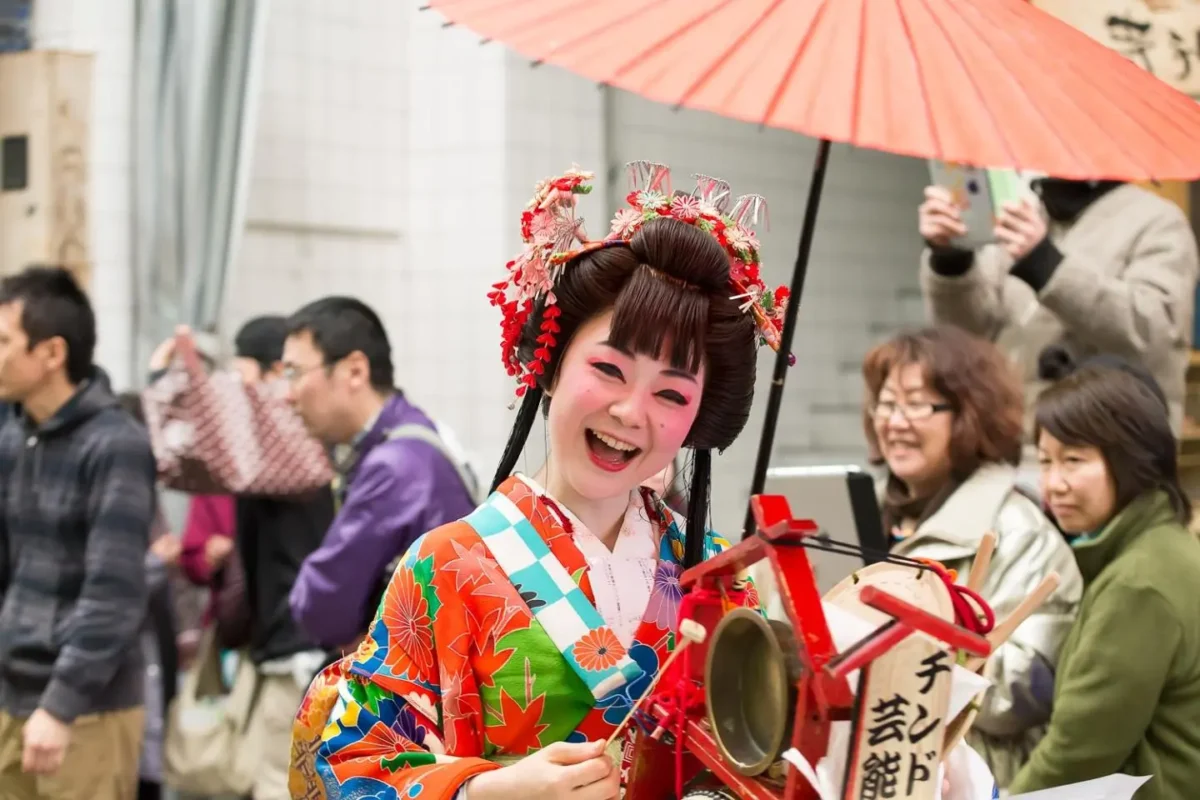
Interwoven with the percussion are lively, humorous verbal announcements and satirical pitches designed to capture the attention of passing pedestrians. Performers draw on historical street advertising techniques originated in the Edo period, updating them with witty contemporary references. This seamless blend of crisp musicality and theatrical entertainment ensures that audiences of all ages remain thoroughly engaged.
- Specialized chindon-daiko double-headed drums worn and struck continuously while marching
- Traditional hand gongs (kane) producing sharp, metallic accents that cut through crowd noise
- Bright brass and reed wind instruments carrying cheerful, nostalgic melodies
- Humorous vocal patter, witty chants, and playful commercial pitches directed at onlookers
- Rhythmic synchronization keeping large moving troupes locked into unified tempos
- Interactive musical gags that invite spontaneous laughter and clapping from viewers
Entry & Tickets
- How Tickets Are Sold: General public access to outdoor parades, street performances, and community areas is completely open without requiring advance ticket purchases
- Admission Type: Free Admission
- Ticket Pricing: Free Admission
- Special Seating Options: Open public viewing spaces along the downtown streets, shopping arcades, and riverside pathways available on a first-come, first-served basis
- VIP Options: No VIP tier options, exclusive passes, or paid reserved seating sections are offered for this public community festival
Chindon Grand Parade
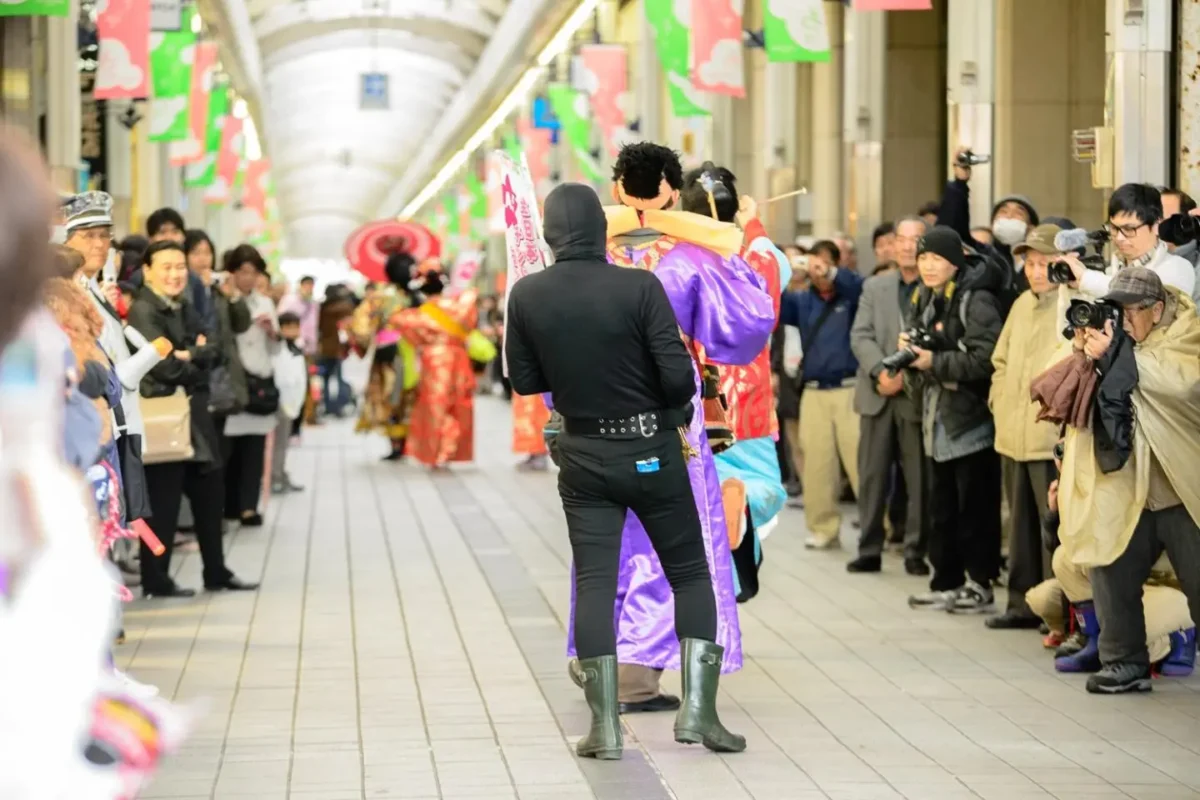
The festival culminates in a spectacular final procession known as the Chindon Grand Parade, which floods downtown Toyama with brilliant motion and sound. Bringing together more than 200 participants, the grand parade unites competing professional troupes, amateur groups, and musicians into a massive moving celebration. Performers march through central avenues, filling the air with the rhythmic clatter of gongs and the bright ringing of brass instruments.
Crowds line the streets densely to witness the explosion of color, laughter, and theatrical pageantry as the massive troupe moves past downtown landmarks. The atmosphere is wonderfully buoyant, enveloping the entire city in a shared sense of joy and communal festivity. This grand finale captures the core spirit of the festival, transforming urban thoroughfares into an open-air theater of rhythm and movement.
Colorful Costumes & Chindon Performer Culture
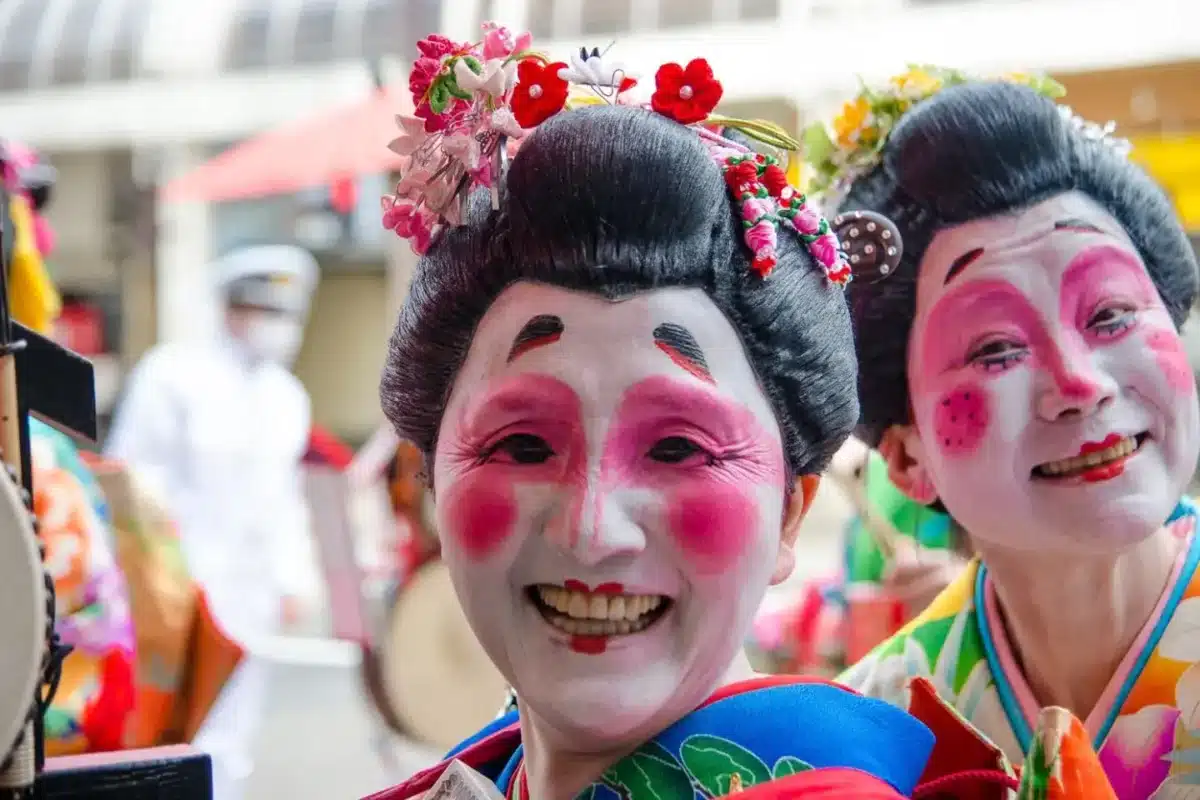
- Flamboyant, vividly colored traditional Japanese kimono paired with eccentric modern theatrical accessories
- Elaborate wigs, painted face makeup, and stylized hats distinguishing individual performer personas
- Dramatic costume shifts blending historical Edo-period merchant garb with pop-culture elements
- Exaggerated stage personalities and humorous body language creating instant audience rapport
- Traditional performer roles ranging from marching barkers to whimsical musicians and dancers
- Theatrical styling that sets chindon apart from standard musical acts through pure visual spectacle
Where It Takes Place
- City and Country: Toyama, Japan
- Venue Name: Toyamaken Akasaka Kaikan
- Google Maps Address: 7 Chome-5-51 Akasaka, Minato City, Tokyo 107-0052, Japan
Toyama City Festival Atmosphere, Food & Visitor Experience
Downtown Toyama undergoes a complete metamorphosis during the festival, enveloping covered shopping arcades and public plazas in an infectious wave of celebration. Vibrant food stalls pop up across the city center, offering hungry visitors a wide array of local culinary specialties, savory street snacks, and regional delicacies. The lively hum of conversation and music creates a welcoming environment for travelers exploring the urban core.
Visitors can effortlessly combine festival attendance with daytime cherry-blossom viewing along the waterfront or shopping in nearby commercial districts. The compact layout of central Toyama makes it easy to walk or take city trams between the main competition halls, outdoor plazas, and riverside paths. This seamless integration of culture, gastronomy, and natural beauty makes Toyama an unforgettable spring destination.
Event Contact Details
- Phone Number: +81 76-443-2072 (Toyama City Tourism Policy Division)
- Website: https://en.japantravel.com/toyama/chindon-festival/18965
Professional Chindon Competition
At the heart of the festival lies the prestigious All Japan Chindon Competition, serving as the nation’s premier and only official contest for professional street performers. Scores of elite troupes gather from all corners of the country to display the theatrical artistry, musical precision, and satirical comedy that have defined the craft since its 19th-century origins. This intense competition transforms ordinary urban spaces into high-energy stages where performers vie for top national honors through captivating routines.
The competition format is rigorous, designed to filter out the finest acts through demanding preliminary qualifying rounds before advancing to the high-stakes final event. In recent editions, such as in 2026, as many as 28 professional teams fiercely competed for just eight coveted places in the main event. During these rounds, teams must demonstrate not only musical dexterity with drums and gongs but also an innate ability to improvise and connect directly with street audiences.
A panel of expert judges evaluates the troupes based on musicality, visual impact, humorous presentation, and the effectiveness of their commercial pitch style. The progression from preliminary heats to the grand final creates an electric atmosphere of suspense and excitement among both competitors and spectators. Ultimately, the contest celebrates the survival and evolution of a unique promotional art form, elevating street advertising into a recognized and celebrated performance discipline.
- Nationally recognized competition featuring elite professional chindon troupes from across Japan
- Rigorous preliminary qualifying rounds narrowing down a large pool of applicants
- Highly selective progression securing only eight finalist slots for the main showcase
- Expert judging panels scoring teams on musical skill, visual presentation, and comedic delivery
- Improvised street routines engaging spectators directly with witty banter and clever product promotions
- High-stakes final round determining the year’s top chindon performers and grand champions
- Celebration of historic advertising artistry adapted into a modern theatrical performance art
Video
Location
FAQ
What are the primary musical instruments used in traditional chindon performances?
Performers primarily rely on double-headed chindon drums, small metallic hand gongs, and various wind instruments like clarinets. This unique instrumental combination produces a loud, rhythmic sound designed to attract attention on busy streets. The resulting upbeat melodies create an unmistakable auditory trademark for the festival.
Is prior experience required for groups entering the amateur chindon competition?
Amateur groups do not need professional credentials to enter, as the segment welcomes local clubs, families, and everyday enthusiasts. Participants simply need creativity, enthusiasm, and a willingness to put together an entertaining routine. It serves as an inclusive platform for community members to share the stage.
How does the professional competition select its overall champion team?
Professional troupes must first navigate rigorous preliminary qualifying rounds to secure one of the limited spots in the main event. A panel of judges then scores the finalists based on musical precision, theatrical presentation, humor, and crowd engagement. The team with the highest overall score claims the top national honor.
Can visitors easily access the various festival viewing locations on foot?
The main venues and parade routes are concentrated within central Toyama and are easily reachable from Toyama Station. Well-maintained walking paths, shopping arcades, and local tram lines connect the key event areas smoothly. This compact layout allows spectators to follow the performances effortlessly.
What makes the Matsukawa River area a special location during the festival?
The riverbanks feature rows of stunning cherry trees that bloom in early April, coinciding perfectly with the festival dates. Evening light-ups and daytime strolls along the water create a picturesque backdrop for impromptu musical performances. It offers visitors a quintessential Japanese spring scenery experience.

Leave a Reply