

-
November 23, 2026
Event date:
-
November 23, 2026
Event end:
What to expect in 2026
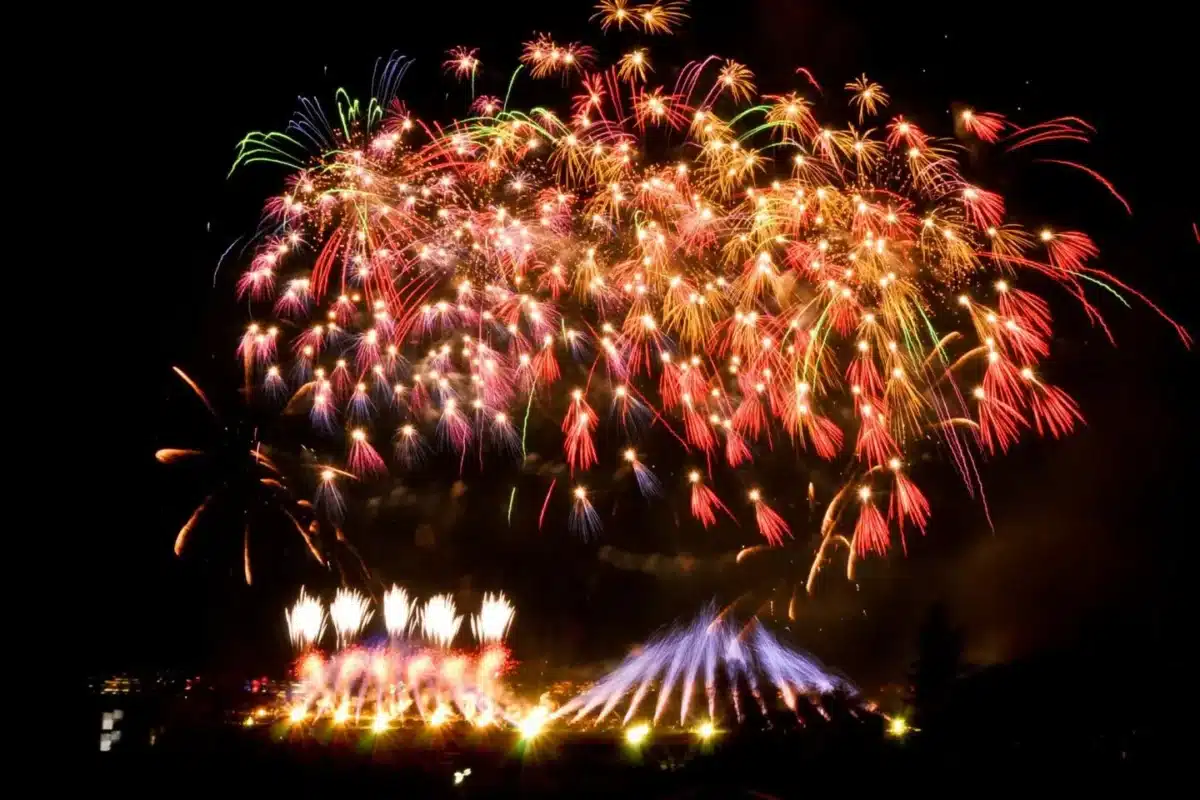
Nagano Ebisukō Fireworks Festival is one of Japan’s distinctive late-autumn fireworks events, bringing a major evening display to the banks of the Sai River in Nagano City. The festival is especially notable because it takes place in November rather than during Japan’s traditional summer fireworks season. The clear, cool autumn air provides a dramatic setting for large-scale fireworks, music-synchronized displays and wide formations across the night sky. The official organizers describe the event as a long-running tradition associated with the Ebisukō celebrations and Nagano’s commercial development.
The 2026 edition is the 120th Nagano Ebisukō Fireworks Festival. Around 10,000 fireworks are planned, with the main display beginning at 6:00 PM and continuing for approximately 90 minutes. A special drone show is also scheduled before the fireworks, creating a combination of traditional pyrotechnics and newer aerial entertainment.
Visitors can expect a large riverside viewing area, powerful musical fireworks, large shells, wide-area star mines and a festive atmosphere around Nagano City. The event also has a connection with Nishinomiya Shrine and the wider Ebisukō religious and commercial tradition.
Enjoy Your Event Stress-Free with Japan Travelo
Do you know? Planning events, festivals, concerts, and cultural experiences in Japan can be overwhelming. Japan Travelo brings everything together in one place, helping you manage your itinerary, transport, and accommodation with ease—so you can enjoy Japan without the stress of planning.
The 2026 experience includes:
- Approximately 10,000 fireworks
- Large-scale musical fireworks
- Special wide-format star mines
- Large shell fireworks
- A dedicated drone show
- Free public viewing areas
- Reserved paid viewing areas
- Food and seasonal festival stalls
- Riverside viewing around the Sai River
- A connection with Nagano’s Ebisukō tradition
- A winter-like atmosphere in the clear late-autumn night sky
Because temperatures can be low after sunset, warm clothing is an important part of preparing for the event.
Event dates
Monday – November 23rd 2026
The 2026 festival takes place at Saigawa Daini-ryokuchi Koen Park on the western side of Nagano Bridge. The official programme lists the drone show at approximately 5:30 PM, followed by the main fireworks from 6:00 PM, with the display scheduled to finish at approximately 7:30 PM.
The free viewing area opens from 10:00 AM. The organizers warn that the free area can become extremely crowded and may reach capacity, so arriving early is important for visitors planning to watch from the public section.
Visiting this event? Don’t miss out on these amazing activities and local experiences while you’re here.
Venue & event locations
The main venue is Saigawa Daini-ryokuchi Koen Park, located on the western side of Nagano Bridge along the Sai River in Nagano City.
Saigawa Daini-ryokuchi Koen Park
The riverside park provides the principal viewing environment. The open landscape allows spectators to see large fireworks formations across the sky and provides space for both free and paid viewing areas.
Nagano Bridge
Nagano Bridge is an important geographical reference point for the festival because the main venue lies on its western side. The surrounding embankment roads also form part of the organized viewing and access system.
Sai River
The river provides the open backdrop for the fireworks. Its wide riverside setting allows large shells and musical star mines to be viewed across a broad section of the sky.
Paid viewing areas
The official seating map divides paid viewing into several sections, including ground areas, embankment slope areas and areas along the embankment road. Different seating formats are available depending on the ticket category.
Free viewing area
A large public viewing area is available for visitors without paid tickets, although capacity is limited and heavy congestion is expected.
Full holiday programme
Nagano Ebisukō Fireworks Festival is connected with the wider Ebisukō tradition in Nagano. The Ebisukō festival at Nishinomiya Shrine is associated with prayers for commercial prosperity and has historically been linked with Nagano’s business community.
The fireworks event itself was established in connection with the Ebisukō celebrations and has developed into a major annual winter-season attraction. The official organizers trace the beginning of the Nagano fireworks tradition to the Meiji period, when the event was created alongside the Ebisukō celebrations with the aim of supporting the development of Nagano’s commerce and industry.
The broader cultural programme includes:
- Ebisukō-related shrine traditions
- Traditional shrine performances
- Fireworks preparations
- Public viewing activities
- Food and seasonal stalls
- Paid seating experiences
- Drone entertainment
- Musical fireworks
- Large-scale star mines
- Community and commercial participation
The Nishinomiya Shrine programme is an important part of the wider Ebisukō context. Traditional Edo-style satokagura performances are presented at the shrine as part of the seasonal celebrations.
Visitors attending primarily for the fireworks can also use the occasion to learn about the cultural background of Ebisukō and the connection between the shrine festival and Nagano’s historic commercial community.
Main attractions & highlights
Approximately 10,000 fireworks
The 2026 event is scheduled to feature approximately 10,000 fireworks, creating a substantial display across the Sai River.
Musical star mines
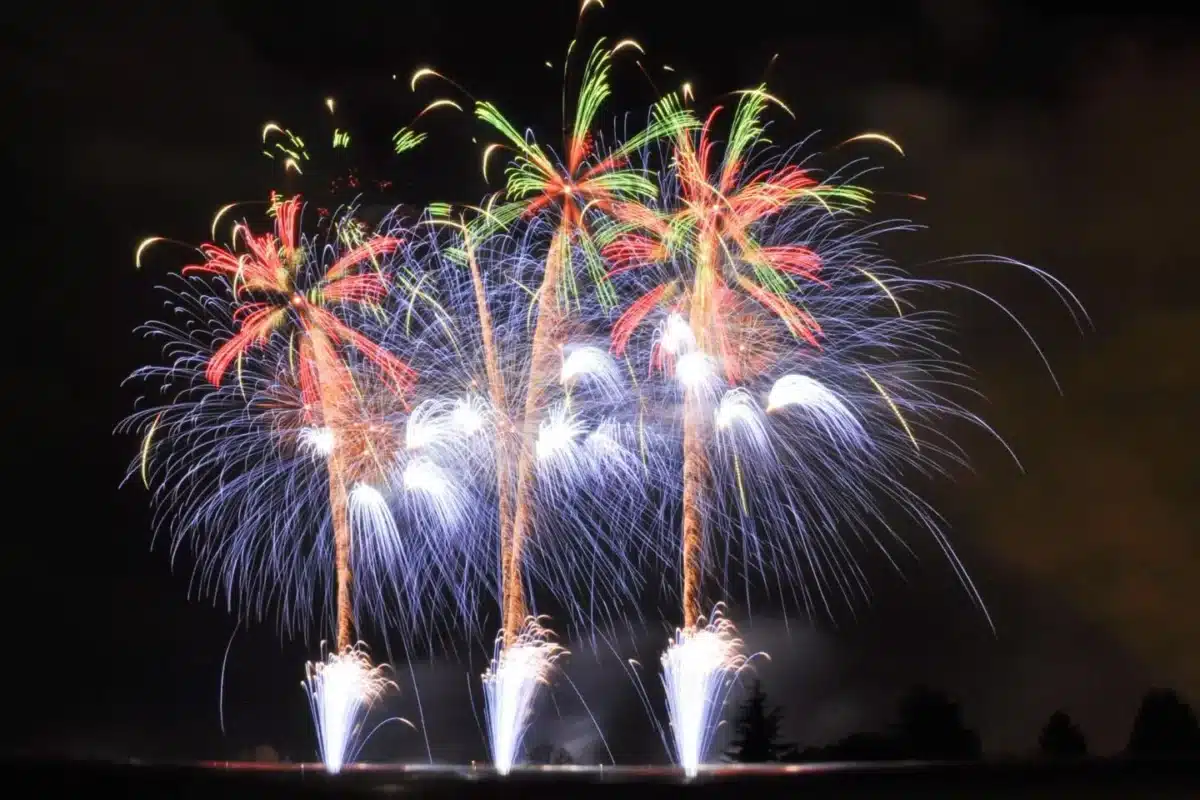
Music-synchronized fireworks are one of the signature attractions. Large numbers of fireworks are timed with music to create coordinated visual sequences.
Large shells
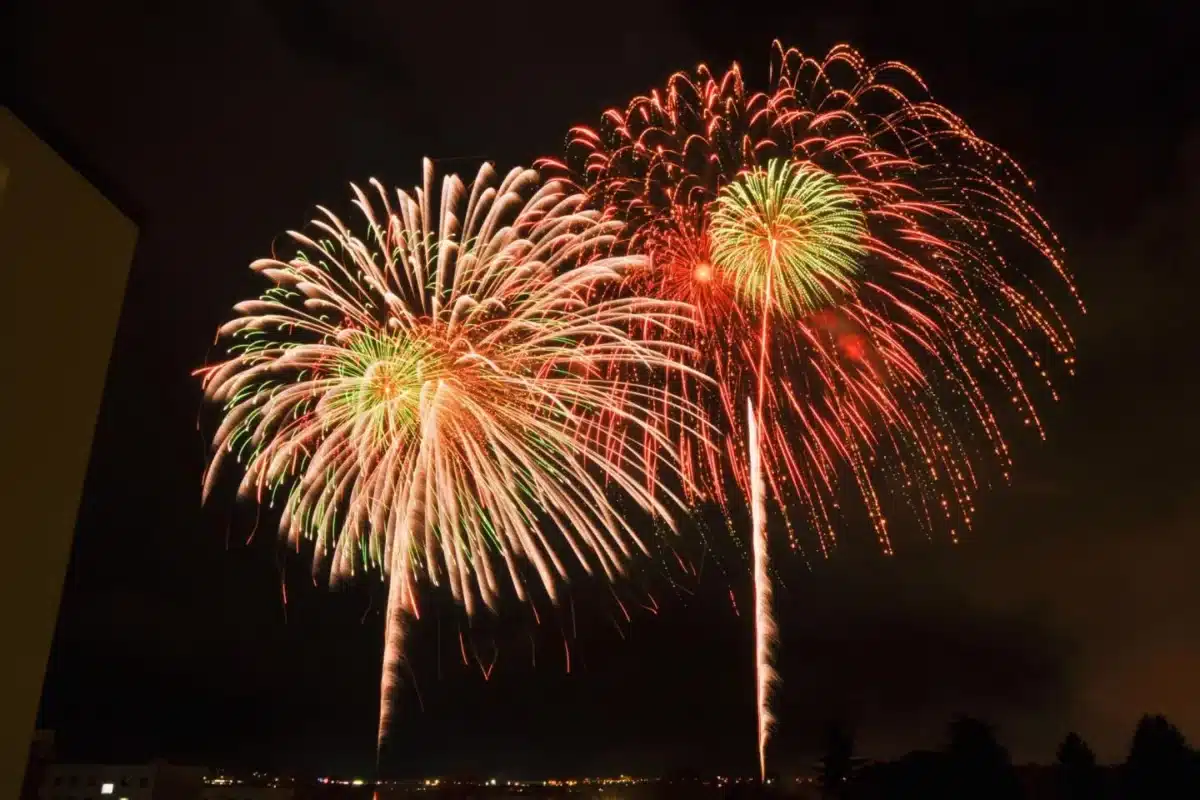
The festival is known for large fireworks shells that rise high above the river before expanding into large circular formations.
Wide-format fireworks
Special wide star mines provide some of the largest visual formations of the evening.
Drone show
The 2026 edition introduces a dedicated drone show before the fireworks. The organizers describe it as a new form of entertainment added alongside the festival’s long-established fireworks tradition.
Late-autumn atmosphere
Unlike summer fireworks festivals, Nagano Ebisukō takes place during the colder part of the year. The crisp night air and darker seasonal surroundings can make the fireworks particularly striking.
Riverside viewing
The Sai River location gives visitors an open view of the sky and provides a broad setting for large fireworks formations.
Markets, decorations & themed areas
The festival is primarily a fireworks event rather than a large decorative Christmas or winter market. However, visitors can experience a lively festival environment around the main viewing areas.
Food stalls
Festival food vendors and temporary food areas provide hot meals, snacks and drinks before and during the fireworks.
Seasonal food park
Tourism operators promoting the festival have highlighted a large food park associated with the event, with more than 70 food stalls planned in recent visitor packages.
Paid viewing zones
The organized viewing zones create different experiences, from riverside ground seating to embankment seating and designated camera areas.
Ebisukō atmosphere
The wider connection with Ebisukō gives the festival a cultural identity beyond fireworks alone.
Nagano City surroundings
Visitors can combine the fireworks with an evening or daytime visit to Nagano’s restaurants, shopping streets and historic attractions.
The festival environment is therefore more focused on food, viewing areas and the fireworks themselves than on extensive decorative installations.
Events & entertainment schedule
The official 2026 programme provides a clear sequence for the main evening.
Drone show
A special drone show is scheduled for approximately 5:30 PM. It is presented as a new aerial entertainment feature accompanying the traditional fireworks programme.
Fireworks opening
The main fireworks are scheduled to begin at 6:00 PM.
Musical fireworks
The programme includes musical star mines, combining synchronized sound and pyrotechnics.
Large-scale sequences
Large shells and wide star mines form major parts of the evening display.
Finale
The programme continues through a succession of large fireworks sequences before concluding at approximately 7:30 PM.
The exact individual fireworks sequence and music programme can change, so spectators should follow announcements at the venue and the official programme.
Admission & ticket information
The festival offers both free public viewing and paid reserved seating.
Free viewing
General public viewing is free. However, the official organizers warn that the free area is expected to become extremely crowded and entry may be restricted once capacity is reached.
Paid viewing
The official paid viewing programme includes several categories spread across the ground area, embankment slopes and embankment road.
Current published ticket information includes the following approximate prices in USD, converted from the official yen prices:
- G seat: approximately $33 early-bird / $40 regular
- I seat: approximately $40 early-bird / $47 regular
- F seat: approximately $53 early-bird / $60 regular
- A or B seat: approximately $66 early-bird / $73 regular
- Group seat: approximately $159 early-bird / $186 regular
- Pair seat: approximately $100 early-bird / $113 regular
- SA seat: approximately $133 early-bird / $139 regular
- SA group seat: approximately $265 early-bird / $292 regular
- SA pair seat: approximately $331 early-bird / $344 regular
- C, D or E seat: approximately $73 early-bird / $80 regular
- Camera area 1: approximately $133 early-bird / $139 regular
- Camera area 2: approximately $100 early-bird / $106 regular
These conversions use an approximate exchange rate and are provided for planning purposes; the actual amount charged by the ticketing service is in Japanese yen. Published 2026 ticket information confirms the paid seating categories and sales system.
Ticket purchase
Official paid tickets are sold through Ticket Pia online and through participating Seven-Eleven ticket machines. Seat numbers are assigned automatically rather than selected by the customer.
Special experiences & activities
Drone show
The new drone show provides a modern aerial element before the traditional fireworks. It creates a different type of nighttime spectacle using coordinated illuminated drones.
Reserved riverside viewing
Paid seating provides a more organized viewing experience and avoids the uncertainty of finding space in the free public area.
Camera viewing
Dedicated camera areas are available for visitors who want to photograph the fireworks from designated positions.
Ebisukō cultural experience
Visitors can explore the connection between the fireworks and Nishinomiya Shrine’s Ebisukō celebrations.
Official bus tour
An official festival bus tour is available and combines transportation with a designated fireworks viewing seat. The published package is approximately $159 per person, based on the listed Japanese price, with optional accommodation available separately.
Hotel viewing experience
Some Nagano hotels offer special fireworks dining packages. Hotel Metropolitan Nagano, for example, has advertised a special Ebisukō dinner experience overlooking the fireworks, priced at approximately $133 per person based on its published rate.
Family & children’s activities
The festival can be an exciting experience for families, especially children interested in large fireworks and the drone show.
Drone spectacle
The aerial drone performance offers an additional attraction before the fireworks begin.
Fireworks viewing
The large-scale star mines and musical sequences provide a strong visual experience for children.
Food stalls
Festival food areas provide casual dining options that can make the evening more enjoyable for families.
Reserved seating
Families may prefer paid seating because it provides an assigned place to watch the show rather than requiring them to find space in a crowded free area.
Warm clothing
Nagano’s late-autumn evenings can be cold, so children should be dressed in several warm layers with suitable footwear.
Parents should also consider the long waiting period before the fireworks and plan restroom visits before entering the most crowded viewing areas.
Event rules
Follow viewing-area instructions
Visitors must remain within their designated viewing areas and follow instructions from event staff.
Do not block pathways
The venue becomes crowded, so visitors should keep pedestrian routes clear.
No unauthorized parking
The organizers strictly prohibit parking on nearby roads, private properties or business premises.
Respect residential areas
The festival takes place close to residential and commercial areas. Visitors should minimize noise and avoid obstructing local traffic.
Free-area capacity
Entry to the free viewing area may be restricted when capacity is reached.
Toilet planning
The official organizers state that toilets are not available inside the free viewing area, and visitors may find it difficult to leave and return once the area becomes crowded.
Photography
Visitors using cameras must remain within permitted areas and avoid equipment or positioning that obstructs other spectators.
Weather
The event can be affected by severe weather, and visitors should check official announcements before travelling.
How to get there
Nagano Ebisukō Fireworks Festival is held beside the Sai River, west of Nagano Bridge.
From Nagano Station
The official tourism information recommends walking from Nagano Station to the venue. The journey from the station’s east exit takes approximately 30 minutes.
By train
Nagano Station is connected with major destinations across central Japan and is the main transport hub for visitors arriving from outside the city.
By car
Drivers can reach Nagano through the surrounding expressway network, including Nagano Interchange and Suzaka-Nagano Higashi Interchange.
On foot
Walking from Nagano Station is strongly recommended by the organizers because congestion around the venue can be severe.
Public transport & parking
Public transportation is strongly recommended.
Nagano Station
The station is the main arrival point for visitors using trains. From the east exit, the festival site is approximately a 30-minute walk.
Walking route
Walking provides one of the most reliable ways to reach the venue because traffic restrictions are introduced around the event.
Taxi
A designated taxi drop-off and pick-up location is provided in front of Wakasato Civic Culture Hall.
Official parking
For the 2026 event, the organizers have introduced official parking spaces available through advance reservation via Akippa. Visitors intending to drive are strongly encouraged to reserve parking beforehand.
No ordinary venue parking
There are no regular coin-operated parking facilities immediately around the venue. Nagano Station-area parking can also fill quickly, so relying on last-minute parking is not recommended.
Traffic restrictions
Road closures and restricted vehicle access are introduced around the event area. The official access information lists restrictions affecting the embankment roads and surrounding streets.
Accommodation areas
Nagano Station
The station area is the most practical base for many visitors because it provides extensive accommodation and easy access to the festival by walking.
Nagano city centre
Central Nagano offers hotels, restaurants, cafés and shopping within convenient reach of the station and wider sightseeing areas.
Wakasato
The Wakasato area is relatively close to the fireworks venue and can be useful for visitors seeking accommodation outside the busiest central zone.
Zenkoji area
Staying around Zenkoji provides a cultural experience and allows visitors to combine the fireworks with one of Nagano’s most important historic attractions.
Yudanaka and Shibu Onsen
Visitors extending their trip can stay in the famous hot-spring areas north of Nagano and combine the fireworks with a traditional onsen experience.
Food, drinks & seasonal specialties
Food is an important part of the festival atmosphere, particularly because the event takes place during a cold season.
Festival food stalls
Temporary vendors provide hot food, snacks and drinks around the wider event area.
Nagano specialties
Visitors can use the occasion to try local dishes such as soba, oyaki and other Shinshu specialties.
Hot food
Warm noodles, grilled foods and other hot festival dishes can be particularly appealing during the cold evening.
Shinshu apples
Nagano is one of Japan’s major apple-growing regions, and seasonal apple products are common throughout the area.
Local sake
Nagano has a strong sake-making tradition, and visitors staying overnight can explore local breweries and restaurants offering regional sake.
Hotel dining
Some hotels provide special Ebisukō dining packages timed to the fireworks. Hotel Metropolitan Nagano has offered a special dinner package with views toward the fireworks.
Accessibility
The festival takes place in a large outdoor riverside environment, so visitors should plan for uneven ground, long walking distances and large crowds.
Riverside terrain
Some viewing areas are located on grass, embankments or other outdoor surfaces that may be difficult for wheelchair users or people with limited mobility.
Paid seating
Reserved seating can provide a more predictable viewing location, although visitors should check the specific access conditions of their selected seating area.
Crowds
The free viewing area can become extremely congested, making movement difficult after entry.
Transportation
Visitors with mobility needs may wish to arrange transportation in advance and confirm the location of accessible drop-off points.
Planning ahead
Because the venue is temporary and outdoor, visitors requiring wheelchair access, seating assistance or shorter walking routes should contact the organizers before attending.
Best days & times to visit
The festival is held as a single main event, so the key decision is when to arrive and which viewing area to use.
Early arrival
Visitors planning to use the free viewing area should arrive well before the evening programme because the area can become extremely crowded and capacity may be reached.
Before the drone show
Arriving before the drone performance allows visitors to settle into their viewing position before the main fireworks.
Paid seating
Reserved ticket holders can generally arrive according to the instructions supplied with their ticket and avoid the uncertainty of searching for a free viewing position.
Cold-weather preparation
The evening can feel significantly colder beside the river, so warm layers, gloves and suitable footwear are recommended.
After the fireworks
Allow additional time to leave the venue because thousands of spectators depart simultaneously. Walking toward Nagano Station can take longer than normal because of pedestrian congestion and traffic controls.
Previous year’s highlights
The previous edition demonstrated the scale of the festival and its ability to combine established fireworks traditions with newer entertainment.
The event featured approximately 10,000 fireworks, including large musical displays and special wide star mines. Nagano City reported that a large drone show involving 500 drones preceded the fireworks, followed by a special star mine synchronized with the Nagano prefectural song and additional music-linked fireworks.
The festival’s continuing connection with Nagano’s Ebisukō tradition also remained an important part of its identity. The fireworks developed from the city’s historic Ebisukō celebrations and continue to be organized by the Nagano Chamber of Commerce and Industry.
The combination of cold-weather scenery, riverside viewing and large-scale pyrotechnics gives the event a character that differs from summer fireworks festivals.
The previous programme also demonstrated the importance of advance planning. Free viewing areas became highly congested, while paid viewing areas provided reserved locations for visitors seeking a more structured experience.
For 2026, the organizers have expanded the entertainment concept again with another special drone show, while retaining the traditional fireworks programme and the event’s long-standing connection with Ebisukō.
Official event information
The official source for the latest event information is the Nagano Ebisukō Fireworks Festival official website (https://www.nagano-ebisukou.jp/). The site provides current information about the programme, viewing areas, paid seating, access, parking and event announcements.
Official paid viewing information is available through the festival’s official paid viewing page, which explains the available seating areas, purchase conditions and ticketing arrangements.
Visitors should use the official website for final updates concerning weather, transportation restrictions, viewing-area capacity, parking reservations and any changes to the fireworks or drone programme.
Video
Location
FAQ
What historical background inspired the creation of the Nagano Ebisukō Fireworks Festival?
The festival originated in 1899 when local merchants wanted to express gratitude to Ebisu, one of the Seven Lucky Gods. They launched fireworks to celebrate commercial success and encourage regional prosperity right before the winter season. Over a century later, it remains a beloved cultural tradition uniting commerce and celebration.
How does this event differ from typical Japanese fireworks festivals held throughout the year?
While the vast majority of fireworks displays in Japan take place during hot summer months, this event is uniquely hosted in late November. This makes it one of the rare large-scale autumn pyrotechnic competitions in the country. The crisp, clear late-fall air also provides exceptional visibility for viewers.
What transportation options are available for travelers arriving from Tokyo?
Travelers can easily reach Nagano from Tokyo by taking the Hokuriku Shinkansen bullet train in about 90 minutes. Upon arriving at JR Nagano Station, visitors can follow the festive crowds on a twenty-minute walk or catch shuttle buses to the river.
What weather conditions should attendees realistically prepare for during the festival?
Late November evenings in Nagano are notoriously cold, with temperatures frequently dropping close to freezing points. Attendees should pack heavy winter gear including coats, scarves, and thermal layers to stay comfortable during the outdoor show. Snow is also occasionally possible during this time of year.
What types of food options can visitors expect to find at the venue?
Hundreds of lively food stalls line the pathways running parallel to the riverbank. Vendors serve a wide variety of Japanese festival favorites such as takoyaki, yakitori, karaage, and hot noodles. These warm snacks provide great comfort while waiting for the evening display to begin.

Leave a Reply