



Samurai Procession & Nasu no Yoichi Horseback Appearance
See the ever-popular samurai procession as Nasu no Yoichi trots down the street upon his mighty steed surrounded by loyal vassals and retainers.
Participants dressed in meticulous Kamakura-period armor, colorful feudal surcoats, and traditional helmets recreate the solemn grandeur of a medieval military march. The procession features local volunteers and historical preservation groups who spend months preparing their authentic attire and traditional weaponry to ensure historical fidelity. Banners snapping in the summer breeze and the rhythmic sound of wooden sandals recreate the atmosphere of a medieval army on the march.
The centerpiece of the entire procession is the dramatic equestrian portrayal of Nasu no Yoichi. Riding a magnificent horse caparisoned in traditional harness, the performer embodying the legendary archer captures the imagination of thousands of onlookers lining the roadway. The careful choreography of the march allows spectators to witness close-up details of samurai armor, heraldic crests, and period military discipline.
Enjoy Your Event Stress-Free with Japan Travelo
Do you know? Planning events, festivals, concerts, and cultural experiences in Japan can be overwhelming. Japan Travelo brings everything together in one place, helping you manage your itinerary, transport, and accommodation with ease—so you can enjoy Japan without the stress of planning.
- Elaborate historical armor representing the elite warriors of the late Heian and early Kamakura periods
- Authentic battle standards, banners, and clan crests fluttering above the marching columns
- The central figure of Nasu no Yoichi mounted on a trained horse in full traditional regalia
- Retainers and foot soldiers carrying replica swords, spears, and traditional longbows
- Ceremonial halts at designated checkpoints where historical announcements and greetings are proclaimed
- Interactive photo opportunities for visitors to observe the participants up close before and after the march
- Traditional drum signals and flute accompaniment setting a dignified pace for the procession
- Local community members and youth participating alongside experienced historical reenactors
When to Attend
- Event Date: August 2027 (Dates TBD)
- Event Duration: Multi-day community celebration featuring daytime ceremonies and evening festivities
Visiting this event? Don’t miss out on these amazing activities and local experiences while you’re here.
Otawara Shopping Streets & Festival Atmosphere
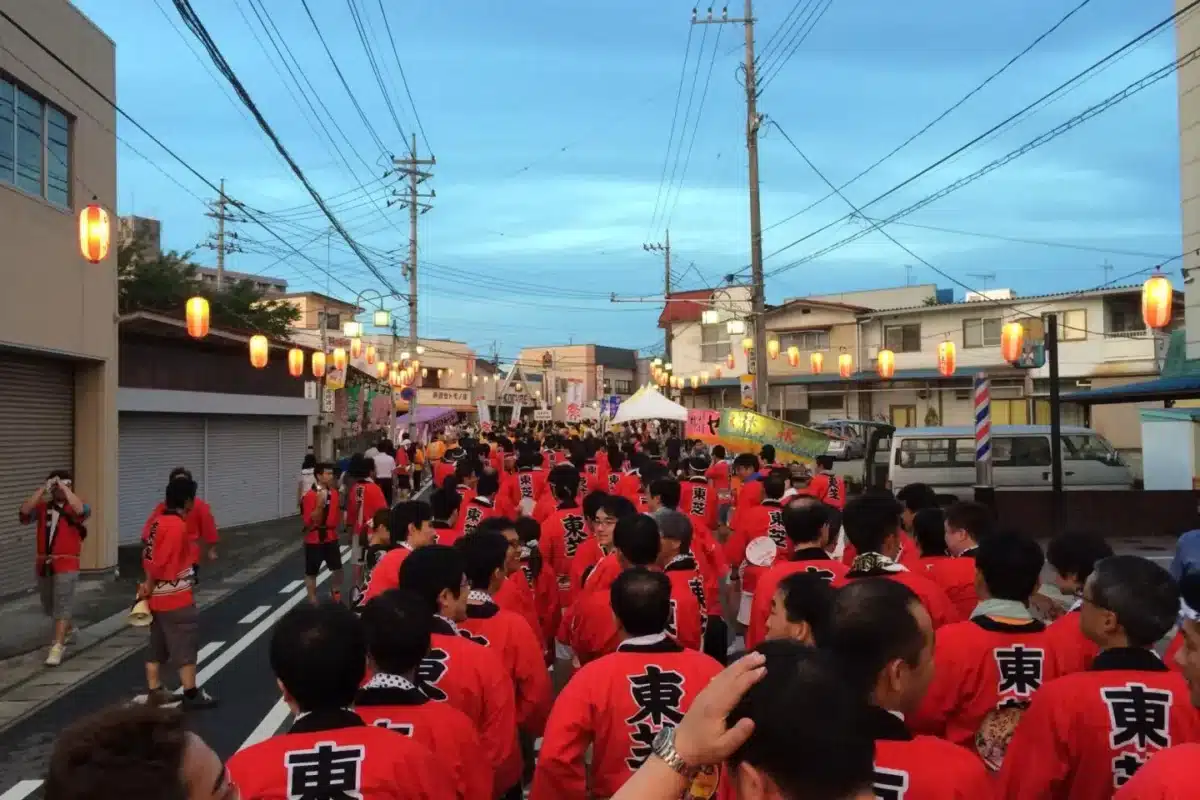
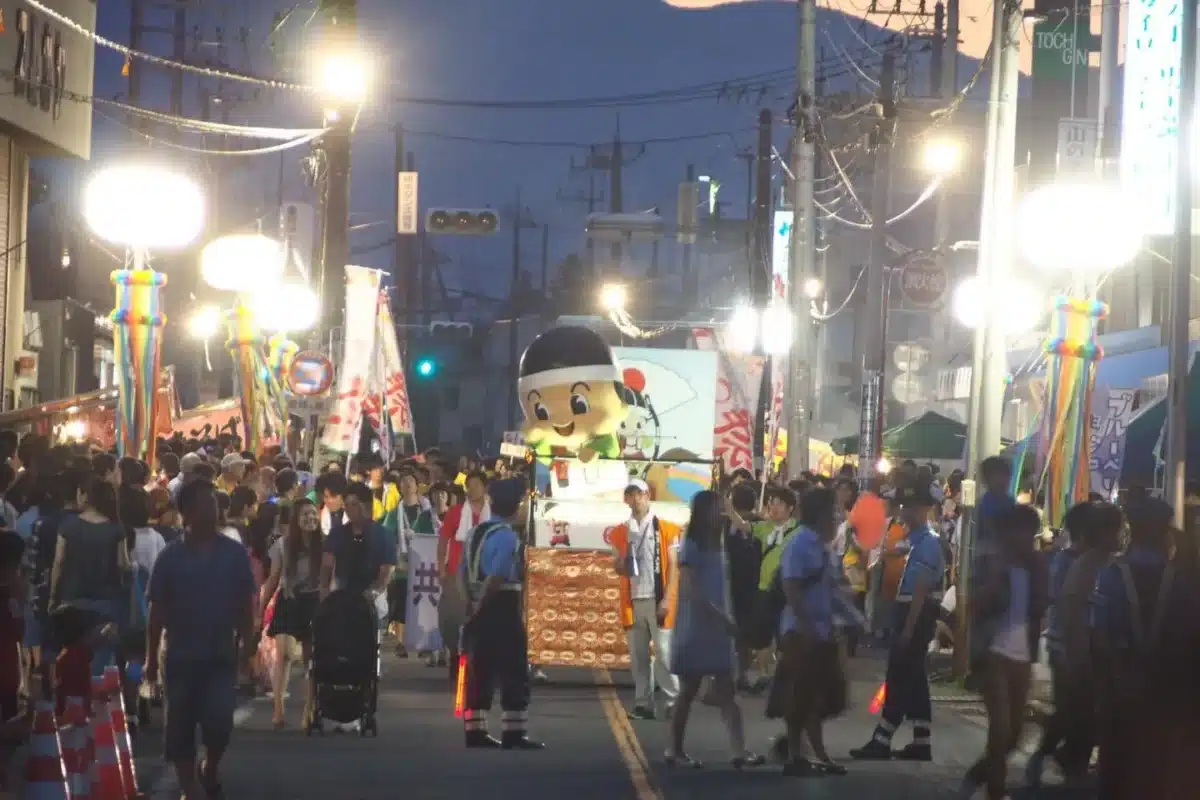
The festival is held around Otawara City, particularly in the Aramachi, Kamicho, Nakamachi, and Shimocho Shopping Street areas. These traditional commercial districts, which normally serve as the bustling day-to-day heart of the city, undergo a dramatic transformation as vehicle traffic is completely barred to make way for massive crowds of pedestrians, stalls, and performers.
Historic storefronts decorated with festive banners and traditional ornaments blend seamlessly with the modern elements of the celebration, creating an immersive cultural environment. The architecture of the shopping arcades provides a charming backdrop where the past and present merge naturally, allowing visitors to feel the genuine rhythm of local community life in Tochigi Prefecture.
Local shopkeepers and neighborhood associations play an integral role in sustaining the festive mood, opening their doors wide to welcome travelers from across Japan and abroad. The air fills with the savory aromas of street cuisine, the chatter of excited families, and the distant cadence of festival music, ensuring that every corner of the historic shopping district radiates energy and hospitality throughout the celebration.
Admission Details
- How Tickets Are Sold: No tickets or advance purchases are required, as public viewing areas are fully open access.
- Admission Type: Free Admission
- Ticket Pricing: Free Admission (minimum $0.00 to maximum $0.00 range)
- Special Seating Options: General standing room along the public streets and shopping avenues is available to all visitors on a first-come, first-served basis.
- VIP Options: There are no specialized VIP enclosures or exclusive ticket packages offered for this traditional street-side cultural festival.
Where to Go
- City and Country: Otawara, Tochigi Prefecture, Japan
- Venue Name: Otawara City Shopping Street Areas (Aramachi, Kamicho, Nakamachi, and Shimocho)
- Google Maps Address: Aramachi, Otawara, Tochigi 324-0043, Japan
Yoichi Matsuri Parade & Festival Floats
The festival features magnificent, intricately carved wooden floats that roll through the blocked-off streets amidst cheering crowds and festive chants. These towering structures, maintained by neighborhood associations, showcase master craftsmanship with gilded accents, mythological carvings, and heavy wooden wheels. Musicians seated within the platforms play lively festival melodies that echo across the storefronts.
As twilight falls, the parade gains a new level of visual splendor when hundreds of paper lanterns mounted on the floats and carried by participants are illuminated. The warm glow reflects off the ornate woodwork and the colorful garments of the festival participants, casting an enchanting light over the packed streets. This transition from daytime pageantry to nocturnal illumination marks the spiritual peak of the festival day.
- Magnificent wooden festival floats decorated with classical Japanese carvings and gold leaf
- Neighborhood teams pulling the heavy carts using thick hemp ropes with synchronized chants
- Musicians performing traditional float music using flutes and bell-accompanied drums
- Evening lantern illuminations that transform the floats into glowing works of art
- Collaborative participation uniting multiple historic districts of Otawara City
- Scenic street corners serving as prime viewing spots for complex float turning maneuvers
- Traditional flag-waving displays accompanying the forward movement of the parade
- Dedicated rest stops where float crews share refreshments and interact with spectators
Contact & Information
- Email: info@ohtawara.jp
- Phone Number: +81 287-22-2273
- Website: https://en.japantravel.com/tochigi/yoichi-matsuri/14394
Festival History & Legend of Nasu no Yoichi
August in Otawara sees the popular Yoichi Matsuri, the festival for our local hero Yoichi kun. Based on the local hero Nasu no Yoichi and his exploits in demoralizing the enemy by firing a single arrow while riding a horse in the water; he hit a red dot on a fan in an enemy boat, thus giving his side the mental advantage and winning the battle for the Minamoto clan for control of Japan in the Genpei war (1180-1185).
The legendary feat of archery performed at Yashima remains one of the most celebrated episodes in Japanese medieval military history. According to the historical war tales, the Taira clan hoisted a golden fan atop a wooden pole on one of their warships to taunt the rival Minamoto warriors. Nasu no Yoichi urged his horse into the surf and, despite the violent swaying of the waves and strong winds, loosed an arrow that shattered the fan, earning immense renown and altering the psychological momentum of the conflict.
Today, Otawara proudly honors this legendary samurai lineage through an annual civic celebration that transforms the modern commercial district into a living stage of historical pageantry. Residents and visitors gather in large numbers to commemorate the martial prowess, dedication, and cultural heritage associated with the local hero. The commemoration serves as a powerful bridge connecting contemporary community identity with the dramatic historical turning points of the twelfth century.
Traditional Dance & Street Performances
- Energetic local folk dance troupes performing synchronized routines along closed urban thoroughfares
- Traditional musical accompaniment featuring taiko drums, flutes, and traditional singing
- Elaborate summer festival attire, including vibrant happi coats and patterned yukata worn by performers
- Interactive public dance circles where spectators are invited to step in and join the rhythm
- Youth groups and school associations presenting choreographed cultural heritage pieces
- Special martial arts demonstrations highlighting traditional archery and sword techniques
- Street theater acts recounting local legends and folklore from Tochigi Prefecture
- Evening lantern-lit performances that create a magical atmosphere along the boulevard
Local Food, Festival Stalls & Nightlife
- Rows of vibrant street food stalls lining the pedestrianized shopping avenues
- Classic Japanese festival delicacies such as freshly grilled yakitori, takoyaki, and yakisoba
- Sweet treats including shaved ice with fruit syrups, cotton candy, and candied apples
- Refreshing chilled beverages and local specialty brews served in lively outdoor settings
- Traditional game booths offering classic carnival activities for children and families
- Outdoor seating areas allowing visitors to sample local Tochigi culinary specialties
- Bustling evening crowds creating a warm, communal atmosphere under glowing paper lanterns
- Friendly interactions between local vendors, residents, and international travelers
Location
FAQ
What is the primary historical focus of the Yoichi Matsuri?
The festival honors the legendary samurai hero Nasu no Yoichi, commemorating his famous archery exploit during the Genpei War when he shattered a fan on an enemy ship. This historic commemoration connects modern community identity in Tochigi Prefecture directly with pivotal twelfth-century Japanese military heritage and local folklore traditions.
Where exactly does the festival take place within the city?
The event is hosted across the central urban thoroughfares of Otawara City, with activities deeply concentrated throughout the historic Aramachi, Kamicho, Nakamachi, and Shimocho shopping street districts. These commercial zones are completely closed to vehicles to accommodate massive crowds, street stalls, and historical parades.
How can visitors secure viewing spots for the main samurai procession?
Viewing areas along the public shopping streets are completely open access and operate on a first-come, first-served basis without any advanced reservations. Visitors are encouraged to arrive early before the procession begins to secure an unobstructed spot along the barricaded route for photography and observation.
Are there any special requirements or fees to enter the festival grounds?
No admission fees, tickets, or registration processes are required to enter the festival area or watch any of the scheduled cultural performances. It operates as a fully open civic celebration welcoming all members of the general public, families, and international travelers alike.
What kind of evening entertainment can attendees expect to see?
As twilight approaches, the celebration transitions into a glowing nocturnal spectacle featuring illuminated festival floats, hundreds of bright paper lanterns, traditional folk dancing, and rhythmic musical performances. This evening atmosphere creates a vibrant backdrop as crowds gather to enjoy the illuminated shopping streets and night festivities.
What local food options are available during the event?
Numerous traditional food stalls line the pedestrianized avenues, offering classic Japanese festival favorites including freshly grilled yakitori, savory takoyaki, stir-fried yakisoba, and refreshing shaved ice. Attendees can also sample various regional Tochigi culinary specialties and beverages while exploring the bustling outdoor market atmosphere.
How do I travel to the festival location using public transportation?
Travelers typically take the train via major rail lines to nearby regional hubs such as Nishi-Nasuno Station or Nasushiobara Station, which connect directly to the area. From these stations, visitors can easily catch a short local bus ride or taxi service that drops passengers directly into the heart of Otawara City.

Leave a Reply