
What to expect in 2027
Morioka’s Sansa Odori 2027 is expected to transform the center of Morioka in Iwate Prefecture into a spectacular celebration of traditional Japanese dance, taiko drumming and summer festival culture. The event is one of the most important annual celebrations in Morioka and is particularly famous for its enormous synchronized dance procession accompanied by the powerful sound of Japanese drums.
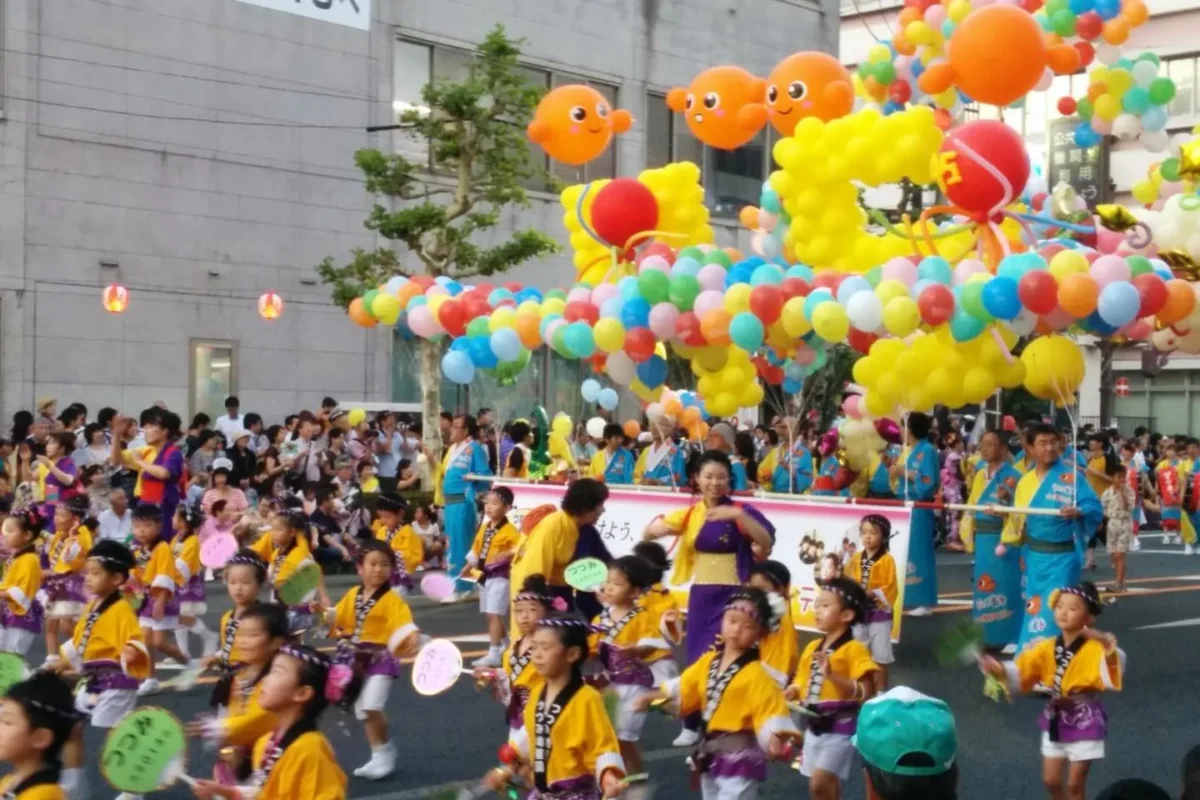
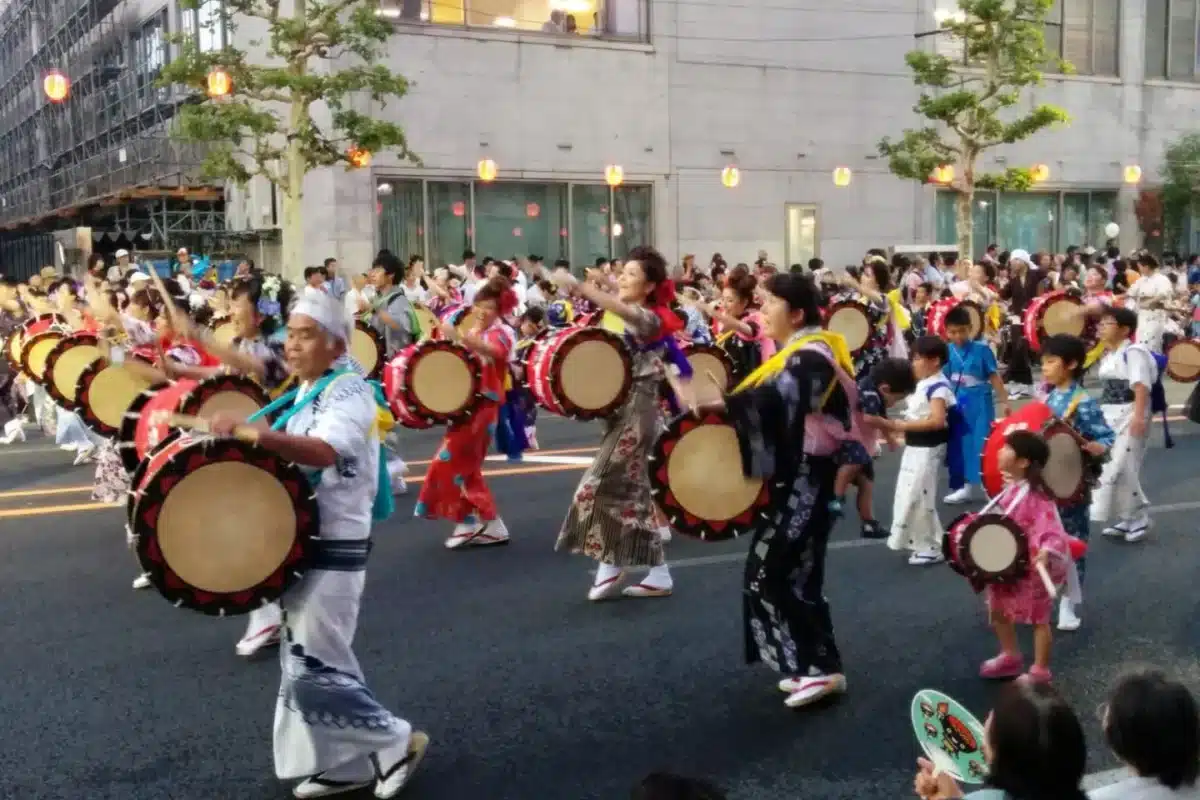
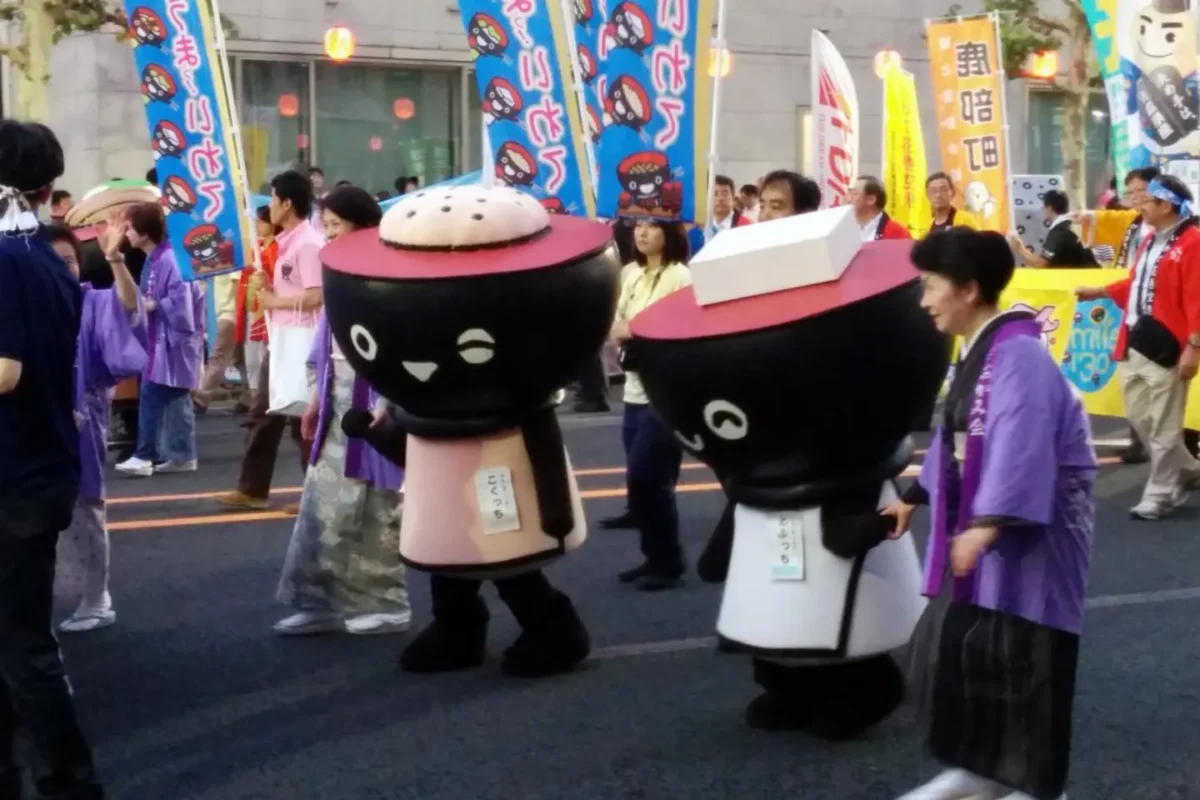
The festival is centered on Sansa Odori, a traditional dance associated with Morioka and the surrounding Iwate region. Thousands of dancers, musicians and taiko performers participate in the procession, creating a continuous moving performance through the city streets. The combination of colorful yukata, rhythmic dancing, chanting and large taiko drums makes the festival especially distinctive.
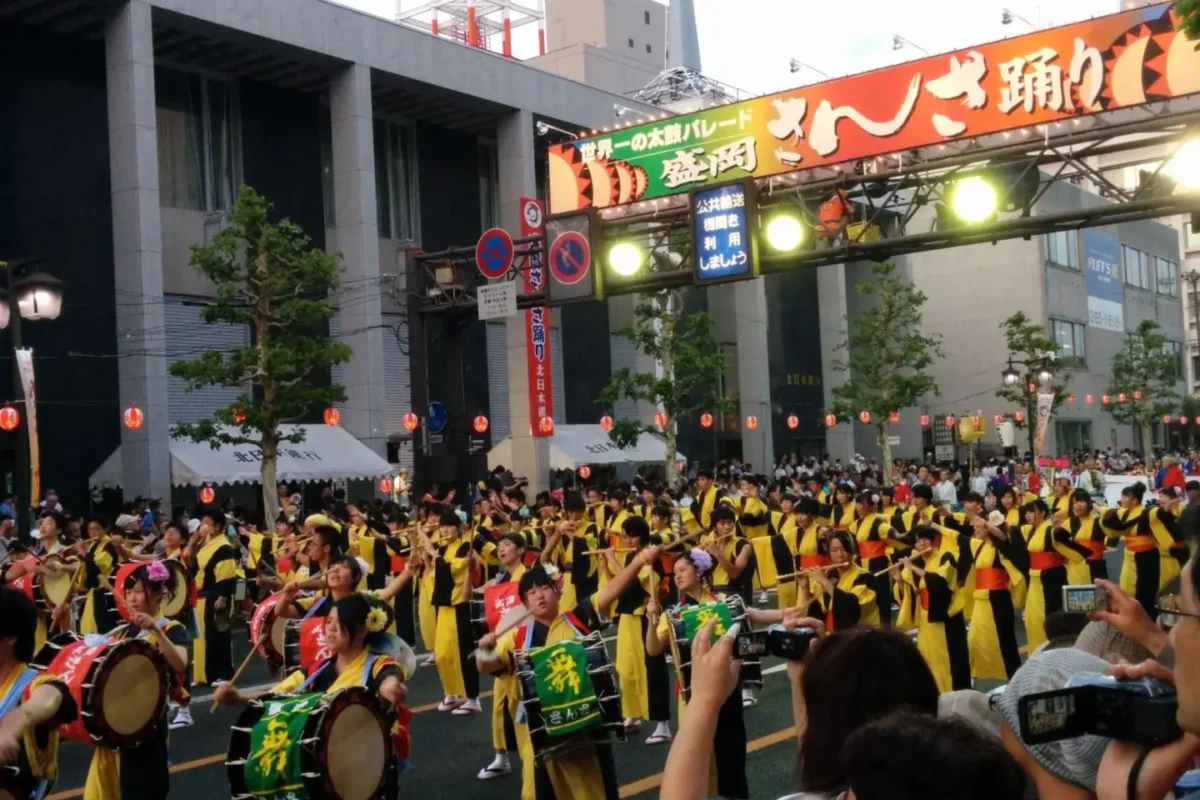
Chuodoori Street serves as the principal festival route. During the main programme, the central road becomes a large outdoor performance space where dance groups move together in organized formations. Spectators can stand along the route and watch performers pass at close range.
Enjoy Your Event Stress-Free with Japan Travelo
Do you know? Planning events, festivals, concerts, and cultural experiences in Japan can be overwhelming. Japan Travelo brings everything together in one place, helping you manage your itinerary, transport, and accommodation with ease—so you can enjoy Japan without the stress of planning.
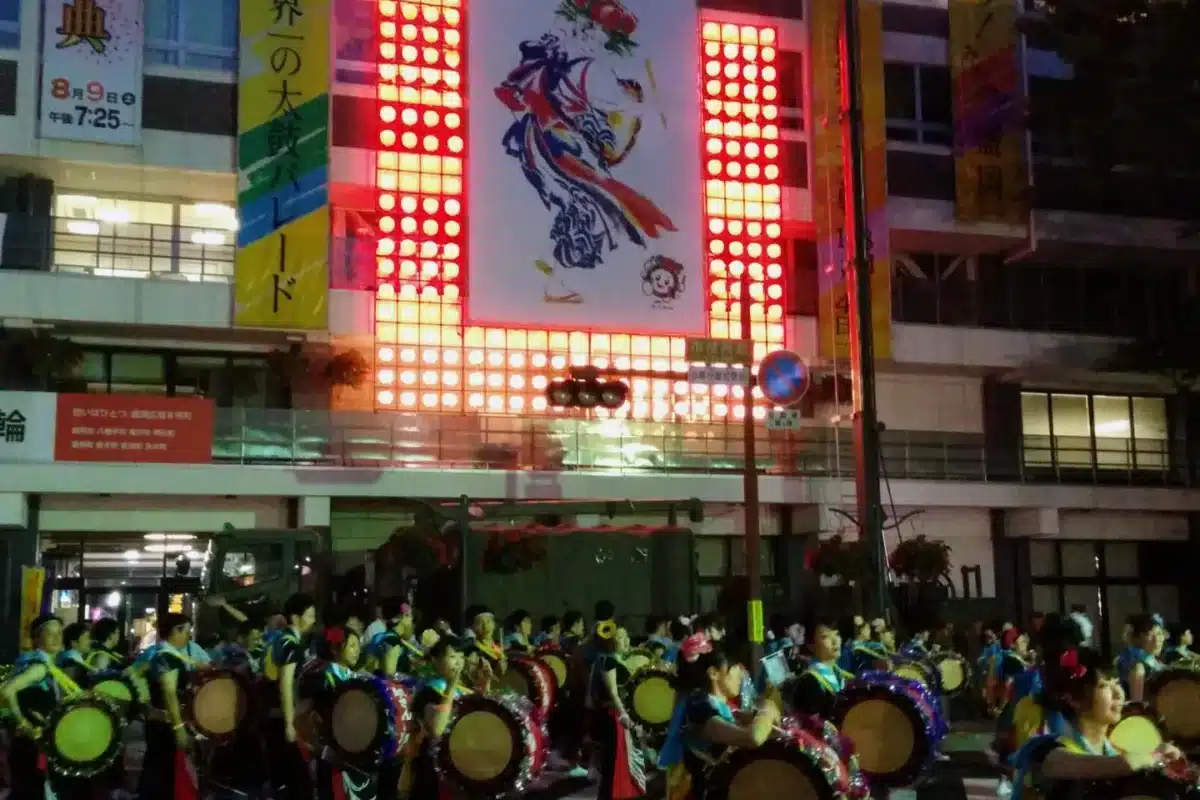
One of the defining features is the scale of the taiko performance. Morioka’s Sansa Odori is renowned for its large collection of taiko drums, with performers creating an energetic rhythm that accompanies the dancers. The sound carries throughout the downtown area and gives the festival a powerful atmosphere.
The 2027 edition is expected to feature traditional Sansa dance groups, local organizations, school and community performers, taiko ensembles and invited groups. The final programme, participating organizations and performance arrangements will be confirmed by the organizers.
Visitors can experience more than a parade. The festival provides an opportunity to learn about Iwate’s folk traditions, enjoy local food, photograph traditional costumes and instruments, and experience one of northern Japan’s most recognizable summer celebrations.
Event dates
2027 schedule
Early August 2027 (Dates TBD)
The exact calendar dates for Morioka’s Sansa Odori 2027 have not yet been announced. The festival is traditionally presented as a major summer celebration in central Morioka, with several evenings of dancing, music and performances.
Visitors planning a trip around the festival should check the official Morioka Sansa Odori information before making final transportation or accommodation arrangements.
The event takes place outdoors, so weather conditions can influence the programme. Visitors should also prepare for warm summer temperatures, long periods of standing and large crowds along the main procession route.
Visiting this event? Don’t miss out on these amazing activities and local experiences while you’re here.
Venues & festival locations
Chuodoori Street
Chuodoori Street is the principal performance route for Morioka’s Sansa Odori. The broad downtown street provides the main viewing environment, with dancers and taiko performers moving through the city.
Morioka downtown
The festival occupies a central part of Morioka, allowing visitors to combine the performances with restaurants, shopping streets and sightseeing attractions.
Main procession area
The procession route becomes a temporary outdoor stage during the festival. Spectators line both sides of the road while dance groups, musicians and taiko performers pass through.
Morioka Station area
Morioka Station is the main arrival point for many visitors. The station area provides hotels, restaurants, tourist information and convenient access to the central festival district.
Festival viewing areas
Public viewing is generally concentrated along the procession route. Exact crowd-control arrangements, pedestrian zones and any designated seating areas can change according to the annual programme.
The central location makes the festival convenient for visitors who want to explore Morioka during the daytime and then walk toward Chuodoori Street for the evening performances.
Full cultural programme
The complete 2027 programme has not yet been announced, but the established festival format provides a strong indication of the cultural experiences visitors can expect.
Sansa Odori dance procession
The central programme consists of large groups of dancers performing coordinated Sansa movements while traveling along Chuodoori Street. Participants include local organizations, schools, businesses and specialist dance groups.
Taiko performances
Large taiko drums provide the rhythmic foundation of the procession. The combination of dozens or even hundreds of drummers and dancers creates one of the festival’s most recognizable sounds.
Traditional chanting
Sansa performers traditionally dance while accompanied by rhythmic chanting. The vocal element adds another layer to the procession and helps maintain the traditional character of the dance.
Costumed dance groups
Participants wear colorful traditional clothing, often including yukata and coordinated festival attire. Groups can have their own visual identity while following the established Sansa tradition.
Invited performances
The programme can include guest performers and groups from outside Morioka, adding variety to the main procession.
Community participation
Local companies, schools, organizations and community groups form an important part of the event. Their involvement demonstrates that Sansa Odori remains a living community tradition rather than simply a performance staged for visitors.
Featured traditions & performances
Sansa Odori
Sansa is the heart of the festival. The dance is performed with repetitive, synchronized movements that allow large groups of participants to move together through the streets.
Sansa chanting
The dancers’ chanting is an important part of the tradition. The repeated vocal rhythms work together with the drums and create a powerful collective sound.
Taiko drumming
The taiko performances are among the biggest attractions. Morioka is especially famous for its connection with large-scale taiko participation, and the combination of drums and dance is central to the festival atmosphere.
Miss Sansa Odori
The festival has traditionally featured designated Sansa performers and representatives who help showcase the dance tradition. These performers can appear prominently within official festival programming.
Traditional costumes
Colorful yukata, hair ornaments, festival accessories and coordinated clothing contribute to the visual character of the procession.
Mass dance participation
A particularly memorable part of the festival is the opportunity for visitors and local residents to join designated dancing activities. When the organizers open a public participation section, visitors can experience the dance rather than simply watching it.
Historical & heritage highlights
Sansa Odori is deeply connected with the folk heritage of Morioka and Iwate.
According to local tradition, the dance developed from an old legend involving an ogre that had terrorized the area. After the monster was defeated, people celebrated by dancing and chanting. The expression “sansa sansa” is traditionally associated with the celebration.
The festival has evolved over generations into a major organized event while retaining the essential relationship between dancing, chanting and drumming.
Sansa is also associated with the broader folk culture of Iwate. Different communities have maintained their own styles and traditions, while the Morioka festival brings numerous groups together in one large public celebration.
The festival’s historical importance is reflected in the way traditional elements remain central to the programme. The event does not simply reproduce historical costumes; it preserves music, dance movements, chanting and community participation.
Morioka’s Sansa Odori has also become an important symbol of the city itself. Visitors arriving in Morioka during the festival can see the tradition reflected in local tourism, cultural activities, food and souvenirs.
Events & activities schedule
The detailed 2027 timetable will be published by the festival organizers once the annual programme is finalized.
The established structure generally develops throughout each festival evening.
Opening performances
The programme begins with organized groups entering the main route and establishing the rhythm of the evening through dancing and drumming.
Main Sansa procession
Large groups proceed along Chuodoori Street, performing synchronized movements accompanied by taiko drums and chanting.
Group presentations
Different participating groups bring their own style, costumes and performance energy while maintaining the fundamental Sansa dance tradition.
Special performances
Selected groups or invited performers may receive dedicated presentation sections within the programme.
Mass participation
A public dancing section can provide visitors with an opportunity to participate in the Sansa tradition under the guidance of experienced dancers.
Finale
The festival traditionally builds toward a lively closing performance, with the concentration of dancers and musicians creating a memorable final atmosphere.
The exact running order and participation arrangements for 2027 should be checked after the official programme is released.
Ticket types & entry options
Morioka’s Sansa Odori is primarily an open-air public festival rather than a conventional ticketed concert.
General viewing
Public spectators can generally watch the procession from along the main street without purchasing a standard festival admission ticket.
Street viewing
The principal viewing experience takes place along Chuodoori Street. Visitors can select a suitable location along the route, subject to crowd-control arrangements.
Reserved seating
If reserved or designated seating is offered for a particular edition, the organizers will publish the relevant details. No confirmed 2027 premium seating price has been announced.
General admission price
Based on the established public festival format, general street viewing is expected to be $0.
Food, drinks, souvenirs and any separately organized cultural activities are paid independently.
Guided tours & cultural experiences
Morioka’s Sansa Odori can easily be experienced independently, but visitors interested in understanding the tradition more deeply can incorporate guided cultural experiences into their trip.
Traditional dance introduction
A local cultural experience may provide an introduction to basic Sansa movements and rhythms before visitors watch the main procession.
Morioka heritage sightseeing
The festival can be combined with visits to historic attractions around central Morioka, allowing travelers to understand the city’s cultural background.
Local tourism experiences
Visitors can use Morioka’s tourism services to arrange broader cultural itineraries covering traditional crafts, food and regional attractions.
Festival photography
A guided cultural experience can also help visitors understand the significance of costumes, taiko drums and procession formations, making photography more meaningful.
Public dancing
One of the most engaging experiences is participating in a designated group dance when the organizers invite spectators to join.
The exact availability and pricing of guided experiences should be checked with local tourism providers for the 2027 season.
Special ceremonies & celebrations
The festival is primarily a folk dance celebration rather than a religious ceremony, but traditional cultural symbolism remains central to the event.
The Sansa tradition is associated with the local legend of the defeated ogre and the people’s celebration afterward. This story provides the cultural foundation for the dance and its characteristic chanting.
The opening of the evening programme establishes the formal atmosphere before the large procession begins.
The arrival of successive dance groups creates a series of celebratory moments throughout the evening. Each group contributes its own costumes, choreography and musical character.
The final mass-dance atmosphere is another important part of the celebration. When large numbers of performers and participants dance together, the festival becomes a collective community experience rather than a performance watched passively from the sidelines.
For visitors, these elements provide a useful introduction to how Japanese regional festivals preserve local stories through music, dance and public participation.
Festival rules
Respect the procession
Do not enter the main procession route unless the organizers specifically invite spectators to participate.
Follow crowd-control instructions
Chuodoori Street becomes extremely busy during the main performances. Follow barriers, signs, police instructions and festival staff directions.
Photography etiquette
Photography is generally popular, but spectators should avoid blocking other visitors or interfering with performers.
Do not obstruct dancers
Remain behind designated boundaries and give dancers, musicians and festival staff enough space to move safely.
Keep children close
Families should take extra care near the procession because large groups of dancers and heavy taiko drums move continuously along the route.
Respect performers
The festival is a living cultural tradition. Visitors should avoid disruptive behavior and follow any instructions concerning photography, recording or participation.
Weather precautions
Bring water, wear comfortable clothing and take breaks when necessary. Outdoor summer heat can be significant.
How to get there
Morioka is one of northern Japan’s major transportation hubs and is particularly accessible by high-speed rail.
From Tokyo
The Tohoku Shinkansen provides a direct connection between Tokyo and Morioka, making the city convenient for travelers arriving from the capital.
From Sendai
Morioka can also be reached by Tohoku Shinkansen from Sendai, making it possible to combine the festival with a wider northern Japan itinerary.
From Morioka Station
Chuodoori Street and the central festival area are within walking distance of Morioka Station. Visitors should allow additional walking time during the festival because pedestrian routes and traffic arrangements may change.
By taxi
Taxis are available around Morioka Station and can be useful for visitors staying outside the immediate downtown area. However, road closures may prevent taxis from reaching sections of the festival route.
Public transport & parking
Public transportation is recommended because the festival attracts large crowds and central roads can be affected by traffic restrictions.
Shinkansen
Morioka Station is served by the Tohoku Shinkansen and is the main gateway for visitors arriving from Tokyo and other major cities.
JR local trains
Morioka Station also connects with several JR lines serving Iwate and surrounding areas.
Local buses
Morioka’s city bus network provides access to central areas, although some services may be diverted during the festival.
Walking
For visitors staying in central Morioka, walking is often the easiest way to reach Chuodoori Street during the main programme.
Parking
Driving directly into the festival area is not recommended. Visitors arriving by car should use a designated parking facility outside the main crowd zone and continue on foot or by public transportation.
Parking availability can become limited during the festival, so public transport provides a more straightforward option.
Accommodation areas
Morioka Station
The station area is one of the most convenient places to stay. Hotels are close to railway connections, restaurants and the central festival route.
Central Morioka
Staying in the downtown area allows visitors to walk to Chuodoori Street and explore the city before the festival begins.
Odori district
The Odori area provides convenient access to restaurants, cafés, shops and evening entertainment while remaining close to the festival route.
Kitayama and northern central Morioka
These quieter areas can suit travelers looking for accommodation away from the busiest downtown streets while maintaining reasonable access to the city center.
Near Morioka Castle Site Park
This area is useful for visitors who want to combine festival attendance with sightseeing around Morioka’s historic center.
Because accommodation demand increases during major festival periods, travelers should consider booking after the official 2027 schedule is confirmed.
Food & traditional specialties
Morioka has a strong regional food culture, making the Sansa festival an excellent opportunity to explore local specialties alongside festival street food.
Morioka Wanko Soba
Wanko soba is one of Morioka’s best-known culinary traditions. Small portions of buckwheat noodles are served repeatedly, creating a distinctive dining experience.
Morioka Reimen
Morioka reimen is a cold noodle dish with a chewy texture, refreshing broth and toppings. It is particularly appealing during warm summer weather.
Jajamen
Jajamen consists of noodles topped with a savory meat-and-miso mixture and is another signature Morioka dish.
Festival street food
Visitors can expect common Japanese festival foods such as yakisoba, grilled meats, takoyaki, karaage, sweets and shaved ice.
Local drinks
Tea, soft drinks and regional beverages are widely available around Morioka.
The best approach is to combine festival snacks with a proper meal at a Morioka restaurant, particularly if you want to experience the city’s three famous noodle dishes.
Accessibility
The main festival route takes place on a city street, making much of the viewing environment relatively level. However, large crowds, temporary barriers and long periods of standing can present challenges.
Wheelchair users
Visitors using wheelchairs should consider arriving early and selecting a viewing position with sufficient space. Crowd density can become high around the most popular areas.
Walking distances
Staying near Morioka Station or central Morioka can reduce the need for long journeys on festival evenings.
Public transport
Morioka Station has established accessibility facilities, but visitors should check current railway and bus arrangements if they require specific assistance.
Crowd conditions
The procession attracts substantial numbers of spectators. Accessible viewing can be easier from less congested sections of the route.
Summer conditions
Heat, humidity and extended outdoor exposure should be considered when planning the visit. Water, sun protection and rest periods are advisable.
Visitors requiring specific accommodations should contact local tourism or festival organizers before attending.
Best cultural experiences
Watch the taiko procession
The combination of large taiko drums and synchronized dancers is the defining experience of Morioka’s Sansa Odori.
Stand along Chuodoori Street
Watching the performers pass directly along the main street provides an immersive experience and allows visitors to appreciate the scale of the procession.
Learn the Sansa dance
If public participation is available, learning the basic movements and joining a designated dance section can make the festival much more interactive.
Listen to the chanting
The vocal rhythm accompanying the dance is an important part of Sansa and should be appreciated alongside the drums.
Photograph the costumes
The colorful yukata, coordinated accessories and group costumes create excellent opportunities for respectful festival photography.
Taste Morioka’s noodles
A visit to Morioka is incomplete without sampling wanko soba, Morioka reimen or jajamen.
Explore Morioka’s heritage
Combine the festival with the city’s historic districts, traditional architecture, parks and local cultural attractions for a fuller understanding of Iwate’s heritage.
Previous year’s highlights
Recent editions of Morioka’s Sansa Odori have continued to showcase the enormous scale of the city’s traditional dance celebration.
The main procession has brought together large numbers of dancers and taiko drummers, filling Chuodoori Street with continuous movement, chanting and percussion.
One of the most recognizable features remains the large-scale taiko performance. The drums are carried and played by participants moving together with the dancers, creating a powerful rhythm that can be heard throughout the downtown festival area.
The participating groups have included local businesses, community organizations, schools and specialist performers. Their different costumes and choreography provide variety while preserving the basic Sansa movements.
The festival has also maintained opportunities for spectators to become part of the celebration through group dancing and public participation when such activities are included in the programme.
The combination of traditional Sansa dance, taiko, chanting and colorful costumes continues to make the event one of the most visually and musically distinctive summer festivals in northern Japan.
The wider Morioka experience is also an important part of the festival. Visitors can combine the evening performances with daytime sightseeing, local restaurants and exploration of the city’s historic center.
For 2027, the final participating groups, special performances and programme details remain subject to official confirmation.
Official tickets
Morioka’s Sansa Odori is primarily a public street festival, and general viewing along the festival route has traditionally been free.
General admission: $0
Visitors generally do not need to purchase a conventional festival ticket to watch the main dance procession from public areas.
Any special seating, guided cultural activity or separately organized experience should be treated independently from general street admission. No confirmed 2027 premium ticket prices have been announced.
For the final 2027 programme, route information, public participation arrangements, traffic restrictions and any special seating options, visitors should check the official Morioka Sansa Odori information.
JapanTravel event guide: https://en.japantravel.com/iwate/morioka-sansa-odori/14290
The official organizers should be consulted before traveling because the final programme and operational arrangements can change from one edition to another.
Video
Location
FAQ
What is the primary origin story celebrated during the festival?
The celebration commemorates ancient local prayers to the deity of Mitsuishi Shrine who successfully captured a tormenting demon. According to local folklore, the defeated demon left its handprints on sacred rocks, giving Iwate Prefecture its name.
Where is the main parade held within the city?
The core events and massive processions take place along the famous Chuodoori street in downtown Morioka. Additional performances and schedule information points are set up near JR Morioka Station and local community halls.
Are there any admission fees required to watch the parade?
No admission fees or tickets are required to view the street parades and open-air performances. It is a completely free public festival accessible to all residents and travelers standing along the route.
Can visitors actively participate in the dancing during the event?
Yes, spectators are warmly invited to join in the festivities when instructional floats arrive or during the massive post-parade circle dances. Expert instructors are on hand to teach visitors the basic steps so everyone can dance together.
What makes the taiko drum parade uniquely remarkable?
The parade features a world-record-breaking gathering of over three thousand drummers playing simultaneously. This massive percussion display represents schools, companies, and local taiko groups from across the region.
How does the festival accommodate international visitors?
The event provides bilingual event schedules in both Japanese and English, complemented by friendly volunteer staff stationed around the venue. These resources ensure that overseas travelers can easily understand proceedings and navigate the grounds.
What traditional designation does the main festival dance hold?
The complex and dynamic Sansa Odori dance has been officially recognized as one of Morioka's designated Intangible Cultural Properties. This status highlights its profound cultural significance and the dedication required to preserve its traditions.

Leave a Reply