
What to expect in 2027
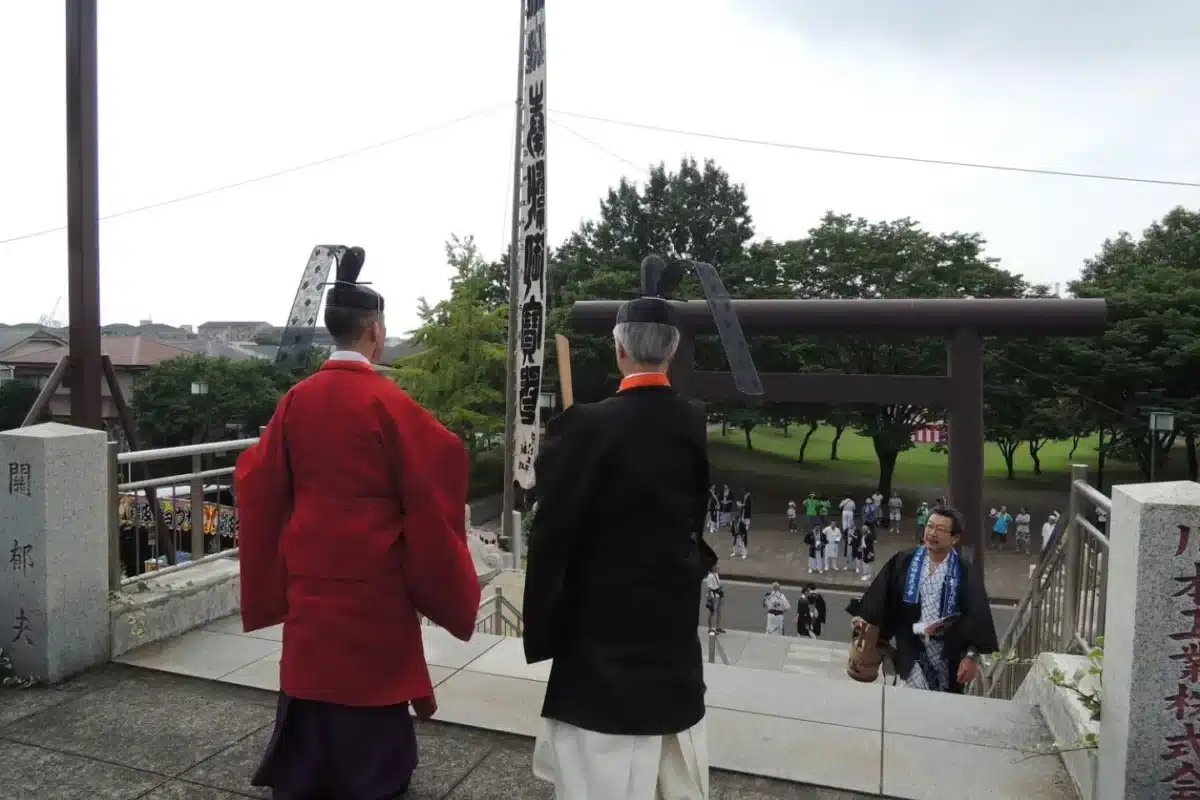
Summer Festival in Honmoku 2027 is a distinctive traditional celebration centered on Honmoku Shrine in Yokohama’s Naka Ward. The festival is best known for the Ouma Nagashi ritual, a unique Shinto purification ceremony in which specially made straw figures called Ouma-sama are carried through the local community before being taken out to sea.
Unlike large commercial summer festivals dominated by stages and fireworks, Honmoku’s celebration focuses strongly on local religious traditions, neighborhood participation and the maritime heritage of the former fishing community. Visitors can experience a festival that remains closely connected to the shrine, local residents and the sea.
The central symbol is the Ouma-sama, a remarkable figure made from straw with the head of a horse and the body of a turtle. Six figures are prepared for the ceremony, reflecting the historic communities of Honmoku. The figures are treated with great respect throughout the ritual and eventually carried toward the coast to symbolically remove misfortune from the community.
Enjoy Your Event Stress-Free with Japan Travelo
Do you know? Planning events, festivals, concerts, and cultural experiences in Japan can be overwhelming. Japan Travelo brings everything together in one place, helping you manage your itinerary, transport, and accommodation with ease—so you can enjoy Japan without the stress of planning.
The festival atmosphere becomes particularly lively when the Ouma procession moves through Honmoku. Local residents welcome the procession, while mikoshi, traditional costumes, festival music and community performances add to the atmosphere.
Key experiences expected in 2027 include:
- Ouma Nagashi – The central purification ritual and defining tradition of the festival.
- Ouma-sama figures – Six carefully prepared straw figures representing the festival’s distinctive spiritual tradition.
- Honmoku Shrine ceremonies – Formal Shinto ceremonies connected with the annual festival.
- Neighborhood procession – The Ouma figures travel through the local community before reaching the fishing port.
- Mikoshi participation – Portable shrines from different areas of Honmoku contribute to the festival atmosphere.
- Traditional costumes – Shrine representatives and festival participants wear formal and traditional Japanese clothing.
- Maritime traditions – The final stage of the ceremony connects directly with Honmoku’s historic relationship with the sea.
- Local community celebrations – Music, dancing, festival calls and neighborhood gatherings create a lively summer atmosphere.
The event is particularly appealing to travelers interested in Japanese religious traditions, local festivals, folklore and historic community customs.
Event dates
Early August 2027 (Dates TBD)
The exact 2027 schedule has not yet been confirmed. The festival traditionally takes place during the early-August summer festival period, with the Ouma Nagashi ritual forming the central part of the celebration.
Visitors should check the official Honmoku Shrine information before traveling because the detailed ceremonial schedule and procession arrangements can vary according to shrine arrangements, tides and other practical considerations. Japan Travel also currently identifies the 2027 event as awaiting confirmed dates.
Visiting this event? Don’t miss out on these amazing activities and local experiences while you’re here.
Venues & festival locations
Honmoku Shrine
Honmoku Shrine is the spiritual center of the festival and the principal venue for the opening religious ceremonies. The shrine is located at 19 Honmoku Wada, Naka-ku, Yokohama, Kanagawa Prefecture, Japan.
The Ouma figures are brought to the shrine and formally received before being kept within the shrine precincts. The shrine therefore provides the most important setting for understanding the religious significance of the festival.
Honmoku neighborhood
The streets surrounding Honmoku Shrine become part of the festival route when the Ouma figures are carried through the local communities. Residents gather at designated points and welcome the procession.
Honmoku Fishing Port
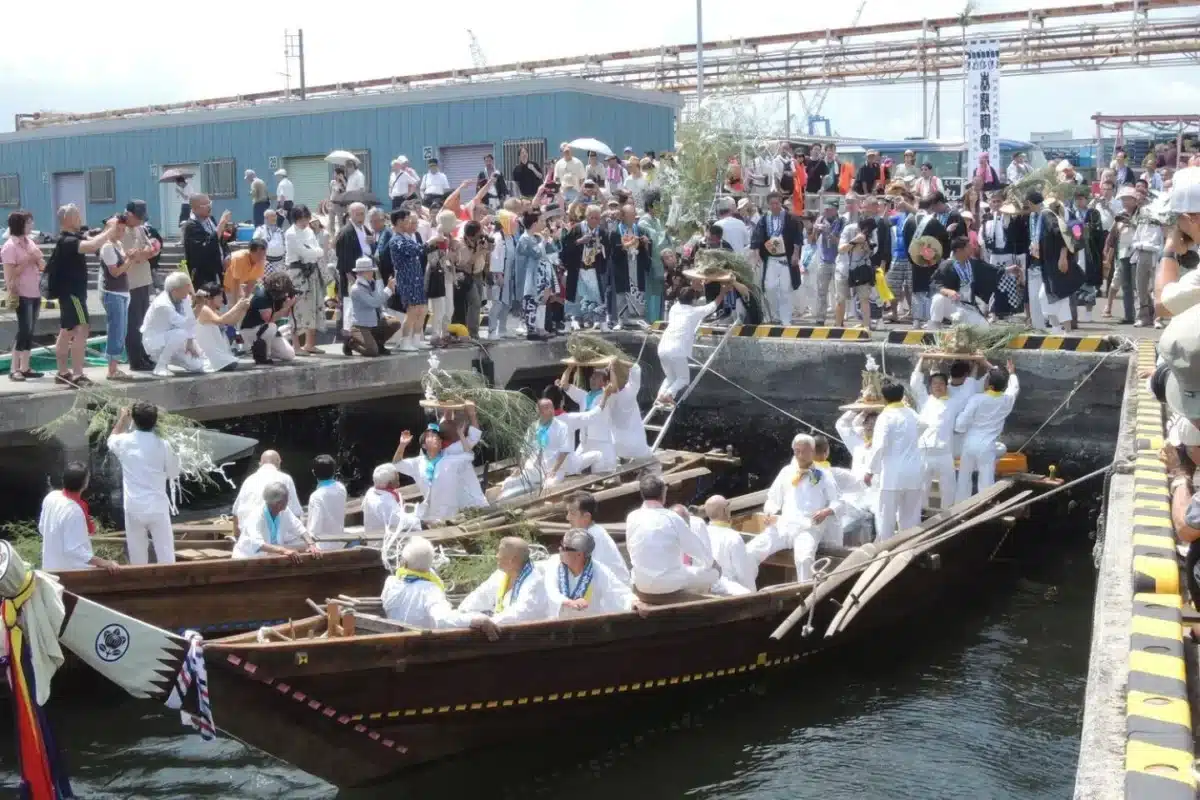
The fishing port represents the maritime stage of the ceremony. The Ouma figures are eventually taken toward the waterfront and transferred to festival boats before being carried offshore.
Coastal viewing areas
The waterfront provides an important perspective on the connection between the ritual and Honmoku’s maritime heritage. Viewing arrangements may depend on crowd control and safety restrictions.
Full cultural programme
The cultural programme is centered on the Ouma Nagashi purification tradition rather than a conventional concert-style festival.
Ouma preparation and dedication
The festival begins with the preparation and ceremonial dedication of the six Ouma-sama figures. Each figure is constructed from natural materials and carefully treated as a sacred object.
Shrine reception ceremony
The figures are respectfully brought into Honmoku Shrine. The ceremonial movements are deliberately slow and formal, reflecting the importance of the Ouma-sama within the local tradition.
Annual shrine festival
Religious ceremonies are performed by Shinto priests at Honmoku Shrine, with representatives of the local community taking part in the proceedings.
Ouma procession
The figures leave the shrine and are carried through the Honmoku neighborhoods. Local communities welcome the procession and participate in the ritual atmosphere.
Mikoshi and festival performances
Portable shrines, traditional festival costumes, local music, dancing and other community activities contribute to the public celebration surrounding the religious ceremony.
Maritime ceremony
The final stage takes place at Honmoku Fishing Port, where the Ouma-sama are transferred toward the ceremonial boats and taken offshore.
Featured traditions & performances
Ouma-sama figures
The Ouma-sama are the most distinctive feature of the festival. Each figure combines a horse’s head with a turtle-shaped body and is traditionally constructed from straw. The figures symbolize vessels through which misfortune can be carried away from Honmoku.
Ouma Nagashi
The name Ouma Nagashi refers to the ritual sending away of the Ouma figures by sea. The ceremony expresses the desire to remove disasters, impurities and misfortune from the community.
Mikoshi procession
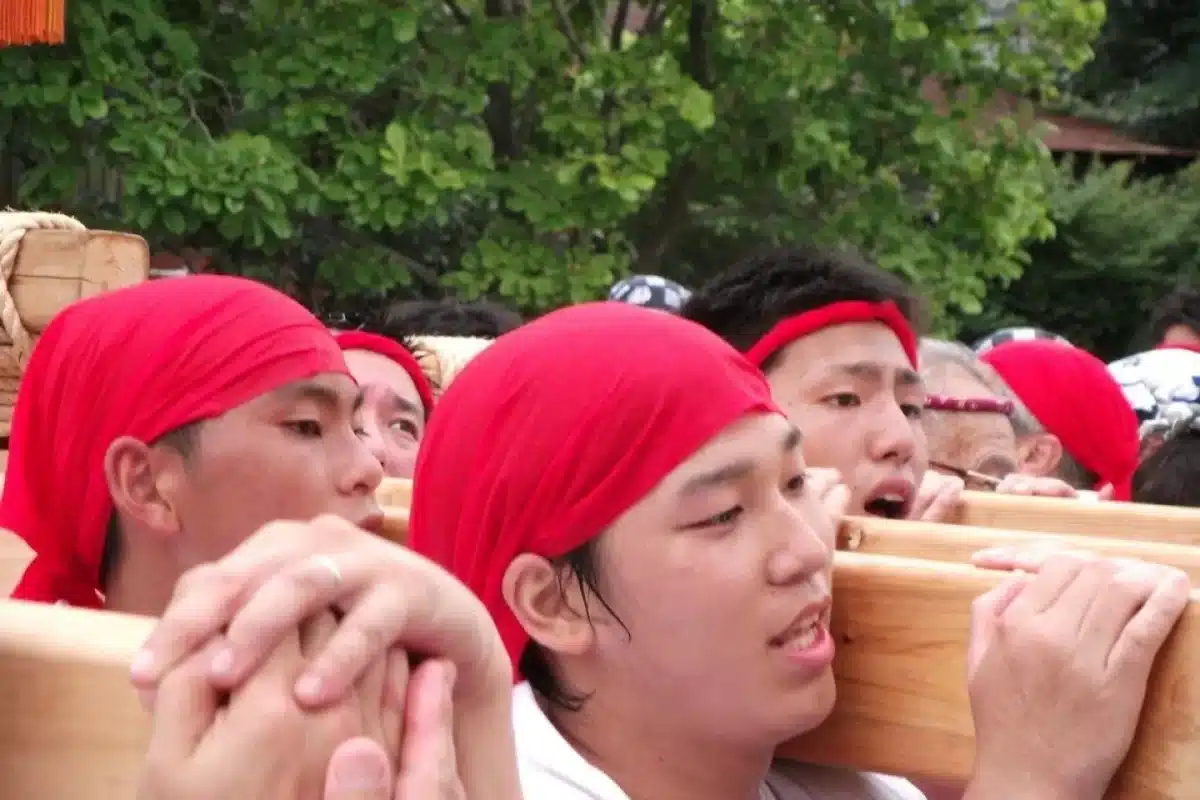
Portable shrines carried by local participants add energy to the festival. People from different parts of Honmoku gather in traditional festival clothing, demonstrating the continuing role of neighborhood associations in maintaining the celebration.
Traditional festival music
Traditional music and rhythmic festival calls can accompany the procession and community celebrations. These sounds help distinguish the event from ordinary sightseeing activities.
Traditional costumes
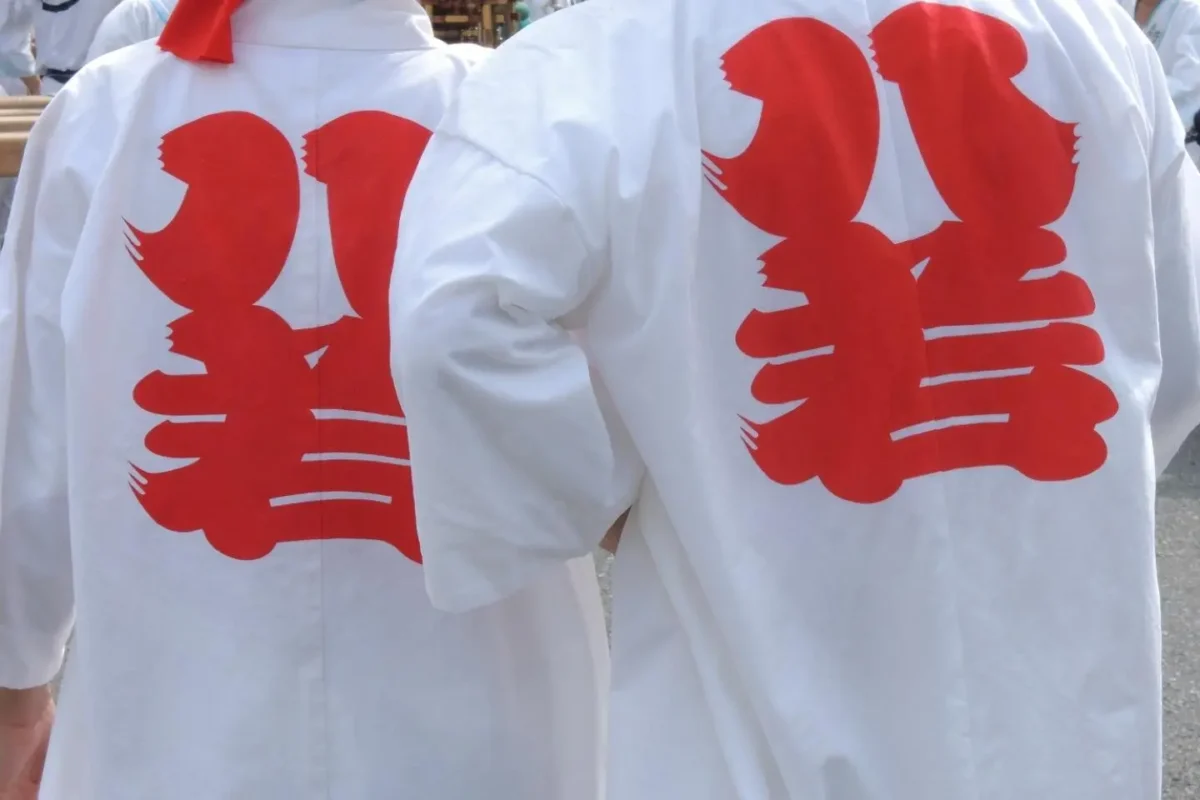
Formal Japanese clothing is particularly visible during the religious ceremonies. Festival participants may also wear colorful matsuri clothing while carrying mikoshi and participating in neighborhood celebrations.
Local dances and performances
Community performances, dances and musical presentations can accompany the broader festival atmosphere, giving visitors opportunities to experience local cultural expression alongside the central religious ceremony.
Historical & heritage highlights
Honmoku’s summer festival has deep roots in the community’s religious and maritime history. The Ouma Nagashi tradition has been maintained for centuries and is recognized as an intangible folk cultural property of Kanagawa Prefecture.
The ceremony reflects Honmoku’s historic identity as a seaside settlement. Before major coastal reclamation transformed the area, Honmoku was strongly associated with fishing, seaweed production and marine resources.
The traditional Ouma figures also preserve an important connection with this earlier coastal landscape. Their final journey toward the sea is not simply a visual procession but a ritual expression connected with Honmoku’s historic relationship with the waterfront.
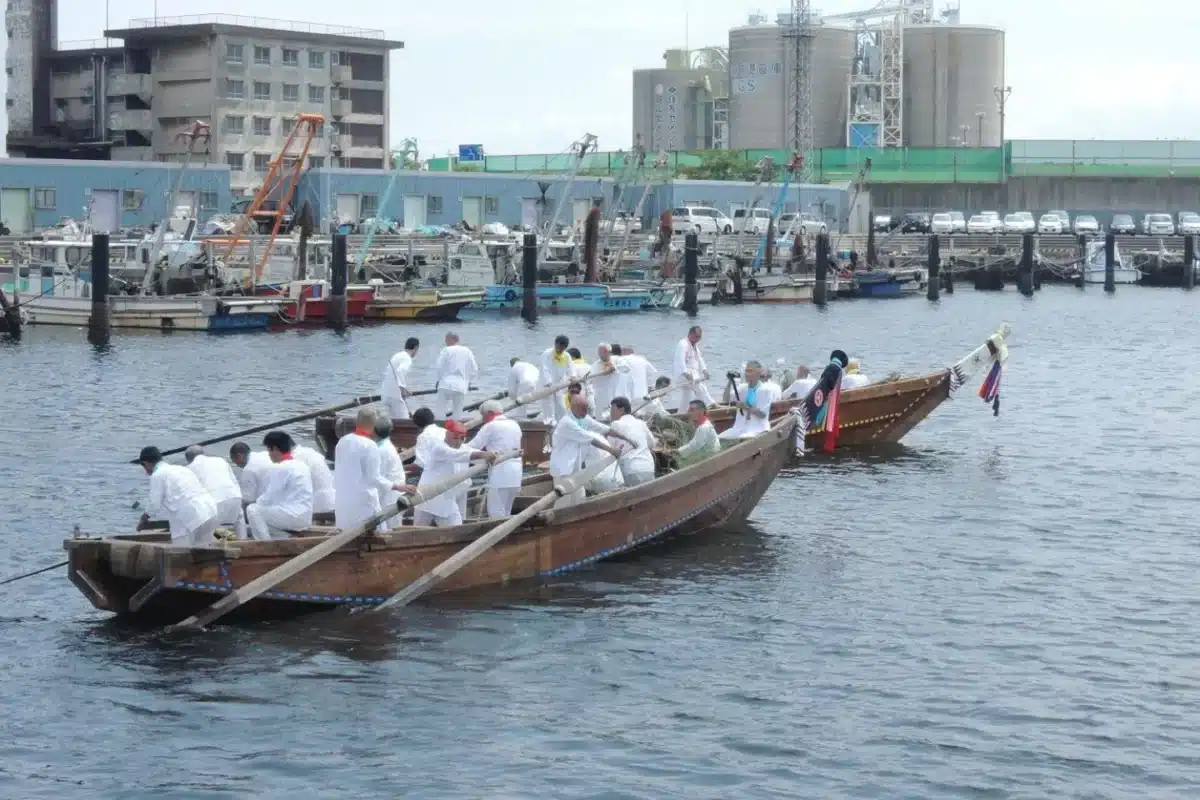
One particularly significant heritage feature is the traditional wooden festival boats. The boats were restored through local support, allowing an important part of the maritime character of the ceremony to be revived.
The festival therefore connects several layers of Japanese heritage:
- Shinto purification traditions
- Local folklore
- Community religious practice
- Traditional straw craftsmanship
- Portable shrine traditions
- Historic fishing culture
- Maritime ceremonies
- Neighborhood cooperation
For visitors interested in authentic local culture, these elements make the event particularly distinctive.
Events & activities schedule
The detailed 2027 timetable has not been announced, but the traditional programme can be understood through its main stages.
Ouma reception
The Ouma figures are formally received by Honmoku Shrine and treated with ceremonial respect.
Shrine ceremonies
Shinto priests conduct the religious ceremonies associated with the annual festival. These proceedings provide the spiritual foundation of the event.
Ouma departure
The figures are formally taken from the shrine and placed into the procession.
Neighborhood procession
The Ouma figures travel through the local Honmoku communities. Residents gather at welcoming points and participate in the traditional observances.
Mikoshi celebrations
Portable shrines and festival participants add a lively community element to the proceedings.
Arrival at the fishing port
The procession reaches the waterfront, where the final maritime preparations take place.
Boat ceremony
The Ouma figures are transferred toward the ceremonial boats and carried offshore as the concluding purification act.
Visitors should treat the schedule as ceremonial rather than a conventional entertainment timetable because exact movements and viewing opportunities depend on the shrine’s arrangements.
Ticket types & entry options
The Summer Festival in Honmoku is traditionally an open community festival and does not require a conventional admission ticket.
General festival viewing
Expected price: $0
Visitors can observe the public procession and surrounding festival activities without purchasing an entrance ticket.
Shrine and procession viewing
Expected price: $0
Public viewing around appropriate areas of the shrine and procession route is generally free, although access to specific shrine spaces may be restricted during religious ceremonies.
VIP or reserved seating
No standard VIP or reserved seating package has been identified for the traditional Ouma Nagashi ceremony.
The most important consideration is not purchasing a ticket but arriving prepared for a community religious event where viewing areas may become crowded.
Guided tours & cultural experiences
There is no standard dedicated paid tour package required to experience the festival. The event is best approached as a self-guided cultural experience.
Shrine heritage visit
Visitors can spend time learning about Honmoku Shrine and the role it plays in the local community.
Ouma Nagashi observation
Watching the procession provides an opportunity to understand how a traditional purification ritual is integrated into everyday neighborhood life.
Honmoku heritage exploration
Travelers can explore the surrounding district and consider how the modern neighborhood developed from a historic coastal settlement.
Maritime culture
The fishing port section of the festival provides a particularly interesting experience for visitors interested in Yokohama’s relationship with the sea.
Photography and cultural observation
The procession, traditional clothing and straw Ouma figures create strong photographic opportunities, but visitors should always follow shrine photography restrictions and instructions from organizers.
Special ceremonies & celebrations
The most important special ceremony is the Ouma Nagashi itself.
The six Ouma-sama figures are treated as sacred objects throughout the process. Their movements are carefully controlled, and participants maintain formal ceremonial manners during important parts of the procession.
One distinctive moment occurs when the figures approach the ceremonial boats. The procession changes from a slow, highly formal movement into a more energetic action as the participants move toward the vessels.
The ceremony culminates offshore, where the Ouma figures are sent into the sea. Symbolically, the figures carry away accumulated misfortune and impurity from the local community.
The festival also includes shrine ceremonies, mikoshi participation and neighborhood welcomes, creating a combination of solemn religious observance and lively community celebration.
Festival rules
Visitors should remember that the Summer Festival in Honmoku is a religious and community event rather than a commercial entertainment festival.
Respect shrine customs
Visitors should behave quietly and respectfully around religious ceremonies and shrine buildings.
Follow staff instructions
Crowd-control arrangements can change depending on the procession and maritime activities. Always follow directions from shrine officials, volunteers and local authorities.
Do not obstruct the procession
Never step into the path of the Ouma procession, mikoshi carriers or ceremonial participants for photographs.
Photography etiquette
Photography should be discreet. Honmoku Shrine has specific restrictions concerning photography during shrine activities and prayers, so visitors should follow the shrine’s instructions.
Respect sacred objects
The Ouma-sama figures should not be touched, approached unnecessarily or treated as ordinary festival decorations.
Keep waterfront safety in mind
The fishing-port and coastal portions of the event require particular attention to barriers, restricted areas and staff instructions.
Prepare for summer conditions
Honmoku can be very hot during the summer festival season. Carry water, wear comfortable clothing and allow enough time for walking and waiting.
How to get there
Honmoku Shrine is located in Naka-ku, Yokohama, making the festival accessible from central Yokohama.
Visitors arriving by train can connect to the local bus network from nearby railway stations.
From Negishi Station
The shrine’s official access information recommends taking a bus from JR Negishi Station toward Honmoku. Visitors can get off near Sanno-tani and continue on foot to the shrine.
From Motomachi-Chukagai Station
Visitors using the Minatomirai Line can travel by bus from Motomachi-Chukagai Station toward Honmoku and continue on foot from the recommended stop.
By taxi
A taxi can be convenient when carrying luggage or traveling with family members, particularly during the summer heat.
By car
Driving is possible, but festival-related congestion and limited parking can make public transportation a more practical choice.
Public transport & parking
Public transportation is recommended for festival visitors.
Rail and bus
JR Negishi Station provides one useful connection point. Motomachi-Chukagai Station on the Minatomirai Line is another practical starting point.
From either station, local buses provide access toward Honmoku Shrine.
Walking
The final section from the bus stop to the shrine is a short walk, although visitors should allow additional time during festival conditions.
Parking
The shrine provides driving directions from several major road approaches, but visitors should not assume that convenient festival-day parking will be available directly beside the venue.
Because the festival uses streets, neighborhood routes and the fishing-port area, temporary restrictions or congestion may affect access.
Visitors traveling by car should check the latest local traffic information and use legal parking facilities outside restricted areas rather than attempting to park along the procession route.
Accommodation areas
Honmoku
Staying around Honmoku offers the closest connection to the festival and allows visitors to explore the neighborhood at a relaxed pace.
Kannai and central Yokohama
Central Yokohama provides a larger selection of hotels, restaurants and transport connections while remaining convenient for reaching Honmoku.
Minato Mirai
Minato Mirai is suitable for visitors who want to combine the festival with Yokohama’s waterfront attractions, shopping and modern cityscape.
Motomachi and Yamashita
These neighborhoods offer convenient access to the Honmoku area while providing plenty of restaurants and sightseeing opportunities.
Yokohama Station
Travelers who prioritize rail connections may prefer to stay around Yokohama Station and travel to Honmoku by local transport.
Food & traditional specialties
The festival experience can be combined with Yokohama’s broader food culture.
Anago
Honmoku’s historic fishing identity has long been associated with seafood, including anago, or conger eel. This is an especially relevant specialty for visitors interested in the district’s maritime heritage.
Shako
Mantis shrimp was also associated with Honmoku’s former fishing culture and provides another link to the area’s coastal past.
Edo-style sushi
The seafood traditions of the former Honmoku coastline were connected with the broader culinary culture of Edo-style sushi.
Yokohama-style Chinese cuisine
Visitors can also travel into central Yokohama to experience the city’s famous Chinatown and its wide selection of Chinese dishes.
Festival snacks
Depending on the local arrangements, summer festival stalls and neighborhood vendors may offer familiar Japanese matsuri foods such as yakisoba, takoyaki, grilled foods, shaved ice and sweets.
Accessibility
Honmoku is an urban Yokohama neighborhood, but the festival involves walking, standing and following an outdoor procession.
The shrine itself is the main cultural venue, while other parts of the celebration extend through streets and toward the fishing port.
Visitors with mobility limitations should consider the following:
- Arrive early to identify suitable viewing areas.
- Ask shrine or festival staff about accessible routes.
- Avoid standing directly beside crowded procession areas.
- Allow additional travel time for buses and congested streets.
- Use taxis when walking long distances in the summer heat is difficult.
- Check waterfront access conditions before attempting to view the maritime ceremony.
Wheelchair users and travelers with young children should be especially careful around crowded streets and waterfront areas. Accessibility may vary depending on temporary festival arrangements.
Best cultural experiences
Watch the Ouma reception
The shrine reception provides an opportunity to see the formal side of the tradition and understand the importance of the sacred figures.
Observe the neighborhood procession
Following the procession from a respectful distance reveals how closely the festival is connected with local residents.
See the six Ouma-sama
The unusual horse-and-turtle form of the straw figures is one of the most memorable aspects of the event.
Experience the mikoshi atmosphere
The portable shrines and local festival clothing provide a lively contrast to the solemn shrine ceremonies.
Visit the fishing port
The maritime conclusion is essential for understanding the relationship between the festival and Honmoku’s historic coastal identity.
Learn about purification traditions
The event offers a rare opportunity to see a Japanese purification practice in which misfortune is symbolically carried away from a community.
Explore Honmoku beyond the festival
Spend additional time discovering the neighborhood, local shrines, waterfront history and the transformation of Honmoku from a fishing community into part of modern Yokohama.
Previous year’s highlights
Recent descriptions of the festival emphasize the continued importance of the Ouma Nagashi ceremony and its connection with the local community.
One of the most significant heritage highlights has been the continued use of traditional wooden festival boats. Their restoration helped revive an important maritime element of the ceremony and reinforced the connection between the ritual and Honmoku’s former coastal identity.
The procession of six Ouma-sama through the neighborhood remains another central highlight. Local communities welcome the figures, while mikoshi, traditional clothing and festival music create a strong neighborhood atmosphere.
The ceremony also demonstrates how a historic tradition can continue within a modern international port city. Honmoku has undergone major physical changes, particularly around its waterfront, yet the Ouma Nagashi remains closely connected with the district’s cultural identity.
For visitors, the strongest previous highlights have therefore been:
- The six distinctive Ouma-sama figures.
- Formal shrine ceremonies.
- The neighborhood procession.
- Local mikoshi participation.
- Traditional festival costumes.
- The restored wooden festival boats.
- The maritime conclusion of the purification ritual.
- The continuing participation of Honmoku residents.
Official tickets
Summer Festival in Honmoku is traditionally a free public cultural event, with no standard admission ticket required for general viewing. The Japan Travel event information also lists the event as free.
https://en.japantravel.com/kanagawa/summer-festival-in-honmoku-yokohama/14265
The shrine’s official information is the best source for confirmed arrangements, ceremonial guidance, access information and any changes affecting public participation. Because the event involves religious ceremonies and a maritime procession, visitors should check the latest guidance rather than relying only on general festival descriptions.
Location
FAQ
What is the primary spiritual purpose of the Ouma Nagashi festival?
The ritual functions as a major purification ceremony designed to collect and cast away misfortune, evil, and impurities from the town of Honmoku. By sending the straw figures out to sea, the community prays for ongoing health, safety, and regional prosperity.
What are the straw Ouma figures and how are they constructed?
Ouma figures are symbolic effigies meticulously woven from natural straw, featuring the distinct head of a horse and the body of a turtle. Exactly six of these detailed straw figures are crafted annually and dedicated to the Honmoku Shinto shrine.
How long has this traditional purification ritual been practiced?
The historic custom has been continuously practiced for nearly 450 years, dating back to the medieval era of feudal conflict. It represents one of the oldest surviving folk religious traditions maintained in the Yokohama coastal region.
What happens during the maritime phase of the ceremony?
Following morning street processions, the consecrated Ouma figures are transported from the fishing port onto traditional wooden boats. They are taken approximately five kilometers offshore into open waters and cast into the sea to complete the purification rite.
Where does the community mikoshi procession take place?
Six portable shrines gather from various neighborhoods near MYCAL Honmoku to parade through the local streets. Participants wearing festive attire carry the palanquins while filling the urban thoroughfares with spirited traditional chants and high energy.
How has the local geography of Honmoku changed over the decades?
Honmoku was once a celebrated fishing village featuring beautiful natural beaches and rich harvests of seaweed and seafood. Although extensive land reclamation in the 1960s expanded port facilities and altered the coastline, the festival keeps its maritime heritage alive.
When should visitors check for official scheduling and timing details?
Because exact dates are determined annually for early August, travelers should consult the official shrine website for up-to-date announcements. The site provides essential Japanese-language schedules regarding morning shrine departures and festival events.

Leave a Reply