
What to expect in 2027
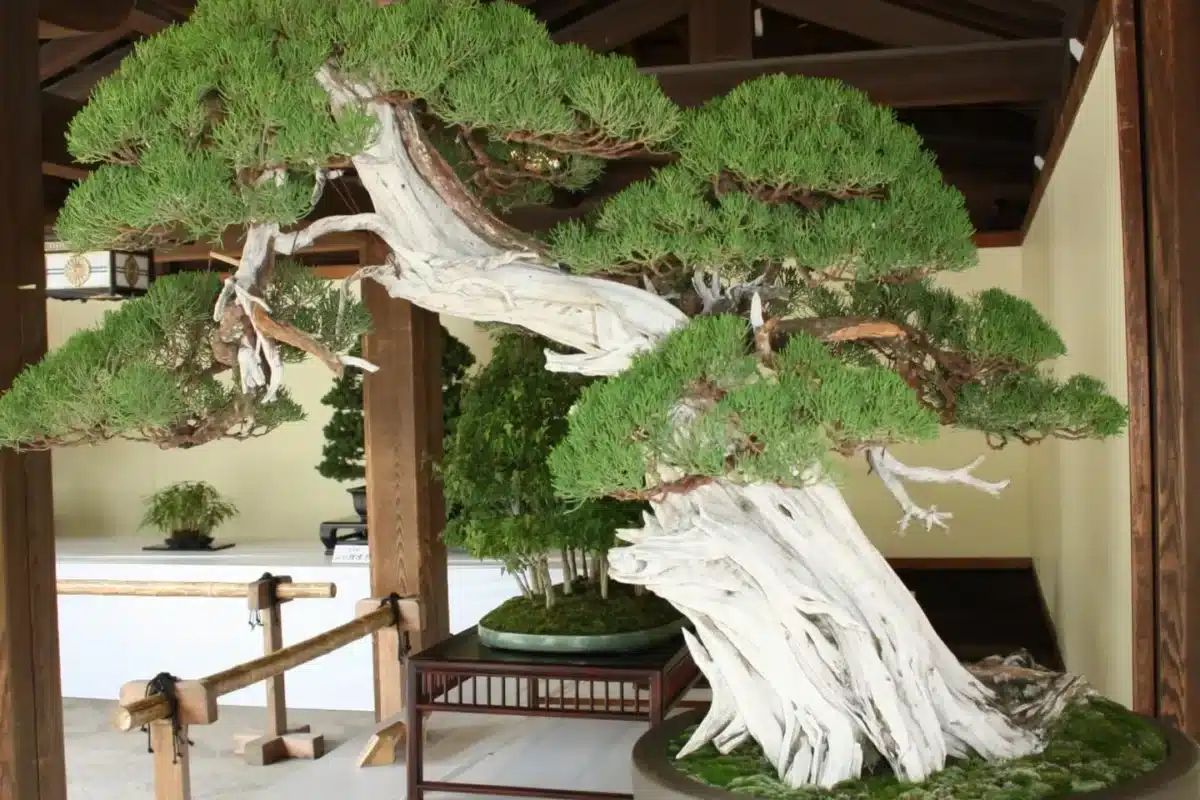
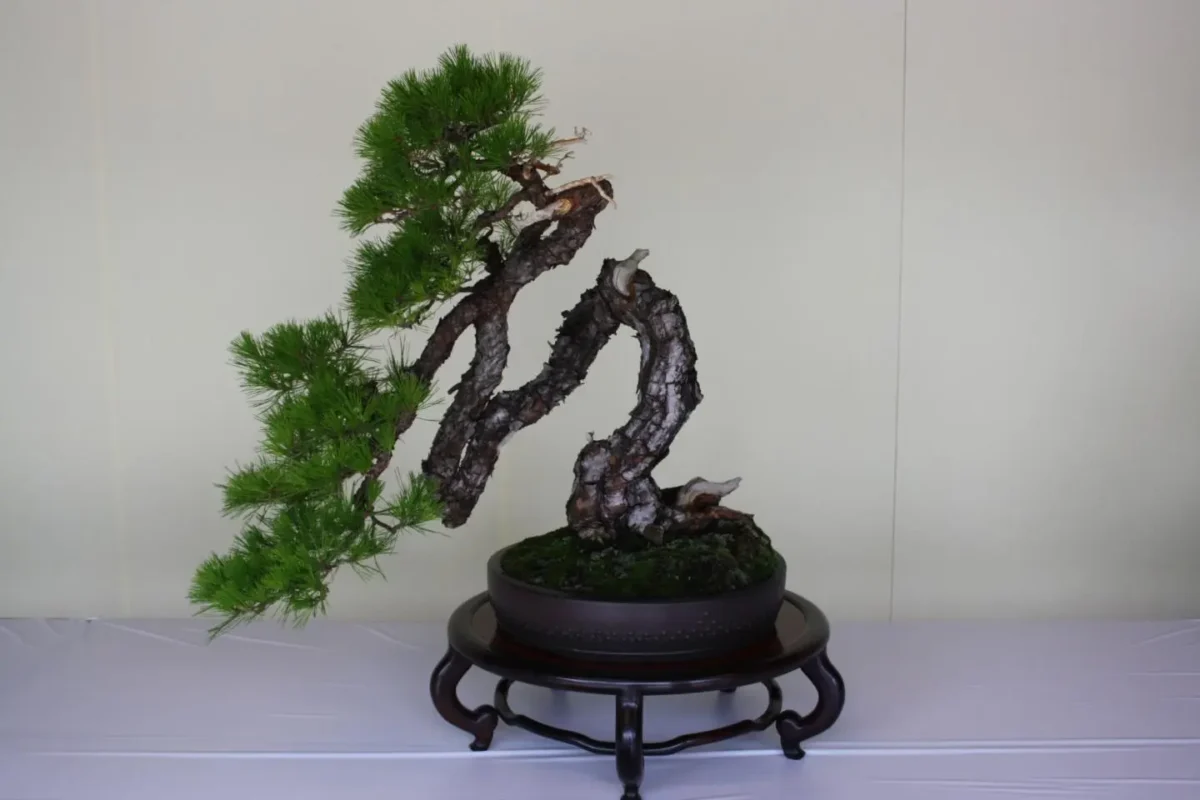
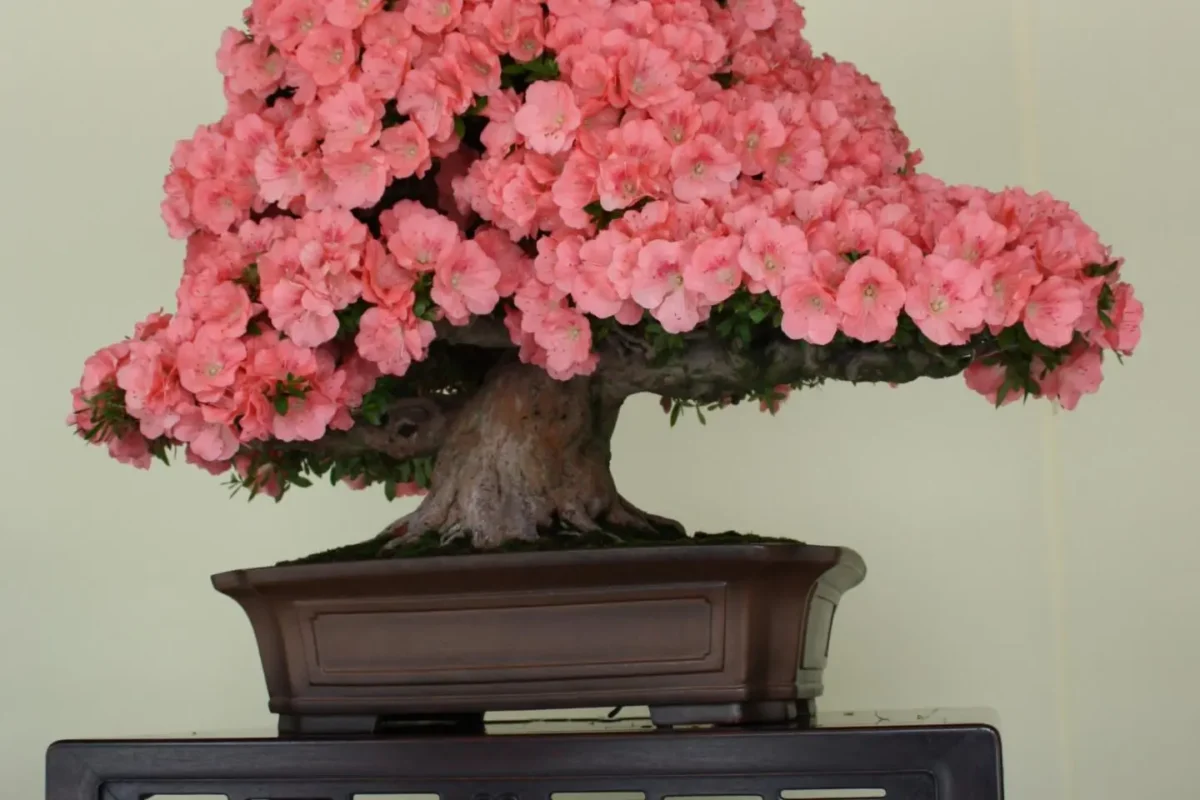
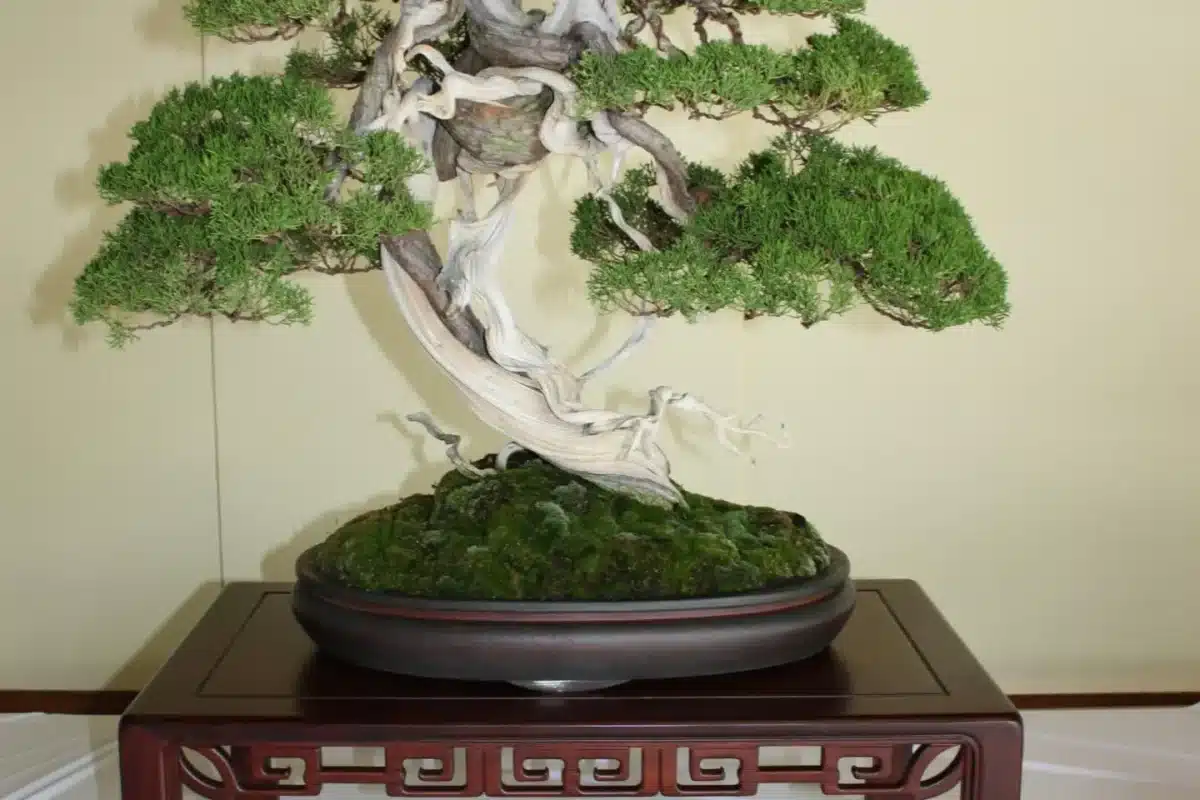
Bonsai & Suiseki at Meiji Shrine 2027 is expected to bring together an exceptional selection of Japanese bonsai trees and suiseki viewing stones in the tranquil surroundings of Meiji Jingu Shrine in central Tokyo. The exhibition provides an opportunity to see highly refined examples of two traditional Japanese arts while also experiencing one of Tokyo’s most important Shinto sites.
The exhibition is known for presenting bonsai and suiseki in a restrained setting rather than treating them simply as commercial garden displays. Bonsai represents carefully cultivated miniature trees, while suiseki focuses on naturally shaped stones valued for their forms, textures, colors and resemblance to landscapes or natural features.
JapanTravel describes the exhibition as a free annual June display, with approximately 100 suiseki presented from stones submitted for consideration. Bonsai are often displayed alongside suiseki because the two forms can create complementary compositions inspired by natural landscapes.
Enjoy Your Event Stress-Free with Japan Travelo
Do you know? Planning events, festivals, concerts, and cultural experiences in Japan can be overwhelming. Japan Travelo brings everything together in one place, helping you manage your itinerary, transport, and accommodation with ease—so you can enjoy Japan without the stress of planning.
The exhibition is sponsored by the Nippon Suiseki Association, an organization established in 1961. The association has a long connection with the Meiji Shrine exhibition tradition.
Visitors in 2027 can expect an experience centered around:
- Carefully selected bonsai trees
- Japanese suiseki viewing stones
- Traditional display arrangements
- Natural landscape-inspired compositions
- Bonsai and stone combinations
- Japanese horticultural aesthetics
- Cultural interpretation of bonsai and suiseki
- The peaceful forest environment of Meiji Jingu
- Opportunities for photography from permitted areas
- A chance to combine the exhibition with a visit to the shrine
The exhibition is particularly interesting for travelers who want to experience Japanese culture away from Tokyo’s commercial districts. The contrast between the carefully maintained bonsai and stones and the expansive forest surrounding Meiji Jingu creates a distinctive cultural setting.
Event dates
2027 schedule: Early June 2027 (Dates TBD)
The exact 2027 calendar dates have not yet been confirmed. JapanTravel currently lists the exhibition for early June and states that the official dates will be updated once they are announced by the organizers.
The exhibition has traditionally been associated with the early summer period and is presented within the grounds of Meiji Jingu. Visitors should check the official Meiji Jingu information and the latest event announcement before making travel arrangements.
The timing is also attractive because June is a notable period for seasonal scenery around Meiji Jingu. JapanTravel specifically highlights the Meiji Jingu Inner Garden and its irises as another seasonal attraction during this period.
Visiting this event? Don’t miss out on these amazing activities and local experiences while you’re here.
Venues & festival locations
The main venue is Meiji Jingu Shrine, one of Tokyo’s most important Shinto shrines.
Meiji Jingu Shrine
1-1 Yoyogi-Kamizonocho, Shibuya-ku, Tokyo 151-8557, Japan
The bonsai and suiseki exhibition is traditionally presented in a section of the main shrine area, close to the votive tablet area. JapanTravel describes the display as being located in a corner of the main shrine grounds.
The wider shrine complex provides an important part of the visitor experience. Meiji Jingu is surrounded by a large forested area containing more than 100,000 trees, creating a quiet environment despite its location close to Harajuku and central Tokyo.
Visitors can combine the exhibition with several areas of the shrine complex, including:
- Main shrine complex
- Main Hall
- Ootorii and other torii gates
- Votive tablet area
- Forest approaches
- Inner Garden
- Meiji Jingu Museum
- Forest Terrace
- Traditional shrine facilities
The exhibition itself is free, while some other attractions within the wider shrine complex have separate admission arrangements.
Full cultural programme
The 2027 programme has not yet been published in full, but the established exhibition format centers on the presentation and appreciation of bonsai and suiseki.
Bonsai exhibition
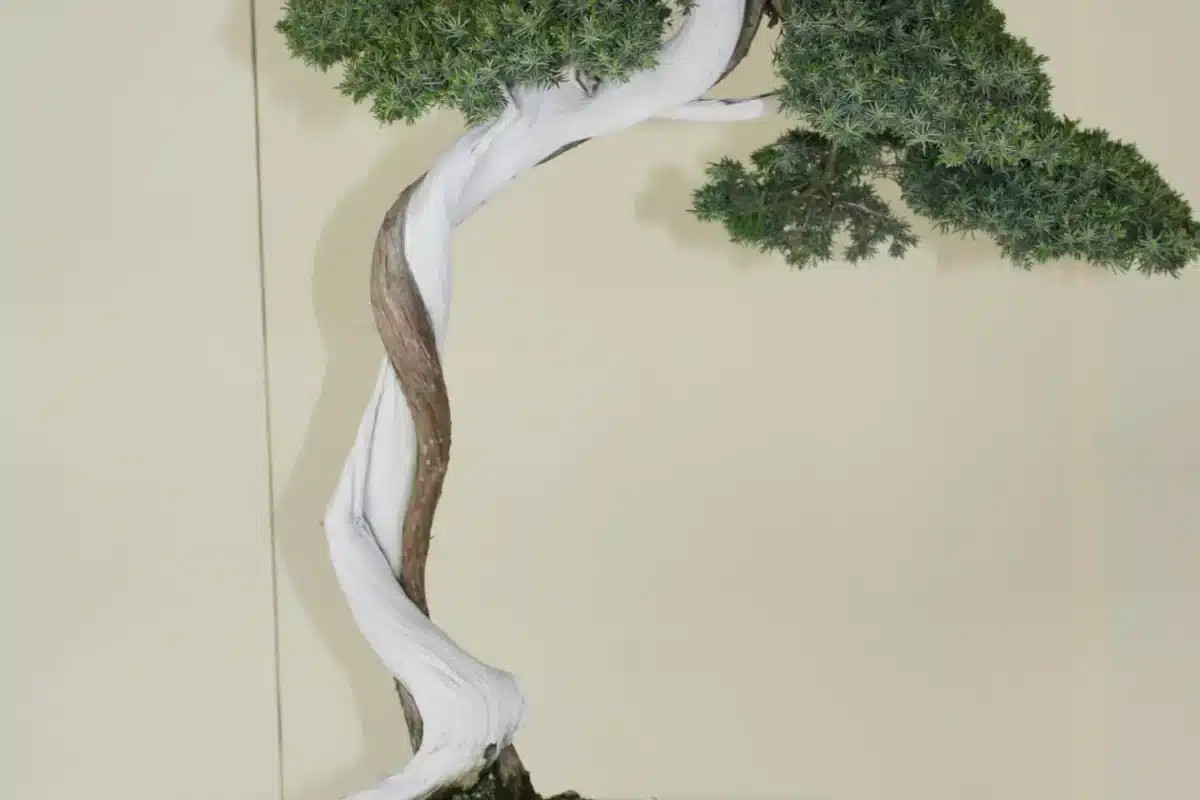
Bonsai trees form one of the two principal elements of the display. The art involves cultivating miniature trees in containers while maintaining proportions and visual characteristics that evoke full-sized trees in nature.
JapanTravel explains that desirable bonsai should represent the features of a mature tree, including a tapered trunk, small leaves and balanced branches.
Suiseki exhibition
Suiseki are naturally formed stones selected for their distinctive shapes, colors, textures and landscape-like qualities.
Some stones resemble:
- Mountains
- Waterfalls
- Islands
- Cliffs
- Animals
- Other natural formations
The stones may be displayed on wooden bases known as daiza, or in containers such as suiban or doban.
Bonsai and suiseki combinations
One of the most visually interesting aspects of the exhibition is the relationship between trees and stones. Bonsai are frequently displayed together with suiseki because the combination can suggest a miniature natural landscape.
The display philosophy encourages visitors to consider how the two objects relate to one another rather than viewing each specimen as an isolated object.
Featured traditions & performances
Bonsai & Suiseki at Meiji Shrine is primarily an exhibition rather than a performance festival, so visitors should not expect a large stage programme or scheduled concerts.
The principal cultural tradition is the Japanese art of appreciating carefully cultivated trees and naturally formed stones.
Bonsai appreciation
Bonsai involves maintaining a miniature tree while carefully shaping its branches, trunk and overall silhouette. The objective is not simply to keep a tree small but to create an aesthetically convincing representation of nature.
Suiseki appreciation
Suiseki focuses on the natural beauty of stones. Collectors and practitioners value stones according to their shape, surface, color, texture and resemblance to landscapes.
Traditional display aesthetics
The arrangement of bonsai and stones follows principles of balance, proportion and visual harmony. The display encourages visitors to look closely at details that might otherwise be overlooked.
Shrine setting
The exhibition’s placement within Meiji Jingu adds another layer of cultural meaning. Visitors encounter the display while walking through a major Shinto shrine surrounded by forest.
Historical & heritage highlights
Bonsai has a history extending back more than a thousand years in Japan, according to JapanTravel’s event information. Over centuries, the practice developed into a sophisticated art involving horticulture, composition, patience and seasonal observation.
Suiseki similarly developed as an art of appreciating naturally formed stones. Instead of carving stones into desired shapes, practitioners select naturally occurring specimens whose forms evoke mountains, landscapes or other elements of nature.
The exhibition also has a significant institutional history. The Nippon Suiseki Association, which sponsors the Meiji Shrine exhibition, was established in 1961. JapanTravel notes that the association’s president is traditionally selected from the head priests of Meiji Shrine.
Meiji Jingu itself adds considerable historical importance to the experience. The shrine was established in 1920 to commemorate Emperor Meiji and Empress Shoken. Although the shrine was destroyed during the Second World War, it was reconstructed through public donations and reopened in the postwar period.
The forest surrounding the shrine is also an important part of its heritage. More than 100,000 trees were donated from locations throughout Japan, helping create the dense woodland environment that now surrounds the shrine.
Events & activities schedule
The detailed 2027 schedule has not yet been announced, but the exhibition can generally be experienced through a self-guided cultural visit.
Exhibition viewing
Visitors can walk through the designated exhibition area and examine the bonsai and suiseki displays at their own pace.
Bonsai observation
Spend time examining trunk structure, branch arrangement, foliage, container choice and overall silhouette.
Suiseki appreciation
Look closely at stone shapes and consider the natural landscapes they are intended to evoke.
Bonsai and stone comparison
Where trees and stones are displayed together, compare their proportions and consider how the combination creates a miniature natural scene.
Meiji Jingu visit
The exhibition can be incorporated into a broader visit to the shrine, including the main shrine buildings, torii gates, forest approaches and other cultural sites.
Because the display is located within the shrine grounds, visitors should allow additional time for walking from the nearest entrance to the exhibition area.
Ticket types & entry options
The main Bonsai & Suiseki at Meiji Shrine exhibition is listed as free.
General exhibition admission: $0
There is no conventional festival ticket or paid admission pass required for the exhibition itself. JapanTravel lists the event as free and identifies the exhibition as a free public display.
Meiji Jingu’s main shrine grounds are also free to enter. The shrine’s official visitor information confirms that admission to Meiji Jingu is free.
Some separate attractions within the wider shrine complex can have their own admission charges. For example, the Inner Garden has a separate admission fee, while the Meiji Jingu Museum also operates independently from the free shrine grounds.
Guided tours & cultural experiences
The bonsai and suiseki exhibition is primarily designed for independent viewing, and there is no confirmed dedicated 2027 guided-tour programme.
Visitors can nevertheless create their own cultural experience by combining the exhibition with a walk through Meiji Jingu.
A useful self-guided route can include:
- Entering through one of the main shrine gates
- Walking through the forested approach
- Visiting the bonsai and suiseki exhibition
- Exploring the main shrine complex
- Observing the architecture and traditional shrine practices
- Visiting the votive tablet area
- Exploring other publicly accessible areas
- Continuing to the Inner Garden or Meiji Jingu Museum where appropriate
JapanTravel notes that visitors can experience traditional Shinto practices such as making offerings, praying at the main hall, writing wishes on ema and visiting the temizuya for ritual purification.
Visitors should remember that the shrine remains an active religious site rather than simply a tourist attraction.
Special ceremonies & celebrations
The bonsai and suiseki exhibition itself is not primarily a ceremonial festival. Its special character comes from being presented within the sacred environment of Meiji Jingu.
Visitors may encounter regular shrine activities while attending the exhibition, although these should not be confused with the exhibition’s own programme.
Meiji Jingu conducts daily Shinto rituals and hosts ceremonies throughout the year. JapanTravel notes that traditional music, dance, theater and Shinto ceremonies are part of the shrine’s broader cultural calendar.
Visitors should behave respectfully if a ceremony or religious activity is taking place nearby.
The exhibition also has a dedication aspect associated with its presentation at Meiji Jingu. This connection helps distinguish it from ordinary commercial bonsai exhibitions held in garden centers or exhibition halls.
Festival rules
Although this is an exhibition rather than a conventional festival, visitors should follow Meiji Jingu’s shrine etiquette and any instructions provided around the display.
Respect the shrine
Meiji Jingu is an active Shinto shrine. Visitors should behave quietly and respectfully throughout the grounds.
Protect the exhibits
Do not touch bonsai, suiseki, display stands or containers unless staff explicitly permit it.
Photography
Photography should follow the rules displayed around the exhibition. Avoid using flash if prohibited and do not obstruct other visitors.
Stay within visitor areas
Do not enter restricted areas, staff areas or planted sections of the shrine grounds.
Respect nature
Meiji Jingu’s official guidance prohibits entering forest areas and prohibits collecting or bringing in plants and animals.
Follow shrine etiquette
Visitors should observe customary etiquette around torii gates, purification facilities and the main shrine.
How to get there
Meiji Jingu is one of Tokyo’s easiest major cultural attractions to reach by rail.
The closest major access points include Harajuku Station on the JR Yamanote Line and Meiji-jingumae ‘Harajuku’ Station on the Tokyo Metro Chiyoda and Fukutoshin lines. JapanTravel also identifies Sangubashi, Yoyogi and Kita-Sando stations as alternative access points.
From Harajuku
Harajuku provides one of the most convenient approaches to the shrine. After leaving the station, visitors can follow the signs toward the shrine entrance and then continue through the forested grounds.
From Meiji-jingumae
The Tokyo Metro station provides convenient access from the Chiyoda and Fukutoshin lines.
From Yoyogi
Yoyogi Station is another useful option, particularly for visitors arriving via JR or the Toei Oedo Line.
From Sangubashi
Sangubashi Station on the Odakyu Line provides access from the western side of the shrine.
Visitors should remember that reaching a shrine entrance is not the same as reaching the main shrine area. The official Meiji Jingu website notes that visitors need additional walking time after reaching an entrance.
Public transport & parking
Public transport is strongly recommended for visiting Meiji Jingu.
The shrine is surrounded by major railway and subway stations, making it unnecessary for most visitors to drive into the area.
Rail connections
Useful stations include:
- Harajuku Station
- Meiji-jingumae ‘Harajuku’ Station
- Yoyogi Station
- Kita-Sando Station
- Sangubashi Station
The official shrine map identifies all of these access points around the shrine grounds.
Parking
Meiji Jingu has visitor parking, but the official shrine recommends using public transportation because parking can become congested and entry may not always be possible. Cars entering the shrine grounds must use the Yoyogi entrance.
Bicycles and motorcycles
The official access information states that motorcycles and bicycles are not permitted inside the shrine grounds and should be left at designated parking areas near the entrances.
Accommodation areas
Visitors attending the exhibition have many accommodation options because Meiji Jingu is centrally located.
Harajuku
Harajuku is ideal for visitors who want to combine the shrine with fashion, cafés, shopping and contemporary Tokyo culture.
Shibuya
Shibuya provides a large choice of hotels, restaurants and transport connections and is convenient for visitors exploring other parts of Tokyo.
Shinjuku
Shinjuku is particularly practical for travelers wanting extensive rail connections, shopping and nightlife.
Yoyogi
Yoyogi offers a quieter location while remaining close to Meiji Jingu and major transportation links.
Omotesando
Omotesando provides access to upscale shopping, architecture, cafés and galleries and is within easy reach of the shrine.
Staying in one of these neighborhoods allows visitors to combine the exhibition with several Tokyo attractions without needing a long cross-city journey.
Food & traditional specialties
The exhibition itself is not primarily a food festival, but visitors can easily combine the visit with Japanese dining in Harajuku, Omotesando, Shibuya and Shinjuku.
Traditional Japanese options worth considering include:
- Soba
- Udon
- Tempura
- Sushi
- Yakitori
- Wagashi
- Matcha desserts
- Japanese tea
- Seasonal Japanese sweets
Visitors can also use the facilities around Meiji Jingu. The official precinct map identifies Forest Terrace and Café Mori no Terrace within the wider shrine complex.
Because the shrine is a sacred environment, visitors should avoid eating in restricted areas and should use designated dining spaces where appropriate.
The nearby Harajuku and Omotesando districts offer an extensive selection of restaurants and cafés, making it easy to plan lunch or an afternoon meal around the exhibition.
Accessibility
Meiji Jingu provides accessibility support, although the large shrine grounds and long forested approaches mean that visitors should plan their route carefully.
The official Meiji Jingu access information states that wheelchairs are available at the entrances to the shrine grounds.
JapanTravel also lists barrier-free access among the shrine’s accessibility amenities.
Visitors with mobility requirements should consider:
- Choosing the most suitable shrine entrance
- Allowing additional time for walking
- Asking staff about accessible routes
- Using available wheelchair services where appropriate
- Checking the exhibition layout before visiting
- Avoiding uneven or restricted areas
Because the exhibition is held within a large shrine complex rather than a conventional indoor exhibition hall, accessibility may differ between individual paths and areas.
Best cultural experiences
The exhibition is particularly rewarding when approached as part of a broader Japanese cultural experience.
Study the bonsai structure
Look at the trunk, branches, foliage and overall silhouette rather than simply judging the tree by its size.
Compare suiseki forms
Try to identify the landscapes or natural formations suggested by individual stones.
Observe the display relationship
Where bonsai and suiseki appear together, consider how the tree and stone create a miniature natural scene.
Walk through the shrine forest
The journey through the forest is an important part of visiting Meiji Jingu. The contrast between the dense woodland and the surrounding city is one of the shrine’s defining characteristics.
Visit the main shrine
Take time to observe the architecture and experience the atmosphere of the main shrine complex.
Combine the exhibition with seasonal scenery
The Inner Garden is particularly notable for its seasonal iris display during this period, although it has a separate admission charge.
Previous year’s highlights
Recent editions have continued the long-running tradition of bringing bonsai and suiseki together at Meiji Jingu.
The 2026 exhibition was documented as the 26th dedication bonsai and suiseki exhibition, with selected works displayed in the shrine’s East Corridor. A contemporary report highlighted 22 bonsai and 15 suiseki, including a shimpaku juniper described as approximately 500 years old and recognized with a Kokufu Prize.
The same exhibition included notable stone displays, including a Neodani chrysanthemum stone with distinctive flower-like patterns. These examples illustrate the range of natural forms and cultivated trees presented at the exhibition.
The broader history of suiseki exhibitions at Meiji Jingu is also significant. Historical accounts describe the Meiji Shrine venue as an important location for major suiseki displays before the exhibition structure changed in the following years.
JapanTravel’s event page describes approximately 100 stones being displayed from entries considered for the exhibition and explains that bonsai and suiseki are frequently paired because they can be naturally complementary.
The combination of exceptional specimens, traditional display techniques and the forested surroundings of Meiji Jingu remains the defining attraction.
Official tickets
Bonsai & Suiseki at Meiji Shrine is listed as a free exhibition.
General admission: $0
No conventional ticket purchase is required for the main exhibition according to the current JapanTravel listing.
The main Meiji Jingu shrine grounds are also free to enter.
Visitors should use the official Meiji Jingu website for current shrine access information and any announcements affecting the exhibition.
https://www.meijijingu.or.jp/en/
https://en.japantravel.com/tokyo/bonsai-suiseki-at-meiji-shrine/13418
The 2027 exhibition dates and detailed programme remain subject to official confirmation. Visitors should check the latest information before travelling.
Video
Location
FAQ
What are the primary dates and daily operational hours for the exhibition?
The exhibition takes place annually throughout early June with daily viewing accessible during regular shrine hours. Visitors should check seasonal announcements for specific opening and closing times prior to their arrival.
Is it required to purchase an admission ticket to view the bonsai and suiseki display?
General viewing of the main bonsai and suiseki exhibition located near the votive tablets is entirely free of charge. Attendees can walk directly into the designated outdoor display area without needing any tickets or advance reservations.
Where within the extensive Meiji Shrine complex is the exhibition located?
The display is situated in a quiet corner of the main shrine grounds immediately adjacent to the votive tablet area. Clear pathways and directional signs help guide arriving visitors directly from the main shrine gates to the site.
Can visitors also access the historic Meiji Jingu Inner Garden during the same visit?
Guests can enter the nearby iris garden by paying a separate modest admission fee at the garden entrance gates. This historic garden offers stunning seasonal flower displays and tranquil pond views that complement the main shrine trip.
What types of botanical trees and viewing stones are typically featured?
The exhibition highlights hundreds of carefully cultivated miniature trees alongside approximately one hundred juried suiseki viewing stones. Featured items represent the finest examples of Japanese horticultural dedication and natural stone appreciation arts.
Are there English language guides or descriptive materials available for international tourists?
Basic informational signage helps orient visitors, though much of the appreciation relies on quiet visual contemplation of the art. International guests often benefit from researching traditional bonsai and suiseki aesthetics beforehand to deepen their understanding.
What is the best way to travel to Meiji Jingu Shrine using public transit?
The shrine is conveniently located within a very short walking distance from several major railway and subway stations in central Tokyo. Excellent rail connections make the venue easily accessible from any part of the metropolitan area.

Leave a Reply