

-
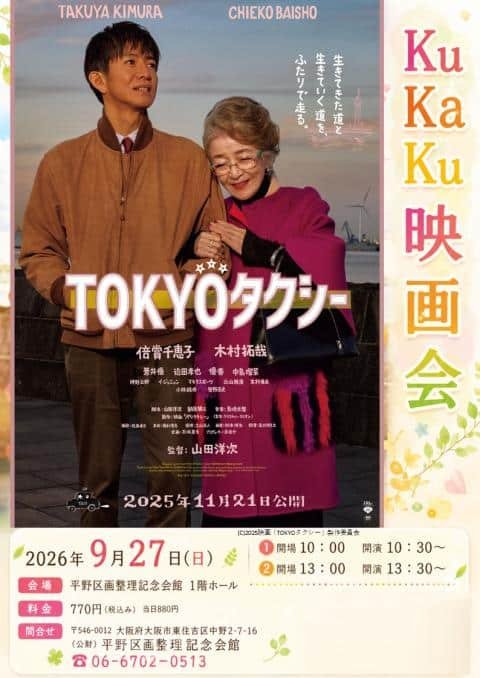
September 27, 2026
Event date:
-
September 27, 2026
Event end:
Film Story & Central Themes
The poignant narrative of the film centers around a single taxi navigating the sprawling streets of Tokyo, serving as a moving stage where diverse lives intersect. It follows an overworked driver named Koji who picks up an 85-year-old passenger named Madame Sumire, requesting a journey across the metropolis. What starts as a standard fare transforms into an emotional pilgrimage, unfolding layers of human vulnerability, history, and personal transition.
Central themes of the movie examine the invisible threads connecting strangers, the weight of hidden personal grief, and the enduring resilience of the human spirit. Through intimate dialogue inside the vehicle, the story reflects on generational divides, post-war survival, and the bittersweet nature of aging in a modern society. It captures the profound moments of grace that can emerge when two entirely different worlds collide unexpectedly within an urban transit space.
Director Yoji Yamada masterfully weaves humor and heartbreak throughout the narrative, balancing lighthearted banter with deeply emotional revelations about life’s enduring sorrows and joys. As the taxi makes detours through significant landmarks across the capital, Sumire opens up about her past, turning a simple physical journey into a profound emotional reconciliation. The film ultimately serves as an affectionate love letter to the metropolis and the transient encounters that leave permanent marks on our souls.
Enjoy Your Event Stress-Free with Japan Travelo
Do you know? Planning events, festivals, concerts, and cultural experiences in Japan can be overwhelming. Japan Travelo brings everything together in one place, helping you manage your itinerary, transport, and accommodation with ease—so you can enjoy Japan without the stress of planning.
The overarching message emphasizes that every individual carries a complex, untold story beneath their ordinary exterior, advocating for greater empathy in our daily interactions. By focusing on quiet, conversational exchanges rather than high-octane spectacles, the film honors the ordinary beauty found in human connection. Attendees are invited to reflect on their own relationships and the fleeting moments that define a lifetime of memories.
Tokyo City Life & Everyday Encounters
Tokyo functions as more than a mere backdrop; the city acts as a living, breathing participant in the narrative, shaping the mood and tempo of the characters’ journeys. From bustling neon-lit commercial districts to quiet residential alleyways, the shifting urban landscape mirrors the internal emotional states of the passengers passing through.
Everyday encounters in public spaces are framed as potential turning points, reminding viewers of the magic hidden within mundane urban routines and chance meetings. The film celebrates the quiet resilience of ordinary city dwellers who find moments of warmth and humor amidst the relentless pace of metropolitan existence.
Event Schedule
- Event Date: September 27, 2026
- Event Duration: Approximately 110 minutes including community announcements and the post-screening film discussion segment
Visiting this event? Don’t miss out on these amazing activities and local experiences while you’re here.
Taxi Journey, Urban Landscapes & Cinematic Atmosphere
- The claustrophobic yet intimate interior of the taxi cabin creates a hyper-focused space where secrets and confessions emerge naturally
- Cinematographer Masashi Chikamori utilizes naturalistic lighting to capture the shifting daylight and twilight hues across the Tokyo skyline
- Window reflections blend passing streetlights and urban architecture with the characters’ faces, symbolizing memory and transience
- Sound design subtly weaves ambient street traffic, engine hums, and gentle musical scores to ground the viewer inside the vehicle
- Panning shots of iconic Tokyo thoroughfares juxtapose modern architectural marvels with historic corners of the changing metropolis
- The journey structure allows for episodic encounters that expand the narrative scope beyond a simple two-person dialogue
- Color grading transitions from cool daylight tones to warm evening glows, tracking the emotional thaw between the driver and passenger
Ticket Prices
- How Tickets Are Sold: Tickets are distributed online through regional film club registration portals and partner ticketing agencies ahead of the event date.
- Admission Type: General unreserved seating admission allowing attendees to select their preferred spots within the community hall upon entry.
- Ticket Pricing: Ticket pricing ranges from a minimum of $12.00 for club members and students up to a maximum of $20.00 for standard general public admission.
- Special Seating Options: Open flat-floor seating arrangements with flexible chair configurations to accommodate families, friends, and individual film enthusiasts comfortably.
- VIP Options: Standard admission covers full access to the special community screening program, commemorative program pamphlet, and post-screening open discussion panel.
Discussion, Interpretation & Post-Screening Conversation
Engaging in post-screening dialogues allows community members to dissect the narrative layers, character motivations, and thematic nuances introduced throughout the feature. Participants frequently share how specific scenes resonated with their personal relationships, aging family members, or memories of navigating urban environments like Tokyo. These conversations transform a passive viewing session into an active, shared intellectual and emotional exercise.
Moderated discussion prompts encourage viewers to examine the film’s pacing, directorial choices, and the societal implications of its central character arcs. Diverse interpretations regarding the ambiguous elements of the ending often spark lively debates, highlighting the rich complexity embedded within Yamada’s seemingly simple script. This communal reflection deepens everyone’s appreciation for the cinematic art form.
Ultimately, these gatherings strengthen local cultural ties, proving that cinema serves as a powerful catalyst for empathy, dialogue, and mutual understanding. Attendees leave the hall not only entertained but emotionally enriched by the collective sharing of perspectives, laughter, and tears experienced together in the dark.
Getting to the Venue
- City and Country: Osaka Prefecture, Japan
- Venue Name: Hirano Land Readjustment Memorial Hall
- Google Maps Address: 1 Chome-2-1 Nagahiranaka, Hirano Ward, Osaka, 547-0033, Japan
Characters, Performances & Human Relationships
- Chieko Baisho delivers a tour-de-force performance as Madame Sumire, anchoring the emotional core of the film with profound grace and vulnerability
- Takuya Kimura portrays Koji, the pragmatic yet empathetic taxi driver whose hardened exterior gradually softens through his passenger’s profound life wisdom
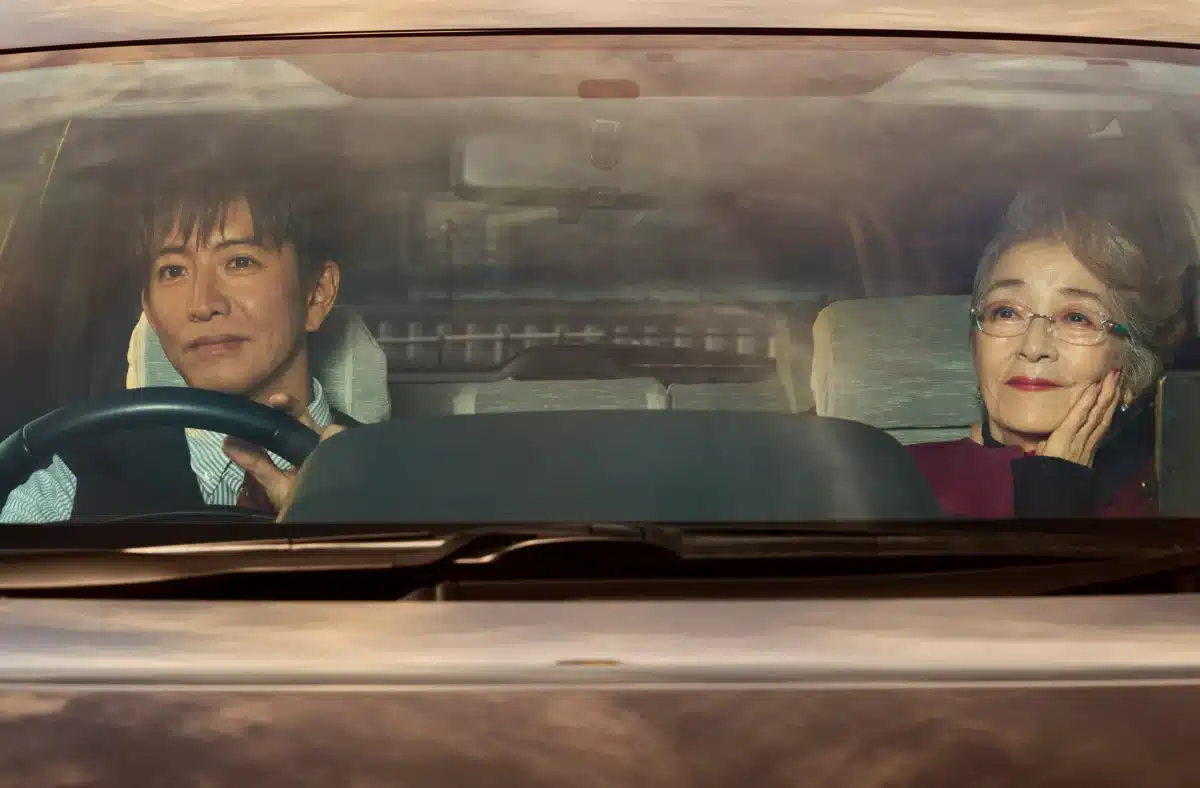
- The dynamic chemistry between the two lead actors drives the narrative forward entirely within the intimate confines of a moving automobile
- Supporting appearances by Yuoi and other ensemble members add rich historical context and emotional texture to Sumire’s unfolding backstory
- Character growth is illustrated through subtle micro-expressions, shifting body language, and deepening conversational trust over a single afternoon
- Explores the delicate power of intergenerational mentorship, showing how youth and old age can heal reciprocal emotional wounds
- Highlights the dignity of ordinary working-class individuals navigating the economic and emotional pressures of modern Japanese society
Event Information
- Email: support@kukakufilmclub.jp
- Phone Number: 06-6709-1234
- Website: https://kukakufilmclub.jp/
- Ticketing Link: https://jasumo.com/listing/tokyo-taxi-screening-tickets/
Japanese Cinema, Storytelling & Social Themes
Veteran director Yoji Yamada brings decades of meticulous observation to the screen, representing the pinnacle of classic Japanese humanist filmmaking traditions. His directorial approach favors naturalistic pacing, deep emotional authenticity, and profound respect for everyday working-class struggles over flashy cinematic gimmicks.
The film addresses pressing social themes relevant to contemporary Japan, including elderly isolation, changing family structures, and the psychological legacy of historical upheavals. Through its thoughtful narrative framing, the production encourages audiences to acknowledge marginalized voices and value community bonds in an increasingly digital world.
As a masterclass in adaptation, the screenplay successfully transforms foreign source material into a distinctly Japanese cultural context, highlighting universal emotional truths. The storytelling relies on understated dialogue and evocative visual cues, inviting viewers to read between the lines and draw from their own personal life experiences.
Film Club Community & Audience Experience
- Community-focused screening environment fostering warm camaraderie among local independent cinema enthusiasts and casual moviegoers alike
- Alternative exhibition format offering a refreshing, intimate communal alternative to commercial multiplex theater chains
- Welcoming atmosphere designed to accommodate families, groups of friends, and individuals attending completely on their own
- Curated post-screening space encouraging attendees to share personal impressions and emotional reactions right after the credits roll
- Local volunteer-driven organization ensuring a hospitable, grassroots event experience tailored to film lovers
- Opportunity to support regional cultural programming and independent film appreciation initiatives in Osaka Prefecture
Photography, Cinema Etiquette & Visitor Experience
- Attendees are requested to arrive at least fifteen minutes prior to the scheduled start time to locate seating smoothly
- All recording devices, cameras, and flash photography are strictly prohibited during the screening to protect copyright and maintain atmosphere
- Mobile phones must be switched completely to silent or airplane mode before the house lights dim for the feature presentation
- Consumption of light snacks and beverages purchased in designated hall areas is permitted according to local facility rules
- Exiting and re-entering the main screening hall during the middle of the film is discouraged to avoid distracting fellow viewers
- Friendly event staff will be stationed near the entrance to assist with seating directions and general venue inquiries
Location
FAQ
What is the primary narrative premise featured in the film?
The story follows an overworked taxi driver who picks up an elderly passenger asking to be driven across Tokyo toward a nursing home. Their extended fare transforms into an emotional journey exploring personal histories, human bonds, and unexpected miracles.
Are advance ticket reservations required for attending this community screening?
Securing tickets ahead of time through online registration platforms is strongly encouraged due to limited capacity within the memorial hall. Same-day walk-in availability depends entirely on remaining seating totals at the door.
What specific amenities or accessibility options does the venue provide?
Hirano Land Readjustment Memorial Hall offers accessible ground-level entry and designated seating spaces for visitors using wheelchairs or mobility assistance. Guests with specialized requirements should reach out to event organizers beforehand to ensure proper accommodation.
How long is the total runtime of the feature presentation?
The main film runs for approximately 104 minutes, accompanied by brief introductory remarks and post-screening discussion segments. Total program duration is designed to fit comfortably within a standard afternoon or evening schedule.
Can visitors bring outside food or beverages inside the main hall?
Consuming outside meals is generally restricted inside the primary viewing area to maintain cleanliness and preserve venue standards. Light bottled water with secure lids is typically permitted for personal hydration during the event.
Who should attendees contact if they experience issues with digital ticketing?
Inquiries concerning registration confirmations, payment receipts, or seating assistance can be directed to the support email listed in the event details. Organizers will respond promptly to resolve any technical difficulties prior to the screening date.

Leave a Reply