


-
January 8, 2027
Event date:
-
February 7, 2027
Event end:
What to expect in 2027
“My Hero Academia” TV Anime 2027, Tokyo, Japan is the Tokyo edition of the “My Hero Academia” TV Anime 10th Anniversary Exhibition “OUR HERO,” a major exhibition celebrating a decade of the television anime series. The Tokyo event runs from January 8 through February 7, 2027, at Tokyo Tatemono Pia Conference in the TOFROM YAESU TOWER in Tokyo’s Yaesu district. The exhibition is scheduled to open every day throughout the Tokyo run.
The exhibition looks back across the anime’s 10-year history, beginning with the first television episode in April 2016 and continuing through the conclusion of the TV anime’s main run. The official anniversary project describes the exhibition as one of the central projects of the 10th-anniversary programme, bringing together visuals, original animation materials, three-dimensional displays, video content and other experiences connected with the series.
The scale of the material reflects the size of the anime franchise. The anniversary exhibition is designed to revisit all 170 main television episodes, four theatrical films and seven original anime works produced during the decade. Visitors can therefore expect a chronological and visual journey through the heroes, villains, major story arcs, battles and character relationships that defined the television anime.
Enjoy Your Event Stress-Free with Japan Travelo
Do you know? Planning events, festivals, concerts, and cultural experiences in Japan can be overwhelming. Japan Travelo brings everything together in one place, helping you manage your itinerary, transport, and accommodation with ease—so you can enjoy Japan without the stress of planning.
One of the headline attractions is a newly produced life-size figure. Production of the figure has already been announced, with the organizers releasing images showing the manufacturing process. Further information about the figure is scheduled to be released through the exhibition’s official channels.
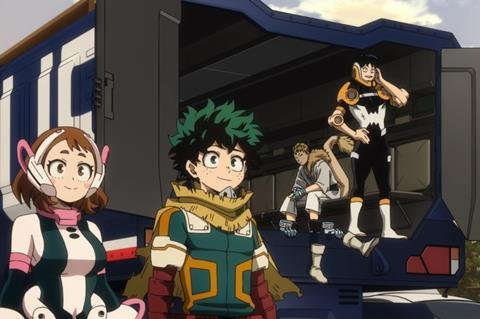
The exhibition also features a newly drawn 10th-anniversary key visual. The initial visual introduced Izuku Midoriya, Katsuki Bakugo, Shoto Todoroki and All Might, with Ochaco Uraraka, Tenya Iida, Eijiro Kirishima and Tsuyu Asui subsequently added. More character information may be announced as the exhibition approaches.
Visitors will also receive a lenticular card featuring the newly drawn exhibition key visual as an admission benefit. A limited goods-inclusive ticket is available with a blister-style acrylic panel using the exhibition’s original key visual.
This is not a conventional gaming event, esports tournament or game convention. The event information supplied by the organizers concerns an anime exhibition, so the gaming-specific headings below are adapted to accurately describe the exhibition’s anime displays, visual material, character experiences and merchandise.
Event dates
The Tokyo edition takes place from Friday, January 8, 2027, through Sunday, February 7, 2027.
Opening date: January 8, 2027
Closing date: February 7, 2027
Duration: 31 days
Opening days: Daily throughout the Tokyo run
Opening hours: 10:00 AM to 8:00 PM
Last admission: 7:00 PM
The official Tokyo venue information confirms that the exhibition operates every day during the stated period.
The ticket system changes according to the day. January 8 through January 15 and Saturdays, Sundays and public holidays require date-and-time-specific admission tickets. Eligible weekdays use a period-valid ticket that permits one visit at any time during the applicable weekday period.
Visitors should pay particular attention to the date and time printed on their ticket. Time-specific tickets are divided into hourly entry periods from 10:00 AM through 7:00 PM, with admission groups organized around assigned gathering times.
Visiting this event? Don’t miss out on these amazing activities and local experiences while you’re here.
Venue & exhibition site
The Tokyo exhibition is held at Tokyo Tatemono Pia Conference, located inside TOFROM YAESU TOWER.
Venue: Tokyo Tatemono Pia Conference
Building: TOFROM YAESU TOWER
Address: 1-6-1 Yaesu, Chuo City, Tokyo, Japan
Floor: 6F
Nearest major station: Tokyo Station
The venue is part of the newly developed Tokyo Tatemono Pia Theatre & Conference complex, which opened in 2026. The conference facility includes the large TO YAESU HALL, smaller FROM YAESU HALL and additional meeting spaces. The building is directly connected to Tokyo Station through the Yaesu underground shopping area.
The location places the exhibition in central Tokyo, close to major shopping, dining, business and transportation districts. This makes it practical for visitors combining the exhibition with sightseeing around Tokyo Station, Marunouchi, Nihombashi and Ginza.
The exhibition itself occupies the conference facility rather than the adjacent Tokyo Tatemono Pia Theatre. Visitors should therefore follow exhibition signage and the official venue instructions for the correct entrance and floor.
Full gaming programme
Although the supplied heading refers to a gaming programme, “OUR HERO” is an anime anniversary exhibition rather than a video-game convention. The main programme is built around the history and visual development of the My Hero Academia TV anime.
The exhibition covers the series’ decade-long journey through a combination of:
Anime history: A retrospective covering the television anime from its first season through the conclusion of the main series.
Original artwork: Production-related visual materials and original animation materials.
Three-dimensional displays: Character and world-building elements presented in physical form.
Video content: Moving-image presentations connected with the anime.
Life-size figure: A newly produced life-size figure created specifically as a major attraction for the exhibition.
Photo opportunities: Exhibition photo spots using specially created visual material.
The exhibition’s scope covers 170 main television episodes, four theatrical films and seven original anime works. This gives the event a broader historical focus than a display dedicated to one season or character.
The experience is intended to take visitors through the evolution of My Hero Academia as an animated series, allowing longtime viewers to revisit important moments while giving newer fans a structured introduction to the anime’s decade of production.
Featured games & developers
There are no video games or game developers announced as exhibitors for this event. Instead, this section is best understood as the exhibition’s featured anime creators, characters and production material.
“My Hero Academia” originated as Kohei Horikoshi’s manga and was adapted into a television anime beginning in April 2016. The anime ultimately reached eight seasons and 170 main episodes, with the final episode broadcast on December 13, 2025.
The exhibition celebrates the work of the animation production teams and the creative contributors responsible for bringing Horikoshi’s characters and story to television.
The newly drawn exhibition key visual features major characters including:
Izuku Midoriya: The central protagonist, known as Deku.
Katsuki Bakugo: One of Izuku’s classmates and a major figure throughout the series.
Shoto Todoroki: A prominent member of Class 1-A whose family story forms an important part of the anime.
All Might: The former Symbol of Peace and one of the defining figures in Izuku’s development.
Ochaco Uraraka: A member of Class 1-A and one of Izuku’s closest classmates.
Tenya Iida: Class 1-A’s disciplined class representative.
Eijiro Kirishima: A Class 1-A student whose heroic development is featured throughout the anime.
Tsuyu Asui: A Class 1-A hero student with a distinctive frog-like Quirk.
Additional character details may be added as the anniversary exhibition approaches.
Esports tournaments & competitions
No esports tournaments, competitive gaming brackets or video-game competitions are announced for “OUR HERO.”
The event is fundamentally an anime exhibition rather than an esports or gaming competition. Visitors will not be attending to watch competitive matches or participate in tournament brackets.
Instead, the exhibition’s interactive and entertainment elements center on the My Hero Academia universe. These include visual displays, three-dimensional exhibits, video material, photo opportunities and the specially produced life-size figure.
The absence of esports programming means visitors should plan their visit around the exhibition’s galleries rather than expecting scheduled gaming matches or competitive activities.
The exhibition is particularly suited to anime fans, manga readers, collectors, families and visitors interested in Japanese animation production and character design.
Tournament & event schedule
There is no tournament schedule because “OUR HERO” does not operate as a competitive gaming event.
The main schedule is the exhibition’s daily opening period from January 8 through February 7, 2027.
10:00 AM: Exhibition opening
10:00 AM–7:00 PM: Timed admission periods on designated days
7:00 PM: Final admission
8:00 PM: Exhibition closes
On designated time-specific days, visitors must enter during the date and time period printed on their ticket. The official rules divide the opening period into ten hourly admission blocks beginning at 10:00 AM and ending with the 7:00 PM entry period.
On eligible weekdays, period-valid tickets allow one visit at any time during the applicable period, subject to the exhibition’s weekday ticket conditions.
Ticket types
The Tokyo exhibition offers several admission options.
General admission: Approximately $16.
Middle and high school admission: Approximately $9.50.
Elementary school admission: Approximately $6.33.
Goods-inclusive admission: Approximately $28.50.
The amounts above are USD conversions of the published ticket categories, rounded from the official Japanese prices using the recent USD/JPY exchange rate. The exchange rate fluctuates, so the dollar equivalents may vary slightly at the time of purchase. The official ticket prices are published as tax-inclusive rates.
The goods-inclusive ticket is a single-price category and does not receive the student or children’s discounted rate. It includes a blister-style acrylic panel using the exhibition’s original key visual.
The standard Tokyo ticket structure is divided between date-and-time-specific admission and weekday period-valid admission.
For the opening period from January 8 through January 15 and for Saturdays, Sundays and public holidays, visitors need a specified date and time.
For eligible weekdays, the period-valid ticket can be used once during the applicable exhibition period.
VIP & premium access
There is no separately announced VIP package or premium lounge access for the Tokyo exhibition.
The closest premium-style option is the limited goods-inclusive ticket. This provides standard exhibition admission together with the special blister-style acrylic panel.
Goods benefit: Blister-style acrylic panel featuring the exhibition’s specially drawn key visual.
Admission benefit: Every paid exhibition ticket holder receives one lenticular card using the exhibition key visual.
The lenticular card is provided at the entrance and is separate from the acrylic panel included with the goods ticket.
The exhibition does not currently advertise VIP early access, private viewing sessions, backstage access, meet-and-greet opportunities or dedicated premium seating.
Exhibitors & gaming companies
No conventional gaming companies or game publishers are listed as exhibitors because this is an anime anniversary exhibition.
The exhibition is organized by the “My Hero Academia” TV Anime 10th Anniversary Exhibition OUR HERO executive committee, with Pia, Tohosha and Kotowari identified among the organizing parties.
The exhibition’s creative focus is on the My Hero Academia anime and its decade of animation history.
The broader 10th-anniversary project also includes multiple other initiatives, including special anime content, concerts, character-related screenings, pop-up projects, a virtual exhibition and anniversary merchandise.
This makes “OUR HERO” one part of a much wider anniversary programme rather than a standalone commercial exhibition unrelated to the series’ other 2026–2027 activities.
Exhibition halls & gaming zones
The exhibition is divided conceptually around different aspects of the My Hero Academia anime rather than traditional gaming zones.
Visitors can expect exhibition areas focused on the series’ visual history, animation materials, characters, three-dimensional displays and video content.
History displays: Material tracing the development of the television anime over ten years.
Visual displays: Key visuals and other artwork representing different stages of the series.
Original animation materials: Production-related materials giving visitors a closer look at the animation process.
Three-dimensional exhibits: Physical displays that bring characters and elements of the anime into the exhibition space.
Video areas: Moving-image presentations connected with the series.
Photo spots: Specially designed areas allowing visitors to photograph selected exhibition displays.
Life-size figure area: A major three-dimensional attraction being produced specifically for the anniversary exhibition.
The organizers have stated that the life-size figure is one of the exhibition’s headline projects, while production updates are being released through the official exhibition channels.
Game demos & new releases
There are no game demos or new video-game releases scheduled as part of the exhibition.
Instead, visitors can expect content related to the latest stage of the My Hero Academia anime project. The television anime’s main run concluded with Episode 170 in December 2025, while the 10th-anniversary project continued into 2026 with additional material.
One notable anniversary addition was “More,” an animated adaptation of Kohei Horikoshi’s additional episode from the final manga volume. It depicts Deku, Bakugo, Todoroki, Ochaco and other Class 1-A characters eight years after graduating from U.A. High School.
The official 10th-anniversary project also includes a special short anime titled “I am a hero too,” alongside other anniversary content.
Visitors should therefore view the exhibition as a retrospective celebration of the anime’s completed decade rather than a product-launch event for a new video game.
Event rules
Visitors should carefully follow the official exhibition rules, particularly because some Tokyo dates use timed admission.
Timed entry: Visitors with date-and-time-specific tickets must enter on the date and during the time period printed on their ticket.
Gathering time: The organizer assigns gathering periods, and visitors cannot independently select their gathering time.
Late arrival: Staff may accommodate unavoidable delays such as public transportation disruption, but this depends on conditions on the day.
No re-entry: Exhibition tickets do not provide general re-entry to the exhibition or official merchandise area.
Ticket resale: Reselling tickets is prohibited, and admission can be refused if unauthorized resale is discovered.
Children: Elementary school children and younger visitors cannot enter alone and must be accompanied by an adult aged 18 or older.
Preschool children: Preschool children can enter free when accompanied by an adult, subject to the stated conditions.
Student identification: Middle and high school visitors may be asked to show student identification or another accepted form of identification.
Visitor benefit: One lenticular card is provided to each person entering with a paid exhibition ticket.
Advance arrival: Visitors should not arrive excessively early, and overnight waiting is specifically prohibited.
The official rules also state that exhibition information may change without notice, so visitors should check the official website before travelling.
How to get there
The exhibition is particularly easy to reach because Tokyo Tatemono Pia Conference is directly connected to Tokyo Station through the Yaesu underground area.
From Tokyo Station: Follow the Yaesu-side underground route through Yaesu Chikagai to the TOFROM YAESU TOWER complex.
From Nihombashi Station: Tokyo Metro Tozai Line, Ginza Line and Toei Asakusa Line services provide access, with the venue approximately three minutes on foot.
From Mitsukoshimae Station: Tokyo Metro Ginza and Hanzomon Line services provide access, with the venue approximately six minutes away.
By highway bus: The building is connected with Bus Terminal Tokyo Yaesu, providing another option for visitors arriving from other cities.
The venue’s central Tokyo location makes rail travel particularly convenient. Visitors arriving by Shinkansen can reach Tokyo Station and continue to the exhibition without needing another major cross-city transfer.
Public transport & parking
Public transportation is the most straightforward way to reach the exhibition.
Tokyo Station provides JR connections across the capital and nationwide Shinkansen services. The venue is directly connected to Tokyo Station through the Yaesu underground area.
JR Tokyo Station: Direct underground connection via Yaesu Chikagai.
Tokyo Metro Tokyo Station: Direct underground access via the Yaesu area.
Nihombashi Station: Approximately three minutes on foot.
Mitsukoshimae Station: Approximately six minutes on foot.
Bus Terminal Tokyo Yaesu: Located underground within the TOFROM YAESU TOWER complex.
The venue is located in a dense central business and commercial district, where parking can be expensive and limited compared with suburban exhibition venues. Visitors travelling by car should check current parking facilities around Yaesu and Tokyo Station before departure.
For visitors staying elsewhere in Tokyo, the railway network is generally more convenient than driving into the Tokyo Station area.
Accommodation areas
Several central Tokyo districts are convenient for visitors attending the exhibition.
Yaesu and Tokyo Station: The closest option, with hotels directly around the venue and immediate access to JR and Shinkansen services.
Marunouchi: Located immediately west of Tokyo Station, this area provides upscale hotels, restaurants and easy access to the exhibition.
Nihombashi: A short distance from the venue and convenient for both Tokyo Metro and central Tokyo sightseeing.
Ginza: Suitable for visitors combining the exhibition with shopping, restaurants and cultural attractions.
Shimbashi: Another well-connected central area with a wide range of hotels and restaurants.
Ueno: A practical option for visitors who want access to JR and subway services while staying slightly farther from the central business district.
Visitors attending specifically for the exhibition can benefit from staying near Tokyo Station because the venue is directly connected to the station and the exhibition may involve a substantial amount of walking inside the galleries.
Accessibility
The official exhibition information provides specific arrangements for visitors with disabilities.
Visitors holding a physical disability certificate, rehabilitation certificate or mental disability welfare certificate can receive a free admission for one accompanying person when the certificate holder purchases paid admission. The certificate and ticket should be presented at reception.
The exhibition does not provide a general discount for the certificate holder themselves under this arrangement.
Visitors who require additional assistance should contact the exhibition organizers rather than contacting the venue directly. The official notice specifically asks visitors not to make direct inquiries to the facility regarding the exhibition.
Because the exhibition is hosted in a modern conference facility in central Tokyo, visitors should still confirm any specific mobility, seating or assistance requirements in advance.
Families with young children should also note that children requiring accompaniment must be accompanied by an adult aged 18 or older under the exhibition’s admission rules.
Previous year’s highlights
There is no previous edition of “OUR HERO” because the exhibition is being created specifically for the 10th anniversary of the television anime.
The relevant historical period is the 2026 anniversary year, when the franchise marked ten years since the first TV episode aired on April 3, 2016. The official anniversary project expanded across numerous activities throughout 2026.
One major milestone was the completion of the television anime’s main story. Episode 170, the final episode of the FINAL SEASON, aired on December 13, 2025, bringing the main TV run to eight seasons and 170 episodes.
The anniversary year then introduced additional content beyond the main finale. “More,” adapted from Kohei Horikoshi’s additional manga episode, was broadcast in May 2026 and follows the characters eight years after their graduation from U.A. High School.
The 2026 anniversary programme also included AnimeJapan appearances, music-related projects, special screenings, free online episode releases, a special short anime, pop-up activities and other anniversary initiatives.
The “OUR HERO” exhibition brings these ten years together in one physical retrospective, allowing visitors to revisit the anime after its main television story has concluded.
Official tickets
Tickets for the Tokyo exhibition are being handled through Ticket Pia, with the official exhibition website providing the latest admission information and links to ticket sales.
Official tickets: https://t.pia.jp/pia/events/heroaca-ourhero/
The official exhibition website confirms that Tokyo admission is divided between date-and-time-specific tickets and weekday period-valid tickets. January 8–15 and weekends and public holidays use specified entry times, while eligible weekdays use period-valid admission.
The Tokyo general-sale schedule listed by the organizers begins November 7, 2026 at noon through Ticket Pia and participating convenience-store sales. Earlier lottery rounds are also being conducted for specified admission dates.
General admission: Approximately $16.
Middle and high school admission: Approximately $9.50.
Elementary school admission: Approximately $6.33.
Goods-inclusive admission: Approximately $28.50.
The goods-inclusive ticket includes the blister-style acrylic panel, while all paid visitors receive the exhibition’s lenticular card admission benefit.
The official exhibition information should be checked immediately before purchase because admission dates, availability, ticket conditions and exhibition details can change.
Location
FAQ
What core milestones does the "OUR HERO" exhibition celebrate for the franchise?
The event marks the monumental 10th anniversary of the television anime adaptation, which first launched in April 2016. It comprehensively reviews a decade of broadcast history spanning 171 episodes, theatrical films, and streaming specials.
Are advance ticket reservations required for entry or can tickets be bought at the door?
Visitors must secure timed-entry tickets in advance through online platforms like Ticket Pia during the designated lottery and general sale periods. Same-day walk-in tickets are generally unavailable or severely restricted depending on daily capacity limits.
What special souvenir item do all attendees receive upon entering the venue?
Every ticket holder receives an exclusive lenticular card featuring the newly commissioned 10th-anniversary key visual artwork. The surface image dynamically shifts depending on the viewing angle, making it a prized collector's item.
How can visitors with physical mobility needs navigate the exhibition space?
The venue provides fully accessible barrier-free pathways, elevators, and accommodating layout designs for guests using wheelchairs or mobility assistance. Staff members are stationed throughout the halls to assist visitors requiring specialized support.
Is photography permitted inside the gallery and exhibition halls?
General photography rules vary by specific zone, with certain designated photo spots allowing camera use while original production drawing areas prohibit it. Attendees should carefully check local signage and staff instructions upon entering each room.
Where should international attendees go for support regarding digital ticketing issues?
Inquiries concerning overseas registration, lottery confirmations, or system errors can be directed to the primary ticketing support contact listed on the official website. Advance communication ensures that any logistical difficulties are resolved well before the travel date.

Leave a Reply