



-
December 1, 2026
Event date:
-
December 1, 2026
Event end:
Bach, Beethoven, Ravel & Chopin Repertoire
The recital program serves as a magnificent panorama of keyboard literature, traversing centuries of stylistic evolution through works by master composers. Johann Sebastian Bach provides the foundational architectural anchor, offering intricate contrapuntal textures that demand absolute rhythmic precision and transparent articulation. These Baroque masterpieces establish a baseline of intellectual rigor and purity of line that resonates throughout the entire musical evening.
Moving into the nineteenth and twentieth centuries, the repertoire expands to embrace the stormy dramatic architecture of Beethoven alongside the refined impressionistic colors of Maurice Ravel. Ravel’s delicate phrasing and harmonic sophistication require an exquisite touch, transforming the piano into a palette of shimmering sonic hues. Meanwhile, the towering presence of Frederic Chopin anchors the Romantic core of Avdeeva’s interpretations, tapping into her deep historical affinity for the Polish master’s expressive idiom.
The juxtaposition of these diverse compositional voices creates a fascinating dialogue across musical history, highlighting how later composers built upon or subverted traditional forms. Avdeeva navigates these stylistic shifts with effortless fluency, ensuring that the transition from Baroque counterpoint to modern abstraction feels entirely natural. Each piece on the program is chosen to reveal a different facet of the piano’s limitless expressive potential.
Enjoy Your Event Stress-Free with Japan Travelo
Do you know? Planning events, festivals, concerts, and cultural experiences in Japan can be overwhelming. Japan Travelo brings everything together in one place, helping you manage your itinerary, transport, and accommodation with ease—so you can enjoy Japan without the stress of planning.
Listeners are taken on a chronological and stylistic journey that tests every parameter of pianistic skill and interpretive imagination. The meticulous sequencing of works ensures that the emotional and intellectual momentum builds steadily toward a powerful climax. This comprehensive exploration of core repertoire honors the rich heritage of classical piano composition while offering fresh, illuminating perspectives.
- Rigorous Baroque counterpoint showcasing absolute rhythmic independence and clean articulation
- Deep exploration of Classical structural tension and expressive depth through master sonata forms
- Shimmering impressionistic color palettes and delicate textural control inspired by French repertoire
- Authoritative interpretations of Romantic masterworks highlighting deep poetic sensitivity
- Seamless stylistic navigation across disparate centuries of European composition history
- Meticulously sequenced program architecture building cumulative emotional and intellectual momentum
- Comprehensive showcase of keyboard techniques ranging from crystalline figuration to massive sonic walls
Event Date
- Event Date: Dec. 1, 2026 (Tue.)
- Event Duration: Approximately 2 hours, including intermission
Visiting this event? Don’t miss out on these amazing activities and local experiences while you’re here.
Musical Styles, Technique & Expressive Performance
Yulianna Avdeeva’s technical mastery serves entirely as a vehicle for profound emotional and structural expression, devoid of empty exhibitionism. Her hand independence, finger velocity, and pedal control are deployed with absolute precision to solve the most complex demands of modern and historical piano literature. Whether untangling dense contrapuntal webs or projecting soaring melodic lines over rolling accompaniments, her physical technique remains remarkably relaxed and efficient.
This formidable technical security allows Avdeeva to take daring interpretive risks on stage, varying tempo, rubato, and dynamic shading with organic spontaneity. Her phrasing breathes naturally, mimicking the inflection of the human voice or the sweep of a full symphony orchestra. This flexibility ensures that no two performances are identical, as she responds intuitively to the acoustic environment and the collective energy of the room.
The expressive power of her performance lies in her ability to make structural architecture feel deeply dramatic. She uncovers the hidden tensions and resolutions within a score, guiding the listener through complex harmonic journeys with absolute clarity. Every technical hurdle is surmounted so seamlessly that the audience is left entirely immersed in the emotional narrative of the music.
- Flawless technical execution serving deep structural and emotional expression without empty flash
- Effortless hand independence and velocity maintaining absolute clarity in dense polyphonic textures
- Organic rubato and flexible phrasing mirroring natural vocal and orchestral breathing patterns
- Formidable strength and endurance capable of driving massive climaxes without tonal harshness
- Intuitive responsiveness to hall acoustics and live performance energy creating unique interpretations
- Seamless integration of intellectual score analysis with passionate, spontaneous delivery
- Absolute command over diverse tonal palettes spanning transparent whisper to thunderous impact
Ticket Prices
- How Tickets Are Sold: Tickets are distributed through major Japanese ticketing agencies, authorized playguides, and dedicated online reservation networks.
- Admission Type: General reserved seating tiers spanning multiple hall levels and gallery sections.
- Ticket Pricing: Prices range from a minimum of approximately $27.00 USD (JPY 4,000 for B-seats) up to a maximum of approximately $93.00 USD (JPY 14,000 for top-tier S-seats) based on current currency conversions.
- Special Seating Options: Available seating categories include S-seats, A-seats, and B-seats, offering varied acoustic perspectives across the floor and balcony tiers.
- VIP Options: Standard ticketing configurations apply for this recital tour without separate VIP upgrade packages or exclusive meet-and-greet tiers.
Contemporary Music & Special Programme Highlights
A defining hallmark of Yulianna Avdeeva’s artistry is her fearless commitment to contemporary music, boldly programming cutting-edge modern works alongside timeless classical masterworks. For her landmark Tokyo recital on December 1st, the program features a compelling selection of twentieth and twenty-first-century gems, including Pierre Boulez’s intricate 12 Notations. These aphoristic, razor-sharp miniatures showcase the modernist obsession with micro-structure and sonic color, requiring an analytical mindset and absolute precision from the performer.
The absolute centerpiece of the contemporary segment is the highly anticipated Japanese premiere of Dai Fujikura’s Quiet Offering for piano. Written by one of Japan’s most celebrated contemporary compositional voices, this new work explores profound meditative spaces through striking harmonic shifts and delicate sonic textures. Avdeeva’s championing of this piece highlights her deep respect for Japanese musical culture and her desire to foster active dialogue between contemporary European and Asian composition.
By placing avant-garde compositions alongside standard canonical pieces by Chopin and Ravel, Avdeeva challenges the audience to listen with fresh, unburdened ears. The contemporary works shed new light on the historical pieces, revealing hidden modernist tendencies in earlier repertoire while demonstrating how modern composers continue to wrestle with keyboard geometry. This daring programming strategy elevates the recital far beyond a standard retrospective.
- Fearless advocacy for contemporary classical composition integrated into traditional recital programs
- Inclusion of Pierre Boulez’s razor-sharp, structural masterpiece 12 Notations
- Landmark Japanese premiere of Dai Fujikura’s evocative new work Quiet Offering for solo piano
- Daring programmatic juxtaposition bridging avant-garde modernism with canonical Romantic literature
- High-level intellectual and technical demand requiring specialized coloristic and rhythmic mastery
- Active cultural exchange celebrating contemporary Japanese compositional excellence on the international stage
- Dynamic listening experience designed to challenge conventions and stimulate modern musical appreciation
Getting to the Venue
- City and Country: Tokyo, Japan
- Venue Name: Tokyo Opera City Concert Hall
- Google Maps Address: 3 Chome-20-2 Nishishinjuku, Shinjuku City, Tokyo 163-1403, Japan
Event Information
- Website: https://t.pia.jp/pia/event/event.do?eventBundleCd=b2670577
Yulianna Avdeeva’s Piano Performance & Artistic Interpretation
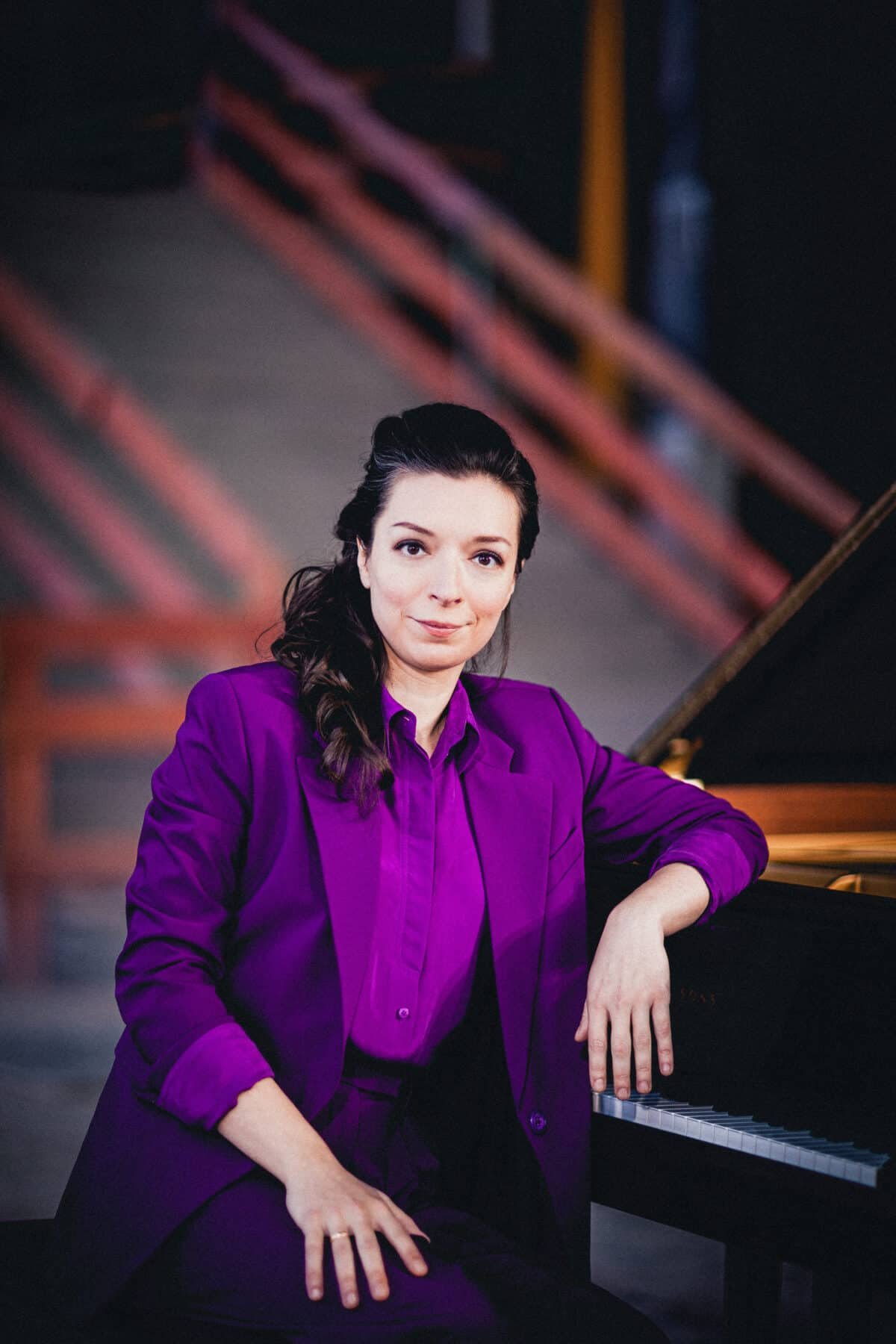
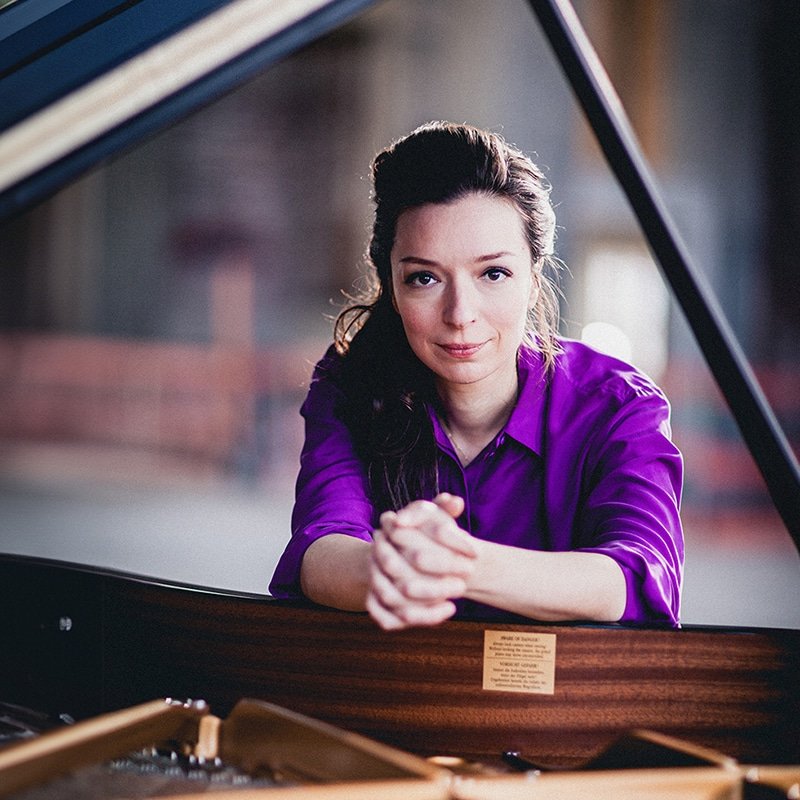
Yulianna Avdeeva commands the global classical music stage with a rare combination of intellectual rigor, emotional depth, and formidable technical power. Her approach to the piano avoids superficial flashiness, favoring instead a profound structural understanding of the score that allows the composer’s true voice to emerge unhindered. When she sits at the keyboard, every phrase is shaped with meticulous care, balancing crystalline clarity in polyphonic lines with thunderous emotional outbursts during climactic passages. This uncompromising artistic vision has earned her a dedicated international following, particularly in Japan, where audiences deeply appreciate her intense concentration and sincerity.
The physical intensity of Avdeeva’s playing is matched by an extraordinary sensitivity to tone color and nuance. She treats the piano not merely as a percussive instrument, but as a vast orchestra capable of whispering delicate secrets or unleashing overwhelming sonic waves. Her interpretations are informed by deep historical research and a visceral connection to the core psychological landscape of the music she performs. This allows her to bridge centuries of compositional style, making historical masterpieces feel entirely contemporary and urgent to modern listeners.
On stage, Avdeeva projects an aura of absolute focus and authority that immediately commands the attention of the entire hall. Every gesture is purposeful, directing the energy of the performance straight into the hearts of the listeners without any extraneous theatrical distraction. This absolute dedication to the music creates an atmosphere of high seriousness and shared emotional discovery, transforming a routine recital into a profound artistic event.
The upcoming Tokyo performance highlights Avdeeva’s unique ability to curate programs that challenge both the performer and the listener. By placing cornerstone romantic literature side by side with radical contemporary works and Japanese premieres, she demonstrates the continuous evolution of keyboard art. Attendees are treated to a masterclass in pianistic execution guided by one of the most compelling musical minds of our time.
- Uncompromising artistic integrity prioritizing deep structural fidelity over superficial showmanship
- Extraordinary command of tone color, dynamic range, and acoustic shading across the keyboard
- Visceral emotional intensity combined with razor-sharp intellectual clarity in complex passages
- Deep dedication to uncovering the psychological and historical subtext of every performed work
- Captivating stage presence characterized by intense focus and total economy of physical gesture
- Seamless mastery over diverse compositional idioms ranging from Baroque counterpoint to modernism
- Renowned international reputation built on decades of acclaimed global performances and recordings
2010 International Chopin Piano Competition Legacy
Winning first prize at the prestigious 2010 International Chopin Piano Competition in Warsaw marked a watershed moment in Yulianna Avdeeva’s career, launching her onto the international A-list of concert pianists. As only the fourth woman in history to win this legendary competition—and the first in forty years at the time—she captured global attention with her fierce, uncompromising, and deeply mature interpretations of Chopin’s music. This victory cemented her status as an authoritative voice in the interpretation of nineteenth-century Polish Romanticism.
The Chopin Competition is notoriously grueling, requiring competitors to navigate weeks of intense scrutiny across mazes of preludes, nocturnes, sonatas, and concertos under the watchful eyes of legendary jurors. Avdeeva’s triumph was characterized by her refusal to play it safe, choosing instead to emphasize the robust, revolutionary power hidden beneath Chopin’s salon elegance. Her performances avoided sentimental clichés, presenting the composer as a bold innovator whose music possessed structural steel alongside poetic grace.
In the years following her historic victory, Avdeeva’s relationship with Chopin’s music has continued to deepen and evolve. Rather than resting on the laurels of her competition success, she has used that foundation to explore wider musical horizons while maintaining her core identity as a premier Chopin specialist. Her recordings and live performances of the Etudes, Scherzos, and Polonaises remain benchmarks of modern pianistic excellence.
- Historic first-prize victory at the 2010 International Chopin Piano Competition in Warsaw
- Rare distinction as one of the few female pianists to claim the competition’s highest honor
- Rejection of sentimental clichés in favor of a robust, structurally rigorous approach to Chopin
- Lifelong dedication to exploring the revolutionary depth and architectural strength of Romantic piano literature
- Acclaimed global recordings establishing benchmark interpretations of core competition repertoire
- Deep-rooted resonance with international audiences who revere her authoritative Chopin pedigree
- Continuous artistic growth expanding far beyond competition boundaries while honoring her foundational legacy
Japan Tour Across Five Cities
The extensive 2026 Japan tour brings Yulianna Avdeeva to classical music lovers across five distinct cities, establishing a nationwide celebration of her extraordinary artistry. Spanning late November through early December, the itinerary covers major cultural hubs and regional centers, including Osaka, Kawasaki, Toyama, Tokyo, and Sendai. This broad geographic reach reflects her enduring popularity and deep cultural connection with Japanese audiences who eagerly anticipate her return.
- Nationwide multi-city concert tour spanning major cultural hubs and regional centers across Japan
- Carefully curated itinerary featuring premier acoustic auditoriums such as Tokyo Opera City and Osaka’s Symphony Hall
- Strategic scheduling running from late November through early December 2026
- Tailored programming offering regional audiences unique insights into her expansive classical repertoire
- Strong cultural exchange reinforcing the deep mutual appreciation between the artist and Japanese listeners
- Logistics optimized for pristine acoustic projection across diverse hall architectures and sizes
- Major seasonal milestone representing a premier highlight of the international classical calendar in Japan
Location
FAQ
What are the specific age guidelines and entry policies enforced by the venue for this piano recital?
Children under school age are strictly prohibited from entering the main concert auditorium to ensure an undisturbed listening environment for all patrons. This guideline preserves the absolute acoustic silence required for delicate solo piano passages and intense artistic concentration.
How are ticket purchases processed and distributed for this highly anticipated Tokyo engagement?
Tickets are handled through authorized ticketing partners, domestic playguides, and designated online platforms utilizing structured reservation windows. Buyers should review platform terms regarding purchase limits, payment deadlines, and physical ticket collection or delivery options.
Are program contents and scheduled musical selections subject to modification prior to the performance date?
Program schedules, pianist selections, and specific contemporary arrangements remain subject to change due to unforeseen operational or artistic requirements managed by organizers. Ticket holders should check official venue announcements regularly for any real-time updates regarding the recital repertoire.
Can ticket holders transfer or resell their admission vouchers if personal schedules unexpectedly change?
Ticket holders must adhere strictly to the terms and conditions outlined by authorized ticketing platforms regarding transfer restrictions and anti-scalping policies. Unauthorized commercial resales or secondary market markups risk immediate ticket invalidation without refund or entry privileges.
What steps should attendees take if they require assistance or have accessibility inquiries upon arrival?
Patrons seeking specific venue accessibility information, station navigation help, or facility assistance should consult official organizer help desks or venue staff. Ushers are stationed throughout the facility to guide visitors regarding elevator access and seating locations prior to showtime.
Are there any special VIP upgrade packages or exclusive meet-and-greet sessions included with ticket purchases?
This specific classical piano recital utilizes standard reserved seating tiers ranging from S-seats to B-seats rather than structured VIP upgrade packages. All attendees gain equal access to the main hall performance regardless of which standard seating tier they secure during sales.

Leave a Reply