

-
October 6, 2026
Event date:
-
December 13, 2026
Event end:
Story, Characters & World Premiere
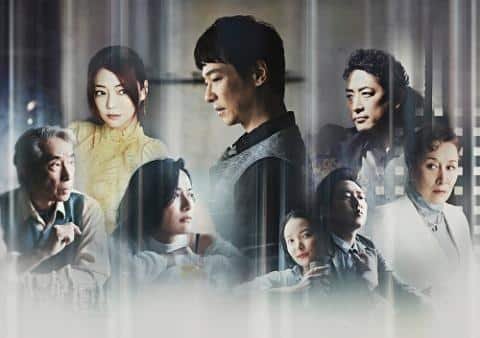
The world premiere of Three Ghosts introduces a hauntingly original theatrical landscape crafted specifically for this landmark Japanese production. The narrative unfurls as a gripping psychological puzzle where past grievances and unresolved regrets manifest in physical form. At the center of the plot are complex characters forced to confront the spectral remnants of choices made decades prior. This narrative framework uses supernatural elements not for cheap scares, but as a mirror reflecting deep-seated emotional truths and buried family secrets.
As the layers of the mystery peel back, the boundaries between the living protagonists and the enigmatic apparitions begin to blur dangerously. Each ghost represents a distinct facet of trauma, forcing the living characters to articulate regrets they have spent a lifetime avoiding. The unfolding drama examines how grief calcifies into resentment when left unaddressed, poisoning interpersonal relationships across generations. The story keeps viewers guessing through sharp narrative turns and profound philosophical inquiries into the nature of memory.
The creative pedigree behind the world premiere ensures that every plot beat is executed with razor-sharp dramatic precision and emotional resonance. Playwright Simon Stephens and director Sean Holmes have constructed a script where every spoken line carries immense subtextual weight. The characters are written with profound empathy, avoiding simple hero-villain binaries in favor of flawed, relatable humanity. Audiences are taken on an unpredictable journey that shifts effortlessly from eerie suspense to heartbreaking vulnerability.
Enjoy Your Event Stress-Free with Japan Travelo
Do you know? Planning events, festivals, concerts, and cultural experiences in Japan can be overwhelming. Japan Travelo brings everything together in one place, helping you manage your itinerary, transport, and accommodation with ease—so you can enjoy Japan without the stress of planning.
This high-profile premiere anchors its theatrical impact in the universal dread of facing one’s own past mistakes and missed opportunities. By translating these universal anxieties into a uniquely atmospheric stage environment, the production transcends standard dramatic conventions. The narrative leaves a lingering emotional footprint, challenging viewers to re-examine their own histories and relationships long after the final curtain falls. It stands as a monumental addition to contemporary international playwriting, debuting proudly on major Japanese stages.
- World premiere staging of an original psychological drama created by acclaimed international theatre makers
- Exploration of unresolved trauma, hidden regrets, and the ghosts of past personal decisions
- Blurring lines between living characters and spectral manifestations representing suppressed memories
- Nuanced character studies avoiding simple moral binaries in favor of complex human vulnerability
- Razor-sharp dramatic pacing maintaining constant psychological suspense from start to finish
- Interrogation of how unaddressed grief calcifies into lifelong emotional isolation
- High-stakes theatrical storytelling designed specifically to challenge and captivate modern audiences
- Seamless integration of supernatural mystery with grounded, deeply intimate human emotional truths
Event Schedule
- Event Date: October 6, 2026 (Tue) – December 13, 2026 (Sun)
- Event Duration: Approximately 2 hours and 15 minutes including one intermission break
Visiting this event? Don’t miss out on these amazing activities and local experiences while you’re here.
Masato Sakai’s First Stage Appearance in 17 Years
The casting of celebrated actor Masato Sakai marks a monumental milestone, representing his triumphant return to live theater after an absence of 17 years. Renowned for his magnetic screen presence and unmatched versatility across film and television, Sakai brings an extraordinary level of gravitas to the stage. His return has generated immense anticipation among theater critics and fans alike, eager to witness his legendary intensity live. This production harnesses his unique ability to command an audience with subtle micro-expressions and commanding vocal delivery.
Sakai’s performance anchors the emotional turbulence of the narrative, grounding the supernatural elements in raw, believable human conflict. His character navigates a labyrinth of moral dilemmas and psychological pressure, requiring a delicate balance of vulnerability and intellectual sharpness. Watching a master craftsman return to the theatrical medium offers a masterclass in pacing, timing, and emotional authenticity. Every gesture he makes on stage resonates with seasoned theatrical intelligence accumulated over decades of acclaimed acting.
The physical and emotional demands of headlining a complex world-premiere play highlight Sakai’s enduring commitment to challenging artistic material. His interaction with the supporting ensemble elevates the entire production, drawing fierce, committed performances from every cast member sharing the boards. The synergy between Sakai’s meticulous preparation and the director’s vision creates a crackling theatrical atmosphere unique to live performance. Fans will see an entirely new dimension of his legendary dramatic range unfold in an intimate theater setting.
- Historic theatrical comeback marking Masato Sakai’s first stage appearance in 17 years
- Unmatched dramatic intensity and screen-to-stage versatility brought by an acclaimed leading man
- Mastery of subtle micro-expressions, vocal modulation, and commanding physical stage presence
- Grounding of complex supernatural themes through grounded, authentic emotional realism
- Exceptional collaborative synergy elevating the performances of the entire supporting ensemble
- Absolute dedication to challenging, text-heavy contemporary dramatic material over commercial fare
- Unprecedented ticket demand driven by a momentous milestone in Japanese performing arts history
- Masterclass in live theatrical timing, patience, and profound psychological character excavation
Ticket Prices
- How Tickets Are Sold: Available through the official PARCO Stage online ticketing system, Ticket Pia, and authorized regional playguides across Japan
- Admission Type: Reserved seating entry requiring a valid digital pass or physical ticket for admission to the hall
- Ticket Pricing: Ranges from a minimum of $39.00 to a maximum of $78.00 depending on seat selection, venue location, and discount tiers
- Special Seating Options: Designated main floor reserved seating sections offering direct visual engagement with the stage performance
- VIP Options: Premium ticket bundles featuring commemorative tour merchandise programs and priority entry lanes at the venue doors
Getting to the Venue
- City and Country: Tokyo, Aichi, Osaka, Okayama, Fukuoka, and Miyazaki, Japan
- Venue Name: PARCO Theatre (Tokyo flagship run)
- Google Maps Address: 15-1 Udagawacho, Shibuya City, Tokyo 150-8377, Japan
Three Ghosts: Mystery, Memory & Human Relationships
- Interrogation of how suppressed memories resurface to disrupt established domestic routines
- Exploration of the haunting nature of unresolved guilt within long-term relationships
- Examination of the fine line separating objective reality from subjective psychological projection
- Unraveling of a complex narrative mystery driven by character confessions rather than plot gimmicks
- Highlighting the fragility of trust when secrets are finally dragged into the open light
- Celebration of human resilience when confronting the darkest chapters of personal history
- Philosophical meditation on how past ghosts shape present choices and future trajectories
Acting, Dialogue & Psychological Drama
The production relies heavily on the strength of its psychological drama, where dialogue acts as both weapon and shield between characters. The script dives deep into the subconscious motivations of each figure, exposing the rationalizations people use to survive their own regrets. Actors must navigate dense, emotionally volatile conversations that require absolute concentration and mutual trust on stage. This intense focus on internal life transforms standard dramatic scenes into gripping intellectual chess matches.
The naturalistic dialogue style strips away theatrical melodrama, forcing actors to convey profound agony and relief through understated delivery. Silences and pauses are utilized as active narrative components, carrying as much weight as spoken words during tense confrontations. This economy of expression allows audiences to tune into the subtle shifts in power and affection occurring between characters. The resulting psychological drama feels intensely intimate, as though viewers are eavesdropping on private therapy sessions.
The rigorous demands of this acting style require a cast capable of balancing technical precision with raw emotional vulnerability. Every performer maintains a razor-sharp awareness of rhythm, ensuring that the dialogue’s cadence builds atmospheric tension naturally. This commitment to psychological realism prevents the supernatural premise from ever feeling silly or artificial. It is a masterclass in ensemble acting that honors the intellectual rigor of modern theater.
- Intense focus on internal psychological realism over external theatrical spectacle
- Dialogue functioning as intricate verbal chess matches driven by hidden motivations
- Strategic utilization of silence and hesitation as powerful narrative delivery tools
- Understated emotional delivery replacing melodramatic outbursts for heightened authenticity
- Uncompromising demand for technical precision and mutual trust among the acting ensemble
- Seamless integration of supernatural elements into grounded psychological interrogation
- Masterful maintenance of atmospheric tension through rhythmic, naturalistic speech patterns
Direction, Stage Design & Theatrical Atmosphere
- Bold directorial vision helmed by Sean Holmes emphasizing spatial purity and emotional clarity
- Atmospheric lighting design carving out stark shadows to mirror internal psychological states
- Minimalist stage architecture prioritizing actor focus over distracting physical scenery
- Expert acoustic layering heightening the suspenseful, otherworldly tone of the narrative
International Collaboration & Contemporary Theatre
- Vibrant cross-cultural dialogue bridging British dramatic writing with Japanese performance culture
- Contribution to the global evolution of contemporary theater through bold world-premiere commissioning
- Expansion of Tokyo’s theatrical horizons via high-profile international creative partnerships
- Demonstration of how universal human themes transcend linguistic and cultural boundaries effortlessly
- Inspiration for future bilateral theatrical exchanges between UK and Japanese artists
- Elevation of contemporary playwriting standards through uncompromising artistic ambition
- Permanent addition to the canon of modern psychological drama performance history
Event Information
- Email: ticket@parco.jp
- Phone Number: +81 3-3477-5858
- Website: https://t.pia.jp/pia/event/event.do?eventBundleCd=b2669724
Simon Stephens & Sean Holmes’ New Play
The creative partnership between British playwright Simon Stephens and director Sean Holmes brings a distinct international pedigree to this Japanese production. Stephens, celebrated globally for his razor-sharp dialogue and structural innovation, crafts texts that interrogate the fragile underpinnings of modern life. Holmes matches this textual brilliance with a bold, kinetic directorial style that strips away unnecessary artifice to expose raw emotional truth. Together, their collaborative voice bridges Western theatrical traditions with contemporary Japanese sensibilities seamlessly.
The dialogue penned by Stephens avoids ornamental flourishes, instead relying on naturalistic rhythms that capture the awkwardness and urgency of real speech. Every sentence functions as a psychological maneuver, revealing the hidden power dynamics and unspoken anxieties operating between characters. Holmes directs these verbal exchanges with an eye for spatial tension, utilizing minimalist blocking to underscore emotional isolation. This creative synergy ensures that the play reads as a cohesive, tightly wound theatrical engine.
The decision to premiere this work in Japan highlights the borderless appeal of Stephens’ thematic explorations regarding human connection and memory. Holmes ensures that the physical staging respects the acoustic and visual intimacy of Japanese venues like the PARCO Theatre. This cross-cultural collaboration enriches the local theatrical landscape, introducing fresh directorial methods and rigorous text analysis. The resulting production stands as a triumph of international artistic exchange and creative daring.
- Celebrated creative collaboration between British playwright Simon Stephens and director Sean Holmes
- Textual brilliance characterized by sharp, naturalistic dialogue and psychological precision
- Kinetic directorial style stripping away theatrical artifice in favor of raw emotional confrontation
- Exploration of universal themes regarding human connection, memory, and modern alienation
- Careful adaptation of international theatrical standards to match Japanese venue architecture
- Masterful handling of spatial tension and minimalist stage blocking during intense exchanges
- Proof of concept for successful large-scale artistic partnerships between UK and Japanese creators
Location
FAQ
What is the primary narrative premise of the theatrical production?
The play explores a gripping psychological mystery where past regrets and suppressed memories manifest as physical apparitions. Characters are forced to confront the unaddressed trauma of their earlier choices through intense confrontations. This supernatural framing serves as a mirror for deep-seated emotional truths and human vulnerability.
How does Masato Sakai's return impact this specific project?
This production marks Masato Sakai's first stage appearance in 17 years, generating massive cultural and ticket interest. His return brings an extraordinary level of cinematic intensity and seasoned gravitas to the theatrical lead role. Fans and critics view his participation as a defining milestone in modern Japanese stage history.
Who are the principal creative forces behind the writing and direction?
The play is an original world-premiere work written by acclaimed British playwright Simon Stephens. It is brought to life under the bold, kinetic direction of British theatre maker Sean Holmes. Together, they bridge international dramatic standards with local Japanese performance excellence.
What can audiences expect from the multi-city tour schedule?
Following its flagship Tokyo run at PARCO Theatre, the production travels to Aichi, Osaka, Okayama, Fukuoka, and Miyazaki. Each venue is selected for its acoustic and visual suitability for intimate psychological drama. This extensive tour ensures regional audiences across Japan can experience the world premiere live.
What entry rules apply regarding age restrictions and ticket policies?
Children under school age are strictly prohibited from entering the auditorium to maintain an undisturbed viewing environment. Ticket transfers or unauthorized commercial resales are strictly banned under current Japanese anti-resale regulations. Patrons are advised to check official channels for ID verification guidelines upon arrival.
How does the production balance supernatural elements with realism?
The supernatural aspects are utilized strictly as psychological metaphors rather than cheap horror devices. The drama remains firmly grounded in naturalistic dialogue, human relationships, and emotional authenticity. This careful balance allows the play to function as a profound meditation on memory and guilt.

Leave a Reply