
-
September 21, 2026
Event date:
-
November 1, 2026
Event end:
What to expect in 2026
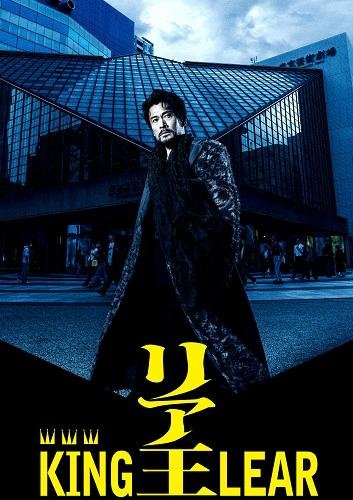
King Lear 2026 brings William Shakespeare’s tragedy to Japanese stages in a new production directed by Shintaro Mori and starring Masaaki Uchino as King Lear. The production runs from September 21 through November 1, 2026, beginning at Tokyo Metropolitan Theatre Playhouse before touring to Niigata, Aichi, Hyogo, Okayama and Fukuoka.
At the centre of the production is Uchino’s portrayal of Lear, an aging king whose attempt to divide his kingdom according to his daughters’ declarations of love sets off a devastating chain of betrayal, misjudgment, political conflict and family collapse. Mori’s staging places particular attention on the relationships between parents and children, the transfer of power, aging, loyalty and the consequences of failing to understand the people closest to you.
The production brings together a large ensemble of established Japanese performers. Alongside Uchino are Goki Maeda, Kai Inowaki, Kurumi Shimizu, Yuri Kawakami, Itsuki Uchida, Masashi Oyama, Keizo Nagashima, Masato Wada, Tetta Sugimoto and Kazuhiro Yamaji, among others.
Enjoy Your Event Stress-Free with Japan Travelo
Do you know? Planning events, festivals, concerts, and cultural experiences in Japan can be overwhelming. Japan Travelo brings everything together in one place, helping you manage your itinerary, transport, and accommodation with ease—so you can enjoy Japan without the stress of planning.
The production is based on the Japanese translation by Kazuko Matsuoka. Mori has described his approach as looking beyond Lear’s personal downfall to the rapid collapse of an entire social and political order. The result is intended to examine Shakespeare’s tragedy through themes that remain relevant to contemporary audiences, including aging, inheritance, family communication and the struggle for authority.
Event dates
King Lear 2026 is presented as a national tour covering six locations in Japan.
- Tokyo: September 21–October 4, 2026
- Niigata: October 8–9, 2026
- Aichi: October 17–18, 2026
- Hyogo: October 23–25, 2026
- Okayama: October 28, 2026
- Fukuoka: October 31–November 1, 2026
The opening Tokyo performance takes place on September 21 at 6:00 PM. The Tokyo engagement continues through October 4 with afternoon and evening performances, including an additional performance on September 24.
The final performances take place at J Kitakyushu Performing Arts Center on October 31 and November 1, bringing the national tour to a close.
Visiting this event? Don’t miss out on these amazing activities and local experiences while you’re here.
Venue & performance locations
Tokyo Metropolitan Theatre Playhouse
The Tokyo production is staged at the Playhouse of Tokyo Metropolitan Theatre, 1-8-1 Nishi-Ikebukuro, Toshima-ku, Tokyo. The venue is located immediately beside Ikebukuro Station and forms the main base for the production’s opening engagement.
Ryutopia Niigata City Performing Arts Centre Theatre
The Niigata performances take place on October 8 and 9 at Ryutopia Niigata City Performing Arts Centre Theatre, 3-2 Ichibanboridori-cho, Chuo-ku, Niigata City.
Kariya City General Cultural Center Iris Main Hall
The Aichi performances are held at the Main Hall of Kariya City General Cultural Center Iris, 2-104 Wakamatsucho, Kariya, Aichi. The three performances take place October 17–18.
Hyogo Performing Arts Center Hankyu Middle Theatre
The Hyogo engagement takes place at Hankyu Middle Theatre at Hyogo Performing Arts Center, 2-22 Takamatsu-cho, Nishinomiya, Hyogo. Performances run October 23–25.
Okayama Art Creation Theatre Harenowa Medium Theatre
The October 28 performance is held at the Medium Theatre of Okayama Art Creation Theatre Harenowa, 3-11-50 Omotecho, Kita-ku, Okayama. The performance begins at noon, with doors opening approximately 30 minutes beforehand.
J Kitakyushu Performing Arts Center Grand Hall
The final stop is the Grand Hall of J Kitakyushu Performing Arts Center, 1-1-1-11 Muromachi, Kokurakita-ku, Kitakyushu, Fukuoka. The tour concludes here with performances on October 31 and November 1.
Full programme
King Lear follows the downfall of Lear, an aging monarch who decides to divide his kingdom among his three daughters. Instead of simply transferring power, Lear asks each daughter to publicly declare how much she loves him.
Goneril and Regan respond with extravagant declarations. Cordelia refuses to flatter her father and speaks honestly. Lear interprets her honesty as rejection and banishes her, while also removing the protection of Kent, one of his most loyal supporters.
The kingdom then begins to fragment. Lear’s decision leaves him increasingly vulnerable as his older daughters gain authority and gradually withdraw the respect and protection he expected from them.
The parallel Gloucester storyline deepens the production’s exploration of family betrayal. Gloucester’s legitimate son Edgar is targeted through the schemes of his illegitimate son Edmund. Edmund manipulates those around him to advance his own position, turning family trust into a struggle for power.
As Lear loses political authority, his personal world also disintegrates. His confrontation with the storm becomes one of the central images of the tragedy, representing both the collapse of his external power and his growing awareness of human vulnerability.
The production also follows the increasingly violent consequences of political and family division. Gloucester’s fate, Edgar’s transformation, Edmund’s ambitions and the conflict between Goneril and Regan all contribute to the destruction of the existing order.
Mori’s interpretation places emphasis not only on Lear himself but on the collapse of an entire system. The director has described his intention to portray how quickly a world order can disintegrate, making the production about more than one king’s personal tragedy.
Featured productions & performers
Masaaki Uchino as King Lear
Masaaki Uchino leads the production in the title role. This is a role he has long wanted to play, and the production allows him to approach Lear at a stage of his own acting career when the character’s age and experiences provide a particularly significant perspective.
Goki Maeda as Edmund
Goki Maeda plays Edmund, Gloucester’s ambitious son. Edmund uses deception and carefully controlled relationships to pursue greater power. Maeda has described the character as someone who changes his outward behaviour depending on who he is dealing with while concealing his true intentions.
Kai Inowaki as Edgar
Kai Inowaki plays Edgar, Gloucester’s legitimate son. The production marks his first Shakespeare performance. Edgar is forced to survive after losing his position and becomes one of the play’s major examples of resilience after betrayal.
Kurumi Shimizu as Cordelia and the Fool
Kurumi Shimizu takes on two roles, Cordelia and the Fool. Her dual casting creates an important theatrical connection between two characters who relate to Lear in very different ways while providing contrasting forms of truth and perspective.
Yuri Kawakami as Goneril
Yuri Kawakami portrays Goneril, Lear’s eldest daughter. Goneril’s relationship with Lear becomes one of the catalysts for the kingdom’s collapse, and Kawakami has discussed the challenge of entering Mori’s distinctive Shakespearean world.
Tetta Sugimoto as Kent
Tetta Sugimoto plays Kent, the loyal nobleman who remains committed to Lear even after being rejected by him. Kent represents loyalty and truth within a story dominated by manipulation and political ambition.
Kazuhiro Yamaji as Gloucester
Kazuhiro Yamaji takes the role of Gloucester, whose family is torn apart by Edmund’s deception and Edgar’s forced exile. His storyline mirrors Lear’s family tragedy and expands the production’s exploration of parental misjudgment.
Shows & performances
The production presents Shakespeare’s complete dramatic world through a large ensemble rather than reducing the story to Lear alone. The two major family conflicts, Lear’s relationship with his daughters and Gloucester’s relationship with his sons, develop alongside one another.
The central performances are supported by characters including Albany, Cornwall and other members of Lear’s court. Masato Wada plays Albany, Goneril’s husband, while Masashi Oyama portrays Cornwall. Keizo Nagashima, Itsuki Uchida, Yuri Kawakami, Kurumi Shimizu and other members of the ensemble contribute to the wider political and family network.
The production’s dramatic focus is particularly suited to audiences interested in Shakespeare, contemporary Japanese theatre and psychologically driven performances. Mori’s direction is built around the instability of relationships, with characters repeatedly misreading one another and making decisions that accelerate the collapse around them.
The performance also explores the changing position of an aging ruler. Lear begins with enormous authority but gradually loses control over his family, kingdom and sense of identity.
Performance schedule
Tokyo
- September 21 – 6:00 PM
- September 22 – 2:00 PM
- September 23 – 2:00 PM
- September 24 – 12:30 PM and 6:00 PM
- September 25 – No performance
- September 26 – 12:30 PM and 6:00 PM
- September 27 – 2:00 PM
- September 28 – 6:00 PM
- September 29 – 2:00 PM
- September 30 – 12:30 PM and 6:00 PM
- October 1 – 2:00 PM
- October 2 – No performance
- October 3 – 12:30 PM and 6:00 PM
- October 4 – 2:00 PM
September 24 is an additional performance. September 27 has portable subtitle support available by advance reservation, while October 1 offers an audio guide for visitors with visual impairments, also by advance reservation. The October 3 performances are scheduled for video recording, so cameras will be present inside the theatre.
Niigata
- October 8 – 6:00 PM
- October 9 – 1:00 PM
Aichi
- October 17 – 12:00 PM
- October 17 – 5:30 PM
- October 18 – 12:00 PM
Doors open approximately 30 minutes before each performance.
Hyogo
- October 23 – 4:00 PM
- October 24 – 12:00 PM
- October 24 – 5:30 PM
- October 25 – 12:00 PM
Okayama
- October 28 – 12:00 PM
Fukuoka
- October 31 – 3:00 PM
- November 1 – 1:00 PM
Ticket types
Tokyo standard S Seat
The regular S Seat is approximately $76 for the Tokyo performances. Tokyo’s standard S Seat is the main premium reserved seating category.
Tokyo discounted S Seat
The first-half and evening-discount S Seat is approximately $63. This applies to designated performances marked as first-half or evening-discount shows.
Tokyo A Seat
The regular A Seat is approximately $57.
Tokyo U25
The U25 ticket is approximately $38 and is available to audience members aged 25 or younger, subject to availability and age verification.
Tokyo U18
The U18 ticket is approximately $6 for eligible audience members aged 18 or younger.
Tokyo side and bench seats
Side seats and bench seats are approximately $35. These seats have restricted or partial views; side seats are located in the second-floor restricted-view area, while bench seats have no backrest and may also have an obstructed view.
Aichi standard seating
Aichi standard reserved seating is approximately $76, with U25 tickets at approximately $38. Wheelchair seats are also approximately $76.
Hyogo reserved seating
Hyogo’s reserved seating is approximately $76.
Okayama reserved seating
The Okayama performance uses one standard reserved category at approximately $76.
Ticket amounts are approximate USD conversions of the official Japanese prices and may vary slightly with exchange rates.
Ticket release & booking
Tokyo general ticket sales opened on July 11, 2026 at 10:00 AM. Additional performances and additional seating were released from September 5. The production is sold through Tokyo Metropolitan Theatre Box Office, Ticket Pia, ePlus, Lawson Ticket and Confetti.
Niigata opened member sales on July 10, followed by general sales on July 18.
Aichi general sales began August 1, while Hyogo general sales began July 25.
Okayama scheduled general sales for mid-August, while Kitakyushu opened its Ticket Club Q member reservation period on September 13 and general sales on September 20.
Because individual performances can sell out at different rates, visitors should check the specific date rather than assuming that tickets remain available for the entire tour.
VIP & premium seating
There is no publicly announced VIP hospitality package, backstage tour or meet-and-greet package for King Lear 2026.
Tokyo’s S Seat functions as the principal premium reserved category, with regular S Seats priced above A Seats and discounted S Seat performances available on selected dates.
Tokyo also offers side seats and bench seats at a lower price, although these are not premium options because they may have restricted views.
Aichi has additional annotated seats released for performances, but these are restricted-view seats rather than VIP seating. The venue specifically warns that portions of the stage or production may be difficult or impossible to see from these locations.
Event rules
Preschool children are not permitted to attend the production. Age-discount tickets require identification at the theatre, and discounted categories are subject to limited availability.
Commercial ticket resale and purchasing tickets for commercial resale purposes are prohibited. Tickets cannot normally be cancelled or changed after purchase except where the performance is cancelled.
Wheelchair seating must be arranged in advance because spaces are limited. At some venues, wheelchair tickets are sold by telephone rather than through standard online booking.
The production may change its cast or performance information because of unavoidable circumstances. Visitors should check the latest official theatre information before attending.
Audience members attending the October 3 Tokyo performances should also be aware that cameras will be installed inside the theatre because those performances are being recorded.
How to get there
Tokyo
Tokyo Metropolitan Theatre is next to Ikebukuro Station, making rail travel the simplest option. Ikebukuro is served by JR lines, Tokyo Metro, Seibu and Tobu railway services.
Niigata
Ryutopia is located in central Niigata near Hakusan Park. Visitors can reach the theatre by bus or taxi from Niigata Station, with the journey generally taking around 15–20 minutes depending on traffic.
Aichi
Kariya City General Cultural Center is close to Kariya Station, making it practical to reach by JR or Meitetsu services. The centre is approximately a short walk from the station.
Hyogo
Hyogo Performing Arts Center is next to Hankyu Nishinomiya-Kitaguchi Station. The location makes rail travel particularly convenient from central Osaka and Kobe.
Okayama
Harenowa is in central Okayama’s Omotecho district. Visitors can use Okayama’s tram and bus network from JR Okayama Station, with the theatre within walking distance of central transit stops.
Fukuoka
J Kitakyushu Performing Arts Center is located within Riverwalk Kitakyushu in central Kokura. Kokura Station is the main rail gateway, with the theatre accessible by walking or local transportation.
Public transport & parking
Public transport is recommended for the tour because all six performance locations are in established urban cultural districts.
Tokyo
Ikebukuro Station provides extensive rail connections and is directly convenient for Tokyo Metropolitan Theatre. The venue’s proximity to the station makes driving unnecessary for most visitors.
Niigata
Visitors should consider buses or taxis from Niigata Station. Parking around central cultural facilities can become busy during major performances.
Aichi
Kariya Station provides convenient rail access to the Main Hall. Visitors travelling by car should check the cultural centre’s current parking arrangements before departure.
Hyogo
Nishinomiya-Kitaguchi is directly served by Hankyu railway services, making it the preferred option for many visitors travelling from Osaka or Kobe.
Okayama
Harenowa does not provide a dedicated large visitor parking area for event audiences. Public transport or nearby paid parking is therefore recommended.
Fukuoka
The J Kitakyushu Performing Arts Center is part of Riverwalk Kitakyushu, which has parking facilities. Visitors should allow additional time for parking and walking through the complex before reaching the Grand Hall.
Accommodation areas
Ikebukuro, Tokyo
Ikebukuro is the most convenient accommodation district for the opening Tokyo run. Hotels around the station provide immediate access to the theatre and extensive dining and shopping facilities.
Niigata Station
For the two Niigata performances, staying around Niigata Station provides convenient connections to the city centre and the theatre.
Kariya or Nagoya
Visitors attending the Aichi performances can stay in Kariya for proximity to the venue or use Nagoya as a larger accommodation base with more hotel choices and transport connections.
Nishinomiya or Osaka
For the Hyogo performances, Nishinomiya provides the shortest local journey, while Osaka offers a much wider selection of hotels and restaurants.
Okayama Station
Okayama Station is a practical base for the single October 28 performance and allows easy access to the city’s other attractions.
Kokura, Kitakyushu
Kokura is the most convenient base for the final Fukuoka performances because Riverwalk Kitakyushu and the performing arts centre are in the central district.
Dining & refreshments
King Lear is a theatre production rather than a food event, so dining options are concentrated around each venue.
In Tokyo, Ikebukuro has department-store restaurants, cafés, izakaya and international dining within walking distance of Tokyo Metropolitan Theatre. For evening performances, visitors should allow enough time to travel through the busy station area.
Niigata offers restaurants around Niigata Station and central Niigata, including local cuisine and seafood-focused establishments.
Kariya has restaurants around the station and cultural centre, while visitors staying in Nagoya can find a much larger range of dining options.
The Hyogo venue is particularly convenient for dining because Nishinomiya-Kitaguchi and the surrounding area contain cafés and restaurants. Visitors staying in Osaka can also dine before returning to the city.
Okayama’s Harenowa is located in the Omotecho district, surrounded by shopping streets, cafés and restaurants.
In Kokura, Riverwalk Kitakyushu contains multiple dining options, while the wider Kokura Station area offers restaurants suitable for both pre-show and post-show meals.
Accessibility
Tokyo Metropolitan Theatre provides several audience-support services for this production. Hearing-loop equipment operates in part of the auditorium throughout the Tokyo run. Portable subtitle equipment is available for selected performances for people who are deaf or hard of hearing, while an audio guide is available for people who are blind or have visual impairments. Both require advance reservation.
Wheelchair spaces are limited at Tokyo Metropolitan Theatre, and wheelchair users are asked to contact the Box Office before purchasing. Discounted admission is also available for holders of qualifying disability certificates or Mirairo ID, subject to advance arrangements.
At Hyogo Performing Arts Center, wheelchair seating is available by telephone reservation.
At Okayama, wheelchair users should purchase tickets and then contact the designated organiser in advance so appropriate seating arrangements can be made.
Visitors should contact the individual venue before travelling because accessible seating capacity and support services differ between tour locations.
Best performances to attend
Tokyo opening performance
September 21 is the first performance of the production and marks the beginning of the national tour. It is particularly significant for audiences interested in experiencing Mori’s new interpretation from its opening night.
Tokyo September 26
September 26 offers both a 12:30 PM and 6:00 PM performance, making it one of the more flexible weekend options during the Tokyo engagement.
Tokyo October 3
The October 3 performances at 12:30 PM and 6:00 PM are scheduled for video recording. Audience members attending should expect cameras inside the theatre.
Aichi October 17
October 17 has both a midday and evening performance, giving visitors two options on the same Saturday.
Hyogo October 24
The October 24 schedule includes both noon and 5:30 PM performances, making it convenient for visitors planning a full day around the theatre.
Final performance in Kitakyushu
The November 1 performance at 1:00 PM is the final scheduled performance of the national tour. It provides the closing opportunity to see the production in its original 2026 touring run.
Previous year’s highlights
There was no previous edition of this specific Masaaki Uchino and Shintaro Mori production in 2025. King Lear 2026 is a new staging created for the Tokyo Metropolitan Theatre’s 2026 programme and subsequently toured nationally.
The production is nevertheless part of a long tradition of Japanese Shakespeare performances. The Tokyo Metropolitan Theatre has positioned this King Lear within a programme examining classic works from contemporary perspectives, with particular attention to questions surrounding aging and the transfer of power.
The production also has a strong connection with Uchino’s recent work. In a 2025 television drama, he portrayed a character performing King Lear, and the experience contributed to his desire to eventually take on Lear himself on stage.
Mori and Uchino are also collaborating again after previous projects together, bringing an established director-actor relationship to this Shakespeare production.
Official tickets
The main official ticket information is provided through the King Lear production website and the individual theatre box offices.
Ticket Pia: https://t.pia.jp/pia/event/event.do?eventBundleCd=b2669095
Location
FAQ
What is the core narrative premise of this theatrical production?
The play chronicles the catastrophic consequences of an aging king's decision to divide his realm among his daughters. Driven by pride and poor judgment, he banishes his loyal child and falls victim to betrayal by the others. This descent plunges both royal households and the entire nation into madness, civil war, and ultimate ruin.
How does Masaaki Uchino approach the demanding title role?
Masaaki Uchino brings immense emotional gravity and physical stamina to his portrayal of the tragic monarch. He traces the character's trajectory from arrogant pride to broken vulnerability without relying on simplistic caricatures. His performance anchors the psychological intensity of the production and drives its central tragedy.
Who are the key creative forces behind the direction and staging?
The production is helmed by acclaimed director Shintaro Mori, known for his modern psychological clarity and text-driven staging. Working with an elite ensemble cast, Mori strips away Elizabethan artifice to focus on raw human desperation. This vision brings a fresh, contemporary relevance to Shakespeare's classic tragedy.
What can audiences expect from the extensive multi-city tour?
Following its flagship Tokyo run, the production travels to Aichi, Hyogo, Okayama, and Fukuoka prefectures. Each venue is carefully selected to provide optimal acoustic and visual engagement for intimate dramatic theater. This extensive schedule ensures regional audiences across Japan can experience the landmark staging live.
What entry rules apply regarding age restrictions and ticket policies?
Children under school age are strictly prohibited from entering the auditorium to maintain an undisturbed viewing environment. Ticket transfers or unauthorized commercial resales are strictly banned under current Japanese anti-resale legislation. Patrons are advised to check official booking channels for specific venue admission guidelines.
How does the production explore the themes of family and betrayal?
The play intertwines Lear's domestic tragedy with the parallel betrayal suffered by the Earl of Gloucester and his sons. Both subplots examine how unchecked ambition, pride, and poor communication poison generational bonds within families. Ultimately, it exposes the devastating human cost of misjudging those who offer genuine loyalty.

Leave a Reply