
-
July 31, 2026
Event date:
-
September 22, 2026
Event end:
Story & Brothers’ Relationship
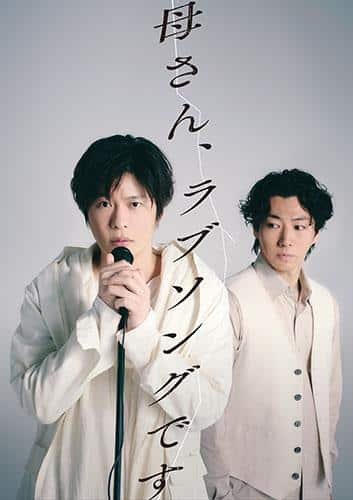
The emotional core of this production centers on the complex, fractured bond between two brothers navigating the wreckage of unfulfilled ambitions and shared family history. The older brother, once a celebrated hit musician, now finds himself adrift and down on his luck, drowning his fading glory in bitter nostalgia. Standing in stark contrast is his younger brother, who has spent years silently supporting, managing, and absorbing the collateral damage of his sibling’s erratic lifestyle. Written by Osamu Suzuki, the narrative traces their turbulent reunion in a cramped apartment where old grievances rise rapidly to the surface.
As the days unfold, the brothers are forced to confront the widening chasm separating their chosen paths through life, testing the limits of familial loyalty. The older sibling’s lingering ego clashes violently with the younger brother’s quiet exhaustion, exposing years of suppressed resentment and unspoken emotional debts. Yet, beneath the shouting and cynical banter lies an unbreakable, underlying affection forged through childhood memories and shared grief. The story captures the unique agony of loving someone who is slowly self-destructing right before your eyes.
The script treats their relationship with profound empathy, avoiding simple moral judgments while laying bare the messy reality of adult sibling dynamics. Every argument serves as a proxy for deeper questions about self-worth, responsibility, and the painful process of growing apart. Audiences watch as the brothers slowly peel back their protective armor, revealing the scared children still hiding inside grown men. This delicate emotional balancing act keeps viewers deeply invested in whether these two individuals can bridge the gap before time runs out.
Enjoy Your Event Stress-Free with Japan Travelo
Do you know? Planning events, festivals, concerts, and cultural experiences in Japan can be overwhelming. Japan Travelo brings everything together in one place, helping you manage your itinerary, transport, and accommodation with ease—so you can enjoy Japan without the stress of planning.
Ultimately, the narrative offers a poignant meditation on how family ties endure even when battered by repeated disappointments and financial ruin. The reconciliation between the brothers does not arrive wrapped in neat bows, but through hard-fought honesty and mutual vulnerability. It stands as a masterclass in contemporary domestic drama, exploring how love between siblings survives the harshest trials of existence. The final emotional payoff leaves a lasting imprint on everyone sitting in the auditorium.
- Exploration of a complex, turbulent sibling dynamic between a fading musician and his loyal younger brother
- Chronicling years of suppressed resentment, financial strain, and unexpressed emotional debts
- Striking contrast between the older brother’s defensive ego and the younger brother’s quiet exhaustion
- Unflinching depiction of adult sibling rivalry and the painful process of growing apart over time
- Revelation of vulnerable childhood bonds surviving beneath layers of adult cynicism and failure
- High-stakes domestic arguments serving as proxies for deeper existential questions about self-worth
- Hard-fought reconciliation built on unvarnished honesty rather than convenient narrative tropes
- Poignant universal reflection on how family loyalty endures through repeated disappointments
Event Schedule
- Event Date: July 31, 2026 (Friday) – September 22, 2026 (Tuesday/Holiday)
- Event Duration: Approximately 2 hours and 15 minutes including a standard intermission break between acts
Visiting this event? Don’t miss out on these amazing activities and local experiences while you’re here.
Music, Dreams & a Former Hit Musician’s Life
The haunting presence of past musical success hangs over the narrative like a ghost, shaping every decision the older brother makes. Once accustomed to the blinding lights of stardom, he now navigates a bleak reality of empty venues, forgotten melodies, and mounting debt. The play explores the psychological toll of creative burnout and the agonizing difficulty of letting go of past glory. Music in this production is not merely a background hobby, but a lost language through which the protagonist once expressed his soul.
- Haunting exploration of past musical stardom contrasting sharply with present-day obscurity and debt
- Psychological toll of creative burnout, fading glory, and the agony of lost public adulation
- Musical motifs and sheet music symbolizing the protagonist’s refusal to accept the passage of time
- Suffocating tension generated by clinging to past triumphs while ignoring harsh present realities
- Transformation of music from a source of torment into a vehicle for emotional healing and rebirth
- Satirical yet tender critique of the fickle nature of fame and transient public validation
- Cathartic realization that personal self-worth exists completely independent of commercial success
- Touching tribute to the creative resilience required to pick up the pieces after failure
Ticket Prices
- How Tickets Are Sold: Available via authorized Japanese ticket agencies, official online booking portals, and designated box office channels
- Admission Type: Reserved seating entry requiring a legally compliant digital pass or physical ticket for admission to the hall
- Ticket Pricing: Ranges from a minimum of $46.00 to a maximum of $102.00 depending on seat selection and specific tier availability
- Special Seating Options: Designated main floor and tiered gallery reserved seating sections providing focused views toward the performance stage
- VIP Options: Premium admission bundles featuring exclusive theatrical program pamphlets and priority venue entry privileges
Kei Tanaka & Hiroshi Yazaki’s Performances
The demanding roles of the two brothers are brought to breathtaking, visceral life by celebrated actors Kei Tanaka and Hiroshi Yazaki. Kei Tanaka channels an electric, unpredictable energy into the character of the down-on-his-luck former musician, balancing arrogance with heartbreaking desperation. His physical acting captures the restless agitation of a man whose best days are trapped permanently in the rearview mirror. Tanaka’s ability to pivot from arrogant bravado to shattered vulnerability within seconds leaves the audience completely transfixed.
Opposite him, Hiroshi Yazaki delivers a masterclass in grounded, nuanced acting as the long-suffering younger brother holding the family together. Yazaki communicates volumes through quiet reaction shots, weary sighs, and the heavy posture of a man carrying too much weight. His performance provides a steady, empathetic anchor for Tanaka’s explosive theatricality, creating a crackling dramatic current between them. The chemistry they share on stage feels lived-in and authentic, as though they have indeed spent a lifetime sharing the same blood and burdens.
The interplay between Tanaka and Yazaki elevates the production from a standard domestic play into a masterclass in ensemble character study. Every argument and quiet reconciliation feels charged with genuine emotional risk, demanding absolute concentration from both actors. Their vocal delivery is crisp and naturalistic, allowing the poetic subtext of Suzuki’s script to resonate without sounding forced. Watching two performers at the absolute peak of their craft go toe-to-toe on stage is an unforgettable theatrical privilege.
- Powerhouse lead performances by celebrated actors Kei Tanaka and Hiroshi Yazaki as the brothers
- Kei Tanaka’s electrifying balance of arrogant bravado, restless energy, and shattered vulnerability
- Hiroshi Yazaki’s grounded, nuanced portrayal of weary loyalty and quiet emotional endurance
- Masterful physical and vocal chemistry creating a lived-in, authentic sibling dynamic on stage
- High-stakes emotional risk transforming domestic arguments into gripping theatrical confrontations
- Complete investment of physical and emotional stamina driving widespread critical and audience acclaim
- Exceptional execution of complex character psychological shifts without relying on melodrama
- Definitive career highlights establishing both actors at the pinnacle of contemporary Japanese drama
Getting to the Venue
- City and Country: Sendai, Tokyo, Ueda, Nagoya, and Osaka, Japan
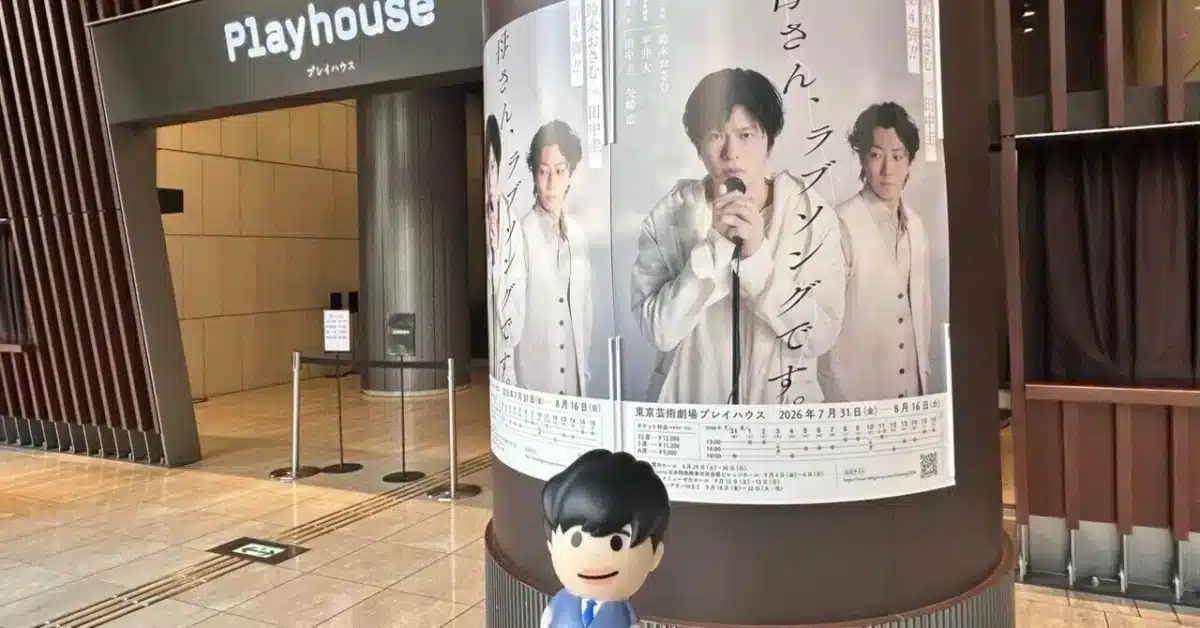
- Venue Name: Tokyo Metropolitan Theatre Playhouse (Tokyo flagship run)
- Google Maps Address: 1 Chome-8-1 Nishiikebukuro, Toshima City, Tokyo 171-0021, Japan
Event Information
- Email: support@japanconcerttickets.com
- Phone Number: +81 3-5391-2111
- Website: https://t.pia.jp/pia/event/event.do?eventBundleCd=b2668334
Osamu Suzuki’s Writing & Direction
- Visionary writing and direction helmed by prominent Japanese creator Osamu Suzuki
- Signature blend of sharp contemporary wit, fast-paced dialogue, and raw emotional vulnerability
- Meticulously calibrated pacing balancing comedic domestic bickering with devastating dramatic weight
- Fearless theatrical staging stripping away ornamental artifice to focus entirely on human relationships
- Naturalistic dialogue capturing the awkward rhythms and unspoken subtext of modern family life
- Brilliant translation of pop culture sensibilities into a deeply moving, intimate stage drama
- Uncompromising artistic vision ensuring a cohesive, unforgettable theatrical experience nationwide
Family Bonds, Sacrifice & Unspoken Feelings
- Deep interrogation of unconditional family sacrifice and the personal toll it exacts over decades
- Examination of the heavy emotional burden carried by siblings who act as lifelong caretakers
- Unspoken feelings and buried resentments finally dragging into the open during intense confrontations
- Sociological critique of familial obligation weighed against individual desires for personal freedom
- Celebration of enduring kinship surviving repeated financial ruin, betrayal, and heartbreak
- Quiet moments of grace and forgiveness balancing out the explosive, loud domestic arguments
- Lasting philosophical inquiry into whether blood ties alone can heal deeply fractured relationships
Love, Regret, Second Chances & Emotional Conflict
- Relentless examination of romantic and familial regret haunting the choices of middle-aged men
- The terrifying prospect of attempting a second chance at life after hitting absolute rock bottom
- Emotional conflict arising when past romantic failures mirror current domestic dysfunction
- Recognition that true love often requires letting go of selfish expectations and pride
- Sharp juxtaposition between bitter recrimination and sudden, overwhelming waves of tenderness
- Cathartic release achieved through uninhibited weeping and honest confessions of affection
- Uncompromising refusal to offer cheap happy endings, honoring the messy reality of human growth
Location
FAQ
What is the primary narrative premise of the theatrical production?
The play follows the tumultuous reunion of two brothers: an older sibling who was once a hit musician but is now struggling, and his devoted younger brother. Written and directed by Osamu Suzuki, the story explores their complex relationship, past regrets, and attempts at reconciliation. Through intense domestic friction, the narrative examines the enduring power of family bonds.
How do Kei Tanaka and Hiroshi Yazaki approach their lead roles?
Kei Tanaka delivers an electrifying performance as the volatile, down-on-his-luck former musician, capturing both arrogance and deep vulnerability. Hiroshi Yazaki provides a grounded, weary anchor as the younger brother who has silently supported him through years of hardship. Their chemistry drives the emotional core of the production with remarkable authenticity.
Who are the key creative forces behind the writing and direction?
The production is masterminded by prominent Japanese creator Osamu Suzuki, known for his sharp wit and emotional storytelling. His direction strips away theatrical artifice, focusing entirely on raw human relationships and naturalistic dialogue. This vision ensures a deeply engaging and cohesive theatrical experience for audiences nationwide.
What can audiences expect from the multi-city tour schedule?
Following its flagship Tokyo run at the Tokyo Metropolitan Theatre Playhouse, the tour visits Miyagi, Nagano, Aichi, and Osaka prefectures. Each venue is carefully selected to provide optimal acoustic and visual intimacy for intense dramatic theater. This extensive schedule allows regional fans across Japan to experience the landmark staging live.
What entry rules apply regarding age restrictions and ticket resales?
Children under school age are strictly prohibited from entering the auditorium to maintain an undisturbed viewing environment. Ticket transfers or unauthorized commercial resales are strictly banned under current Japanese anti-resale legislation. Patrons are advised to check official booking channels for specific venue admission guidelines.
How does the production incorporate music into the dramatic narrative?
Music functions as both a ghost of past glory and a potential vehicle for emotional healing and creative rebirth. The protagonist's obsession with his former hits creates tension, but writing new music eventually helps him confront his inner demons. This seamless integration of music enhances the play's themes of regret and second chances.

Leave a Reply