


-
September 19, 2026
Event date:
-
September 19, 2026
Event end:
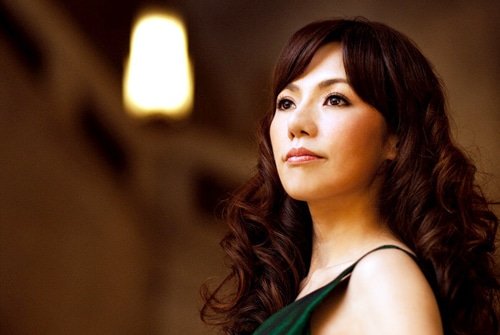
Maki Mori’s Soprano Voice & International Career
Maki Mori stands as one of Japan’s most celebrated coloratura sopranos, recognized internationally for her breathtaking vocal agility, crystalline tone, and profound musical intelligence. Having completed her advanced studies at the Tokyo National University of Fine Arts and Music alongside rigorous training in Milan and Munich, she built a formidable global career. Her notable achievements include winning awards at Plácido Domingo’s prestigious Operalia Competition and making her landmark United States debut at the Washington National Opera.
Throughout her illustrious career, Mori has collaborated with legendary conductors such as Seiji Ozawa, Chung Myung-Whun, and Fabio Luisi, performing alongside elite orchestras worldwide. Her voice possesses a rare luminous quality that effortlessly negotiates complex coloratura passages while maintaining deep emotional warmth and narrative clarity. Critics consistently praise her refined technical discipline and her capacity to imbue every aria and art song with genuine theatrical life.
As a proud recipient of numerous accolades including the Idemitsu Music Prize, the Washington Prize, and the Hotel Okura Prize, Mori remains a pillar of classical vocal excellence. Her performances bridge cultural divides effortlessly, bringing European operatic traditions and Japanese art songs into a harmonious and unified repertoire. Returning to the prestigious stage of Tokyo Opera City Concert Hall allows her to demonstrate the enduring maturity and grace of her celebrated instrument.
Enjoy Your Event Stress-Free with Japan Travelo
Do you know? Planning events, festivals, concerts, and cultural experiences in Japan can be overwhelming. Japan Travelo brings everything together in one place, helping you manage your itinerary, transport, and accommodation with ease—so you can enjoy Japan without the stress of planning.
This upcoming recital highlights an artist who continues to push her expressive boundaries through thoughtful programming and intense artistic dedication. Mori’s ability to connect intimately with her listeners transforms every concert space into a sanctuary of shared musical reflection. Attendees witness a master soprano operating at the absolute peak of her powers, celebrating a life devoted entirely to the vocal arts.
- Features internationally acclaimed coloratura soprano Maki Mori in a grand solo recital setting
- Highlights prestigious international training background spanning Tokyo, Milan, and Munich
- Celebrates major career milestones including success at Plácido Domingo’s Operalia Competition
- Showcases collaborations with legendary conductors like Seiji Ozawa and Fabio Luisi
- Possesses a crystalline, agile vocal timbre capable of breathtaking coloratura flexibility and warmth
- Honored with high-profile industry awards including the Idemitsu Music Prize and the Washington Prize
- Bridges European operatic masterpieces and Japanese lyrical compositions with seamless fluency
- Commands the stage with profound interpretive maturity, elegance, and captivating emotional presence
Event Schedule
- Event Date: September 19, 2026
- Event Duration: Approximately 2 hours including a standard intermission for classical vocal recital programs
Visiting this event? Don’t miss out on these amazing activities and local experiences while you’re here.
Mozart’s The Marriage of Figaro & Operatic Repertoire
Wolfgang Amadeus Mozart’s immortal operatic masterworks provide a brilliant classical foundation for the recital, showcasing the soprano’s mastery of Viennese stylistic elegance. Excerpts from “The Marriage of Figaro,” including the luminous aria “God of love, grant us peace” and “Those happy days,” highlight her profound affinity for Mozartian phrasing. Mori navigates the delicate balance of humor, poise, and emotional vulnerability required by these classic roles with effortless technical precision.
The inclusion of sacred and dramatic expressions from Beethoven’s oratorio “Christ on the Mount of Olives” further broadens the operatic scope of the afternoon. Selections such as “Praise the mercy of the Savior” and “Oh, you are saved” demand a soaring vocal intensity and grand spiritual gravity. Mori executes these demanding orchestral vocal lines with unyielding power and reverent stylistic authenticity.
The juxtaposition of Mozartian wit and Beethovenian grandeur illustrates the sheer breadth of Mori’s dramatic vocal capabilities on the recital stage. Every character portrait is drawn with sharp psychological insight and rich tonal color, bringing the theatrical plots vividly to life without staging. It serves as a masterclass in how operatic excerpts should be interpreted within an intimate concert environment.
- Explores the timeless elegance and vocal brilliance of Wolfgang Amadeus Mozart’s operatic writing
- Features iconic Figaro selections including God of love, grant us peace and Those happy days
- Incorporates grand spiritual drama through Beethoven’s oratorio Christ on the Mount of Olives
- Demands absolute stylistic purity, clean articulation, and sophisticated breath control
- Balances lighthearted classical charm with intense, soaring vocal lines across dramatic contexts
- Translates complex theatrical characters into vivid concert performances using pure tone and color
- Showcases the soprano’s deep historical reverence for canonical European vocal literature
Ticket Prices
- How Tickets Are Sold: Available through the Japan Arts Pia Call Center, online ticketing portals, and major ticket agencies across Japan
- Admission Type: Assigned seating configuration within the main hall with strict entry regulations barring preschool-aged children
- Ticket Pricing: Ranging from a minimum of $20 to a maximum of $40 depending on seating tiers and advance booking choices
- Special Seating Options: Tiered balcony configurations and accessible hall seating sections designed for optimal acoustic clarity and sightlines
- VIP Options: Front orchestra sections providing closest proximity to soprano Maki Mori and collaborative pianist Shigeto Yamagishi
Sea, Sky, Hope & the Concert’s Emotional Theme
The overarching conceptual theme of the recital revolves around being embraced by the sea, gazing up at the sky, and looking toward a future where flowers bloom. This poetic framework infuses the diverse program of German, Italian, and Japanese works with a singular, cohesive spiritual narrative. Music acts as a vehicle for healing, reflection, and quiet optimism throughout the afternoon’s journey.
Toru Takemitsu’s atmospheric masterpiece “Small Sky” anchors this thematic exploration, utilizing impressionistic harmonic textures to evoke vast natural spaces and delicate introspection. Following this, Kunihiko Murai’s uplifting anthem “Give me wings” expands the horizon, inspiring a sense of liberation and upward aspiration. These pieces resonate deeply with the concert’s central message of emotional resilience and renewal.
By structuring the repertoire around themes of nature and future hope, Mori guides the audience through a cathartic psychological progression. Listeners transition from solemn spiritual petitions to joyful celebrations of life, all unified by the pure beauty of the soprano voice. It is a thoughtfully curated thematic tapestry that lingers long after the final note fades.
- Centers on a powerful conceptual motif of sea, sky, and a future where flowers bloom
- Unifies disparate musical genres and historical eras under a single emotional and spiritual narrative
- Features Toru Takemitsu’s impressionistic masterpiece Small Sky to evoke vast natural imagery
- Incorporates Kunihiko Murai’s uplifting anthem Give me wings to inspire liberation and hope
- Guides listeners through a cathartic psychological progression from solemn reflection to joyful renewal
- Enhances the intimacy of the chamber recital format with evocative, nature-inspired poetry
- Delivers a deeply comforting and restorative artistic experience for all attendees in the hall
Getting to the Venue
- City and Country: Tokyo, Japan
- Venue Name: Tokyo Opera City Concert Hall: Takemitsu Memorial
- Google Maps Address: 3 Chome-20-2 Nishishinjuku, Shinjuku City, Tokyo 163-1403, Japan
Yoko Kanno’s “Hana wa Saku” & Japanese Music
The concert program embraces deeply moving Japanese compositions, highlighted by Yoko Kanno’s universally beloved anthem “Hana wa Saku” (Flowers Will Bloom). Written to inspire hope and remembrance, the song receives a transcendent vocal treatment that elevates its emotional message across the hall. Mori’s heartfelt delivery honors the collaborative spirit and cultural resonance embedded within contemporary Japanese vocal writing.
Complementing this are exquisite selections from Yoshinao Nakata, whose art songs like “When I feel sad,” “I talked to the fog,” and “Salvia” capture subtle domestic poetry. Nakata’s lyrical idiom allows the soprano to explore quiet introspection and nostalgic warmth through transparent diction and smooth melodic phrasing. Each song unfolds like a delicate watercolor painting translated into sound.
- Features the inspiring contemporary anthem Hana wa Saku (Flowers Will Bloom) composed by Yoko Kanno
- Incorporates expressive art songs by Yoshinao Nakata including Salvia and When I feel sad
- Explores sophisticated modern Japanese poetry through Makiko Kinoshita’s acclaimed song cycles
- Emphasizes transparent tone production, pristine diction, and deep emotional sincerity
- Balances melancholy introspection with uplifting messages of hope, renewal, and remembrance
- Celebrates the vibrant evolution of Japanese art song literature on prestigious concert stages
- Fosters an intimate, culturally resonant connection between the performer and the audience
Classical Vocal Expression & Recital Experience
- Showcases flawless breath management, shimmering high registers, and seamless register transitions
- Subordinates technical display to serve transparent poetic storytelling and emotional truth
- Maintains immaculate pitch precision and careful vowel coloring across multi-lingual texts
- Fosters an intimate acoustic atmosphere within the world-class Tokyo Opera City Concert Hall
- Blends the sensitive collaborative piano accompaniment of Shigeto Yamagishi into a unified dialogue
- Creates an unforgettable live performance experience marked by elegance, warmth, and artistic mastery
Event Information
- Email: support@japanarts.co.jp
- Phone Number: +81 3-5774-3040
- Website: https://t.pia.jp/pia/event/event.do?eventBundleCd=b2667313
Location
FAQ
What is the overarching thematic concept behind Maki Mori's 2026 Tokyo recital program?
The concert is framed around being embraced by the sea, looking up at the sky, and moving toward a hopeful future. This poetic thread unites classical arias, oratorios, and modern Japanese art songs into a single healing narrative.
Are children under school age permitted to enter the Tokyo Opera City Concert Hall?
Children under school age are strictly prohibited from entering the auditorium during performances. This standard venue rule ensures an undisturbed, quiet listening environment for all patrons present.
How should international fans secure tickets for this major Tokyo performance?
Overseas visitors can purchase tickets online through Japan Arts Pia, the official Tokyo Opera City Ticket Center, or authorized agencies. Booking reservations well in advance is highly recommended due to the high demand for this soprano.
What special collaborative role does pianist Shigeto Yamagishi play in the recital?
Shigeto Yamagishi serves as an equal collaborative partner at the piano throughout the demanding program. His sensitive touch, dynamic balance, and precise timing anchor the diverse European and Japanese repertoire.
Why is the Tokyo Opera City Concert Hall ideal for hosting this specific vocal recital?
The venue features world-class architectural wood acoustics designed specifically for pure sound distribution. This acoustic perfection allows every delicate nuance of the soprano voice to reach listeners without artificial amplification.
What is the recommended arrival time for patrons attending the afternoon concert?
Concertgoers are strongly encouraged to arrive at least thirty minutes prior to the scheduled curtain time. Arriving early guarantees smooth ticket checks, unhurried seating, and full compliance with venue entry regulations.

Leave a Reply