
-
March 1, 2027
Event date:
-
March 14, 2027
Event end:
Overview
Omizutori is the popular name for the Shuni-e Ceremony, one of Japan’s oldest continuously practiced Buddhist ceremonies. It takes place every year at Nigatsu-dō Hall at Tōdai-ji Temple in Nara, running from 1 to 14 March. The 2027 ceremony is therefore scheduled for 1–14 March 2027.
For more than 1,200 years, monks have performed this demanding two-week ritual of repentance and prayer. The ceremony is particularly famous among visitors for the enormous burning torches carried before Nigatsu-dō each evening, but the fire displays are only one part of a much deeper Buddhist tradition.
The ceremony combines prayers for repentance, the protection of society, peace, a good harvest and the wellbeing of people with distinctive rituals involving fire and sacred water. The dramatic Otaimatsu torch ceremonies and the Omizutori, or sacred-water ritual, have made the event one of Nara’s most important annual cultural experiences.
Enjoy Your Event Stress-Free with Japan Travelo
Do you know? Planning events, festivals, concerts, and cultural experiences in Japan can be overwhelming. Japan Travelo brings everything together in one place, helping you manage your itinerary, transport, and accommodation with ease—so you can enjoy Japan without the stress of planning.
Cultural Significance & Origins
Shuni-e is traditionally said to have begun in 752, the same year associated with the dedication of Tōdai-ji’s Great Buddha. It was established by Jitchū, a chief disciple of Rōben, who was the first chief abbot of Tōdai-ji. The ceremony has continued as a Buddhist practice for more than twelve centuries.
The formal purpose of Shuni-e is repentance before Eleven-Headed Kannon, the principal sacred figure of Nigatsu-dō. The monks perform penitential practices on behalf of people, seeking to remove misfortune and pray for peace, prosperity and a fruitful harvest.
Historically, the ritual also had a broader role in protecting the state. Natural disasters, epidemics and rebellions were understood as forms of illness affecting society, and prayers were therefore offered for the welfare of the people and the stability of the country.
Traditions, Rituals & Customs
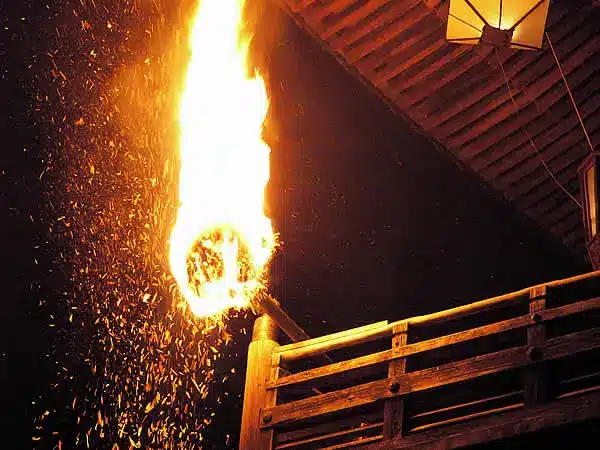
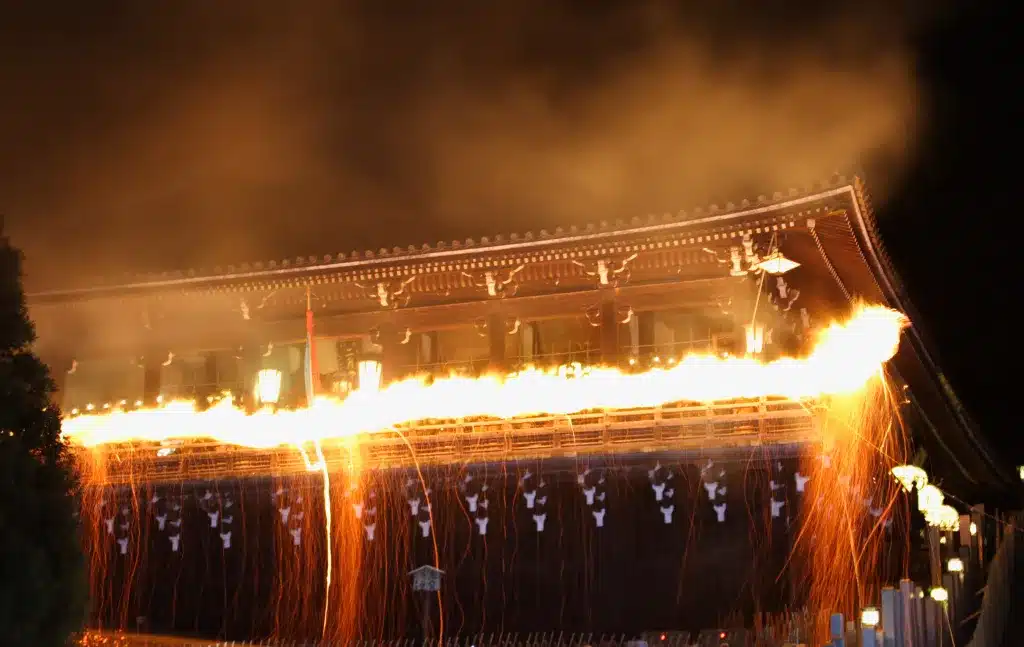
The best-known part of Omizutori is the Otaimatsu ceremony. Large flaming torches are carried by attendants known as dōji to illuminate the route as monks proceed to Nigatsu-dō. As the torches are moved, sparks fall towards the spectators below.
Tradition holds that the sparks provide protection from evil and misfortune. The spectacle is particularly dramatic because the large flames move quickly along the wooden balcony of Nigatsu-dō, creating a shower of sparks above the crowd.
The name Omizutori comes from the sacred-water ceremony held during Shuni-e. Water is drawn from the Wakasa Well at Nigatsu-dō and offered to Kannon. According to tradition, the water has sacred properties and is associated with healing and protection.
The ceremony also includes numerous Buddhist services that are not intended as public performances. Much of Shuni-e remains a solemn religious practice, and visitors should therefore understand that the spectacular evening torches represent only one visible part of the wider ritual.
What to Expect at the Ceremony
Visitors coming for the first time often focus on the torches, but Omizutori is best understood as a 14-day religious ceremony rather than a single fire festival.
The Otaimatsu is held during the Shuni-e period, creating a different atmosphere each evening. Large crowds can gather around Nigatsu-dō, particularly on the most famous torch nights. The experience combines the sound of Buddhist ceremonies, the movement of monks and attendants, the smell of burning wood and the sight of flames illuminating the historic temple.
The atmosphere becomes particularly intense after dark. Visitors should expect standing-room crowds in the popular viewing areas and should follow instructions from temple staff because the torches produce real flames and falling embers.
Date & Schedule
Omizutori 2027 will take place from:
Monday, 1 March – Sunday, 14 March 2027
Tōdai-ji’s official annual-event calendar lists 1–14 March as the Shuni-e period every year.
The ceremony consists of different rituals throughout the 14-day period. The Otaimatsu torch ceremonies occur during the evenings, while the final stages of the ritual include the famous sacred-water ceremony.
The 12 March Otaimatsu is particularly well known because the torches used that evening are traditionally much larger than those on ordinary nights. However, visitors should check the final 2027 visitor guidance for exact viewing arrangements and times.
Visiting this event? Don’t miss out on these amazing activities and local experiences while you’re here.
Main Events & Programme
The Otaimatsu is the event most visitors come to see. Large torches are carried before Nigatsu-dō, with the flames and sparks creating one of Nara’s most recognisable annual winter-to-spring scenes.
The final days contain some of the ceremony’s most important rituals. The Omizutori itself takes place in connection with the drawing of sacred water from the Wakasa Well. The water is ceremonially offered to the Eleven-Headed Kannon at Nigatsu-dō.
The wider Shuni-e programme includes Buddhist services and penitential practices conducted by the monks. Many of these are religious rites rather than public entertainment, and access to certain areas can be restricted.
Traditional Dress, Arts & Religious Practices
Omizutori is primarily a Buddhist religious ceremony rather than a costume festival. The monks and attendants wear traditional ritual clothing appropriate to their roles, creating a striking contrast with the crowds of modern visitors gathered outside Nigatsu-dō.
The ceremony is also important for its preservation of traditional Buddhist ritual practices. Chanting, incense, ceremonial movement, offerings, wooden ritual implements and the carefully controlled use of fire all form part of the wider experience.
Visitors should avoid treating the event simply as a photographic spectacle. Quiet observation and respect for the religious setting are particularly important because the ceremony remains an active Buddhist practice rather than a historical reenactment.
Traditional Food & Local Specialties
Omizutori itself is not primarily a food festival, but Nara offers plenty of opportunities to explore traditional Japanese cuisine before or after visiting Tōdai-ji.
Local specialities include kakinoha-zushi, sushi wrapped in persimmon leaves, and miwa somen, fine noodles associated with nearby Nara Prefecture. Visitors can also find traditional Japanese sweets and seasonal dishes around Nara Park and the old town.
During the evening Otaimatsu ceremonies, it is generally more practical to eat before heading towards Nigatsu-dō, particularly on crowded nights. Restaurants around Nara Station, Kintetsu Nara Station and the traditional Naramachi district provide the widest selection.
Location & Festival Areas
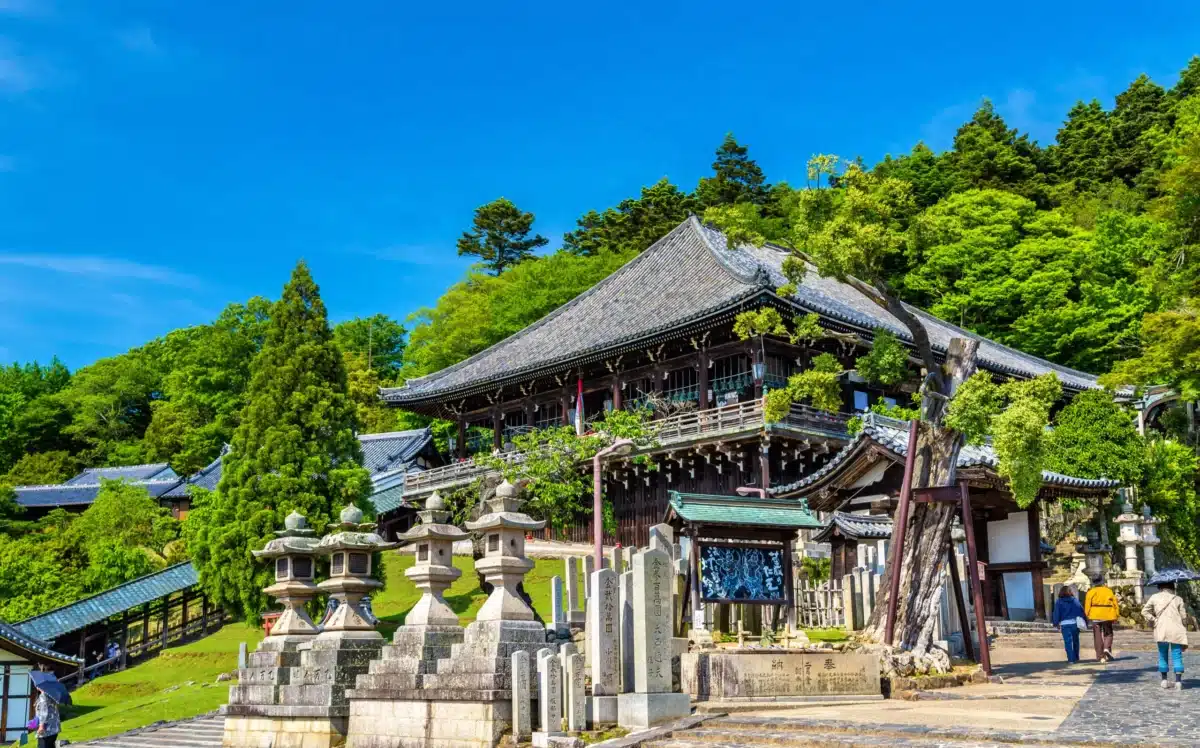
Omizutori takes place at Nigatsu-dō Hall, part of the Tōdai-ji temple complex in Nara Park. Tōdai-ji is located at 406-1 Zoshicho, Nara, Nara Prefecture.
Nigatsu-dō stands on a hillside within the eastern part of the Tōdai-ji grounds. Its elevated position provides the setting for the famous torch ceremonies, with the wooden structure and surrounding trees creating a particularly atmospheric backdrop after dark.
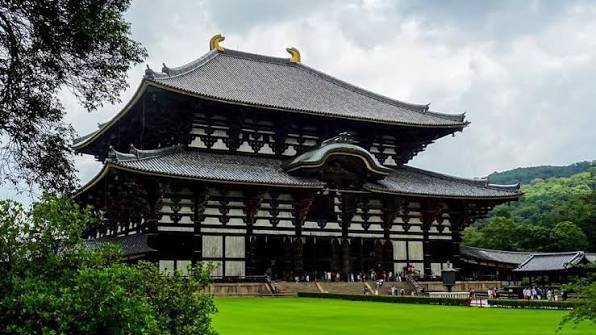
The wider Tōdai-ji complex is also one of Nara’s major attractions, home to the Great Buddha Hall and numerous historic Buddhist buildings.
Getting to Omizutori
Public transportation is the easiest option for visitors travelling to Omizutori.
Kintetsu Nara Station is the closest major railway station and is approximately a five-minute walk from the entrance to Nara Park. From there, visitors continue through the park towards Tōdai-ji and Nigatsu-dō.
JR Nara Station is farther away, with the walk to Nara Park taking approximately 20 minutes. Buses can also be used from the station area, although services may become crowded during the ceremony.
Visitors attending the evening Otaimatsu should allow considerably more time than on an ordinary sightseeing day. Crowds, pedestrian restrictions and limited viewing areas can make the final approach to Nigatsu-dō slower than expected.
Where to Stay Nearby
Staying around Kintetsu Nara Station, JR Nara Station or Naramachi is convenient for visitors attending Omizutori.
The Kintetsu Nara area is particularly useful because it provides relatively easy access to Nara Park while also offering restaurants, cafés and shops. Naramachi offers a more traditional atmosphere, with historic streets and renovated machiya houses.
Visitors can also stay in nearby Kyoto and make a day trip to Nara. However, anyone who wants to experience the evening Otaimatsu should consider staying overnight in Nara because returning to Kyoto late after a crowded ceremony can be less convenient.
What Visitors Can Participate In
Most visitors experience Omizutori as spectators rather than participants in the religious rituals. The Otaimatsu can be viewed from designated public areas around Nigatsu-dō, while the temple complex itself can be explored outside restricted ceremonial spaces.
Visitors should not attempt to enter areas reserved for monks or interfere with the ritual process. Photography may be possible from public viewing areas, but instructions from temple staff should always take priority.
The ceremony provides a rare opportunity to observe a Buddhist tradition that has continued for more than a millennium. For travellers interested in Japanese religious history, it offers a deeper experience than simply visiting Tōdai-ji as a conventional tourist attraction.
Things to Do Before or After the Ceremony
A visit to Omizutori can easily be combined with a full day exploring Nara.
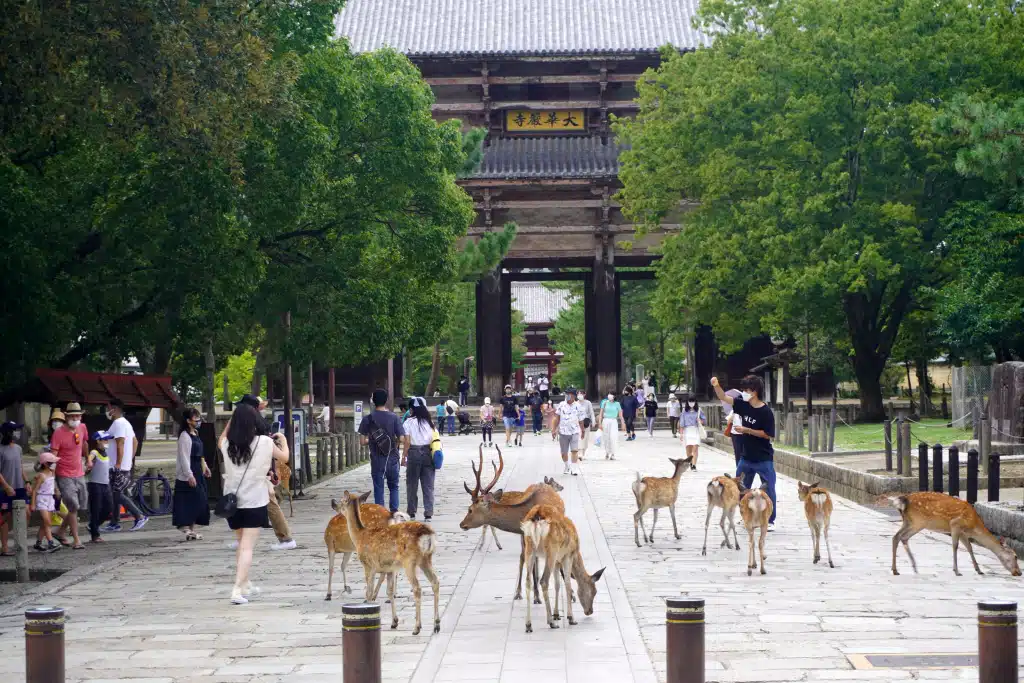
The most obvious attraction is Tōdai-ji’s Great Buddha Hall, one of Japan’s most famous Buddhist buildings. Visitors can also explore the surrounding Nara Park, where hundreds of deer roam freely.
Nearby Kasuga Taisha, Kōfuku-ji and the traditional streets of Naramachi provide additional opportunities to explore Nara’s religious and cultural heritage.
For visitors staying overnight, an evening walk through Naramachi or the areas around Nara Park can be a pleasant way to continue the trip after the daytime attractions have closed.
Local Food & Restaurants
Nara’s central districts offer a mixture of traditional Japanese restaurants, cafés and casual dining establishments.
Around Kintetsu Nara Station, visitors will find a particularly broad choice of restaurants serving local dishes as well as familiar Japanese cuisine. Naramachi is another good area for traditional dining, especially for visitors looking for restaurants housed in historic buildings.
Because the Otaimatsu attracts large crowds, visitors attending an evening ceremony should avoid leaving their meal until immediately before the torch display. Eating earlier also gives you more time to walk towards Nigatsu-dō and find an appropriate viewing position.
Ticket Information & Access
There is no general festival admission ticket for Omizutori. The ceremony is part of Tōdai-ji’s annual religious programme, and visitors can observe the public aspects of the event without purchasing a festival pass.
Access to specific areas can be restricted during religious ceremonies, and viewing arrangements for the Otaimatsu may vary depending on crowd levels and safety requirements.
The torches are large open flames, so visitors should remain in designated areas and follow instructions from temple staff. The busiest evenings may involve significant crowd-control measures.
Official Event Information
Event: Omizutori / Shuni-e Ceremony
Japanese: 修二会(お水取り)
Dates: 1–14 March 2027
Location: Nigatsu-dō, Tōdai-ji Temple, Nara, Japan
Main Highlights: Otaimatsu torch ceremonies and sacred-water ritual
Established: Traditionally begun in 752
Admission: Public viewing is generally free
The official event information is provided by Tōdai-ji Temple. https://www.todaiji.or.jp/en/
Japan’s official tourism organisation also provides visitor information about Shuni-e and Omizutori. Japan National Tourism Organization – Omizutori
Video
Location
FAQ
When is Omizutori 2027?
Omizutori 2027 will take place from 1 to 14 March 2027 at Nigatsu-dō Hall, Tōdai-ji Temple in Nara. The 14-day period is the established annual schedule for the Shuni-e Ceremony.
Why is Omizutori famous?
The event is particularly famous for its nightly Otaimatsu torch ceremonies, when large flaming torches are carried before Nigatsu-dō. Sparks fall from the torches towards the spectators, and tradition holds that they provide protection from evil and misfortune.
Is Omizutori held every year?
Yes. Tōdai-ji's official annual-event calendar lists Shuni-e every year from 1 to 14 March. The tradition is said to have begun in 752 and has continued for more than 1,200 years.
What is the Otaimatsu?
Otaimatsu refers to the dramatic torch ceremony held during Shuni-e. Large torches are carried by attendants known as dōji as monks proceed to Nigatsu-dō, producing bright flames and showers of sparks above the viewing crowds.
What is the sacred water of Omizutori?
The ceremony's name refers to the ritual drawing of sacred water from the Wakasa Well at Nigatsu-dō. The water is offered to the Eleven-Headed Kannon, and traditional beliefs associate it with healing and protection.
How long should I spend in Nara for Omizutori?
A full day allows time to visit Tōdai-ji, Nara Park and nearby attractions before attending the evening ceremony. Staying overnight for at least one night is even more convenient if you want to experience the Otaimatsu without worrying about a late journey back to Kyoto or Osaka.

Leave a Reply