
Overview
Ominato Nebuta is a fun way to experience a unique local festival right in people’s backyards. A great way to get to know Japan.
Ominato Nebuta is one of the most intimate and community-driven summer festivals in Aomori Prefecture. Held in the Ominato district of Mutsu City, the largest city on the Shimokita Peninsula, this festival brings enormous illuminated paper floats through narrow residential streets where families have lived for generations.
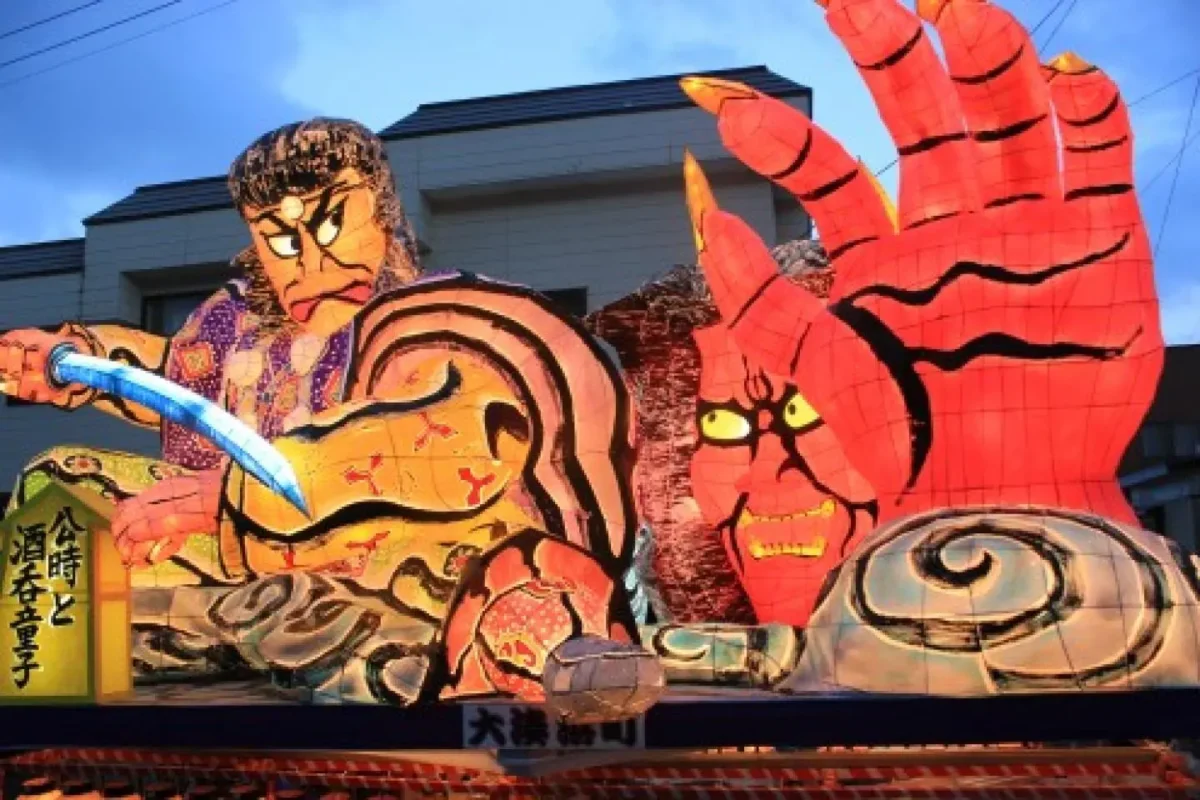
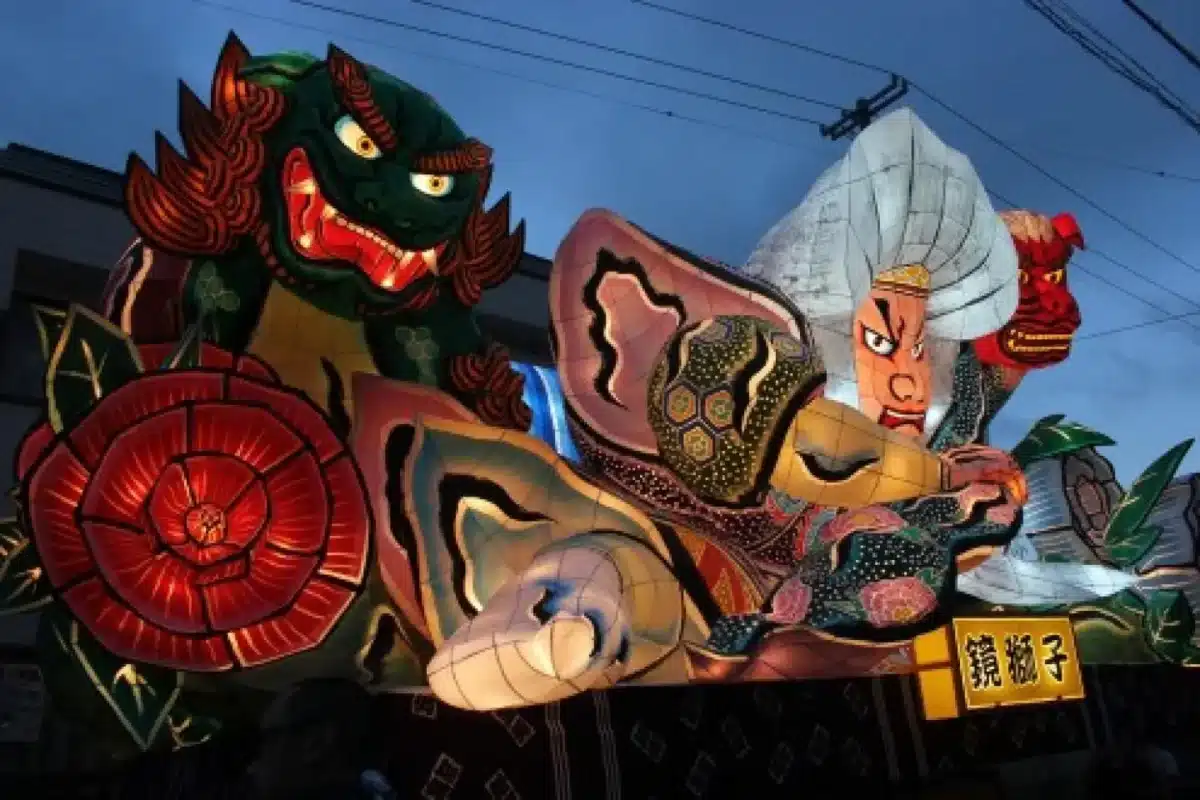
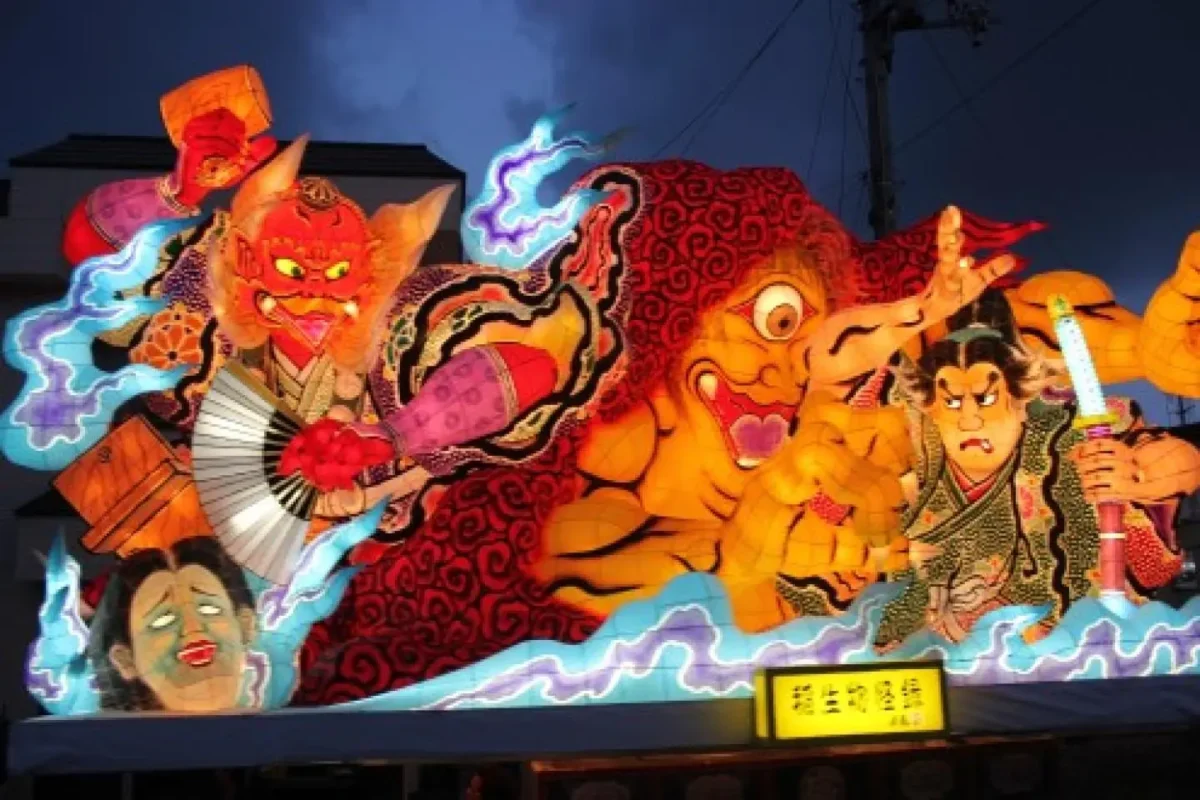
Unlike the massive Aomori City Nebuta that attracts millions, Ominato Nebuta retains a neighborhood festival atmosphere. Hundreds of local residents line the streets, set up barbecues in front of their homes, pull the floats themselves, and invite visitors to join. The floats are constructed with a skeletal wire frame covered in washi paper, lit from within to create an iridescent glow of mythical warriors, gods, demons, and Kabuki legends.
Enjoy Your Event Stress-Free with Japan Travelo
Do you know? Planning events, festivals, concerts, and cultural experiences in Japan can be overwhelming. Japan Travelo brings everything together in one place, helping you manage your itinerary, transport, and accommodation with ease—so you can enjoy Japan without the stress of planning.
Key Highlights:
- Community Scale: Much smaller than Aomori City’s version, allowing visitors to talk directly with float makers, drummers, and pullers.
- Unique JMSDF Participation: Features original gigantic floats created and operated by members of the Japan Maritime Self-Defense Force Ominato Naval Base.
- Street-Level Experience: Floats spin and turn within inches of houses, creating a powerful, immersive spectacle of taiko, flutes, and chanting.
- Free and Open: The entire viewing experience is free, with food stalls and local hospitality throughout the district.
Event Report Insight:
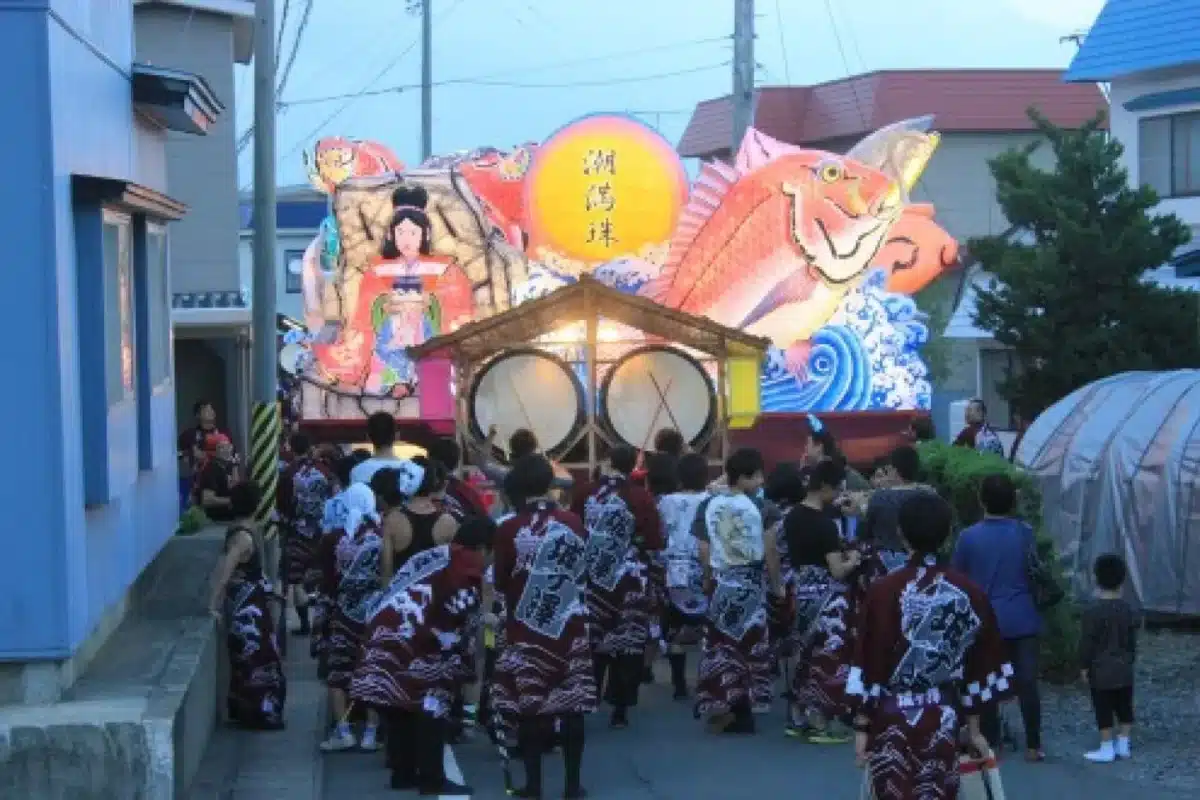
Walking through the streets overlain with sunset hues, the distant rumble of drums could be heard. The procession moves in waves through narrow roads. The first wave is often children in traditional clothes pulling small paper floats of cartoon characters. After them, older men with lanterns lead the way, followed by floats 10 feet high and 20 feet wide being pulled by volunteers from various neighborhoods or organizations. At various points the men spin the float around in a frenzy to impress onlookers, narrowly missing homes and people, while taiko drums beat in rhythmic fury with dancers in their trail.
Cultural Significance & Origins
The origins of Nebuta festivals across Aomori Prefecture trace back centuries and blend several historical threads.
Tanabata and Torii-oi Roots: The most widely accepted origin connects Nebuta to Tanabata lantern-floating rituals that arrived in the Tohoku region during the 17th century. During the Edo period, this merged with a local custom called torii-oi or nemutai nagashi, a ritual to dispel summer lethargy, drowsiness, and evil spirits. The word Nebuta itself comes from the Aomori dialect word nebutai meaning sleepy. The ritual was meant to chase away farmers’ drowsiness during the intense summer heat and purify the community by floating lanterns down rivers and into the sea.
Historical Legend: Another legend links the festival to the early 9th century shogun Sakanoue no Tamuramaro, who is said to have used flutes and taiko drums to attract the attention of enemies during battles in Mutsu Province. This story is still commemorated today with awards given to outstanding festival groups.
Ominato Specific History: The Ominato Nebuta Festival carries a history of more than one hundred years. Ominato was once its own independent port town before being fused with other towns to form present-day Mutsu City. As a historic naval port, the festival became a way for local neighborhoods, fishing families, and later the naval base personnel to express pride, pray for safety at sea, and celebrate summer harvests. The participation of the Japan Maritime Self-Defense Force is a distinctive cultural layer that symbolizes mutual trust and understanding between the local community and the base that has protected the Tsugaru Strait for decades.
Traditions, Rituals & Customs
Nebuta festivals across Aomori share a core structure, but Ominato has preserved particularly local customs.
Float Construction: Each nebuta is built by local teams called kumi or jinkai over several months. A bamboo and wire skeleton is shaped into dramatic scenes from Japanese mythology, history, or Kabuki theater. Washi paper is pasted over the frame and hand-painted with vivid colors. Inside, hundreds of light bulbs now replace candles, making the figures glow against the dark streets.
Hayashi Music: The festival is driven by Nebuta-bayashi, a powerful ensemble of taiko drums, hand cymbals called teburigane, and high-pitched flutes. The drummers set the pace for pulling and spinning the floats, and the rhythm is known to be infectious, encouraging haneto dancers to jump and chant Rassera.
Purification and Procession: Traditionally, the floats serve as floating lanterns that collect misfortune and impurities from the community. By parading them through the town and spinning them dramatically, evil spirits are believed to be driven away. Children often lead the procession, symbolizing purity and the future of the community.
Community Pulling: Unlike large city festivals where floats are on wheeled platforms pulled by machines, many Ominato floats are still manually pulled and maneuvered by neighborhood volunteers. Spectators are often invited to jump in and help pull ropes, share drinks, and become part of the festival rather than just watching.
What to Expect at the Festival
Visitors to Ominato Nebuta can expect an immersive, up-close experience that feels less like a tourist show and more like a neighborhood block party with giant glowing samurai.
Intimate Street Atmosphere: The parade route goes through narrow residential streets in the Ominato area, not wide boulevards. Houses open their front yards, families set up barbecue grills, coolers of beer and sake, and plastic chairs. The floats pass just meters from where you stand.
Spectacular Floats: Expect 10 to 15 large floats plus smaller children’s floats. The main floats depict dynamic figures like samurai standing in ocean waves fighting demons, gods wrapped in blue fire, fierce cyclops, dragons, and historical heroes. Each float is owned by a local group, company, or the JMSDF.
Powerful Performance: After each float comes a group of taiko drummers on carts, flute players, and haneto dancers in yukata costumes. The sound reverberates off houses. The highlight is when pullers spin the float 360 degrees in the middle of an intersection, a maneuver called mawashi that draws loud cheers.
Food Stalls and Hospitality: Yatai food stalls line the area near Mutsu Wellness Park and along the parade route, selling yakisoba, karaage, yakitori, kakigori, and local specialties. It is common for locals to offer visitors free drinks or snacks.
Fireworks Display: The opening night features a fireworks show over the water, illuminating the moored floats and the bay.
Date & Schedule
Event Dates: Early August 2027 (Dates TBD)
Ominato Nebuta is a fun way to experience a unique local festival right in people’s backyards. A great way to get to know Japan.
When? The first weekend of August ( Fri- Sun ). Friday: The floats are lined up by the water’s edge next to the Mutsu Wellness Park for viewing. It begins around 6 PM, but you can show up earlier to chat with the float makers or partake of the food stalls. Shortly after nightfall, a fireworks show is held. Note: There is no actual parade on Friday, just a viewing and the fireworks. Saturday and Sunday : The procession begins around 6 PM ( they sometimes start early or late ) and lasts until 8 PM, but revelers remain in the streets well past 8.
Detailed Schedule Breakdown:
- Friday Evening – Yoimiya and Float Exhibition: All participating nebuta floats are parked and lined up by the water’s edge next to Mutsu Wellness Park for static viewing. This is the best time for photography and conversation with craftsmen. Food stalls open in the afternoon. Fireworks begin shortly after nightfall over Mutsu Bay.
- Saturday Evening – Joint Procession Day 1: The main parade procession starts. Floats, drum groups, and dancers move through the Ominato district streets. The route typically circles around Ominato Station area and the Shinmachi shopping streets. The official procession ends around 8 PM but local celebrations continue.
- Sunday Evening – Joint Procession Day 2 and Finale: The second night of joint operation. Often considered the most energetic night, with all groups performing together. Many teams perform final spins and farewells before returning floats to storage.
Visiting this event? Don’t miss out on these amazing activities and local experiences while you’re here.
Main Events & Programme
The festival program is divided into static viewing and dynamic parades, with community participation at its core.
Float Illumination and Viewing: The Friday evening exhibition allows visitors to examine the floats up close without crowds pressing. You can see the brushwork, the internal light structure, and the artist signatures. Float makers often stand beside their creations explaining the myth depicted.
Fireworks Over Mutsu Bay: A mid-scale but beautiful fireworks display is launched over the water adjacent to the park. The reflection of fireworks on the bay with the silhouettes of the nebuta floats creates a memorable scene. This is a family-friendly event where locals bring picnic sheets.
Joint Operation Parade: The main program is the godo-unkou or joint operation on Saturday and Sunday evenings. All nebuta groups move together in a continuous procession. The order usually begins with children’s nebuta and small floats, followed by neighborhood association floats, company-sponsored floats, and finally the large JMSDF floats which are often the most technically elaborate.
Taiko and Haneto Performances: Each float is accompanied by its own hayashi band. Some groups stop at intersections to perform extended drum battles or dance circles where audience members can join as haneto. The JMSDF band is particularly renowned for its disciplined and powerful drumming.
Closing Ceremony: On the final night, float leaders often gather for a final bow and announcements for the next year. There is no formal sea release of floats like in Aomori City, instead floats are respectfully returned to community warehouses.
Traditional Arts & Float Craftsmanship
This section reflects the artistic heart of Ominato Nebuta.
Float Building Techniques: The construction begins with a design sketch inspired by Kabuki, Japanese folklore such as Yamata no Orochi, or historical epics like the Tale of Heike. Craftsmen weld a light steel and wire armature, then apply washi paper in layers. Painting uses sumi ink outlines and vivid mineral pigments. The internal lighting must be carefully balanced to avoid hot spots and to make colors like deep indigo and crimson glow.
JMSDF Craftsmanship: The floats produced by the Maritime Self-Defense Force Ominato Naval Base are famous for incorporating naval themes alongside traditional ones. Past themes have included samurai associated with the sea and mythical protectors of sailors. The base opens part of its workshop process to the public in the weeks leading to the festival, allowing residents to watch.
Paper Arts: Smaller workshops in Mutsu also make mini-nebuta lanterns and kingyo-nebuta, small goldfish-shaped lanterns that were traditionally toys for children during Nebuta season. These are available as souvenirs and are made with the same washi and bamboo technique.
Preservation: While Aomori City has the Wa Rasse Museum preserving large floats year-round, Mutsu City preserves Ominato Nebuta through community centers and the display of past floats at locations like Plaza Hotel Mutsu and local community halls. Local schools also teach children how to make small nebuta as part of cultural education.
Traditional Food & Local Specialties
Festival food in Ominato is hearty, port-town style, and heavily influenced by Shimokita Peninsula ingredients.
Festival Stall Foods: Standard yatai offerings include miso-grilled scallops, yakisoba with Shimokita garlic, karaage, oden, and yakitori. The cold sea breeze makes hot foods particularly popular.
Shimokita Specialties: Mutsu and the surrounding area are known for Oominato sea cucumbers, hotate scallops from Mutsu Bay, and ika squid. During festival season, many stalls sell ika-yaki and scallop skewers brushed with soy butter.
Local Sweets: Visitors should look for Mutsu’s specialty sweets like Ominato’s bean-based confections and apple products from greater Aomori Prefecture. Fresh apple juice is a common festival drink.
Drinks: Local sake from Aomori breweries and Hokuto craft beer are served. Many neighborhood groups distribute free sake and beer to pullers and visitors, a tradition called furumai that symbolizes community sharing.
Location & Festival Areas
Primary Location: Ominato, 7 Ominatoshincho, Mutsu-shi, Aomori-ken, Japan. The heart of the festival is the Ominato district, centered around Mutsu Wellness Park, Ominato Station area, and the Shinmachi shopping street.
Key Zones:
- Mutsu Wellness Park Waterfront: The Friday night exhibition and fireworks zone. Floats line up by the water’s edge here. Spacious, good for families and photographers.
- Ominato Station Front Route: The main parade artery. Narrow streets lined with houses and small shops. Best for immersive close-up experience.
- Shinmachi Shopping Street: A secondary parade loop where many neighborhood association headquarters are located. Food stalls concentrate here on Saturday and Sunday.
The entire festival area is walkable within 15 minutes. Because streets are narrow, there are no large grandstands. Viewing is standing or sitting on curbs and empty lots.
Getting to the Festival
Mutsu City is located at the northern tip of Honshu on the Shimokita Peninsula, requiring some planning to reach.
By Train: Take the Tohoku Shinkansen to Hachinohe Station or Aomori Station, then transfer to the Aoimori Railway and JR Ominato Line. The Ominato Line runs from Noheji Station to Ominato Station via Shimokita Station. Ominato Station is within a 5-minute walk of the festival area. From Tokyo, total travel time is approximately 5 to 6 hours.
By Bus: Shimokita Kotsu buses operate from Aomori City to Mutsu Bus Terminal. From the terminal, local buses or a short taxi ride connect to Ominato. Highway buses from Tokyo to Mutsu are available overnight, taking about 10 hours.
By Air: The nearest airport is Aomori Airport. From there, take a bus to Aomori Station and continue by train to Ominato. Misawa Airport is also an option with connections to Tokyo Haneda.
By Car: Driving via Tohoku Expressway to Aomori and then Route 4 and Route 279 to Mutsu. Parking during festival evenings is extremely limited in Ominato district. Visitors are advised to use paid parking near Mutsu City Hall or Shimokita Station and walk. Traffic control closes many streets from late afternoon on parade days.
Local Transport: During festival evenings, many local streets are closed to vehicles. Walking is the best mode. Shuttle services sometimes operate from Shimokita Station to Wellness Park on Friday.
Where to Stay Nearby
Mutsu City offers business hotels, traditional inns, and seaside lodgings, but they fill quickly during festival weekend.
Business Hotels in Mutsu:
- Plaza Hotel Mutsu: The main city hotel, known for displaying a nebuta float in its entrance year-round. Located near Shimokita Station, about 10 minutes by taxi to Ominato.
- Route Inn Grantia Mutsu: Modern business hotel with onsen baths, located centrally in Mutsu.
- Hotel Mutsu Hilltop and Green Park Hotel: Budget-friendly options popular with JMSDF families.
Ryokan and Minshuku: Small family-run guesthouses in Ominato and nearby Wakinosawa offer tatami rooms and home-cooked seafood dinners. These provide the most authentic experience but require early booking, often 6 months ahead.
Alternative Areas: If Mutsu City is fully booked, consider staying in Noheji, Aomori City, or Asamushi Onsen and traveling by train for the evening festival. Many visitors staying in Aomori City make a day trip to Ominato Nebuta to contrast it with the larger Aomori Nebuta.
Price Guidance: Based on previous editions, business hotel rooms during festival weekend range from 70 USD to 150 USD per night for single rooms, and 100 USD to 220 USD for twin rooms. Ryokan with two meals included range from 90 USD to 180 USD per person per night.
What Visitors Can Participate In
Ominato Nebuta is one of the easiest Nebuta festivals for outsiders to actively join.
Become a Haneto Dancer: Visitors can rent a haneto costume set consisting of yukata, straw hat, and bells for approximately 30 USD to 40 USD from local shops or the festival headquarters. Rules are simple: jump, dance, and chant Rassera along with the floats. No prior registration is needed for most neighborhood groups, just ask a group leader.
Help Pull a Float: Many neighborhood teams welcome extra hands to pull ropes. It is common to see visitors jumping in and out of the pulling line. This is done informally and is part of the festival’s welcoming nature. Always follow the pull leader’s instructions for safety.
Children’s Nebuta: Families with children can participate in the children’s parade section pulling small cartoon-character nebuta. These are often organized by elementary schools and local children’s associations.
Taiko Experience: Some groups allow visitors to try the taiko drums during breaks. The Mutsu Wellness Park area often has small practice drums set up for tourists on Friday evening.
Photography and Interaction: Unlike larger festivals with strict barriers, photographers can get extremely close and float makers often pose for photos. Sharing steps leading up to an empty lot with local residents, as described in event reports, is typical.
Things to Do Before or After the Festival
Mutsu City and the Shimokita Peninsula offer dramatic nature and cultural sites worth extending your trip.
Shimokita Peninsula Highlights:
- Osorezan: One of Japan’s three most sacred places, a caldera lake temple complex believed to be the gateway to the afterlife. Its volcanic landscape of barren rocks and sulfurous lakes is striking.
- Hotokegaura: Spectacular coastal rock formations resembling Buddhist statues, formed by wind and waves over millennia. Accessible by sightseeing boat from Wakinosawa or Mutsu Bay.
- Cape Oma: The northernmost point of Honshu, where you can see Hokkaido across the Tsugaru Strait. Famous for Oma tuna, one of Japan’s most prized bluefin tuna.
Mutsu City Attractions:
- Shimokita Geopark and Museum: Learn about the peninsula’s unique geology and history.
- Mutsu Science Museum and Waterfront: Family-friendly museum near the festival site.
- Tanabu Festival: If staying longer, the Tanabu Festival held later in the month parades five dashi wooden floats said to transport gods while outside their shrines, ending with a dramatic gosha wakare five-float farewell.
Onsen: The peninsula has numerous hot springs including Shimokita Onsen, Yagen Onsen hidden in a forest gorge, and Wakinosawa Onsen.
Local Food & Restaurants
Beyond festival stalls, Mutsu City has a strong food scene focused on seafood from Mutsu Bay and the Tsugaru Strait.
Seafood Restaurants:
- Local Izakaya in Ominato: Small izakaya around Ominato Station serve fresh sashimi platters featuring scallops, sea urchin, and flounder. Many open late after the parade.
- Mutsu Bay Scallop Restaurants: Specialty shops serving hotate in various forms: grilled, sashimi, fried, and in miso soup.
Ramen and Curry: Mutsu is known for Mutsu curry with scallops and for miso curry milk ramen, a unique Aomori specialty that combines miso ramen with milk and curry paste.
Cafes and Breakfast: Morning markets near Ominato fishing port sell fresh seafood rice bowls called nokkedon, where you choose toppings over rice. Good for breakfast before festival prep.
Estimated Costs: A typical lunch in Mutsu costs 8 USD to 15 USD. Dinner at an izakaya with drinks costs 25 USD to 50 USD per person. A premium tuna bowl at Oma can cost 30 USD to 60 USD depending on season.
Ticket Information & Access
Tickets: 0 USD. Admission to view the Ominato Nebuta Festival is completely free. There are no paid grandstand seats or official tickets required. This includes the Friday night float exhibition, the fireworks show, and the Saturday and Sunday parades.
Paid Options: While viewing is free, some optional costs include:
- Haneto costume rental: 30 USD to 40 USD
- Festival merchandise, mini lanterns, and towels: 5 USD to 25 USD
- Food stall items: 3 USD to 10 USD per item
Access: The festival area is open access with no gates. Crowd control is minimal due to the neighborhood scale. Arrive early to secure a good curbside spot, especially near intersections where spins occur. Wheelchair access is possible but challenging on narrow streets; the Wellness Park area on Friday offers the most spacious viewing.
Official Safety: Organizers ask visitors to follow police traffic control, not to block driveways completely, and to take trash with them. As floats are pulled close to spectators, keep children close and be aware of ropes and moving carts.
Official Event Information
Organizer: Ominato Nebuta Festival Executive Committee and Mutsu City Tourism Association with cooperation from Japan Maritime Self-Defense Force Ominato District
Official Website URL as text: www.city.mutsu.lg.jp and en.japantravel.com/aomori/ominato-nebuta/10252
Venue Address: Mutsu Wellness Park and Ominato District, 7 Ominatoshincho, Mutsu-shi, Aomori-ken 035-0084 Japan
Contact: Mutsu City Tourist Information Center, Shimokita Station area. Phone inquiries are typically available via Mutsu City Hall Tourism Division during business hours.
Notes for 2027: Pricing and detailed program have not yet been announced for 2027 edition. All prices shown in USD are based on previous editions from 2023 to 2025 and converted at recent rates. The event is held outdoors and proceeds rain or shine except in severe weather. Official updates including detailed map and traffic regulations are usually published in early July on the city website.
Location
FAQ
Is Ominato Nebuta Festival suitable for foreign visitors who don't speak Japanese?
Ominato Nebuta is exceptionally foreigner-friendly precisely because of its small scale. Locals are very welcoming and often approach visitors to explain floats, offer drinks, or invite them to pull ropes. English signage is limited, but the visual spectacle needs no translation. The Japan Travel guide notes it as a great way to get to know Japan in people's backyards. Many JMSDF members speak some English and can help with directions.
What makes Ominato Nebuta different from the famous Aomori City Nebuta Festival?
The Aomori City festival features up to 23 giant floats up to 9 meters wide, three million visitors, and massive grandstands. Ominato Nebuta features around 10 to 15 floats, several hundred to a few thousand visitors, and no grandstands. Floats are pulled through narrow residential streets at close range, allowing direct interaction with builders and performers. It also uniquely features floats made by the Maritime Self-Defense Force, which you will not see elsewhere.
Can I take photos and videos of the floats up close?
Yes, photography is not only allowed but encouraged. The Friday exhibition at Mutsu Wellness Park is ideal for close-up, well-lit photos without movement. During the Saturday and Sunday parades, you can photograph from the roadside as floats pass within a few meters. Organizers ask that you do not use flash directly into performers' eyes, do not enter the parade route with a tripod that blocks others, and always follow staff instructions when floats spin.
Do I need to reserve a hotel early for Ominato Nebuta weekend?
Yes, early reservation is strongly recommended. Mutsu City has limited hotel capacity, and the festival weekend coincides with peak summer travel in Aomori and the Tanabu Festival period. Business hotels in Mutsu City often fill 3 to 6 months in advance. If hotels in Mutsu are full, consider staying in Noheji, Aomori City, or Asamushi Onsen and traveling by JR Ominato Line. Many visitors book refundable rooms as soon as dates are confirmed.
Are there any rules for participating as a haneto dancer or float puller?
Haneto participation is open to anyone wearing the proper yukata costume, straw hat, and tabi shoes. You must not wear sandals or carry large bags while dancing. For pulling, you should wear comfortable closed shoes and gloves if possible. Always follow the group leader's commands, especially when floats are spun. Children should be accompanied by adults. Drinking while pulling is tolerated locally but organizers recommend moderation for safety, as ropes and large floats require coordination.

Leave a Reply