
-
February 18, 2027
Event date:
-
March 22, 2027
Event end:
What to expect
One of Kyoto’s most photogenic early spring scenes, the Weeping Plum and Camellia Festival at Jonangu Shrine transforms the sacred gardens into a living painting of soft pink, deep red, and moss green.
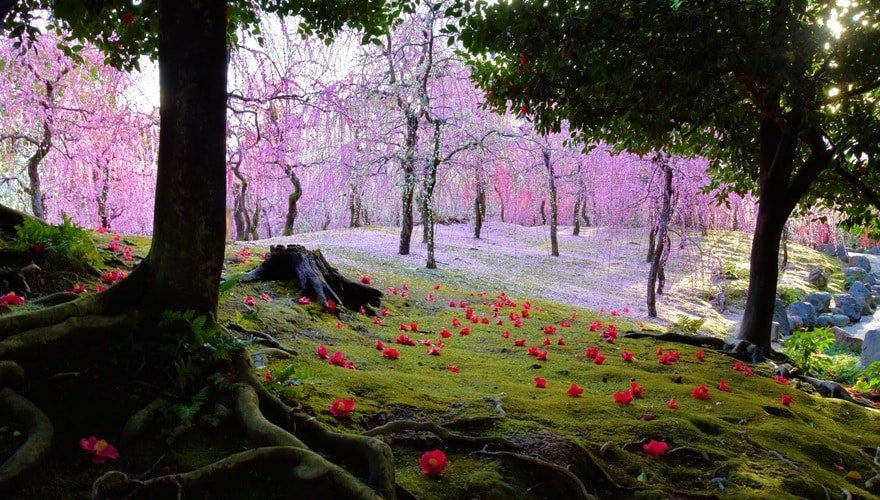
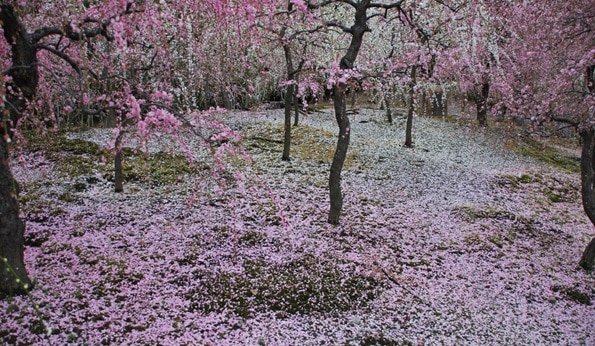
The festival showcases around 150 weeping plum trees, known as shidare-ume, that cascade with pink and white blossoms over a man-made hill called Haru-no-Yama, or Spring Mountain. Beneath them, the ground is covered in vibrant green moss, and scattered across it are fallen camellias in deep crimson, creating a rare and celebrated contrast. As the season progresses, fallen plum petals carpet the moss in what is known as plum blossom snow, a magical carpet that photographers travel across Japan to capture.
Guarding the southern edge of ancient Kyoto, Jonangu Shrine is revered for protection from misfortune and directional calamities. Each early spring, the garden Harunoyama creates one of Kyoto’s most celebrated plum views, where soft pink blossoms, deep-red fallen camellias, and green moss form a living tableau. During the festival, shrine maidens perform a graceful ritual dance holding plum branches, welcoming spring.
Enjoy Your Event Stress-Free with Japan Travelo
Do you know? Planning events, festivals, concerts, and cultural experiences in Japan can be overwhelming. Japan Travelo brings everything together in one place, helping you manage your itinerary, transport, and accommodation with ease—so you can enjoy Japan without the stress of planning.
Visitors can expect a serene, elegant atmosphere rather than a loud matsuri. The gardens are part of Rakusuien, a 30,000 square meter landscape divided into five historical garden styles representing Heian, Muromachi, and Momoyama periods. You will walk through winding paths, past ponds filled with colored carp, and under weeping branches that almost touch the moss. The scent of plum blossoms is subtle and sweet, and the occasional thud of a fallen camellia dropping intact to the ground is considered a prized moment to witness.
Event dates
Event Dates: February 18th to March 22nd, 2027
The Weeping Plum and Camellia Festival is held from February 18 to March 22 every year at Jonangu Shrine in Kyoto. For 2027, the official festival period is February 18th to March 22nd, 2027.
Viewing hours are typically 9:00 AM to 4:30 PM with last entry at 4:00 PM. The Umegae Kagura Dance by shrine maidens is performed daily at 10:00 AM and 3:00 PM during the festival period.
The best viewing time varies considerably depending on the year, so checking Jonangu’s official website and social media is recommended. In recent years, full bloom was reached on February 17 in 2024, while in 2025 the season only reached its peak on March 11, the latest since 2011. Late February is often considered the absolute peak for weeping plums, while camellias continue longer.
The festival takes place rain or shine, and the gardens are particularly beautiful after light rain when moss is vibrant and petals glisten.
Visiting this event? Don’t miss out on these amazing activities and local experiences while you’re here.
Venue & event locations
Main Venue: Jonangu Shrine, Fushimi Ward, Kyoto City
Address: 7 Nakajima Tobarikyu-cho, Fushimi-ku, Kyoto 612-8459 Japan
Primary Garden: Rakusuien Garden, the shrine’s beautiful garden designed in the 1960s by legendary landscape architect Nakane Kinsaku. It is divided into five distinct sections:
- Haru-no-Yama: The highlight for the festival. Heian period forest garden style, featuring a man-made hill covered in 300 camellia bushes and 150 weeping plum trees. This is where the pink carpet and fallen camellia display occurs. Lush, soft, and romantic.
- Heian Garden: Aristocratic style with large pond and winding stream yarimizu. This is the stage for the Kyokusui-no-Utage poetry party held in spring, where poets in Heian robes compose waka poems as sake cups float down the stream.
- Muromachi Garden: Zen-influenced with majestic stone arrangements and large pond with koi and Horaijima island symbolizing longevity.
- Momoyama Garden: Dry landscape karesansui style using vast lawn to represent Pacific Ocean and a pine pruned into shape of a European ship representing contact with the West.
- Jonang Rikyu Garden: Abstract garden using white pebbles to represent pond and large rocks marking where old palace buildings once stood.
Additional Locations:
- Main Shrine Hall: Where blessing ceremonies for travel safety and protection from misfortune are held.
- Kikusui Wakamizu Spring: Purification and drinking fountain said to cure illnesses, where locals fill water containers.
- Approach Road: Small market area with food stalls and plant market.
Full holiday programme
The programme during the festival period blends natural viewing with sacred rituals and seasonal sales.
Daily Garden Viewing: The garden is open for strolling and photography. Visitors follow a one-way path through Haru-no-Yama to appreciate weeping plums from multiple angles, then continue through the other four gardens. Rare camellia varieties and other plum varieties are grown throughout.
Umegae Kagura Sacred Dance: A sacred dance performed by shrine maidens holding a plum branch and wearing a plum blossom in their crowns. Performed daily at 10:00 AM and 3:00 PM at the Kagura hall near Heian Garden. The dance prays for health, safe travel, and protection from evil directions. It is a graceful, slow dance with elegant hand movements.
Camellia Appreciation: Jonangu has around 400 camellias of 150 species. From September until late March different kinds bloom one after another. During festival, camellias are at their peak alongside plums. Staff place small signs identifying rare varieties. The sight of ochi-tsubaki, fallen camellias that drop whole with calyx intact, is considered auspicious.
Plant Market Stall – Keijuen: Selling bonsai, flowering trees, garden plants, and weeping plum seedlings. Many visitors purchase small plum trees to grow at home.
Seasonal Sweet Sale: Limited-time Tsubakimochi sale. Traditional sweets made with camellia leaves, imitating camellia shape. The local bakery Songfudo, or Shofudo, makes Daifuku-style Domyoji cake wrapped in camellia leaf, tasting similar to sakura cake but with spring flavor of camellia. Usually sold on weekends and sells out quickly.
Blessing Ceremonies: Special houyoke directional protection blessings are offered for visitors planning to move or travel. Many people visit before long trips.
Main attractions & highlights
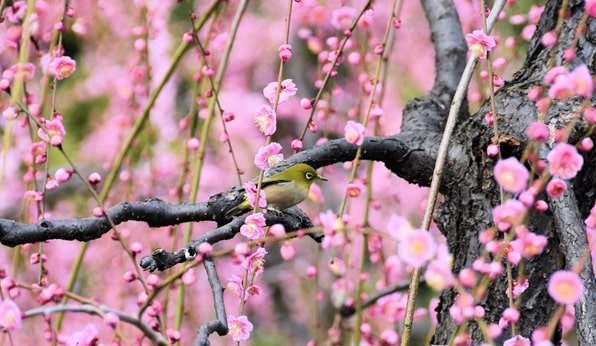
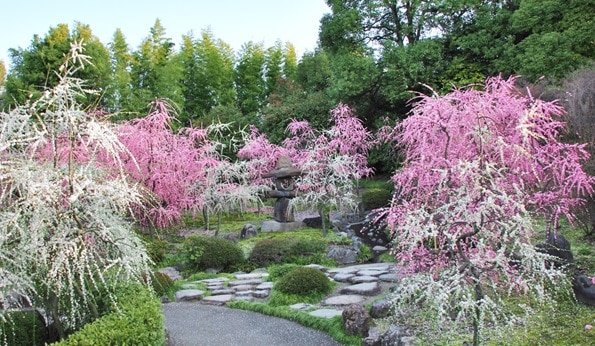
150 Weeping Plum Trees: The core attraction. Unlike upright plum trees, shidare-ume have drooping branches that cascade downward like waterfalls of flowers. Colors range from pure white to deep pink and pale red. The trees are pruned meticulously to enhance weeping shape, creating tunnels of blossoms.
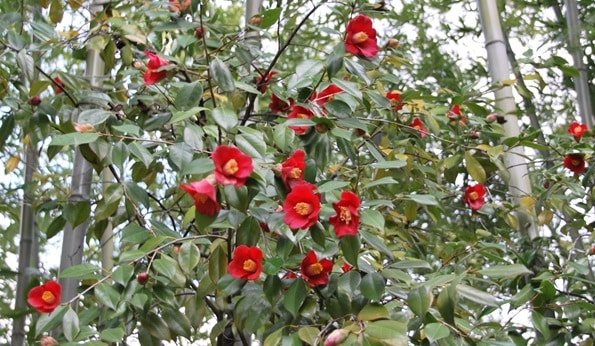
Fallen Camellia Display: While most camellias wilt on the branch, at Jonangu many varieties drop whole flowers onto moss. The deep red of camellias against white and pink plum petals and green moss creates a color contrast that painters have tried to capture for centuries. This natural scattering is called a living painting.
Plum Blossom Snow Carpet: As blossoms mature, petals fall onto moss creating a pink carpet. Gardeners lightly maintain moss but allow petals to remain, creating a soft pink covering that photographers call magical carpet. Best seen in morning light after calm nights.
Umegae Kagura Dance: The only place in Kyoto where you can see shrine maidens named after plum blossoms perform a dance dedicated to plum branches. The dance is intimate, performed in a small hall with close seating.
Historical Garden Design: Designed by Nakane Kinsaku, the garden itself is a highlight, representing evolution of Japanese landscaping across 1000 years. Each garden style offers different backdrop for plum viewing.
Connection to Tale of Genji: Over 80 species of plants depicted in Tale of Genji, the world’s first novel, are planted here. The garden is known as Genji Monogatari Hana no Niwa, and early spring plum scene evokes Heian court culture described in the novel.
Markets, decorations & themed areas
Plant Market: The Keijuen plant market area near entrance sells seasonal plants including weeping plum saplings, camellia pots, bonsai, and spring flower seedlings. Prices range from 10 USD to 100 USD depending on size and rarity.
Decoration Style: Decorations are natural rather than artificial. The shrine does not use artificial illuminations or lanterns. Instead, decoration comes from:
- Moss Carpets: Meticulously maintained green moss that serves as natural carpet, contrasting with petals.
- Bamboo Fences and Stone Lanterns: Traditional garden ornaments framing plum views.
- Camellia Leaf Wrapping: Tsubakimochi sweets wrapped in real camellia leaves, decorative and aromatic.
Themed Areas:
- Haru-no-Yama Spring Mountain: Main photo theme area with weeping plums and moss.
- Pond Reflection Area: In Heian Garden, plum and camellia reflections can be seen in ponds filled with colored carp.
- Sacred Dance Stage: Decorated with plum branches and white curtains for Kagura performances.
Souvenir Market: Small stalls sell ema votive plaques with plum designs, omamori charms for travel safety, and camellia-themed hand towels.
Events & entertainment schedule
Entertainment is cultural and sacred, not loud festival entertainment.
Daily Schedule:
- 9:00 AM – Garden Opens: Visitors begin entering, morning light best for photography with fewer crowds.
- 10:00 AM – First Umegae Kagura Performance: About 15 minutes duration, includes explanation in Japanese.
- 11:00 AM to 2:00 PM – Peak Viewing Hours: Garden most crowded, but also when plum fragrance is strongest as air warms.
- 3:00 PM – Second Umegae Kagura Performance: Same program as morning, often slightly less crowded.
- 4:00 PM – Last Entry, 4:30 PM – Garden Closes: Staff begin gently guiding visitors out, late afternoon light creates golden glow on weeping branches.
Weekend Specials:
- Tsubakimochi Sale: Typically Saturday and Sunday from 9:00 AM until sold out, often by early afternoon. Handmade by Shofudo bakery.
- Gardener Talks: Occasionally garden staff give short talks about camellia varieties and pruning techniques, in Japanese.
No Evening Illumination: Unlike some other Kyoto plum festivals, Jonangu does not have night illumination for weeping plum festival, maintaining a daytime-only serene experience.
Weather Contingency: Garden opens rain or shine. In heavy rain, paths can be slippery and umbrellas are allowed but must be held carefully to not damage branches. Kagura dance moves indoors to shrine hall in severe rain.
Admission & ticket information
Official Pricing Based on Previous Editions:
- Adults: 1,000 JPY at the door, which is approximately 6.70 USD. Applies to junior high school students and above.
- Children: 600 JPY at the door, which is approximately 4.00 USD for elementary school students. Younger children are often free but check at gate.
- No Advance Tickets: Tickets are purchased at the door on arrival. No online reservation required for garden entry.
What Ticket Includes: Entry to Rakusuien Garden with all five gardens, including Haru-no-Yama weeping plum area, Heian Garden, Muromachi Garden, Momoyama Garden, and Jonang Rikyu Garden. Also includes viewing of Umegae Kagura dance with no extra charge. Shrine main hall worship is free and does not require garden ticket.
Payment Methods: Cash is preferred and most reliable. Some years IC cards may be accepted, but cash ensures entry. Small change recommended.
Group Discounts: No official group discount advertised, but groups over 20 persons are advised to contact shrine in advance.
2027 Pricing: As of now, pricing for 2027 has not been announced. Expected to remain at 1,000 JPY for adults and 600 JPY for children based on 2025 and 2026 editions. If pricing changes, it will be announced on official website jonangu.com/shidareume.html.
Separate Fees: Kyokusui-no-Utage poetry party on April 29 has separate participation fee of 2,000 JPY per person if selected by lottery, not included in plum festival ticket.
Special experiences & activities
Plum Blossom Snow Viewing: The experience of standing under weeping branches as light wind causes petals to fall like snow onto moss is considered special. Best experienced in calm mornings, sitting on designated stones.
Ochi-Tsubaki Moment: Witnessing a camellia flower fall whole with a soft thud onto moss is considered lucky. The shrine maintains moss so fallen flowers remain pristine for viewing. Many photographers wait hours for perfect fall.
Sacred Water Collection: At Kikusui Wakamizu Spring, visitors can fill water bottles with sacred water said to cure illnesses. One cloistered emperor’s toothache was said to be cured after drinking it. Bring your own bottle and join locals filling containers.
Travel Safety Blessing: Jonangu is famous as guardian against misfortune from directions. Many visitors purchase houyoke omamori charms for safe travel. Special blessing ceremony can be requested at shrine office for additional fee around 20 USD to 35 USD.
Tale of Genji Plant Hunting: With map provided at entrance, try to find 80 species mentioned in Tale of Genji, including various plums, camellias, wisteria, and irises. Educational activity connecting literature and nature.
Photography Workshop: While no official workshop, the garden is one of Kyoto’s top spots for photography enthusiasts. Early morning entry allows tripod-free shots with soft light. The combination of pink weeping plums, red fallen camellias, and green moss is unique composition not found elsewhere.
Family & children’s activities
Child-Friendly Garden: The garden paths are mostly flat with some gentle slopes, suitable for children. The one-way route prevents getting lost. Children enjoy spotting colored carp in ponds and counting fallen camellias.
Educational Value: Children can learn about different plum varieties, camellia species, and historical garden styles. The five gardens provide timeline of Japanese garden history from Heian to Momoyama periods.
Kagura Dance Viewing: Children are welcome to watch sacred dance. The dance is short, quiet, and visually interesting with colorful costumes, suitable for attentive children.
Plant Market Exploration: The plant market with bonsai and small flowering trees is interesting for children who like gardening. Small affordable plants can be purchased as souvenirs.
Stroller Policy: Strollers are allowed but some narrow paths and moss areas require lifting. Baby carriers recommended for infants. The garden is not large, so walking is manageable for most children.
Food Experience: Tsubakimochi sweet is child-friendly, with mild sweet bean taste and chewy texture, wrapped in camellia leaf that is not eaten but adds fragrance.
Safety: Ponds have low fences but children should be supervised near water. Moss is slippery when wet, so hold children’s hands.
Event rules
Garden Preservation Rules:
- Do not touch plum branches, camellia flowers, or moss. Weeping plum branches are fragile and easily damaged. Fallen camellias should not be moved for photos as they are part of natural display.
- Stay on designated paths. Do not step onto moss beds or enter closed garden areas. White pebble areas in Rikyu Garden are not to be walked on.
- No tripods, monopods, or selfie sticks: Tripods are prohibited during festival period to prevent crowding and damage. Selfie sticks are also prohibited as they can hit branches.
- No drone flying: Drone use is prohibited over shrine grounds.
- No smoking, eating, or drinking inside garden: Food and drink are not allowed inside Rakusuien Garden to protect plants. Tsubakimochi should be eaten outside garden in approach area.
- Photography: Photography for personal use is allowed. Commercial photography requires permission. Flash photography is discouraged as it disturbs atmosphere.
- Quiet Conduct: Shrine is place of worship. Keep voices low, especially during Kagura dance. Phone calls should be taken outside garden.
- Pet Policy: Pets are not allowed inside garden.
Clothing: Wear comfortable walking shoes with good grip as paths can be damp. Avoid high heels that damage moss paths.
How to get there
General Access: Jonangu Shrine is located in southern Kyoto, in Fushimi Ward, near the ancient southern gateway of Heian capital.
From Kyoto Station:
- Kyoto City Bus #19: Direct bus from Kyoto Station to Jonangu-mae Bus Stop, which is short walk from shrine. This is most direct public transport option. Bus ride approximately 30 minutes depending on traffic. Fare around 2 USD.
- Kintetsu Kyoto Line: Take Kintetsu Kyoto Line from Kyoto Station to Takeda Station, then walk 15 minutes or take short bus ride to shrine. Train fare around 1.50 USD.
- Taxi: From Kyoto Station to Jonangu Shrine by taxi costs approximately 15 USD to 20 USD and takes 20 to 30 minutes depending on traffic.
From Central Kyoto: From areas like Gion or Kawaramachi, take city bus or subway to Kyoto Station then transfer as above.
From Osaka or Nara: Take Kintetsu Line to Takeda Station, which is served by both Kyoto and Nara lines.
Walking from Takeda Station: Exit Takeda Station, follow signs for Jonangu Shrine southward through residential area. Route is flat and well-signed during festival period with temporary signs.
Public transport & parking
Public Transport:
- Kintetsu Kyoto Line Takeda Station: Nearest train station, 15 minute walk. Served by Kintetsu Kyoto Line and Kyoto Municipal Subway Karasuma Line.
- Kyoto City Bus #19: Direct from Kyoto Station to Jonangu-mae, most convenient during festival.
- Additional Buses: During peak festival weekends, temporary shuttle buses may operate from Takeda Station to shrine.
Parking:
- Shrine Parking: Jonangu Shrine has small parking lot for visitors, but it fills quickly during festival period, especially weekends. Parking fee around 4 USD to 5 USD.
- Nearby Pay Parking: Several private coin parking lots exist around Takeda Station and along Route 24, costing 2 USD to 4 USD per hour with daily maximum around 10 USD to 15 USD.
- Recommendation: Use public transport. Traffic around Route 24 and Meishin Expressway interchange near Jonangu becomes congested during festival, especially weekends. Buses may be delayed but avoid parking stress.
Bicycle: Bicycle parking available near shrine entrance. Cycling from central Kyoto takes approximately 40 minutes via Kamogawa River path, pleasant route but requires bicycle.
Accessibility of Transport: Kyoto City Bus #19 is low-floor accessible. Takeda Station has elevators. Path from bus stop to shrine is flat with sidewalk.
Accommodation areas
Jonangu Shrine is in southern Kyoto, not in central tourist area, so most visitors stay in central Kyoto and visit as half-day trip.
Fushimi Area: Closest area with business hotels near Takeda and Fushimi stations.
- Business Hotels: Hotels near Takeda and Chushojima stations, rooms from 50 USD to 90 USD per night, convenient for early morning festival entry.
Kyoto Station Area: Most convenient for transport, with wide range of hotels.
- Hotel Granvia Kyoto: Directly above Kyoto Station, luxury rooms from 180 USD to 350 USD per night.
- Mitsui Garden Hotel Kyoto Station: Mid-range, rooms from 100 USD to 180 USD per night.
- APA Hotel Kyoto Station: Budget business hotel, rooms from 60 USD to 110 USD per night.
Central Kyoto – Gion, Kawaramachi: For combining plum festival with other sightseeing, stay in central areas.
- The Ritz-Carlton Kyoto: Luxury on Kamogawa River, rooms from 400 USD to 700 USD per night.
- Piece Hostel Sanjo: Budget hostel with dorm beds from 25 USD and private rooms from 70 USD.
Booking Advice: Late February to March is early spring shoulder season in Kyoto, less crowded than cherry blossom season in late March to early April, but still popular. Book 2 to 3 months ahead for best prices, especially for weekends during festival.
Food, drinks & seasonal specialties
Seasonal Festival Sweets:
- Tsubakimochi: Traditional sweet made with Domyoji glutinous rice flour, sweet bean paste, wrapped in camellia leaf. Made by Shofudo bakery, sold only during festival. Price around 3 USD to 4 USD per piece. Taste similar to sakura mochi but with subtle camellia fragrance. Often sold out by early afternoon.
- Ume-related Sweets: Plum-flavored yokan jelly, plum jam, and umeboshi pickled plums sold at approach stalls.
Nearby Food Options:
- Fushimi Area: Famous for Fushimi sake brewing district. Sake breweries like Gekkeikan, Kizakura, and Fushimizu offer sake tasting and sake-flavored foods. Many breweries have restaurants serving sake lees hot pot and sake ice cream.
- Approach Road Stalls: During festival, small stalls sell amazake sweet sake, grilled dango, and hot coffee.
- Kyoto Station Area: Wide range of restaurants from ramen to kaiseki.
Drinks:
- Sacred Water: Free sacred water from Kikusui Wakamizu Spring, bring bottle.
- Fushimi Sake: Fushimi is one of Japan’s top sake regions due to soft water. Tasting sets cost 5 USD to 10 USD at brewery museums.
Lunch Recommendations: Combine Jonangu visit with lunch in Fushimi sake district. Many restaurants serve yuba tofu skin, Kyoto vegetables, and sake pairing sets from 12 USD to 25 USD per person.
Accessibility
Physical Accessibility:
- Paths: Rakusuien Garden paths are mostly gravel and stone steps with some gentle slopes. Haru-no-Yama area has slight incline to create hill effect, but manageable with assistance. Some areas have steps without handrails.
- Wheelchair Access: Partially accessible. Lower gardens including parts of Heian Garden and Muromachi Garden can be accessed with assistance, but Haru-no-Yama hill area with weeping plums has narrow paths and steps that are difficult for wheelchairs. Temple staff can advise alternative viewing spots near entrance that still offer plum views.
- Stroller Access: Strollers allowed but difficult on gravel and moss areas. Baby carriers recommended.
Facilities:
- Toilets: Accessible toilets available near shrine entrance and in parking area. No accessible toilets inside garden itself.
- Rest Areas: Benches and stones for sitting are placed throughout garden. Heian Garden has covered rest area near pond.
- Visual and Hearing: Kagura dance has no English explanation, but visual performance is understandable. Garden maps in English available at entrance.
Elderly Visitors: Many elderly visitors attend. The garden is not large, about 30 minute slow walk for full loop, with frequent rest spots. Staff are helpful and can provide chairs if needed.
Pet Policy: Pets not allowed inside garden.
Best days & times to visit
Best Viewing Conditions:
- Time of Day: Morning shortly after opening around 9:00 AM offers soft light through weeping branches, fewer crowds, and fresh moss with dew. Late afternoon around 3:00 PM offers warm light and chance to see second Kagura performance.
- Weather: Clear calm days produce best photos with blue sky behind pink blossoms. Light rain makes moss vibrant green and petals glisten, creating more saturated colors, but paths become slippery. Windy days cause rapid petal fall, creating snow effect but reducing blossoms on trees.
- Peak Bloom Timing: Weeping plums typically peak from mid-February to early March, but varies by year. Camellias continue longer. Visiting in late February often captures both at peak with pink carpet beginning to form. Early March visit shows more fallen petals carpet.
Crowd Levels:
- Weekdays Less Crowded: Weekdays are significantly less crowded than weekends. If possible, visit Tuesday to Thursday.
- Weekends Most Crowded: Saturdays and Sundays, especially with good weather, draw large crowds including photographers with long lenses. Arrive at opening to avoid queues.
- Early Morning Advantage: First hour after opening is least crowded even on weekends.
Combination Tip: Visit Jonangu in morning, then continue to nearby Fushimi Inari Shrine or Tofukuji Temple in afternoon, both within short train or bus ride, making efficient southern Kyoto day.
Previous year’s highlights
2025 Edition Highlights:
- Festival Period: February 18 to March 22, 2025, with viewing hours 9:00 AM to 4:30 PM.
- Peak Bloom: Latest peak since 2011, reaching full bloom on March 11 due to cold late winter. This extended viewing period and created unusual overlap with early cherry blossoms.
- Attendance: Large crowds including many foreign tourists and Japanese visitors, described as very crowded on weekends, especially March 1 weekend.
- Special Features: Daily Umegae Kagura dance at 10 AM and 3 PM remained highlight. Tsubakimochi sale by Shofudo was extremely popular, selling out early each day. Plant market sold many weeping plum seedlings.
- Photography: Fallen camellia and pink carpet scenes were widely shared on social media, with many photographers noting best moss and petal contrast in early March.
2024 Edition:
- Peak Bloom: Reached full bloom on February 17, about two weeks earlier than average, due to warm winter. Early peak meant pink carpet formed early and lasted longer.
- Visitor Feedback: Visitors praised subtle fragrance of weeping plums and vivid contrast of green moss, pink petals, and red fallen camellias. Garden’s historical design representing five eras was highlighted as educational.
Consistent Elements: Each year bamboo-shaped lanterns change? No, but camellia varieties bloom in succession, so returning visitors see different camellia species. The sacred water spring remains constant attraction.
Official event information
Event Name: Weeping Plum and Camellia Festival – Shidare Ume to Tsubaki Matsuri
Organizer: Jonangu Shrine with support from Kyoto City and local tourism associations
Venue: Jonangu Shrine, Rakusuien Garden, 7 Nakajima Tobarikyu-cho, Fushimi-ku, Kyoto 612-8459 Japan
Official Website URL as text: www.jonangu.com/shidareume.html and www.jonangu.com/garden2.html
Contact: Jonangu Shrine Office, Phone 075-623-0846. For garden information, check official website.
Admission: Based on previous editions, adults 1,000 JPY approximately 6.70 USD, elementary school students 600 JPY approximately 4.00 USD, purchased at door. Pricing for 2027 to be confirmed on official site.
Notes: Event takes place rain or shine. Garden hours 9:00 AM to 4:30 PM last entry 4:00 PM. Umegae Kagura dance daily at 10:00 AM and 3:00 PM. Tsubakimochi sale limited quantity on weekends. No tripods or drones. Check official website for blooming status updates during festival.
Video
Location
FAQ
Is Jonangu Shrine's Weeping Plum and Camellia Festival suitable for photographers?
Yes, it is one of Kyoto's top early spring photography spots, famous for weeping plum branches cascading over moss and fallen red camellias creating living painting. Photography for personal use is allowed, but tripods, monopods, selfie sticks, and drones are prohibited to protect gardens and avoid crowding. Morning light after opening offers soft illumination and fewer people, ideal for capturing pink carpet of fallen petals and mirror reflections in ponds.
What is the difference between weeping plum and regular plum blossoms?
Weeping plum, or shidare-ume, is a cultivated variety where branches droop downward like weeping cherry or willow, creating waterfall of flowers. At Jonangu there are about 150 such trees, pruned to enhance drooping shape, unlike upright plum trees found at many shrines. The weeping form creates tunnels and curtains of blossoms that almost touch moss ground, offering more immersive and romantic view than standard plum trees, and is rarer in Kyoto.
Can I buy weeping plum trees or camellia plants at the festival?
Yes, the Keijuen plant market stall during festival sells bonsai, flowering trees, garden plants, and weeping plum seedlings as well as camellia pots. Many visitors purchase small plum trees to grow at home as living souvenir. Prices range from 10 USD for small seedlings to 100 USD for larger potted trees. Staff can advise on care and planting. Sales are cash-based and stock varies daily, with best selection in morning.
What is Tsubakimochi and why is it special?
Tsubakimochi is limited-time traditional sweet sold during festival, made by local bakery Shofudo. It is Domyoji glutinous rice cake with sweet bean paste wrapped in real camellia leaf, shaped to imitate camellia flower. Taste is similar to sakura mochi but with subtle camellia fragrance and spring flavor. It is only available during weeping plum festival weekends and often sells out by early afternoon, making it prized seasonal delicacy.
Is the festival crowded and do I need to reserve tickets?
The festival is popular and can become very crowded on weekends with good weather, especially during peak bloom, with reports of large crowds including foreign and Japanese tourists. Weekdays are significantly less crowded. No reservation is needed as tickets are sold at door for 1,000 JPY for adults and 600 JPY for children. Arriving at opening time around 9:00 AM helps avoid queues and provides best light for viewing pink carpet and fallen camellias.

Leave a Reply