

-
December 31, 2026
Event date:
-
January 7, 2027
Event end:
What to expect
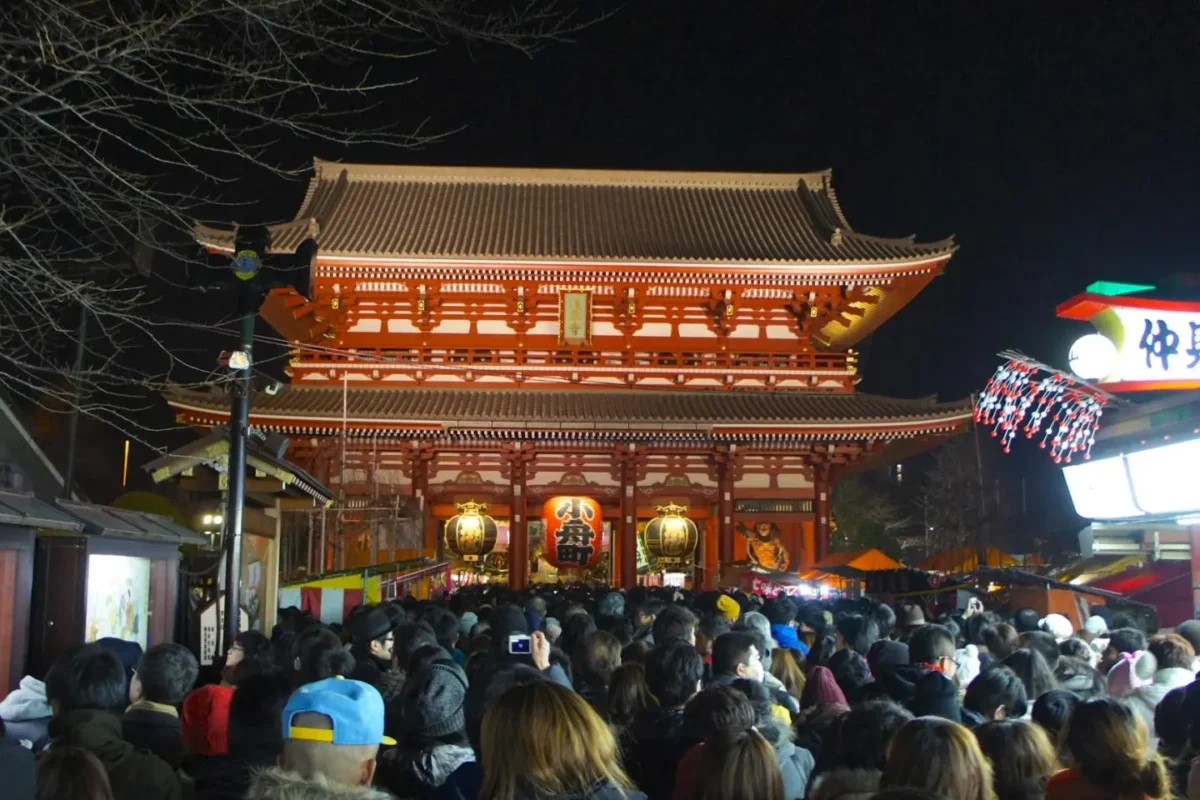
The first visit to the shrine or temple in the new year is called Hatsumode, and it attracts quite some crowds every year, and I think it is a great way to start a new year in Japanese-style. Fireworks are the standard celebrations in many cities in the world, but in Japan it is mostly a cultural setting at a temple like the one in Asakusa, Senso-ji Temple, where the year begins with offering prayers for a prosperous year ahead. Warm crowds in the cold night of December 31, this is a unique experience to spend the early morning time of the new year.
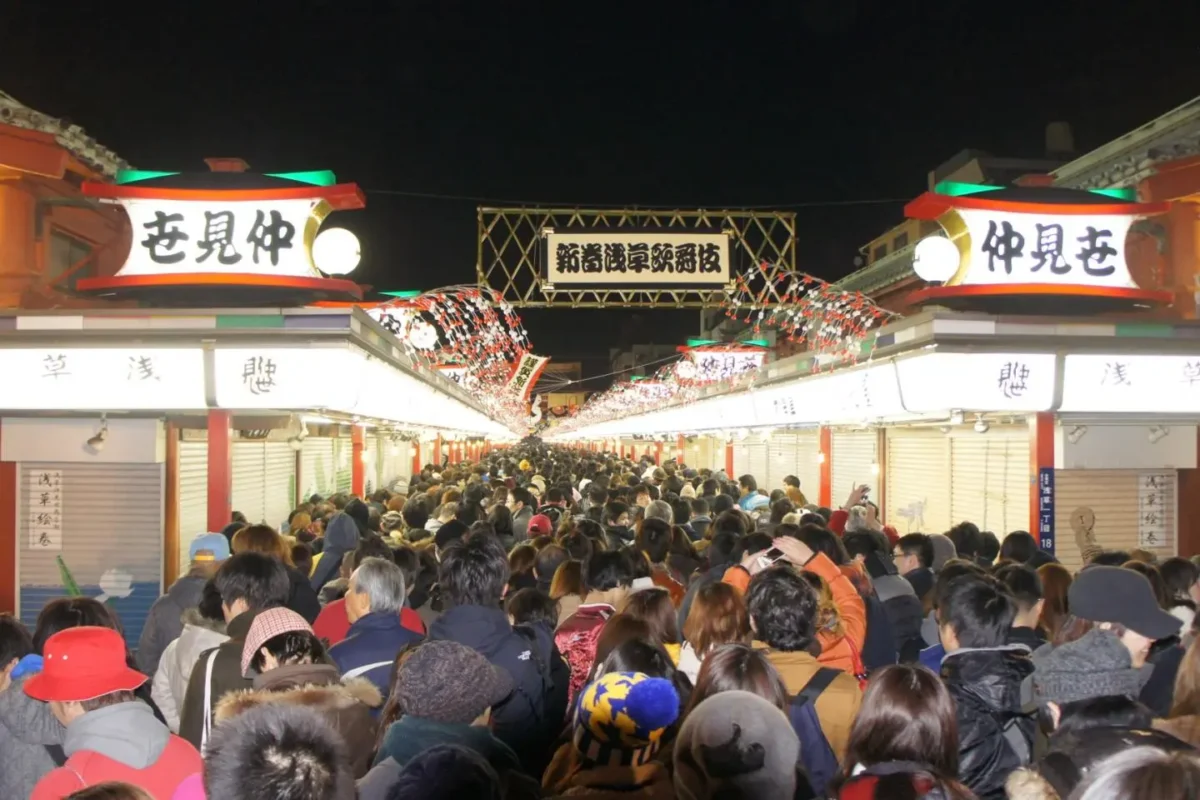
Hatsumode is a cherished Japanese tradition, the first shrine or temple visit of the Japanese New Year to pray for health, prosperity, and good fortune. At Senso-ji Temple, the oldest temple in Tokyo, this event draws massive crowds, with lines stretching all the way to Nakamise Street starting at midnight. Senso-ji is one of the most popular spots for hatsumode in Tokyo, attracting 2.5 to 3 million people each year during the New Year period, making it one of the most popular Hatsumode spots in Tokyo.
Expect a deeply cultural atmosphere rather than a party atmosphere. The temple grounds are illuminated, incense smoke fills the air from the large jokoro burner, and visitors toss coins, clap, and bow in prayer before the main hall. The focus is fulfillment of wishes, with people buying new omamori charms, hamaya arrows to ward off evil, and omikuji fortune slips for the coming year.
Enjoy Your Event Stress-Free with Japan Travelo
Do you know? Planning events, festivals, concerts, and cultural experiences in Japan can be overwhelming. Japan Travelo brings everything together in one place, helping you manage your itinerary, transport, and accommodation with ease—so you can enjoy Japan without the stress of planning.
The Nakamise shopping street leading to the temple is decorated with New Year decorations, kadomatsu pine decorations, shimenawa ropes, and stalls offering seasonal souvenirs, amazake sweet sake, and warm snacks. Warm crowds in the cold night create a unique communal feeling as strangers huddle together waiting for their turn to pray.
Event dates
Event Dates: December 31st 2026 – January 7th 2027
The first visit to the shrine or temple in the new year is called Hatsumode, and it attracts quite some crowds every year. Fireworks are standard celebrations in many cities, but in Japan it is mostly a cultural setting at a temple like the one in Asakusa, Senso-ji Temple.
For Hatsumode in Asakusa 2026-2027, the official period is December 31st 2026 to January 7th 2027.
- December 31st 2026 Evening – Joya no Kane: Temple bells ring 108 times to dispel worldly desires. Crowds begin gathering from 10:00 PM onwards for midnight hatsumode. Temple grounds remain open 24 hours.
- January 1st – Main Hatsumode Day: Midnight to late evening is peak time, with lines stretching to Nakamise Street and beyond. Main hall and amulet shops open from 6:00 AM to 5:00 PM in winter time, but grounds open 24 hours and night is a great time to visit.
- January 1st to 3rd – Sanganichi: The three days of New Year are most crowded, seeing over 3 million visitors descend on Senso-ji. If you want to participate, arrive before 6:00 AM or expect long queues.
- January 1st to 7th – Matsu no Uchi: Traditional New Year period when hatsumode is considered most auspicious. After January 4th, crowds thin significantly.
Temple grounds themselves are open 24 hours throughout this period. Main hall hours are typically 6:30 AM to 5:00 PM in winter.
Visiting this event? Don’t miss out on these amazing activities and local experiences while you’re here.
Venue & event locations
Main Venue: Sensoji Temple – Sensō-ji, Asakusa, Tokyo
Address: 2-chōme-3-1 Asakusa, Taito City, Tokyo 111-0032 Japan
Venue Layout and Key Areas:
- Kaminarimon – Thunder Gate: Iconic outer gate with giant red lantern and statues of Fujin and Raijin, wind and thunder gods. Starting point of Nakamise approach and first photo spot. During hatsumode, gate is illuminated and surrounded by crowds.
- Nakamise-dori Shopping Street: 250 meter long approach street from Kaminarimon to Hozomon, lined with about 90 shops selling traditional souvenirs, yatsuhashi, ningyo-yaki cakes, folding fans, and New Year decorations. During hatsumode, this street becomes packed with worshippers moving slowly toward main hall. Decorated with New Year flags and lanterns.
- Hozomon – Treasure House Gate: Inner gate with 250 kg waraji straw sandal, second gate before main hall. Houses small museum on upper floor.
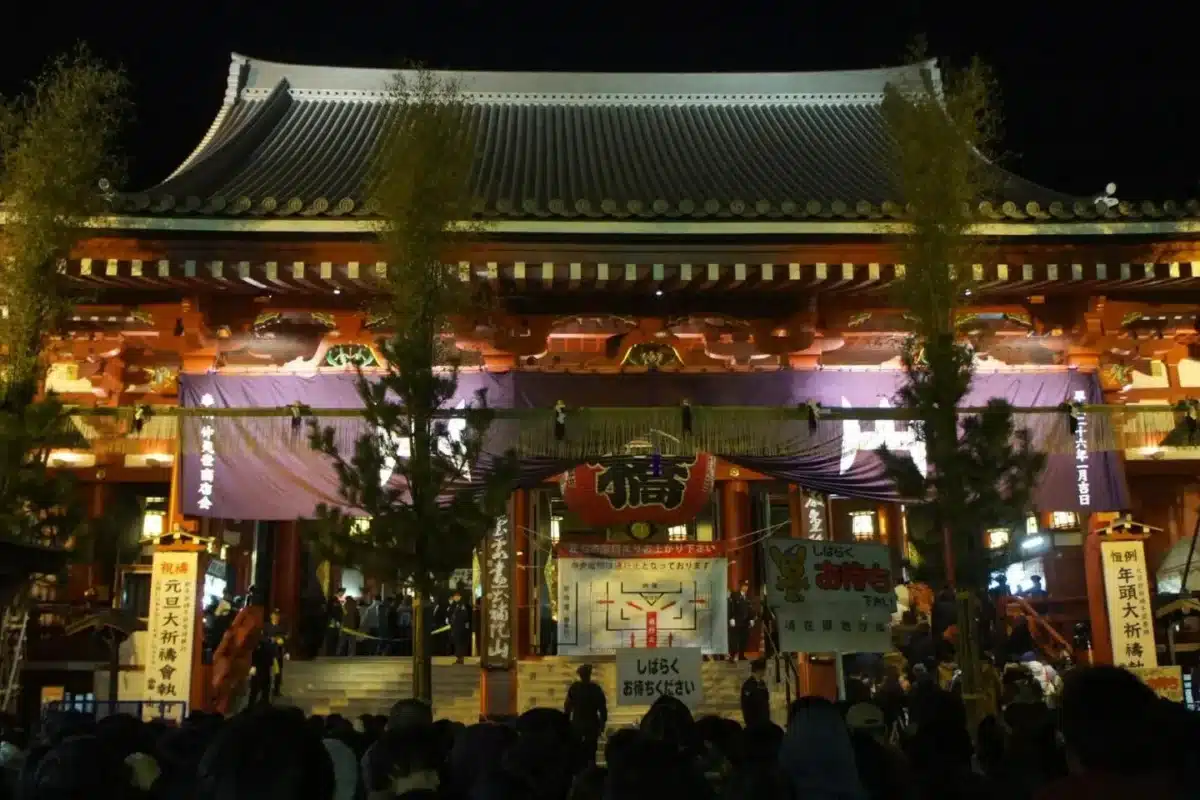
- Main Hall – Hondo: National treasure, where main image of Kannon Bodhisattva is enshrined. Front of hall has offering box where visitors toss coins and pray for fulfillment of wishes. Steps in front become standing area for prayers during peak crowds.
- Five-Story Pagoda – Goju-no-To: To west of main hall, illuminated at night during New Year period.
- Nakamaise Side Streets and Asakusa Shrine: Adjacent Shinto shrine Asakusa Jinja, also popular for hatsumode, located to east of main hall. Many visitors pray at both Buddhist temple and Shinto shrine.
Grounds Open 24 Hours: Unlike many temples, Senso-ji grounds themselves are open 24 hours, allowing midnight hatsumode visit even when main hall interior is closed.
Full holiday programme
The full programme spans eight days with distinct phases of New Year celebration.
New Year’s Eve Programme – Omisoka:
- Evening Temple Preparation: From early evening, temple staff clean grounds, set up crowd control barriers along Nakamise, and place kadomatsu pine decorations at gates.
- Joya no Kane – Temple Bells: At midnight, the temple bell is rung 108 times, each ring representing one of 108 worldly desires in Buddhist belief. Visitors gather to hear bells and begin hatsumode queue. This is broadcast on loudspeakers.
- Midnight Hatsumode Start: Starting at midnight on December 31, lines stretching all the way to Nakamise Street begin moving toward main hall for first prayers of new year.
New Year’s Day Programme – Gantan:
- First Prayers – Hatsumode: From midnight onwards, visitors offer coins, bow twice, clap twice, and pray for health, prosperity, good fortune. Focus is fulfillment of wishes.
- Omikuji and Omamori Sales: Amulet shops open early, selling hamaya arrow charms to ward off evil, kumade bamboo rakes for business prosperity, and new omamori for the year. Omikuji fortune slips are drawn, with bad fortunes tied to racks in temple grounds.
- Amazake Service: Some temple groups offer free or cheap amazake sweet sake to warm visitors.
January 2nd to 7th Programme:
- Continued Hatsumode: Temple remains extremely busy, but crowd management improves. Main hall open 6:30 AM to 5:00 PM. Shops on Nakamise open with New Year hours, typically 9:00 AM to 7:00 PM.
- Traditional Performances: Occasional small performances of Shishimai lion dance in Asakusa streets to bring good luck.
- Return of Charms – O焚き上げ: Visitors bring old omamori and charms from previous year to be burned in sacred fire.
Main attractions & highlights
Midnight Crowd Experience: Warm crowds in the cold night create unique experience to spend early morning time of new year. Standing shoulder to shoulder with thousands of Japanese families, couples, and friends, all waiting patiently in cold to pray, is profoundly moving and different from Western New Year parties.
Senso-ji Main Hall Prayer: The act of hatsumode itself is highlight – tossing a coin into offering box, bowing, clapping, and praying for prosperous year ahead. The large incense burner jokoro in front of hall, where visitors waft smoke over themselves for health, is central.
Kaminarimon Illumination: The giant red lantern at Thunder Gate illuminated at night with crowds streaming beneath it creates iconic Tokyo New Year photo.
Nakamise New Year Decorations: Nakamise shopping street decorated with New Year decorations, chochin lanterns, and traditional New Year flags. Shops sell hagoita decorated wooden paddles, hamaya arrows, and daruma dolls specific to New Year.
Massive Scale: Senso-ji is one of Tokyo’s top tourist destinations and sees huge numbers even on normal days, but during hatsumode it attracts 2.5 to 3 million people, making it one of largest hatsumode gatherings in Japan.
Spiritual Atmosphere: Despite crowds, atmosphere remains respectful and spiritual, with incense smoke, bell ringing, and quiet prayers contrasting with festive market atmosphere.
Markets, decorations & themed areas
New Year Decorations – Shogatsu Kazari:
- Kadomatsu: Pine and bamboo decorations placed at Kaminarimon and Hozomon gates, welcoming ancestral spirits.
- Shimenawa: Sacred rice straw ropes with white zigzag paper hung at gates and main hall.
- Chochin Lanterns: Red and white lanterns along Nakamise with New Year greetings.
Nakamise Market Area:
- Souvenir Shops: About 90 shops selling traditional crafts, fans, kimono, and seasonal New Year souvenirs including hamaya arrows, kumade rakes, maneki neko cats, and eto zodiac figurines for new year zodiac animal.
- Food Stalls: Temporary yatai stalls during New Year period selling amazake sweet sake, oden hot pot, yakisoba, ningyo-yaki small cakes filled with red bean, and age-manju fried buns.
- Amulet Market: Inside temple grounds, official Senso-ji amulet shops sell extensive range of omamori for health, traffic safety, business, exams, love, and new year specific charms. Prices range from 3 USD to 10 USD per charm.
Asakusa Shrine Area: Adjacent Shinto shrine also decorated with white shimenawa and offers its own omamori and goshuin stamps.
Illumination: Main hall, five-story pagoda, and Kaminarimon illuminated at night throughout New Year period, creating picture worthy light displays against dark winter sky.
Events & entertainment schedule
Daily Schedule During Hatsumode Period:
- Midnight – Early Morning – Peak Hatsumode: From midnight to 4:00 AM on January 1, largest crowds, lines up to 2 hours. Temple bell ringing, first prayers.
- 6:30 AM to 5:00 PM – Main Hall Open Hours: Main hall and amulet shops open for prayers, omikuji, omamori sales. Grounds open 24 hours, however night is great time to visit for illumination.
- Daytime – Nakamise Shopping: Shops open 9:00 AM to 7:00 PM with New Year goods.
- Evening – Illumination: From sunset to around 10:00 PM, temple buildings lit up, creating magical evening atmosphere with fewer crowds than midnight.
Special Rituals:
- Joya no Kane – Bell Ringing: December 31 at midnight, 108 bell rings.
- Shishimai Lion Dance: Roaming lion dance troupes perform in Asakusa streets on January 1st and 2nd, believed to bite heads to bring good luck and ward off evil, especially for children.
- First Sunrise – Hatsuhinode: Some visitors combine hatsumode with viewing first sunrise from Sumida River nearby.
No Formal Stage Entertainment: Entertainment is traditional and religious rather than stage shows. Focus is on prayer, shopping, and community gathering.
Admission & ticket information
Admission: Free
Admission to Sensoji Temple is entirely free. Visiting Sensoji Temple is free. You can buy treats and souvenirs on Nakamise Street. Sensoji Temple is open year-round, with no admission fee. This includes hatsumode period, New Year’s Eve, and all New Year days.
Costs Inside Temple Grounds Based on Previous Editions:
- Offering – Saisen: Tossing coins into offering box, typically 1 USD to 5 USD, any amount is acceptable.
- Omikuji Fortune Slip: Paper fortune, 1 USD to 2 USD per draw.
- Omamori Charms: Amulets for protection and luck, 4 USD to 10 USD each. Hamaya arrow charms 8 USD to 15 USD, Kumade bamboo rake charms 10 USD to 30 USD depending on size.
- Goshuin Stamp: Calligraphy stamp for stamp book, 3 USD to 5 USD.
- Nakamise Food: Ningyo-yaki cakes 4 USD to 6 USD for 4 pieces, Amazake sweet sake 3 USD to 4 USD per cup, Age-manju 2 USD to 3 USD.
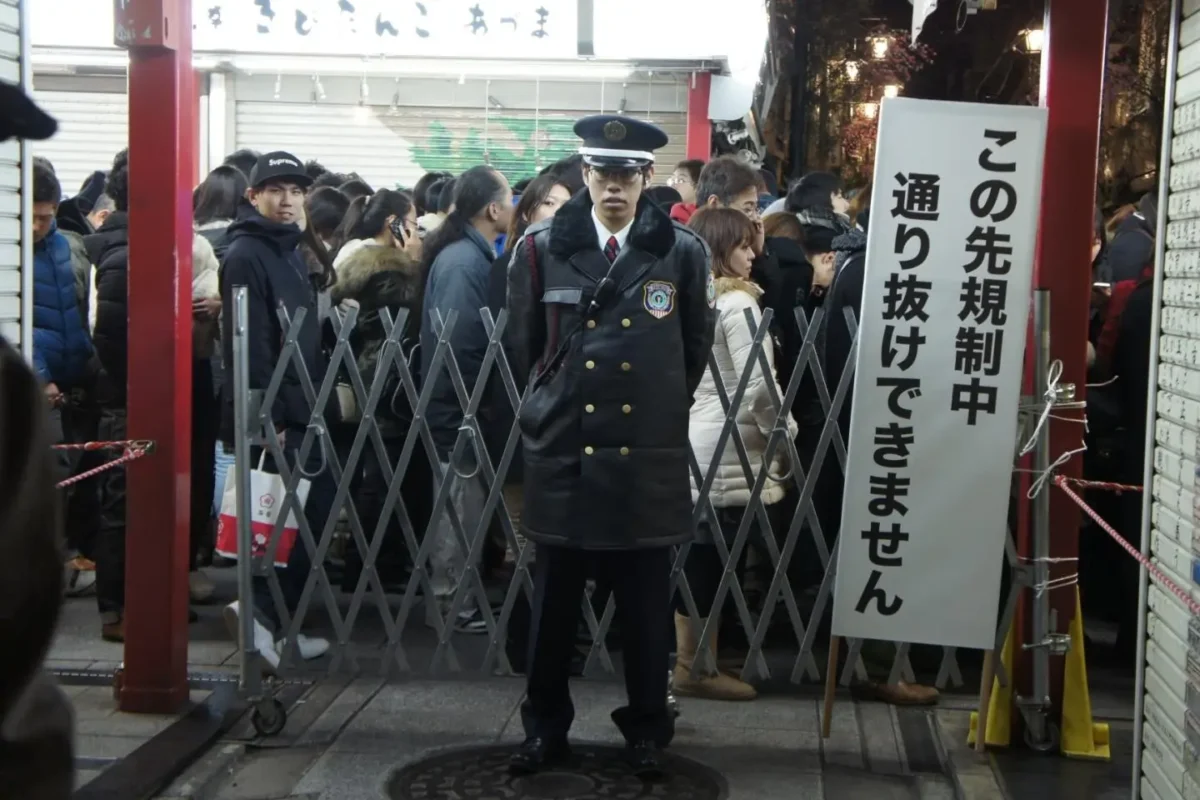
No Tickets Required: No advance booking or tickets needed for hatsumode. Crowd control barriers manage flow. During peak midnight hours, entry may be temporarily paused to prevent overcrowding, but no fee.
Temple Hours: Temple grounds open 24 hours, main hall and amulet shops open 6:00 AM to 5:00 PM in summer and 6:30 AM to 5:00 PM in wintertime.
Special experiences & activities
Midnight Hatsumode in Cold Night: Unique experience to spend early morning time of new year in warm crowds in cold night. Unlike Western fireworks, Japanese New Year is quiet, reflective, and communal, with strangers wishing each other Akemashite Omedeto Gozaimasu – Happy New Year.
Incense Smoke Ritual: At large jokoro incense burner in front of main hall, visitors waft smoke over themselves, especially over painful body parts, believing smoke has healing power. During hatsumode, smoke is thick and atmospheric.
Omikuji Fortune Tradition: Draw a paper fortune for new year. If fortune is bad – kyo – tie it to metal rack in temple grounds to leave bad luck behind. If good – kich or daikichi – keep it in wallet for year.
Returning Old Charms: Bring old omamori and daruma from previous year to temple for ritual burning called Otakiage, thanking them for protection and clearing space for new charms.
Nakamise Night Walk: After prayers, walk through Nakamise at night when shops are closed and lanterns illuminate empty street, creating serene contrast to daytime crowds.
First Temple Visit as Family: Many Japanese families wear kimono or formal clothes for hatsumode, especially children in kimono, creating beautiful photo opportunities.
Family & children’s activities
Hatsumode at Senso-ji is very family-oriented, with many families bringing children, elderly parents, and even babies in warm carriers.
Family Prayer: Families pray together at main hall, teaching children to bow, clap, and offer coins. Children often throw coins with help of parents.
Hamaya and Kumade for Children: Shops sell small hamaya arrows and tiny kumade rakes specifically for children to ward off evil and bring good school results. Prices from 5 USD to 12 USD.
Shishimai Lion Bite: Shishimai lion dance performers playfully pretend to bite children’s heads, believed to bring intelligence and good health for year. Children may be scared but parents encourage it as good luck.
Nakamise Snacks: Ningyo-yaki, age-manju, sweet potato, and candy apples are popular with children. Shops give free samples.
Stroller and Elderly Access: Temple grounds are flat and paved, but during peak crowds strollers are difficult. Temple provides priority lanes for elderly and disabled. Many families visit after January 4th when crowds thin to make stroller use easier.
Warm Clothing Essential: Cold night of December 31 can be near freezing. Dress children warmly with hats, gloves, and heat packs kairo available at convenience stores for 1 USD to 2 USD.
Event rules
Crowd Control Rules:
- Follow Staff Instructions: During hatsumode, temple staff and police manage crowd flow with barriers along Nakamise. Do not push, run, or cut lines. Lines stretching all the way to Nakamise Street are normal and move steadily.
- No Tripods or Large Bags During Peak: Large backpacks and tripods may be restricted during midnight peak to prevent blocking flow.
- Offering Box Etiquette: Toss coin gently, bow twice deeply, clap twice, pray silently, bow once again. Do not throw large amounts of coins or foreign objects.
Temple Etiquette:
- Bow at Gates: Light bow when passing through Kaminarimon and Hozomon gates.
- Incense Respect: Do not blow out incense or place trash in incense burner.
- No Smoking: Smoking prohibited in temple grounds.
- Photography: Photography allowed in grounds, but not inside main hall where main Kannon image is enshrined. Tripods may be restricted during peak.
Omikuji and Omamori:
- Do Not Take Others’ Fortunes: If you draw omikuji, do not take fortune slips left tied by others.
- Respect Charm Burning: Old charms should be returned to designated collection boxes, not thrown away in regular trash.
General Behavior:
- Quiet Respect: Despite crowds, maintain relatively quiet, respectful behavior. Avoid loud shouting, drinking alcohol in temple grounds, and public intoxication.
- Trash: Use bins or take trash home. Nakamise shops provide bags for purchases.
How to get there
Senso-ji Temple is located in Asakusa, Taito City, northeastern Tokyo, easily accessible from central Tokyo.
From Central Tokyo:
- From Ueno: 5 minute train or 20 minute walk via Kappabashi.
- From Tokyo Station: Take Ginza Line directly to Asakusa Station, 20 minutes.
- From Shinjuku: Take Asakusa Line or Ginza Line with one transfer, 30 to 35 minutes.
Final Approach:
- From Asakusa Station: 5 minute walk from Asakusa Station on Tobu and Tokyo Metro Ginza Line and Asakusa Line. Exit via Kaminarimon Gate exit. Follow crowds or signs for Senso-ji Temple. The large red lantern of Kaminarimon is visible from station exit.
Alternative Stations:
- Tawaramachi Station on Ginza Line: 5 minute walk to Kaminarimon.
- Asakusa Station on Tsukuba Express: 5 minute walk.
Public transport & parking
Public Transport – Highly Recommended:
- Tokyo Metro Ginza Line: Asakusa Station, 5 minute walk to Kaminarimon.
- Toei Asakusa Line: Asakusa Station, 5 minute walk.
- Tobu Skytree Line: Asakusa Station, 5 minute walk.
- Tsukuba Express: Asakusa Station, 5 minute walk.
- Bus: Toei Bus routes stop at Asakusa Kaminarimon and Asakusa Gochome, short walk to temple.
New Year’s Eve Transport: On December 31, Tokyo Metro and Toei lines run all night with special New Year schedules, allowing midnight hatsumode without taxi. Trains are crowded but frequent until around 2:00 AM, then resume normal early morning service.
Parking – Not Recommended:
- No Temple Parking: Senso-ji Temple has no public parking for visitors.
- Nearby Coin Parking: Several small coin parking lots around Asakusa, but fill extremely early during hatsumode period and cost 3 USD to 6 USD per hour, with maximum daily rates 20 USD to 40 USD. During New Year period, many lots increase rates.
- Recommendation: Use public transport. Asakusa streets are closed to traffic during peak hatsumode, and parking is nearly impossible on December 31 and January 1.
Bicycle: Bicycle parking available near Asakusa Station and along Sumida River, but not inside temple grounds. Bicycle must be walked on Nakamise.
Accommodation areas
Staying near Asakusa allows easy midnight hatsumode without worrying about last train, and allows multiple visits during New Year period.
Asakusa Area Hotels:
- Asakusa View Hotel: Directly opposite Senso-ji, rooms with temple view, from 100 USD to 200 USD per night.
- Richmond Hotel Premier Asakusa International: Modern hotel 2 minutes from Kaminarimon, rooms from 80 USD to 150 USD per night.
- Hotel Gracery Asakusa: With rooftop view of Skytree and Senso-ji, rooms from 70 USD to 130 USD per night.
- Ryokan Kamogawa: Traditional ryokan near Kaminarimon, rooms from 60 USD to 120 USD per night.
Ueno and Akihabara Area: 10 minutes by train from Asakusa, more hotel options.
- Mitsui Garden Hotel Ueno: Rooms from 80 USD to 140 USD per night.
- APA Hotel Ueno: Budget business hotel, rooms from 50 USD to 90 USD per night.
Shinjuku and Shibuya: For nightlife after hatsumode, 30 to 40 minutes by train, rooms from 80 USD to 250 USD per night.
Booking Advice: New Year is peak domestic travel season in Japan. Hotels in Asakusa fill 3 to 4 months ahead for December 31 night. Many hotels have minimum stay requirements of 2 nights over New Year. Book early, especially for rooms with Senso-ji view.
Food, drinks & seasonal specialties
Nakamise and Temple Area Seasonal Foods:
- Amazake – Sweet Sake: Traditional low-alcohol sweet fermented rice drink served hot during New Year, believed to bring good health. Sold at stalls and shops for 3 USD to 4 USD per cup. Often free samples at temple during hatsumode.
- Ningyo-yaki: Small castella cakes shaped like dolls, pagodas, and lanterns, filled with red bean paste. Freshly baked on Nakamise, 5 USD to 8 USD for 8 pieces.
- Age-manju: Fried buns filled with red bean or custard, crispy outside, soft inside, 2 USD to 3 USD each.
- Oden: Japanese hot pot with daikon, eggs, fish cakes, served from yatai stalls, 4 USD to 7 USD per bowl.
Asakusa Local Specialties:
- Tempura: Asakusa is famous for tempura. Restaurants like Daikokuya Tempura, operating since 1887, serve tempura rice bowls from 10 USD to 20 USD.
- Monjayaki: Savory pancake from nearby Tsukishima, but available in Asakusa.
- Senso-ji Area Soba and Udon: Warm soba and udon shops provide hearty meals in cold, bowls from 6 USD to 12 USD.
New Year Foods – Osechi and Zoni:
- Osechi Ryori: Traditional New Year boxed foods with symbolic items for prosperity, available at department stores and some Asakusa restaurants from 20 USD to 100 USD per box.
- Ozoni Soup: Mochi rice cake soup eaten on New Year Day, served at some Asakusa restaurants.
Drinks:
- Hot Sake and Beer: Available at izakaya around Asakusa, 4 USD to 7 USD.
- Coffee: Many cafes in Asakusa offer warm coffee and matcha lattes, 3 USD to 6 USD.
Accessibility
Physical Accessibility:
- Grounds: Senso-ji grounds are flat, paved, and largely accessible for wheelchairs and strollers, with ramps at main hall and Hozomon. Nakamise Street is flat but crowded.
- Crowding Challenge: During peak hatsumode midnight to early morning January 1, crowd density makes wheelchair and stroller movement extremely difficult. Temple staff set up priority lanes but wait times still long. Visiting after January 4th when crowds thin is recommended for those with mobility needs.
- Main Hall: Main hall has ramp access and elevator to upper level. Offering box area has step-free access from side.
Facilities:
- Accessible Toilets: Available at Asakusa Culture Tourist Information Center near Kaminarimon, inside Senso-ji grounds near five-story pagoda, and at nearby Asakusa Station.
- Rest Areas: Benches in temple grounds and along Sumida River park. Asakusa Culture Tourist Information Center has heated rest area with views of Senso-ji.
- Nursing Rooms: Available at Asakusa Culture Tourist Information Center and nearby department stores.
Elderly Visitors: Many elderly Japanese visit for hatsumode, often with family support. Temple provides priority viewing areas and chairs for elderly during off-peak hours.
Visual and Hearing: No special audio guides for hatsumode, but temple is visual and atmospheric. English information available at tourist center.
Best days & times to visit
Best Times Based on Crowd Levels:
- Midnight January 1 – Most Atmospheric but Most Crowded: Warm crowds in cold night create unique experience to spend early morning time of new year. Expect 1 to 3 hour queues, but magical atmosphere with bell ringing and first prayers. Arrive before 11:00 PM on December 31 to secure good spot in queue.
- Early Morning January 1 – After 5:00 AM: Crowds thin slightly after initial rush, but still very busy. Good for seeing sunrise after hatsumode.
- January 2nd and 3rd – Still Crowded but Manageable: Sanganichi period still sees huge crowds but lines move faster than midnight. Visiting before 6:00 AM recommended if you want to participate in quintessential Tokyo tradition.
- January 4th to 7th – Best for Comfortable Visit: After January 4th, crowds drop significantly, allowing leisurely prayer, shopping, and photography without long waits. Still within traditional Matsu no Uchi period when hatsumode is considered auspicious.
Time of Day:
- Night Illumination: Night is great time to visit for illuminated pagoda and gates with fewer daytime tourists.
- Early Morning: Early morning around 6:30 AM when main hall opens offers serene atmosphere with morning incense and fewer crowds than midday.
Weather: Cold night of December 31 can be near freezing, but warm crowds help. Daytime in early January is cold but usually clear. Dress in layers with heat packs.
Previous year’s highlights
2024-2025 Edition Highlights:
- Attendance: Approximately 2.5 to 3 million people over January 1st to 7th period, with peak midnight crowd of tens of thousands on December 31st to January 1st.
- Temple Hours: Grounds open 24 hours, main hall open 6:30 AM to 5:00 PM in winter, amulet shops open extended hours until 7:00 PM during first three days.
- Nakamise Decorations: Full New Year decorations including kadomatsu, shimenawa, and red and white chochin lanterns. Shops sold record numbers of hamaya arrows and kumade rakes for Year of Dragon.
- Special Events: Joya no Kane bell ringing at midnight attracted large crowd despite cold. Shishimai lion dances performed on January 1st and 2nd in Asakusa streets, popular with children.
- Visitor Feedback: Visitors praised spiritual atmosphere, ability to experience Japanese-style New Year, and combination of cultural setting with lively market atmosphere. Many international visitors noted unique experience of starting new year with offering prayers for prosperous year ahead rather than fireworks.
Trends: Increasing number of international tourists participating in hatsumode, with temple providing English instructions for prayer etiquette and omikuji translations.
Official event information
Event Name: Hatsumode in Asakusa – First Shrine Visit of New Year at Senso-ji Temple
Organizer: Senso-ji Temple, Asakusa Shrine, Asakusa Tourism Federation
Venue: Sensoji Temple, 2-chōme-3-1 Asakusa, Taito City, Tokyo 111-0032 Japan
Access: 5 minute walk from Asakusa Station on Tobu and Tokyo Metro Ginza Line and Asakusa Line. Also 5 minute walk from Tawaramachi Station on Ginza Line.
Official Website URL as text: en.japantravel.com/tokyo/hatsumode-in-asakusa/ and www.senso-ji.jp and livejapan.com/en/article/a0004580/
Contact: Senso-ji Temple Office, Phone 03-3842-0181. Asakusa Culture Tourist Information Center, Phone 03-3842-5566.
Notes: All pricing based on previous editions. No admission fee for temple. Temple grounds open 24 hours, main hall open 6:30 AM to 5:00 PM in winter. Hatsumode period December 31st to January 7th. Please check official Senso-ji website for any changes to opening hours during New Year period. Browsing limited but information based on official sources.
Video
Location
FAQ
What is Hatsumode and why is Senso-ji Temple so popular for it?
Hatsumode is the first visit to a shrine or temple in the new year to offer prayers for a prosperous year ahead, a cherished Japanese tradition practiced by millions nationwide. Senso-ji Temple in Asakusa is one of the most popular spots for hatsumode in Tokyo because it is said to be the oldest temple in Tokyo, dedicated to Kannon Bodhisattva of compassion, and focuses on fulfillment of wishes. Its central location, free admission, and atmospheric Nakamise approach decorated with New Year decorations attract 2.5 to 3 million visitors each New Year period.
What time should I arrive for midnight Hatsumode on December 31st?
Lines stretching all the way to Nakamise Street start forming from around 10:00 PM on December 31st, with temple bell ringing 108 times at midnight marking official start of Hatsumode. If you want to be among first to pray after midnight, arrive before 11:00 PM and expect to wait in cold for 1 to 3 hours in warm crowds. For less crowded experience, arrive before 6:00 AM on January 1st or visit after January 4th when lines are much shorter but still within auspicious Matsu no Uchi period.
Do I need to pay or buy tickets for Hatsumode at Senso-ji?
No, admission to Sensoji Temple is entirely free throughout the year including Hatsumode period, and temple grounds are open 24 hours. There is no ticket required for praying, listening to Joya no Kane bell ringing, or walking through Nakamise Street. You will only need money if you want to buy omamori charms, hamaya arrows, kumade rakes, omikuji fortunes, or food from Nakamise shops, which range from a few dollars for fortunes to larger amounts for decorative rakes.
What should I do with old charms and how do I pray correctly?
Bring old omamori, hamaya, kumade, and daruma from previous year to Senso-ji to be ritually burned in Otakiage sacred fire, thanking them for past protection. For prayer at main hall, toss a coin into offering box, bow twice deeply, clap twice, pray silently for health and prosperity, then bow once more. At the large incense burner, waft smoke over yourself for health, and draw omikuji fortune, tying bad fortunes to racks to leave bad luck behind.
Is Hatsumode suitable for international visitors and families?
Yes, Hatsumode at Senso-ji is welcoming to international visitors and families, with many locals bringing children in kimono and elderly parents. The Asakusa Culture Tourist Information Center near Kaminarimon provides English information and maps for prayer etiquette. Families should dress warmly for cold night, consider using heat packs, and visit after January 4th if traveling with strollers or elderly members to avoid peak midnight crowds that make movement difficult.

Leave a Reply