
Overview
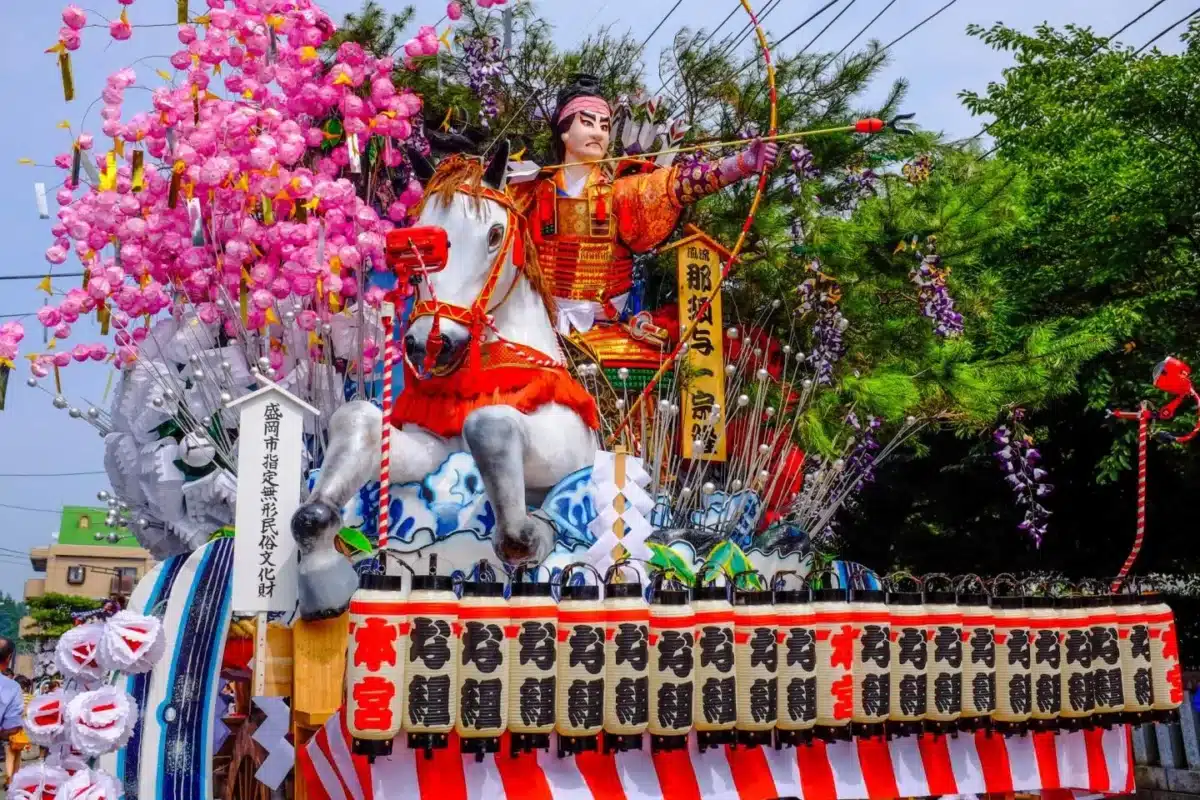
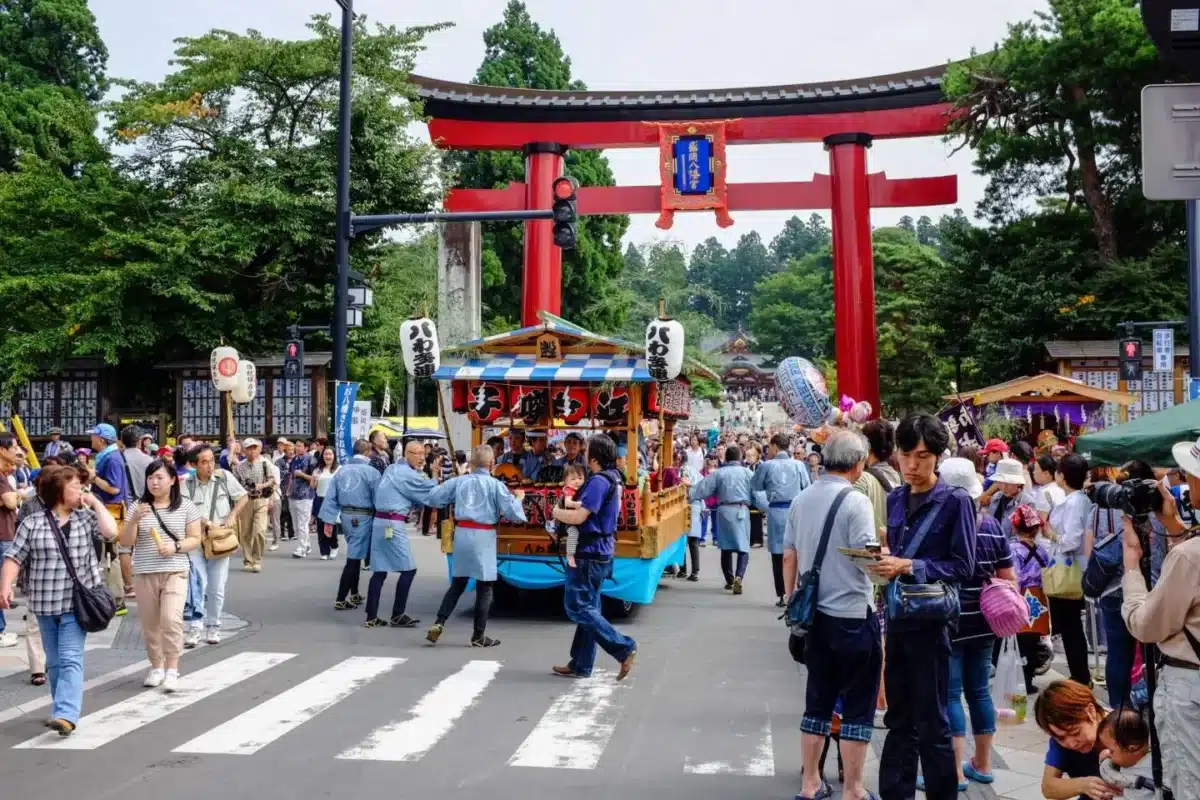
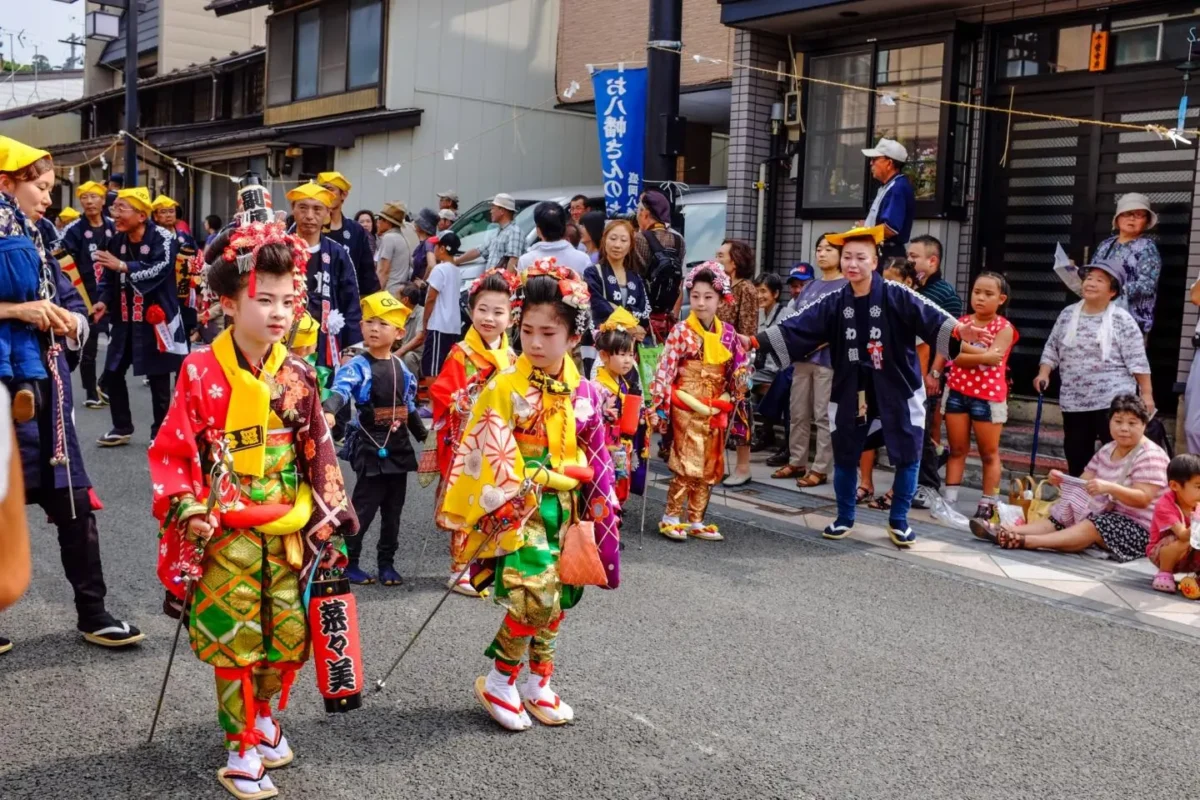
Each year in September, the streets of Morioka come alive to celebrate the arrival of Autumn. The Morioka Aki Matsuri of the Morioka Hachimangu Shrine features a parade of 10 Dashi, beautifully decorated and colored floats, and Mikoshi, small portable shrines, pulled along by as many as 200 people. Each float parades through the streets of Morioka to the sound of Taiko drums and flutes. As the floats pass by, people from the accompanying crowd, usually children, hold a fan in their right hand and sing a chant for admiring the deity or explaining the decoration of the float.
The parade is held annually from the 13th until the 16th. The first day starts at 13:00 from the Morioka Hachimangu Shrine and continues through the streets of Morioka until sunset. The second day the parade starts from the Morioka Castle Site Park at 18:00. The festival finishes up with Yabusame, horseback archery, at the Morioka Hachinmangu Shrine at 13:00. If you’re in Morioka in Autumn, be sure to check it out!
Morioka Autumn Festival, also known as Morioka Hachimangu Grand Festival and Morioka Aki Matsuri, is the annual grand festival of Morioka Hachimangu Shrine, centered around the shrine and spreading into downtown Morioka. It boasts over 300 years of history as an Intangible Folk Cultural Property of Iwate Prefecture, originating in 1709 during the Edo period to celebrate the completion of the castle town Morioka.
Enjoy Your Event Stress-Free with Japan Travelo
Do you know? Planning events, festivals, concerts, and cultural experiences in Japan can be overwhelming. Japan Travelo brings everything together in one place, helping you manage your itinerary, transport, and accommodation with ease—so you can enjoy Japan without the stress of planning.
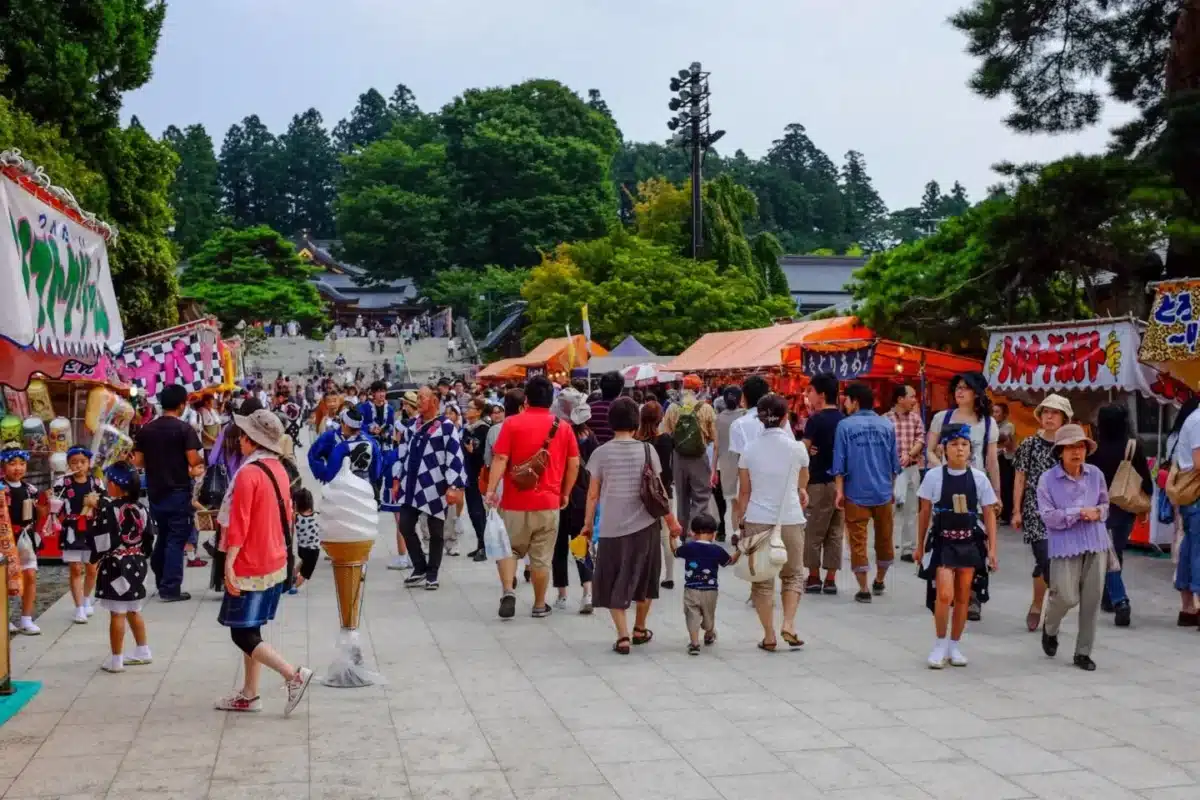
The main highlight is the Floats Parade, in which floats from each town and village come together to form a large picture scroll. During the festival period, the streets from the approach to the Hachimangu Shrine are lined with many stalls and crowded with worshippers. Around 8 to 10 floats are paraded through Morioka City for 3 days, each taking up to six months to build and decorate.
Cultural Significance & Origins
Morioka Hachimangu was founded about 800 years ago by the Nanbu clan as the guardian god of their castle town of Morioka. The shrine is dedicated to Hachiman, the god of war and protector of samurai, and has long been the spiritual center of the Nanbu domain.
Origin in 1709: The festival dates back to 1709, when a parade of floats was performed to celebrate the completion of all the 23 sub-towns of the castle town. According to history, when all the young men from each section of the town celebrated the completion of the construction of the castle town Morioka, Nambu, they pulled decorated floats through streets. This celebration evolved into annual autumn thanksgiving festival.
Nanbu Clan Connection: The festival incorporates the culture of the chic Edo and elegant Kyoto, brought to Morioka by the Nanbu clan who maintained residences in both cities. The gorgeous autumn festival that incorporates chic Edo and elegant Kyoto culture is held in Morioka City, centered around Morioka Hachimangu Shrine. The floats reflect this cultural fusion.
Three Hundred Year Tradition: The Morioka Autumn Festival Dashi, which is held for three days, is a regular festival of Morioka Hachimangu Shrine, a shrine connected to the Nanbu domain, which boasts a tradition of about 300 years. It is a festival in which stylish-looking southerners parade through the city pulling gorgeous floats while chanting Yayare, Yayare.
Intangible Folk Cultural Property: Designated as Intangible Folk Cultural Property of Iwate, the festival preserves Nanbu Furyu float construction techniques, traditional music, and samurai martial arts.
Spiritual Purpose: The festival serves as annual thanksgiving for harvest, prayer for health of townspeople, and purification before winter. The mikoshi procession carries the deity through town to bless each district.
Traditions, Rituals & Customs
The festival follows a ritual calendar preserved for centuries, starting with Yomiya and ending with mounted archery.
Yomiya Festival – Eve Festival: Starting from the Yomiya Festival on September 13th, the eve includes lantern lighting and small rituals at shrine to announce beginning of grand festival.
Hachiman Kudari – Descent of Hachiman: A solemn ritual called Hachiman Kudari where the mikoshi is carried down from shrine to town. This marks the deity leaving shrine to visit townspeople. The mikoshi procession is accompanied by priests in ancient court dress and guards.
Nanbu Furyu Dashi Floats – Reversible Theatrical Floats: The festival features 10 beautifully decked-out floats, which take up to six months to build and decorate. Each float is a Nanbu Furyu Dashi, a unique Morioka style float featuring reversible front and back theatrical scenes. One side depicts a famous scene from Kabuki plays or historical incidents, such as the Battle of Dan-no-ura, the story of Yoshitsune, or the Tale of Genji. The other side shows different scene. The float is built on wooden wheeled base, pulled by up to 200 people with thick ropes.
Chanting and Fan Dance: As the floats pass by, people from accompanying crowd, usually children, hold a fan in their right hand and sing a chant for admiring the deity or explaining the decoration of the float. The main chant heard throughout is Yayare, Yayare, shouted by pullers and crowd, creating rhythmic call and response with taiko drums and flutes. Bystanders at parade chant together as floats move past.
Taiko and Fue Music: The floats are accompanied by musicians playing taiko drums and flutes, called ohayashi. Each town’s float has its own musical troupe in matching happi coats, playing distinctive rhythms passed down generations.
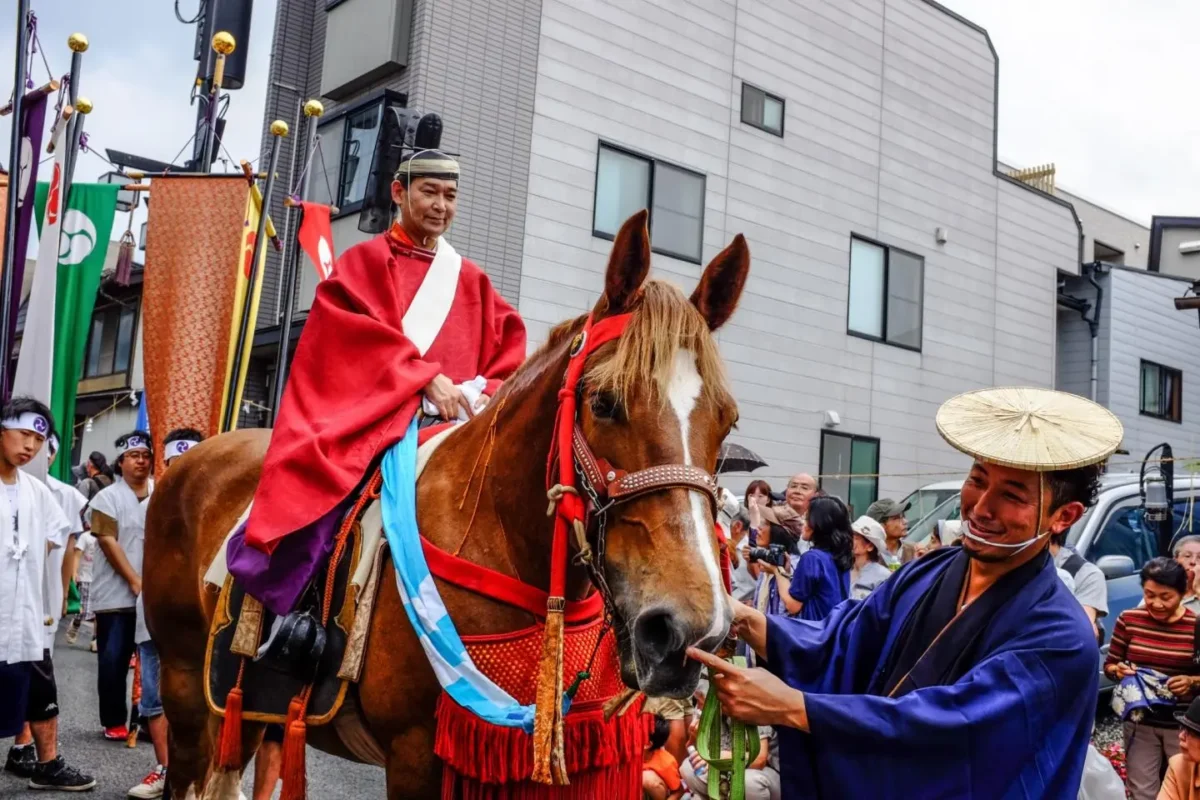
Yabusame – Horseback Archery: The festival finishes up with Yabusame horseback archery at the Morioka Hachimangu Shrine at 13:00. Skilled riders in Kamakura period hunting attire gallop down 200 meter track in shrine grounds, shooting arrows at three wooden targets while horse is at full gallop. This is raw display of samurai art and highlight of final day.
What to Expect at the Festival
Visitors can expect a blend of elegant Edo float culture, samurai martial arts, and intimate community participation.
Float Picture Scroll Parade: The main highlight is the Floats Parade, in which floats from each town and village come together to form a large picture scroll. Eight to ten gorgeous floats with motifs that depict famous scenes from Kabuki plays or historical incidents are pulled through streets in city. During day parade, you can see detailed wood carvings, embroidered curtains, and large mechanical dolls on floats. During evening parade, floats are illuminated with paper lanterns, creating glowing picture scroll moving through dark streets of Morioka.
Community Participation: Unlike large city festivals where visitors only watch, Morioka Autumn Festival is highly participatory. Townspeople of all ages pull ropes, children in matching kimono hold fans and chant, and musicians play. Visitors can walk alongside floats, clap to Yayare chant, and interact with pullers during rest stops.
Samurai Heritage: The Yabusame horseback archery on final day brings samurai spirit. Riders in traditional hitatare hunting robes, with bows and arrows, perform ritual that requires years of training. The thunder of hooves and sharp crack of bow is unforgettable.
Compact and Accessible: Morioka is compact city, and festival routes go through central areas near Morioka Castle Site Park and Oodori main street, making it easy to see multiple times without long travel.
Date & Schedule
Event Dates: Mid September 2027 (Dates TBD)
Each year in September, the streets of Morioka come alive to celebrate the arrival of Autumn.
Based on previous editions, the festival is held annually from September 14th to 16th, with some years extending from 13th to 16th including Yomiya eve and Yabusame.
For reference, the 2026 edition was scheduled from September 14 Monday to September 16 Wednesday, with Yomiya on September 13th. The regular festival of Morioka Hachimangu Shrine is held for three days from September 14th at end of summer.
Typical Schedule:
- September 13th – Yomiya Festival: Eve festival with lantern lighting, small rituals at shrine, and preparation of floats.
- September 14th – Day 1 – Hachiman Kudari and Day Parade: First day starts at 13:00 from the Morioka Hachimangu Shrine and continues through streets of Morioka until sunset. The day includes Hachiman Kudari procession where mikoshi is carried down from shrine, followed by daytime parade of Dashi floats through Oodori and central streets. Streets from approach to Hachimangu Shrine are lined with many stalls and crowded with worshippers.
- September 15th – Day 2 – Evening Grand Picture Scroll Parade: Second day the parade starts from Morioka Castle Site Park at 18:00. This is the evening Grand Float Picture Scroll parade through central Morioka, with illuminated floats creating glowing scroll. This is most photogenic and popular viewing time.
- September 16th – Day 3 – Yabusame Finale: Festival finishes up with Yabusame horseback archery at the Morioka Hachimangu Shrine at 13:00. Morning includes final float procession and mikoshi return, afternoon Yabusame ritual in shrine grounds.
Official schedule for 2027 will be announced by Morioka Hachimangu Shrine in summer.
Visiting this event? Don’t miss out on these amazing activities and local experiences while you’re here.
Main Events & Programme
Hachiman Kudari – Procession of the Deity:
- Content: Mikoshi portable shrines carrying Hachiman deity are carried from Morioka Hachimangu down to town, accompanied by priests, shrine maidens, and guards in Heian period attire. This solemn ritual marks deity’s journey to bless town.
- Route: From Morioka Hachimangu Shrine approach down to central Morioka.
Nanbu Furyu Dashi Float Parade – Daytime:
- Content: 8 to 10 floats, each representing a town or village, parade through Oodori main street and central shopping areas. Each float parades to sound of taiko drums and flutes, with children holding fan in right hand singing chant.
- Highlights: Floats feature reversible theatrical scenes, elaborate embroidery, and large ningyo dolls depicting Kabuki heroes.
Grand Picture Scroll Evening Parade:
- Content: Starting from Morioka Castle Site Park at 18:00, all floats illuminated with hundreds of paper lanterns parade through central Morioka, forming large picture scroll. This is highlight for photographers.
- Route: From Morioka Castle Site Park – Iwate Park through Oodori to Saien area.
Yabusame – Horseback Archery Ritual:
- Content: On final day at 13:00 at Morioka Hachimangu Shrine, skilled archers in Kamakura hunting attire gallop horses down 200 meter track, shooting arrows at three targets. Success or failure of each shot is announced by judges.
- Significance: Demonstrates samurai martial skill, prays for good harvest and safety. The thunder of hooves and arrow hitting target with sharp crack excites crowd.
Stall Market: During festival period, streets from approach to Hachimangu Shrine are lined with many stalls selling food, toys, and crafts.
Traditional Dress, Arts & Crafts
Float Art – Nanbu Furyu Dashi:
- Construction: Floats take up to six months to build and decorate. Wooden base with two large wheels, upper structure with stage for ningyo dolls and musicians. Height 5 to 6 meters, width 3 meters, length 6 meters.
- Decoration: Gorgeous floats with motifs that depict famous scenes from Kabuki plays or historical incidents. Front and back feature different theatrical scenes with life-size dolls in elaborate costumes. Sides decorated with embroidered curtains called mizuhiki, gold leaf, and lacquer work reflecting both chic Edo and elegant Kyoto culture.
- Ningyo Dolls: Large dolls depicting historical figures like Minamoto no Yoshitsune, Benkei, and Kabuki heroes, dressed in silk kimono with detailed armor.
Traditional Clothing:
- Pullers – Hikite: Up to 200 people per float, wearing matching happi coats with town crest, white tabi socks, straw sandals, and headbands with town name. Some wear traditional kaji work clothes.
- Musicians – Ohayashi: Wearing colorful happi coats, playing taiko drums and fue flutes.
- Children: Children holding fan in right hand, wearing small kimono or happi coats, singing chant.
- Yabusame Archers: Wearing hitatare hunting robes with eboshi hats, deerskin gloves, and carrying 2 meter long yumi bows, dressed as Kamakura period samurai.
Chant and Music:
- Yayare Chant: Distinctive chant Yayare, Yayare shouted by pullers, with response from crowd. Rhythm matches drum beats.
- Ohayashi Music: Taiko and fue flute ensembles, each town with unique melody passed down.
Craft Preservation: Float building techniques are preserved by local carpenters, lacquer artists, and doll makers in Morioka, designated as folk cultural property.
Traditional Food & Local Specialties
Morioka is famous for its noodle culture and Tohoku specialties, many available at festival stalls and nearby restaurants.
Festival Stall Foods:
- Wanko Soba – Small Bowl Soba: Morioka’s famous small bowls of soba, served with multiple toppings, challenge to eat many bowls. Stalls sell small portions for 3 USD to 5 USD.
- Jajamen – Meat Miso Noodles: Morioka’s soul food, thick udon noodles with meat miso, cucumber, and green onion, 5 USD to 7 USD per bowl.
- Yakisoba, Takoyaki, Yakitori: Standard festival foods, 4 USD to 7 USD.
- Grilled Ayu Sweetfish: Whole sweetfish grilled with salt, 5 USD to 8 USD.
- Tohoku Apple Candy: Candy apples using Iwate apples, 3 USD to 5 USD.
Morioka Specialties:
- Morioka Reimen – Cold Noodles: Korean-inspired cold noodles with kimchi, beef, and boiled egg, perfect after parade walk, 8 USD to 12 USD.
- Morioka Cold Noodles with Wanko Soba Set: Combination set, 10 USD to 15 USD.
- Nanbu Senbei – Rice Crackers: Southern style senbei with sesame, peanuts, or apple, sold as souvenir, 3 USD to 8 USD per pack.
- Iwate Beef: Local wagyu beef, served as steak or skewers at stalls, 8 USD to 15 USD.
Drinks:
- Iwate Sake – Nanbu Bijin, Asabiraki: Local sake breweries from Morioka, tasting cups 3 USD to 6 USD.
- Apple Juice and Cider: Iwate is apple prefecture, fresh apple juice 2 USD to 4 USD.
Location & Festival Areas
Main Shrine: Morioka Hachimangu Shrine, Morioka Hachinmangu Shrine
Address: 13-1 Hachiman-cho, Morioka City, Iwate 020-0873 Japan
Festival Areas:
- Morioka Hachimangu Shrine Precinct: Starting point for Day 1 parade at 13:00, and venue for Yabusame finale at 13:00 on final day. Shrine approach lined with many stalls and crowded with worshippers during festival. Shrine grounds include main hall, Yabusame track, and Kagura stage. Take JR Tohoku Shinkansen to Morioka Station, then Morioka Central Loop Bus to shrine, about 15 minutes away.
- Morioka Castle Site Park – Iwate Park: Starting point for Day 2 evening parade at 18:00. Park is historic site of Morioka Castle, with stone walls, gardens, and open lawns. Popular viewing area for evening picture scroll parade.
- Oodori – Main Street: Central shopping street where daytime and evening parades pass, lined with shops, department stores, and restaurants. Main viewing area for float parade with sidewalks for spectators.
- Approach Streets to Hachimangu: Streets from approach to Hachimangu Shrine lined with stalls, crowded with worshippers, creating festival market atmosphere.
- Central Morioka – Saien and Oodori: Downtown area where floats parade and form picture scroll.
City Layout: Morioka is compact, with shrine on hill east of city center, castle park in center, and Oodori connecting them, making parade route walkable.
Getting to the Festival
Morioka City is capital of Iwate Prefecture, in Tohoku region, accessible via Tohoku Shinkansen.
From Tokyo:
- JR Tohoku Shinkansen Hayabusa: Tokyo Station to Morioka Station, 2 hours 15 minutes, fare approximately 110 USD to 140 USD one way. Fastest and most recommended.
- Highway Bus: Tokyo to Morioka, 7 to 8 hours, fare 30 USD to 60 USD, budget overnight option.
From Sendai:
- Tohoku Shinkansen: Sendai Station to Morioka Station, 40 minutes, fare approximately 30 USD to 45 USD.
- Local Train: 2 hours 30 minutes, fare 15 USD to 20 USD.
From Morioka Station to Festival:
- Morioka Central Loop Bus – Denden Mushi: From Morioka Station to Morioka Hachimangu Shrine, about 15 minutes, fare approximately 1 USD to 2 USD. Bus also goes to Morioka Castle Site Park.
- Walking: From Morioka Station to Oodori main street, 15 minute walk. To Morioka Hachimangu Shrine, 30 minute walk uphill or 15 minute bus.
- Taxi: Morioka Station to Hachimangu Shrine, 10 minutes, fare approximately 8 USD to 12 USD.
Local Transport During Festival: Some streets closed for parade, so buses may be rerouted. Walking is best for central areas.
Where to Stay Nearby
Staying in Morioka allows you to see both daytime and evening parades and Yabusame without rushing.
Central Morioka Hotels – Near Oodori and Castle Park:
- Hotel Metropolitan Morioka: Near Morioka Station and Oodori, rooms from 80 USD to 150 USD per night, convenient for parade viewing.
- Morioka Grand Hotel: Near Oodori, rooms from 70 USD to 130 USD per night.
- Richmond Hotel Morioka: Business hotel near Oodori, rooms from 60 USD to 110 USD per night.
Near Morioka Hachimangu Shrine:
- Small Ryokan and Guesthouses: Around Hachimangu area, traditional ryokan with tatami rooms, 60 USD to 120 USD per night.
Luxury Options:
- Tsunagi Onsen Hotels: Onsen resorts 20 minutes by bus from central Morioka, rooms with hot spring baths, 120 USD to 250 USD per night including dinner.
Booking Advice: Mid September is pleasant season and festival draws local visitors. Hotels in central Morioka fill 1 to 2 months ahead for September 14th to 16th period. Book early for rooms near Oodori.
What Visitors Can Participate In
Morioka Autumn Festival is highly participatory, welcoming visitors to join town groups.
Float Pulling: Visitors can often join rope pulling for floats, especially if you approach town association happi coat group and ask. Up to 200 people per float, additional hands welcome. You will be given small happi or headband and taught Yayare chant. This is raw display of communal festival and best way to experience.
Chanting and Fan Holding: Children hold fan in right hand and sing chant for admiring deity or explaining decoration of float. Visitors, especially families with children, can borrow small fans and join chanting group alongside float, singing explanation of float decoration.
Taiko and Flute: Some towns allow visitors to try taiko drum during rest stops.
Yabusame Viewing and Prayer: At Yabusame, visitors can sit in shrine grounds, watch archery, and pray for good luck. After ritual, archers often show bows and allow photos.
Stall Market Shopping: Walk through stalls lining approach to Hachimangu Shrine, buying Nanbu senbei, apple goods, and crafts.
Photography: Photography of floats and Yabusame allowed, with designated viewing areas.
Things to Do Before or After the Festival
Morioka offers many attractions in autumn.
Before Festival – Morning:
- Morioka Castle Site Park – Iwate Park: Explore historic castle ruins, stone walls, and gardens before evening parade starts from here. Free admission.
- Morioka History and Culture Museum: Near castle park, exhibits on Nanbu clan and Morioka history, admission approximately 3 USD to 5 USD.
- Ishikawa Takuboku Memorial: Museum of famous poet who lived in Morioka.
After Festival – Afternoon and Evening:
- Wanko Soba Challenge: Try Morioka’s famous wanko soba eating challenge at restaurants like Azumaya, where staff keep serving small bowls until you cover bowl. Meal 15 USD to 25 USD.
- Morioka Handicraft Village: 20 minutes by bus from city center, where you can see Nambu ironware, pottery, and dyeing workshops, and try making own ironware or pottery, workshops 10 USD to 30 USD.
- Koiwai Farm: 30 minutes by bus from Morioka, one of Japan’s largest private farms, with autumn leaves, dairy products, and beautiful view of Mount Iwate.
Day Trips:
- Chuson-ji Temple in Hiraizumi: UNESCO World Heritage temple with golden hall, 40 minutes by Shinkansen plus bus.
- Kakunodate Samurai District: Preserved samurai town, 1 hour by Shinkansen.
- Nyuto Onsen: Famous hot spring area in mountains, 1 hour by bus.
Autumn Foliage: Mid September in Morioka is start of autumn colors, with Mount Iwate and surrounding mountains beginning to turn.
Local Food & Restaurants
Central Morioka Restaurants:
- Azumaya – Wanko Soba: Most famous wanko soba restaurant, founded in 1907, near Morioka Castle Park, lunch sets from 12 USD to 20 USD, wanko soba challenge courses from 15 USD to 25 USD.
- Pairon – Jajamen: Famous jajamen restaurant, small shop near Saien, bowls from 5 USD to 8 USD, with chitan soup made from leftover meat miso and egg.
- Pyong Pyong Sya – Reimen: Originator of Morioka reimen cold noodles, near Oodori, bowls from 8 USD to 12 USD.
Iwate Specialties Restaurants:
- Iwate Beef Steak Houses: Restaurants around Oodori serving Iwate beef steak, lunch from 20 USD to 40 USD, dinner from 40 USD to 80 USD.
- Kitano Chaya: Serves local sake and Tohoku cuisine including grilled fish and pickles.
Festival Food Stalls: During festival, stalls along approach to Hachimangu Shrine sell yakisoba, grilled ayu, Tohoku apple candy, and local sake.
Cafes:
- Fukushiya – Coffee Shop: Historic coffee shop near Oodori, coffee and cake sets 4 USD to 7 USD.
Ticket Information & Access
Admission: Free for float parades and shrine grounds.
- Float Parades – Day and Evening: Free to watch along Oodori, Morioka Castle Site Park, and approach streets. No tickets required.
- Morioka Hachimangu Shrine Grounds: Free entry to shrine precinct, including Yabusame viewing area. Some premium seating for Yabusame may require small donation.
- Yabusame Horseback Archery: Free to watch from shrine grounds standing areas. Some years, reserved seating in front of track may be available for 10 USD to 20 USD, based on previous editions.
- Stalls: Food stall items 3 USD to 8 USD, drinks 2 USD to 5 USD.
- Museums: Morioka History and Culture Museum admission 3 USD to 5 USD.
Access Notes:
- No Heartful Zone Information: No specific disability viewing zone announced, but Oodori and castle park have accessible viewing spots.
- Crowds: Evening Grand Picture Scroll parade is most crowded, arrive 30 minutes early for front row along Oodori.
- Payment: Cash is primary at stalls, some accept IC cards. Restaurants accept credit cards.
If Pricing Not Announced for 2027: All USD prices based on previous editions 2024 to 2026. Float parade remains free as community festival.
Official Event Information
Event Name: Morioka Autumn Festival – Morioka Aki Matsuri – Morioka Hachimangu Grand Festival
Organizer: Morioka Hachimangu Shrine with Morioka Autumn Festival Preservation Association and Morioka City
Venue: Morioka Hachimangu Shrine, 13-1 Hachiman-cho, Morioka City, Iwate 020-0873 Japan, plus Morioka Castle Site Park and Oodori main street
Access: Take JR Tohoku Shinkansen to Morioka Station, then Morioka Central Loop Bus to shrine about 15 minutes away. Oodori main street 15 minute walk from Morioka Station.
Official Website URL as text: en.japantravel.com/iwate/morioka-autumn-festival2/6733 and www.morioka-hachimangu.jp and iwatetabi.jp and japan.travel/en/spot/1559/
Contact: Morioka Hachimangu Shrine Office, Phone 019-652-5211. Morioka City Tourism Division.
Notes: Pricing for 2027 has not been announced. All USD prices based on previous editions. Festival features 10 beautifully decked-out floats which take up to six months to build and decorate. Floats are accompanied by musicians playing taiko drums and flutes. Bystanders at parade chant together as floats move past. Check official Morioka Hachimangu website for confirmed schedule, especially for Yabusame time which may shift slightly.
Video
Location
FAQ
What are Dashi floats and what makes Nanbu Furyu Dashi unique?
Dashi are beautifully decorated and colored floats pulled by up to 200 people, featuring reversible theatrical scenes depicting famous Kabuki plays or historical incidents. Nanbu Furyu Dashi is unique Morioka style where front and back of float show different scenes with life-size dolls in elaborate costumes, incorporating both chic Edo and elegant Kyoto culture. Each float takes up to six months to build and decorate, with embroidered curtains, gold leaf, and lacquer work preserved as folk cultural property.
What is Yabusame horseback archery and when does it happen?
Yabusame is horseback archery where skilled riders in Kamakura period hunting attire gallop down a 200 meter track in shrine grounds, shooting arrows at three wooden targets while horse is at full gallop. It is raw display of samurai art and communal festival connecting region to warrior heritage, held as finale of Morioka Autumn Festival at Morioka Hachimangu Shrine at 13:00 on final day. Success or failure of each shot is announced, and ritual prays for good harvest and safety.
Can visitors pull the floats and participate in chanting?
Yes, Morioka Autumn Festival is highly participatory and welcoming to visitors joining rope pulling, unlike many large city festivals. Townspeople of all ages pull ropes and often welcome additional hands, especially if you approach town association group in matching happi coats and ask politely. Children hold fan in right hand and sing chant for admiring deity or explaining decoration, and visitors can borrow small fans and join Yayare Yayare chant that creates rhythmic call and response with taiko drums and flutes.
Where is the best place to watch the evening Grand Picture Scroll parade?
The best place is along Oodori main street and at Morioka Castle Site Park where parade starts at 18:00 on second day, with all floats illuminated with paper lanterns forming large picture scroll through central Morioka. Oodori offers wide sidewalks and shops for viewing, while castle park provides historic backdrop of castle walls. Arrive 30 minutes early for front row, as evening parade is most popular and photogenic with glowing floats moving through dark streets.
What should I eat in Morioka during the festival?
Morioka is famous for three great noodles – wanko soba small bowls served with challenge, jajamen meat miso noodles, and reimen cold noodles with kimchi – all available at festival stalls and nearby restaurants. Festival stalls also sell grilled ayu sweetfish, Tohoku apple candy, and Iwate sake from local breweries like Nanbu Bijin. Local specialties include Nanbu senbei rice crackers with sesame and peanuts, and Iwate beef skewers, providing hearty Tohoku flavors to enjoy while watching floats.

Leave a Reply