
Overview
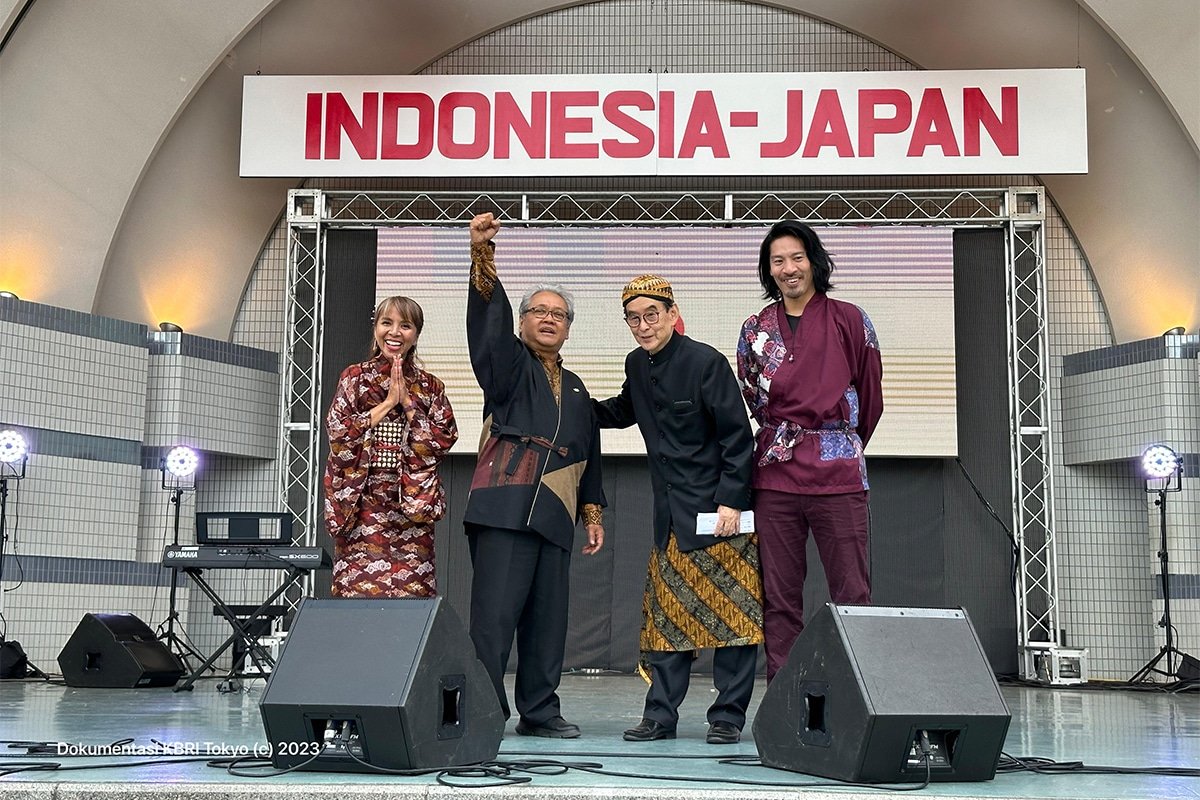
What it is: The Indonesia-Japan Friendship Festival, officially named Japan Indonesia Citizens Friendship Festival, is an annual cultural exchange event held at Yoyogi Park Event Plaza in Tokyo. It celebrates cordial relations between Indonesia and Japan through food, music, dance, shopping, and community exchange.
Atmosphere: Summertime means a stream of international festivals at the event square in Yoyogi Park, a lively collection of good food, good music, good shopping, interesting performances, and some imported beer to top it all off. With that criteria, the Japan-Indonesia Friendship Festival nails it.
First impression: Entering the festival, the first thing that hits you is the delicious smells wafting from the food stands. Tokyo’s Indonesian restaurants are here representing the best they’ve got, from nasi-goreng stir-fried rice and spices to sate skewered meat. Coconut, mango, and rich, complex spices are ubiquitous, as are little chili pepper illustrations that they put on menus to tell you which dishes are hot.
Enjoy Your Event Stress-Free with Japan Travelo
Do you know? Planning events, festivals, concerts, and cultural experiences in Japan can be overwhelming. Japan Travelo brings everything together in one place, helping you manage your itinerary, transport, and accommodation with ease—so you can enjoy Japan without the stress of planning.
Community scale: The festival draws tens of thousands over a weekend, with recent editions reporting around 50,000 visitors. It is organized by the Indonesia-Japan Friendship Festival Executive Committee with support from the Embassy of the Republic of Indonesia.
Venue: Entrance to the festival is free. It is held in Yoyogi Park around the permanent main stage set up near the NHK building. It is about a 5 minute walk from Harajuku Station or Meijijingumae Station, and a 10 minute walk from Yoyogi-hachiman Station.
Cultural Significance & Origins
Diplomatic milestone: This annual event was moved from its previous home at Tokyo Midtown to Yoyogi Park in 2013, the year that also marked the 50th anniversary of cordial relations between the two countries. Diplomatic relations between Japan and Indonesia were established in 1958, making cultural exchange a long tradition.
People to people ties: Japan and Indonesia share deep migration and economic ties. Indonesia hosts a significant Japanese business community, while Japan hosts Indonesian students, technical trainees, and workers. The widespread availability of Japanese language programs in Indonesia attests to cultural affinity.
Citizens friendship concept: Officially named Japan Indonesia Citizens Friendship Festival, the event emphasizes citizen level exchange rather than formal diplomacy. Now in its eighth year under this name and longer as Indonesia Festival since 2008, it celebrates friendship through food, performances, and opportunities to meet new people.
ASEAN inclusivity: Indonesians must be friendly people, as they invited some of their South East Asian neighbors to the festival. Thai, Vietnamese, and Indian food stands were also in attendance in early editions, reflecting ASEAN solidarity and Tokyo’s multicultural food scene.
Traditions, Rituals & Customs
Food as ritual: The first thing you notice as you head over to Yoyogi Park is the undeniably mouthwatering scent of food: nasi-goreng, skewered meat, mango, rich spices and coconut wafting everywhere. Vendors from Indonesian restaurants from all over the Kanto region serve three or four plates of nasi goreng while you watch dance performances.
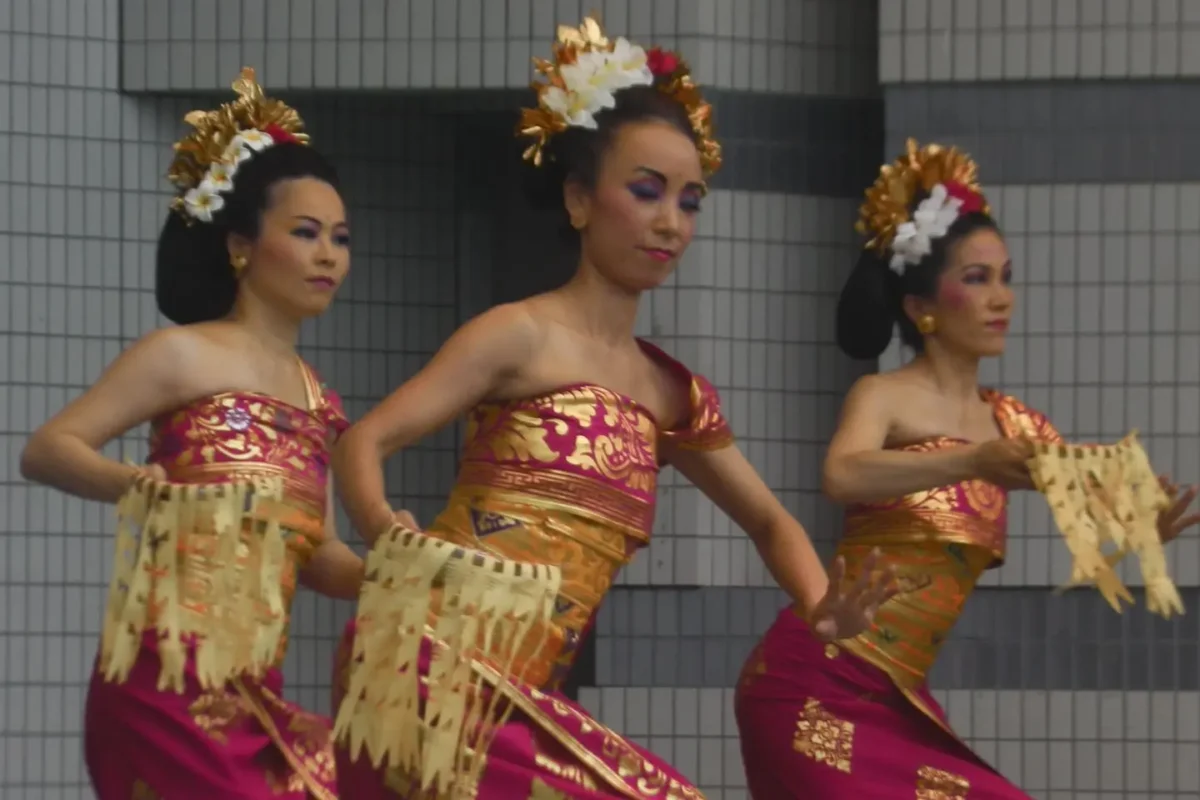
Dance in full costume: The stage features a full lineup of performances. Dancers in full Indonesian costumes danced and posed to traditional music, and quite honestly put on a heck of a show. Costumes include Balinese Legong with gold headdresses, Javanese kebaya with batik, and Sumatran songket with gold threads.
Music and spiritual dance: Traditional forms like Saman from Aceh known as thousand hands dance, Pendet welcome dance from Bali, and Jaipong from West Java are performed. A Japanese group also plays traditional festival music, creating fusion.
Shopping and craft customs: Shopping stalls are plentiful, offering a mix of crafts, jewelry, and earthy, bohemian-colored clothes. One stand features neat traditional musical instruments like gamelan and angklung, another offers henna art, incense, toys, and Bintang merchandise. Buying batik and trying henna are considered festival rituals.
What to Expect at the Festival
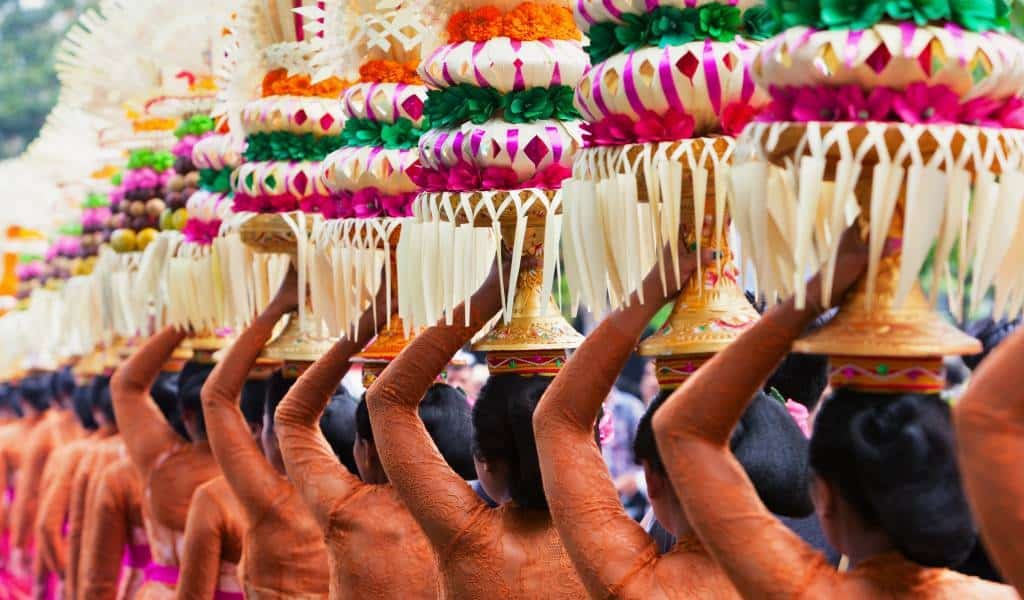
Sensory overload: Expect delicious smells, colorful costumes, and vibrant craft displays. The event brings together traditions of Indonesia and Japan through captivating performances of Indonesian dance and live music, vibrant craft displays, and food booths brimming with authentic flavors.
Live stage: Full lineup including Indonesian traditional dances in full costumes, modern Indonesian pop bands like J-Rocks, Japanese taiko or festival music groups, and special record events like Marandang Dunia mass rendang cooking that broke MURI record for most rendang cooked overseas.
Food village: Popular menus such as authentic nasi goreng, mee goreng, satay, and ayam goreng are available. Representative beer Bintang from Indonesia is also sold, so you can fully enjoy flavors of Indonesia. For those who want heat, chili pepper illustrations guide you.
Family friendly: Kid-friendly events include dance lessons, henna art, and toy stalls. Special opportunity for citizens of both nations to engage in meaningful cultural exchange right in heart of Tokyo.
Date & Schedule
Event timing: Mid October 2027 (Dates TBD)
Recent pattern: Indonesia-Japan Friendship Festival 2025 took place October 18 to 19 at Yoyogi Park, Saturday and Sunday, 11:00 AM to 8:00 PM, with some listings showing 10:00 AM to 8:00 PM tentative. The 2024 edition was held October 19 and 20 at Yoyogi Park. The 2026 edition is listed as October 18 to 19 as well. For 2027, expect a similar weekend in mid-October with two full days.
Typical daily schedule:
11:00 AM: Venue opens, food stalls start, craft market opens, background gamelan.
12:00 PM to 3:00 PM: Traditional dance performances, Saman, Pendet, Balinese dances, children’s activities, and tourism info.
3:00 PM to 6:00 PM: Peak performances including Balinese dance, Japanese matsuri music, and special events like mass rendang cooking or cultural talks.
6:00 PM to 8:00 PM: Evening concerts with Indonesian band performances, modern pop, and finale with all dancers on stage.
Free admission both days.
Visiting this event? Don’t miss out on these amazing activities and local experiences while you’re here.
Main Events & Programme
Stage performances: Captivating performances of Indonesian dance and live music. Dancers in full Indonesian costumes dance and pose to traditional music. Japanese group plays traditional festival music as well. Recent lineups include Indonesian bands lighting up evening for audience.
Culinary showcase: Tokyo’s Indonesian restaurants representing best they’ve got. Dishes of Indonesian restaurants from all over Kanto region served in food trucks, so come ready to taste three, four plates of nasi goreng while enjoying beautiful dance performances. Includes Thai, Vietnamese, Indian neighbors in some years.
Record events: Marandang Dunia at IJFF 2025 wasn’t just record-breaking, it celebrated taste, culture, and friendship. IKM Minang broke MURI record for most rendang cooked overseas during festival, highlighting Indonesian culinary heritage.
Craft market: Vibrant craft displays with batik textiles, ikat weavings, wooden carvings from Bali, silver jewelry from Yogyakarta, and earthy bohemian-colored clothes. Incense and toys also available.
Exchange booths: Booths offering henna art, traditional musical instruments display, tourism information for Bali, Lombok, and other islands, plus language exchange corners and embassy information.
Traditional Dress, Arts & Crafts
Costume art: Dancers wear full Indonesian costumes including Balinese udeng headwraps and prada gold-painted costumes, Javanese batik kebaya, and Minangkabau songket with gold threads. These costumes are handwoven and represent different islands and royal traditions.
Batik and ikat: Traditional batik from Java recognized by UNESCO, ikat from Flores, and ulos from Sumatra sold as fabrics, shirts, scarves. Batik making demonstration sometimes included showing wax-resist dyeing.
Crafts and jewelry: Wooden masks from Bali, wayang shadow puppets, angklung bamboo instruments, gamelan miniatures, pearl jewelry from Lombok, and earthy bohemian-colored clothes made from natural dyes.
Henna and incense: Henna art booths offer temporary tattoos with Indonesian floral motifs. Incense stalls sell sandalwood and frangipani scents. Toys and Bintang merchandise including shirts and bottle openers are popular.
Musical instruments: Neat traditional musical instruments including gamelan gongs, kendang drums, and bamboo flutes suling displayed and sold, allowing visitors to try sounds.
Traditional Food & Local Specialties
Core dishes: Nasi-goreng stir-fried rice and spices, sate skewered meat with peanut sauce, mee goreng fried noodles, ayam goreng fried chicken with turmeric, and beef rendang slow-cooked in coconut milk and spices.
Flavor profile: Coconut, mango, and rich, complex spices are ubiquitous. Little chili pepper illustrations on menus indicate heat levels. For some visitors, even Tokyo’s hot and humid summer days aren’t enough to keep them from wanting to sweat even more with sambal.
Beer and drinks: Most dishes were being sold for about 500 yen in earlier editions, as were bottles of Bintang, an Indonesian beer. Bintang is light lager perfect for festival. Also es teh manis sweet iced tea, es kelapa muda young coconut, mango juice, and es cendol.
Neighbor stalls: Thai, Vietnamese, and Indian food stands also in attendance in some editions, offering pad thai, pho, and curry alongside Indonesian staples.
Pricing from previous editions: Nasi goreng 4 USD to 6 USD, sate skewers 3 USD to 6 USD for 3 sticks, mie goreng 4 USD to 6 USD, ayam goreng 5 USD to 8 USD, rendang 6 USD to 9 USD, Bintang beer 4 USD to 6 USD, coconut drink 3 USD to 4 USD, based on 500 yen typical price.
Location & Festival Areas
Park location: Yoyogi Park Event Plaza, Yoyogi Park Events Square, address 2-1 Yoyogi Kamizonocho, Shibuya 151-0052 Tokyo, or 2-3 Jinnan, Shibuya. Around permanent main stage set up near NHK building.
Zones:
Food village: Entrance area where delicious smells waft from food stands, rows of Indonesian restaurant booths and Southeast Asian neighbors.
Main stage: Permanent stage near NHK building where dancers in full Indonesian costumes perform and Japanese group plays traditional festival music.
Shopping alley: Central aisle with shopping stalls plentiful, offering mix of crafts, jewelry, earthy bohemian-colored clothes, traditional instruments, henna art, incense, toys, and Bintang merchandise.
Exchange and tourism corner: Side tents with tourism info, language schools, and embassy information about Japan-Indonesia ties.
Access: About 5 minute walk from Harajuku Station JR Yamanote Line or Meijijingumae Station Chiyoda Line, 10 minute walk from Yoyogi-hachiman Station Odakyu Line, 3 minute walk from Tokyo Metro Yoyogi-Koen Station.
Getting to the Festival
By train: Most convenient. From JR Harajuku Station take west exit, walk through Yoyogi Park south gate 5 minutes to Event Plaza. From Tokyo Metro Chiyoda Line Yoyogi-Koen Station, exit 2, 3 minute walk. From Meiji-Jingumae Station, 5 minute walk.
From central Tokyo: From Shinjuku, Yamanote Line to Harajuku, 5 minutes. From Shibuya, walk 15 minutes through park or Yamanote Line one stop to Harajuku. From Tokyo Station, Yamanote Line to Harajuku about 25 minutes.
On foot: From Harajuku Takeshita Street, walk straight into Yoyogi Park, follow scent of food and sound of gamelan to Event Plaza.
No parking: No parking at Yoyogi Park on festival days. Use public transportation. Bicycle parking also limited.
Where to Stay Nearby
Shibuya and Harajuku: Hotels in Shibuya, Harajuku, Omotesando range from 80 USD to 200 USD per night. Business hotels from 60 USD to 90 USD, capsule hotels similar.
Shinjuku: Large hotel cluster 10 minutes by train, rates 70 USD to 150 USD per night, good for combining with other Tokyo events.
Yoyogi and Sendagaya: Boutique hotels near Yoyogi Station, rates 65 USD to 120 USD per night, walking distance to park.
Budget: Hostels in Shibuya and Shinjuku dorm beds 25 USD to 45 USD per night.
Booking tip: Autumn is pleasant season in Tokyo with many festivals. Book at least one month in advance, especially Shibuya area which fills on festival weekends.
What Visitors Can Participate In
Food tasting tour: Taste three, four plates of nasi goreng while enjoying dance performances, as suggested by past guides. Try different regional styles from Java, Bali, Sumatra, compare spice levels.
Dance with performers: Join crowd dancing during Saman or Pendet performances, learn basic movements from dancers who often invite audience to stage.
Craft shopping and henna: Buy batik, ikat, bohemian clothes, try henna art, test traditional musical instruments at instrument stall, and buy Bintang merchandise.
Beer and community chat: Enjoy bottles of Bintang beer, chat with Indonesian restaurant owners representing best they’ve got from Kanto region, and exchange language phrases in Indonesian and Japanese.
Cultural exchange activities: Visit embassy and tourism booths to learn about Indonesia travel, Japanese language programs in Indonesia, and friendship activities like rendang cooking.
Things to Do Before or After the Festival
Meiji Shrine: Adjacent to Yoyogi Park, Meiji Jingu Shrine is Tokyo’s most famous Shinto shrine, with forested paths, iris garden, 5 minute walk from festival.
Harajuku and Takeshita Street: Fashion shopping street famous for youth culture, crepes, vintage shops, near Harajuku Station.
Shibuya Crossing: World’s busiest crossing and Hachiko statue, 15 minute walk from park.
Yoyogi Park itself: Enjoy other areas including central pond, jogging paths, street performers on weekends, and dog run.
Indonesian restaurants in Tokyo: After festival, explore Indonesian restaurants in Shinjuku, Meguro, Otsuka for more authentic rendang and sate year round.
Local Food & Restaurants
Inside festival: Best place for Indonesian food that weekend, with authentic nasi goreng, satay, ayam goreng, rendang, and Bintang beer, plus Thai, Vietnamese, Indian neighbors.
Around Harajuku: Harajuku offers many international restaurants, but for Indonesian, head to nearby Shinjuku where several authentic Indonesian warung operate.
Shinjuku and Meguro: Indonesian restaurants like Indochine, Bali Cafe, and smaller warung serve similar menus year round, lunch sets 8 USD to 12 USD, dinner 12 USD to 20 USD.
Other Southeast Asian: Since Thai, Vietnamese, Indian stands also attend, festival gives taste of broader Southeast Asian cuisine available in Tokyo’s international food scene.
Ticket Information & Access
Admission: Free, 0 JPY, approximately 0 USD. No ticket required for any area including main stage and craft market.
Paid items: Only food, drinks, and crafts cost money. Most dishes about 500 yen in earlier editions, now 4 USD to 6 USD. Bintang beer similar price. Henna art 5 USD to 10 USD, batik shirts 15 USD to 35 USD.
Capacity: Recent editions drew around 50,000 visitors over weekend, with lively but manageable crowd. Arrive early for front stage spots for popular dances.
Hours: Based on previous editions, 11:00 AM to 8:00 PM each day, or 10:00 AM to 8:00 PM tentative, with food stalls opening slightly earlier.
Access notes: Yoyogi Park Event Plaza is flat and accessible for wheelchairs and strollers. Follow staff guidance for queue lines at popular food stalls.
Official Event Information
Event name: Indonesia-Japan Friendship 2027 – Tokyo, Japan, also called Japan Indonesia Citizens Friendship Festival, Indonesia-Japan Friendship Festival, Japan-Indonesia Friendship Festival
Venue: Yoyogi Park Event Plaza, Yoyogi Park Events Square, around permanent main stage near NHK building, 2-1 Yoyogi Kamizonocho, Shibuya 151-0052 Tokyo
Organizer: Indonesia-Japan Friendship Festival Executive Committee, supported by Embassy of Republic of Indonesia, Ministry of Foreign Affairs Japan, Tokyo Metropolitan Government
Access: 5-minute walk from JR Harajuku Station or Meijijingumae Station, 10-minute walk from Yoyogi-hachiman Station, 3-minute walk from Yoyogi-Koen Station
Official website text: indonesia-festival.jp and yoyogipark.info event pages for Indonesia-Japan Friendship Festival
Admission: Free
Description: The Japan-Indonesia Friendship Festival is an annual event in Tokyo’s Yoyogi Park. It features Indonesian food, music, dance, crafts, and beer, celebrating cordial relations since move to Yoyogi Park in 2013.
Video
Location
FAQ
Is the Indonesia-Japan Friendship Festival free and what are the opening hours?
Yes, entrance to the festival is completely free and it is held in Yoyogi Park around the permanent main stage near the NHK building. Based on recent editions, opening hours are from 11:00 AM to 8:00 PM on both days of the weekend, with food stalls opening slightly earlier. Only food, drinks, and crafts are paid, while all stage performances including Indonesian dance and live music are free to watch.
What Indonesian food should I try at the festival?
You should try Tokyo's Indonesian restaurants representing best they've got, with nasi-goreng stir-fried rice and spices, sate skewered meat with peanut sauce, mie goreng fried noodles, and ayam goreng fried chicken. Coconut, mango, and rich complex spices are ubiquitous, with chili pepper icons indicating spiciness. Popular drinks include Bintang Indonesian beer, es teh manis sweet iced tea, and young coconut, with most dishes previously sold for about 500 yen.
What kind of performances are held on the main stage?
The stage features a full lineup of performances including dancers in full Indonesian costumes dancing and posing to traditional music, such as Saman thousand hands dance, Balinese Legong, and Javanese dances. A Japanese group also plays traditional festival music. Modern Indonesian bands like J-Rocks have performed, and special events like mass rendang cooking for MURI records have been held, creating a fusion of sounds and cultural unity.
Why did the festival move to Yoyogi Park?
This annual event was moved from its previous home at Tokyo Midtown to Yoyogi Park in 2013, the year that also marked the 50th anniversary of cordial relations between Japan and Indonesia. Yoyogi Park Event Plaza is Tokyo's main venue for international festivals, offering a large open space for food, music, shopping, and performances. The move allowed larger crowds and a more festive outdoor atmosphere celebrating citizen friendship.
What shopping can I do at the festival?
Shopping stalls are plentiful offering a mix of crafts, jewelry, and earthy bohemian-colored clothes, including batik textiles from Java, ikat weavings, wooden carvings from Bali, and silver jewelry from Yogyakarta. One stand features neat traditional musical instruments like gamelan and angklung, another offers henna art, incense, toys, and Bintang merchandise. These crafts represent different Indonesian islands and make unique souvenirs of cultural exchange.

Leave a Reply