
Overview
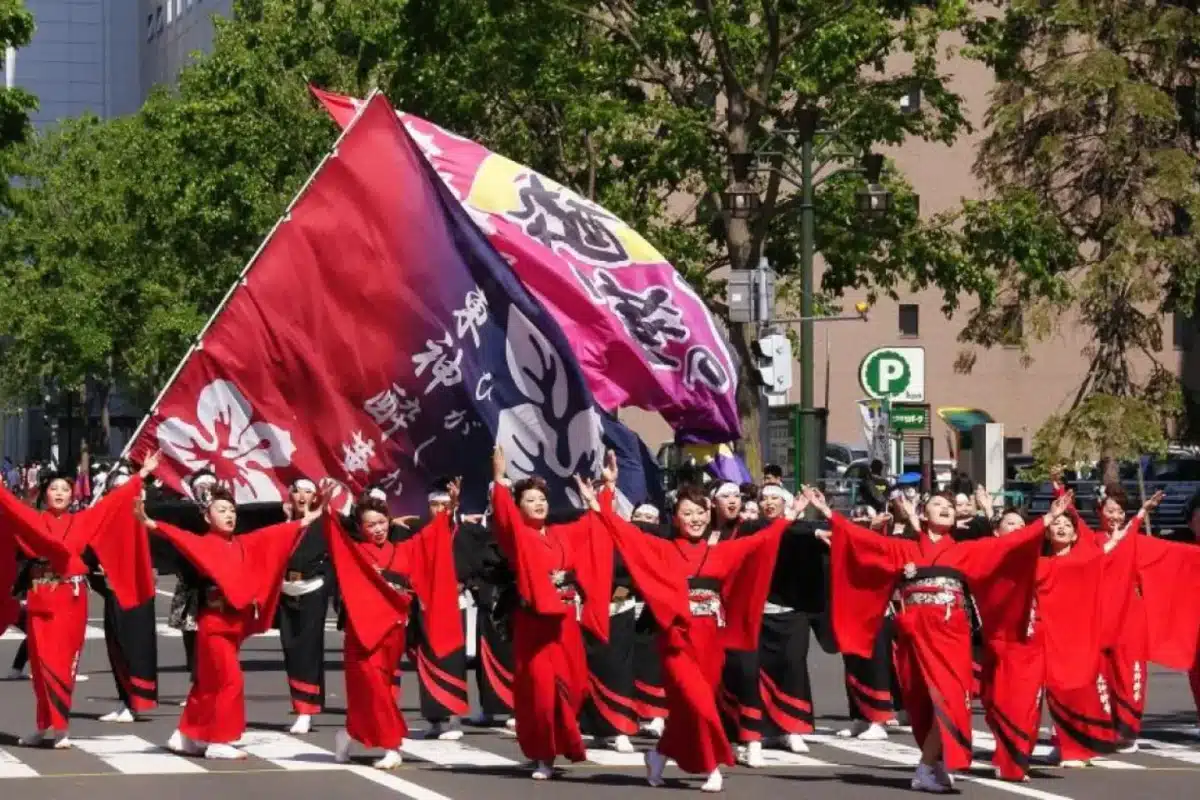
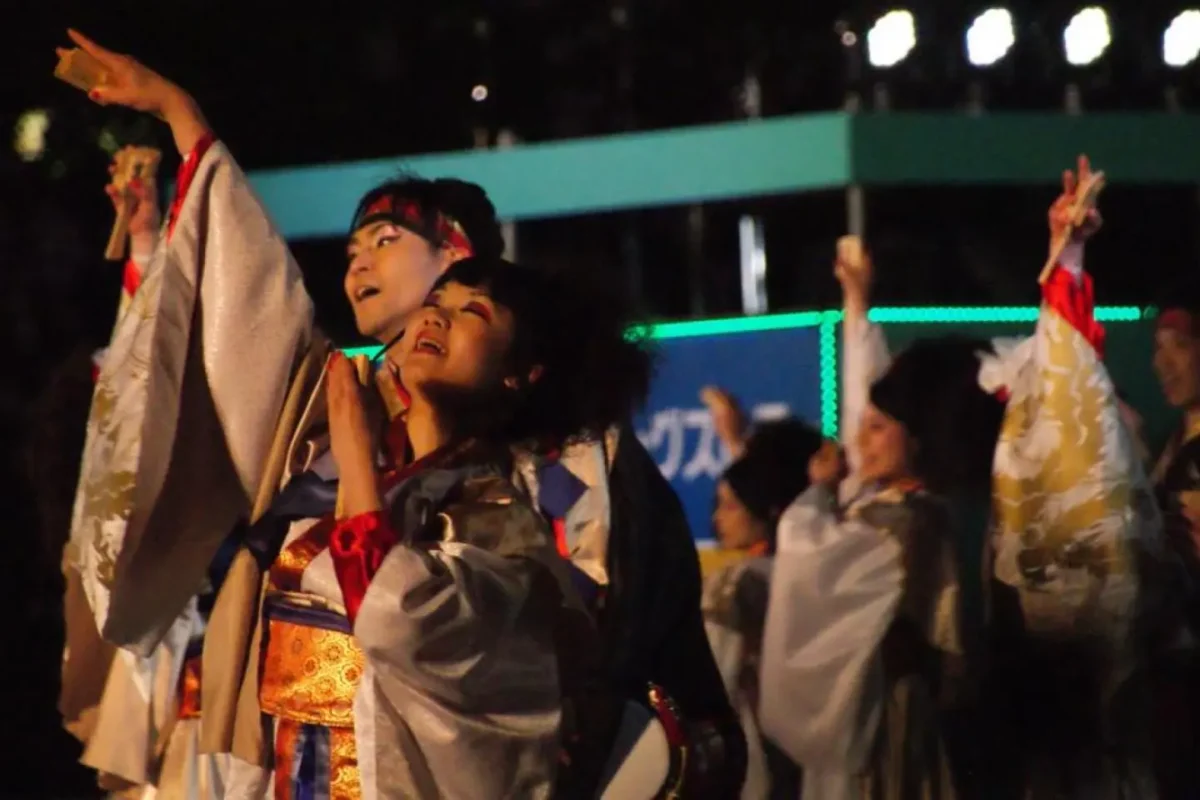
Yosakai is an event filled with dancing and fun. Come and watch powerful, dynamic dance performances from up close. And if you’re feeling brave enough, join in on the fun! In Odori Park and on special event stages set up across Sapporo City, you will witness a colorful and energetic display of the finest dancing the city has to offer. Most commonly, teams from across Hokkaido will compete with their thrilling dances to see who can inhabit the spirit of this lively festival.
You won’t go hungry, either! Get your fill of delicious food at the Northern Food Park, featuring Hokkaido’s local meat, fish, ice cream and regional specialties. If you like wild music, emphatic dancing, Japanese festivals, or just the sheer energy of it all, then the Yosakoi Soran Festival is where you need to be!
The Yosakoi Soran Festival is held every year in Sapporo and was created by mixing the Naruko of the Kochi Yosakoi Festival and the Soran-bushi of Hokkaido folk songs. First held in 1992, it has grown into one of Japan’s most famous dance festivals, attracting more than 2 million spectators and close to 270 teams with 27,000 dancers from across Japan and overseas. The festival was originally held under the motto The Town is the Stage, and today sightseeing spots, commercial facilities, and major streets transform into stages for dancing.
Enjoy Your Event Stress-Free with Japan Travelo
Do you know? Planning events, festivals, concerts, and cultural experiences in Japan can be overwhelming. Japan Travelo brings everything together in one place, helping you manage your itinerary, transport, and accommodation with ease—so you can enjoy Japan without the stress of planning.
The main hub of activity is Odori Park, stretching across multiple blocks, where various stages host performances simultaneously. Major parades also take over Sapporo’s main streets, transforming them into stages for over 200 teams. It is an immense festival that shows it is still worth visiting Sapporo in summer, with dances that are along main streets you can see lots for free.
Cultural Significance & Origins
The Yosakoi Soran Festival celebrates local culture through dance and music, blending two distinct Japanese folk traditions into a new form.
Roots in Kochi Yosakoi: Yosakoi is a style of dance that originated in Kochi Prefecture in 1954 as a modern, energetic interpretation of traditional Awa Odori, designed to revitalize the local economy after war. It uses naruko clappers, originally tools to scare birds from rice fields, held in both hands and played like a musical instrument while dancing.
Hokkaido Soran Bushi: Soran Bushi is a traditional sea shanty, a labor song sung by Hokkaido fishermen during herring fishing. The phrase Yaren Soran echoes the call of fishermen hauling nets, full of power and solidarity. Hokkaido’s Soran Bushi folk songs give the beat to colorfully dressed dancers marking rhythm with naruko clappers.
Birth of the Hybrid: The idea to combine them came from a group of students at Hokkaido University who had experienced the Kochi Yosakoi Festival. In 1991, they proposed a new festival that would energize Sapporo and create a new tradition for the city. The first edition in 1992 featured just 10 teams and 1,000 dancers. Today it is an early summer tradition that people from all over the world, regardless of nationality, participate in.
Community Philosophy: The festival emphasizes team bonding, creativity, and inclusivity. Teams are often formed from universities, companies, local communities, and international groups. The motto The Town is the Stage reflects the intention to make the entire city a performance space, breaking barriers between performers and spectators.
Traditions, Rituals & Customs
The Yosakoi Soran Festival has only two simple rules, which allow for extraordinary creative freedom.
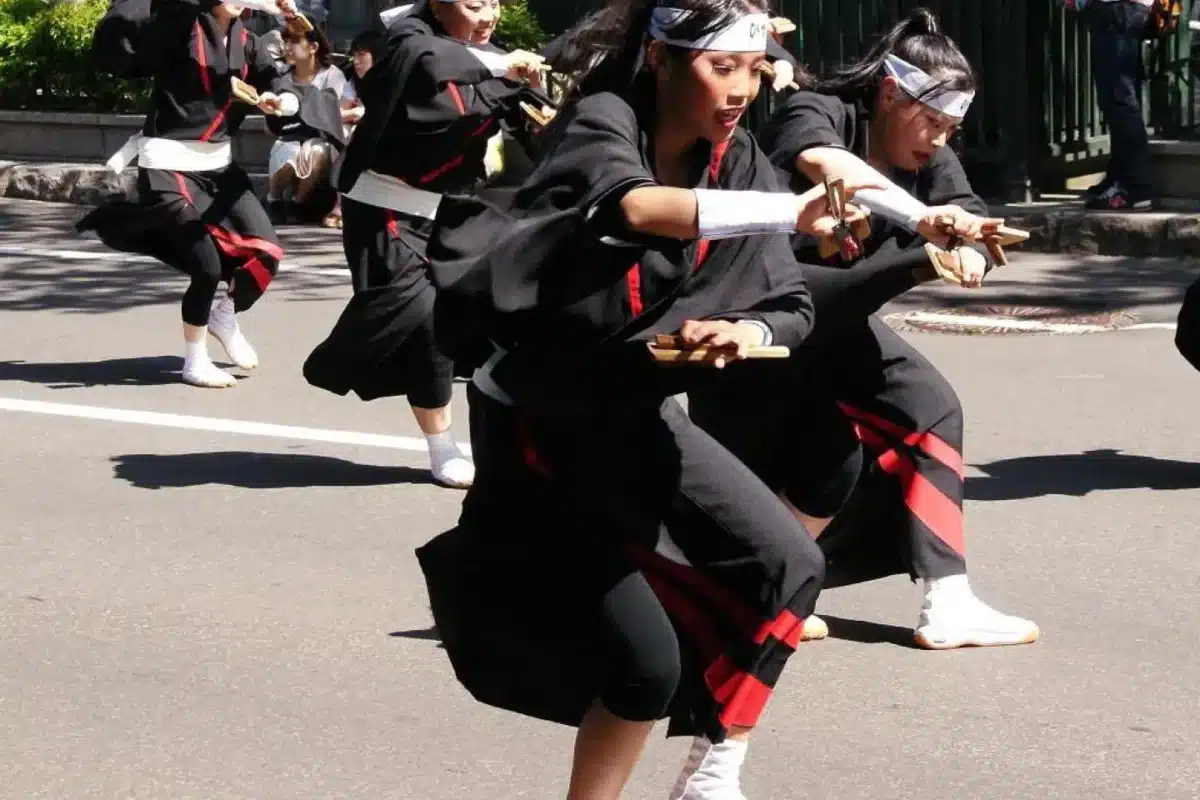
Two Official Rules: To compete, there are only two rules to follow. First, to dance with naruko wooden clappers held in both hands. Second, to include a phrase from Soran Bushi in your song. Other than that, teams have completely free reign over choreography, song and costumes. This freedom is the uniqueness of the YOSAKOI Soran Festival and lies in the originality of the dances performed.
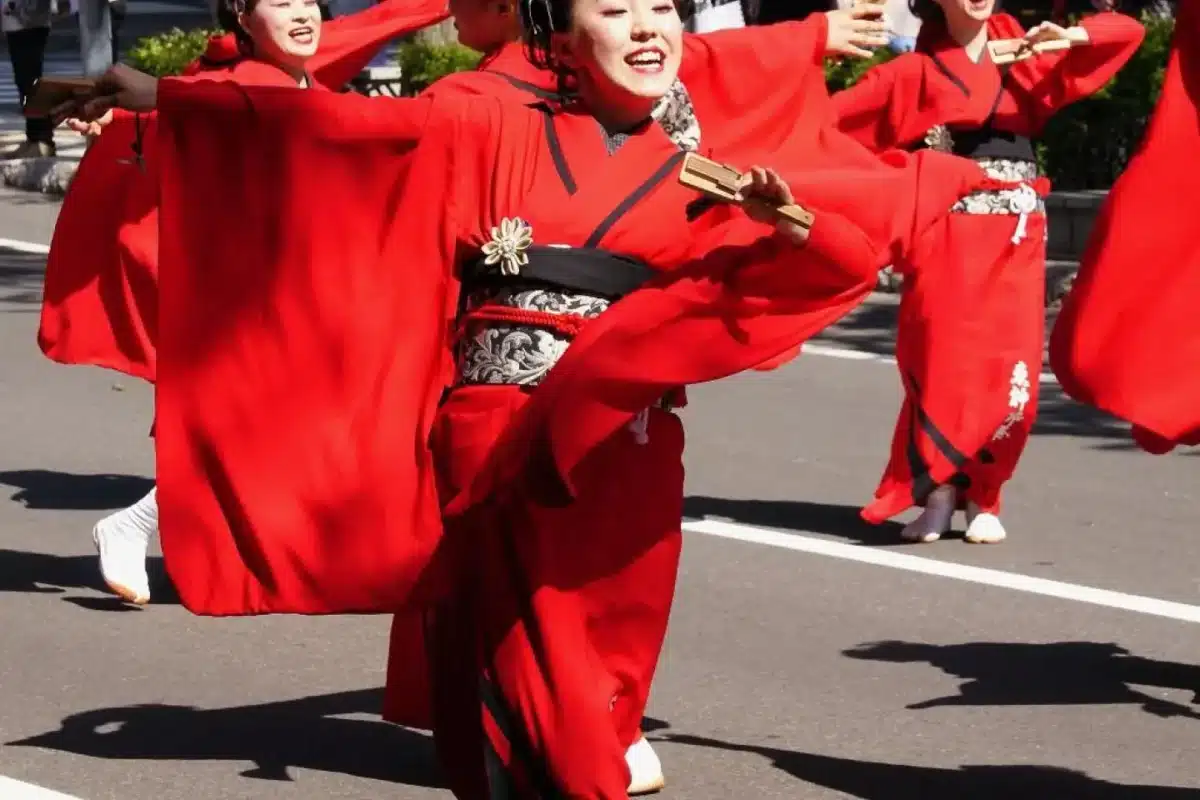
Naruko Clappers: Every dancer holds naruko, wooden sound-makers that click rhythmically. Originally bird scarers, they have become the symbol of Yosakoi, producing a sharp, percussive sound that unifies large teams.
Soran Bushi Chant: The inclusion of Soran Bushi connects every performance to Hokkaido’s fishing heritage. The chant Dokkoisho, Dokkoisho and Soran, Soran is shouted with emphatic energy, echoing through the city and giving power to those who see it.
Team Flags and Ushers: Each team is led by a flag bearer called jikata-sha who rides on a decorated truck called jikatasha equipped with sound system and live musicians. The truck provides music and direction, and the flag displays team name and emblem, often several meters tall.
Judging and Awards: The teams are judged and there is a large contest. Judges evaluate originality, energy, costumes, and how well Soran spirit is expressed. Awards include Grand Prize, Semi-Finalist honors, and special regional prizes.
Wa Odori Participation: At Wa-Odori Square in Odori Park Nishi 7-chome, visitors can jump in and participate, learning simple Soran steps alongside experienced dancers.
What to Expect at the Festival
Expect high-volume music, explosive movement, and color everywhere. The festival takes place at approximately 20 sites for the YOSAKOI Soran Festival in Sapporo, including Odori Park, shopping streets, and entertainment districts.
At the main venue Odori Park, in addition to watching performances, there are booths where you can jump in and participate or taste delicious food from all over Japan. Food stalls are set up in 5-Chome and 6-Chome of the park forming the Northern Food Park. Major parades transform central Sapporo into a moving theater, with dancers performing along 1.3 km of Odori Park and on Ekimaedori in front of Parco and in Susukino.
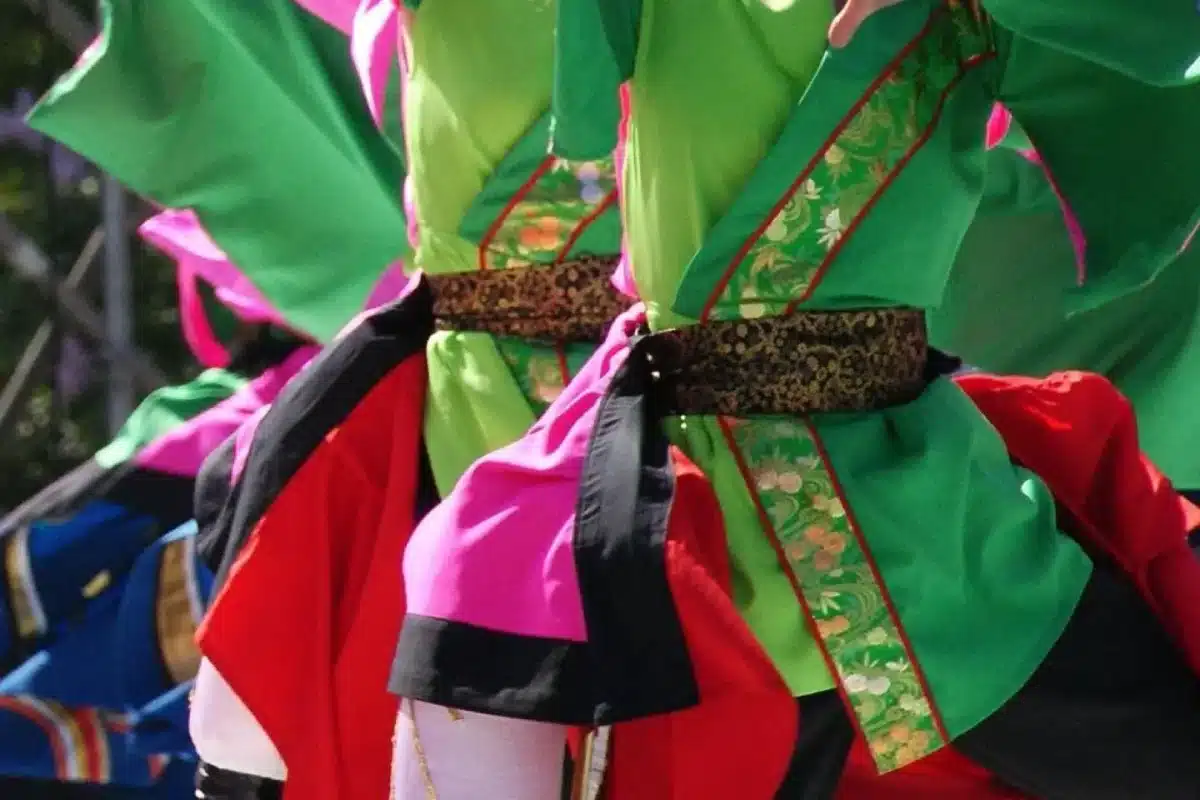
Performances range from traditional to wildly modern, incorporating hip-hop, samba, rock, and contemporary dance, all anchored by naruko rhythm. Costumes are elaborate, with teams spending months designing outfits that may reference samurai armor, Ainu patterns, fishing gear, or futuristic themes. Makeup is bold, with many teams using face paint.
The sound is intense. Large speaker trucks blast original compositions mixing Soran Bushi with electronic beats, drums, and live shamisen. The phrase Yaren Soran echoes continuously. The energy is infectious; even reserved spectators find themselves clapping to the naruko beat.
For families, daytime performances are lively but manageable. Night performances, especially Soran Night and Final Stage, feature lighting effects and create a concert-like atmosphere.
Date & Schedule
Event Dates: Early – Mid June 2027 (Dates TBD)
Official Schedule Information: The Yosakoi Soran Festival is held every year in early to mid June, typically over four to five days including a weekend. The primary hub of activity is Odori Park. The 2027 edition is currently listed as Early – Mid June 2027 and official dates are to be announced. Please check the official event site for the latest info.
Historical Schedule Pattern: Based on previous editions, the festival pattern is consistent.
- 2026 Edition: June 3rd to June 7th, middle of June
- 2025 Edition: June 4th to June 8th, five days
- 2024 Edition: June 5th to June 9th, five days, with around 255 teams and 25,000 people
- 2023 Edition: June 7th to June 11th
- 2022 Edition: June 8th to June 12th
Typical Daily Performance Times Based on Previous Editions:
- Odori Park Nishi 8-chome Main Stage: 10:00 to 21:30 on Saturday and Sunday, 18:00 to 21:30 on weekday evenings
- Odori North-South Parade Site from Nishi 5 to 10-chome: 10:00 to 19:10 daytime parade, 19:40 to 21:30 Saturday Night Parade, 18:00 to 19:10 Final Parade and Omatsuri Parade on final day
- Wa-Odori Square Nishi 7-chome: 10:00 to 21:30 Saturday, 10:00 to 16:00 Sunday
- Sapporo Station South Exit Plaza, Akarenga Site in front of Former Hokkaido Government Office, Susukino Site on Ekimae-dori: 10:00 to 18:00 or 18:00 to 22:00
- Final Stage Round One 15:40 to 17:50 and Round Two 19:20 to 21:50 on final day at Odori Park Nishi 8-chome
Weather: Event takes place rain or shine, with performances under umbrellas if needed.
Visiting this event? Don’t miss out on these amazing activities and local experiences while you’re here.
Main Events & Programme
The festival program is spread across approximately 20 sites, with central Sapporo as the main area.
Odori Park Nishi 8-chome Main Stage: The main dance area around Odori Park, considered the heart of the festival. Aside from Soran Night and the Final Stage, all performances at the main Odori stage are free to watch. This stage hosts the opening, daily competitions, Soran Night evening illumination shows, and the Final Stage where best groups are shown on final day and winning team is announced.
Odori North-South Parade Site: Starting point near Exit 5 of Odori subway station to near Exit 4 of Nishi juitchome station on Tozai Line, from Nishi 5 to 10-chome. Teams parade continuously, creating a flowing river of dance. Includes Saturday Night Parade and Final Parade.
Wa-Odori Square: Located at Odori Park Nishi 7-chome, 5 minute walk from Exit 1 of Odori subway station. This is the participatory square where spectators can join dancing. The motto The Town is the Stage is most alive here.
Susukino Site – FamilyMart FUNKY! Susukino: Located at Minami 4 to 6 jo Nishi 3 and 4-chome on Sapporo Ekimae-dori, near Susukino station on Namboku Line. On Friday and Saturday night, teams perform parade dances in Sapporo’s entertainment district, creating vibrant nightlife atmosphere.
Other Central Sites: Sapporo no.1 Street in front of Mitsukoshi and Marui Imai, Akarenga Site in front of Former Hokkaido Government Office, JR Sapporo Station South Exit Plaza Site, Sapporo Factory Site, and Kanamoto Hall Sapporo Citizens Hall Site for U-40 Competition.
Other Areas: Shin Kotoni Site, Hiragishi Site on Hiragishi Highway, Shin Sapporo Atsukoi Site at Atsubetsu Fureai Plaza, Fighters Street Site, Sapporo Garden Park, Shiroi Koibito Park Site.
Northern Food Park: Food stalls set up in Odori Park 5-Chome and 6-Chome featuring Hokkaido’s local meat, fish, ice cream and regional specialties.
Traditional Dress, Arts & Crafts
Costume design is a central art form of Yosakoi Soran, with teams investing heavily in originality.
Naruko Clappers: The required instrument, made from wood with two small clappers that snap together. Teams often paint naruko in team colors or carve team logos. The sound of Naruko and chanting echoing through the city naturally gives visitors power.
Soran-Inspired Costumes: Many costumes reference fishermen’s work wear, with indigo happi coats, straw hats, and haragake aprons reinterpreted in bright colors. Other teams incorporate Ainu patterns from Hokkaido’s indigenous culture, using geometric embroidery and wood carvings.
Modern Fusion Outfits: Because rules allow free reign, costumes range from samurai armor with gold helmets to neon streetwear, cheerleading uniforms mixed with kimono, and elaborate headdresses several feet tall. Makeup is theatrical, with face paint, glitter, and exaggerated eye designs.
Jikatasha Trucks: Decorated sound trucks that accompany each team, often painted with dragons, waves, or team mascots, equipped with taiko drums and speakers. These trucks are moving art installations.
Flags and Banners: Each team carries a large flag called nobori or ogi flag bearer, several meters high, with calligraphy and artwork. The flag bearer performs acrobatic flag movements as part of choreography.
Crafts Market: At Northern Food Park and surrounding stalls, local artisans sell naruko as souvenirs for 5 USD to 12 USD, as well as Hokkaido woodcrafts and Ainu embroidery.
Traditional Food & Local Specialties
You won’t go hungry at Yosakoi Soran, with Northern Food Park as a culinary festival within the dance festival.
Northern Food Park: Located in Odori Park 5-Chome and 6-Chome, featuring Hokkaido’s local meat, fish, ice cream and regional specialties. Hokkaido is Japan’s food capital, and this park showcases its bounty.
Hokkaido Meat: Jingisukan grilled lamb, a Hokkaido specialty named after Genghis Khan, served on dome-shaped grills for 10 USD to 16 USD. Wagyu beef skewers from Tokachi for 8 USD to 14 USD. Sausages made from Hokkaido pork for 6 USD to 10 USD.
Seafood: Crab legs, scallops grilled with butter, and salmon ikura bowls. Fresh uni sea urchin and ikura salmon roe bowls for 12 USD to 20 USD. Herring dishes referencing Soran Bushi heritage.
Dairy and Ice Cream: Hokkaido is famous for dairy. Soft-serve ice cream made from Hokkaido milk in flavors like melon, lavender, and chocolate for 4 USD to 7 USD. Cheese tarts and milk puddings.
Regional Specialties: Soup curry, a Sapporo invention, with chicken and vegetables for 9 USD to 13 USD. Ramen from Sapporo miso ramen shops for 8 USD to 12 USD. Corn on the cob grilled with butter and soy sauce for 4 USD to 6 USD.
Drinks: Sapporo Beer, brewed locally since 1876, served at beer stalls for 5 USD to 8 USD. Hokkaido wine and sake tasting for 6 USD to 10 USD.
Location & Festival Areas
Main Address: Odori Street, Odori Park, 1 Chome Odorinishi, Chuo-ku, Sapporo, Hokkaido 060-0042
Primary Hub – Odori Park: The main dance area is around Odori Park. This 1.5 km long park stretches through central Sapporo from Nishi 1-chome to Nishi 12-chome, divided into blocks. Nishi 5 to 10-chome hosts parades, Nishi 7-chome Wa-Odori Square for participation, Nishi 8-chome main stage for finals.
Ekimaedori and Susukino: Ekimaedori in front of Parco shopping center and Susukino entertainment district on Minami 4 to 6 jo transform into parade routes with evening performances under neon lights.
Akarenga and Station Areas: In front of Former Hokkaido Government Office Building known as Akarenga red brick building, and JR Sapporo Station South Exit Plaza, providing accessible viewing for travelers arriving by train.
Sapporo Factory and Suburban Sites: Sapporo Factory shopping complex site and suburban sites like Shin Kotoni, Hiragishi Highway, Shin Sapporo Atsukoi at Atsubetsu Fureai Plaza, and Shiroi Koibito Park soccer field special stage.
Access Points: Starting point near Exit 5 of Odori subway station, ending point near Exit 4 of Nishi juitchome station on Tozai Line. 8 minute walk from Exit 5 of Odori station to Nishi 8-chome site. Near Exits 10, 11, 12 of Odori station for Ichibangai street.
Getting to the Festival
Sapporo is well connected and Odori Park is centrally located, making all venues walkable or short subway rides.
Subway: Use Sapporo Municipal Subway. Odori Station serves Namboku, Tozai, and Toho lines. Exit 5 for Odori north-south parade site start, Exit 1 for Wa-Odori Square. Nishi juitchome Station on Tozai Line for western end of park. Susukino Station on Namboku Line for Susukino site near Exits 3 and 5. Sapporo Station on Namboku and Toho lines for Station site. Bus Center Mae Station on Tozai Line Exit 8 for Sapporo Factory site.
JR Train: JR Sapporo Station South Exit is immediate access to Station site. From New Chitose Airport, take JR Rapid Airport Express to Sapporo Station, approximately 37 minutes, fare about 9 USD.
Walking: For duration of event, sightseeing spots, commercial facilities, and major streets transform into stages. Most central sites from Odori Park to Susukino are within 15 minutes walk. The park itself is pedestrian.
City Street Closure: Odori Park venue comes alive with myriad events. During parades, Ekimae-dori and surrounding streets are closed to traffic.
Bicycle and Bus: City buses operate but may be delayed due to street closures. Rental bicycles are available but walking is recommended during festival.
Where to Stay Nearby
Sapporo offers extensive accommodation, but early booking is essential as more than 2 million spectators attend.
Hotels Next to Odori Park – 1 Minute Walk:
- Hotel Monterey Edelhof Sapporo: Nishi 1-1, Kita 2 Jo, Chuo-ku, 0.27 miles from Odori Park. Upscale hotel with Toh-Ka-Lin Cantonese restaurant and Lounge Precious. Rooms from 110 USD to 220 USD per night.
- JR Tower Hotel Nikko Sapporo: Nishi 2, Kita 5, Chuo-ku, directly above JR Sapporo Station, 22.9 miles? Actually 0.5 km from Odori Park. Luxury with panoramic views, from 180 USD to 350 USD.
Mid-Range Business Hotels in Central Sapporo:
- Mercure Hotel Sapporo: 2-4 Minami 4-jo, central location near Susukino, 15.91 miles? Actually central. Rooms from 90 USD to 160 USD.
- Sapporo Grand Hotel, Hotel Gracery Sapporo: Near Odori Station, from 80 USD to 150 USD. Many offer free tickets to main stage as perk for guests.
Budget and Hostel:
- Guesthouses around Susukino and Sapporo Station: Dorm beds from 25 USD to 45 USD, private rooms from 55 USD to 95 USD.
Luxury New Property:
- Hyatt Centric Sapporo: First Hokkaido property for brand, designed as starting point for exploring city and wider Hokkaido, positioning incorporates local food and cultural traditions. Rates from 200 USD to 400 USD.
Suburban Options: Hotels near Shin Sapporo, Hiragishi, and Kotoni sites offer cheaper rates from 60 USD to 100 USD and easy subway access to central venues.
Booking Advice: Some hotels give guests free tickets to paid gallery seating. Ask when booking. Reserve at least 3 months in advance.
What Visitors Can Participate In
Unlike many Japanese festivals that are watch-only, Yosakoi Soran actively invites participation.
Wa Odori – Join the Dance: At Wa-Odori Square in Odori Park Nishi 7-chome, there are booths where you can jump in and participate. Instructors teach simple Soran steps with naruko clappers provided for loan. No experience needed, and you can dance alongside regular teams.
Naruko Experience: Try playing naruko rhythm at workshop booths in Odori Park. Learn how to hold in both hands and play like a musical instrument while dancing.
Northern Food Park Tasting: Get your fill of delicious food at the Northern Food Park. Taste test Hokkaido’s local meat, fish, ice cream and regional specialties from over 50 stalls.
Team Support and Voting: Some venues allow audience voting for favorite teams, contributing to special audience awards.
Photo with Teams: After performances, many teams pose for photos with spectators in full costume, happy to share energy.
Paid Gallery Seating: If you want to sit in front of main stage for best view of finals, purchase Paid Gallery Seating tickets, though most sites can be entered freely without charge.
Things to Do Before or After the Festival
Sapporo is Hokkaido’s capital with year-round attractions.
Odori Park Itself: Beyond festival, Odori Park is home to Sapporo TV Tower, offering observation deck with city views for 6 USD. The park hosts Sapporo Odori Beer Garden in summer and Sapporo Snow Festival in winter.
Akarenga – Former Hokkaido Government Office: Red brick building in front of Akarenga Site, 5 minute walk from Odori and Sapporo subway stations, near Ekimae-dori Underground Walkway. Free entry, museum about Hokkaido history.
Susukino Nightlife: Japan’s largest entertainment district north of Tokyo, with ramen alley Ganso Sapporo Ramen Yokocho, karaoke, and bars.
Sapporo Clock Tower and Hokkaido University: Historic landmarks within walking distance of Odori Park.
Moerenuma Park and Shiroi Koibito Park: Art park designed by Isamu Noguchi and chocolate factory theme park at Shiroi Koibito Park Site, which also hosts festival stage.
Day Trips from Sapporo: Otaru canal town 30 minutes by train, famous for glassworks and sushi. Furano and Biei for flower fields. Lake Toya and Noboribetsu Onsen for hot springs.
Hokkaido Shrine in Maruyama Park: Shinto shrine surrounded by forest, popular for seasonal festivals.
Local Food & Restaurants
Sapporo is Japan’s ramen and beer capital, and festival area is surrounded by dining options.
Near Odori Park:
- Ramen Alley in Susukino: Ganso Sapporo Ramen Yokocho with over 15 ramen shops serving miso ramen for 8 USD to 12 USD.
- Soup Curry Restaurants: Suage+, Samurai, and GARAKU famous for soup curry with chicken leg and vegetables, 10 USD to 15 USD.
- Jingisukan Restaurants: Daruma, Sapporo Beer Garden, and Matsuo for grilled lamb, all-you-can-eat from 20 USD to 35 USD.
Odori Park Food Stalls During Festival: Northern Food Park stalls offering grilled scallops 8 USD, Wagyu skewers 10 USD, Hokkaido melon soft cream 6 USD.
Sapporo Station Area: Daimaru and Stellar Place shopping centers with depachika basement food floors. Ramen Republic with 8 regional ramen shops.
Akarenga Area: Cafes overlooking Former Government Office, serving Hokkaido milk coffee and cheese cakes for 5 USD to 9 USD.
Sapporo Factory: Former brewery turned shopping mall with brewery museum and beer hall serving Sapporo Classic beer only available in Hokkaido, 6 USD to 9 USD per mug.
Budget Options: Convenience stores and fast food around Odori Station offer onigiri for 1 USD to 2 USD and bento boxes for 5 USD to 8 USD.
Ticket Information & Access
General Admission: Tickets: 0 JPY which converts to 0 USD for most venues. As dances are along main streets you can see lots for free but there are some paid areas. Most sites can be entered freely without charge.
Paid Gallery Seating: If you want to sit in front of main stage at Odori Park Nishi 8-chome for Soran Night and Final Stage, Paid Gallery Seating tickets are available. Based on previous editions, prices are approximately 15 USD to 30 USD for Soran Night reserved seating, 20 USD to 40 USD for Final Stage Round One and Round Two combined. Some hotels give guests free tickets though.
Free Performances: Aside from Soran Night and Final Stage, all performances at main Odori stage are free to watch. Food stalls also free entry. Parades on Odori north-south site and Susukino site are free.
Access: All central sites accessible by subway with short walks. Odori Park venues 8 minute walk from Exit 5 of Odori subway station, 4 minute walk from Exit 4 of Nishi juitchome station. Sapporo no.1 Street near Exits 10, 11, 12 of Odori station and 2 minute walk from Exits 33 and 36 of underground walkway. Akarenga Site 5 minute walk from Odori and Sapporo stations near Exit 2 of Ekimae-dori Underground Walkway.
Accessibility: Main stages have wheelchair accessible viewing areas. Crowds can be dense during finals, arrive early for best spots.
Official Event Information
Event Name: Yosakoi Soran Festival 2027 – Sapporo, Japan
Main Venue: Odori Street, Odori Park, Chuo-ku, Sapporo, Hokkaido, including approximately 20 sites across Sapporo including Sapporo Station, Susukino, Factory, and suburban sites.
Organizer: Yosakoi Soran Festival Organizing Committee
Official Website: https://www.yosakoi-soran.jp/
English Official Site: https://www.yosakoi-soran.jp/en/
Description: A viewing of the intense and energetic Yosakoi Soran Festival in Sapporo. Yosakoi is an event filled with dancing and fun. Come and watch powerful, dynamic dance performances from up close. And if you’re feeling brave enough, join in on the fun!
Contact: Yosakoi Soran Festival Organizing Committee, Sapporo. Map Odori Park Venue available on official site. Paid Gallery Seating tickets information posted on official site schedule page https://www.yosakoi-soran.jp/schedule/
Video
Location
FAQ
Do I need to buy tickets to see the Yosakoi Soran Festival?
Most of the festival is completely free to watch, including all parades along Odori Park and street performances at nearly 20 sites across Sapporo. You can see lots for free around the city as sightseeing spots and commercial facilities transform into stages. Only if you want guaranteed seated viewing at the main Odori Park Nishi 8-chome stage for Soran Night and the Final Stage on the last day do you need to purchase Paid Gallery Seating tickets, though some hotels provide free tickets to guests.
What are the two rules that every team must follow?
The festival has only two simple rules that ensure its identity while allowing limitless creativity. First, every dancer must hold and play naruko wooden clappers in both hands while dancing, creating the distinctive clicking rhythm that defines Yosakoi. Second, every team's music must include a phrase from Soran Bushi, the traditional Hokkaido herring fishing labor song, which connects all performances to local heritage and echoes Yaren Soran chant through the city.
Can beginners and tourists actually join the dancing?
Yes, participation is a core tradition and the festival motto The Town is the Stage encourages everyone to join. At Wa-Odori Square in Odori Park Nishi 7-chome, there are dedicated booths where instructors teach simple Soran steps and lend naruko clappers for free, allowing you to dance alongside experienced teams. Many teams also welcome short-term members and international participants, and you will see families, children, and tourists jumping into the circle during open dance times.
What is Northern Food Park and what food should I try?
Northern Food Park is the official food court of the festival set up in Odori Park 5-Chome and 6-Chome, featuring Hokkaido's best local products from across the prefecture. You can get your fill of Jingisukan grilled lamb, Wagyu beef skewers, butter-grilled scallops, crab bowls, soup curry, Sapporo miso ramen, and Hokkaido dairy soft-serve ice cream made from fresh milk. It is considered a food festival within the dance festival and showcases why Hokkaido is called Japan's kitchen, with dishes from meat, fish, dairy, and regional specialties.
How large is the festival and how many teams perform?
The festival is immense, growing from just 10 teams and 1,000 dancers in 1992 to around 270 teams and 27,000 dancers in recent editions, with more than 2 million spectators attending annually. There are approximately 20 official performance sites across Sapporo, from Odori Park central parade route to Susukino, Sapporo Station, Akarenga red brick building, and suburban locations like Shin Sapporo and Shiroi Koibito Park. The scale makes it one of Japan's largest dance festivals and an early summer tradition that transforms the entire city into a stage.

Leave a Reply