
Overview
Thousands of people decked out in beautiful yukata summer kimono fill the streets of central Hiroshima for three nights at the beginning of June every year. Tōkasan at the beginning of June. Said to have begun over 400 years ago, Tōkasan signals the start of summer. It has come to be known as yukata festival as locals take this early opportunity to give their colorful yukata summer kimono their first airing of the year. Indeed, although the focus of the festival is meant to be Enryu-ji Temple, located at the Peace Boulevard end of Chuo-dori, it is really the opportunity to stroll around in yukata and admire everyone else’s yukata that is the big draw.
Perhaps it is because while the weather is warm, the temperatures are not yet soul-sapping high, or because festival-goers are well aware that before the arrival of summer proper, the sticky humid rainy season must be endured, but everyone always seems to be in a great mood at Tōkasan; it is, I think, Hiroshima’s most festive festival.
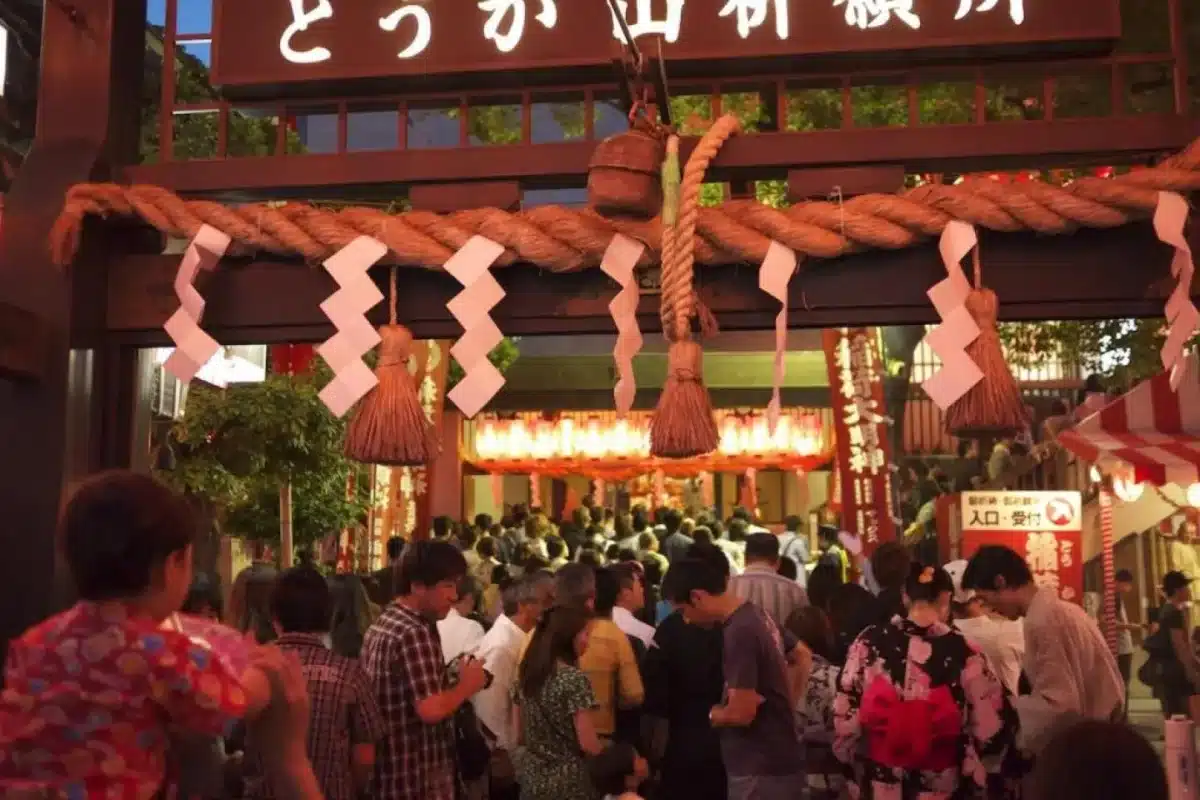
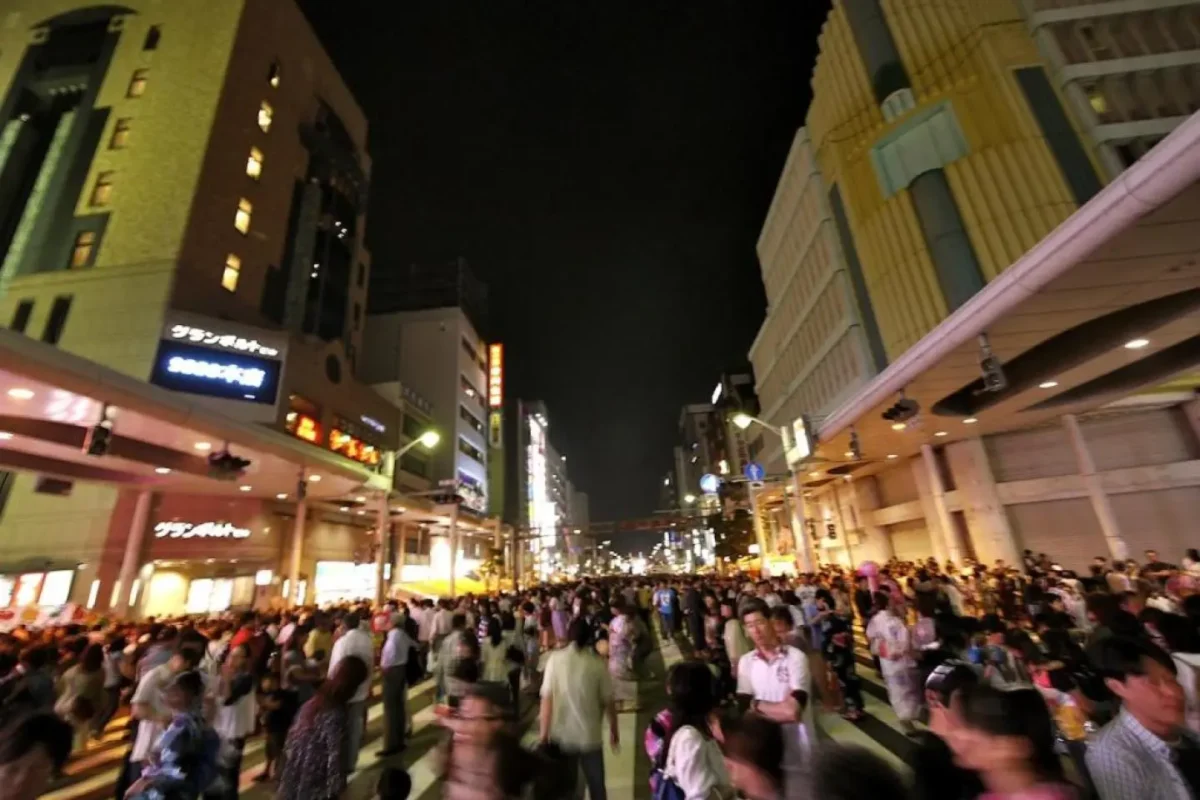
The festival transforms Chuo dori, Hiroshima City, into a sea of color as hundreds of thousands of people stroll illuminated streets in brightly-colored yukata, Japan’s light summer kimono. Almost a quarter of the 450,000 people who visit the festival every year do pay their respects at Enryu-ji Temple, a mixed Buddhist and Shinto temple shrine dedicated to the god of rice Inari, the characters for which can also be read toka, hence the name of the festival. The temple is adorned with scores of red lanterns and there is a long line throughout the festival as people wait their turn to wish for good luck and purchase fortunes or the specialty Tōkasan yakuyoke uchiwa fans that are said to ward off evil.
Enjoy Your Event Stress-Free with Japan Travelo
Do you know? Planning events, festivals, concerts, and cultural experiences in Japan can be overwhelming. Japan Travelo brings everything together in one place, helping you manage your itinerary, transport, and accommodation with ease—so you can enjoy Japan without the stress of planning.
Once luck has been prayed for and evil warded off, it is time to get on with the serious business of festival-going. The main Chuo-dori street and a good section of Peace Boulevard are lined with stalls, as are the narrow streets that border on the city’s entertainment district. On offer are the usual cornucopia of festival foods and drinks, games such as goldfish scooping, and the chance to purchase strange inflatable novelties.
Cultural Significance & Origins
Toukasan Yukata Festival is one of Hiroshima’s three great festivals and is a cherished event that has been passed down for over 400 years, dating back to the era when castles played a central role in Japanese life.
Founding of Enryu-ji: The history of Toukasan dates back to when Lord Nagaakira Asano built Enryuji upon his arrival to Hiroshima in 1619. Constructed in the 1600s, Tōkasan Enryu-ji Temple was built to worship Toka Daimyojin and today lies at the heart of the annual festival. Toka-Daimyojin, the leader of the deities enshrined at Enryu-ji Temple, is said to be responsible for the peace and prosperity of Hiroshima Castle and the surrounding castle town.
Meaning of Toka: Toka is an alternative reading for the characters of the Shinto god Inari, the kami of rice, prosperity, fertility as well as tea and sake. Inari shrines are distinguished by multiple torii gates and statues of foxes, the most famous being Fushimi Inari Shrine in Kyoto, and you will often find them within the grounds of a Buddhist temple, as at Enryu-ji Temple here in Hiroshima.
Evolution of Timing: The festival was originally held on the day on which Boys’ Day fell on the old lunar calendar. As that could be anywhere from early May to late June in the Gregorian calendar it was decided that it would be held around the 10th of the month, the 10th also being referred to as toka in Japanese. Pressure from traders saw the festival extended to two, and then three days. Inari is the god of prosperity after all. Since 1999, the festival has started on the first Friday, ensuring a full weekend of enlightened cash flow.
Signal of Summer: Today, the Toukasan Festival is recognized as a seasonal event to let people know of the arrival of summer. It is said to have been first celebrated in 1620. It signals the moment locals start donning yukata for warmer months ahead and is considered the official curtain-raiser for yukata season across the region.
Traditions, Rituals & Customs
The festival blends Shinto Buddhist devotion with exuberant street celebration.
Prayer to Toka Daimyojin: Most visitors line up at Enryu-ji Temple at the end of Chuo-dori Street, recognizable by many red lanterns that hang over the forecourt and the long line that spills out and down the street during the festival, to pray to Toka Daimyojin for good fortune. The statue of Toka Daimyojin is only unveiled to the public during the festival, making darshan especially auspicious.
Yakuyoke Uchiwa Fans: After paying respects, devotees make an offering and receive yakuyoke uchiwa fans. According to temple website these fans are the embodiment of Toka Daimyojin herself, and the most effective talisman for warding off misfortune in all of Japan. Guaranteed to be effective aid to health, wealth and longevity. Offering amounts are traditionally 2 USD to 7 USD for fans, based on previous editions.
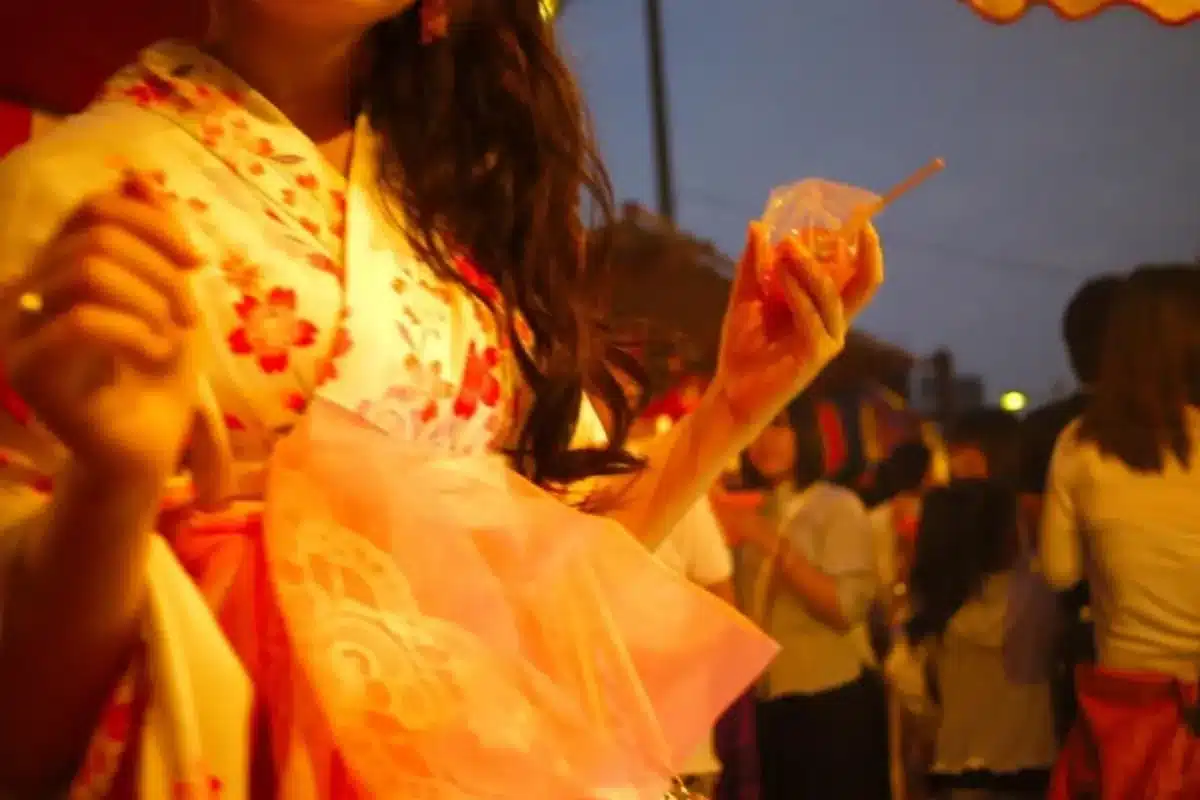
Yukata First Wearing: The festival has come to be known as yukata festival as locals take this early opportunity to give their colorful yukata summer kimono their first airing of the year. Everyone, from young punks to pensioners, loves Toukasan, and the streets are packed and ablaze with color. Department stores offer yukata rental and adjustment services, with many locals purchasing new yukata for the occasion.
Chuo-dori Pedestrian Paradise: The main Chuo-dori street is usually closed to traffic on Friday and Saturday nights from 7 pm to 10 pm, though for much of that time the street is mostly taken up by parades, taiko drumming, kagura, and choreographed dance performances.
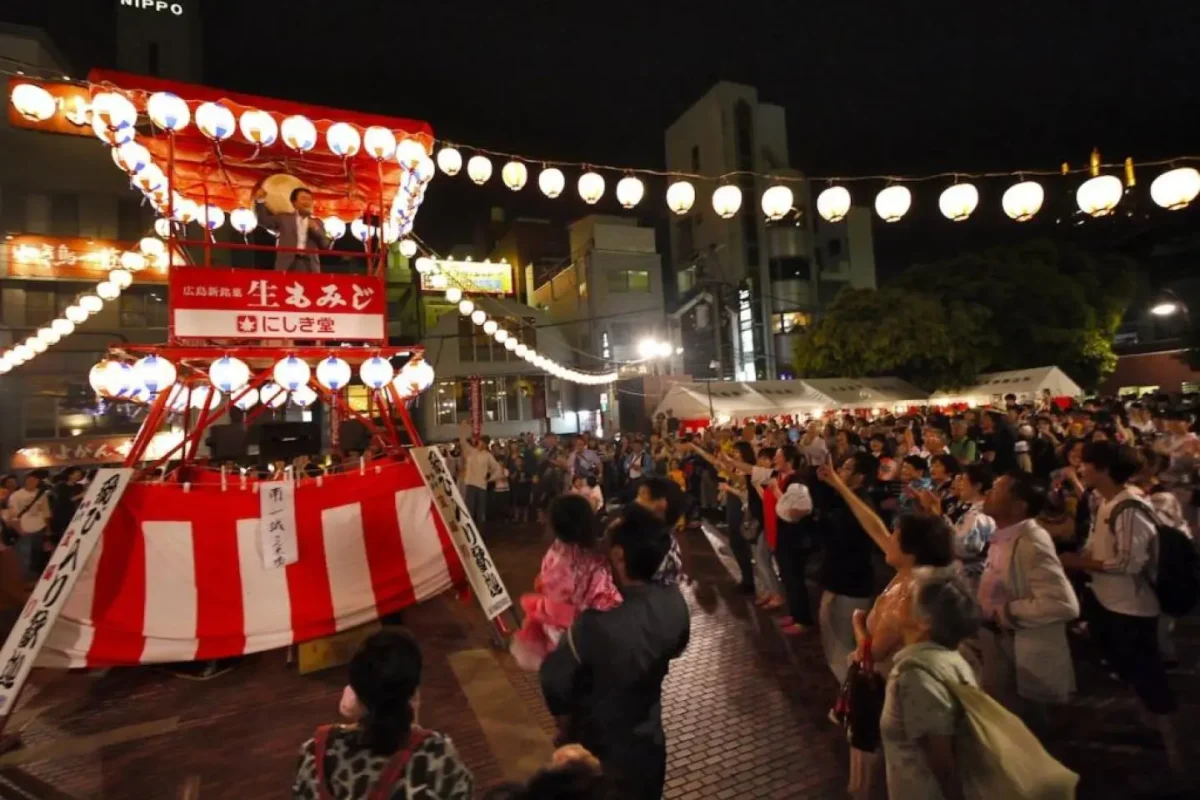
Shintenchi Bon Odori: The local residents association holds an old-style bon odori dance festival in Shintenchi Park, just off Chuo-dori and on the edge of the entertainment district. This evokes 1960s and 1970s Japan. Between 19:00 and 21:30, classic Japanese pop songs crackle out of a PA on a central tower decorated with lanterns. Two bon dance sessions each night at 19:00 and 21:00 welcome everyone to join.
What to Expect at the Festival
Expect a vibrant, joyful, and slightly chaotic street party centered on fashion, food, and community.
The stretch of Chuo-dori from Hondori to Peace Boulevard transforms into a pedestrian paradise as hundreds of thousands of people, typically 450,000 over three days, stroll illuminated streets in brightly-colored yukata. The atmosphere is genuinely joyful in a way that bigger, more organised festivals sometimes are not; everyone is delighted to get their yukata out, and the 400-plus food stalls running the length of the street keep energy high.
You will see dance performances on Chuo-dori, yukata fashion shows, taiko drumming echoing off buildings, and kagura sacred dance. The main street is closed to traffic, and crowds flood in from packed sidewalks to enjoy a few minutes of unimpeded pedestrian paradise. Once events in the middle of street get going, pedestrian traffic moves slowly, so leave plenty of time to get from one end to the other.
At Enryu-ji Temple, scores of red lanterns create a magical evening glow. Long lines form to pray, purchase fortunes, and buy yakuyoke uchiwa fans. The temple precinct is adorned with lanterns and offers a more spiritual counterpoint to street revelry.
If things get too much, duck into Shintenchi-koen Park where the local neighborhood association recreates the atmosphere of a neighborhood summer Bon dance festival from days gone by. Kids love retro cotton candy, snacks, and ramune drinks sold at prices parents love, with beer stalls and conveniently placed convenience stores nearby. Locals are more than happy if visitors join in the dancing, even if they make up moves as they go along.
One word of advice, although the haunted house on Peace Boulevard looks pretty cool from the outside, the only thing that shocks those tempted to enter is the audacity of the high admission fee.
Date & Schedule
Event Dates: Early June 2027 (Dates TBD)
Official Schedule Overview: Held every year for three days starting on the first Friday of June, Toukasan is the most festive of Hiroshima’s downtown festivals and has a history that goes back 400 years. The 2027 edition is listed as Early June 2027 and dates are to be confirmed. For 2027, please check the official site for latest info.
Previous Edition Reference:
- 2026 Edition: June 5-7, Enryu-ji Temple and Chuo-dori, Naka-ku, Free
- 2025 Guide: June 6-8, held at Tōkasan Enryu-ji Temple, featuring bon dancing, delicious snacks, and socializing opportunities
- Festival hours: Starts around noon each day and runs until about 11pm, most atmospheric after dark from 17:30 onwards
Daily Time Breakdown Based on Previous Editions:
- Noon to 17:00: Enryu-ji Temple prayers open, stalls open along Chuo-dori and Peace Boulevard
- 19:00 to 22:00: Main Chuo-dori street closed to traffic between 7pm and 10pm every night of festival, though much of street is taken up by dance and drum performances, fashion shows and other events
- 19:00 and 21:00: Bon odori dance sessions at Shintenchi Park
- 19:00 to 21:30: Classic Japanese pop songs at Shintenchi Park central tower decorated with lanterns, street stalls selling festival treats like popcorn, cotton candy, and ramune sodas
Traffic Closure: Chuo-dori closed to traffic on Friday and Saturday nights from 7 pm to 10 pm. For much of that time street is mostly taken up by parades.
Visiting this event? Don’t miss out on these amazing activities and local experiences while you’re here.
Main Events & Programme
The program spans religious rites, street performances, and community bon dancing.
Enryu-ji Temple Prayers: The spiritual core. Visitors stand in long lines to pray to Toka Daimyojin whose statue is only unveiled during festival, and to buy yakuyoke uchiwa fans said to ward off misfortune and provide respite from summer heat. Almost a quarter of visitors pay respects here.
Chuo-dori Parades: Main Chuo-dori street closed to traffic becomes stage for taiko drumming teams, kagura troupes, choreographed dance teams, and yukata fashion shows. Dance performances on Chuo-dori during Toukasan showcase everything from traditional to contemporary.
Yukata Fashion Show: Showcases latest yukata styles on Chuo-dori, featuring models from young punks to pensioners, highlighting how yukata can be worn with modern accessories.
Shintenchi Bon Odori: Local favorite enka singer Minami Issei makes several appearances during festival to sing Hiroshima Tengoku and the Carp song. The bon dance evokes 1960s and 1970s Japan with retro cotton candy, snacks, and ramune drinks sold at fantastic prices. Two sessions nightly create inclusive atmosphere.
Food Stall Promenade: Over 400 stalls line Chuo-dori and Peace Boulevard, as well as narrow streets bordering entertainment district. On offer are cornucopia of festival foods and drinks, games such as goldfish scooping, and chance to purchase inflatable novelties.
Peace Boulevard Events: Haunted house attraction, additional stalls, and evening illuminations along Peace Boulevard end of Chuo-dori.
Traditional Dress, Arts & Crafts
The festival is essentially a citywide fashion show for summer kimono.
Yukata Summer Kimono: Yukata are lightweight cotton kimono worn in summer, characterized by bright colors, bold patterns, and simple construction without inner lining. At Toukasan, locals give their colorful yukata first airing of the year. Patterns include hydrangea, fireworks, goldfish, and geometric motifs signaling start of summer. Young women often pair yukata with colorful obi sashes and geta wooden sandals.
Geta and Accessories: Traditional wooden geta sandals, kinchaku small purses, and kanzashi hair ornaments complete the look. Many wear transparent parasols as sun protection.
Yakuyoke Uchiwa Fans: The specialty fan is a round paper fan with bamboo handle, painted with Inari fox motifs and Toukasan calligraphy. It is both practical for heat and spiritual as embodiment of Toka Daimyojin. Said to be most effective talisman for warding off misfortune.
Red Lantern Craft: Scores of red paper lanterns adorn Enryu-ji Temple forecourt, each hand-painted with donor names and prayers. They create sea of lanterns at night, a craft tradition maintained by local artisans.
Taiko and Kagura Costumes: Taiko drummers wear happi coats with temple crests and headbands, while kagura performers wear ornate costumes with masks representing deities and demons from Shinto mythology.
Kimono Rental Services: Hiroshima Kimono Asobi offers various rental packages worth checking out, with fitting assistance, allowing visitors to join in yukata culture. Rental packages from previous editions range from 30 USD to 70 USD including dressing.
Traditional Food & Local Specialties
Toukasan is as much a food festival as a fashion festival, with Chuo-dori lined with stalls.
Festival Stall Foods: The usual cornucopia includes yakitori grilled chicken skewers for 3 USD to 6 USD, takoyaki octopus balls for 4 USD to 7 USD, yakisoba fried noodles for 5 USD to 8 USD, okonomiyaki Hiroshima style with noodles for 8 USD to 12 USD, and corn on the cob for 3 USD to 5 USD.
Sweets and Drinks: Cotton candy, popcorn, and ramune sodas at fantastic prices in Shintenchi Park. Kakigori shaved ice with syrup for 3 USD to 5 USD, chocolate-covered bananas for 2 USD to 4 USD. Beer stalls offer draft beer for 4 USD to 7 USD.
Hiroshima Specialties: Hiroshima is famous for oysters, okonomiyaki layered with cabbage and noodles, and momiji manju maple leaf cakes filled with sweet bean paste. Momiji manju from Miyajima area sold as souvenirs for 6 USD to 12 USD per box.
Games with Food Prizes: Goldfish scooping where you keep fish if caught, yo-yo fishing, and ring toss with snack prizes.
Shintenchi Park Retro Snacks: Kids love retro snacks sold at prices parents love, evoking Showa-era festival atmosphere with affordable treats.
Location & Festival Areas
Main Venue: Chuo dori, Hiroshima City, from Hondori shopping arcade to Peace Boulevard, Naka-ku, Hiroshima
Enryu-ji Temple – Toukasan: Located at Peace Boulevard end of Chuo-dori, 1-3-9 Mikawa-cho, Naka-ku. The temple is mixed Buddhist and Shinto, dedicated to Inari, adorned with scores of red lanterns. Recognizable by many red lanterns that hang over forecourt and long line that spills out during festival.
Chuo-dori Street: Main festival street, closed to traffic on Friday and Saturday nights from 7 pm to 10 pm. Lined with 400-plus food stalls, performance stages, and yukata-clad crowds. Stretch from Hondori to Peace Boulevard transforms into sea of color.
Peace Boulevard – Heiwa Odori: Wide boulevard intersecting Chuo-dori, also lined with stalls and hosting haunted house attraction. Part of Hiroshima’s post-war reconstruction boulevards.
Shintenchi Park: Just off Chuo-dori and on edge of entertainment district, Shintenchi-koen Park hosts old-style bon odori dance festival in which everyone is welcome to join. Central tower decorated with lanterns, PA playing classic Japanese pop songs.
Hondori Arcade: Covered shopping arcade at northern end of Chuo-dori, offering shade and additional shopping.
Entertainment District: Narrow streets bordering Chuo-dori with additional stalls, bars, and restaurants.
Getting to the Festival
Central Hiroshima location makes access extremely convenient.
By Streetcar – Hiroshima Electric Railway: Take Hiroden streetcar lines 1, 2, or 6 to Hatchobori or Tate-machi stops, 2 minutes walk to Chuo-dori. From Hiroshima Station, ride takes about 12 minutes, fare approximately 2 USD.
By Bus: Hiroshima Bus Center to Chuo-dori area via city buses, fare 2 USD to 3 USD. Peace Boulevard is served by multiple routes.
By Subway – Astram Line: Not directly serving festival area, but transfer to streetcar at Hondori Station.
On Foot: From Peace Memorial Park and Atomic Bomb Dome, walk east along Peace Boulevard about 10 minutes to reach Enryu-ji Temple. From Hiroshima Castle, walk south about 15 minutes.
From Airport: Hiroshima Airport to city via limousine bus to Hiroshima Bus Center, about 50 minutes, fare about 11 USD, then streetcar to festival.
Parking: Not recommended as Chuo-dori closed to traffic. Use public transport. Nearby parking lots charge 10 USD to 20 USD per evening during festival, filling early.
Where to Stay Nearby
Staying in Naka-ku puts you within walking distance of festival, allowing you to return to hotel to change yukata or rest.
Hotels Near Chuo-dori:
- Hotel Granvia Hiroshima: Directly connected to Hiroshima Station, 5 minutes streetcar to festival, rooms from 120 USD to 220 USD per night.
- ANA Crowne Plaza Hiroshima: On Peace Boulevard, 3 minutes walk to Enryu-ji Temple, rooms from 110 USD to 200 USD.
- Rihga Royal Hotel Hiroshima: 7 minutes walk to Chuo-dori, near Peace Memorial Park, rooms from 100 USD to 180 USD.
Business Hotels: APA Hotel Hiroshima Ekimae, Hotel Mystays Hiroshima Peace Park, and Comfort Hotel Hiroshima Otemachi offer compact rooms from 55 USD to 95 USD per night.
Budget and Hostel: J-Hoppers Hiroshima Guesthouse, K’s House Hiroshima Hostel near Peace Park, dorm beds from 25 USD to 40 USD, private rooms from 60 USD to 90 USD.
Ryokan: Mitaki-so and other ryokan in city outskirts offer tatami rooms from 90 USD to 160 USD.
Booking Advice: Festival attracts 450,000 visitors over three days, so central hotels fill quickly. Book at least 2 months ahead, especially if you want room with yukata dressing service.
What Visitors Can Participate In
Toukasan is highly participatory, with locals happy if visitors join in dancing even if they make up moves as they go along.
Wear Yukata: Join locals by wearing yukata. Pick them up at fairly reasonable prices at department stores like Sogo, Fukuya, and Parco, which may even help fit you. Rental available via Hiroshima Kimono Asobi with various rental packages. Even without yukata, you are welcome, but wearing one enhances experience.
Pray at Enryu-ji Temple: Line up to pray to Toka Daimyojin, make offering, and purchase yakuyoke uchiwa fan said to ward off evil and provide respite from heat. Purchase fortunes omikuji for 1 USD to 2 USD.
Bon Odori Dancing: At Shintenchi Park, join old-style bon odori dance festival. Two sessions each night at 19:00 and 21:00, with good mix of old ladies, families, and international travelers dancing around platform. Just follow moves of those around you.
Food Stall Games: Play goldfish scooping, yo-yo fishing, and ring toss along Chuo-dori. Games cost 2 USD to 5 USD per play.
Street Performances: While main performances are by organized groups, impromptu yukata fashion parades happen naturally as thousands stroll.
Evening Procession: Join atmospheric evening procession to Enryu-ji Temple where worshippers offer prayers for prosperity and protection beneath sea of lanterns.
Things to Do Before or After the Festival
Central location makes it easy to combine festival with Hiroshima’s major attractions.
Peace Memorial Park and Museum: Located at Peace Boulevard western end, 10 minutes walk from Enryu-ji Temple. Visit Atomic Bomb Dome, Peace Memorial Museum, and Children’s Peace Monument. Museum entry 2 USD.
Hiroshima Castle: Also known as Carp Castle, 15 minutes walk north of Chuo-dori. Reconstructed castle with museum and views, entry about 3 USD.
Shukkeien Garden: Historic Japanese garden near Hiroshima Station, beautiful for evening stroll, entry 3 USD.
Hondori Shopping Arcade: Covered arcade north of festival street offering shopping, cafes, and yukata shops.
Okonomimura: Building near Parco dedicated to Hiroshima-style okonomiyaki with over 20 stalls, perfect for post-festival dinner.
Miyajima Island: Day trip via train and ferry to Itsukushima Shrine famous floating torii gate, 45 minutes from city center.
Evening River Cruise: Take sunset cruise on Motoyasu River opposite A-Bomb Dome, often with music during festival season.
Local Food & Restaurants
Beyond stall food, Naka-ku offers excellent dining.
Okonomiyaki: Hiroshima style layered with noodles is must-try. Recommended shops include Mitchan, Reichan, and Hassho near Chuo-dori. Price 8 USD to 13 USD.
Oysters: Hiroshima is Japan’s largest oyster producer. Grilled oysters for 6 USD to 12 USD, raw oysters for 8 USD to 15 USD at restaurants like Uoichi and Kanava.
Hiroshima Tsukemen: Cold dipping noodles with spicy sauce, specialty of Hiroshima, for 7 USD to 10 USD at Bakudanya and similar shops.
Sake Bars: Saijo sake district nearby offers tasting. Bars in Nagarekawa entertainment district near Shintenchi Park serve local sake for 4 USD to 8 USD per glass.
Ramen: Ippudo, Shouryu, and local shops serve tonkotsu and shoyu ramen for 7 USD to 11 USD.
International Options: Italian, French, and Indian restaurants cluster around Peace Boulevard and Hatchobori.
Convenience Stores: Lawson, FamilyMart, and 7-Eleven near Shintenchi Park provide affordable drinks and snacks, saving cash during festival.
Ticket Information & Access
Price of Admission: FREE
Tickets are listed as 0 JPY which converts to 0 USD. The Toukasan Yukata Festival is free to attend, including Enryu-ji Temple prayers, Chuo-dori parades, and Shintenchi Bon Odori. This has been consistent across previous editions.
Paid Elements: Some specific experiences have small fees.
- Yakuyoke Uchiwa Fans: 2 USD for small size, 7 USD for large size based on previous offering of 300 yen and 1000 yen
- Fortune Omikuji: 1 USD to 2 USD
- Festival Games: 2 USD to 5 USD per play
- Haunted House on Peace Boulevard: Approximately 6 USD to 10 USD admission, noted as high fee
- Yukata Rental: 30 USD to 70 USD for full set including dressing via Hiroshima Kimono Asobi
Access: Chuo-dori closed to traffic on Friday and Saturday nights from 7 pm to 10 pm, though much of street is taken up by events. Pedestrian traffic moves slowly, so leave plenty of time to get from one end to other.
Hours: Festival starts around noon each day and runs until about 11pm, most atmospheric after dark from 17:30 onwards.
Official Event Information
Event Name: Toukasan Yukata Festival 2027 – Hiroshima, Japan
Venue: Chuo dori, Hiroshima City, from Hondori to Peace Boulevard, centered at Enryu-ji Temple, 1-3-9 Mikawa-cho, Naka-ku, Hiroshima 731-0052
Organizer: Toukasan Festival Executive Committee and Enryu-ji Temple
Official Website: https://en.japantravel.com/hiroshima/toukasan-yukata-festival/4849
Additional Official Sites: https://toukasan.jp and https://gethiroshima.com/features/art-entertainment/toukasan-yukata-festival/
Description: Thousands of people decked out in beautiful yukata summer kimono fill streets of central Hiroshima for three nights, signaling start of summer. One of Hiroshima’s three great festivals with 400-plus food stalls and 450,000 visitors.
Contact: Enryu-ji Temple office at Peace Boulevard end of Chuo-dori. For yukata rental, check Hiroshima Kimono Asobi.
Video
Location
FAQ
Do I need to wear a yukata to attend the Toukasan Festival?
You do not need to wear a yukata to attend, as many spectators come in regular summer clothes and are warmly welcomed. However, wearing yukata greatly enhances the experience and helps you blend into the sea of color that defines the festival atmosphere. Department stores sell yukata at reasonable prices and will help with fitting, while rental services offer full sets with dressing assistance for visitors.
What is the significance of the yakuyoke uchiwa fan sold at Enryu-ji Temple?
The yakuyoke uchiwa fan is considered the embodiment of Toka Daimyojin herself and is believed to be the most effective talisman for warding off misfortune, promoting health, wealth and longevity. It is both a spiritual charm and a practical fan providing respite from summer heat, making it a unique souvenir of the festival. Fans are available in two sizes after making a small offering at the temple and are said to protect the home when displayed.
Where is the best place to experience the festival atmosphere?
While Chuo-dori main street offers parades and fashion shows, many locals consider Shintenchi Park the best place for authentic festival atmosphere. The local neighborhood association recreates a neighborhood summer Bon dance festival from days gone by with a central lantern tower, classic pop songs, and affordable retro snacks. The park hosts two bon dance sessions nightly where everyone is welcome to join, making it especially enjoyable for families with small children and international visitors.
Is the festival suitable for families with children?
Yes, the festival is very family-friendly, especially at Shintenchi Park where children love retro cotton candy, ramune sodas, popcorn, and festival games like goldfish scooping. The early evening hours are less crowded and offer a gentler introduction before the main street becomes packed after dark. The park provides space to sit, affordable snacks, beer stalls for parents, and a nearby convenience store, making it a comfortable base for families.
How crowded does the festival get and what are the best times to visit?
The festival attracts around 450,000 people over three days, with peak crowds after dark when Chuo-dori is closed to traffic and illuminated by lanterns and stall lights. Pedestrian traffic moves very slowly during peak parade times, so allow extra time to move between Enryu-ji Temple and Hondori. For a more relaxed experience, arrive from around 17:30 onwards before the main closure, or visit Shintenchi Park where crowds are more dispersed and the atmosphere remains festive without overwhelming density.

Leave a Reply