
Overview
Follow the giant footsteps carved into the ground to the top of the mountain, where the landmark Kannonyama stands majestic, watching over the city of Takasaki. From here you can look out on the entire city, the mountains a constant backdrop in the distance. Be careful not to visit the statue with a partner or someone who might have future potential, for legend has it that to view the statue together ensures the relationship will end in jealous doom.
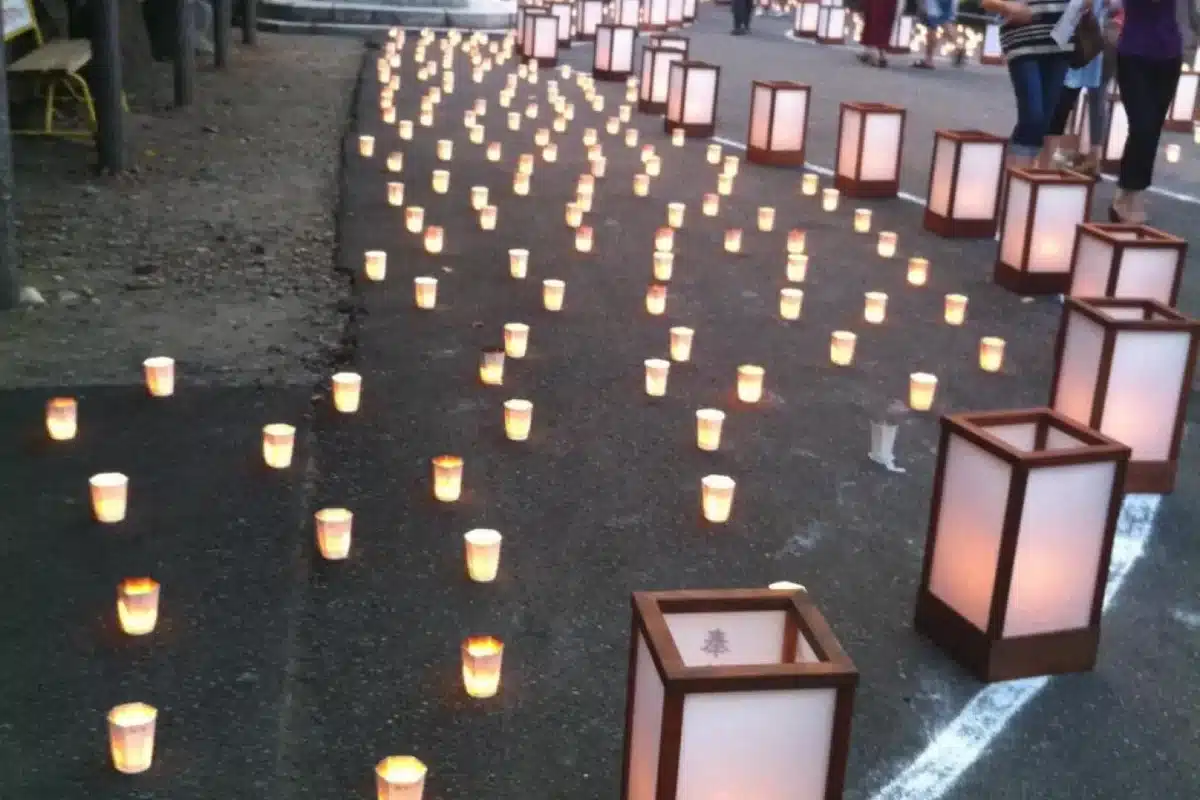
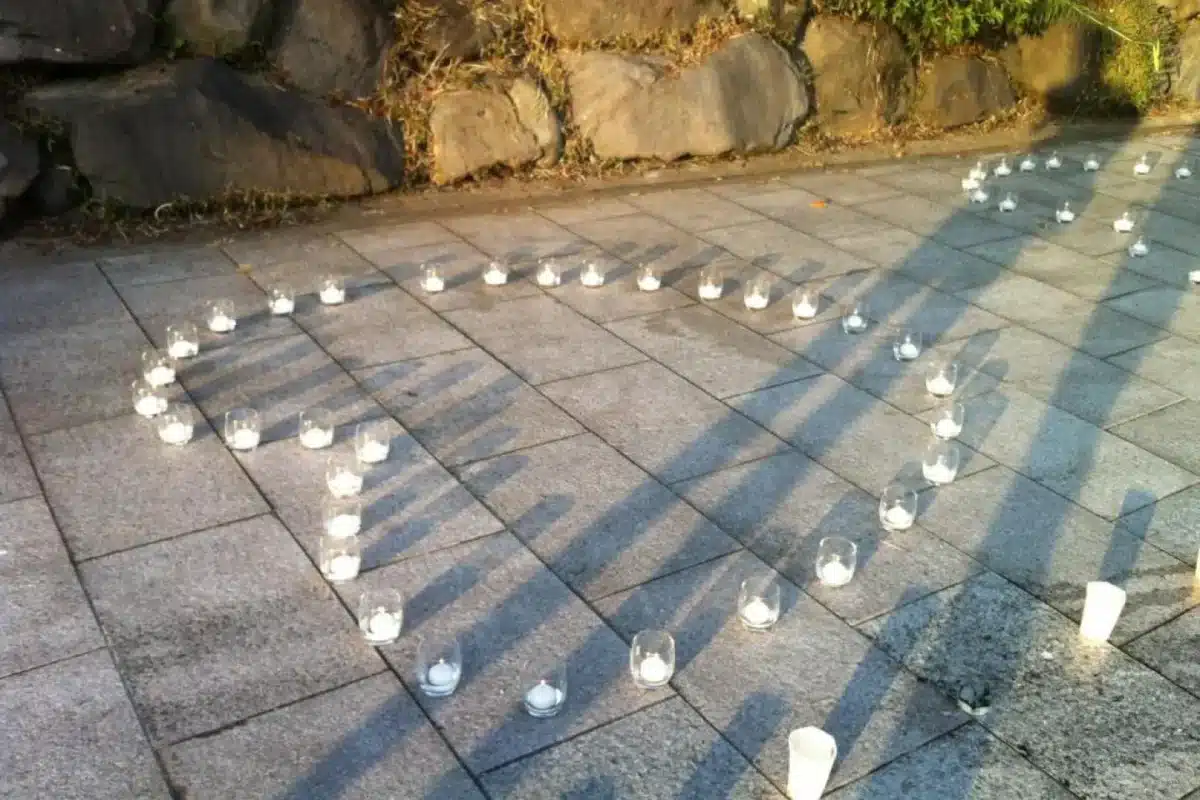
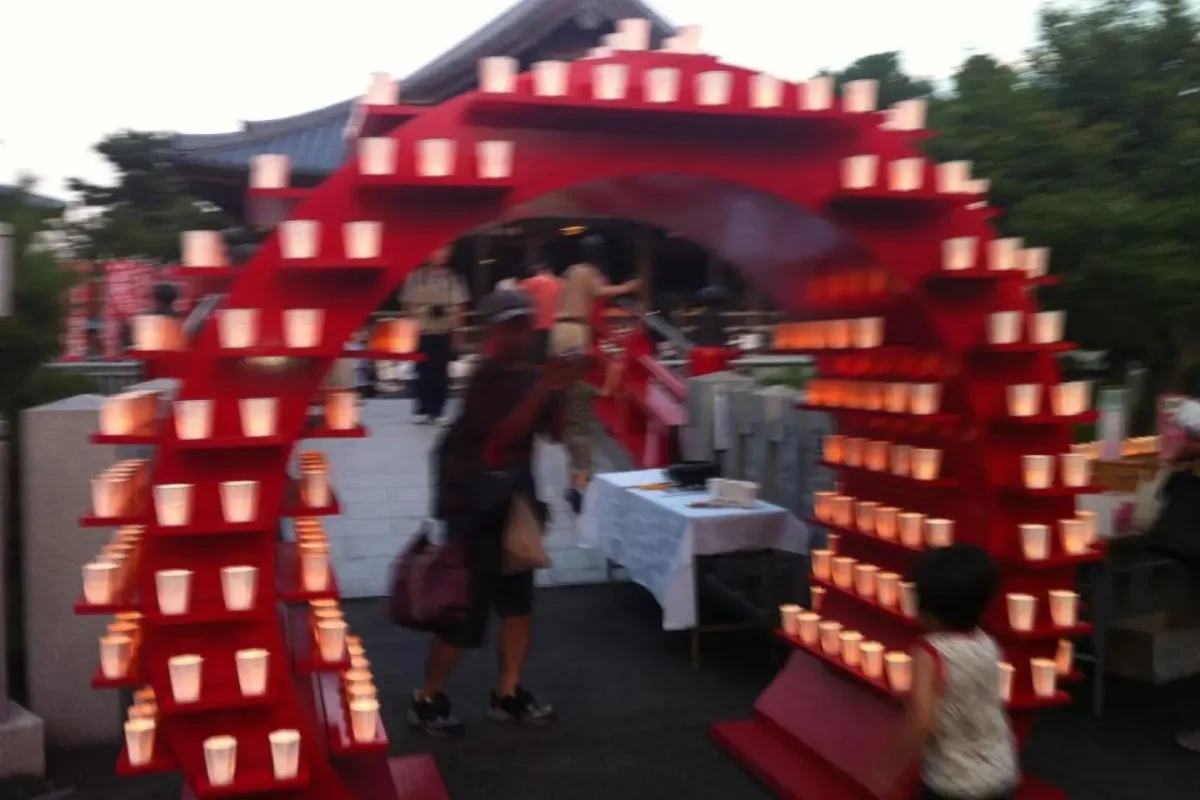
On the evening of this festival, thousands of candles are lovingly arranged along the walkway to the top, guiding you through the dark to where musicians, dancers and food stalls await to entertain you. Lanterns shaped into hearts, archways of candles, and lights illuminating the statue around the base make this an excellent place to come for a relaxing evening with friends.
I’d advise you not to eat before you to turn up as the festival’s food stalls are above and beyond the kinds of fare found at your average street festival. Mouthwatering Turkish kebabs, Gunma’s famous yaki-manju, bread fried with a sweet miso paste, and a strange range of gelato flavors are all available, with benches overlooking the city to sit and chow down on.
Enjoy Your Event Stress-Free with Japan Travelo
Do you know? Planning events, festivals, concerts, and cultural experiences in Japan can be overwhelming. Japan Travelo brings everything together in one place, helping you manage your itinerary, transport, and accommodation with ease—so you can enjoy Japan without the stress of planning.
The festival was held every 4th Saturday in August, but was shifted to September since 2021. A shuttle bus runs from outside of Takasaki station’s west exit directly to the top of the mountain where the festival is held and takes under ten minutes. You will have to wait until the sun begins to go down for the candles to be lit, but if you arrive early then I recommend climbing the inside of the statue and peeking out from one of her viewpoints for a glorious birds-eye view of the city.
Cultural Significance & Origins
Takasaki Kannon Lantern Festival is known locally as Mandoue, ten thousand lights festival.
Takasaki Byakue Dai-Kannon: The Takasaki Byakue Dai-Kannon, commonly known as Takasaki Kannon, is statue of Kannon built in 1936 Showa 11. Towering over Takasaki City as if watching over it, statue stands about 42 meters tall and weighs around 6,000 tons. At time of construction, it was largest in East. Even thumb alone is 0.4 meters long, giving statue impressive and powerful presence. Clad in white robes and draped with white cloth, graceful appearance symbolizes pure heart. Gentle gaze of Kannon-sama watches over Takasaki City with deep compassion.
The Byakue Daikannon was built by Yasuaburo Inoue in 1936, originally as memorial for fallen soldiers of Japanese Imperial Army who were stationed in Takasaki. It was always intended to eventually serve as tourist attraction, and promotion for tourism began as early as 1937. At that time it was tallest Kannon in Japan, but has since been superseded, and it is now tenth tallest in Japan. Official name is Jigen-in Temple of Koyasan Shingon Sect.
Mandoue Tradition: Every year on fourth Saturday of August, Mandoue festival is held. During this event, entire Kannon Mountain area is illuminated by 12,000 transparent lanterns and 15,000 traditional lanterns. Lights alone are stunning, but combined with illumination of Takasaki Byakue Dai-Kannon, scene becomes truly breathtaking. Many visitors captivated by its magical and fantastic beauty.
Mandoue festival is traditional event to pray for elimination of sins, accumulation of good deeds, and fulfillment of various wishes. As you gaze upon glowing lights, you are reminded to reflect on gratitude in everyday life. Beautiful lights also bring sense of spiritual cleansing. There is even lantern parade during event, making it great photo opportunity.
Shift to September: Festival was held every 4th Saturday in August, but was shifted to September since 2021, to avoid extreme summer heat and typhoon season overlap, allowing more comfortable evening.
Legend of Couples: Be careful not to visit statue with partner or someone who might have future potential, for legend has it that to view statue together ensures relationship will end in jealous doom. This stems from Kannon being female deity jealous of couples. Counter legend exists with Red String Prayer Festival.
Red String Festival: Every Valentine’s Day since 2011, giant red string is tied to Kannon statue’s finger, and many couples come to pray for blessings and happiness in relationships. Organized by NPO Takasaki Network as part of Red Thread Prayer Festival, matchmaking initiative in which red thread is tied between little finger of worshippers and Takasaki Byakue Daikannon. For past two years event held in front of Takasaki Station to promote to wider audience, but in 90th anniversary year held at Kannonyama Jigenin Temple for first time. Jigan-in is known as sacred place for matchmaking.
Spiritual Purpose: The candles used in lanterns are also prized as amulets for safe birth, and it is said shorter candle, shorter time of childbirth. Around beginning of July, you can hear sounds of ohayashi practicing wherever you go, preparing for festival.
Traditions, Rituals & Customs
Mandoue combines Buddhist light offering with community celebration.
Ten Thousand Lights Offering: Entire Kannon Mountain area illuminated by 12,000 transparent lanterns and 15,000 traditional lanterns, totaling about 27,000 lights. Follow giant footsteps carved into ground to top of mountain, where landmark Kannonyama stands majestic. On evening of festival, thousands of candles lovingly arranged along walkway to top, guiding you through dark to where musicians, dancers and food stalls await. Lanterns shaped into hearts, archways of candles, and lights illuminating statue around base.
Candle Arrangement: Volunteers arrange candles along walkway from Heiwatou Square Parking Area through Kannon-yama Sando Shopping Street to top. Heart-shaped lanterns, archways of candles create romantic atmosphere. Lights illuminating statue around base make excellent place for relaxing evening with friends.
Tainai Haikan – Womb Viewing: You can also explore interior of Takasaki Byakue Dai-Kannon. Interior tour is called Tainai Haikan. Inside, there are 20 statues of Buddhas and high priests. Each statue colorful and unique. Interior extends up to 9th floor, and there are 146 steps to climb. Each floor has windows offering views of Mount Jomo, Kanto Plain, and Takasaki cityscape. Admission very affordable, 300 yen for high school students and older, 100 yen for junior high.
Prayer for Sins Elimination: Mandoue is traditional event to pray for elimination of sins, accumulation of good deeds, and fulfillment of various wishes. As you gaze upon glowing lights, you are reminded to reflect on gratitude in everyday life.
Lantern Parade: There is even lantern parade during event, where participants carry lanterns.
Food Offering Tradition: Food stalls are above and beyond kinds of fare found at average street festival, reflecting Takasaki’s multicultural community.
Shuttle Bus Ritual: Shuttle bus runs from outside Takasaki station’s west exit directly to top of mountain where festival is held and takes under ten minutes. You will have to wait until sun begins to go down for candles to be lit.
What to Expect at the Festival
Expect breathtaking panorama of city lights below and candle lights around you.
Follow giant footsteps carved into ground to top of mountain, where landmark Kannonyama stands majestic, watching over city. From here you can look out on entire city, mountains constant backdrop in distance.
On evening, thousands of candles lovingly arranged along walkway to top, guiding you through dark to where musicians, dancers and food stalls await. Lanterns shaped into hearts, archways of candles, and lights illuminating statue around base make excellent place for relaxing evening with friends.
Mouthwatering Turkish kebabs, Gunma’s famous yaki-manju bread fried with sweet miso paste, and strange range of gelato flavors available, with benches overlooking city to sit and chow down on. Food stalls above and beyond kinds found at average street festival.
Festival was held every 4th Saturday in August, but shifted to September since 2021. Shuttle bus runs from outside Takasaki station’s west exit directly to top of mountain where festival is held and takes under ten minutes. You will have to wait until sun begins to go down for candles to be lit, but if you arrive early then I recommend climbing inside of statue and peeking out from one of her viewpoints for glorious birds-eye view of city.
Entire Kannon Mountain area illuminated by 12,000 transparent lanterns and 15,000 traditional lanterns. Lights alone stunning, but combined with illumination of Takasaki Byakue Dai-Kannon, scene becomes truly breathtaking. Many visitors captivated by magical and fantastic beauty.
Musicians, dancers perform on stage near top, with taiko and local bands. Lights bring sense of spiritual cleansing.
Date & Schedule
Event Dates: Late September 2027 (Dates TBD)
Official Timing Information: Follow the giant footsteps carved into ground to top of mountain, where landmark Kannonyama stands majestic, watching over city of Takasaki. On evening of this festival, thousands of candles are lovingly arranged along walkway to top, guiding you through dark to where musicians, dancers and food stalls await to entertain you. Lanterns shaped into hearts, archways of candles, and lights illuminating statue around base.
The festival was held every 4th Saturday in August, but was shifted to September since 2021. A shuttle bus runs from outside of Takasaki station’s west exit directly to top of mountain where festival is held and takes under ten minutes. You will have to wait until sun begins to go down for candles to be lit, but if you arrive early then I recommend climbing inside of statue and peeking out from one of her viewpoints for glorious birds-eye view of city.
For reference from previous editions:
- Mandoue festival held every year on fourth Saturday of August historically, with entire Kannon Mountain area illuminated by 12,000 transparent lanterns and 15,000 traditional lanterns
- Since 2021, shifted to September, held on 4th Saturday in September in many years, with 2024 and 2025 editions in September
- Evening event, candles lit after sun begins to go down, typically around 18:00 to 21:00, with illumination continuing until 21:30
- Interior of Kannon open during day, Tainai Haikan up to 9th floor, 146 steps, with windows offering views
Venue: Kannonyama, Takasaki Byakue Dai-Kannon, Jigan-in Temple, 2710-1 Ishihara-machi, Takasaki City, Gunma Prefecture, Japan
Transport: Shuttle bus runs from outside of Takasaki station’s west exit directly to top of mountain where festival is held and takes under ten minutes. Also Gururin Kannonzan Line Kataoka Route bus from west exit to Byakue Kannon-mae about 20 minutes then 2 minute walk.
Notice: Dates for 2027 not yet confirmed. Please check official event site for latest info. Festival is free, but interior of Kannon admission 2 USD to 3 USD.
Visiting this event? Don’t miss out on these amazing activities and local experiences while you’re here.
Main Events & Programme
Programme combines illumination, music, food, and spiritual activities.
Candle Illumination – 27,000 Lights: Entire Kannon Mountain area illuminated by 12,000 transparent lanterns and 15,000 traditional lanterns. Thousands of candles lovingly arranged along walkway to top, guiding you through dark. Lanterns shaped into hearts, archways of candles, and lights illuminating statue around base. Lights alone stunning, but combined with illumination of Takasaki Byakue Dai-Kannon, scene becomes truly breathtaking.
Giant Footsteps Walk: Follow giant footsteps carved into ground to top of mountain, where landmark Kannonyama stands majestic. Footsteps are artistic pavement leading pilgrims.
Statue Interior Tour: If you arrive early, recommend climbing inside of statue and peeking out from one of viewpoints for glorious birds-eye view of city. Interior tour called Tainai Haikan, Womb Viewing, with 20 statues of Buddhas and high priests, 146 steps up to 9th floor, windows offering views of Mount Jomo, Kanto Plain, Takasaki cityscape. Admission 300 yen for high school and older, 100 yen for junior high.
Stage Performances: Musicians, dancers and food stalls await to entertain you at top. Traditional ohayashi practicing can be heard around beginning of July wherever you go, preparing for festival. Performances include taiko, folk dance, and local bands.
Lantern Parade: There is even lantern parade during event, participants carry lanterns around Kannon base.
Food Festival: Food stalls above and beyond kinds of fare found at average street festival. Mouthwatering Turkish kebabs, Gunma’s famous yaki-manju bread fried with sweet miso paste, and strange range of gelato flavors available, with benches overlooking city to sit and chow down on.
Red String Prayer Connection: During Valentine’s season, giant red string tied to Kannon statue’s finger, many couples come to pray for blessings. At Mandoue, some couples tie small red threads as prayers.
Traditional Dress, Arts & Crafts
Mandoue art is light itself, with Buddhist crafts.
Kannon Statue Art: Takasaki Byakue Dai-Kannon, symbol of Takasaki City, must-see sightseeing spot. Among many Byakue Kannon statues in Japan, Takasaki Byakue Kannon is most famous. Statue built 1936, 41.8 meters high, weighing 5,985 tons, reinforced concrete statue of Kannon. Clad in white robes and draped with white cloth, graceful appearance symbolizes pure heart.
Transparent Lanterns and Traditional Lanterns: 12,000 transparent lanterns and 15,000 traditional lanterns used. Transparent lanterns are modern acrylic with candle inside, traditional lanterns are washi paper chouchin with calligraphy.
Heart-Shaped Lanterns: Lanterns shaped into hearts, archways of candles, specially crafted for festival, popular photo spots.
Jigan-in Temple Crafts: Jigan-in Temple located within which Kannon stands, relocated 1941 as special branch of Koyasan. Bright red Taiko Bridge very photogenic. Taking photos of both Takasaki Kannon and Taiko Bridge together creates even more impressive scene. Kouondo Hall said to grant one wish, famous for prayers related to love matchmaking, successful romance. Daishido Hall for academic success and passing exams.
Cave Kannon: Mysterious Cave Kannon is hidden gem in Takasaki, located about 1.5 km from Jigan-in. Construction began 1919 Taisho 8, took 50 years to complete. Inside 400-meter cave path, there are 33 stone Buddha statues lined up.
Daruma Connection: Takasaki is famous for Daruma dolls, nearby Daruma-ji temple sells lucky daruma.
Kannon-yama Sando Shopping Street Crafts: Kannon-yama Sando Shopping Street connects Takasaki Byakue Dai-Kannon to Heiwatou Square Parking Area. Specialty is dish called Hippataki, miso oden. You can also try other local favorites like Yaki Manju grilled sweet buns and Sansai Soba wild vegetable soba. Souvenir shops line street, and among them Kadoya, home to shopping street’s mascot owl, is especially popular. It is said if you make wish here, something lucky might happen.
Traditional Food & Local Specialties
Food stalls are above and beyond average street festival, reflecting Takasaki’s international community.
Festival Foods:
- Turkish Kebabs: Mouthwatering Turkish kebabs for 7 USD to 12 USD, reflecting Turkish community in Takasaki, one of largest in Japan
- Gunma’s Famous Yaki-Manju: Bread fried with sweet miso paste, specialty of Gunma, for 2 USD to 4 USD per stick, slightly charred, sweet and savory
- Gelato Flavors: Strange range of gelato flavors for 4 USD to 7 USD, including miso, sake, wasabi, and seasonal fruit
- Hippataki: Miso oden specialty of Kannon-yama Sando Shopping Street, konjac and daikon in miso for 3 USD to 5 USD
- Sansai Soba: Wild vegetable soba for 7 USD to 11 USD
Takasaki Local Foods:
- Takasaki Pasta: Takasaki is known as pasta town, with many pasta shops, pasta for 8 USD to 14 USD
- Daruma Bento: Daruma shaped lunch boxes for 8 USD to 12 USD
- Yaki Manju Shops: Year-round shops in Sando street
Drinks: Beer for 4 USD to 7 USD, sake for 5 USD to 9 USD, with benches overlooking city to sit and chow down on.
Advice: I’d advise you not to eat before you turn up as festival’s food stalls are above and beyond kinds of fare found at average street festival.
Location & Festival Areas
Location: Kannonyama, Takasaki City, Gunma Prefecture, Japan
Main Venue: Takasaki Byakue Dai-Kannon, Jigan-in Temple, 2710-1 Ishihara-machi, Takasaki City, Gunma Prefecture, 370-0866. Symbol of Takasaki City in Gunma Prefecture, must-see sightseeing spot.
Mountain Top: Follow giant footsteps carved into ground to top of mountain, where landmark Kannonyama stands majestic, watching over city. From here you can look out on entire city, mountains constant backdrop in distance. 41.8 meters high, 5,985 tons.
Festival Areas:
- Walkway to Top: Thousands of candles lovingly arranged along walkway to top, guiding you through dark, with heart-shaped lanterns, archways of candles
- Kannon Base: Lights illuminating statue around base, excellent place for relaxing evening with friends, benches overlooking city
- Kannon-yama Sando Shopping Street: Connects Takasaki Byakue Dai-Kannon to Heiwatou Square Parking Area, specialty Hippataki, Yaki Manju, Sansai Soba, souvenir shops like Kadoya with mascot owl
- Stage Area: Where musicians, dancers and food stalls await to entertain
- Jigan-in Temple Grounds: Taiko Bridge bright red photogenic, Kouondo Hall for love prayers, Daishido Hall for academic success
- Inside Kannon: 20 statues of Buddhas and high priests, 146 steps to 9th floor, windows with views of Mount Jomo, Kanto Plain, Takasaki cityscape
Nearby Spots:
- Kannon-yama Park: Just 11-minute walk from Takasaki Byakue Kannon, spacious park where both children and adults can have fun, picnic on vast grassy areas, Kerner Square playground, trampoline, pool in summer
- Cave Kannon: About 1.5 km from Jigan-in, 400-meter cave path with 33 stone Buddha statues
Getting to the Festival
Takasaki is major city in Gunma, accessible from Tokyo.
By Bus – Shuttle: Shuttle bus runs from outside of Takasaki station’s west exit directly to top of mountain where festival is held and takes under ten minutes. This is special festival shuttle, free or small fee about 2 USD to 3 USD, runs every 15 minutes during festival evening.
By Public Bus – Regular: If going by car, it takes about 20 minutes from Kan-Etsu Expressway Takasaki I.C. or Maebashi I.C., and about 15 minutes from Takasaki Station. If you prefer to take bus, board Gururin Kannonzan Line Kataoka Route from west exit of Takasaki Station. After about 20 minutes, get off at Byakue Kannon-mae. From there, it’s about 2-minute walk to site. Fare about 2 USD to 3 USD.
By Car: 20 minutes from Kan-Etsu Expressway Takasaki Interchange, 15 minutes from Takasaki Station. Parking at Heiwatou Square Parking Area near base, then walk up illuminated path. Parking fee about 4 USD to 6 USD.
From Tokyo: Take JR Joetsu or Hokuriku Shinkansen from Tokyo or Ueno to Takasaki, about 50 minutes, fare about 30 USD to 45 USD. Then shuttle bus to Kannon. Total from Tokyo about 1 hour 15 minutes.
Walking Early: If you arrive early, recommend climbing inside of statue and peeking out from viewpoints for glorious birds-eye view of city before candles lit.
Accessibility: Walkway is uphill, with giant footsteps carved, may be steep for some, but shuttle goes directly to top. Inside statue 146 steps, not accessible for wheelchairs.
Where to Stay Nearby
Takasaki is major city with many hotels.
Near Takasaki Station:
- Takasaki Washington Hotel Plaza: Near west exit where shuttle departs, from 70 USD to 110 USD per night
- Hotel Metropolitan Takasaki: At Takasaki Station, from 90 USD to 160 USD
- APA Hotel Takasaki Ekimae: From 60 USD to 95 USD
- Toyoko Inn Takasaki: Budget from 55 USD to 80 USD
Near Kannonyama:
- Kannon-yama area has few ryokan and guesthouses, but most stay in central Takasaki and take shuttle, as shuttle bus runs directly to top.
Hot Springs:
- Takasaki has many onsen hotels in surrounding mountains, such as Kannonyama Onsen and Misato Onsen, from 80 USD to 150 USD with onsen and dinner
Karuizawa and Kusatsu: Resort towns 40 to 90 minutes away, hotels from 100 USD to 300 USD, can combine with Takasaki visit.
Booking Tip: Since festival shifted to September since 2021, September is still tourist season with comfortable weather, book Takasaki hotels 2 weeks ahead, especially near west exit for easy shuttle access.
What Visitors Can Participate In
Participatory light festival with food and prayers.
Walk Candle-Lit Path: Follow giant footsteps carved into ground to top, guided by thousands of candles lovingly arranged along walkway, with lanterns shaped into hearts, archways of candles.
Inside Kannon Climb: If you arrive early, climb inside of statue and peek out from one of viewpoints for glorious birds-eye view of city. Tainai Haikan with 20 Buddha statues, 146 steps.
Food Stall Feast: I’d advise you not to eat before you turn up as festival’s food stalls are above and beyond kinds of fare found at average street festival. Enjoy mouthwatering Turkish kebabs, Gunma’s famous yaki-manju bread fried with sweet miso paste, strange range of gelato flavors, with benches overlooking city.
Music and Dance: Musicians, dancers and food stalls await to entertain you at top. Enjoy ohayashi traditional music and modern performances.
Prayer and Gratitude: Mandoue is traditional event to pray for elimination of sins, accumulation of good deeds, fulfillment of various wishes. Gaze upon glowing lights, reflect on gratitude in everyday life. Beautiful lights bring sense of spiritual cleansing. Visit Kouondo Hall to grant one wish for love, Daishido Hall for academic success.
Lantern Parade: Join lantern parade during event, carry lantern.
Photography: Lanterns shaped into hearts, archways, lights illuminating statue around base make excellent photo spots, especially for couples and friends. Despite legend about couples viewing statue together ensures relationship will end in jealous doom, many couples come for Red String Prayer Festival.
Red String Tying: Tie red string for matchmaking, as every Valentine’s Day since 2011 giant red string tied to Kannon statue’s finger, many couples come to pray.
Things to Do Before or After the Festival
Takasaki offers Daruma and nature attractions.
Takasaki Byakue Dai-Kannon Daytime: Visit during day for Tainai Haikan, see 20 Buddha statues, climb 146 steps, enjoy views of Mount Jomo, Kanto Plain, Takasaki cityscape. Clad in white robes, gentle gaze.
Kannon-yama Sando Shopping Street: Specialty Hippataki miso oden, Yaki Manju grilled sweet buns, Sansai Soba wild vegetable soba, souvenir shops like Kadoya with mascot owl, said if you make wish here, something lucky might happen.
Kannon-yama Park: Just 11-minute walk, spacious park where both children and adults can have fun, picnic on vast grassy areas, Kerner Square playground, trampoline, pool in summer.
Cave Kannon: Mysterious hidden gem about 1.5 km from Jigan-in, construction began 1919, took 50 years, inside 400-meter cave path with 33 stone Buddha statues lined up, stays cool inside.
Daruma-ji Temple: Shorinzan Daruma-ji Temple, birthplace of Takasaki Daruma dolls, famous for lucky dolls, 10 minutes by car from Kannon.
Takasaki City: Takasaki is pasta town, with many pasta shops, and city with many museums like Gunma Museum of Art.
Shibukawa and Ikaho: Hot spring towns 30 minutes away, Ikaho Onsen with stone steps.
Cherry Blossom Season: Finally, cherry blossom season is spectacular. Along Kannon Sando Shopping Street, about 3,000 cherry trees bloom in full glory. Combination of Takasaki Byakue Kannon and cherry blossoms creates absolutely breathtaking scene, popular photo spot and said to bring blessings.
Local Food & Restaurants
Takasaki is known for pasta and diverse foods.
Festival Foods at Top:
- Turkish Kebabs: Mouthwatering for 7 USD to 12 USD
- Yaki-Manju: Bread fried with sweet miso paste for 2 USD to 4 USD
- Gelato: Strange range of flavors for 4 USD to 7 USD
- Hippataki: Miso oden for 3 USD to 5 USD
- Sansai Soba: For 7 USD to 11 USD
Takasaki Famous Foods:
- Takasaki Pasta: City is pasta capital of Gunma, many shops serve Japanese-style pasta with local ingredients for 8 USD to 14 USD
- Daruma Bento: For 8 USD to 12 USD
- Yaki Manju Shops: Throughout city, year-round
Kannon-yama Sando Restaurants: Small restaurants with benches overlooking city, perfect for chow down, serving local foods for 6 USD to 12 USD.
International Community: Turkish community in Takasaki is one of largest in Japan, so Turkish restaurants offer authentic kebabs and baklava.
Sando Souvenirs: Kadoya shop with owl mascot sells sweets and crafts.
Ticket Information & Access
Price of Admission: FREE for festival
Festival was held every 4th Saturday in August, but shifted to September since 2021. Mandoue festival is free to attend, with entire Kannon Mountain area illuminated by 12,000 transparent lanterns and 15,000 traditional lanterns.
Costs Based on Previous Editions:
- Festival Entry: Free, with thousands of candles along walkway
- Shuttle Bus: Runs from outside Takasaki station’s west exit directly to top of mountain, takes under ten minutes, fare about free to 3 USD round trip depending on year, sometimes free shuttle provided by organizers
- Regular Bus: Gururin Kannonzan Line Kataoka Route from west exit to Byakue Kannon-mae about 20 minutes, fare about 2 USD to 3 USD
- Inside Kannon – Tainai Haikan: Admission 300 yen for high school students and older, about 2 USD, 100 yen for junior high and younger, about 1 USD, groups 200 yen and 50 yen respectively, about 2 USD and 0.5 USD
- Parking: At Heiwatou Square Parking Area, about 4 USD to 6 USD per car
- Food Stalls: Turkish kebabs 7 USD to 12 USD, yaki-manju 2 USD to 4 USD, gelato 4 USD to 7 USD, Hippataki 3 USD to 5 USD
- Red String Prayer: Free to tie small red string
Hours: Candles lit after sun begins to go down, typically 18:00 to 21:30, with stage performances and food stalls until 21:00. Arrive early to climb inside statue before dark.
Access: Shuttle bus from Takasaki station west exit directly to top, under ten minutes, or Gururin bus 20 minutes to Byakue Kannon-mae then 2 minute walk.
Official Event Information
Event Name: Takasaki Kannon Lantern Festival 2027 – Japan, also called Takasaki Kannon Mandoue, Byakue Kannon Lantern Festival, Mandoue Festival, Takasaki Byakue Dai-Kannon Mandoue
Venue: Kannonyama, Takasaki Byakue Dai-Kannon, Jigan-in Temple, 2710-1 Ishihara-machi, Takasaki City, Gunma Prefecture, Japan, 370-0866, Koyasan Shingon Sect Takasaki Byakue Dai-Kannon Jigan-in
Organizer: Jigan-in Temple, Takasaki City, Takasaki Kannon Tourism Association, NPO Takasaki Network for Red Thread events
Official Website: https://en.japantravel.com/gunma/lantern-festival/3618
Additional Official Sites: https://takasakikannon.or.jp/ official site of Takasaki Byakue Dai-Kannon and https://skyticket.com/guide/59625 guide with Mandoue details
Description: Follow giant footsteps carved into ground to top of mountain, where landmark Kannonyama stands majestic, watching over city of Takasaki. From here you can look out on entire city, mountains constant backdrop. Be careful not to visit statue with partner or someone who might have future potential, for legend has it that to view statue together ensures relationship will end in jealous doom. On evening of this festival, thousands of candles lovingly arranged along walkway to top, guiding you through dark to where musicians, dancers and food stalls await to entertain you. Lanterns shaped into hearts, archways of candles, and lights illuminating statue around base make excellent place for relaxing evening with friends. Food stalls above and beyond kinds of fare found at average street festival, mouthwatering Turkish kebabs, Gunma’s famous yaki-manju bread fried with sweet miso paste, and strange range of gelato flavors available, with benches overlooking city to sit and chow down on. Festival held every 4th Saturday in August, but shifted to September since 2021. Shuttle bus runs from outside of Takasaki station’s west exit directly to top of mountain where festival is held and takes under ten minutes.
Contact: Jigan-in Temple, 2710-1 Ishihara-machi, Takasaki City, Gunma, Phone via official site takasakikannon.or.jp
Location
FAQ
Why is it called Mandoue and how many lights are there?
Mandoue means ten thousand lights festival, traditional Buddhist light offering event to pray for elimination of sins, accumulation of good deeds, and fulfillment of various wishes. During this event, entire Kannon Mountain area is illuminated by 12,000 transparent lanterns and 15,000 traditional lanterns, totaling about 27,000 lights, with thousands of candles lovingly arranged along walkway to top guiding you through dark. Lights alone are stunning but combined with illumination of 41.8 meter tall Takasaki Byakue Dai-Kannon weighing 5,985 tons, scene becomes truly breathtaking and brings sense of spiritual cleansing and gratitude.
Is it true that couples who visit together will break up?
Be careful not to visit statue with partner or someone who might have future potential, for legend has it that to view statue together ensures relationship will end in jealous doom, as Kannon is female deity said to be jealous of couples. However, counter tradition exists as every Valentine's Day since 2011 giant red string is tied to Kannon statue's finger and many couples come to pray for blessings and happiness in relationships as part of Red Thread Prayer Festival organized by NPO Takasaki Network. Jigan-in is known as sacred place for matchmaking with Kouondo Hall granting wishes for love, so many couples now visit to tie red thread and pray for successful romance despite old legend.
What food should I expect at the festival?
I'd advise you not to eat before you turn up as festival's food stalls are above and beyond kinds of fare found at average street festival, with mouthwatering Turkish kebabs reflecting large Turkish community in Takasaki, Gunma's famous yaki-manju bread fried with sweet miso paste, and strange range of gelato flavors like miso and wasabi available. Additionally, Kannon-yama Sando Shopping Street specialty Hippataki miso oden, Sansai Soba wild vegetable soba, and souvenir shops like Kadoya with mascot owl offer local tastes, with benches overlooking city to sit and chow down while enjoying illumination.
How do I get to the top of Kannonyama for the festival?
Shuttle bus runs from outside of Takasaki station's west exit directly to top of mountain where festival is held and takes under ten minutes, running every 15 minutes during festival evening, free or small fee. Alternatively, board Gururin Kannonzan Line Kataoka Route from west exit, after about 20 minutes get off at Byakue Kannon-mae, from there 2-minute walk to site. If going by car, 20 minutes from Kan-Etsu Expressway Takasaki IC or Maebashi IC, 15 minutes from Takasaki Station, parking at Heiwatou Square Parking Area. You will have to wait until sun begins to go down for candles to be lit, so arrive early to climb inside statue for birds-eye view.
Can I climb inside the Kannon statue?
Yes, you can also explore interior of Takasaki Byakue Dai-Kannon, interior tour called Tainai Haikan Womb Viewing, where there are 20 statues of Buddhas and high priests, each colorful and unique, extending up to 9th floor with 146 steps to climb. Each floor has windows offering views of Mount Jomo, Kanto Plain, and Takasaki cityscape, with admission very affordable at about 2 USD for high school and older and 1 USD for junior high and younger. If you arrive early before candles lit, recommend climbing inside and peeking out from viewpoints for glorious birds-eye view of city, then following giant footsteps carved into ground to top where landmark stands majestic watching over city.

Leave a Reply