
Overview
Takahashi City Summer Festival, locally known as Bitchu Takahashi Matsuyama Odori Matsuri or Matsuyama Jo Odori Matsuri, is one of Okayama Prefecture’s most beloved summer traditions and is counted among the Three Great Festivals of Okayama. The festival takes place directly in front of JR Bitchu Takahashi Station on the main street leading into the historic castle town, transforming a everyday transport hub into a vibrant open-air dance hall.
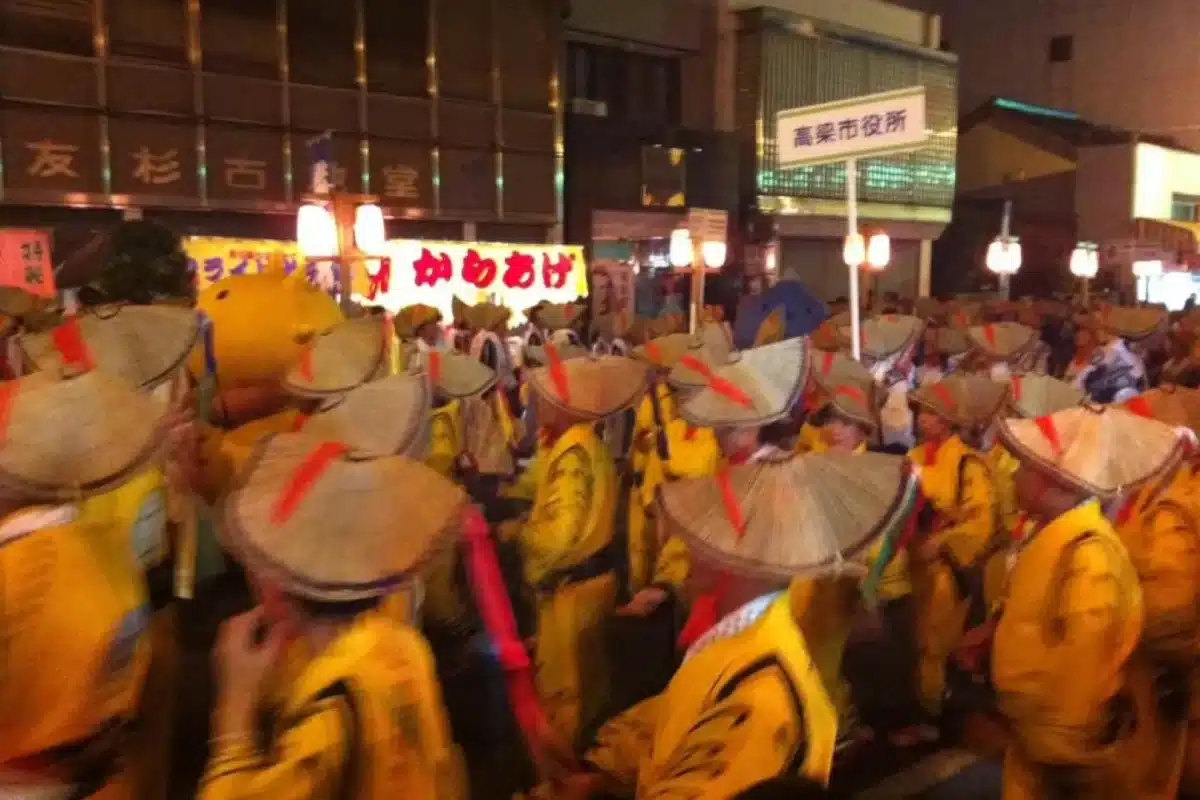
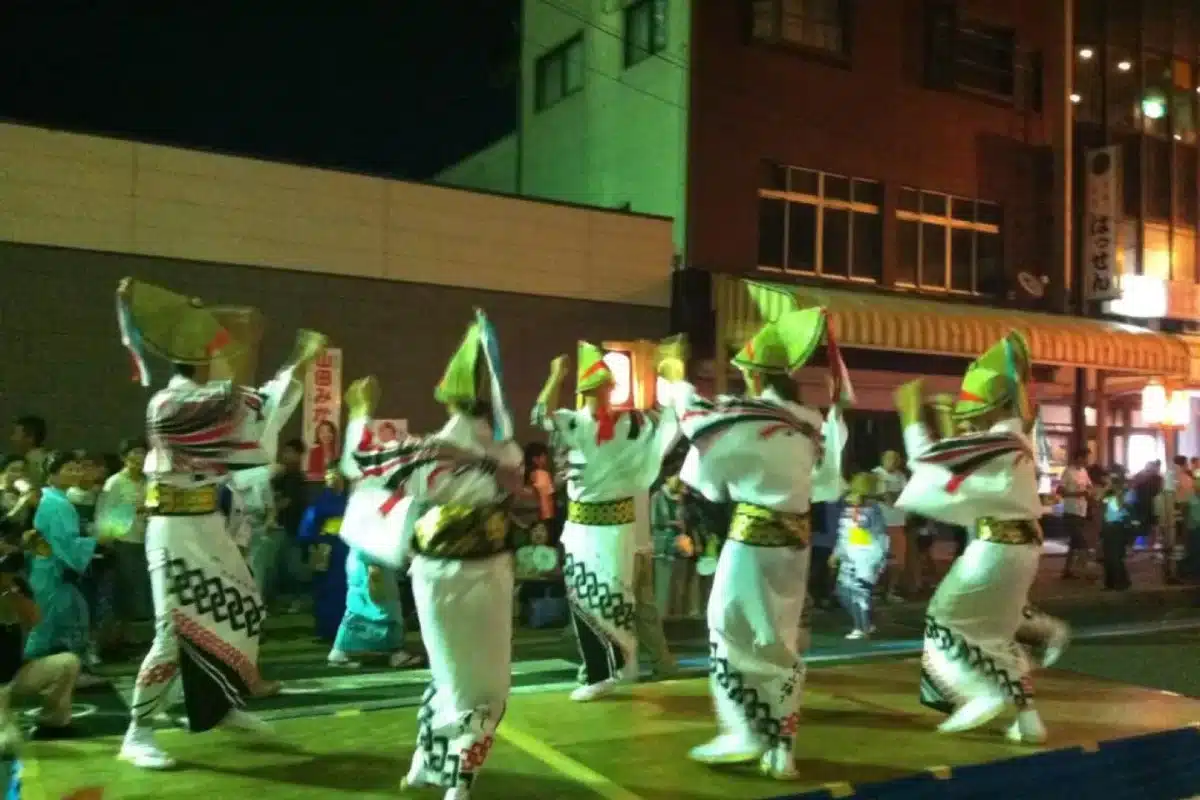
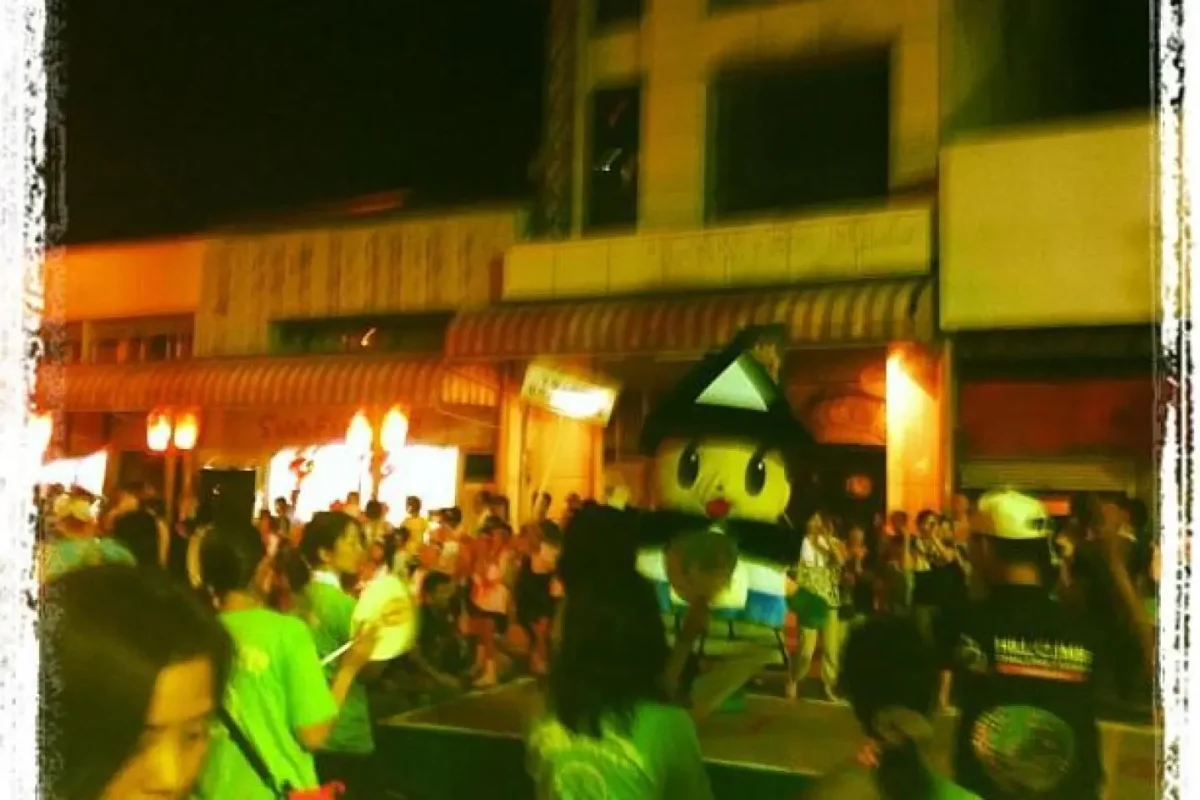
This is not a festival to simply watch from the sidelines. It is a three-night community dance celebration where the entire town participates. As evening falls, the street becomes a bustling sea of yukata, Japanese traditional summer wear, as hundreds of dancers gather around a central lantern-lit yagura stage. The constant beat of the taiko drum, a small band of traditional instruments, and a singer provide the rhythm that keeps the crowd dancing for four hours straight.
The charm of Takahashi’s festival lies in its inclusivity. The event begins with a formal dance exhibition and contest featuring local schools, clubs, and businesses in their traditional colors. After that opening hour, the floor opens to everyone. Visitors, regardless of experience, are invited to join the circular procession and copy the movements of locals. The atmosphere is encouraging, friendly, and wonderfully unpretentious, making it an ideal introduction to Japanese Bon Odori culture for first-time travelers.
Enjoy Your Event Stress-Free with Japan Travelo
Do you know? Planning events, festivals, concerts, and cultural experiences in Japan can be overwhelming. Japan Travelo brings everything together in one place, helping you manage your itinerary, transport, and accommodation with ease—so you can enjoy Japan without the stress of planning.
In addition to dancing, the festival features ice sculptures carved live with chainsaws in front of the station, featuring unicorns, horses, dragons, and other figures that slowly melt in the summer heat, plus rows of yatai food stalls selling yakisoba, fried meat on sticks, and grilled squid.
Cultural Significance & Origins
The Matsuyama Odori has a history of more than 370 years, tracing its roots back to the beginning of the Keian era in 1648 during the early Edo period. It began as a folk prayer for bountiful harvests, prosperity of the machiya merchant houses, and peace in the castle town under Bitchu Matsuyama Castle.
The castle itself is of immense historical importance. Built originally in 1240 and perched atop Mount Gagyu, Bitchu Matsuyama Castle is said to be the only surviving original mountain castle in Japan and the oldest of its kind. The lords of the castle supported folk arts that united samurai, merchants, and townspeople, and the Odori became the primary expression of that unity.
The dance tradition preserves two distinct styles that have been passed down through generations of Takahashi families.
Jiodori or Ji Odori: This is the elegant, classical style said to have been started by townsfolk to pray for harvests. Performed with slow, refined movements, low postures, and graceful hand gestures, it reflects the influence of Noh theater and samurai etiquette. Dancers wear amigasa straw hats and move in a deliberate circle around the yagura.
Yatosa Odori: This is the more energetic, participatory style started by locals in later years. The name comes from the call and response chant “Yatosa, Yatosa” that accompanies the music. It is upbeat, easy to learn, and involves miming actions such as banging an imaginary taiko drum. Most visitors find themselves dancing Yatosa, as it is designed for large groups to join quickly.
Both dances are recognized as part of Okayama’s intangible folk cultural heritage and are preserved by the Takahashi City Matsuyama Odori Preservation Society.
Traditions, Rituals & Customs
The festival follows a nightly ritual that has remained largely unchanged for centuries.
Yagura Center Stage: A tall, lantern-lit wooden tower is erected in the middle of the main street in front of the station. Musicians and singers stand on this yagura, providing live music for the entire evening. The tower is decorated with red and white lanterns and serves as the focal point for the circular dance.
Taiko and Narimono: The music is led by a large o-daiko drum, supplemented by fue bamboo flute, shamisen, and kane bell. The singer performs two traditional local songs on loop throughout the night. One is slower and more elegant for Jiodori, the other faster for Yatosa. Dancers learn to distinguish the two by rhythm alone.
Shikumi Odori Samurai Dance Performance: On designated evenings, a special performance called Shikumi Odori is staged. This is a historical tableau dance where performers in samurai costume reenact scenes from local legends and castle history on the yagura stage. It is a rare chance to see costumed samurai dance forms that are distinct from the main Bon Odori.
Dance Contest Categories: Each night features different contest categories for organized groups. One night is traditionally dedicated to children’s groups, another to general community groups, and another to highly skilled preservation groups. Judges award prizes for best formation, costume coordination, and preservation of traditional form. Costumes are not elaborate armor but beautiful summer yukata in matching colors for each team, with obi sashes and tenugui headbands.
Ice Sculpture Offering: In front of JR Bitchu Takahashi Station, ice sculptors create large sculptures using chainsaws. This modern tradition began as a way to provide visual cooling relief during the summer evening and has become an iconic photo spot. The sculptures are illuminated from below and water running off them adds a cooling mist to the street.
What to Expect at the Festival
Expect a warm, noisy, and incredibly welcoming street party that feels more like a neighborhood reunion than a tourist show. The main street from the station is closed to traffic and filled with people in yukata from early evening. Families, elderly residents, teenagers, and children all gather in circles around the yagura.
The evening begins with a dance exhibition. Local groups perform their choreographed versions of the dances in formation, taking their performance seriously as part of the contest. This is the best time to watch and learn the steps from the sidelines.
After the exhibition hour, the announcer invites everyone to join in, and the atmosphere shifts to a free-for-all. Anyone can step into the outer circle and follow along. The steps are repetitive and easy to pick up after a couple of practice runs. For example, the faster song includes a move that mimics striking a taiko drum twice, raising your arms, and clapping. Mistakes are expected and laughed off with good humor. Locals will often reach out to guide your hands or encourage you with smiles.
Between dances, visitors can wander to the side street leading from the stage, where food stalls line both sides. The air is filled with smoke from grills, the sizzle of yakisoba, and the sweet smell of kakigori shaved ice. The ice sculptures in front of the station are constantly melting, and children gather around to touch the cold water.
The dancing continues for four hours, with short water breaks for the musicians. The energy remains high until the final song, after which participants slowly disperse to nearby izakaya and convenience stores, still humming the Yatosa chant.
Date & Schedule
Event Dates: Mid August 2027 (Dates TBD)
Typical Nightly Schedule Based on Previous Editions:
Evening Setup: Yatai food stalls open around 5:30 PM. Ice sculpting demonstration begins in front of JR Bitchu Takahashi Station. Yukata dressing assistance available at Takahashi City Tourist Information Center.
Opening Hour: Dance exhibition and contest begins at 7:00 PM. Opening performance by Preservation Society, followed by children’s groups or themed category groups depending on the night. Shikumi Odori samurai dance performance staged on yagura on one of the nights.
Open Participation Block: Free-for-all community dancing begins around 8:00 PM to 8:30 PM after contest judging. Live music continues with alternating Jiodori and Yatosa songs. Anyone can join the circular procession around the yagura.
Closing: Dancing concludes around 11:00 PM with a final collective dance. Food stalls close shortly after. The schedule repeats for three consecutive nights.
Note: The festival is held regardless of the day of the week these dates fall on. Final program is announced by Takahashi City.
Visiting this event? Don’t miss out on these amazing activities and local experiences while you’re here.
Main Events & Programme
Matsuyama Odori Preservation Performance: The opening act each night performed by members of the preservation society in traditional amigasa hats, demonstrating the most authentic form of Jiodori.
Community Dance Contest: Organized groups from schools, businesses, sports clubs, and neighborhood associations compete. Categories include Children’s Division, General Division, and Creative Division where groups may add modern arrangements while retaining core movements. Winners receive awards from the mayor at the final night.
Yatosa Free Participation: The core participatory program where hundreds of dancers form concentric circles around the yagura. The outer circles are for beginners and tourists, inner circles for experienced dancers. No registration is required.
Shikumi Odori Special Stage: A theatrical performance combining dance, drama, and historical narration that depicts episodes from Bitchu Matsuyama Castle history, including lord processions and samurai life.
Ice Sculpture Exhibition: Live carving with chainsaws in front of the station plaza. Carvings have included unicorns, horses, dragons, castle models, and anime characters. The sculptures are lit at night and remain on display as they melt.
Yukata Experience Program: A program for foreign residents and visitors to wear a yukata and enjoy the event, organized by local volunteer groups. Rental includes dressing assistance and rental return the same night.
Children’s Taiko Corner: A small side stage where children can try hitting a taiko drum under instruction.
Traditional Dress, Arts & Crafts
The visual identity of the festival is defined by summer textiles rather than heavy armor.
Yukata: The standard dress for dancers is cotton yukata in bright summer colors and patterns. Teams coordinate matching yukata, often in indigo, white, or floral patterns. Individual visitors can rent yukata from shops near the station for approximately 20 USD to 35 USD including dressing. Wearing yukata is not required but is highly encouraged for full immersion.
Amigasa and Kasa Hats: Traditional straw hats shaped like lampshades are worn during Jiodori to obscure the face and create a uniform, elegant appearance. These hats are woven locally and can be purchased as souvenirs for approximately 15 USD to 25 USD.
Tenugui and Sensu: Dancers carry small tenugui towels and sensu folding fans as props. The fans are used in the dance choreography and are often printed with the festival logo and castle motif.
Local Craft Market: Takahashi is known for Bitchu washi paper and bamboo crafts from the surrounding mountains. During the festival, a small craft market near the station sells uchiwa fans, wooden geta sandals, and Bitchu lacquerware.
Ice Sculpture as Temporary Art: While not traditional in the centuries-old sense, the ice sculpture has become a modern craft emblem of the festival, showcasing chainsaw carving skills.
Traditional Food & Local Specialties
Food stalls are an essential part of the Matsuyama Odori experience and line the side street leading from the stage.
Festival Yatai Foods: Expect classic Japanese summer festival foods including yakisoba fried noodles served on a tray for approximately 5 USD, karaage fried chicken on sticks for approximately 3 USD to 4 USD, ika yaki grilled squid on a stick for approximately 4 USD to 6 USD, and yakitori grilled chicken skewers for approximately 3 USD.
Okayama Specialties: Local vendors sell Bitchu Wagyu beef skewers for approximately 7 USD to 10 USD, Mimasaka deer sausage, and fruit-based treats using Okayama white peaches and muscat grapes. Shaved ice kakigori flavored with white peach syrup is popular for cooling down.
Takahashi City Cuisine: Takahashi is famous for its yuzu citrus products, konjac dishes, and mountain vegetables. Look for yuzu kosho flavored snacks and Bitchu Matsuyama Castle-themed manju sweets filled with red bean paste for approximately 2 USD to 3 USD per piece.
Drinks: Cold beer, ramune marble soda, and mikan orange juice are sold at stalls. Convenience stores near the station sell cold tea and sports drinks for dancers.
Location & Festival Areas
Primary Venue: The main street directly in front of JR Bitchu Takahashi Station, known as JR Bitchu Takahashi Station Main Street, Takahashi City, Okayama Prefecture. The dance area occupies approximately 200 meters of road closed to vehicles, centered on a yagura stage.
Station Plaza Zone: The area directly in front of the station ticket gates serves as the ice sculpture exhibition area, tourist information booth, and yukata rental reception. The Takahashi City Tourist Information Center is located inside the station building.
Side Street Yatai Zone: A small side street branching to the right when heading from the station toward the castle town becomes the food stall lane. This street connects to the historic preservation district.
Castle Town Extension: The old samurai mansion area of Takahashi, about 10 minutes walk from the station, is illuminated during festival nights and offers a quieter, atmospheric walk between dance sessions. Temples like Raikyuji with its Zen garden are open for evening viewing.
Viewing Areas: Spectators who do not wish to dance can watch from raised sidewalks along the main street or from the second floor balcony of the station building, which offers an overhead view of the circular dance formations.
Getting to the Festival
By Train from Okayama: The most convenient access. Take the JR Hakubi Line from Okayama Station to Bitchu Takahashi Station. The fastest limited express Yakumo takes approximately 35 minutes, local trains take approximately 60 to 75 minutes. Cost is approximately 7 USD to 15 USD one way depending on train type. Use Hyperdia or Jorudan for English timetables, searching for Bitchutakahashi as the station name.
By Train from Other Cities: From Hiroshima, take Shinkansen to Okayama then transfer to Hakubi Line, total approximately 90 minutes. From Osaka, Shinkansen to Okayama is approximately 45 minutes.
By Car: Takahashi is accessible via the Okayama Expressway. Parking is limited during the festival. Designated temporary parking lots are set up at Takahashi City Hall and local school grounds, with shuttle buses to the station. Parking fee is approximately 5 USD to 7 USD per day. Road closures around the station begin at 5:00 PM.
On Foot: The festival is immediately outside the station exit. No further transport is needed. Bitchu Matsuyama Castle can be reached from the station by shared taxi booked at the tourist information center for approximately 8 USD to 12 USD per person plus a 20-minute hike to the castle grounds.
Accessibility: The main street is flat and paved, suitable for wheelchairs and strollers, though it becomes very crowded after 8:00 PM. The station has elevators.
Where to Stay Nearby
Takahashi is a small city, so accommodation is limited and early booking is recommended for festival nights.
City Center Business Hotels: Hotels such as Takahashi City Hotel, Hotel Alpha One Takahashi, and Bitchu Matsuyama Castle Hotel offer Western-style rooms with private bath, breakfast included, for approximately 60 USD to 90 USD per night. All are within 5 to 10 minutes walk from the station.
Ryokan and Minshuku: Traditional Japanese inns in the historic district, such as Sanga Ryokan and near Raikyuji Temple guesthouses, offer tatami rooms, kaiseki dinner, and communal baths for approximately 70 USD to 120 USD per night per person including two meals.
Okayama City Base: Many visitors choose to stay in Okayama City where hotel choice is much larger and commute by train each evening. Okayama business hotels near Okayama Station charge approximately 50 USD to 80 USD per night and last trains back to Okayama run around 11:30 PM.
Nearby Onsen: Yugou Onsen and Yunogo Onsen resorts are approximately 40 minutes by car from Takahashi and offer hot spring baths after a night of dancing, with packages starting at approximately 100 USD per night including dinner.
Camping: The Takahashi Riverside Park camping area offers tent sites for approximately 10 USD to 15 USD per night, popular with domestic travelers.
What Visitors Can Participate In
This is one of Japan’s most participatory festivals, designed for visitors to join rather than just observe.
Yatosa Open Dance: No registration, no fee, no experience needed. Simply step into the outer circle around the yagura and copy the person in front of you. The dance involves simple steps, clapping, and miming taiko drumming. Locals are friendly and will guide you. You can dance for one song or for hours.
Yukata Dressing Experience: Rent a yukata at the tourist information center or from local kimono shops. Staff will help you dress properly in about 10 minutes. Wearing yukata enhances photos and helps you feel part of the community. Rental return is same night or next morning.
Dance Contest as Visitor Team: Groups of friends or international exchange students can form a team and enter the community contest category. Registration is handled through Takahashi City Tourism Association a few weeks in advance and requires matching yukata.
Ice Sculpture Photo Voting: Visitors can vote for their favorite ice sculpture via QR code displayed next to each sculpture. Results are announced on the final night.
Food Stall Hopping: The side street is designed for hashigo or stall hopping, trying small portions from several stalls rather than one full meal.
Things to Do Before or After the Festival
Bitchu Matsuyama Castle: The highlight of Takahashi, this castle sits at 430 meters elevation on Mount Gagyu and offers panoramic views over the town. It is famous for its sea of clouds phenomenon visible in early morning from autumn to spring. The castle keep is original, housing armor displays. Admission is approximately 2 USD. Shared taxi from the station costs approximately 8 USD to 12 USD.
Historic Preservation District: At the foot of the castle mountain lies a well-preserved old town with samurai mansions and merchant houses dating back to feudal times. Visit the Ishibashi Residence, Raikyuji Temple with its Kobori Enshu Zen garden, and the Takahashi History Museum. Many sites charge approximately 2 USD to 3 USD.
Raikyuji Temple Zen Garden: A beautiful dry landscape garden designed by the famous tea master Kobori Enshu, ideal for quiet reflection before the lively evening festival.
Bitchu Kokubunji Temple: A historic temple with a five-story pagoda located near the city center.
Okayama Day Trip: Combine your festival visit with Okayama’s Korakuen Garden, one of Japan’s Three Great Gardens, and Okayama Castle, known as Crow Castle due to its black exterior.
Local Food & Restaurants
Near the Station During Festival: The yatai stalls are the main dining option during dancing hours, offering quick, affordable bites. For a sit-down meal before dancing, restaurants inside and around Bitchu Takahashi Station serve teishoku set meals.
Takahashi City Restaurants: Local favorites include Restaurant Sanga for Bitchu Wagyu beef dishes costing approximately 12 USD to 20 USD, and local izakaya serving mountain vegetable tempura and konjac steak. Takahashi is known for its yuzu products, so try yuzu ramen or yuzu ice cream at cafes near the castle approach.
Okayama Specialties: In Takahashi you can also find Okayama’s famous white peach parfait, muscat grape juice, and Kibi dango millet dumplings sold at souvenir shops for approximately 5 USD to 8 USD per box.
Breakfast Options: Many business hotels include Japanese breakfast. For early risers heading to the castle for sea of clouds viewing, the station convenience store opens at 6:00 AM selling onigiri rice balls for approximately 1 USD to 2 USD.
Ticket Information & Access
Festival Admission: The Takahashi City Summer Festival dance festival is free to observe and free to participate in the open Yatosa dancing. No ticket is required to enter the dance area or view ice sculptures. This free access policy has been maintained throughout the festival’s long history.
Dance Contest Entry: Participation in the organized contest categories requires advance registration through the organizer but no entry fee for local groups. Visitor teams also enter free but must arrange their own matching yukata.
Bitchu Matsuyama Castle Admission: Approximately 2 USD for adults, 1 USD for children. Castle entry is separate from the festival.
Yukata Rental: Rental from local shops and the tourist association costs approximately 20 USD to 35 USD per set including dressing assistance, obi, and geta sandals.
Ice Sculpture Viewing: Free, located in public station plaza.
Transportation: Train from Okayama to Bitchu Takahashi costs approximately 7 USD to 15 USD one way. Shared taxi to castle trail costs approximately 8 USD to 12 USD per person.
Food and Drinks: Budget approximately 15 USD to 25 USD for an evening of food stall hopping including drinks.
Official Event Information
The festival is organized by Takahashi City, Takahashi City Tourism Association, and the Matsuyama Odori Preservation Society.
Official Website URL as text: https://en.japantravel.com/okayama/takahashi-city-summer-festival/2539
Takahashi City Tourism Official Website URL as text: https://www.city.takahashi.lg.jp/site/kanko/
Location Address as text: JR Bitchu Takahashi Station Main Street, Asahimachi, Takahashi City, Okayama Prefecture 716-0043, Japan
Tourist Information Center: Takahashi City Tourist Information Center, located inside JR Bitchu Takahashi Station, Phone: +81 86-620-2136
Access Information Portal as text: www.hyperdia.com for English train timetables, search Bitchutakahashi
Location
FAQ
Can I join the dancing even if I have never done Bon Odori before and do not speak Japanese?
Absolutely, the festival is famous for its inclusivity and many visitors join without prior knowledge. The Yatosa dance uses simple repetitive movements that you can learn by copying the person in front of you within one or two songs. Locals are very encouraging and will often gesture to help you with timing, so language is not a barrier.
Do I need to wear a yukata to participate and where can I rent one nearby?
You do not need a yukata to dance, regular summer casual clothes are fine, but wearing one greatly enhances the experience and photos. Yukata rentals are available at the tourist information center inside Bitchu Takahashi Station and at nearby kimono shops on festival nights. Rental typically includes full dressing assistance and costs around twenty to thirty five dollars.
Is the festival crowded and what is the best time to arrive for a good spot?
The main street becomes very crowded after the open dancing begins, with several hundred participants filling the road. If you want to watch the contest performances comfortably, arrive by six thirty in the evening to secure a sidewalk spot. If you want to dance, you can arrive anytime during the free participation block as circles continually open.
Are there any rules or etiquette I should follow while dancing in the circle?
Follow the direction of the circle, which moves counterclockwise around the yagura, and avoid cutting across the middle of the circle. Keep your belongings close to your body as the crowd is dense. If you are in the inner circles, maintain steady spacing, and if you need to leave, step outward slowly rather than stopping abruptly.
What happens if it rains during the festival nights?
The festival generally continues in light rain, with dancers using clear plastic covers over yukata and the yagura musicians protected by a roof. The ice sculptures melt faster but remain on display. In case of heavy rain or typhoon warnings, some nights may be canceled or shortened, so check the Takahashi City official website or tourist information center for updates on the day.

Leave a Reply