
Overview
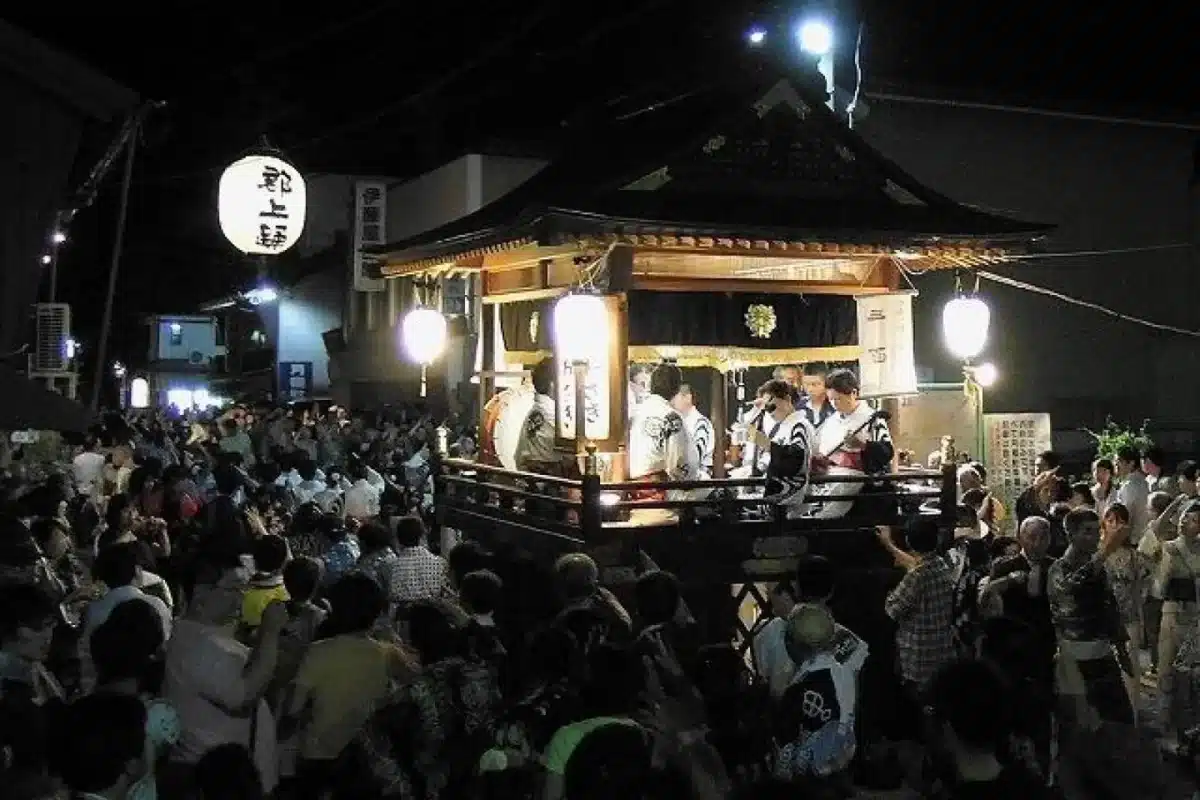
Gujo Odori Festival, known as Gujo Odori, is one of Japan’s three great Bon Odori dance festivals and one of the largest and longest summer dance festivals in Japan. Held in Gujo Hachiman, a beautiful mountain castle town in Gifu Prefecture often called Little Kyoto for its pristine waterways and historic streets, the festival has been danced continuously for over 400 years.
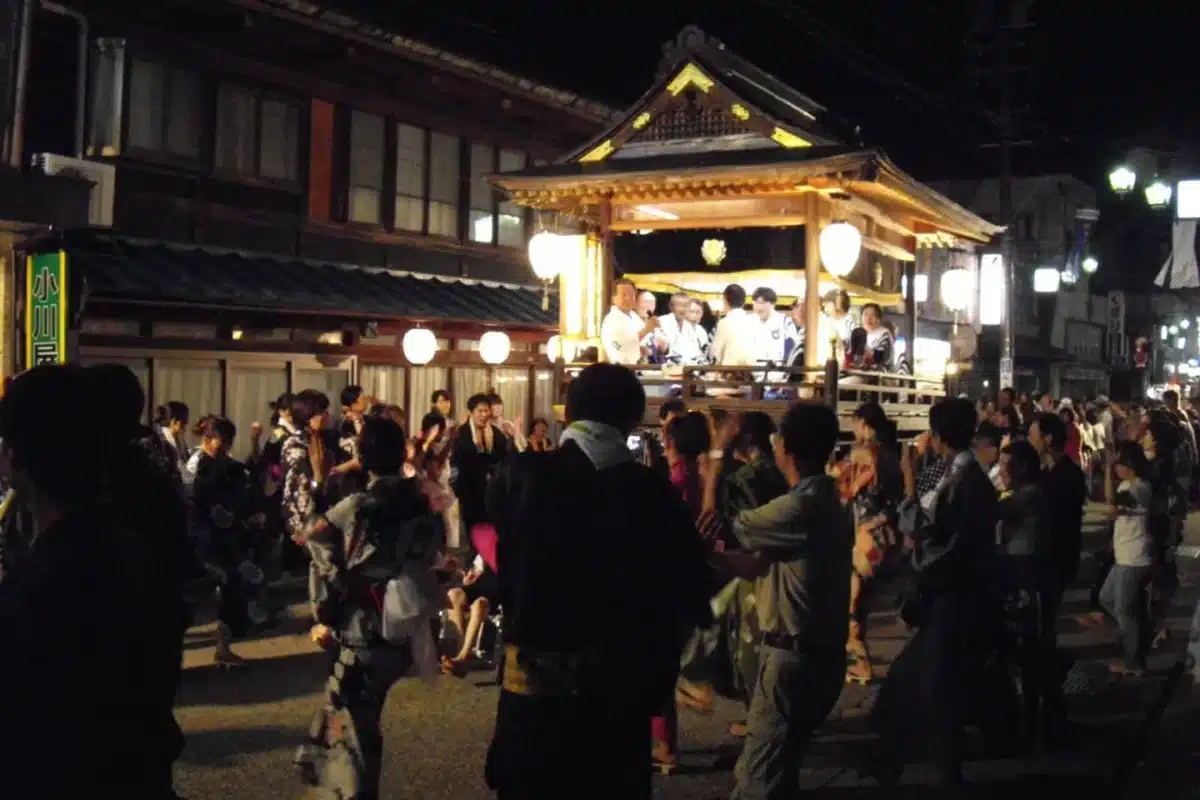
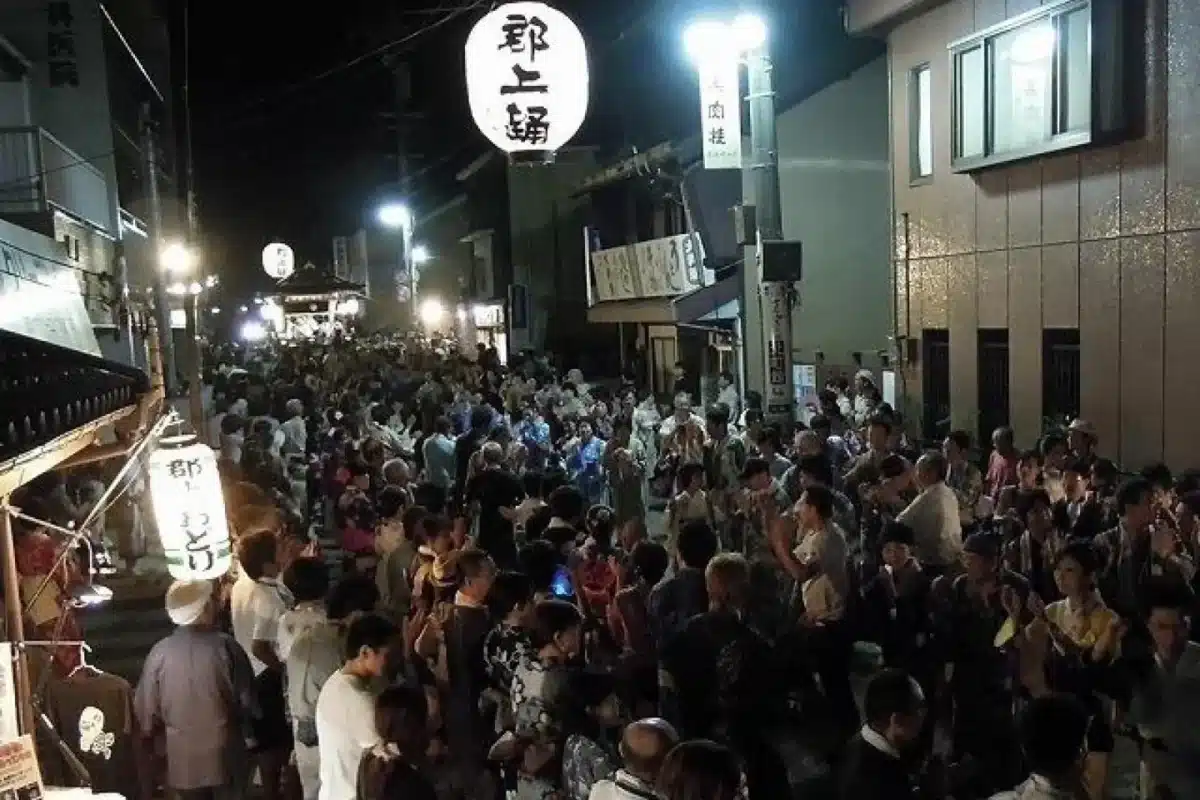
The festival is held for a period of thirty-two nights from mid-summer to the beginning of early autumn, making it one of the longest festivals in the country. During this period, the small riverside town transforms into an open-air dance hall. Each night, locals and tourists, regardless of skill level, dance together in a big circle around a central stage.
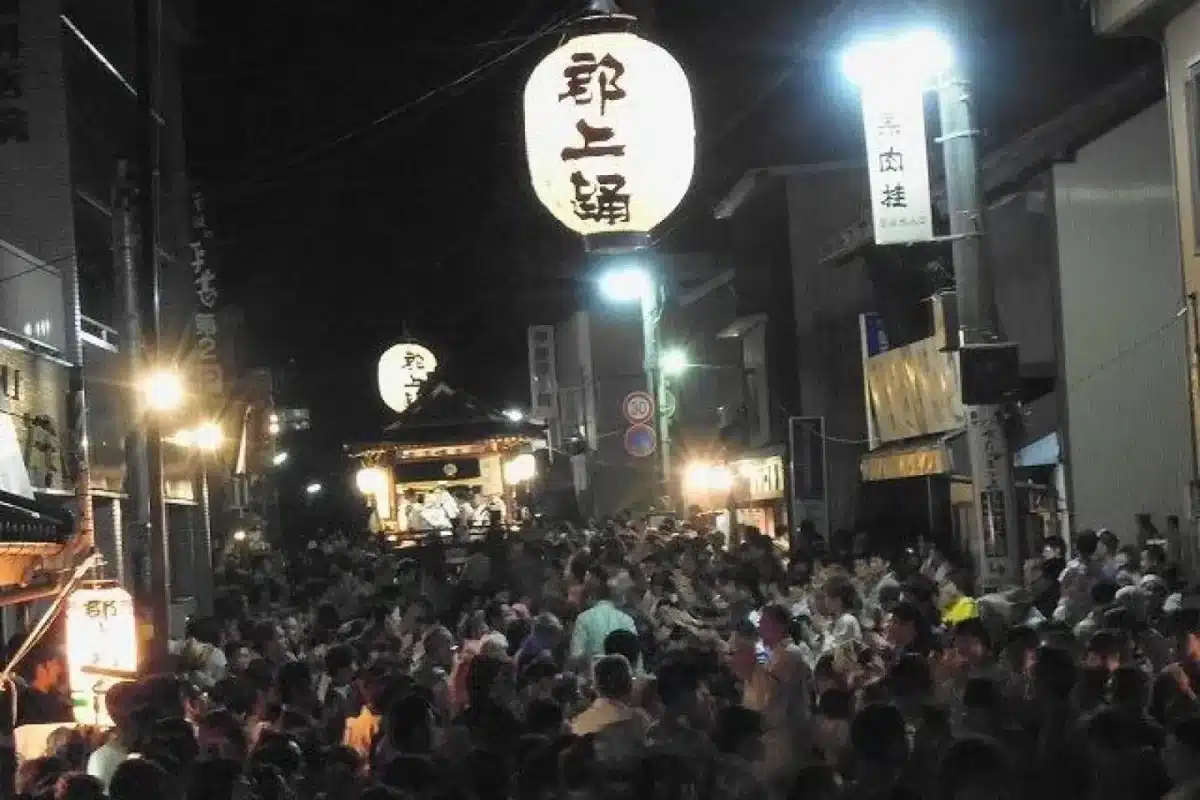
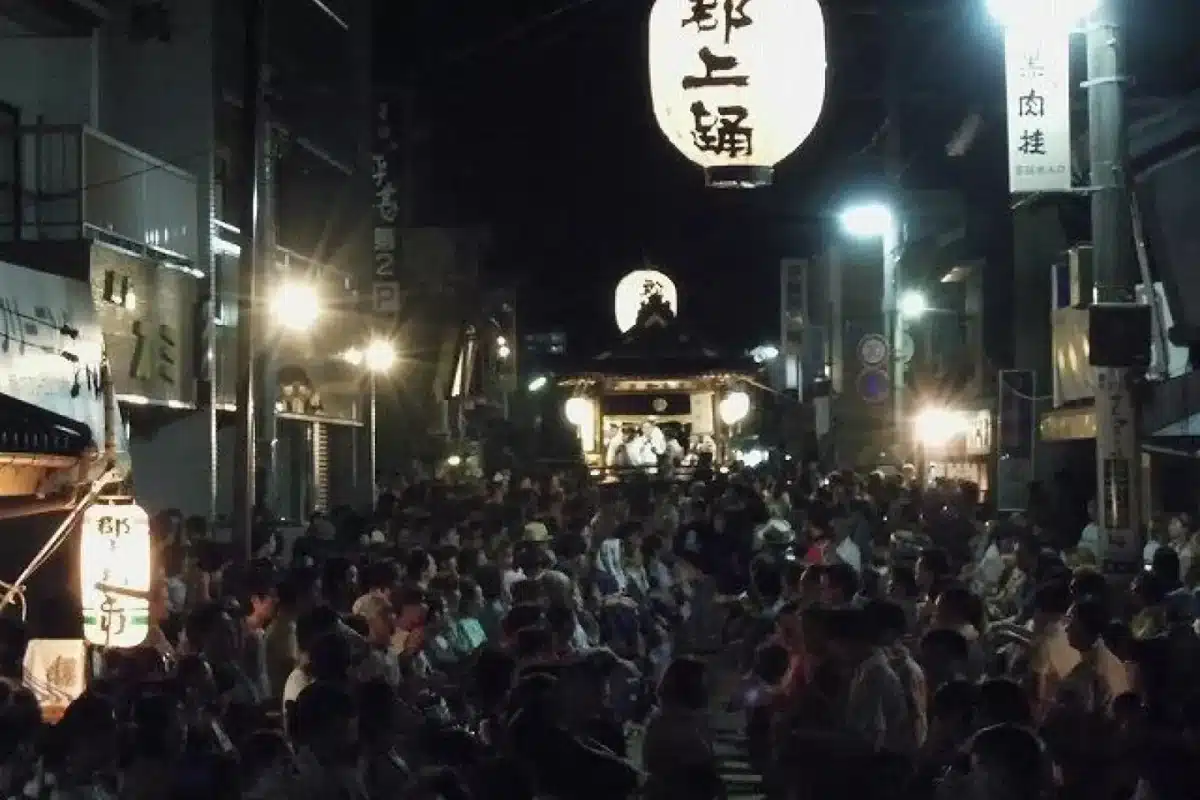
The climax occurs during the four days of Obon, an important festival commemorating one’s ancestors, when dancing continues through the night until morning. During these all-night sessions, known as Tetsuya Odori, the streets are packed with thousands of dancers wearing yukata and clacking wooden geta sandals, dancing under lantern light until dawn.
Enjoy Your Event Stress-Free with Japan Travelo
Do you know? Planning events, festivals, concerts, and cultural experiences in Japan can be overwhelming. Japan Travelo brings everything together in one place, helping you manage your itinerary, transport, and accommodation with ease—so you can enjoy Japan without the stress of planning.
Recognized as an intangible cultural heritage by the Japanese government and inscribed on UNESCO’s Intangible Cultural Heritage list in 2022 as part of the Furyu Odori group, Gujo Odori is considered the most authentic and community-driven of Japan’s great dance festivals.
Cultural Significance & Origins
Gujo Odori originated over 400 years ago during the early Edo period as a means to unite a divided community. Gujo Hachiman was a castle town under the rule of various lords, and social hierarchy strictly separated samurai, farmers, artisans, and merchants. The lord of Gujo Hachiman Castle encouraged a communal Bon dance where all classes could dance together, wearing anonymity through dance and breaking down social barriers. The philosophy was that regardless of status, everyone dances together in the same circle.
The dance is a form of Bon Odori, a folk tradition to honor and comfort the spirits of ancestors during Obon season. In Japanese belief, the spirits of ancestors return to visit their families during Obon, and dancing is performed to welcome them, entertain them, and send them off peacefully.
The festival consists of ten different dances, each with its own song, history, and meaning. The most famous is Kawasaki, a dance with elegant, flowing movements that imitates the waves of the Yoshida River. Other dances include Haru Koma, which imitates a prancing horse, Sanbansan, with fan movements, and Yaccha-san, a lively children’s dance. These dances have been preserved by the Gujo Odori Preservation Society and passed down through families for generations.
The festival’s longevity and authenticity led to its designation as an Important Intangible Folk Cultural Property of Japan and later UNESCO recognition. Unlike many modern festivals created for tourism, Gujo Odori remains a living tradition where almost all community residents participate, from children to elderly, preserving choreography that has changed little in centuries.
Traditions, Rituals & Customs
The festival follows deeply rooted customs that have been maintained for over four centuries.
Ten Dance Forms: The complete repertoire includes ten dances: Kawasaki, Haru Koma, Sanbansan, Yaccha-san, Neko no Ko, Sawai-san, Shichito, Takayama-bayashi, Mattsuaka, and one additional local variation. Each has distinct music, lyrics, and movements. Kawasaki is the most iconic, featuring slow, graceful hand gestures and sliding footwork. Haru Koma features energetic hopping steps imitating a horse. Dancers are expected to learn all ten over time, though beginners can join any.
Yagura and Hayashi Stage: A low wooden yagura stage is erected in the center of the dance area. On it, live musicians perform. The hayashi ensemble includes a lead singer, shamisen players, taiko drummers, fue flute players, and shamisen. The singers perform the ten songs in rotation, with no recorded music allowed. The live performance creates a powerful, hypnotic rhythm that drives the dancing.
Circle Formation: Dancers form concentric circles around the yagura, moving counterclockwise. Inner circles are typically for experienced local dancers who know all steps, middle circles for general participants, and outer circles for beginners and observers who wish to join. There is no separation between locals and tourists; everyone dances together in the same circles.
Geta Clacking: A distinctive sound of Gujo Odori is the clacking of wooden geta sandals on the asphalt. The rhythmic clack becomes part of the music, with hundreds of pairs striking in unison.
Tetsuya All-Night Dancing: During the four nights of Obon, tradition dictates that dancing continues from evening until dawn, around 4 to 5 in the morning. Dancers take short breaks for water and food but return to the circle. Dancing through the night is considered a form of devotion to ancestors and a test of endurance and community spirit.
Water Blessing: Gujo Hachiman is famous for its pristine waterways, and before dancing, many locals perform a small hand-washing ritual in the canals, as water is considered sacred in the town.
What to Expect at the Festival
Expect an immersive, participatory, and deeply atmospheric folk event that feels more like a community ritual than a staged performance.
Each evening, the town’s central squares, shrines, temple grounds, and streets are closed to traffic and become dance venues. Paper lanterns are hung, and the yagura stage is set up. As darkness falls, the musicians begin, and small groups of local dancers in beautiful yukata start dancing. Within minutes, the circles grow as tourists and returning residents join.
The atmosphere is inclusive and encouraging. Unlike some festivals where spectators watch from sidelines, here everyone is expected to dance. Locals will gently guide your hands and feet, showing you the steps. The dances are repetitive and can be learned by copying the person in front of you after a few rounds. Mistakes are laughed off and considered part of the charm.
The sound is captivating. The combination of melancholic folk singing, shamisen twanging, taiko drumming, fue flute, and the constant clacking of geta creates a hypnotic soundscape that carries through the mountain valley. The Yoshida River flowing nearby adds natural background sound.
During regular nights, dancing lasts for a few hours. During the all-night Obon period, the energy intensifies. Food stalls remain open all night, serving hot foods to keep dancers energized. Dancers sweat, laugh, and continue dancing until the sky lightens, when the final Kawasaki is often danced as dawn breaks.
The town itself is enchanting, with its castle on the hill, waterways running through streets, and traditional wooden houses. The festival venues rotate around different neighborhoods, allowing visitors to explore various parts of Gujo Hachiman each night.
Date & Schedule
Event Dates: Early Jul – Early September 2027 (Dates TBD)
Typical Schedule Based on Previous Editions:
Thirty-Two Night Season: The festival runs for a total of thirty-two nights spread from mid-summer to early autumn. Not every night has dancing; the schedule includes regular dance nights on weekends and during peak periods, with rest days in between.
Regular Dance Nights: On regular nights, dancing typically begins around 8:00 PM and continues until 10:30 PM to 11:00 PM. Venue rotates nightly among locations including Shimonocho Square, Kami no Cho, Shin-machi, Sogo Kaikan Plaza, and near Gujo Hachiman Castle approach.
Obon All-Night Dancing Period: During the four days of Obon, an August festival commemorating ancestors, locals and tourists dance together in a big circle through the night until morning. These Tetsuya Odori all-night sessions run from 8:00 PM until approximately 4:00 AM to 5:00 AM next morning. This is the climax of the festival and attracts tens of thousands of visitors.
Daily Flow: Evening setup of yagura stage and lanterns around 6:00 PM. Food stalls open. Live hayashi music begins at 8:00 PM. Ten dances performed in rotation. Short breaks for water. Final dance around 10:30 PM on regular nights or dawn on all-night nights.
Please note exact nightly venues and all-night dates are announced by Gujo City Tourism Association closer to season.
Visiting this event? Don’t miss out on these amazing activities and local experiences while you’re here.
Main Events & Programme
Ten Dance Rotation: The core programme is the continuous rotation of ten traditional dances. Each night, all ten are typically performed at least once, with popular dances like Kawasaki and Haru Koma repeated. The Preservation Society ensures authentic choreography.
Tetsuya Odori All-Night Dance: The main highlight where dancing continues through the night until morning. Held over four nights during Obon, this is when locals and tourists dance together in the biggest circles of the season. The all-night dance begins on the evening of one day and ends at dawn next day.
Gujo Hachiman Hakurankan Daily Lessons: At the Gujo Hachiman Hakurankan museum, located at Tono-machi near Jokamachi Plaza, daily Gujo Odori lessons and presentations are held throughout the season. Everyone is welcome to learn Gujo Odori. The museum teaches the two most important dances, Kawasaki and Haru Koma, with staff demonstration. Admission to museum includes dance lesson.
Children’s Gujo Odori: Special afternoon sessions for children where simplified versions of dances are taught, encouraging intergenerational transmission.
Preservation Society Demonstrations: Senior members of the preservation society perform exemplary versions of each dance on stage for educational purposes.
Venue Rotation: The festival tours all over the town of Gujo Hachiman, moving from the castle town to city squares, shrines, temples, and riverside areas. This allows different neighborhoods to host and ensures the entire town participates.
Castle Night View: During festival nights, Gujo Hachiman Castle is illuminated and visible from dance venues, creating a dramatic backdrop.
Traditional Dress, Arts & Crafts
The visual identity of Gujo Odori is defined by summer kimono and folk craft.
Yukata and Geta: The standard dress for dancers is yukata, a light cotton summer kimono, and wooden geta sandals. Gujo Hachiman has its own distinctive yukata style featuring indigo and white patterns with geometric and floral motifs inspired by local waterways. Many local families own heirloom yukata passed down for generations. Visitors are strongly encouraged to wear yukata and geta; rental is available for approximately 20 USD to 35 USD per set including dressing. The clacking of geta is considered an essential part of the music.
Tenugui Headbands: Dancers wear tenugui cotton hand towels as headbands or neck scarves, often printed with Gujo Odori patterns and dance names.
Folk Craft Workshops: Gujo Hachiman is famous for several crafts that can be experienced during festival season. Food sample making, or shokuhin sampuru, originated here. Workshops allow visitors to make realistic wax food samples for approximately 10 USD to 20 USD. Other crafts include Gujo washi paper, indigo dyeing for yukata fabric for approximately 15 USD to 30 USD, and wood carving.
Lantern Craft: Paper chochin lanterns used to light dance venues are handmade by local artisans with washi paper and bamboo.
Music Instruments: The shamisen, taiko drums, and fue flutes used in the hayashi are crafted by local instrument makers and displayed at the Hakurankan museum.
Traditional Food & Local Specialties
Gujo Hachiman’s mountain location and pristine water influence its food culture, which is celebrated during the festival nights.
Festival Yatai Foods: Food stalls at dance venues sell classic summer festival foods including yakisoba fried noodles for approximately 5 USD, takoyaki for approximately 4 USD, yakitori skewers for approximately 3 USD to 4 USD, kakigori shaved ice for approximately 3 USD, and grilled ayu sweetfish caught in the Yoshida River for approximately 6 USD to 8 USD.
Gujo Local Specialties: The town is famous for its crystal-clear water, which is used to make exceptional tofu, sake, and soba. Try Gujo soba noodles for approximately 7 USD to 9 USD, keichan chicken, a miso-marinated chicken stir-fry that is the soul food of Gujo for approximately 8 USD to 12 USD, and ayu no shioyaki salt-grilled sweetfish.
Water-Based Sweets: Due to its water town status, Gujo offers mizu manju, translucent sweets made with spring water and filled with sweet bean paste for approximately 2 USD to 3 USD, and kuzu mochi.
Sake: Local sake breweries such as Hakuryu and Gujo Hachiman’s own sake are brewed with mountain water and available for tasting for approximately 4 USD to 6 USD per cup.
Meibutsu Sweets: Hoba miso, miso paste grilled on magnolia leaf, and Gujo’s famous food sample-shaped candies are sold as souvenirs.
Location & Festival Areas
Main Town: Gujo Hachiman, Gujo City, Gifu Prefecture. The town is located deep in the mountains of Gifu Prefecture, centered around Gujo Hachiman Castle and the confluence of the Yoshida, Kodara, and Nagara Rivers.
Primary Dance Venues: The festival venues rotate nightly among several locations to involve entire town:
Shin-machi and Sogo Kaikan Plaza: Central square areas used for large all-night dances.
Kamimachi and Shimonimachi: Historic street areas with traditional buildings.
Hachiman Shrine and Temples: Temple grounds providing atmospheric settings.
Gujo Hachiman Castle Approach: Scenic venue with castle view.
Gujo Hachiman Hakurankan Museum: Located at Tono-machi near Jokamachi Plaza, this museum is the information hub for Gujo Odori, offering daily dance lessons, costume displays, and historical exhibits. Admission is approximately 3 USD to 5 USD.
Waterways: The town’s famous waterways, including Sogi Sui spring and Yoshida River, run through dance areas, providing natural cooling and ambient sound.
Viewing Areas: Spectators who wish to watch rather than dance can observe from raised sidewalks, bridges over canals, and designated viewing platforms. However, most visitors eventually join the circles.
Getting to the Festival
From Nagoya: Take the JR Takayama Line from Nagoya Station to Mino-Ota Station, then transfer to Nagaragawa Railway to Gujo Hachiman Station, total approximately 2 hours to 2.5 hours, cost approximately 15 USD to 20 USD one way. Alternatively, take the Meitetsu or JR bus direct to Gujo Hachiman Interchange, approximately 2 hours, cost approximately 12 USD to 18 USD.
From Tokyo and Osaka: Take Tokaido Shinkansen to Nagoya then transfer to trains or buses as above. From Tokyo, total journey approximately 4 to 5 hours. From Osaka, approximately 3.5 to 4 hours.
By Car: Take Tokai-Hokuriku Expressway to Gujo Hachiman Interchange. The town is approximately 10 minutes from interchange. During festival nights, central areas are closed to traffic from early evening until late night. Temporary parking lots are set up at city hall, schools, and riverbanks, with shuttle buses to dance venues. Parking fee is approximately 5 USD to 8 USD per day. Traffic congestion is severe during all-night dance period, so public transport is recommended.
Local Transport: Within Gujo Hachiman, the town is walkable. All dance venues are within 15 minutes walk of each other. Community buses operate during festival.
Where to Stay Nearby
Accommodation is extremely limited during the all-night dance period and must be booked months in advance.
Gujo Hachiman Town Ryokan and Minshuku: Traditional inns and family-run guesthouses within the historic town offer tatami rooms with shared bath and Japanese breakfast for approximately 60 USD to 100 USD per night per person. Many are located along the waterways, allowing you to hear dance music from your room. Examples include Ryokan Mifujiya and Minshuku Ota.
Business Hotels: Small business hotels such as Gujo Hachiman Grand Hotel and Hotel Gujo Hachiman charge approximately 70 USD to 120 USD per night for Western rooms.
Minka and Machiya Stays: Renovated traditional farmhouses and merchant houses offer immersive stays with irori hearths for approximately 80 USD to 150 USD per night.
Nearby Onsen Resorts: Hirugano Kogen and Takasu areas, approximately 30 minutes by car, offer ski resorts that operate as mountain resorts in summer with rooms for approximately 90 USD to 140 USD.
Nagoya or Gifu City Base: Many visitors stay in Nagoya or Gifu City and travel to Gujo Hachiman for evening dancing, returning after midnight or early morning via late buses. Nagoya business hotels cost approximately 50 USD to 80 USD.
Camping: Gujo area has campgrounds along Nagaragawa River for approximately 15 USD to 25 USD per night, popular with young visitors during all-night dance period.
What Visitors Can Participate In
Gujo Odori is one of Japan’s most participatory festivals, explicitly welcoming beginners.
Join the Circle Dance: No registration, ticket, or experience required. Simply step into the outer circle and copy the person in front of you. Locals will guide you. You can dance one song or all night. All ages from children to elderly participate together.
Daily Dance Lessons: At Gujo Hachiman Hakurankan museum, daily lessons in Kawasaki and Haru Koma are offered throughout the season for approximately 3 USD to 5 USD museum admission. Staff demonstrate slowly and teach hand and foot movements.
Geta Dance Experience: Rent geta sandals and experience the distinctive clacking rhythm that is part of the festival’s music.
All-Night Challenge: During Obon all-night sessions, attempt to dance through the night until morning. Many visitors consider completing the all-night dance a personal achievement. Rest areas with benches and food stalls are available for short breaks.
Photography and Video: Photography is allowed, but flash photography that blinds dancers is discouraged. Video recording for personal use is permitted.
Tanzaku Wishes: Write wishes on paper strips and hang them at local shrines during Obon period.
Things to Do Before or After the Festival
Gujo Hachiman Castle: Perched on a hilltop above town, this reconstructed castle offers panoramic views of the mountain valley and town. The castle museum displays samurai armor and local history. Admission is approximately 3 USD to 4 USD.
Waterways Exploration: Gujo Hachiman is known as the town of water. Explore Sogi Sui, selected as one of Japan’s 100 famous waters, and the network of canals where locals still wash vegetables and laundry in the clear water. The Igawa Komichi lane is particularly atmospheric.
Food Sample Workshops: Visit the town’s famous food sample studios such as Iwasaki Sample Studio and Sample Kobo to make realistic plastic food replicas, a craft invented in Gujo Hachiman.
Nagaragawa River Activities: The pristine Nagara River offers fishing for ayu sweetfish, kayaking, and riverside walks. The river is one of Japan’s clearest.
Gujo Odori Museum and Hakurankan: Learn about the ten dances, view historical costumes, and see instruments.
Nearby Attractions: Shirotori area for Hakusan Shrine, Hirugano Plateau for summer flowers and winter skiing, and郡上’s many hot springs.
Local Food & Restaurants
During Festival: Food stalls near dance venues offer quick bites. For sit-down meals before dancing, local restaurants open late during festival season.
Gujo Hachiman Restaurants: Try local restaurants such as Yanagi-ya for keichan chicken for approximately 8 USD to 12 USD, soba shops like Soba no Hana for handmade soba for approximately 7 USD to 10 USD, and river fish restaurants serving ayu and amago trout for approximately 10 USD to 15 USD.
Cafes: Vintage cafes along the waterways serve coffee, mizu manju sweets, and views of the canals for approximately 4 USD to 7 USD.
Sake Bars: Small sake bars near the castle town offer tasting flights of local sake for approximately 8 USD to 12 USD.
Morning Market: A small morning market near Sogi Sui sells fresh vegetables, pickles, and handmade crafts.
Convenience Stores: Lawson and FamilyMart near Gujo Hachiman Station provide onigiri for approximately 1 USD to 2 USD and drinks for dancers.
Ticket Information & Access
Festival Participation: The Gujo Odori Festival is free to participate and watch. No tickets are required to join the dance circles at any of the thirty-two night venues. This free participation policy has been maintained for over 400 years and is central to its community spirit.
Hakurankan Museum: Admission to Gujo Hachiman Hakurankan museum including daily dance lessons costs approximately 3 USD to 5 USD for adults and 2 USD for children based on previous editions.
Gujo Hachiman Castle: Admission is approximately 3 USD to 4 USD for adults and 1 USD to 2 USD for children.
Food Sample Workshops: Making food samples costs approximately 10 USD to 20 USD per item depending on complexity.
Yukata Rental: Rental of yukata and geta set for one evening costs approximately 20 USD to 35 USD including dressing assistance.
Transportation: Nagaragawa Railway from Mino-Ota to Gujo Hachiman costs approximately 8 USD to 10 USD one way. Highway bus from Nagoya to Gujo Hachiman costs approximately 12 USD to 18 USD one way. Temporary parking costs approximately 5 USD to 8 USD per day.
Food and Drinks: Budget approximately 15 USD to 25 USD per evening for food stall dining and drinks.
Official Event Information
The festival is organized by Gujo City, Gujo Hachiman Tourism Association, and Gujo Odori Preservation Society.
Official Website URL as text: https://en.japantravel.com/gifu/gujo-odori/2001
Gujo City Tourism Official URL as text: https://www.city.gujo.lg.jp/
Gujo Hachiman Tourism Association Official URL as text: https://www.gujohachiman.com/
Tabi Tabi Gujo Official Guide URL as text: https://tabitabigujo.com/
Location Address as text: Gujo Hachiman, Gujo City, Gifu Prefecture 501-4214, Japan, dance venues rotate among Shimonocho, Shin-machi, Hachiman Shrine, and other town squares
Tourist Information Center: Gujo Hachiman Tourist Information Center at Hakurankan Museum, Tono-machi, Phone: +81 575-67-0002 based on previous listings
UNESCO Information URL as text: https://ich.unesco.org/en/RL/furyu-odori-01703
Video
Location
FAQ
Can beginners and foreign tourists join the Gujo Odori dancing without prior experience?
Absolutely, the festival is famous for welcoming beginners and tourists into the same circles as locals with no separation. The dances are repetitive and easy to learn by copying the person in front of you, and locals will gently guide your movements. You can join for one song or dance all night, and wearing yukata and geta enhances the experience but is not required.
What is the difference between regular nights and the all-night Obon dancing period?
Regular nights feature dancing for a few hours in the evening with a relaxed family atmosphere and moderate crowds. The all-night dancing during the four days of Obon is the climax, running from evening until dawn, with thousands of dancers, continuous live music, food stalls open all night, and an intense, almost trance-like communal energy that many visitors describe as unforgettable.
Do I need to wear yukata and geta to participate and where can I rent them?
Yukata and geta are not mandatory but are highly recommended as they enhance the experience, help you blend into the circles, and the clacking of geta is part of the festival's music. Rental shops in Gujo Hachiman offer yukata, obi, and geta sets for around twenty to thirty five dollars including dressing assistance. Many visitors bring their own yukata or purchase inexpensive ones at local shops.
Is accommodation available during the all-night dance period and how far in advance should I book?
Accommodation in Gujo Hachiman during the all-night dance period is extremely limited and often booked six months to a year in advance, as the town is small and demand is huge. Many visitors book business hotels in Gujo Hachiman Grand Hotel or stay in nearby Gifu City or Nagoya and travel by late-night bus. Camping along the Nagaragawa River is a popular alternative for young visitors during all-night sessions.
What are the ten dances of Gujo Odori and which is best for beginners to start with?
The ten dances are Kawasaki, Haru Koma, Sanbansan, Yaccha-san, Neko no Ko, Sawai-san, Shichito, Takayama-bayashi, Mattsuaka, and one local variation, each with distinct music and movements. Kawasaki is considered the most iconic and is a good starting point as its slow, graceful hand movements are relatively easy to follow. Haru Koma with its hopping horse steps is more energetic and fun once you learn Kawasaki, and daily lessons at Hakurankan museum teach both.

Leave a Reply