
Overview
Hiroshima Peace Memorial Ceremony is a solemn and globally significant observance held in Hiroshima Peace Memorial Park, central Hiroshima City. Although most businesses in the city run as usual on this day, school children are called into school for peace education and many locals and tourists gather in the central Peace Park to reflect on lives lost and hope for a peaceful future.
The day is divided into two powerful events. In the morning, the main memorial ceremony is held at the park’s central monument, and once it gets dark, the lantern floating ceremony begins on the Motoyasu River.
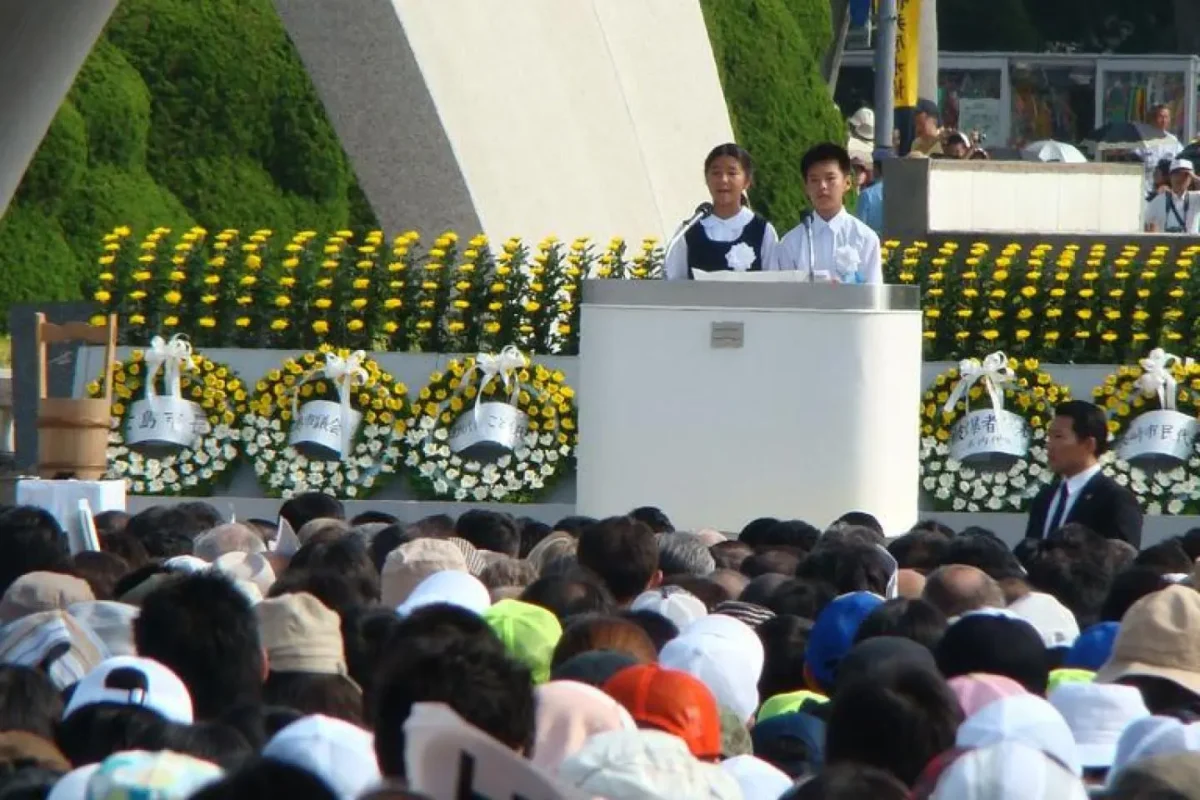
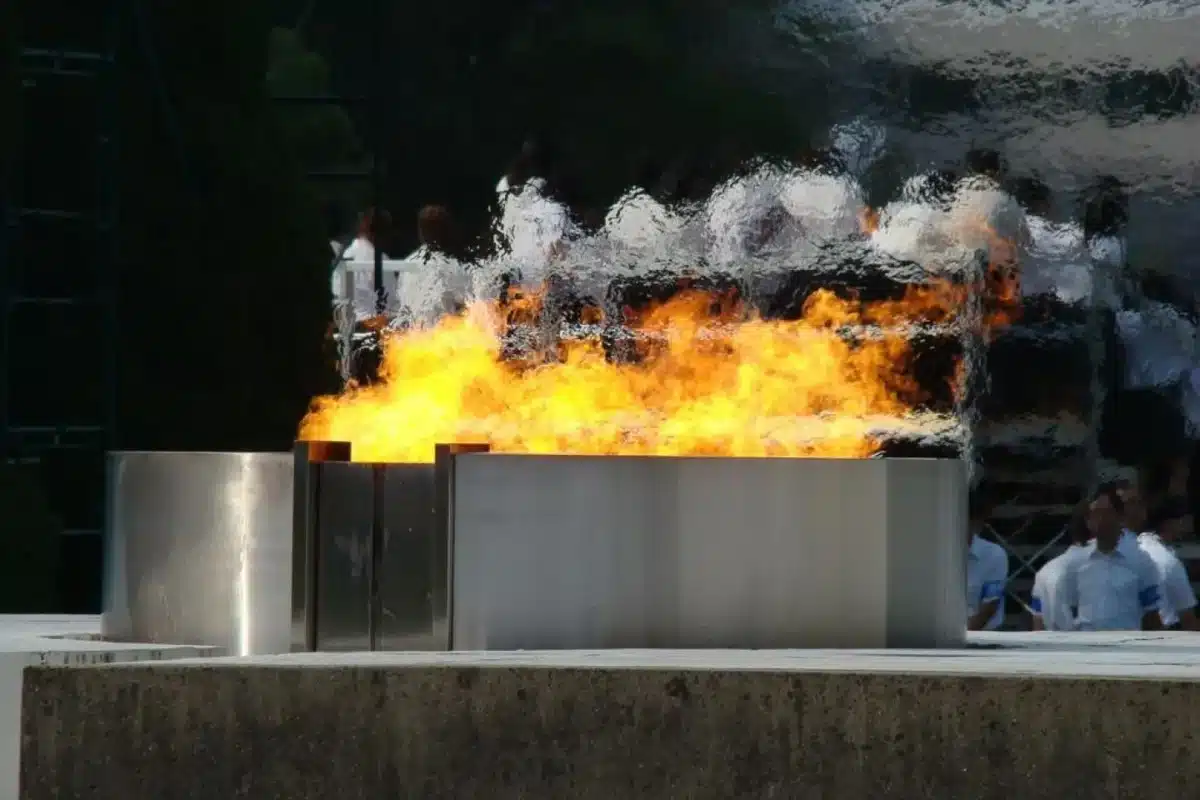
The ceremony is the most important annual event in Hiroshima’s civic calendar. At the Peace Park, the main memorial is held in the morning with thousands of attendees gathering from early morning around the Memorial Cenotaph with the eternal flame as a backdrop. Despite the park being completely packed with people, everyone stands perfectly still to observe a minute’s silence, allowing you to really feel the power of this moment.
Enjoy Your Event Stress-Free with Japan Travelo
Do you know? Planning events, festivals, concerts, and cultural experiences in Japan can be overwhelming. Japan Travelo brings everything together in one place, helping you manage your itinerary, transport, and accommodation with ease—so you can enjoy Japan without the stress of planning.
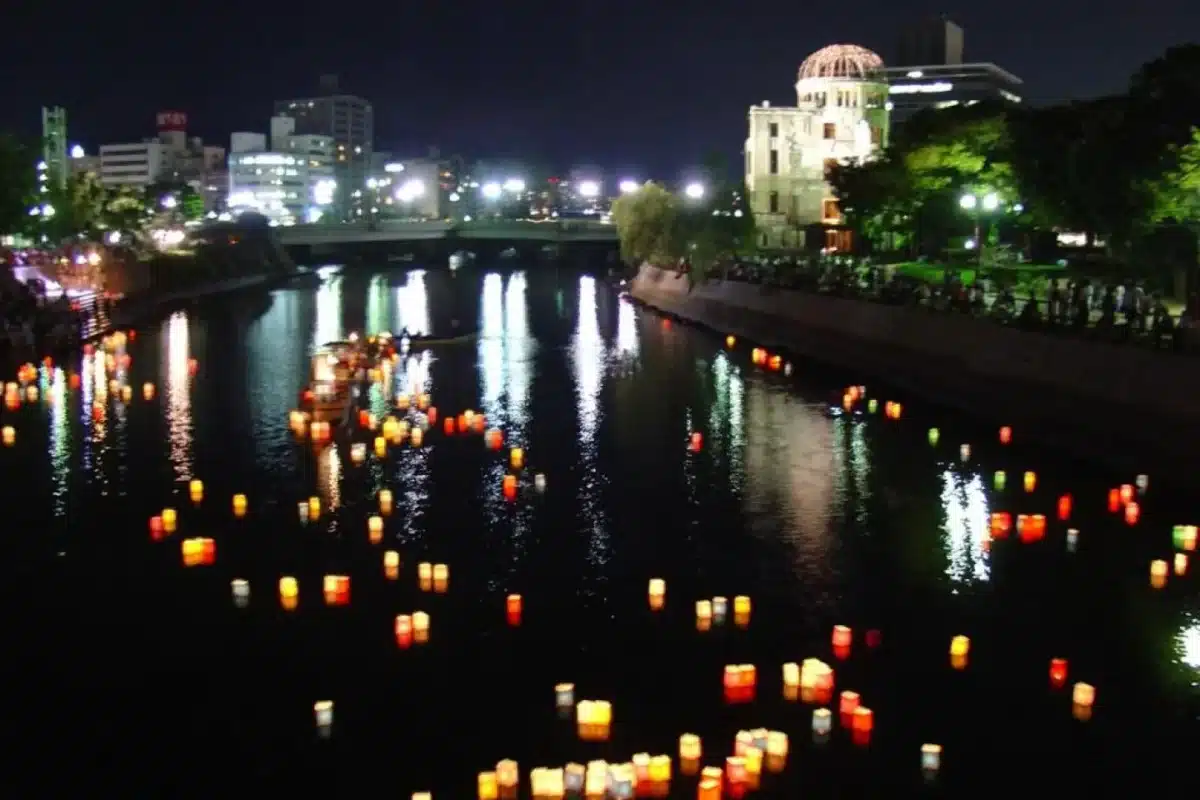
In the evening, the atmosphere shifts from formal ceremony to intimate personal reflection as more than 10,000 lanterns are floated on the water next to the A-bomb memorial and across the river from the steps in front of the information center. As the light from the Atomic Bomb Dome shines down on the water lit by many colorful lanterns floating downstream, the experience is profoundly moving.
Cultural Significance & Origins
The Hiroshima Peace Memorial Ceremony has been held almost every year since 1947, two years after the atomic bombing of Hiroshima on August 6, 1945, at 8:15 am. The bomb, known as Little Boy, was dropped from the US aircraft Enola Gay and detonated above the city, instantly killing tens of thousands and causing the deaths of approximately 140,000 people by the end of that year from injuries and radiation.
Hiroshima Peace Memorial Park was built on the open field created by the blast, which was formerly the city’s bustling commercial and residential heart. The park contains the Atomic Bomb Dome, the only remaining structure from the bomb’s hypocenter, preserved as a UNESCO World Heritage Site, the Children’s Peace Monument, the Memorial Cenotaph containing the names of all known victims, and the Peace Memorial Museum.
The ceremony’s purpose is to console the souls of the victims, pray for the abolition of nuclear weapons, and reaffirm Hiroshima’s commitment to lasting world peace. The city’s Peace Declaration, delivered annually by the Mayor, has become a globally watched appeal for nuclear disarmament and is broadcast on television stations throughout Japan and on news programs worldwide.
The lantern floating ceremony, known as Toro Nagashi, is a traditional Japanese Buddhist custom where paper lanterns are set afloat on rivers to guide ancestral spirits back to their resting places. Hiroshima’s Toro Nagashi was begun in 1947 by those who lost families and friends in the atomic bombing, as a consolation to the souls of those who perished and as a prayer for reconstruction after World War II. It is now held alongside the main ceremony as an integral part of the day’s remembrance.
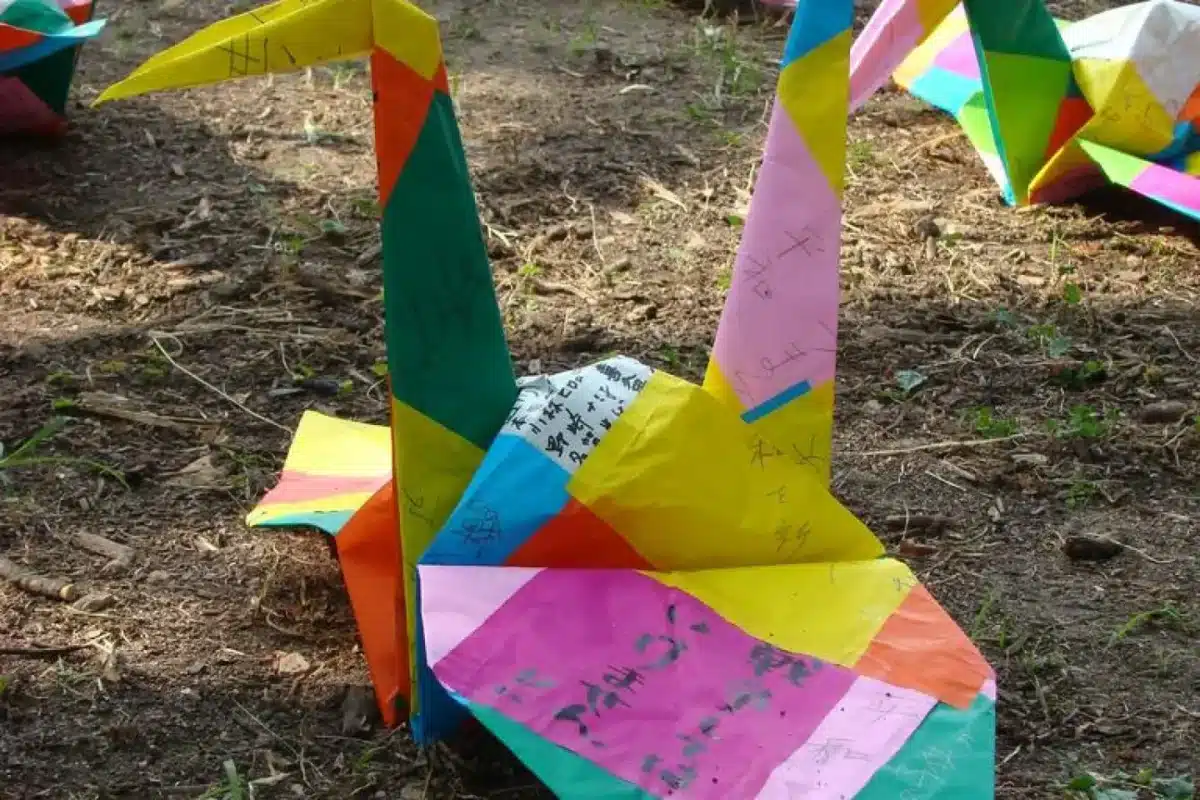
The park also embodies symbols of peace that have become universal, including the origami crane inspired by Sadako Sasaki, a young girl who died from radiation-induced leukemia and folded cranes while ill, and the eternal flame that will burn until all nuclear weapons are abolished.
Traditions, Rituals & Customs
The ceremony follows a precise and deeply respectful ritual order that has been refined over decades.
Peace Bell Ringing and Silent Prayer: At the exact time the bomb was dropped above Hiroshima, the park’s Peace Bell is rung by representatives including children and hibakusha atomic bomb survivors. Simultaneously, sirens sound across the city. Despite the park being completely packed, everyone stands perfectly still to observe a minute’s silence. The bell’s deep tone marks the beginning of this silence.
Offering of Water: As part of Shinto and Buddhist tradition, water is offered to the spirits of the dead, as many victims died crying for water. This symbolic act is performed at the cenotaph.
Mayor’s Peace Declaration: The Mayor of Hiroshima delivers the Peace Declaration, making an appeal for the abolition of nuclear weapons and the achievement of everlasting world peace. This speech is considered the moral voice of the city and is attended by representatives from over 120 countries and regions in recent years.
Dignitary Speeches: The Japanese Prime Minister attends, as well as the Secretary General of the United Nations and other global officials. They offer condolences and reaffirm commitments to peace. Short speeches by children growing up in Hiroshima about their hopes for a peaceful future are also included.
Release of Doves: After the Mayor’s speech, a release of 1,000 doves symbolizes peace taking flight over the city.
Hiroshima Peace Song: The end of the ceremony is marked by a 450 member chorus and wind ensemble performing the Hiroshima Peace Song, a song written for the first ceremony and sung every year.
Toro Nagashi Lantern Floating: In the evening, participants write messages of peace, names of deceased loved ones, and wishes on paper lanterns and set them afloat on the Motoyasu River. The lanterns are handmade from washi paper and bamboo, with a small candle inside.
Candle Decoration by Children: Candles decorated by children are lit and displayed all the way around the Atomic Bomb Dome. You can decorate a candle for a small donation near the dome.
What to Expect at the Festival
Expect a day that is solemn, crowded, deeply moving, and at times surprisingly positive and community-oriented.
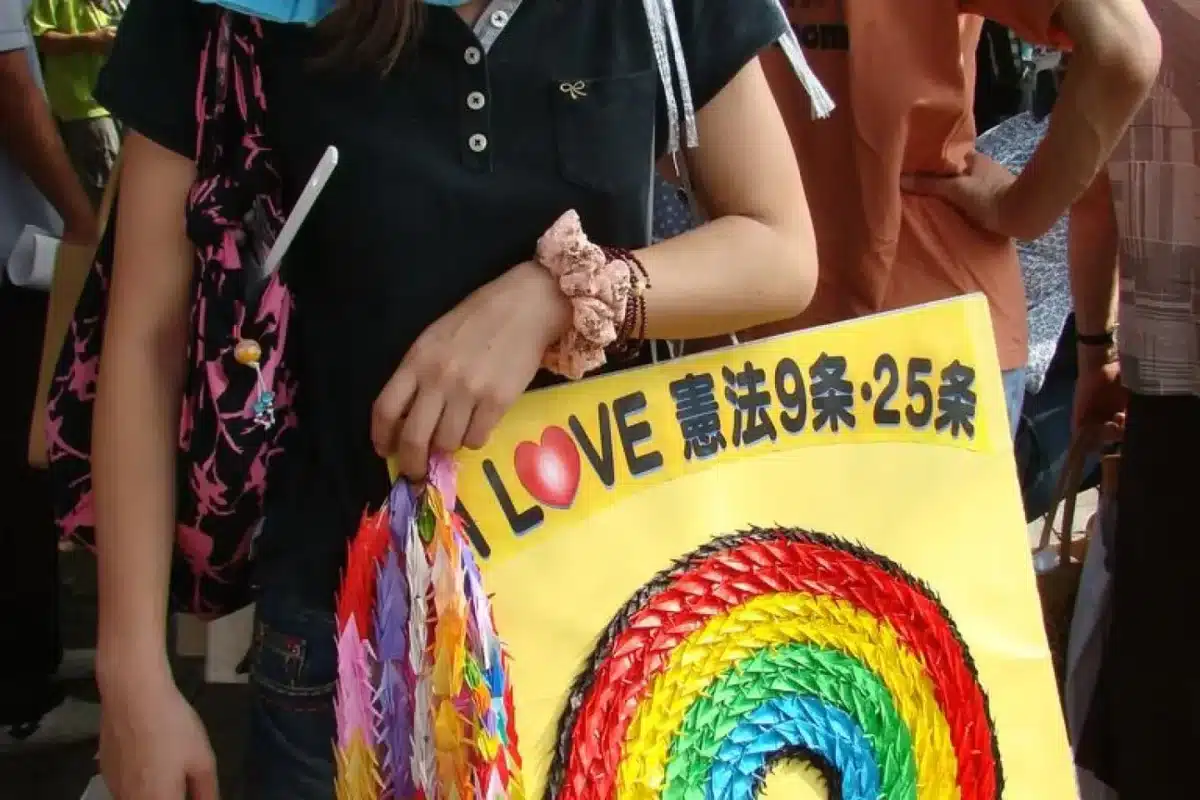
In the morning, a great number of residents of all ages gather for the ceremony from early morning. The stage for the speeches is set up in front of the main memorial monument steps with the eternal flame as a backdrop. This area is easily accessed from the main Heiwa-Odori Peace Boulevard. Many people stand under the Peace Memorial Park Museum or in the shady areas around the park as there are many satellite televisions set up in different areas for people to watch the proceedings. Most attendees stand or sit and listen in silence during the speeches, many dressed in handmade anti-war or pro-peace t-shirts. There are also many people holding origami cranes as they are Hiroshima’s symbol of peace.
There is an area at the back of the crowd, under the memorial museum, where volunteers hand out free chilled towels and water to people at the ceremony, a vital service in summer heat. It is touching how kind attendees can be. When families with children attend, local attendees often walk up and offer cranes, fans, or other items. It is not traumatic for children to be a part of; the whole event is quite positive, focused on hope rather than graphic detail.
Photography is common, but it is polite to ask if you can take a picture of attendees, especially children. Even without Japanese, pointing to camera and asking Okay will get the message across.
After the ceremony, there is usually a stir in the crowd as groups form to do peaceful protests through the streets. In past years, there have been large protest parades down the main covered malls and along the streets to Hiroshima City Hall against nuclear power as well as nuclear weapons, as well as right-wing protest parades. A good position to watch from is outdoor seating at cafes a few blocks from the park in the covered mall.
In the evening, the activities are less formal, with no long speeches, but it is a very powerful experience. The light from the dome shines down on the water lit by many colorful lanterns floating downstream, creating a river of light.
Date & Schedule
Event Dates: Early August 2027 (Dates TBD)
Typical Schedule Based on Previous Editions:
Morning Memorial Ceremony:
7:00 AM Onward: Gathering of attendees in Hiroshima Peace Memorial Park. Seating and standing areas fill. Volunteers distribute chilled towels and water under Peace Memorial Museum. Satellite televisions activated.
8:00 AM: Opening remarks. Attendees stand.
8:15 AM: Ringing of Peace Bell and citywide sirens. One minute silent prayer observed in complete silence across park and city.
8:16 AM Onward: Peace Declaration by Mayor of Hiroshima. Speeches by Prime Minister of Japan, representatives of hibakusha survivors, children of Hiroshima, and Secretary General of United Nations. Offering of flowers and water at cenotaph.
Approximately 8:45 AM: Release of 1,000 doves after Mayor’s speech.
Approximately 9:00 AM: Performance of Hiroshima Peace Song by 450 member chorus and wind ensemble marking end of formal ceremony. Broadcast concludes.
Daytime: Peace education activities in schools. Peace Memorial Museum open with extended hours. Flower offerings at various monuments throughout park.
Evening Toro Nagashi Lantern Floating:
5:30 PM: Lighting ceremony for candles around Atomic Bomb Dome.
6:00 PM to 9:00 PM: Toro Nagashi lantern floating on Motoyasu River, which flows on east side of Peace Memorial Park. Participants purchase lanterns at shops along river and set them afloat from riverbanks next to A-bomb memorial and across river from steps in front of information center. Lantern sales typically from 7:00 AM to 8:30 PM while supplies last, cash only.
Candle decoration stations near Atomic Bomb Dome where visitors can decorate candles for small donation.
Please note exact times are based on previous editions and confirmed by City of Hiroshima closer to event.
Visiting this event? Don’t miss out on these amazing activities and local experiences while you’re here.
Main Events & Programme
Main Peace Memorial Ceremony: The central event held at the Memorial Cenotaph in Hiroshima Peace Memorial Park. The stage is set up in front of the monument steps with eternal flame as backdrop. The ceremony includes bell ringing, silent prayer, Peace Declaration, dignitary speeches, testimony by survivors and those who lost loved ones, children’s speeches for peace, dove release, and choral performance.
Toro Nagashi Lantern Floating Ceremony: Held from evening to night on the Motoyasu River, which flows on the east side of the Peace Memorial Park. A ceremony to console the spirits of those who died by floating lanterns on the river. Everyone can buy a lantern at shops along the river, write messages, and set it afloat. Over 10,000 lanterns are floated, creating a river of light that drifts past the Atomic Bomb Dome.
Children’s Candle Display: Candles decorated by children are lit and displayed all the way around the Atomic Bomb Dome, creating a circle of light. Visitors can decorate a candle if they would like for a small donation near the dome.
Peace Bell Ringing: The ceremonial ringing of the Peace Bell at the exact moment of the bombing, marking the start of silent prayer.
Dove Release: Release of 1,000 doves symbolizing peace, performed after Mayor’s speech.
Hiroshima Peace Song Performance: 450 member chorus and wind ensemble performing the official peace song to close the ceremony.
Protest Parades: After the formal ceremony, various peaceful protest parades through the streets, including anti-nuclear power and anti-nuclear weapons groups, as well as other civic groups, marching through covered malls and along Heiwa-Odori.
Traditional Dress, Arts & Crafts
The ceremony is not a costume festival but features symbolic arts and simple, respectful attire.
Origami Cranes: The most iconic craft associated with Hiroshima. Origami cranes are Hiroshima’s symbol of peace, inspired by Sadako Sasaki. Visitors and schoolchildren fold thousands of cranes and hang them near many of the memorial statues in the park, particularly at the Children’s Peace Monument. Cranes are made from colorful washi paper and strung together in chains called senbazuru, believed to grant a wish.
Toro Lanterns: The lanterns used in Toro Nagashi are traditional crafts made from washi paper, bamboo frames, and small candles. Participants write messages of peace, names, and drawings on the paper with brushes and markers. The lanterns are biodegradable and collected downstream after ceremony.
Peace T-Shirts and Fans: Many attendees wear handmade anti-war or pro-peace t-shirts with hand-painted messages, symbols, and cranes. Handmade uchiwa fans with peace messages are also common and often offered to children.
Children’s Candle Art: Candles decorated by children with drawings, messages, and paper cutouts are displayed around the Atomic Bomb Dome. The decoration uses melted wax and colored paper.
Chorus and Wind Ensemble: The musical performance of the Hiroshima Peace Song by 450 voices is considered a living art form, with arrangements refined each year.
Calligraphy Messages: Large boards display calligraphy messages of peace written by children and dignitaries.
Traditional Food & Local Specialties
There are no official food stalls inside the formal ceremony area during the morning memorial, as the event is solemn. However, the surrounding city offers food options and the evening lantern event has a more relaxed atmosphere.
Hiroshima Specialty Foods: Before or after the ceremony, visitors can try Hiroshima’s famous foods. Hiroshima-style okonomiyaki, a layered savory pancake with cabbage, noodles, pork, and egg, costs approximately 8 USD to 12 USD. Oysters from Hiroshima Bay, in season in winter but available grilled year-round, cost approximately 8 USD to 15 USD.
Peace Park Area Vendors: On the edges of the park and along Heiwa-Odori, convenience stores and small cafes sell cold drinks, onigiri rice balls for approximately 1 USD to 2 USD, and kakigori shaved ice for approximately 3 USD to 4 USD. Volunteers hand out free chilled towels and water under the memorial museum during the ceremony.
Evening Food Options: After the morning ceremony, restaurants in the Hondori covered shopping mall, a few blocks from the park, offer lunch sets. St Marc Cafe with outdoor seating in the covered mall is a good position to watch protest parades.
Local Drinks: Hiroshima sake and local craft beer are available at restaurants in the evening. The city is also known for its lemon-based products from Setouchi region.
Donation-Based Refreshments: At candle decoration stations near the Atomic Bomb Dome in the evening, small donations often include tea or water.
Location & Festival Areas
Primary Venue: Hiroshima Peace Memorial Park, 1-2 Nakajima-cho, Naka-ku, Hiroshima City, Hiroshima Prefecture 730-0811, Japan. The park is located at the former hypocenter area, bounded by the Motoyasu River and Honkawa River.
Main Ceremony Area: The stage for speeches is set up in front of the Memorial Cenotaph steps with the eternal flame and Atomic Bomb Dome visible in the background. This area is easily accessed from the main Heiwa-Odori Peace Boulevard. The area under the Peace Memorial Park Museum provides shade and satellite television screens.
Toro Nagashi Area: The Motoyasu River, which flows on the east side of the Peace Memorial Park. Lanterns are floated next to the A-bomb memorial and across the river from the steps in front of the information center. The banks near the Atomic Bomb Dome and near the Rest House are primary launch points.
Atomic Bomb Dome: Located across the Motoyasu River from the main park, this UNESCO World Heritage Site is illuminated in the evening and surrounded by children’s candle displays.
Hondori Shopping Mall: A few blocks from the park, the covered shopping mall is the route for post-ceremony protest parades and offers cafes with outdoor seating for observation.
Satellite Viewing Areas: The park has many satellite televisions set up in different shady areas for people to watch the proceedings when the central area is full.
Getting to the Festival
By Tram: The most convenient access. Take Hiroshima Electric Railway tram Line 1, 2, or 6 to Genbaku Dome-mae Station, which stops directly in front of the Atomic Bomb Dome and Peace Memorial Park. Fare is approximately 1.50 USD to 2 USD. Trams run frequently from Hiroshima Station.
By Bus: Hiroshima Bus and Hiroden Bus routes stop at Peace Memorial Park and Kamiya-cho. From Hiroshima Station, take bus number 24 to Kamiya-cho or Peace Memorial Park.
By Train: Take JR Sanyo Line to Hiroshima Station, then transfer to tram or bus. From Tokyo, take Tokaido-Sanyo Shinkansen Nozomi to Hiroshima Station, approximately 4 hours, cost approximately 100 USD to 130 USD. From Osaka, approximately 1.5 hours, cost approximately 50 USD to 70 USD.
On Foot: The Peace Memorial Park is approximately 20 minutes walk from Hiroshima Station via Peace Boulevard, or 15 minutes from Hondori shopping area.
By Car: Driving to central Hiroshima on ceremony morning is strongly discouraged due to road closures, large crowds of approximately 50,000 people, and limited parking. Use public transport. Coin parking near park costs approximately 5 USD to 8 USD per hour but fills early.
Accessibility: The park is flat, paved, and wheelchair accessible. Accessible restrooms are available in the museum and park. Shaded areas under the museum provide relief from heat. The riverbanks for Toro Nagashi have some steps but also ramp access at certain points.
Where to Stay Nearby
Hiroshima is a major city with extensive accommodation options, but hotels fill quickly around ceremony date.
Peace Park Area Hotels: Hotels near the park such as Hotel Granvia Hiroshima, Rihga Royal Hotel Hiroshima, and APA Hotel Hiroshima Ekimae Ohashi offer rooms for approximately 70 USD to 150 USD per night and are within walking distance to ceremony, allowing early morning arrival without transport.
Hiroshima Station Area: Business hotels including APA Hotel Hiroshima Station, Hotel Intergate Hiroshima, and Daiwa Roynet Hotel Hiroshima Station charge approximately 60 USD to 100 USD per night and are one tram stop away.
Downtown Hondori Area: Hotels such as Mitsui Garden Hotel Hiroshima, Hotel Sunroute Hiroshima, and Via Inn Hiroshima offer central location for evening lantern viewing and dining for approximately 70 USD to 120 USD.
Budget Options: Hostels and guesthouses such as K’s House Hiroshima, Peace Hostel, and J-Hoppers Hiroshima Guesthouse charge approximately 25 USD to 50 USD per night for dormitory or private rooms.
Luxury Options: The Ritz-Carlton Hiroshima and Sheraton Grand Hiroshima Hotel offer premium rooms for approximately 200 USD to 400 USD per night.
Early booking, at least three to six months in advance, is essential for ceremony date.
What Visitors Can Participate In
Silent Prayer: Anyone can join the crowd and participate in the one minute silent prayer when the Peace Bell rings. Standing still in silence with tens of thousands of others is a powerful participatory act.
Offering Origami Cranes: Bring or fold origami cranes and offer them at the Children’s Peace Monument or other memorial statues. Cranes can be purchased near the park or folded on site with paper provided by volunteer groups.
Writing Peace Messages: Write messages of peace on wooden ema plaques or paper at information centers and hang them in designated areas.
Toro Nagashi Lantern Purchase and Floating: Purchase a lantern at shops along the Motoyasu River, write a personal message, name, or drawing, and set it afloat. This is open to everyone and is the most personal participation in the evening ceremony. Lanterns cost approximately 7 USD based on previous editions.
Candle Decoration: Decorate a candle with drawings and messages at stations near the Atomic Bomb Dome for a small donation and place it among the display around the dome.
Peace Education: Attend talks and exhibitions at the Peace Memorial Museum and community centers throughout the day. Many volunteer guides offer free English explanations.
Chilled Towel and Water Volunteering: While organized volunteers handle distribution, visitors can assist elderly attendees and families with children.
Photography with Respect: Taking photos of the ceremony and lanterns is allowed, but asking permission before photographing individuals, especially children and hibakusha survivors, is considered polite.
Things to Do Before or After the Festival
Hiroshima Peace Memorial Museum: The essential companion to the ceremony, located inside the park. The museum documents the events leading to the bombing, the immediate aftermath, and stories of survivors. Admission is approximately 1.50 USD to 2 USD. Allow at least two hours.
Atomic Bomb Dome: Visit the preserved ruin of the former Prefectural Industrial Promotion Hall, now a UNESCO World Heritage Site, located across the river from the main park.
Children’s Peace Monument: Visit the monument topped with a statue of Sadako Sasaki holding a crane, surrounded by thousands of colorful origami crane chains donated from around the world.
Hiroshima Castle: Also called Carp Castle, located a short tram ride from the park, reconstructed after the war, with a small museum and views from the top. Admission approximately 3 USD.
Shukkeien Garden: A historic Japanese landscape garden in central Hiroshima, perfect for quiet reflection after the ceremony, featuring ponds, bridges, and tea houses. Admission approximately 2 USD.
Miyajima Island: Take a day trip to Miyajima Island, home to the floating torii gate of Itsukushima Shrine, a UNESCO World Heritage Site, approximately 45 minutes by train and ferry from Hiroshima.
Okonomimura: Visit the famous okonomiyaki village near the park to try Hiroshima’s signature dish after the morning ceremony.
Local Food & Restaurants
Near Peace Park: The park itself has no restaurants during morning ceremony, but the surrounding area offers many options.
Hondori and Kamiya-cho: The covered shopping street a few blocks from the park has numerous restaurants including okonomiyaki shops such as Mitchan and Hassho, ramen shops, and cafes. Okonomiyaki costs approximately 8 USD to 12 USD. Lunch sets cost approximately 7 USD to 10 USD.
Peace Boulevard Cafes: Cafes along Heiwa-Odori offer outdoor seating with views of the park. St Marc Cafe is a popular spot to watch post-ceremony parades.
Hiroshima Station Area: Inside Hiroshima Station’s shopping building ASSE and nearby streets, restaurants serve Hiroshima specialties including anago eel, oysters, and Tsukemen dipping noodles for approximately 8 USD to 12 USD.
Evening Dining Near River: Restaurants along the Motoyasu River offer dinner with views of the lantern floating. Many serve yakitori, izakaya dishes, and cold beer for approximately 10 USD to 20 USD per person.
Convenience Stores: Lawson, FamilyMart, and 7-Eleven near the park sell cold drinks, onigiri, and ice cream essential for summer heat.
Ticket Information & Access
Main Peace Memorial Ceremony: The ceremony is free and open to all. No ticket is required to enter Hiroshima Peace Memorial Park and attend the ceremony. The park is completely packed with approximately 50,000 people based on recent editions, including representatives from 121 countries and regions, but standing room is available throughout the park and via satellite television screens in shady areas.
Seating: There is limited seated area reserved for dignitaries, hibakusha survivors, bereaved families, and official guests. General public stands or sits on the ground. Arriving from around 7:00 AM is recommended to secure a spot with good view of stage and screens.
Toro Nagashi Lantern Floating: Viewing the lantern floating is free. Purchasing a lantern to float costs approximately 7 USD based on previous editions, cash only, sold at shops along the Motoyasu River from early morning until evening while supplies last. The official program lists lantern sales from 7:00 AM to 8:30 PM.
Candle Decoration: Decorating a candle for display around the Atomic Bomb Dome is available for a small donation of approximately 1 USD to 3 USD.
Peace Memorial Museum: Admission is approximately 1.50 USD to 2 USD for adults, free for children, with extended hours on ceremony day.
Atomic Bomb Dome: Viewing from outside is free. Interior is not accessible.
Transportation: Tram fare to Genbaku Dome-mae Station is approximately 1.50 USD to 2 USD. Shinkansen from Tokyo to Hiroshima costs approximately 100 USD to 130 USD.
Volunteer Services: Free chilled towels and water are handed out by volunteers under the memorial museum during the morning ceremony.
Official Event Information
The ceremony is organized by the City of Hiroshima and the Hiroshima Peace Memorial Ceremony Executive Committee.
Official Website URL as text: https://en.japantravel.com/hiroshima/peace-memorial-ceremony/1977
City of Hiroshima Official Peace Memorial Ceremony URL as text: https://www.city.hiroshima.lg.jp/site/english/list250-209.html
Hiroshima Peace Memorial Park Official URL as text: https://hpmmuseum.jp/
Toro Nagashi Information URL as text: https://www.pcf.city.hiroshima.jp/
Location Address as text: Hiroshima Peace Memorial Park, 1-2 Nakajima-cho, Naka-ku, Hiroshima City, Hiroshima Prefecture 730-0811, Japan
Phone Number as text: 082-504-2103 City of Hiroshima Peace Promotion Division
Access Information: Genbaku Dome-mae Station on Hiroshima Electric Railway, 5 minutes walk. Kamiya-cho-nishi and Kamiya-cho-higashi tram stops also close.
Broadcast Information: The ceremony is broadcast on television stations throughout Japan including NHK and appears on news programs worldwide.
Video
Location
FAQ
Can anyone attend the morning Peace Memorial Ceremony and what time should I arrive?
The ceremony is open to everyone with no tickets required and free entry to the park, welcoming tens of thousands of attendees from all countries. Arriving from around seven in the morning is recommended to secure a spot near the cenotaph or under shaded areas with satellite televisions. The park becomes completely packed, but respectful standing room is available throughout and the atmosphere during the silent prayer is profoundly moving.
What is the Toro Nagashi lantern floating ceremony and can visitors float their own lantern?
Toro Nagashi is a traditional ceremony where paper lanterns with handwritten messages of peace are set afloat on the Motoyasu River to console the spirits of those who died. Anyone can purchase a lantern at shops along the river, write a message, and set it afloat from the riverbanks near the Atomic Bomb Dome. The experience is less formal than the morning ceremony and creates a river of light that is deeply personal and powerful.
Is it appropriate to bring children to the ceremony and what should we wear?
It is appropriate and common to bring children, as the event is focused on peace education and hope for the future rather than graphic details, and many school children attend for peace education. Dress is respectful but casual summer wear is acceptable, with many attendees wearing handmade pro-peace t-shirts and light clothing due to summer heat. Bring hats, sunscreen, and water, and volunteers provide chilled towels during the morning ceremony.
Are photos allowed during the ceremony and what is the etiquette for photographing attendees?
Taking photos of the general ceremony, lanterns, and monuments is allowed, but it is polite to ask permission before photographing individuals, especially children and hibakusha survivors. Pointing to your camera and saying okay with a gesture is understood even without Japanese language. During the one minute silent prayer, photography should be avoided out of respect, and flash photography is discouraged in crowded areas.
What happens after the formal morning ceremony ends?
After the formal ceremony concludes with the Hiroshima Peace Song, crowds disperse and many groups form peaceful protest parades through the covered shopping malls and streets toward City Hall, advocating against nuclear weapons and nuclear power. The afternoon is open for visiting the Peace Memorial Museum, offering flowers at monuments, and exploring the park. In the evening, the Toro Nagashi lantern floating provides a quieter, more personal conclusion to the day of remembrance.

Leave a Reply