

Overview
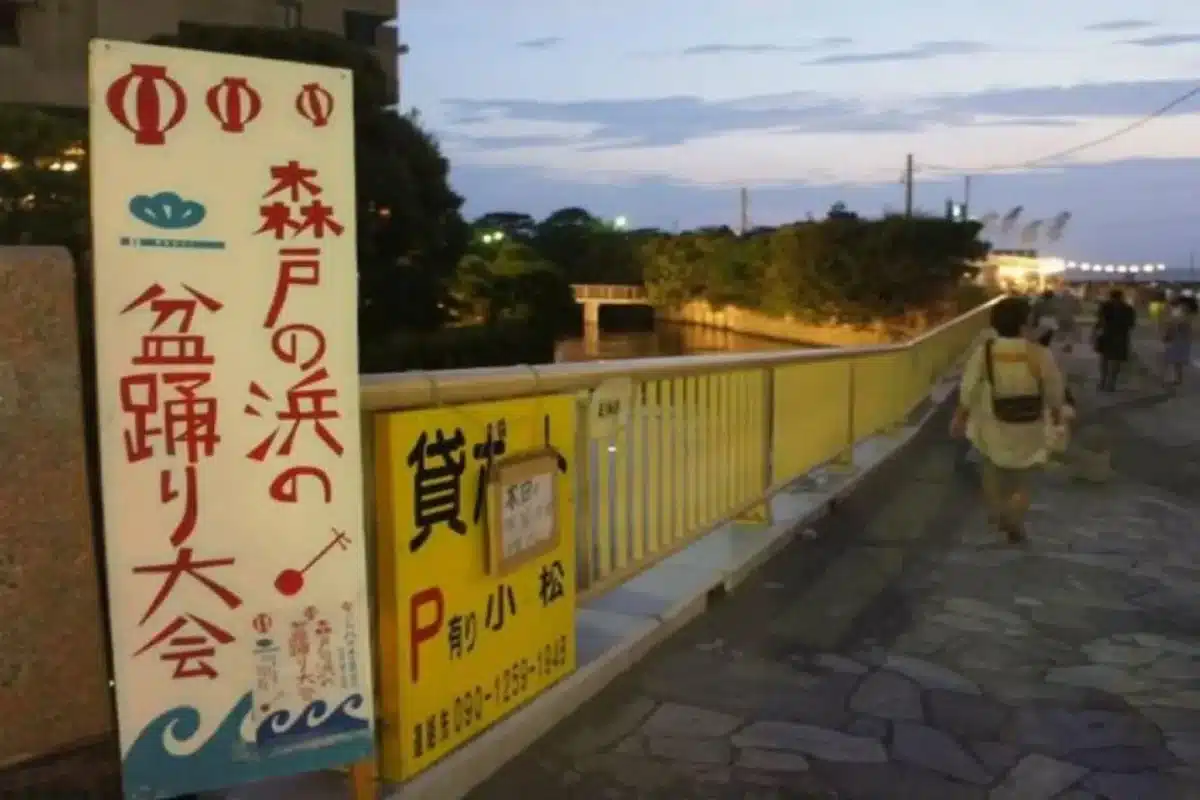
Morito-no-hama Bon Dance Festival, also known as Morito no Hama Bon Odori Taikai, is a unique beachside summer festival held on the shores of Morito Beach in Hayama, Kanagawa Prefecture. It combines two of Japan’s most beloved summer traditions, the beach and the Bon dance, into one vibrant evening event.
The festival is best described as a yearly summer beach festival and dance competition on the shores of Morito Beach. The event is free and open to all, offering great grilled and barbecue dishes on the beach side as well as participatory festival events. It is definitely a fun filled experience with great food, great people, and great dancing.
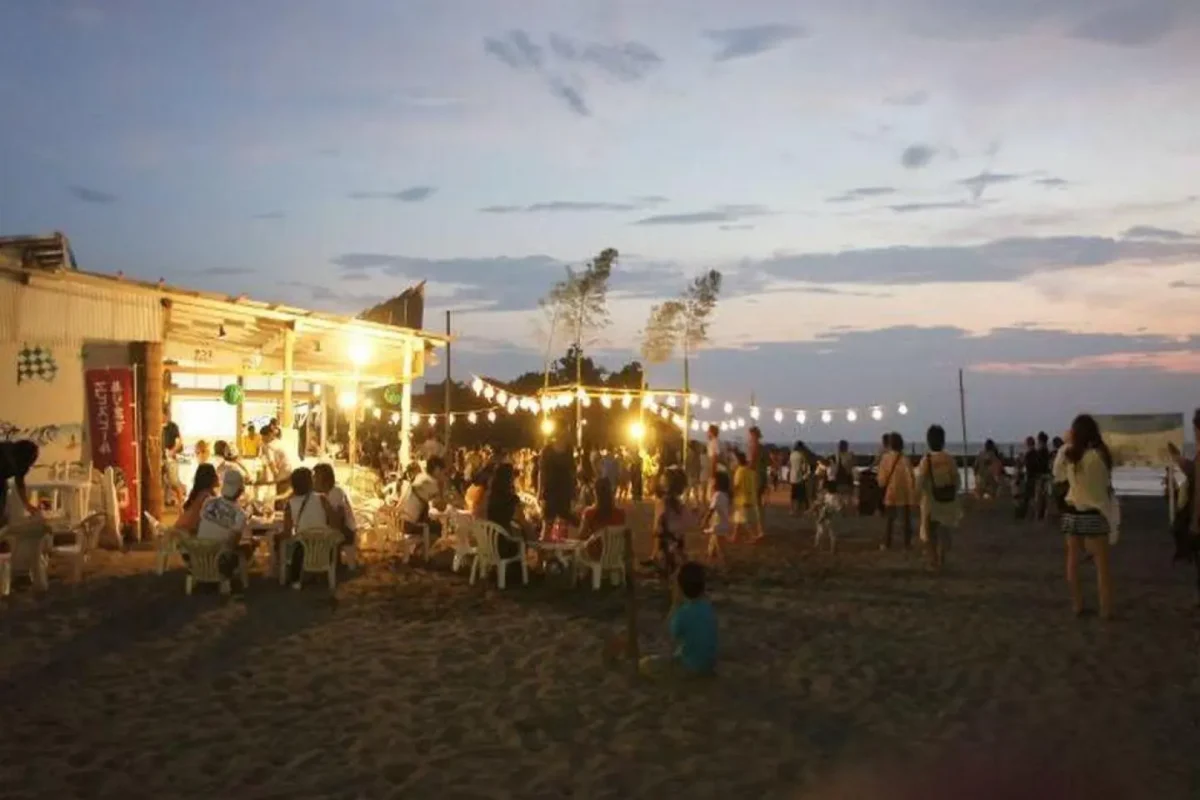
Unlike formal shrine-based Bon Odori festivals, Morito-no-hama takes place directly on the sand, with the yagura dance tower erected on the beach, the ocean as a backdrop, and beach houses serving as food stalls. The festival was originally started in the 1950s as a community gathering for Hayama residents, was discontinued around the transition to the Heisei era in 1989, and was fortunately revived by the staff of the beach house OASIS, who led efforts to bring it back as a community celebration.
Enjoy Your Event Stress-Free with Japan Travelo
Do you know? Planning events, festivals, concerts, and cultural experiences in Japan can be overwhelming. Japan Travelo brings everything together in one place, helping you manage your itinerary, transport, and accommodation with ease—so you can enjoy Japan without the stress of planning.
Hayama itself is a town known for its summer hideaways, beautiful beaches, a very nice marina, and lovely homes. In fact, many of Japan’s rich and famous live here, and the beach is known as Hayama’s social hub, with the vermilion torii of Morito Shrine rising from the water just offshore.
Cultural Significance & Origins
Bon Odori originally started in the middle of the Heian era more than 1000 years ago when the virtuous Buddhist priest Kuya began odori-nenbutsu, a dance with an invocation to the Buddha for missionary purposes. Over centuries, it changed into its current form of Bon Odori, a folk dance performed during Obon season when it is believed the spirits of ancestors return to visit their families.
The Bon Odori at Morito Beach began in the 1950s during the post-war period when Hayama was developing as a seaside resort for Tokyo residents. The festival was created to provide a local Obon celebration for fishermen, farmers, and resort workers, centered around the Hayama Ondo folk song. The lyrics themselves capture the spirit, Hayama, Hayama, let us form a circle and dance to the Hayama Ondo. Just as the lyrics suggest, the circle of dancers surrounding the yagura undulates like gentle ocean waves, expanding beautifully as the hours unfold.
The dance at Morito is not just entertainment but a community ritual of remembrance and togetherness. Dancing in a circle on the beach, with the sea nearby, connects participants to both ancestral traditions and to the natural environment. The festival also reflects Hayama’s unique culture as a coastal town where traditional fishing community customs blend with modern beach resort culture.
The revival by OASIS beach house staff in recent decades underscores the importance of local beach houses, known as umi no ie, as cultural custodians in Shonan coastal towns. These beach houses not only provide food and shade but organize fireworks nights, torch-lit Bon Odori, and community cleanups.
Traditions, Rituals & Customs
The festival follows the classic Bon Odori format but with distinctive beach adaptations.
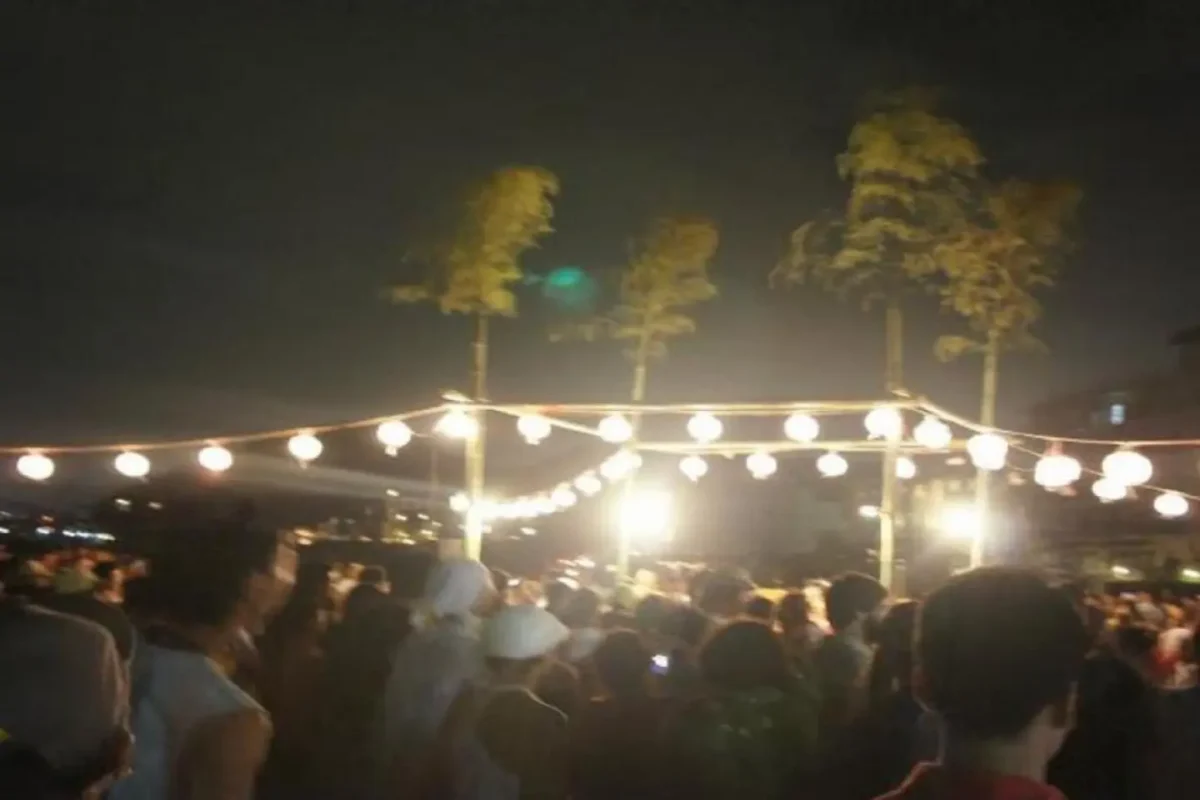
Yagura Beach Stage: A low wooden yagura tower is built directly on the sand near the shoreline. On top, live musicians and singers perform, including taiko drummers and folk singers performing Hayama Ondo and other Bon songs. Paper chochin lanterns are hung around the yagura, swaying in the sea breeze.
Circle Formation on Sand: Dancers form concentric circles around the yagura on the sand, dancing barefoot or in geta. Inner circles are for experienced local dancers in yukata, middle circles for general participants, and outer circles for beginners and children. The circle expands and contracts like waves, a unique characteristic noted in local descriptions.
Hayama Ondo Folk Song: The signature song is Hayama Ondo, a local folk song composed for Hayama. Its lyrics invite everyone to form a circle and dance. Other standard Bon songs such as Tanko Bushi, Tokyo Ondo, and Saitama Ondo are also performed in rotation.
Bon Dance Competition: A friendly competition element distinguishes this festival from purely participatory Bon Odori. Judges evaluate dancers on costume, grace, and enthusiasm. Categories include best yukata, best children’s dancer, and best group. Prizes include beach house meal vouchers and local product sets. Experts and beginners are judged separately, so anyone can enter without feeling foolish.
Torch-Lit Atmosphere: In some years, the beach is lit with torches and bonfires in addition to lanterns, creating a dramatic sunset-to-night transition. The vermilion torii of Morito Shrine offshore is illuminated at dusk.
Offering to the Sea: Before dancing, a small Shinto ritual is performed at Morito Shrine to pray for maritime safety and to honor ancestors who were fishermen, reflecting Hayama’s fishing heritage.
What to Expect at the Festival
Expect a relaxed, joyful, and highly participatory beach party that feels more like a community gathering than a formal festival.
The experience begins in late afternoon as beachgoers gather near the food stalls. You can enjoy great grilled and barbecue dishes on the beach side. The food stalls offer chicken, pork, shrimp, fish, yakisoba, and cold drinks. If you are not the dancing type, you can simply relax near one of the food stalls, enjoy the music, and the ambiance, watching the sunset over Sagami Bay with Enoshima and Mt. Fuji visible on clear days.
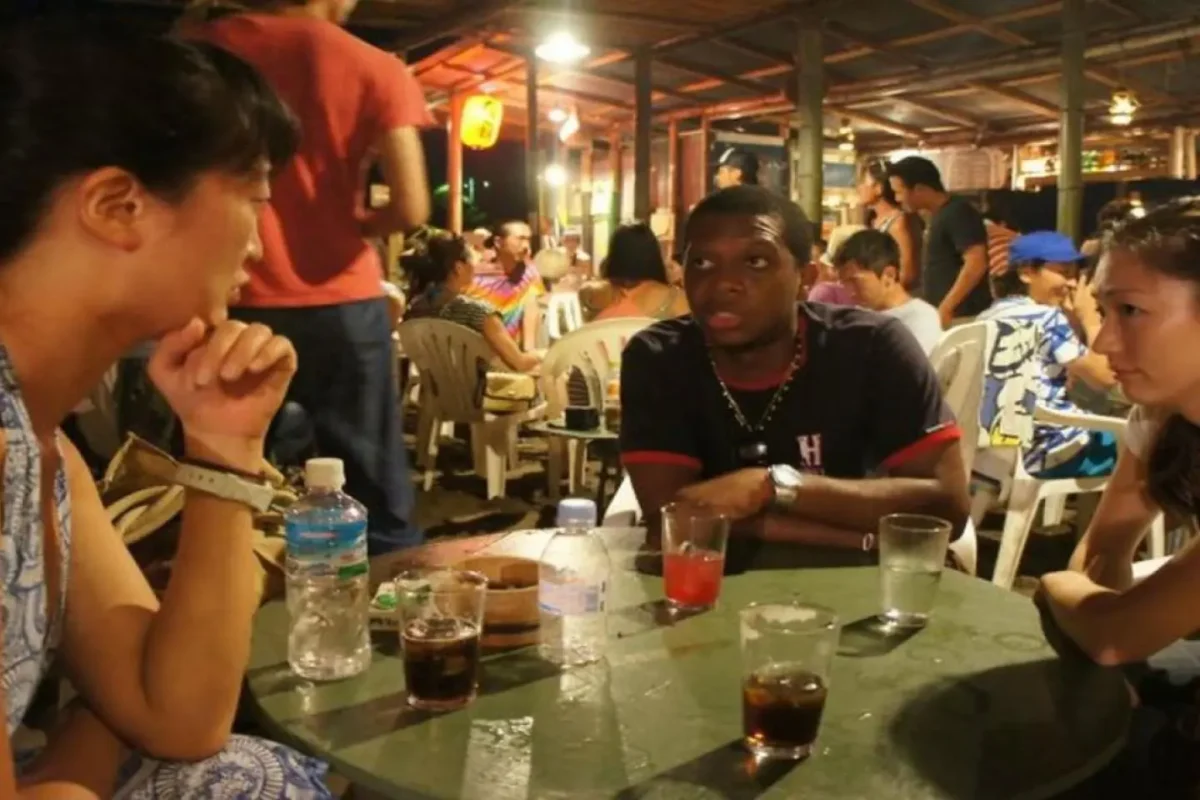
As evening approaches, the yagura is lit and music begins. Anyone can go join the dancing and not feel foolish. Many foreign visitors who were dancing do not seem to have a clue about the next move at first, but after doing it around three times, it becomes really fun. The steps are simple, repetitive, and taught by example. Children, elderly residents, and young beachgoers dance side by side.
The competition portion is entertaining to watch, with experts performing elegant, precise movements in beautiful yukata, while beginners laugh and improvise. The crowd cheers both equally. The sound of taiko drums, folk singing, and waves creates a uniquely Shonan summer soundscape.
The festival is free, with no tickets required to dance or watch. The only part you will not enjoy is when it is over. It is an event you will look forward to going to again, and one that lives in memories as a quintessential Japanese summer night.
Date & Schedule
Event Dates: Mid-August 2027 (Dates TBD)
Typical Schedule Based on Previous Editions:
Late Afternoon: Beach houses open extended food service. Small Shinto blessing at Morito Shrine offshore torii. Yagura stage setup and lantern hanging on Morito Beach.
Evening Program:
7:00 PM: Opening ceremony and welcome by Hayama Town and OASIS beach house organizers. Lighting of chochin lanterns and torches.
7:00 PM to 9:00 PM: Bon Odori dancing and competition. Live performance of Hayama Ondo and other Bon songs from yagura stage. Continuous circle dancing with judges evaluating participants. Open participation for all attendees. Food stalls serving grilled dishes and barbecue throughout.
Post Dance: Beach houses remain open for drinks and music after dancing concludes, with some venues offering live acoustic sets.
Historical Note: The festival has traditionally been held in the evening hours to avoid daytime heat and to allow participants to enjoy beach activities during day and dancing at night.
Please note final start time and program are announced by Hayama Town and beach house OASIS closer to event.
Visiting this event? Don’t miss out on these amazing activities and local experiences while you’re here.
Main Events & Programme
Bon Odori Circle Dancing: The core programme featuring continuous Bon Odori dancing around the beach yagura for approximately two hours. Dancers perform Hayama Ondo, Tanko Bushi, and other folk songs in rotation, led by live singers and taiko drummers.
Dance Competition: A judged competition where participants in yukata compete for prizes. Categories typically include Best Overall Dancer, Best Yukata, Best Children’s Dancer, and Best Group Performance. Judging criteria include grace, rhythm, costume coordination, and spirit. Anyone can enter by registering at the yagura side table.
Live Hayashi Music: Live performance of folk music from the yagura, including taiko drumming, shamisen, and vocalists singing Hayama Ondo and other Bon songs. No recorded music is used.
Beach Food Festival: Beach house food stalls offering barbecue and grilled dishes. Menu includes grilled chicken yakitori for approximately 4 USD to 6 USD, pork skewers for approximately 5 USD, shrimp and fish grilled on open flame for approximately 6 USD to 9 USD, yakisoba for approximately 5 USD, and kakigori shaved ice for approximately 3 USD to 4 USD. Cold beer, ramune soda, and cocktails available for approximately 4 USD to 7 USD.
Sunset Viewing: The festival timing coincides with sunset over Sagami Bay, providing natural backdrop. Many attendees arrive early to swim and watch sunset before dancing.
Morito Shrine Illumination: The offshore torii gate of Morito Shrine is illuminated after dark, creating iconic photo opportunity with lantern-lit beach in foreground.
Traditional Dress, Arts & Crafts
Yukata and Beach Yukata: The standard dress for dancers is yukata, lightweight cotton summer kimono, often in indigo, white, and pastel patterns featuring waves, morning glory, and geometric motifs. At Morito, many wear beach-adapted yukata that is shorter and easier to move in sand, paired with geta wooden sandals or barefoot. Rental yukata available in Zushi and Hayama shops for approximately 20 USD to 35 USD including dressing.
Beach House Chochin Lanterns: Traditional chochin paper lanterns are handmade by local artisans and hung around the yagura. The lanterns feature calligraphy including Hayama Ondo lyrics and sponsor names.
Tenugui Towels: Participants wear tenugui cotton hand towels as headbands or neck scarves, often printed with Hayama Ondo lyrics and Morito Shrine motifs.
Food Sample Craft: Not directly part of Bon Odori but Hayama and neighboring towns are known for beach-inspired crafts. The area offers workshops in making mini chochin lanterns for approximately 5 USD.
Folk Song Preservation: Hayama Ondo is preserved by local folk song preservation society, with lyrics sheets distributed at festival so visitors can sing along.
Traditional Food & Local Specialties
Food is a central part of the Morito-no-hama experience, with emphasis on beach barbecue.
Beach House Barbecue: The beach houses, particularly OASIS, serve as main food vendors. Grilled dishes include chicken yakitori, pork belly, beef skewers, shrimp, squid, and whole fish such as aji horse mackerel and saba mackerel, grilled over charcoal. Prices range from approximately 4 USD to 10 USD per skewer or plate.
Shonan Beach Foods: Standard beach festival foods include yakisoba fried noodles for approximately 5 USD, takoyaki octmodel balls for approximately 4 USD, French fries, and frankfurters.
Hayama Local Specialties: Hayama is known for Hayama beef, considered one of Japan’s premium wagyu brands, served as steak skewers for approximately 12 USD to 18 USD during special festival nights. Hayama is also famous for its spring water used for tofu and sake.
Cold Refreshments: Kakigori shaved ice flavored with local Shonan citrus, mikan orange, and strawberry for approximately 3 USD to 4 USD, soft serve ice cream, and cold beer and chu-hai cocktails for approximately 4 USD to 7 USD.
Post-Festival Dining: After dancing, many visitors continue to beach houses for late-night drinks and music, with acoustic live sets.
Location & Festival Areas
Primary Venue: Morito Beach, also known as Morito Kaigan, Morito, Hayama Town, Miura District, Kanagawa Prefecture 240-0112, Japan. The beach is located in the southern part of Hayama, facing Sagami Bay with views of Enoshima Island and Mt. Fuji on clear days.
Beach Layout:
Main Dance Area: Central sandy area near OASIS beach house where yagura stage is erected. This is the main circle dancing area.
Food Stall Row: Line of beach house stalls along the back of the beach offering grilled foods and drinks.
Morito Shrine Offshore Torii: Iconic vermilion torii gate standing in the sea just off Morito Beach, part of Morito Shrine, illuminated at night during festival.
Swimming Area: Designated swimming area to the north of dance area, open during day.
Shoreline Characteristics: Morito Coast is a shrine-adjacent sandy beach with nearby amenities, popular for surfing, swimming, and sunset viewing. The beach has many beach house places to get drinks and food, and at night and on some days there is live music at some of the beach houses. Rated 4.3 to 4.4 by visitors.
Nearby Landmarks: Hayama Marina is a 10-minute walk north, Hayama Imperial Villa nearby, and Isshiki Beach to the south.
Getting to the Festival
From Tokyo and Yokohama: The festival takes place on the shores of Morito Beach in Hayama located in Yokosuka, Kanagawa Prefecture. It is just thirty minutes from Zushi or forty minutes from Yokohama City.
By Train and Bus: Take the JR Yokosuka Line train from Yokohama Station to JR Zushi Station, approximately 30 minutes, cost approximately 4 USD to 5 USD, or from Tokyo Station approximately 60 to 70 minutes, cost approximately 7 USD to 10 USD. From Zushi Station East Exit, take Keikyu Bus bound for Hayama, Morito Kaigan, or Hayama Marina. Buses run every 15 to 20 minutes. Get off at Morito Kaigan bus stop, approximately 15 minutes, cost approximately 2 USD to 3 USD. From bus stop, it is just a short walk to the beach.
Alternative via Keikyu Line: Take Keikyu Line to Zushi-Hayama Station, then bus to Morito Beach.
By Car: Take Yokohama-Yokosuka Road to Hayama Interchange, then local roads to Morito Beach. Parking is extremely limited in Hayama during summer. Temporary parking lots near Hayama Town Office charge approximately 7 USD to 10 USD per day and require shuttle or walk. Illegal parking on narrow coastal roads is strictly enforced.
On Foot: From Morito bus stop, walk approximately 3 to 5 minutes to beach. The beach is flat and accessible.
Bicycle: Rental bicycles available at Zushi Station for approximately 7 USD to 10 USD per day, allowing coastal cycling to Morito.
Where to Stay Nearby
Hayama is a high-end resort town, so accommodation is limited and premium priced.
Hayama Beach Hotels and Ryokan: Small boutique hotels and ryokans such as Hotel La Casa Hayama, Hayama Hotel Otowa no Mori, and Scapes the Suite offer ocean views and are within walking distance to Morito Beach. Rates range from approximately 120 USD to 300 USD per night.
Zushi and Kamakura Area: Business hotels and guesthouses in Zushi and Kamakura, such as Hotel Grand Phenix, Kamakura Prince Hotel, and Kamejikan Guesthouse, charge approximately 80 USD to 180 USD per night and are 20 to 30 minutes by bus to Morito Beach.
Yokosuka and Yokohama Base: Many visitors stay in Yokohama or Yokosuka and travel to Hayama for evening festival. Yokohama business hotels cost approximately 60 USD to 120 USD per night.
Beach House Lodging: Some beach houses in Hayama offer simple lodging above the restaurant area during summer for approximately 50 USD to 80 USD per person.
Camping: No camping on Morito Beach itself. Nearby campgrounds in Hayama hills charge approximately 15 USD to 25 USD per night.
Early booking is essential as Hayama is a popular summer hideaway.
What Visitors Can Participate In
The festival is designed for full visitor participation regardless of dance skill.
Join the Bon Odori Circle: No registration or experience required. Step into the outer circle and follow the person in front of you. After doing it around three times, it becomes really fun. You can dance barefoot on sand.
Dance Competition Entry: Anyone can enter the dance competition by registering at the yagura side table before dancing begins. Categories for beginners ensure you have a chance to win even without expertise. Prizes include beach house vouchers and local products.
Food and Drink Enjoyment: Participate in beach barbecue culture by ordering grilled dishes from beach house stalls and enjoying them on the sand while watching dance.
Beach Activities Before Dance: Arrive early in afternoon to swim, enjoy sunset viewing, and relax near food stalls before dancing starts.
Photography: Photography of dancing, lanterns, and offshore torii illumination is allowed and encouraged. The sunset with dancers silhouette is particularly photogenic.
Singing Hayama Ondo: Lyrics sheets are distributed and visitors are encouraged to sing along with Hayama Ondo chorus.
Things to Do Before or After the Festival
Morito Shrine Visit: Visit Morito Shrine, located adjacent to Morito Beach, with its iconic offshore torii. The shrine is dedicated to safe sea travel and offers omamori amulets for approximately 4 USD to 6 USD.
Hayama Marina: Walk 10 minutes north to Hayama Marina, one of Japan’s oldest marinas, offering yacht cruises around Sagami Bay for approximately 20 USD to 40 USD per person.
Isshiki Beach and Hayama Imperial Villa: Visit neighboring Isshiki Beach, known for its calm waters and views of the Imperial Villa, Hayama’s most prestigious landmark.
Kamakura and Enoshima Day Trip: Combine festival with daytime sightseeing in Kamakura’s temples and Enoshima Island, both approximately 30 to 40 minutes by train from Zushi.
Zushi and Kamakura Food Scene: Explore Zushi’s cafes and Kamakura’s famous shirasu whitebait bowls and craft beer bars.
Shonan Coastal Cycling: Rent a bicycle and cycle along the Shonan coast from Hayama to Zushi, Kamakura, and Enoshima.
Hayama Art Museums: Visit the Museum of Modern Art, Hayama and other small galleries showcasing Shonan artists.
Local Food & Restaurants
During Festival: Beach house food stalls provide main dining. OASIS beach house is the central organizer and offers extensive barbecue menu.
Hayama Town Restaurants: Hayama is known for high-quality dining. Restaurants such as Restaurant La Marée near Hayama Marina serve French-Japanese cuisine with ocean views for approximately 20 USD to 40 USD. Local soba shops and Italian restaurants using Hayama vegetables are popular.
Morito and Isshiki Area Cafes: Beachside cafes such as Casa della Luce and cafes along Morito Beach serve coffee, cakes, and light meals for approximately 6 USD to 10 USD with sunset views.
Zushi Area: Zushi Station area has numerous ramen shops, izakaya, and family restaurants offering dinner for approximately 7 USD to 15 USD.
Hayama Specialty Shops: Hayama is famous for Hayama beef, sold at butcher shops for approximately 30 USD to 50 USD per kilogram, and Hayama’s spring water tofu.
Convenience Stores: Lawson and FamilyMart near Morito bus stop sell cold drinks, onigiri for approximately 1 USD to 2 USD, and ice cream.
Ticket Information & Access
Festival Admission: The Morito-no-hama Bon Dance Festival is free of charge. There is no admission fee to enter Morito Beach, watch the dancing, or join the Bon Odori circle. This free access has been maintained since its revival by OASIS beach house and is central to its community spirit. Best of all it is free.
Dance Competition Entry: Entry into the dance competition is free. Registration is done at the yagura side table on the evening of the event.
Food and Drinks: Food and drinks are pay-as-you-go at beach house stalls. Budget approximately 15 USD to 25 USD per person for grilled dishes, yakisoba, and drinks for an evening.
Parking: If driving, temporary parking lots near Hayama charge approximately 7 USD to 10 USD per day based on previous editions. Beach parking is limited.
Beach Facilities: Use of beach showers and changing rooms at beach houses costs approximately 2 USD to 4 USD per person.
Yukata Rental: Rental of yukata set in Zushi or Kamakura shops costs approximately 20 USD to 35 USD for one evening.
Transportation: JR Yokosuka Line from Yokohama to Zushi costs approximately 4 USD to 5 USD one way. Bus from Zushi to Morito Beach costs approximately 2 USD to 3 USD.
Official Event Information
The festival is organized by Hayama Town, Morito Beach Association, and OASIS beach house.
Official Website URL as text: https://en.japantravel.com/kanagawa/morito-no-hama-bon-dance-festival/1944
Hayama Town Official Tourism URL as text: https://www.town.hayama.lg.jp/
Morito Beach Information URL as text: https://www.town.hayama.lg.jp/soshiki/keizai/kanko/1/2/2768.html
Location Address as text: Morito Beach, Morito, Hayama Town, Miura District, Kanagawa Prefecture 240-0112, Japan
Phone Number as text: 090-8332-7640 Beach house OASIS contact
Access Information: Take JR Yokosuka Line to Zushi Station, then Keikyu Bus to Morito Kaigan bus stop, short walk to beach. Thirty minutes from Zushi, forty minutes from Yokohama City.
Beach House OASIS URL as text: https://www.oasis-hayama.com/
Location
FAQ
Can beginners and foreigners join the Bon dance without knowing the steps?
Anyone can join the dancing and not feel foolish because many first-time dancers do not know the next move initially. After dancing around the circle three times, the steps become natural and really fun. The festival includes a competition, but beginners are judged separately from experts, so you can enjoy dancing without pressure to win.
Is there an entry fee for the festival and what does it cost to eat at the beach stalls?
The festival is completely free to enter, watch, and join the dancing, with no tickets required for beach access or dance participation. Food and drinks are sold at beach house stalls on a pay-as-you-go basis, with grilled chicken, pork, shrimp, and fish dishes available. Budget around fifteen to twenty five dollars for a full evening of food and drinks from the stalls.
What should I wear and bring for dancing on the beach sand?
Wear comfortable summer clothes and consider bringing a yukata for full atmosphere, as many participants wear yukata and geta sandals, though dancing barefoot on sand is also common. Bring a towel, water, and sunscreen if arriving early for swimming and sunset viewing before the evening dance. A small bag for valuables that you can keep near food stalls is useful as there are no lockers on the beach.
How do I get to Morito Beach from Tokyo or Yokohama using public transport?
Take the JR Yokosuka Line from Yokohama Station or Tokyo Station to JR Zushi Station, then transfer to a Keikyu Bus bound for Hayama or Morito Kaigan and get off at Morito Kaigan bus stop. The bus ride takes about fifteen minutes and the beach is a short walk from the stop. Hayama is about thirty minutes from Zushi and forty minutes from Yokohama, making it an easy day trip from central Tokyo.
Is the festival suitable for families and what else can we do at Morito Beach during the day?
The festival is very family friendly with children welcome to join the outer dance circles and watch the competition, and many local families attend with kids in yukata. During the day before the evening dance, Morito Beach offers swimming, surfing, sunset viewing with views of Enoshima and Mt Fuji, and visits to Morito Shrine with its iconic offshore torii. Beach houses provide food, drinks, shade, and live music, making it a full day beach destination.

Leave a Reply