
Overview
Princess Road Procession, known in Japanese as Hime-sama Dochu or Hime Kaido Procession, is a colorful historical reenactment festival held in the town of Kiga in Hamamatsu City, Shizuoka Prefecture. As festivals go in Japan, this is a very new one, only sixty years old, yet it beautifully recreates a tradition that is over 400 years old.
Located in the town of Kiga, the festival is about a forty-minute bus ride from Hamamatsu Station and takes place around the historic Kiga Checkpoint and along the Toda River. The Kiga Checkpoint was a key checkpoint on the Honzaka Road, also known as Hime Kaido or Princess Road, which served as a detour around the strict Arai Checkpoint on the main Tokaido highway.
This small parade festival celebrates the history of the area. In the Edo period, daughters of noble families called princesses would travel along this road in spectacular processions befitting their position to avoid the strict regulations for women passing through the main checkpoint, which controlled entering guns and leaving women. The road came to be known as Hime Kaido because women of high rank often passed through it.
Enjoy Your Event Stress-Free with Japan Travelo
Do you know? Planning events, festivals, concerts, and cultural experiences in Japan can be overwhelming. Japan Travelo brings everything together in one place, helping you manage your itinerary, transport, and accommodation with ease—so you can enjoy Japan without the stress of planning.
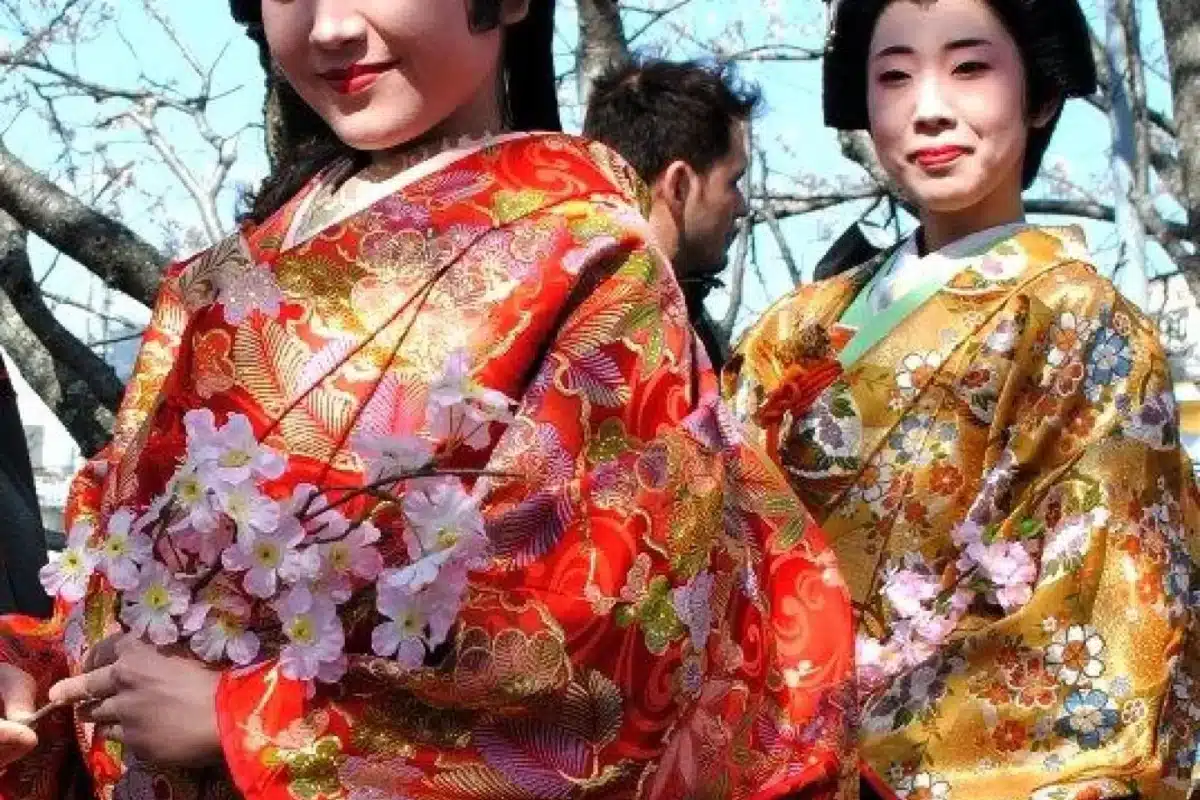
The parade makes its way slowly around the route, pausing for a dance here and there to entertain the crowd. The princess and her attendants are spectacularly dressed, walking slowly on a walkway canopied by cherry blossoms. There is a vanguard of samurai, spear-carriers bring up the rear, while female attendants carrying fans and flowers frame the princess in the middle. The wigs and clothes are beautifully styled and in gorgeous colors.
The festival is both a historical education event and a spring community celebration, with performances, food stalls, and hands-on activities for families.
Cultural Significance & Origins
The Hime Kaido, or princess route, was the name given to minor routes that created detours around difficult crossings or strict checkpoints of main routes during the Edo period. The Honzaka Road in northern Lake Hamana was used by the daughters of court nobles and feudal lords to avoid the Imagire Arai checkpoint that used to be on the Tokaido Road. While the Tokaido required strict inspection of women leaving Edo, the Honzaka Road through Kiga offered a slightly less stringent alternative, making it the preferred route for high-ranking women.
The Kiga Checkpoint, known as Kiga no Sekisho, mainly monitored Hime Kaido Road and played an important role in controlling the movement of people and weapons. It is preserved today as a museum complex with a restored gate, guardhouse, and exhibition of travel documents.
The Princess Road Procession was created about sixty years ago by local residents of Hosoe Town, now part of Kita Ward and Hamana Ward of Hamamatsu City, to commemorate this unique female-centered travel history and to celebrate the arrival of spring. This reenactment of a procession made by the princess in her palanquin along with her entourage of over 100 people including maids, samurai, and servants makes for a splendid scene beneath the cherry blossoms along the Toda River.
In the Edo period, princesses enjoyed traveling this road which came to be known as Hime Kaido. When a princess traveled, her procession could include over 100 attendants, palanquin bearers, chest carriers, samurai guards, and servants carrying her belongings. The procession’s size reflected her family’s status.
The festival also celebrates Kiga’s role as a post town on the Hime Kaido, where travelers rested, and preserves knowledge of traditional travel culture, costume, and etiquette. It is now considered a tradition heralding the arrival of spring in the Hamamatsu region.
Traditions, Rituals & Customs
The festival faithfully recreates Edo period travel customs with attention to costume, formation, and etiquette.
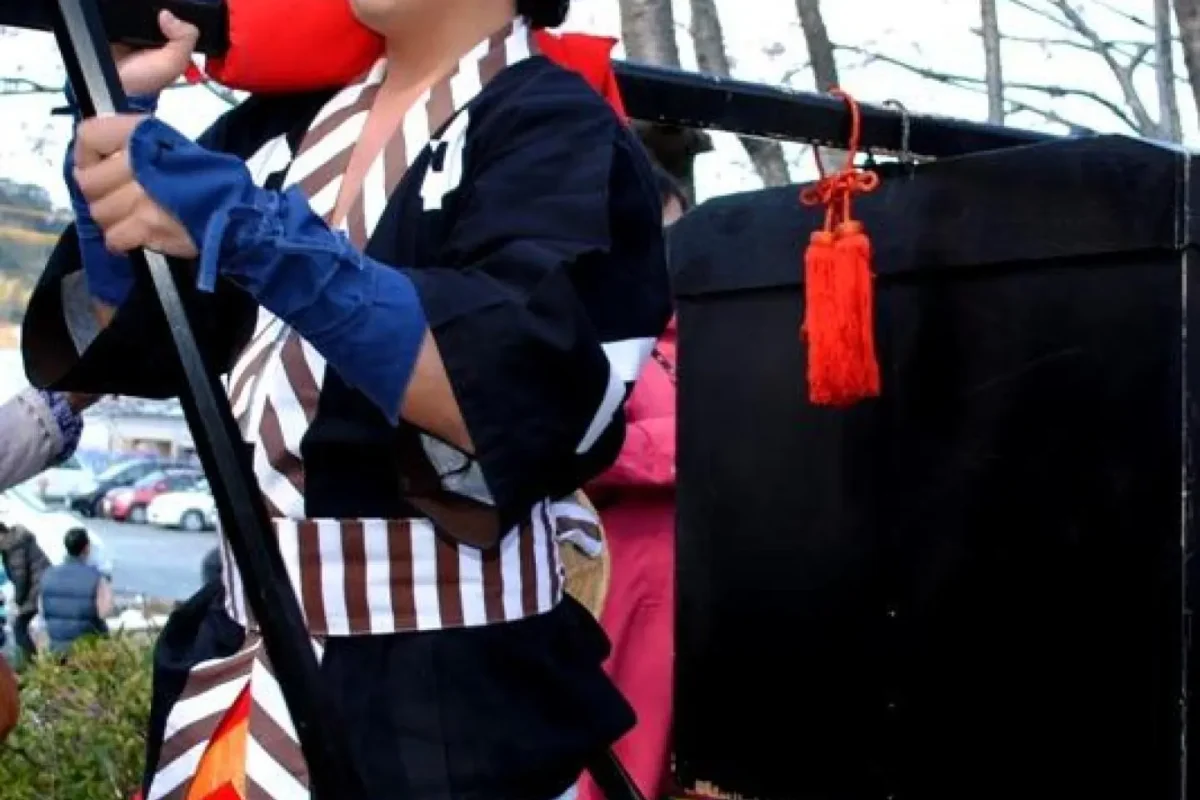
Procession Formation: The procession follows strict historical order. At the front is a vanguard of samurai warriors in armor and helmets, carrying spears and acting as path clearers. Behind them comes the princess herself, either walking slowly in elaborate kimono or riding in her palanquin carried by attendants if she is tired. She is framed by female attendants carrying fans, flowers, and parasols. The wigs are styled in the large maru mage style of noble women. Behind the palanquin is a large box of her belongings, known as a nagamochi chest, carried by servants, and more attendants including a young boy attendant traditionally portrayed by a woman. Spear-carriers bring up the rear.
Palanquin Travel: The princess’s palanquin, or koshi, is an ornate, lacquered box with curtains and golden fittings, carried on the shoulders of four to six bearers. The act of riding in a palanquin was a privilege of rank, as commoners were forbidden to use them on main roads.
Checkpoint Ritual: At the Kiga Checkpoint, the procession pauses for a historical reenactment of checkpoint inspection. Guards in period costume check travel permits, reflecting the historical control of entering guns and leaving women.
Cherry Blossom Canopy Walk: The procession walks slowly on a walkway canopied by cherry blossoms along the Toda River. The cherry blossoms are a key part of the festival’s beauty, with petals falling on the procession.
Dance Pauses: The parade makes its way slowly around the route, pausing for a dance here and there to entertain the crowd. Traditional dances including local folk dances and court-inspired dances are performed at intervals.
Kite Flying Custom: For a few hundred yen, you can purchase a small paper kite to decorate and fly. This is quite popular with children. The kites are fashioned in the rectangular form of the traditional Japanese ones flown at the Hamamatsu Kite Festival which takes place a few weeks after the Princess Road Procession annually. The kite flying tradition connects the two Hamamatsu spring festivals.
What to Expect at the Festival
Expect a graceful, photogenic, and family-friendly historical parade that is slower and more intimate than large city matsuri.
The parade starts in the town at noon, but an opportune place to catch the procession is as they head to the river. The river stage area hosts a variety of performances starting in the morning. There are local dancing groups and brass bands. Food stalls line up in a colorful array with all the Japanese festival musts, offering their delights such as yakisoba, takoyaki, taiyaki, and oden.
The procession arrives at the river location around mid-afternoon, with the princess and her attendants spectacularly dressed, walking slowly on the walkway canopied by cherry blossoms. The steep banks just off the path are in some places quite steep, so be careful and beware of pushy photographers who gather for the best shots.
I recommend finding a place on the route a little closer to the bridge to watch the parade, and then hurry down to the performance area. The princess and her people come down from the walkway and are introduced. The princess and her closest attendants are interviewed, and the rest of the parade gets to have a bit of a rest while others take turns performing some dances to music which seems to have been made just for the occasion.
After the dancing, everyone is allowed into the performance area to take pictures with and of the parade participants. The princess is positioned with her ladies-in-waiting and the young boy attendant in front of the palanquin for the ideal beautiful picture. Other members of the parade walk around, talking to friends, family, and tourists. In the spirit of the event, they are happy to have their pictures taken or for you to be in the picture with them. After a little while, the call comes for the parade to continue along its path and for all non-parade members to exit the performance area.
Date & Schedule
Event Dates: Late March 2027 (Dates TBD)
Typical Schedule Based on Previous Editions:
Morning River Stage Program: Starting around 10:00 AM, the river stage area near Toda River hosts performances including local dancing groups, brass bands, and folk music. Food stalls open. Kite decorating and flying area opens for children.
Midday Town Parade Start: Around 12:00 PM, the procession starts in Kiga town center near Kiga Checkpoint. Samurai vanguard, princess palanquin, and attendants depart checkpoint area. Parade pauses for dances at intervals along town streets.
Afternoon River Arrival: Around 2:30 PM, the procession arrives at the river location with cherry blossom canopy walkway. Formal introduction of princess and attendants on river stage. Interviews with princess and closest attendants including young boy attendant portrayed by woman.
Late Afternoon Performances: Dance performances to specially composed music by local groups on river stage while parade participants rest.
Photo Session: After dancing, public is allowed into performance area to take pictures with and of parade participants. Princess positioned with ladies-in-waiting in front of palanquin for photos. Open interaction period where parade members walk around talking to friends, family, and tourists.
Continuation: After photo session, parade continues along path and non-parade members exit performance area.
Please note exact times are based on previous editions and final schedule is announced by Hamamatsu City and Hosoe Town Tourism Association.
Visiting this event? Don’t miss out on these amazing activities and local experiences while you’re here.
Main Events & Programme
Princess Road Procession Parade: The main event featuring over 100 participants including princess, ladies-in-waiting, young boy attendant, samurai vanguard, spear-carriers, palanquin bearers, and chest carriers. The procession reenacts a noble daughter’s journey along Hime Kaido. Costumes are beautifully styled in gorgeous colors with elaborate wigs and kimono. The princess may walk or ride in palanquin.
Kiga Checkpoint Ceremony: Historical reenactment at the restored Kiga Checkpoint where guards inspect procession permits, explaining the history of controlling entering guns and leaving women.
River Stage Performances: Local dancing groups, brass bands, and traditional dance groups perform on the Toda River stage area from morning until afternoon. Performances include folk dances and modern brass band pieces.
Cherry Blossom Walk: The princess’s walk under cherry blossom canopy along Toda River is the most photogenic moment, with petals falling on the procession.
Kite Flying Experience: For a few hundred yen, approximately 2 USD to 4 USD, you can purchase a small paper kite to decorate and fly. Kites are rectangular form similar to those flown at Hamamatsu Kite Festival. Popular with children and families.
Photo Session with Princess: After stage performances, public photo opportunity with princess and entourage in front of palanquin. Participants are happy to pose for photos.
Food Stall Village: Colorful array of Japanese festival food stalls offering yakisoba for approximately 5 USD, takoyaki for approximately 4 USD, taiyaki for approximately 2 USD, oden, and grilled skewers.
Traditional Dress, Arts & Crafts
Princess Costume: The princess wears a junihitoe-style or elaborate furisode kimono with multiple layers in bright colors such as red, white, and gold, with long flowing sleeves and an ornate obi sash. Her wig is styled in a large maru mage with kanzashi hairpins. White powder makeup and red lips complete the Heian-inspired look.
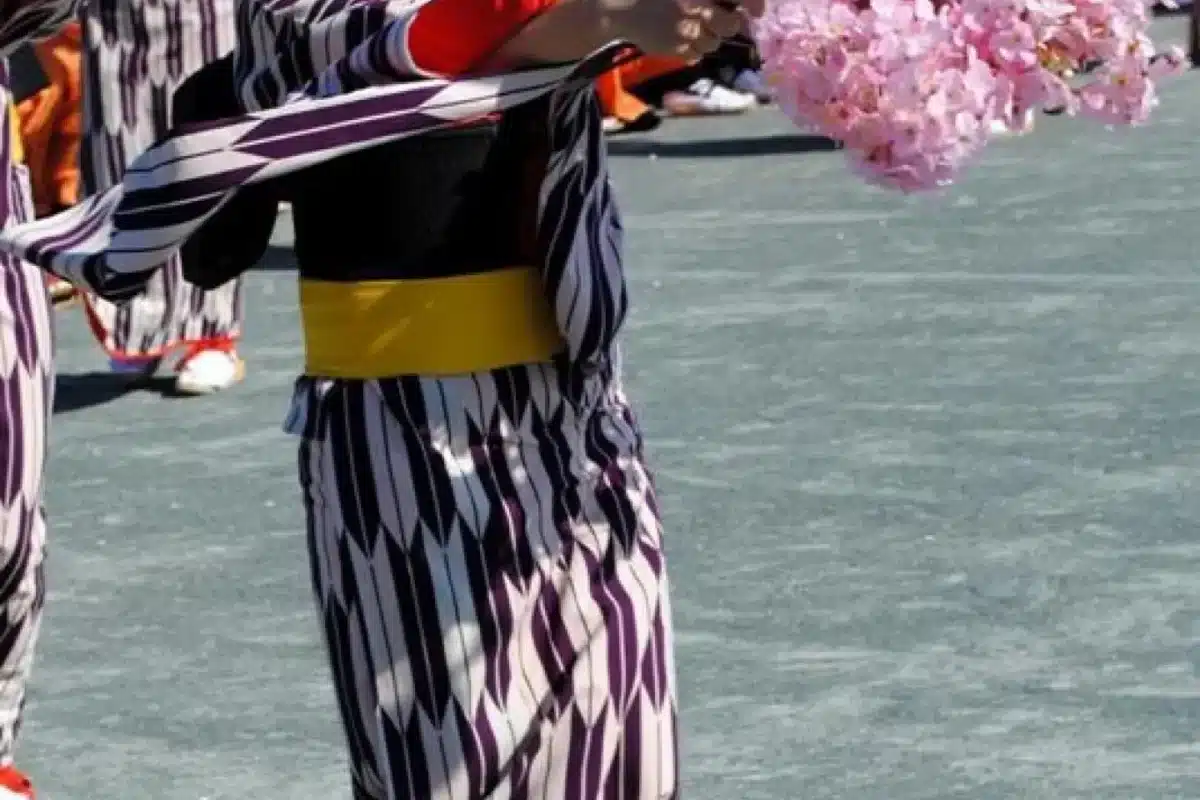
Attendant Costumes: Female attendants wear matching but simpler kimono in complementary colors, carrying fans, artificial flowers, and parasols. The young boy attendant wears a colorful kamishimo samurai-style costume, traditionally portrayed by a woman in this festival.
Samurai and Guard Costumes: Samurai vanguard wears black lacquered armor, helmets with crests, and carries spears and bows. Spear-carriers wear ashigaru foot soldier attire.
Palanquin Craft: The palanquin is a traditional craft made from lacquered wood, bamboo, and silk curtains with gold leaf decoration. The nagamochi chest for belongings is similarly lacquered with metal fittings.
Kite Craft: The small paper kites sold for decoration are made from washi paper and bamboo frames, hand-painted with traditional patterns and can be decorated with markers by children.
Cherry Blossom Display: The natural cherry blossoms along Toda River are an integral aesthetic element, with Somei Yoshino trees lining the walkway.
Traditional Food & Local Specialties
Festival Food Stalls: The river stage area hosts a colorful array of Japanese festival musts. Yakisoba fried noodles for approximately 5 USD, takoyaki octmodel balls for approximately 4 USD, yakitori chicken skewers for approximately 3 USD to 4 USD, taiyaki fish-shaped cakes for approximately 2 USD, oden hot pot, and kakigori shaved ice for approximately 3 USD.
Hamamatsu Local Specialties: Hamamatsu is famous for unagi eel. Unagi kabayaki grilled eel on rice costs approximately 12 USD to 18 USD at local restaurants. Hamamatsu gyoza pan-fried dumplings, known for their circular serving style with bean sprouts in center, cost approximately 6 USD to 8 USD for a plate.
Kiga Area Products: The Lake Hamana area near Kiga is known for mandarin oranges, oysters, and eel. Local shops sell mikan juice for approximately 2 USD to 3 USD and oyster snacks.
Sweets: Shops near Kiga Checkpoint sell local sweets such as unagi pie, a sweet biscuit shaped like an eel, for approximately 8 USD per box, and cherry blossom flavored sakura mochi for approximately 2 USD to 3 USD.
Location & Festival Areas
Main Location: Kiga Checkpoint, Kiga, Hosoe-cho, Kita-ku, Hamamatsu City, Shizuoka Prefecture. Now administratively part of Hamana-ku, Hamamatsu City. The checkpoint is located on the historic Hime Kaido Honzaka Road.
Festival Zones:
Kiga Checkpoint Museum Area: Restored checkpoint gate and museum complex where parade starts and checkpoint ceremony is held. Includes History and Folklore of Hime Kaido and Dotaku Museum.
Town Parade Route: Streets of Kiga town from checkpoint through shopping street to river.
Toda River Stage Area: Riverbank area with stage, food stalls, and cherry blossom canopy walkway. This is the main performance and photo area.
Cherry Blossom Walkway: Pathway along Toda River canopied by cherry blossoms where princess walks.
Surrounding Attractions: Lake Hamana, Ryugashido Cavern, Hamamatsu Flower Park, and Hime Kaido historic road markers.
Viewing Recommendations: For best experience, watch parade closer to bridge on town route, then hurry down to performance area for introduction and dances. The steep banks off path require caution.
Getting to the Festival
From Hamamatsu Station: The town of Kiga is about a forty-minute bus ride from Hamamatsu Station. Take Entetsu Bus number 45 or 46 bound for Kiga or Hime Kaido Shako from Hamamatsu Station North Exit Bus Terminal, platform 15 or 16. Buses run every 20 to 30 minutes. Get off at Kiga Checkpoint bus stop or Kiga Shako-mae, approximately 40 minutes, fare approximately 4 USD to 6 USD.
By Car: Take Tomei Expressway to Hamamatsu Nishi Interchange, then Route 362 toward Kiga. The drive is approximately 30 minutes from Hamamatsu city center. Parking is available at Kiga Checkpoint parking lot and temporary lots near Toda River, with fee approximately 3 USD to 5 USD. Parking fills early due to cherry blossom viewing crowds.
From Nagoya and Tokyo: Take Tokaido Shinkansen to Hamamatsu Station, approximately 90 minutes from Nagoya and 90 minutes from Tokyo, cost approximately 30 USD to 60 USD, then bus to Kiga.
On Foot: Kiga town is compact and walkable. Checkpoint to river stage area is approximately 10 to 15 minutes walk.
Accessibility: The checkpoint museum has some steps. The river stage area is on riverbank with some steep areas and unpaved paths. Wear sturdy shoes.
Where to Stay Nearby
Kiga is a small town, so most visitors stay in central Hamamatsu.
Hamamatsu City Center Hotels: Business hotels such as Hotel Concorde Hamamatsu, Hotel Ascent Hamamatsu, and APA Hotel Hamamatsu Ekimae offer rooms for approximately 60 USD to 110 USD per night and are near Hamamatsu Station bus terminal.
Lake Hamana Resort Area: Resorts around Lake Hamana including Hamanako Royal Hotel, Hotel Okura Act City Hamamatsu, and Kanzanji Onsen area ryokans offer rooms for approximately 100 USD to 200 USD per night with lake views and hot springs.
Kanzanji Onsen: Hot spring resort area near Lake Hamana, approximately 20 minutes by car from Kiga, offers ryokans with onsen baths for approximately 90 USD to 150 USD per night including dinner.
Budget Options: Hostels and guesthouses in Hamamatsu such as Hotel Amano and Hostel Hamamatsu offer dormitory beds for approximately 25 USD to 45 USD.
Camping: Lake Hamana area has campgrounds for approximately 15 USD to 25 USD per night, popular during cherry blossom season.
Early booking recommended as festival coincides with cherry blossom season, peak travel time.
What Visitors Can Participate In
Kite Decorating and Flying: For a few hundred yen, purchase a small paper kite at the river stage area, decorate it with markers, and fly it on the riverbank. This is popular with children and adults.
Photo Session with Procession: After dance performances, everyone is allowed into performance area to take pictures with and of parade participants. The princess is positioned with ladies-in-waiting and young boy attendant in front of palanquin for ideal beautiful picture. Other members walk around talking to friends, family, and tourists and are happy to have pictures taken or for you to be in picture with them.
Cherry Blossom Viewing: Participate in hanami cherry blossom viewing along Toda River walkway, with picnic mats allowed in designated areas.
Food Stall Enjoyment: Enjoy festival foods from colorful stalls and try local Hamamatsu specialties.
Checkpoint Museum Tour: Tour the restored Kiga Checkpoint museum and Hime Kaido museum for approximately 3 USD to 5 USD admission to learn about Edo period travel.
Dance Watching and Cheering: Watch local dancing groups and brass bands on river stage and cheer performers.
Things to Do Before or After the Festival
Kiga Checkpoint Museum: Visit the restored Kiga Checkpoint, the only remaining checkpoint building on Hime Kaido. The museum exhibits travel permits, weapons, and displays about controlling entering guns and leaving women. Admission approximately 3 USD.
Ryugashido Cavern: One of Japan’s largest limestone caverns located near Kiga, approximately 4 km from checkpoint. Guided tours through illuminated caverns with stalactites. Admission approximately 7 USD to 9 USD.
Hamamatsu Flower Park: Located near Lake Hamana, featuring seasonal flowers including cherry blossoms, tulips, and wisteria. Admission approximately 7 USD to 10 USD.
Lake Hamana: Take a boat cruise on Lake Hamana, visit Kanzanji Onsen hot spring area, and try Lake Hamana oysters.
Hamamatsu Castle: Visit Hamamatsu Castle in central Hamamatsu, associated with Tokugawa Ieyasu, with small museum and park. Admission approximately 2 USD to 3 USD.
Hamamatsu Kite Festival Connection: Learn about the famous Hamamatsu Kite Festival which takes place a few weeks after Princess Road Procession. Visit the Hamamatsu Festival Museum to see giant kites.
Local Food & Restaurants
During Festival: Food stalls at river stage area offer festival musts. Local restaurants in Kiga town serve set meals.
Hamamatsu City Specialties: Try Hamamatsu’s famous unagi eel dishes at restaurants such as Atsumi and Fujita near Hamamatsu Station for approximately 12 USD to 20 USD. Hamamatsu gyoza dumplings served in circular pattern with bean sprouts cost approximately 6 USD to 8 USD.
Lake Hamana Area: Restaurants around Lake Hamana serve oyster dishes, eel, and mandarin orange desserts. Oyster fry set meals cost approximately 10 USD to 15 USD.
Kiga Local Eateries: Small family-run restaurants near Kiga Checkpoint serve soba noodles for approximately 6 USD to 8 USD, udon, and teishoku set meals with local vegetables.
Cafes: Cafes near checkpoint offer coffee and cherry blossom themed sweets such as sakura latte for approximately 4 USD to 5 USD.
Convenience Stores: Lawson and FamilyMart near Kiga provide cold drinks, onigiri for approximately 1 USD to 2 USD, and snacks.
Ticket Information & Access
Festival Viewing: The Princess Road Procession is free to watch. No tickets are required to view the parade along town streets or to watch river stage performances. This free access has been maintained throughout its sixty-year history.
Kiga Checkpoint Museum: Admission to the restored Kiga Checkpoint and History and Folklore of Hime Kaido Museum costs approximately 3 USD to 5 USD for adults and 2 USD for children based on previous editions.
Kite Purchase: Small paper kites for decorating and flying cost a few hundred yen, approximately 2 USD to 4 USD per kite.
Parking: Temporary parking lots near Kiga Checkpoint and Toda River charge approximately 3 USD to 5 USD per day.
Food and Drinks: Budget approximately 10 USD to 20 USD per person for food stall dining.
Transportation: Entetsu Bus from Hamamatsu Station to Kiga costs approximately 4 USD to 6 USD one way. Shinkansen from Nagoya to Hamamatsu costs approximately 20 USD to 35 USD.
Photo Session: Participation in photo session with princess and attendants is free.
Official Event Information
The festival is organized by Hamamatsu City, Hosoe Town Tourism Association, and Kiga Checkpoint Preservation Association.
Official Website URL as text: https://en.japantravel.com/shizuoka/princess-road-procession/1895
Hamamatsu City Official Tourism URL as text: https://www.hamamatsu-japan.com/
Kiga Checkpoint Official URL as text: https://www.city.hamamatsu.shizuoka.jp/bunkazai/kiga-sekisyo.html
Location Address as text: Kiga Checkpoint, Kiga, Hosoe-cho, Kita-ku, Hamamatsu City, Shizuoka Prefecture, now Hamana-ku, Hosoe-cho, Hamamatsu
Access Information: Forty-minute bus ride from Hamamatsu Station North Exit to Kiga Checkpoint bus stop via Entetsu Bus. Toda River stage area is short walk from checkpoint.
Hamamatsu Flower Park and Lake Hamana Tourism URL as text: https://www.hamanako-kanko.com/
Location
FAQ
Is the Princess Road Procession free to watch and do I need tickets for the river stage performances?
The entire procession and river stage performances including local dancing groups and brass bands are free to watch with no tickets required along town streets and river area. Admission is only required for the Kiga Checkpoint museum itself, which costs a few dollars. Food stalls and kite purchases are pay-as-you-go, making it a very accessible family friendly festival.
Can visitors take photos with the princess and her attendants in costume?
Yes, after the dancing portion on the river stage, everyone is allowed into the performance area to take pictures with and of parade participants. The princess is positioned with her ladies-in-waiting and young boy attendant in front of the palanquin for ideal photos. Other parade members walk around and are happy to have their pictures taken or to include visitors in photos in the spirit of the event.
What is the connection between the Princess Road and the main Tokaido highway?
Hime Kaido was a detour route around the strict Arai Checkpoint on the main Tokaido highway, which heavily controlled the movement of women leaving Edo. The Kiga Checkpoint monitored this alternative route and played a role in controlling entering guns and leaving women. Princesses and daughters of noble families preferred this road because inspections were slightly less stringent, giving the road its name Princess Road.
What should I wear and what is the best viewing spot for the parade?
Wear comfortable walking shoes as the parade route includes some steep banks off the main path and unpaved riverbank areas, and bring layers for spring weather. Finding a spot closer to the bridge on the town route offers good views, then hurry down to the performance area for the introduction and dances. The cherry blossom canopy walkway along Toda River is the most photogenic spot but attracts many photographers.
Are there activities for children besides watching the parade?
Children enjoy purchasing and decorating small paper kites for a few hundred yen and flying them on the riverbank, fashioned like traditional rectangular kites flown at the Hamamatsu Kite Festival. Food stalls offer child-friendly snacks, and the river stage area hosts brass bands and dancing groups that are entertaining for families. The checkpoint museum has interactive exhibits about Edo period travel that are educational for older children.

Leave a Reply