

Overview
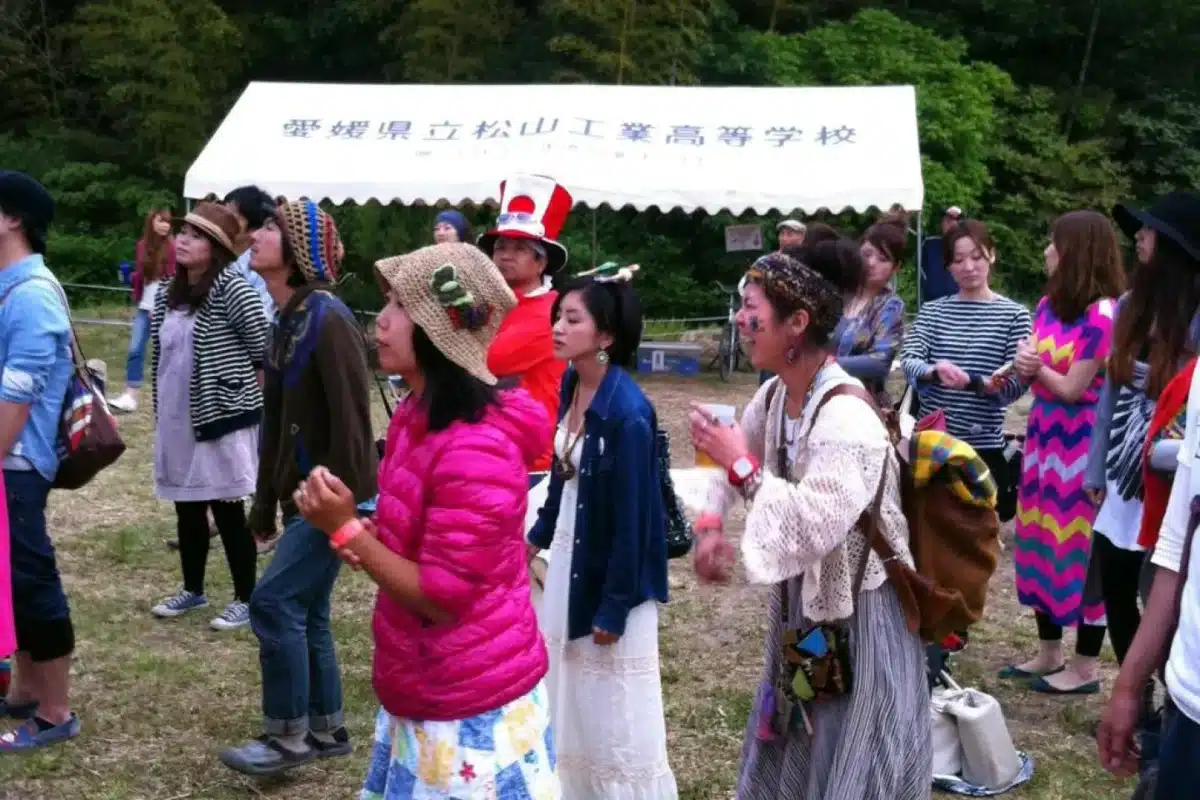
Live Earth Matsuyama is a small, locally rooted music festival with an earth-loving theme held in Horinouchi Shiroyama Park Yasuragi Square, Matsuyama City, Ehime Prefecture. As the name suggests, the festival is about live music with an environmental message, blending live performances, ecological lectures, ethical markets, and community gathering on a hilltop park beneath Matsuyama Castle.
This small local festival was born in 2007 and it has come a long way, literally in fact. It used to be held in the car park of the gymnasium above the Fuwari Road Station, a modest venue on the outskirts of the city. Over the years it has grown into a respected eco-festival that attracts fairly major Japanese acts while retaining its grassroots atmosphere, now held in the special venue of Horinouchi Shiroyama Park Yasuragi Plaza.
The middle of May in Matsuyama is an uncertain time, weather-wise. It might be burning hot. It might rain. It might be cold and overcast. Or it might be all of these on the same day. You can expect any during Live Earth Matsuyama. This unpredictability is part of the festival’s charm, with attendees arriving with both blankets and sun hats, tarps for sitting, and reusable cups for drinks.
Enjoy Your Event Stress-Free with Japan Travelo
Do you know? Planning events, festivals, concerts, and cultural experiences in Japan can be overwhelming. Japan Travelo brings everything together in one place, helping you manage your itinerary, transport, and accommodation with ease—so you can enjoy Japan without the stress of planning.
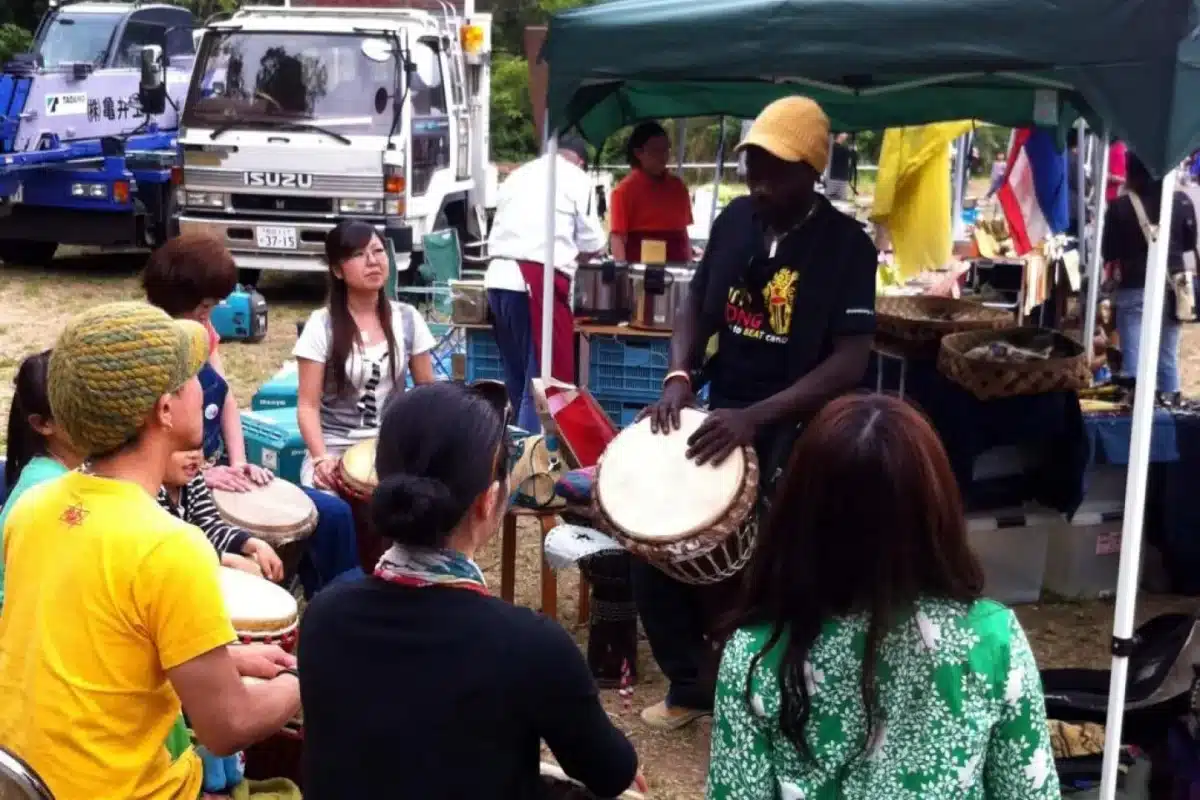
The festival emphasizes sustainability in practice, with reusable cup systems, emphasis on resource reuse, ethnic food stalls, clothing and accessories vendors, outdoor gear, massage, aromatherapy, and children’s activities such as barefoot art. It is as much an environmental forum as a music event.
What Makes This Event Special
Earth-Loving Core Concept: Unlike commercial music festivals, Live Earth Matsuyama was founded with an explicit environmental mission. Every aspect from reusable plastic cups that must be bought separately and reused, to emphasize the importance of resources, to stalls promoting ethical fashion and aromatherapy, reflects sustainability. Lectures on ecology and sustainable living are held between musical acts.
Intimate Hilltop Setting: The venue is Horinouchi Shiroyama Park Yasuragi Square, located on a hilltop near Matsuyama Castle. It is a long steep climb to reach it, which participants often make on foot or by bicycle. The climb itself becomes a pilgrimage, with a pleasant throbbing hum of music audible as the car park comes into view. The park offers panoramic views of Matsuyama city and the Seto Inland Sea.
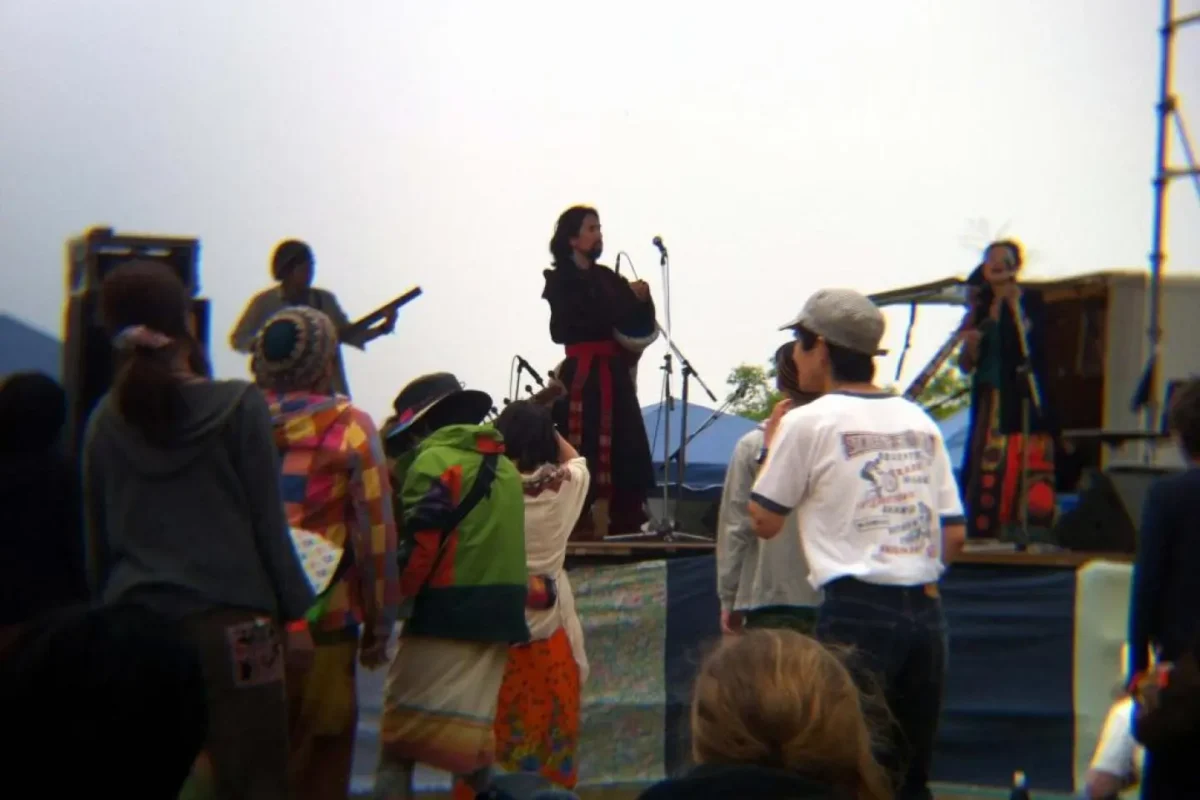
Eclectic Musical Curation: The festival books a distinctive lineup that mixes world music, freeform jazz, Okinawan folk, reggae, ska, and Japanese rap. The combination of sitar, didgeridoo, throat singing, chanting, and hand percussion alongside mainstream artists creates a soundscape that is both global and deeply Japanese.
Community Scale: With a capacity of a few hundred to a thousand, the festival feels like a gathering of friends. Attendees sit on tarps, share blankets, and know each other. The phrase heard at the festival, We’re living the dream, captures its laid-back, communal vibe.
Reusable Culture: The festival pioneered reusable cup systems in Ehime, requiring attendees to buy a reusable plastic cup and reuse it for all drink purchases, reducing waste. This system has since influenced other local events.
Educational Interludes: Between music sets, short lectures on environmental topics, local ecology, and sustainable living are given, making the event educational as well as entertaining.
Lineup / Featured Artists
The lineup for Live Earth Matsuyama typically features a mix of nationally known artists and local Ehime talent, with emphasis on artists with earth-conscious or world music backgrounds.
Previous Edition Headliners Based on Past Festivals:
Dewachen: A combo that features sitar, didgeridoo, throat singing, chanting, and hand percussion, known for drone-based meditative music. Their performance often opens the festival with a throbbing hum that can be heard from the hilltop approach.
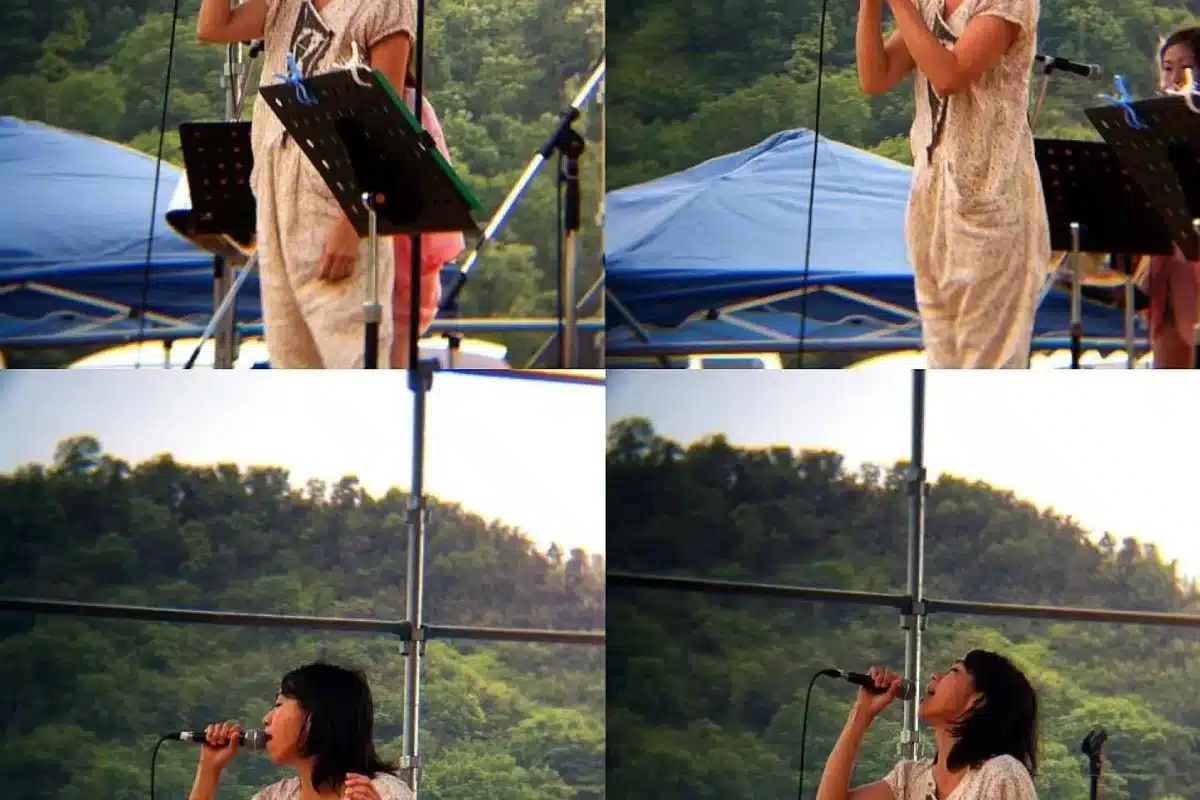
Ua: A major Japanese singer known for interesting but undanceable freeform jazz, experimental vocals, and earth-conscious lyrics. Her performance is introspective and artistic, blending jazz, folk, and electronic elements.
Ikue Asazaki: A celebrated singer from Amami Oshima who sings in the Okinawan and Amami style, with a powerful, haunting voice. She performs traditional island songs with modern arrangements, bringing southern Japanese island culture to Shikoku.
Little Tempo: A reggae and ska group that brings danceable music to the festival. Their upbeat brass and rhythm sections get the crowd dancing, waving empty reusable plastic cups and shaking booty hard.
Rankin’ Taxi: A Japanese reggae deejay and rapper topped with a jaunty gold crown, known for scurrilous lyrics and humorous banter, who often joins Little Tempo on stage for collaborative sets.
Parts Ishiba: A local Matsuyama favorite and regular performer at Live Earth Matsuyama, including appearances scheduled for 12:00 to 12:20 slots in recent years. Parts Ishiba performs acoustic, folk-inspired sets with backing artists such as Pete Takahi, Tommy and Porter, and Alan Conan.
Local Acts and Lecture Speakers: Each year includes local Ehime musicians, aromatherapy practitioners, and environmental activists who give short talks between musical sets. The 2026 edition listed appearances across May 31 schedule with multiple supporting artists.
The full 2027 lineup will be announced on liveearth-matsuyama.com closer to event.
Event Experience
The experience of Live Earth Matsuyama is defined by its relaxed, unpredictable, and community-driven atmosphere.
At around noon, attendees make their way up the hill by bicycle or on foot toward the venue. It is a long steep climb and you will pass many people trudging up on foot. As the car park comes into view, you can hear a pleasant throbbing hum coming from the hilltop, which is the music already underway.
After handing over your ticket, you enter a venue filled with rows of stalls selling a very tempting array of food with a generally ethnic theme, clothing, accessories, and outdoor gear. Other stalls offer massages, aromatherapy, and barefoot art for children. The food stalls emphasize organic, vegetarian, and internationally inspired dishes.
You plonk yourself down on a tarp with friends. Someone goes to the beer stall to get a round of Asahi Super Dry in plastic cups that have to be bought separately and reused, to emphasize the importance of resources. The cold, leaden sky may give way to scorching sunshine, requiring both blanket for warmth and shade for head.
Between lectures, the music continues. Some acts are contemplative, others danceable. When Little Tempo takes the stage, at last some danceable music pours forth. Those with a taste for it shake their booty hard, waving empty reusable plastic cups. Japanese rapper Rankin’ Taxi may join with scurrilous lyrics and banter.
The weather shifts rapidly, from cold to scorching to rainy, creating a shared experience of adaptability. Attendees help each other with blankets and tarps, reinforcing community spirit.
Date & Schedule
Event Dates: Late May 2027 (Dates TBD)
Typical Schedule Based on Previous Editions:
Gate Opening: Around 11:00 AM to 12:00 PM at Horinouchi Shiroyama Park Yasuragi Square. Ticket check and reusable cup purchase at entrance.
Afternoon Program:
12:00 PM to 12:20 PM: Opening act, often local artist such as Parts Ishiba Live with backing musicians.
12:20 PM to 1:00 PM: Environmental lecture and market time.
1:00 PM to 2:00 PM: World music act such as Dewachen featuring sitar, didgeridoo, throat singing.
2:00 PM to 2:30 PM: Lecture on sustainability.
2:30 PM to 3:30 PM: Featured artist such as Ikue Asazaki Okinawan style performance.
3:30 PM to 4:00 PM: Break, aromatherapy and massage stalls.
4:00 PM to 5:00 PM: Ua freeform jazz set.
5:00 PM to 6:00 PM: Little Tempo reggae ska set with Rankin’ Taxi guest appearance, dance finale.
Market Hours: Food stalls and ethical market stalls operate from 11:00 AM until approximately 6:30 PM.
Closing: Approximately 6:00 PM to 7:00 PM with final announcements.
Please note exact times and lineup order will be announced on liveearth-matsuyama.com closer to event.
Visiting this event? Don’t miss out on these amazing activities and local experiences while you’re here.
Location & Venue
Venue Name: Horinouchi Shiroyama Park Yasuragi Square, also known as Special Venue Horinouchi Shiroyama Park Yasuragi Plaza, Matsuyama City, Ehime Prefecture.
Park Description: Horinouchi Shiroyama Park is a hilltop park surrounding Matsuyama Castle, located in central Matsuyama. Yasuragi Square is a flat open plaza within the park, specially prepared for events. The park features Camellia Garden, Cherry Blossom Hill, and panoramic viewpoints. The venue is approximately 452,500 square meters in total park area when including adjacent parks, with construction beginning in 1983 to commemorate the 100th anniversary of Matsuyama municipal government and completed in 2001.
Address as text: Horinouchi, Matsuyama City, Ehime Prefecture 790-0007, Japan, within Shiroyama Park near Matsuyama Castle.
Original Venue History: The festival used to be held in the car park of the gymnasium above the Fuwari Road Station, a coastal road station in northern Matsuyama. The move to Shiroyama Park represented significant growth while retaining community scale.
Venue Facilities: The venue offers limited permanent facilities. Portable toilets, food stall area, tarp sitting area, stage with sound system, and first aid tent are set up for the event. The park’s natural slope provides natural amphitheater seating.
Views: From Yasuragi Square, views extend over Matsuyama city, Seto Inland Sea, and on clear days to distant islands.
Event History
Live Earth Matsuyama was born in 2007 as a small local gathering of environmentally conscious musicians and activists in Matsuyama. The founders were inspired by global Live Earth events but wanted a distinctly Matsuyama version focused on local ecology and community.
Initially, the festival was held in the car park of the gymnasium above Fuwari Road Station, a modest location that limited attendance to a few hundred. The early editions featured local bands, acoustic sets, and talks about recycling and resource use.
Over the years, the festival grew in reputation for its curated lineup and authentic eco ethos. By the early 2010s, it began attracting fairly major Japanese acts including Ua and Ikue Asazaki, while maintaining its requirement for reusable cups and ethical market stalls.
In recent years, the festival moved to Horinouchi Shiroyama Park Yasuragi Square, a more scenic and central location that allowed for larger attendance while preserving intimacy. The move was described as having come a long way literally, from seaside car park to castle hilltop park.
The festival has become an annual tradition for Matsuyama’s environmentally conscious community and music lovers, marking the transition from spring to summer. It is now in its second decade and continues to emphasize its founding principles of live music with earth-loving theme, reusable resource culture, and community gathering.
Getting to the Event
By Bicycle: Many local attendees make their way up the hill by bicycle toward the venue. It is a long steep climb from central Matsuyama to Shiroyama Park. Bicycle parking is available near the park entrance. This is the most eco-friendly and popular method among locals.
On Foot: The park is reachable on foot from Matsuyama city center. From Okaido shopping street, it is approximately 15 to 20 minutes uphill walk. From Matsuyama Castle ropeway station, approximately 10 minutes downhill. Wear comfortable shoes for steep climb.
By Tram and Bus: Take Iyotetsu tram Line 1, 2, or 3 to Okaido Station or Kenchomae Station, then walk uphill approximately 10 to 15 minutes. Iyotetsu buses stop at Shiroyama Koen-mae and Kencho-mae stops.
By Car: Driving to Shiroyama Park is possible but parking is extremely limited during events. The car park that serves as venue approach fills quickly. Use public transport or bicycle if possible. Paid parking near Matsuyama Castle ropeway costs approximately 3 USD to 5 USD per hour.
From Matsuyama Airport: Take limousine bus to Matsuyama City Station, approximately 30 minutes, cost approximately 5 USD, then tram and walk.
From JR Matsuyama Station: Take tram to Okaido or walk approximately 25 minutes uphill.
Where to Stay Nearby
Matsuyama is a major tourist city with extensive accommodation options.
Dogo Onsen Area: Famous hot spring area approximately 15 minutes by tram from Shiroyama Park. Ryokans and hotels such as Dogo Onsen Honkan area ryokans, Hotel Patio Dogo, and Dogo Prince Hotel offer rooms for approximately 70 USD to 150 USD per night with onsen baths.
Okaido and Matsuyama City Center: Business hotels such as APA Hotel Matsuyama, Dormy Inn Matsuyama, and Hotel JAL City Matsuyama offer rooms for approximately 60 USD to 110 USD per night and are within walking distance to Shiroyama Park.
Matsuyama Castle Area: Boutique hotels near the castle such as Setouchi Retreat Aonagi and Matsuyama Castle area guesthouses offer premium views for approximately 120 USD to 250 USD per night.
Budget Options: Hostels and guesthouses such as Matsuyama Guest House, Hostel Kokuu, and WeBase Matsuyama charge approximately 25 USD to 50 USD per night.
Family Options: Mitsui Garden Hotel Matsuyama and Daiwa Roynet Hotel Matsuyama offer family rooms for approximately 80 USD to 130 USD.
Early booking recommended as late May is peak season for Shikoku pilgrimage and domestic travel.
Things to Do Before or After the Event
Matsuyama Castle: Visit Matsuyama Castle, one of Japan’s twelve original castles, located directly above Yasuragi Square. The castle offers panoramic views, historic armor displays, and cherry blossom spots in spring. Admission approximately 4 USD to 5 USD, ropeway approximately 4 USD.
Dogo Onsen: Japan’s oldest hot spring, said to be 3000 years old, located in eastern Matsuyama. Dogo Onsen Honkan main building is a UNESCO tentative heritage site. Bathing costs approximately 3 USD to 10 USD depending on course.
Shiroyama Park Exploration: Explore the rest of Shiroyama Park including Camellia Garden, Cherry Blossom Hill, Botchan Yume Land for families, and Chibikko Hiroba playground. The park’s cherry blossom festival with paper lanterns illuminating area around Matsuyama Castle is famous.
Bansuiso Villa: A French-style villa built in 1922, now an art museum near Okaido.
Ishiteji Temple: Temple number 51 of Shikoku 88 Temple Pilgrimage, located near Dogo Onsen, featuring unique architecture and caves.
Fuwari Road Station: Visit the festival’s original venue location at Fuwari Road Station and Beach, a coastal road station with market selling local produce and views of Seto Inland Sea.
Matsuyama City Museum and Art: Visit Saka no Ue no Kumo Museum and Ehime Prefectural Museum of Art.
Restaurants & Dining Nearby
During Festival: The venue is filled with rows of stalls selling a very tempting array of food with a generally ethnic theme, including organic curry for approximately 6 USD to 8 USD, vegan burgers for approximately 5 USD to 7 USD, Middle Eastern falafel, and natural sweets. Beer and drinks served in reusable cups for approximately 4 USD to 6 USD.
Matsuyama City Center: Okaido shopping arcade offers many restaurants including:
Matsuyama Local Cuisine: Taimeshi sea bream rice for approximately 8 USD to 12 USD, jakoten fish cakes for approximately 3 USD to 5 USD, and mikan orange sweets.
Dogo Area: Restaurants near Dogo Onsen serve Botchan dango sweets for approximately 3 USD and local sake.
Shiroyama Park Area: Cafes near park entrance serve coffee and light meals for approximately 5 USD to 8 USD.
Ethnic Restaurants: Matsuyama has several organic and ethnic restaurants aligned with festival ethos including natural food cafes.
Convenience Stores: Lawson and FamilyMart near Okaido and Shiroyama Koen-mae sell cold drinks and snacks for approximately 1 USD to 3 USD.
Ticket Information
General Admission: Based on previous editions, general admission costs approximately 10 USD to 15 USD per person. In early editions, tickets were 1500 yen, approximately 10 USD, and current prices remain similar. Tickets are sold at gate and online via liveearth-matsuyama.com.
Reusable Cup System: Attendees must purchase a reusable plastic cup separately for approximately 2 USD to 3 USD to be used for all drink purchases throughout festival. This emphasizes importance of resources and reduces waste. Cups can be taken home as souvenir.
Children: Children under elementary school age are typically free. Elementary and junior high school students may receive discounted tickets of approximately 5 USD to 8 USD based on previous editions.
Advance vs Door: Advance tickets purchased online via official website are slightly cheaper than door tickets by approximately 2 USD to 3 USD.
Market Only Access: In some years, access to market stalls without music area may be free, but music area requires ticket.
Inclusions: Ticket includes access to all live music performances, environmental lectures, and market stalls. Food, drinks, massage, and aromatherapy are pay-as-you-go.
Payment Methods: Cash is preferred at gate and most stalls. Some stalls accept PayPay and other electronic payments.
Tips Before You Go
Weather Preparation: The middle of May in Matsuyama is an uncertain time weather-wise. It might be burning hot. It might rain. It might be cold and overcast. Or it might be all of these on the same day. You can expect any during Live Earth Matsuyama. Bring both sunscreen and rain gear, blanket for legs for cold periods and hat for sun. A tarp or picnic sheet for sitting on ground is essential.
Footwear: Wear comfortable shoes suitable for long steep climb up hill by bicycle or on foot. The venue is on grass and dirt, which can become muddy if it rains.
Reusable Items: Bring your own reusable bottle and bag to align with festival ethos. You will need to buy reusable cup for drinks, but bringing your own cutlery and plate reduces waste.
Cash: Bring sufficient cash in small bills as many stalls are cash only and ATMs are not nearby in park.
Bicycle: If you have a bicycle, use it to reach venue, but be prepared for steep climb. Many attendees plonk themselves down on tarp and stay all afternoon, so arriving early secures good spot.
Language: Festival is primarily Japanese language, but music is universal and English-speaking friends are often present. Environmental lectures may have limited English.
Children: Barefoot art for children and family-friendly atmosphere make it suitable for families. Bring blankets for children to sit.
Official Event Information
Official Website URL as text: https://en.japantravel.com/ehime/live-earth-matsuyama/1665
Live Earth Matsuyama Official Website URL as text: https://liveearth-matsuyama.com/
Location Address as text: Horinouchi Shiroyama Park Yasuragi Square, Horinouchi, Matsuyama City, Ehime Prefecture 790-0007, Japan
Social Media: Information also posted on Live Earth Matsuyama Facebook and Instagram pages linked from official site.
Contact: Contact via official website form for performer and stall applications.
Special Venue Note: Event is held in Special Venue Horinouchi Shiroyama Park Yasuragi Plaza as listed on official site.
Attendee Experiences
Bicycle Approach: I made my way up the hill by bicycle towards the venue. It is a long steep climb and I passed a number of people trudging up on foot. I did not envy them. As the car park came into view, I could hear a pleasant throbbing hum coming from the hilltop. This was the music of Dewachen.
Community Vibe: Having handed over ticket, I bumped into an English friend who greeted me cheerfully, We’re living the dream. This drone is driving me nuts. I plonked myself down on a tarp and was introduced to friends for the afternoon. Someone went to beer stall to get a round of Asahi Super Dry in plastic cups that had to be bought separately and reused.
Weather Shifts: The cold, leaden sky gave way to scorching sunshine. Someone had given me a blanket to keep legs warm, and I wondered about transferring it to head for shade. The sun went in again and it got really cold. Then the reggae ska group Little Tempo took the stage, and at last some danceable music poured forth.
Market Enjoyment: The venue was filled with rows of stalls selling a very tempting array of food with a generally ethnic theme, clothing, accessories and outdoor gear. Other stalls offered massages, aromatherapy and barefoot art for children.
Musical Diversity: Between lectures, the music went on with some fairly major Japanese acts including Ua, who sang her interesting but undanceable freeform jazz, and Ikue Asazaki who sings in the Okinawan style. Those with a taste for dance shook their booty hard, waving empty reusable plastic cups.
Location
FAQ
Is Live Earth Matsuyama a large commercial music festival?
Live Earth Matsuyama is a small local festival born in 2007 that has grown from a car park venue to a hilltop park but remains community scale with a few hundred to a thousand attendees. It emphasizes earth-loving theme, reusable cups, ethical markets, and lectures between music, making it more like a gathering of friends than a commercial festival. The intimate setting under Matsuyama Castle creates a relaxed vibe.
What kind of music can I expect to hear at the festival?
The lineup mixes world music, freeform jazz, Okinawan folk, reggae ska, and Japanese rap, with artists featuring sitar, didgeridoo, throat singing, chanting, and hand percussion. Previous editions featured major acts like Ua with experimental jazz, Ikue Asazaki with Okinawan style, and Little Tempo reggae ska with Rankin Taxi. The curation is eclectic, earthy, and both contemplative and danceable.
Do I need to bring my own seating and what about the reusable cup system?
Bring a tarp or picnic sheet for sitting on the ground as there is no fixed seating, and a blanket for warmth as weather shifts rapidly from hot to cold. You must buy a reusable plastic cup separately for approximately two to three dollars to be used for all drink purchases to emphasize resource reuse. The cup can be taken home as souvenir and helps reduce waste.
How difficult is it to get to Horinouchi Shiroyama Park Yasuragi Square?
The venue is on a hilltop requiring a long steep climb by bicycle or on foot from central Matsuyama, which is part of the experience but physically demanding. Many people trudge up on foot, while others cycle, and you can hear music humming from hilltop as you approach. Public transport via tram to Okaido followed by ten to fifteen minute uphill walk is easiest, with limited parking available.
Is the festival suitable for families and non-Japanese speakers?
The festival is family friendly with barefoot art for children, massages, aromatherapy, and relaxed tarp sitting atmosphere. English-speaking attendees are often present and music transcends language, though lectures are primarily in Japanese. The community vibe of sharing blankets, helping with tarps, and living the dream makes it welcoming for international visitors despite language barriers.

Leave a Reply