
What to expect
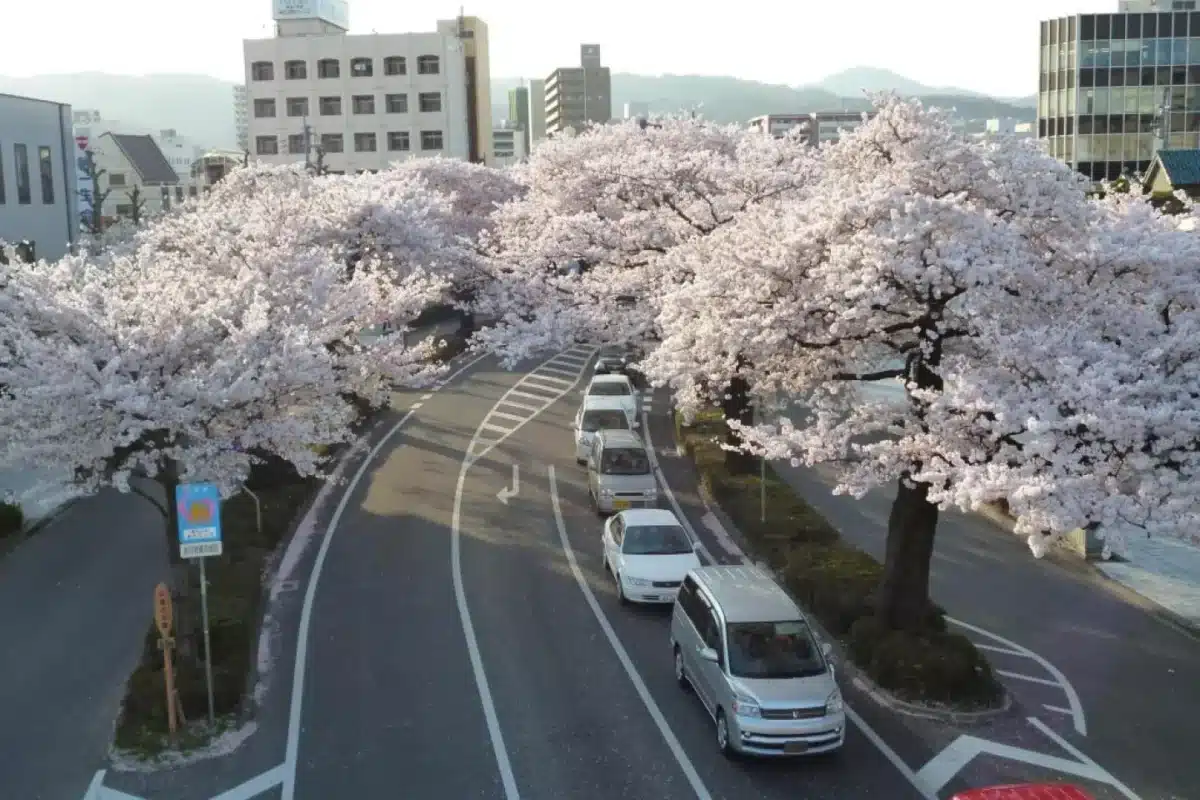
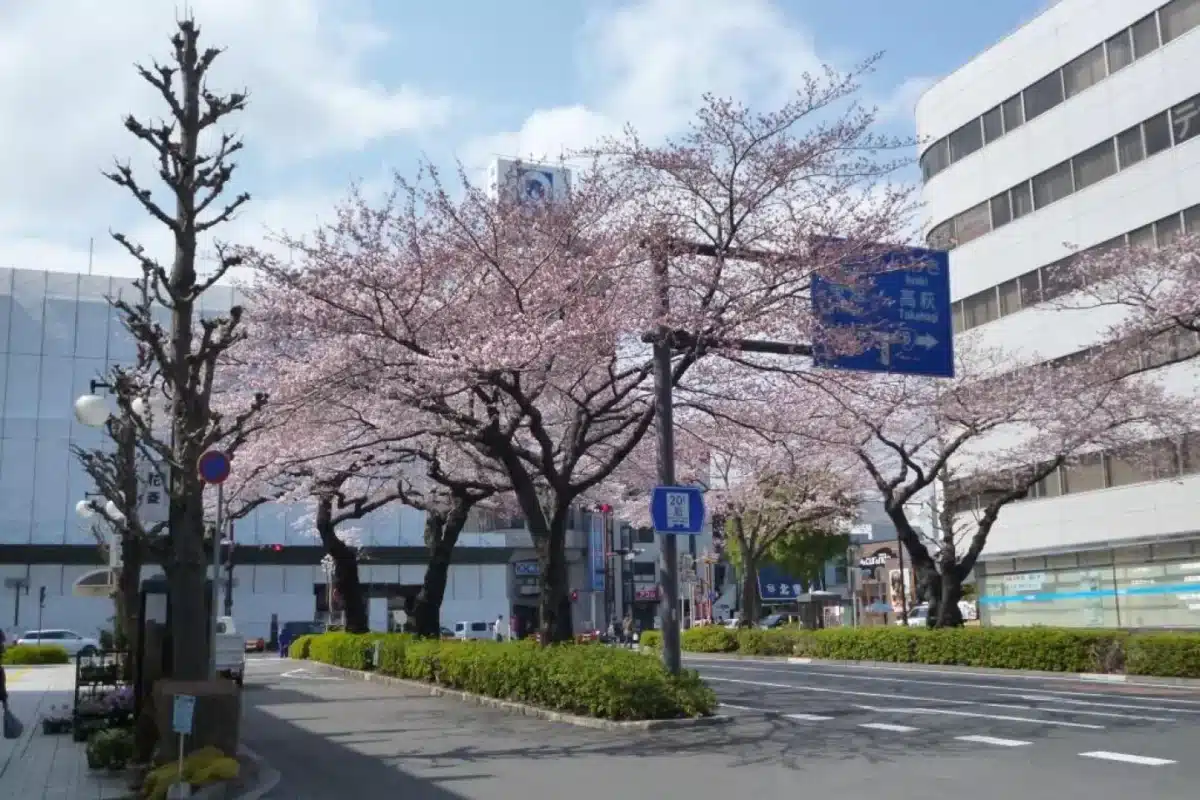
Hitachi City hosts the Sakura Matsuri Cherry Blossom festival every year around early to mid spring, celebrating the arrival of spring when cherry trees blossom and marking the end of winter. As soon as you arrive into Hitachi City Station it is connected to the main road Heiwa Dori Peace Street lined with hundreds of cherry trees on both sides of the road.
Heiwa Dori was chosen by the Japanese Cherry Blossom Association as one of the 100 famous cherry blossom places in Japan. There are reportedly 4000 cherry trees in Hitachi city area, with as many as 120 Somei Yoshino cherry trees planted across one kilometer on Heiwa Dori alone, transforming into an amazing cherry blossom tunnel. During the festival period Heiwa Dori, Kamine Park and Juo Panoramic Park are illuminated at night with paper lanterns and LED lights creating a magical illumination.
At the peak of the festival the road becomes pedestrianized and there are many food, games and drink stalls available. You can try many traditional festival foods such as candy apple, chocolate banana, takoyaki octmodel balls, yakisoba fried noodles, and many different types of yakitori sticks grilled meats.
Enjoy Your Event Stress-Free with Japan Travelo
Do you know? Planning events, festivals, concerts, and cultural experiences in Japan can be overwhelming. Japan Travelo brings everything together in one place, helping you manage your itinerary, transport, and accommodation with ease—so you can enjoy Japan without the stress of planning.
The highlight is a parade of the Hitachi Furyu-mono portable shrine and puppet theatre. The float is pulled by ropes and measures around 15 meters high and 8 meters wide and weighs about 5 tons. This is registered as part of UNESCO cultural heritage for the preservation of Hitachi’s performing arts. Each of four local communities, Kita-machi, Higashi-machi, Nishi-machi and Hon-machi, creates a parade float that serves at once as a space to worship a deity and as a multi-level puppet theatre where three to five masters manipulate ropes controlling a single puppet as musicians provide accompaniment.
The Japanese sometimes suggest they have something in common with the British because both are island nations, sharing enthusiasm for talking about weather, and Hitachi’s festival embodies Japan’s pride in having four clearly marked seasons.
Event dates
Event Dates: Early – Mid April 2027 (Dates TBD)
Typical Schedule Based on Previous Editions:
Festival Period: The Hitachi Cherry Blossom Festival is held every year from April 1st to the 20th based on recent editions, lasting approximately three weeks to coincide with blooming of Somei Yoshino trees. The period covers early to mid April with peak bloom usually in first two weeks.
Daily Hours: Heiwa Dori cherry blossom tunnel is accessible 24 hours as public road. Food and game stalls operate from 10:00 AM to 9:00 PM daily during festival. Pedestrianization of Heiwa Dori occurs on weekends and peak days from 10:00 AM to 8:00 PM.
Illumination Schedule: Heiwa Dori, Kamine Park, and Juo Panoramic Park are illuminated at night from sunset around 6:00 PM to 10:00 PM throughout festival period. Paper lantern illumination creates magical evening atmosphere.
Furyumono Parade Schedule: The Hitachi Furyumono parade is held during peak bloom period, typically on a weekend in early to mid April. Recent editions held parade on two days, usually Saturday and Sunday, from 11:00 AM to 4:00 PM with puppet performances at intervals along Heiwa Dori.
Stage Events: Local dance and music performances at Hitachi Civic Center New Town Square near finish line of Heiwa Dori on weekends from 11:00 AM to 5:00 PM.
Please note final dates and illumination times are announced by Hitachi City and Hitachi Sakura Matsuri Executive Committee.
Visiting this event? Don’t miss out on these amazing activities and local experiences while you’re here.
Venue & exhibition site
Primary Venue: Heiwa Dori Peace Street, Hitachi City, Ibaraki Prefecture 317-0073, Japan. Heiwa Dori is the street extending west from the central exit of JR Hitachi Station, running approximately one kilometer with cherry trees on both sides forming cherry blossom tunnel. It is selected as one of Japan’s top 100 cherry blossom spots and is Hitachi’s prettiest street dedicated to symbolizing struggle for peace in post-war world.
Secondary Venues:
Kamine Park: Hilltop park above Hitachi City containing Kamine Zoo, amusement facilities, and cherry groves with approximately 1000 cherry trees. Located approximately 15 minutes walk or 5 minutes bus from Heiwa Dori. Illuminated at night during festival with paper lanterns.
Juo Panoramic Park: Hilltop park in Juo district offering panoramic views of Pacific Ocean and cherry blossoms, illuminated at night. Located approximately 20 minutes by car from central Hitachi.
Hitachi Civic Center New Town Square: Finish line area for Heiwa Dori events, near start line at station, hosting stage performances and main information booth.
Hitachi Station Seaside Station: Designed by architect Kazuyo Sejima, seamlessly blending with Pacific Ocean landscape through transparent glass structure, serving as gateway to festival.
Exhibition Areas: Temporary exhibition tents along Heiwa Dori display local crafts, history of Hitachi Furyumono, and cherry blossom photography.
Full event programme
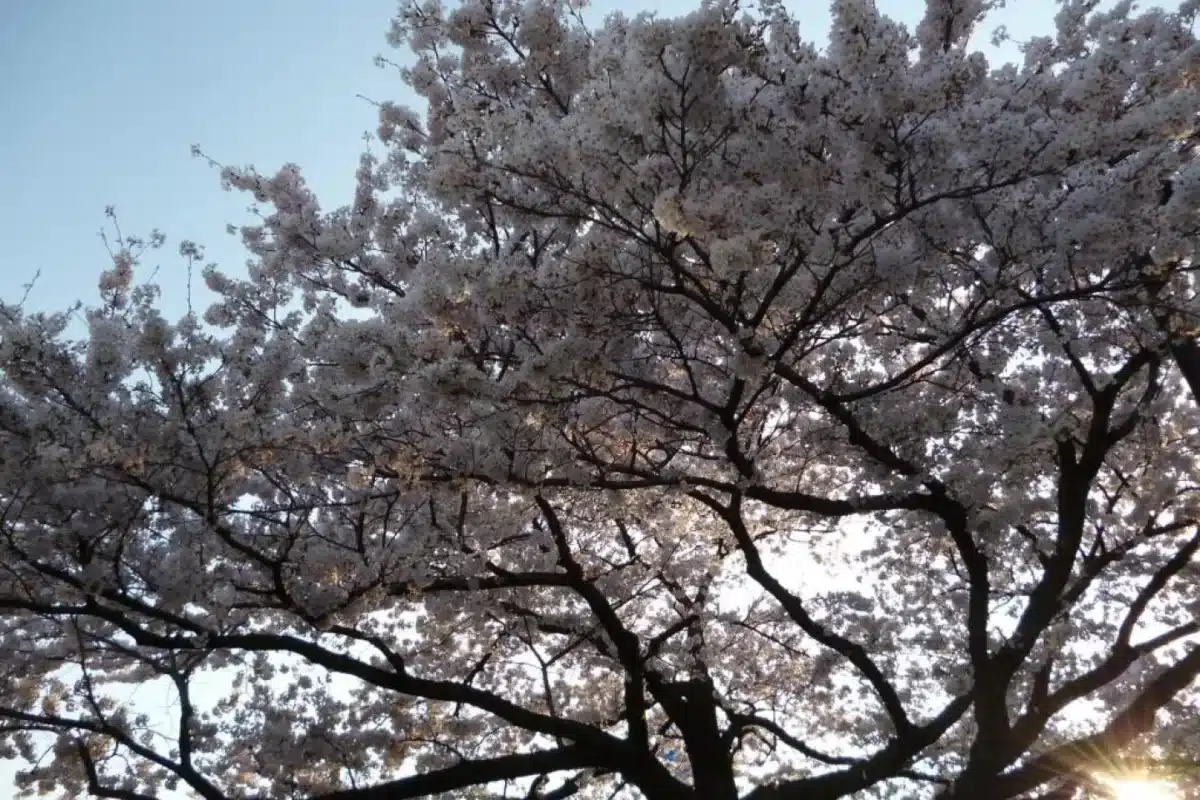
Cherry Blossom Tunnel Walk: Continuous viewing of Heiwa Dori’s approximately one kilometer long cherry blossom tunnel with 120 Somei Yoshino trees. The street transforms into amazing tunnel when in full bloom, with petals forming pink canopy.
Night Illumination: Heiwa Dori, Kamine Park, and Juo Panoramic Park are decorated with lights and paper lanterns from sunset to 10:00 PM, allowing romantic evening hanami. The illumination of Heiwa Dori is particularly famous, with trees lit from below.
Hitachi Furyumono Parade: UNESCO Intangible Cultural Heritage parade featuring colossal floats. Each of four local communities, Kita-machi, Higashi-machi, Nishi-machi and Hom-machi, creates a parade float that serves as space to worship deity and multi-level puppet theatre. Float measures around 15 meters high, 8 meters wide, weighs about 5 tons, pulled by ropes by community members. Float opens up to reveal five levels of mechanical puppets enacting scenes from historical stories and Edo period tales. Three to five masters manipulate ropes controlling single puppet as musicians provide accompaniment. Parade held during cherry blossom festival each April and once every seven years in May during Great Festival at Kamine Shrine.
Food and Game Stalls: Traditional festival foods including candy apple for approximately 3 USD, chocolate banana for approximately 2 USD, takoyaki for approximately 4 USD, yakisoba for approximately 5 USD, yakitori sticks for approximately 3 USD to 5 USD, plus shooting games and lottery games for approximately 2 USD to 4 USD.
Stage Performances: Local school brass bands, traditional dance groups, and folk music performances at Civic Center square.
Pedestrian Paradise: At peak, Heiwa Dori becomes pedestrianized, allowing visitors to walk freely under cherry trees, take photos, and enjoy picnic atmosphere.
Featured companies & exhibitors
Hitachi Furyumono Preservation Societies: Four community preservation associations, Kita-machi, Higashi-machi, Nishi-machi, Hom-machi, each exhibiting their float and puppet theatre traditions. Association for Preservation of Hitachi Hometown Performing Arts coordinates.
Local Food Vendors: Local companies and family-run stalls selling festival foods including Hitachi area yakitori shops, takoyaki vendors, and confectionery makers selling candy apples and chocolate bananas.
Hitachi City Tourism Association: Information booth providing maps, cherry blossom forecasts, and history of Heiwa Dori and Kamine Park.
Ibaraki Craft Exhibitors: Artisans selling Hitachi local crafts including Hitachi cedar crafts, cherry wood crafts, and handmade paper.
Kamine Park and Zoo Exhibitors: Kamine Zoo and amusement park staff providing information on park facilities and conservation efforts.
Sakura Photography Exhibitors: Local photographers exhibiting cherry blossom photography contests and selling prints.
Hitachi Civic Center Partners: Local businesses sponsoring illumination and stage events, including Hitachi Ltd. related companies with historical ties to city.
Agriculture & environmental sectors
Cherry Tree Cultivation: Hitachi City area maintains approximately 4000 cherry trees, primarily Somei Yoshino variety, with additional varieties including Yamazakura and Shidarezakura in Kamine Park and Juo Park. Trees are maintained by Hitachi City Parks Department with annual pruning, disease prevention, and replanting programs.
Peace Street Symbolism: Heiwa Dori Peace Street was named to symbolize struggle for peace in post-war world, reflecting environmental and peace education sectors. Cherry trees were planted as symbols of renewal after war.
Ibaraki Agriculture: Ibaraki Prefecture is major agricultural producer. Festival food stalls feature local products including Hitachi beef, lotus root from nearby Kasumigaura, and Ibaraki melons. Dried sweet potato hoshi-imo, specialty of Ibaraki, sold as snack for approximately 5 USD.
Coastal Environment: Hitachi’s location on Pacific coast influences climate for cherry blooming. Seaside station designed by Kazuyo Sejima emphasizes harmony with ocean landscape, showcasing sustainable architecture.
Park Ecology: Kamine Park and Juo Panoramic Park serve as urban green spaces preserving local flora and fauna, including small zoo with conservation programs. Illumination uses energy-efficient LED and paper lanterns to reduce light pollution.
Sustainability in Festival: Organizers promote waste separation at food stalls, reusable chopsticks, and use of biodegradable plates.
Products, technologies & innovations
Furyumono Float Technology: The 15 meter high, 8 meter wide, 5 ton float incorporates Edo period mechanical engineering. Float splits vertically to become stage for puppet theater, then rotates to show different levels. Puppets are Karakuri mechanical puppets controlled by ropes, requiring three to five masters per puppet. This technology dates back to Edo period and is preserved as intangible heritage.
Illumination Technology: Modern LED lighting combined with traditional paper chochin lanterns illuminates Heiwa Dori and parks. Lights are positioned to highlight cherry blossom canopy without damaging trees, using low-heat LEDs and timed shutoff at 10:00 PM to protect nocturnal wildlife.
Cherry Blossom Forecast Technology: Hitachi City uses temperature monitoring and AI-based bloom prediction to announce peak bloom and adjust festival pedestrianization schedule. Forecasts published via city website and social media.
Seaside Station Architecture: Hitachi Station, designed by architect Kazuyo Sejima, uses transparent glass structure to blend with Pacific Ocean, employing earthquake-resistant glass technology and natural ventilation to reduce energy use.
Food Stall Innovations: Some stalls use smokeless yakitori grills and energy-efficient fryers to reduce emissions during festival.
Digital Information: QR codes along Heiwa Dori provide multilingual information on cherry varieties, Furyumono history, and UNESCO heritage details.
Demonstrations & workshops
Hitachi Furyumono Puppet Demonstrations: At Hitachi Civic Center New Town Square, masters demonstrate Karakuri puppet manipulation, showing how three to five operators control single puppet via ropes. Visitors can see close-up of mechanical puppets enacting historical stories. Demonstrations held hourly during parade days.
Cherry Blossom Photography Workshops: Local photographers offer free short workshops on capturing cherry blossom tunnel, night illumination photography, and petal close-ups, held near Heiwa Dori information booth on weekends.
Traditional Dance Demonstrations: Local folk dance groups perform under cherry trees and invite visitors to join simple Bon Odori style dances.
Food Making Demonstrations: Vendors demonstrate making of candy apples, chocolate bananas, and takoyaki, with opportunity for children to try under supervision for small fee of approximately 3 USD to 5 USD.
Origami and Craft Workshops: Volunteers at Kamine Park offer origami workshops making cherry blossom origami for approximately 2 USD to 3 USD material fee.
Peace Education Talks: Short talks at Civic Center about history of Heiwa Dori Peace Street and its symbolism for post-war peace, held daily at 11:00 AM and 2:00 PM.
Ticket types & registration
General Admission: Viewing of Heiwa Dori cherry blossom tunnel, night illumination, and food stalls is free and open to all, no ticket required. Heiwa Dori is public road accessible 24 hours.
Furyumono Parade Viewing: Watching Hitachi Furyumono parade along Heiwa Dori is free, no registration required. Good viewing spots fill early, arriving one hour before parade start recommended.
Kamine Park Admission: Kamine Park entry is free, but Kamine Zoo admission costs approximately 3 USD to 4 USD for adults and 1 USD to 2 USD for children based on previous editions. Amusement rides in park cost approximately 2 USD to 4 USD per ride.
Juo Panoramic Park: Entry to Juo Panoramic Park is free. Parking fee of approximately 2 USD to 3 USD may apply.
Workshops: Most workshops are free, some craft workshops require material fee of 2 USD to 5 USD paid on site.
Group Registration: Groups of 20 or more can register for guided walking tours of Heiwa Dori and Furyumono explanation via Hitachi City Tourism Association for approximately 10 USD to 15 USD per group.
Photography Contest: Entry to official sakura photography contest is free, registration via Hitachi City website during festival period.
Professional & trade visitor access
Cultural Heritage Professionals: Researchers and professionals studying UNESCO Intangible Cultural Heritage Yama Hoko Yatai float festivals can request special access to Furyumono floats and preservation society archives via Association for Preservation of Hitachi Hometown Performing Arts. Contact required several weeks in advance.
Media Access: Press and media can obtain press passes for elevated photography positions during Furyumono parade and night illumination via Hitachi City Tourism Division. Tripods allowed in designated media areas.
Horticultural Professionals: Arborists and landscape professionals can request information on maintenance of 4000 cherry trees, including pruning techniques for Somei Yoshino along urban street, via Hitachi City Parks Department.
Tourism Trade: Travel agents and tour operators can request familiarization tours including guided Heiwa Dori walk, Kamine Park visit, and Furyumono explanation with English speaking guides for approximately 15 USD to 25 USD per group via Ibaraki Prefecture tourism.
Food Vendors: Local food vendors interested in operating stalls during pedestrianized days must apply to Hitachi Sakura Matsuri Executive Committee several months in advance, with health certification required.
Academic Access: Researchers studying peace street symbolism and post-war urban planning can access archives at Hitachi City Library and Civic Center.
Exhibition halls & floor plan
Outdoor Exhibition Hall: The festival is primarily outdoor, with Heiwa Dori serving as one kilometer long linear exhibition hall.
Heiwa Dori Layout: Starting at JR Hitachi Station central exit, street extends west with cherry trees on both sides forming tunnel. Approximately 120 trees over one kilometer. Food stalls line both sides during pedestrianized periods. Information booth at station exit and near Civic Center finish line. Stage area at Civic Center New Town Square near finish line.
Kamine Park Layout: Hilltop park with zoo in center, amusement area to north, cherry groves to south and east, observation deck offering views of Hitachi City and Pacific Ocean. Illumination focuses on cherry groves near zoo entrance and central promenade.
Juo Panoramic Park Layout: Hilltop park with panoramic observation deck, cherry groves around perimeter, parking area at lower level, walking paths connecting.
Civic Center Square: Open square at west end of Heiwa Dori serving as event stage, information center, and finish line for cherry blossom marathon fun run events that sometimes coincide.
Facilities: Portable toilets placed at both ends of Heiwa Dori and in Kamine Park. First aid station at Civic Center. Souvenir shops near station.
Sustainability & environmental initiatives
Cherry Tree Preservation: Hitachi City maintains 4000 cherry trees with regular health checks, pruning by certified arborists, and replanting program replacing aging trees with same Somei Yoshino variety to preserve tunnel effect. Diseased trees treated organically where possible.
Peace Street Concept: Heiwa Dori’s name and cherry planting symbolize post-war peace and renewal, promoting environmental peace education. School children participate in tree planting.
Waste Management: Food stalls required to separate waste into burnable, recyclable, and plastic categories. Organizers provide recycling bins along Heiwa Dori and promote use of reusable chopsticks and plates.
Energy Efficient Illumination: Night illumination uses LED lights with low energy consumption and timed shutoff at 10:00 PM to reduce light pollution and protect wildlife in Kamine Park and Juo Park.
Public Transport Promotion: Festival encourages use of JR Joban Line to Hitachi Station, as Heiwa Dori is directly connected to station, reducing car use. Temporary bicycle parking provided.
Local Sourcing: Food stalls encouraged to source ingredients from Ibaraki Prefecture, including Hitachi beef, local vegetables, and Ibaraki melons, reducing food miles.
UNESCO Heritage Preservation: Revenue from tourism supports preservation of Hitachi Furyumono floats and Karakuri puppet techniques, with community involvement ensuring everyone who wishes to participate can, administered by general agreement of local residents.
Event rules
Cherry Blossom Viewing Etiquette: Do not pull branches, pick blossoms, or climb trees. Stay on sidewalks during non-pedestrianized hours and on designated walking areas during pedestrianization. Do not place ladders or tripods that block passage.
Photography: Personal photography allowed. Commercial photography requires permission from Hitachi City. Do not use flash that disturbs other visitors during night illumination. Drone use prohibited over Heiwa Dori and parks during festival.
Food and Drink: Eating and drinking allowed in designated rest areas and while walking during pedestrianized periods. Dispose of trash in provided bins. Alcohol allowed in designated stall areas only.
Smoking: Smoking prohibited on Heiwa Dori during pedestrianized hours and in Kamine Park cherry grove areas. Use designated smoking areas near station.
Pets: Pets allowed on leash on Heiwa Dori but not in Kamine Zoo. Clean up after pets.
Furyumono Parade Viewing: Do not cross rope barriers around floats. Follow instructions from preservation society members pulling floats. Keep children close as floats weigh 5 tons and are pulled by ropes.
Noise: Keep voices low during puppet theatre performances to allow music and narration to be heard.
Litter: Carry trash to bins. Do not leave picnic sheets overnight.
How to get there
By Train: Take JR Joban Line from Ueno Station in Tokyo to Hitachi Station, approximately 90 to 110 minutes by Limited Express Hitachi, cost approximately 25 USD to 35 USD one way. From Mito, approximately 60 minutes, cost approximately 10 USD to 15 USD. Heiwa Dori is directly connected to main road from central exit of JR Hitachi Station, zero minutes walk.
From Tokyo Station: Direct Hitachi limited express from Tokyo Station or Ueno Station to Hitachi Station. Suica and PASMO accepted for local trains, limited express requires additional ticket.
By Bus: Highway buses from Tokyo Station Yaesu Exit to Hitachi Station run several times daily, approximately 2.5 to 3 hours, cost approximately 20 USD to 30 USD.
By Car: Take Joban Expressway to Hitachi-Chuo Interchange or Hitachi-Minami-Ota Interchange, then Route 6 to Hitachi Station area. Drive from Tokyo is approximately 2 to 2.5 hours. Parking during festival is limited and pedestrianization closes Heiwa Dori to cars on peak days. Use parking at Hitachi Station or Civic Center with fee approximately 3 USD to 5 USD per day.
Within Hitachi: From Hitachi Station to Kamine Park, take Ibaraki Kotsu bus number 2 or 5 to Kamine Park entrance, approximately 10 minutes, cost approximately 2 USD, or walk 20 minutes uphill.
Public transport & parking
Public Transport:
Train: JR Joban Line is main access. Hitachi Station is directly connected to Heiwa Dori. Trains run every 20 to 30 minutes for local and hourly for limited express. Temporary extra trains may operate on peak weekends.
Bus: Ibaraki Kotsu buses from Hitachi Station to Kamine Park, Juo Panoramic Park, and other city areas. Day pass available for approximately 4 USD to 6 USD.
Shuttle: During peak pedestrianized days, free shuttle bus may operate between Hitachi Station, Kamine Park, and Juo Park.
Parking:
Hitachi Station Area Parking: Coin parking lots near station with capacity of 200 to 300 cars, fee approximately 2 USD to 3 USD per hour, all-day maximum approximately 7 USD to 10 USD, fills early on weekends.
Civic Center Parking: Parking at Hitachi Civic Center New Town Square, approximately 100 spaces, fee approximately 2 USD to 3 USD per hour.
Kamine Park Parking: Parking at Kamine Park with approximately 150 spaces, fee approximately 2 USD to 3 USD per day, with additional temporary parking on festival days.
Juo Panoramic Park Parking: Parking at Juo Park with approximately 100 spaces, fee approximately 2 USD to 3 USD.
Traffic Advice: Public transport strongly recommended on weekends due to pedestrianization of Heiwa Dori and limited parking. Road congestion around station area is heavy during peak bloom.
Accommodation areas
Hitachi Station Area: Business hotels such as Hotel Crown Hills Hitachi, Hotel Select Inn Hitachi, and APA Hotel Hitachi Ekimae offer rooms for approximately 60 USD to 100 USD per night and are within walking distance to Heiwa Dori illumination.
Kamine Park Area: Hotels near Kamine Park including Hotel Kamine and Okura Frontier Hotel Hitachi offer rooms for approximately 70 USD to 120 USD per night with some offering views of cherry blossoms.
Juo Area: Ryokans and hotels near Juo Panoramic Park including Juo Onsen area ryokans offer rooms with hot springs for approximately 80 USD to 130 USD per night.
Mito and Tokai Area: Hotels in Mito City, approximately 60 minutes by train, offer alternative with more availability, rooms for approximately 60 USD to 110 USD.
Budget Options: Guesthouses and hostels in Hitachi such as Hitachi Guest House charge approximately 30 USD to 50 USD per night.
Seaside Hotels: Hotels along Hitachi coast including Seaside Hotel Katsura offer ocean and cherry views for approximately 80 USD to 120 USD.
Early booking recommended as festival coincides with spring travel season and cherry blossom peak.
Accessibility
Heiwa Dori: Heiwa Dori is flat, paved, and wheelchair accessible, directly connected to Hitachi Station with no steps. During pedestrianized periods, road is closed to cars, providing ample space for wheelchairs. Accessible restrooms at Hitachi Station and Civic Center.
Kamine Park: Kamine Park has slopes and some stairs. Main promenade and zoo entrance are wheelchair accessible with assistance, but some hillside cherry grove paths are steep. Wheelchair rental available at Kamine Park office free of charge based on previous editions.
Juo Panoramic Park: Panoramic park has accessible observation deck via ramp, but some walking paths have slopes.
Transport: Hitachi Station has elevators and accessible platforms. Ibaraki Kotsu buses include low-floor accessible buses on main routes to Kamine Park.
Viewing: Best wheelchair viewing for Heiwa Dori tunnel is from station end with flat access and benches for rest. Night illumination viewing from station side avoids steep slopes.
Services: English maps available at Hitachi Station tourist information. Service dogs allowed throughout festival.
Previous year’s highlights
2026 Festival Highlights: The 2026 Hitachi Cherry Blossom Festival featured Heiwa Dori’s one kilometer tunnel with 120 Somei Yoshino trees in full bloom, attracting large crowds for pedestrianized walk. Night illumination of Heiwa Dori, Kamine Park, and Juo Panoramic Park from sunset to 10:00 PM created magical atmosphere with paper lanterns.
Hitachi Furyumono Parade: The UNESCO Intangible Cultural Heritage parade was held on peak weekend, with four community floats, each 15 meters high, 8 meters wide, 5 tons, parading down Heiwa Dori and performing Karakuri puppet theatre shows with five levels of mechanical puppets enacting historical stories. Three to five masters manipulated ropes per puppet with musical accompaniment. Crowds gathered along Heiwa Dori for impressive spectacle.
Food and Games: Traditional festival foods including candy apple, chocolate banana, takoyaki, yakisoba, and yakitori sticks were popular, with stalls lining pedestrianized Heiwa Dori. Shooting games and lottery games attracted families.
Community Participation: The festival involved everyone who wishes to participate, administered by general agreement of local residents, with community members pulling floats by ropes and performing puppet shows.
Photography: The cherry blossom tunnel and Furyumono floats provided highly photographed scenes, with many visitors posting images of Heiwa Dori illuminated at night and colossal floats opening to reveal puppet stages.
Official tickets & registration
General Viewing: No ticket required for Heiwa Dori cherry blossom tunnel viewing, night illumination, food stalls, and Furyumono parade viewing along public road. Free access maintained as community festival.
Kamine Park and Zoo: Kamine Park entry free, Kamine Zoo tickets can be purchased at zoo gate, approximately 3 USD to 4 USD for adults and 1 USD to 2 USD for children, no advance reservation.
Juo Panoramic Park: Free entry, parking fee paid at lot.
Workshops: Most workshops free, some craft workshops require on-site registration and small material fee of 2 USD to 5 USD paid at workshop tent near Civic Center.
Photography Contest: Free entry, registration via Hitachi City website during festival period, with categories for Heiwa Dori tunnel, night illumination, and Furyumono.
Group Tours: Groups of 20 or more can register for guided tours via Hitachi City Tourism Association website, with English guide available for additional fee of approximately 15 USD to 25 USD per group.
Official Website URL as text: https://en.japantravel.com/ibaraki/hitachi-shi-sakura-matsuri/1492
Hitachi City Official Tourism URL as text: https://www.city.hitachi.lg.jp/
Ibaraki Prefecture Tourism Official URL as text: https://www.ibarakiguide.jp/
Location Address as text: Heiwa Dori, Saiwai-cho and Kamine-cho, Hitachi City, Ibaraki Prefecture 317-0073, Japan. Connected to JR Hitachi Station central exit.
Phone Number as text: 0294-24-7978 Hitachi City Tourism Association
Video
Location
FAQ
Do I need tickets to view the Heiwa Dori cherry blossom tunnel and night illumination?
No tickets are required for viewing Heiwa Dori's one kilometer tunnel with 120 Somei Yoshino trees, as it is a public road directly connected to Hitachi Station. Night illumination of Heiwa Dori, Kamine Park, and Juo Panoramic Park is also free from sunset to ten at night. Food stalls and Furyumono parade viewing along public road are free, making it accessible for all visitors.
What is Hitachi Furyumono and why is it designated as UNESCO heritage?
Hitachi Furyumono is a parade of colossal floats measuring fifteen meters high, eight meters wide, weighing five tons, each created by four local communities as both a space to worship a deity and a multi-level puppet theatre. Three to five masters manipulate ropes controlling a single Karakuri mechanical puppet as musicians provide accompaniment, with floats splitting vertically to become stages. It was inscribed in 2009 as part of Yama Hoko Yatai float festivals representing Japan's intangible cultural heritage.
How do I get to Heiwa Dori from Tokyo and where should I stay?
Take JR Joban Line Limited Express Hitachi from Ueno or Tokyo Station to Hitachi Station, about ninety to one hundred ten minutes, with Heiwa Dori directly connected to central exit of station. Business hotels near Hitachi Station such as Hotel Crown Hills and APA Hotel offer rooms for sixty to one hundred dollars per night within walking distance. Public transport is strongly recommended due to limited parking and pedestrianization on peak days.
Is the festival suitable for families with children and what activities are available?
The festival is very family friendly with Kamine Park offering zoo, amusement rides, and cherry groves with illumination, plus food stalls selling candy apples and games. Children enjoy watching Furyumono mechanical puppet shows and participating in origami workshops making cherry blossom crafts. Heiwa Dori's flat paved road is stroller accessible and pedestrianized sections provide safe walking under cherry trees.
What local foods should I try during the Hitachi Cherry Blossom Festival?
Try traditional festival foods from stalls along pedestrianized Heiwa Dori including candy apple, chocolate banana, takoyaki octmodel balls, yakisoba fried noodles, and various yakitori grilled meat sticks. Ibaraki specialties include Hitachi beef, lotus root, and dried sweet potatoes hoshi-imo sold as snacks. Nearby restaurants serve Hitachi ramen and seafood from Pacific coast, with meals costing seven to twelve dollars.

Leave a Reply