
Overview
The Kanamara Matsuri or Festival of the Steel Phallus is one of the most unusual festivals in Japan. Held annually at the Kanayama Shrine in Kawasaki, the event is centered around the male and female reproductive organs. Not surprisingly, it draws a huge crowd, with the majority clearly foreigners who flock from all corners of the world to gawk and giggle at this unique event. The penis, the central theme of the event, is reflected in illustrations, candy, carved vegetables, decorations, and a mikoshi portable shrine parade.
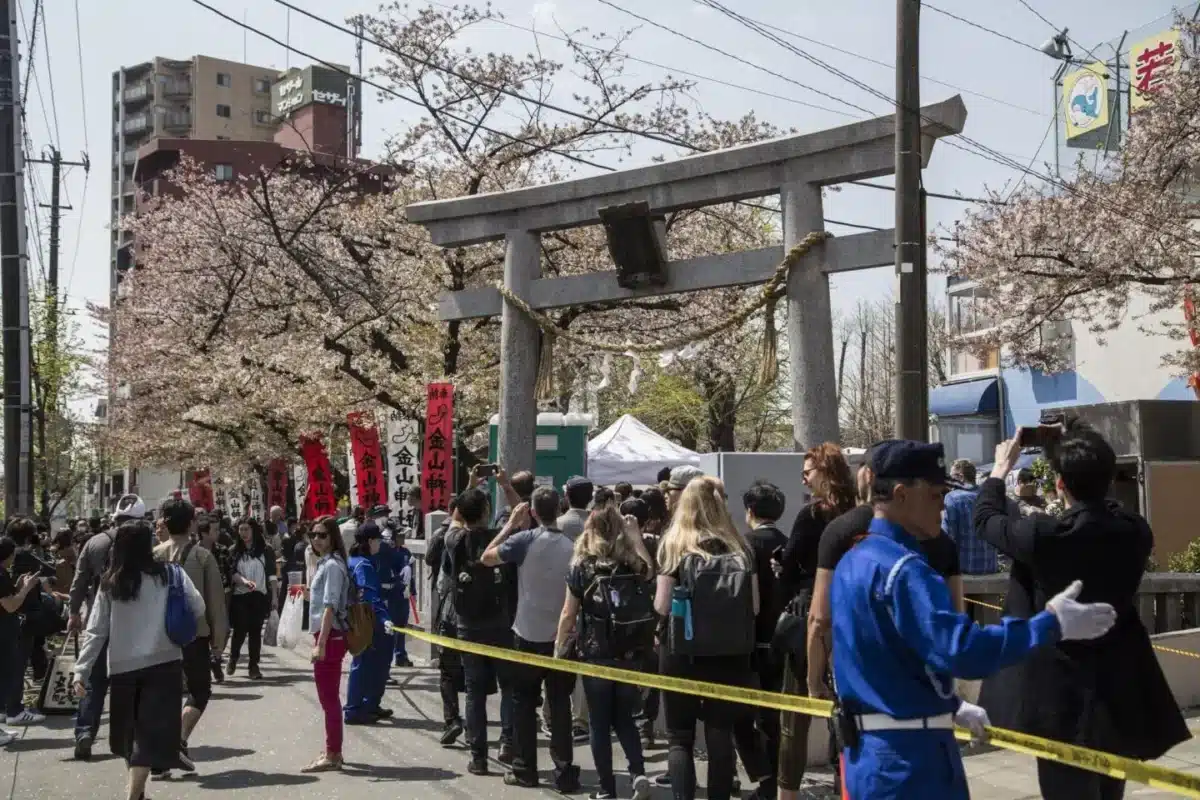
Report from 2012: I heard about this festival many years ago but was finally able to take some time off work to go this year. As expected, when we arrived at about 1pm, the place was packed. It was hard to move anywhere around the small area without being bumped or shoved. We decided to first line up to buy the infamous penis and vagina candy and ended up queuing for about half an hour to get these novelties, a few desperate people even cut in line. Proceeds are donated to fund HIV research.
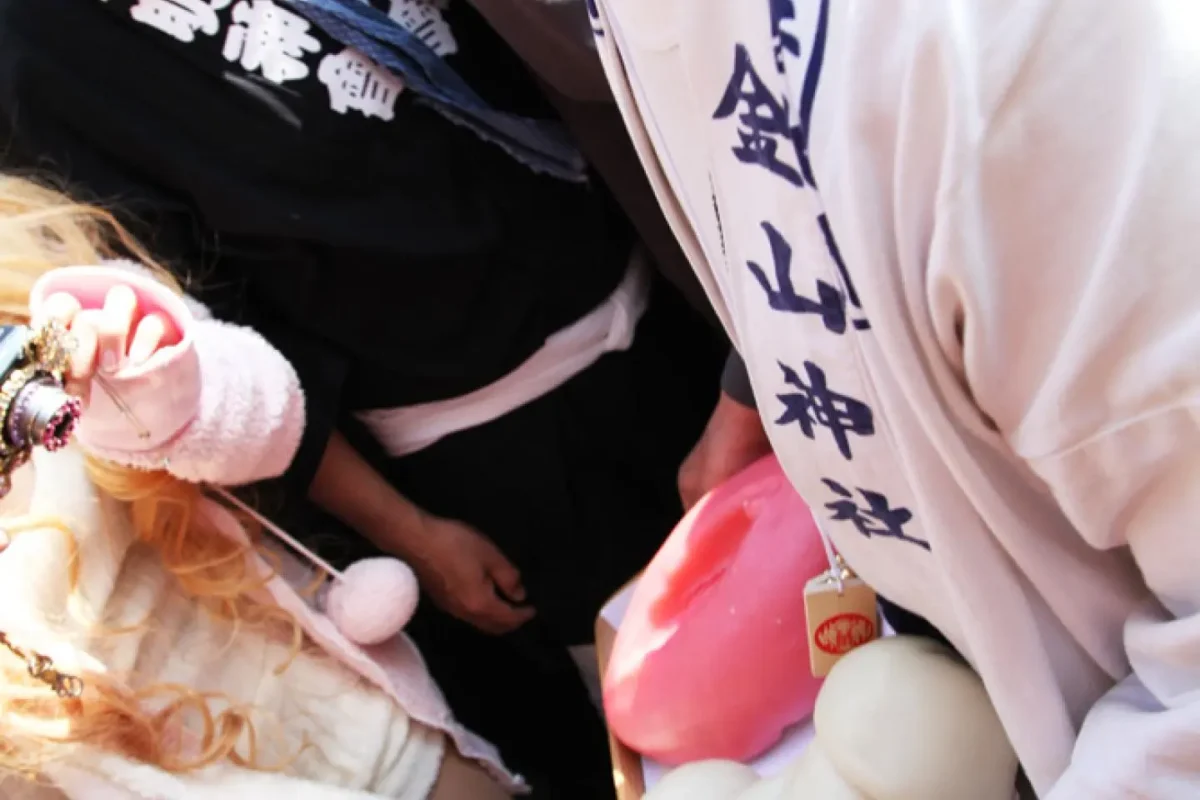
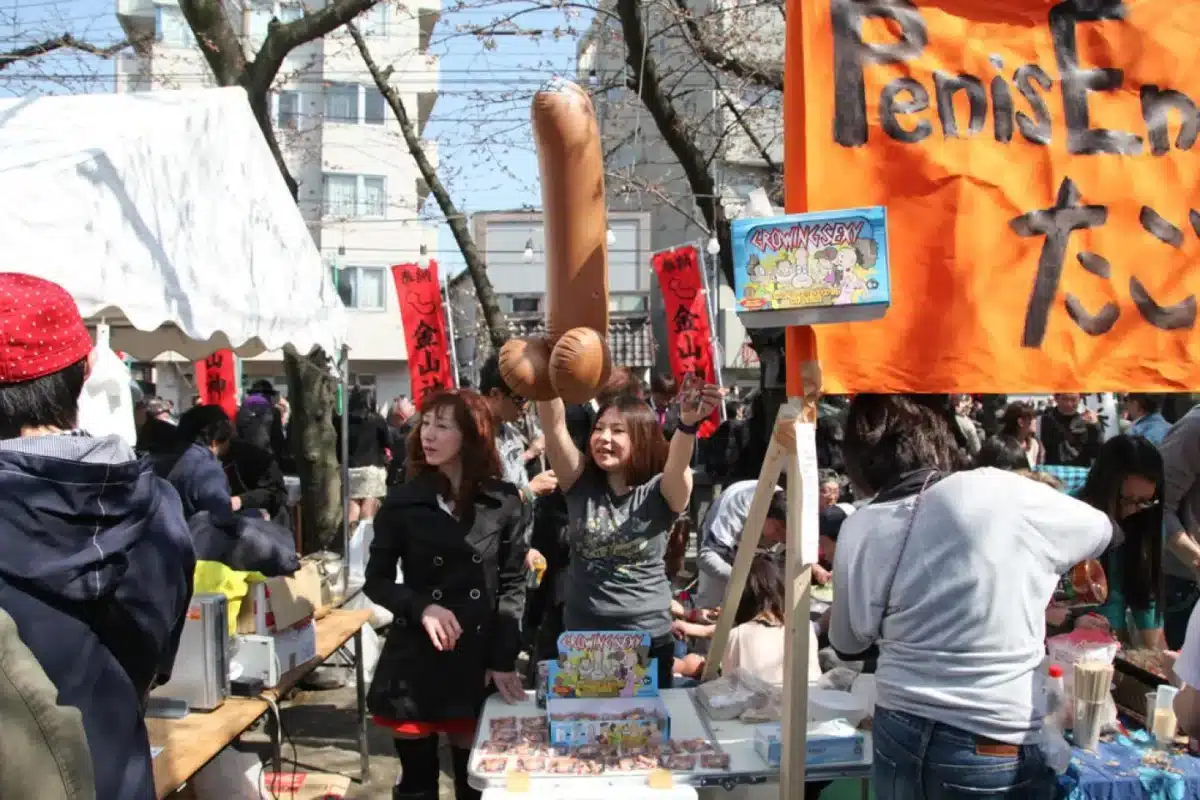
Around the festival, there were plenty of food stalls, several of which sold sex-related ornaments. There were t-shirts for sale emblazoned with penis and some raunchier messages. There was no shortage of photo opportunities, as people wearing funny sexual objects on their heads, guys wearing elaborate full-latex outfits, a man wearing a cat costume, an old man carrying a penis and vagina made out of mochi rice, some transsexuals enjoying hanami under the cherry blossoms, and plenty of people sucking on genitalia lollipops.
Enjoy Your Event Stress-Free with Japan Travelo
Do you know? Planning events, festivals, concerts, and cultural experiences in Japan can be overwhelming. Japan Travelo brings everything together in one place, helping you manage your itinerary, transport, and accommodation with ease—so you can enjoy Japan without the stress of planning.
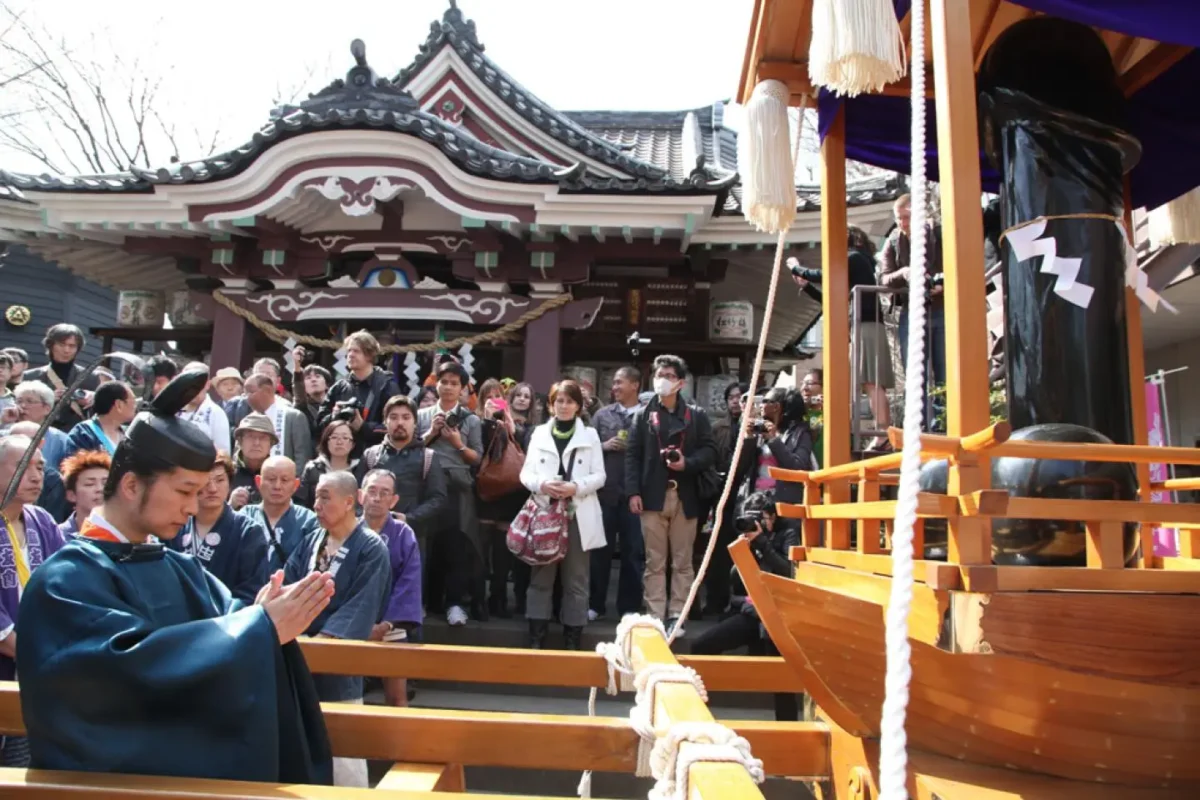
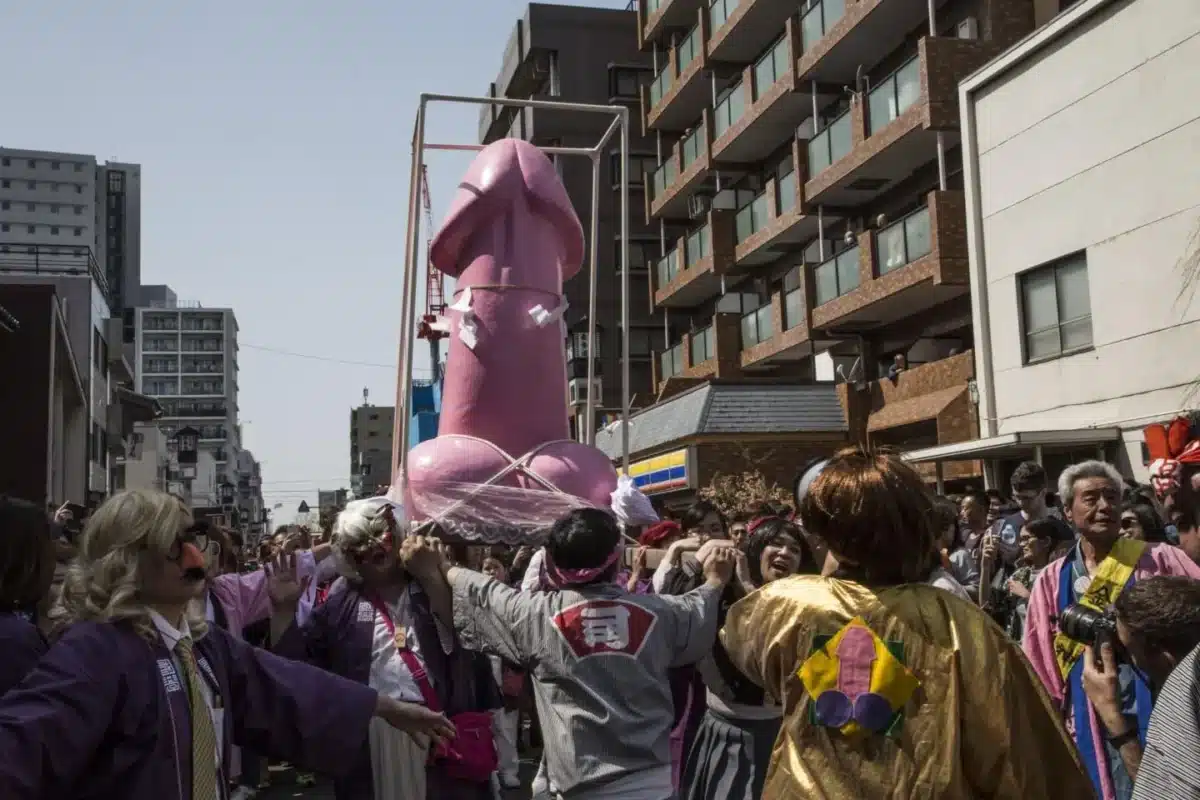
The main attractions were the iron penis mikoshis which were carried into the main shrine. A priest sends prayers to the heavens and everyone follows his lead. Kanamara was once popular among prostitutes who wished to protect themselves from sexually transmitted diseases. The parade starts around 12pm and moves from Kanayama Shrine along Daishisando before reaching Kawasaki Daishi Temple. The iconic pink penis, named Elizabeth, was donated by a drag queen club called Elizabeth.
After the parade returns to Kanayama Shrine, you may want to take a 10-minute walk to Kawasaki-Daishi Temple, which is similar to Asakusa. There are plenty of stalls and shops to keep you entertained. Overall, it was a fun, interesting festival, though extremely crowded and a pain walking around with people constantly bumping into you.
Cultural Significance & Origins
The origins of Kanamara Matsuri date back to the Edo period between 1603 and 1868. According to legend, the festival originated to give homage to the Shinto deity of fertility and childbirth, Kanayago-hime, enshrined within the Kanayama Shrine in Kawasaki. Historically, sex workers visited this shrine to pray for protection against STIs and for the gift of fertility.
Kanayama Shrine was founded to enshrine the god of blacksmiths. Kanayamahiko and Kanayamahime, gods of mining and blacksmithing, are the two deities enshrined at the shrine. Kanayamahiko no Mikoto is associated with blacksmithing, fertility, and safe childbirth. The shrine is a small shrine in Kawasaki’s Daishi district dedicated to deities of metalworking and by extension protection of lower body.
During Edo period, Kawasaki was a prosperous lodging town along the Tokaido, the main road connecting Edo eastern capital former name of Tokyo to Kyoto. There was a history of Jibe Matsuri, a festival in which women who lived at the Kawasaki Inn, prostitutes, prayed for protection against sexually transmitted diseases and for business prosperity, which became prototype for today’s Kanamara Matsuri. Prostitutes who worked in lodges around Kawasaki-juku Station during Edo Period came to offer prayers at shrine to protect themselves from sexually transmitted diseases. These were roots of what eventually became Kanamara Matsuri.
While festival may seem unconventional to outsiders, it holds significant cultural and historical significance within context of Japanese society. Today shrine is associated with prayers for fertility, safe childbirth, marital harmony, protection against sexually transmitted diseases, and even HIV STI awareness. The festival raises significant funds for HIV research, with proceeds from candy sales donated.
The name Kanamara literally means iron penis in Japanese, with kana meaning iron and mara being one word for penis. Kanamara Matsuri is quite literally penis festival.
Traditions, Rituals & Customs
The festival follows traditional Shinto ritual structure combined with modern celebratory customs.
Phallic Worship Tradition: The penis, central theme, is reflected in illustrations, candy, carved vegetables, decorations, and mikoshi parade. Worship of phallus symbolizes prayers for fertility, safe childbirth, marital harmony, and protection against diseases.
Mikoshi Portable Shrine Parade: Centerpiece is parade of three phallic-shaped mikoshi carried through streets to Kanayama Shrine. Three primary mikoshi are paraded:
Kanamara Mikoshi: Houses wooden phallus and is oldest of three, made of wood with steel centerpiece, known as Kanamara Omikoshi.
Kanayama Boat Mikoshi: Features black iron phallus and has boat-shaped base, contains phallus made of black iron, donated by company Hitachi Zosen, shaped like boat, known as Kanamara Fune Mikoshi.
Elizabeth Mikoshi: Showcases large pink phallus and was donated by cross-dressing club Elizabeth Kaikan in Asakusabashi, Tokyo drag queen club called Elizabeth, named after local drag club. Showcases pink shaft and is symbol of festival, most photographed float, carried by men in drag.
Priestly Prayers: Priest sends prayers to heavens and everyone follows his lead. Mikoshis are carried into main shrine where priest performs blessing ritual.
Candy Tradition: Infamous penis and vagina candy sold for approximately 4 USD each, with proceeds donated to fund HIV research. Queues of about half an hour common. Also genitalia lollipops and carved vegetable phalluses.
Drag Participation: Men in drag carry pink Elizabeth Mikoshi, donated by drag queen club, celebrating LGBTQ+ community and inclusivity, with cross-dressing club members leading parade.
Mochi Penis Tradition: Old man carrying penis and vagina made out of mochi rice is traditional offering.
What to Expect at the Festival
Expect extremely crowded, festive, and humorous atmosphere with strong international presence.
As expected, when you arrive around 1pm, place is packed. It is hard to move anywhere around small area without being bumped or shoved. Small area around Kanayama Shrine becomes extremely dense with visitors, majority clearly foreigners who flock from all corners of world to gawk and giggle.
Around festival, there are plenty of food stalls, several of which sell sex-related ornaments. There are t-shirts for sale emblazoned with penis and some raunchier messages. There is no shortage of photo opportunities, as people wearing funny sexual objects on heads, guys wearing elaborate full-latex outfits, man wearing cat costume, old man carrying penis and vagina made out of mochi rice, some transsexuals enjoying hanami under cherry-blossoms, and plenty of people sucking on genitalia lollipops.
Main attractions are iron penis mikoshis which are carried into main shrine. Parade starts around 12pm and moves from Kanayama Shrine along Daishisando before reaching Kawasaki Daishi Temple. Parade typically begins around noon and winds through streets near Kawasaki Daishi station, accompanied by taiko drums, chanting, and enormous crowds.
You will see three famous phallic mikoshi carried through streets by groups of energetic participants while crowds cheer and take photos. Most famous is giant pink Elizabeth Mikoshi, which has become festival’s modern icon thanks to bright color and playful appearance, carried by local LGBTQ+ community. Alongside it, you will see traditional wooden Kanamara Omikoshi and iron Kanamara Fune Mikoshi, each with own symbolism and history.
After parade returns to Kanayama Shrine, you may want to take 10-minute walk to Kawasaki-Daishi Temple, which is similar to Asakusa, with plenty of stalls and shops.
Date & Schedule
Event Dates: Early April 2027 (Dates TBD)
Typical Schedule Based on Previous Editions:
Morning Preparation:
10:00 AM: Festivities begin at Kanayama Shrine with food stalls opening and candy sales starting. Shrine grounds open for prayers for fertility, safe childbirth, and protection against STIs. Purchase of infamous penis and vagina candy begins, with queues forming early.
Midday Main Events:
12:00 PM: Parade starts from Kanayama Shrine. Three primary mikoshi including Kanamara Mikoshi wooden, Kanayama Boat Mikoshi black iron, and Elizabeth Mikoshi pink, depart shrine and move along Daishisando street toward Kawasaki Daishi Temple. Mikoshis carried by groups of men in traditional fundoshi loincloths and drag queens for Elizabeth. Parade accompanied by taiko drums and chanting.
12:00 PM to 1:30 PM: Parade procession through streets near Kawasaki Daishi station. Crowds cheer, take photos, and follow mikoshis. Parade reaches Kawasaki Daishi Temple area before turning back.
Afternoon Blessing:
1:30 PM to 2:30 PM: Mikoshis return to Kanayama Shrine and are carried into main shrine. Priest sends prayers to heavens and everyone follows his lead, performing blessing for fertility, safe childbirth, and protection. Visitors can receive individual blessings.
2:30 PM to 4:00 PM: Continued festivities with food stalls, photo opportunities, people wearing funny sexual objects on heads, and hanami under cherry blossoms. Sales of t-shirts, ornaments, and genitalia lollipops continue.
4:00 PM to 5:00 PM: Festival winds down, stalls close.
Please note exact times are announced by Kanayama Shrine closer to event. Parade typically starts at 12:00 PM with festivities from 10:00 AM.
Visiting this event? Don’t miss out on these amazing activities and local experiences while you’re here.
Main Events & Programme
Candy and Novelty Sales: Purchase of infamous penis and vagina candy for approximately 4 USD each, with proceeds donated to fund HIV research. Queues of half an hour expected. Also genitalia lollipops, carved vegetables, chopstick holders, and stationery with phallic motifs.
Food Stall Area: Plenty of food stalls around shrine selling Japanese festival grub including yakisoba, takoyaki, yakitori, plus sex-related ornaments and t-shirts emblazoned with penis messages.
Mikoshi Parade: Highlight is parade of three famous phallic mikoshi, trio of outlandish erect phalluses carried on portable shrines. Standing up to be first in line is Kanamara Funamikoshi portable shrine that carries big black phallus forged from iron. Next comes Elizabeth Mikoshi, shrine carrying way larger than life pink plastic phallus, donated by drag queen club Elizabeth. Last comes Kanamara Omikoshi, shrine that houses wooden phallus. All mikoshi start and finish at Kanayama Shrine, moving along Daishisando to Kawasaki Daishi Temple.
Priestly Blessing Ceremony: After parade returns, priest at Kanayama Shrine performs Shinto blessing ritual, sending prayers to heavens. Everyone follows his lead, praying for fertility, easy childbirth, marital harmony, and protection against sexually transmitted diseases.
Photo Opportunities: No shortage of photo opportunities with people wearing funny sexual objects on heads, elaborate full-latex outfits, cat costumes, old man carrying mochi genitalia, and people sucking on genitalia lollipops. Transsexuals enjoying hanami under cherry blossoms add to inclusive atmosphere.
Kawasaki Daishi Temple Visit: After parade returns, 10-minute walk to Kawasaki Daishi Temple, similar to Asakusa with many stalls and shops.
Traditional Dress, Arts & Crafts
Fundoshi Loincloth: Male carriers of mikoshi wear traditional Japanese fundoshi loincloths, white cotton wrapped around lower body, symbolizing purity and connection to ancient fertility rites.
Drag Costumes: Carriers of Elizabeth Mikoshi wear elaborate drag costumes, colorful dresses, wigs, and makeup, celebrating LGBTQ+ community and representing Elizabeth Kaikan drag club. Some participants wear full-latex outfits or cat costumes for fun.
Mikoshi Craftsmanship: Three mikoshi demonstrate traditional Japanese mikoshi craftsmanship with wooden bases, lacquered finishes, and metal phallus sculptures. Kanamara Boat Mikoshi features boat-shaped base symbolizing voyage and prosperity. Black iron phallus forged by blacksmiths, wooden phallus carved from cypress.
Phallic Candy Craft: Penis and vagina candies are handmade with detailed shaping, colored pink and flesh tones, packaged as novelty sweets.
Carved Vegetables: Daikon radishes and other vegetables carved into phallic shapes as traditional offerings, showcasing vegetable carving craft.
Mochi Sculptures: Old man carrying penis and vagina made out of mochi rice demonstrates mochi sculpting tradition, with sticky rice shaped and colored.
T-shirt Art: T-shirts emblazoned with penis and raunchier messages feature bold graphic designs, sold as souvenirs.
Traditional Food & Local Specialties
Penis and Vagina Candy: Infamous candy shaped as genitalia sold for approximately 4 USD each, 600 yen previously, with proceeds donated to fund HIV research. Genitalia lollipops also sold.
Festival Food Stalls: Plenty of food stalls selling Japanese festival grub including takoyaki octmodel balls for approximately 4 USD, yakisoba fried noodles for approximately 5 USD, yakitori chicken skewers for approximately 3 USD, okonomiyaki for approximately 6 USD, and chocolate bananas for approximately 3 USD.
Kawasaki Local Foods: Kawasaki area near Daishi is known for Kuzu mochi, arrowroot mochi, and Daruma Senbei rice crackers sold near Kawasaki Daishi Temple for approximately 4 USD to 6 USD per pack.
Sex-related Ornaments Food: Some stalls sell sex-related food ornaments including penis-shaped sausages and vagina-shaped pastries as novelty items for approximately 4 USD to 5 USD.
Mochi Offerings: Old man carrying penis and vagina made out of mochi rice represents traditional offering of mochi to deities for fertility.
Cherry Blossom Snacks: As festival occurs during cherry blossom season, hanami snacks including sakura mochi and cherry blossom flavored candies sold for approximately 3 USD to 4 USD.
Location & Festival Areas
Primary Venue: Kanayama Shrine, 2-10-12 Daishi Ekimae, Kawasaki-ku, Kawasaki City, Kanagawa Prefecture 210-0802, Japan. Small shrine in Kawasaki’s Daishi district dedicated to deities of metalworking.
Festival Areas:
Kanayama Shrine Grounds: Small shrine courtyard where festivities begin, candy sales, priest blessings, and mikoshi departure and return. Extremely crowded during peak hours around 1pm.
Daishisando Street: Main parade route from Kanayama Shrine along Daishisando shopping street to Kawasaki Daishi Temple. Street lined with food stalls, souvenir shops, and crowds. Parade moves along this route with taiko drums and chanting.
Kawasaki Daishi Temple Area: Large temple similar to Asakusa, located 10-minute walk from Kanayama Shrine, with plenty of stalls and shops to keep you entertained. Temple approach called Nakamise with many souvenir and food shops. Serves as turnaround point for parade.
Kawasaki Daishi Station Area: Nearest station area with additional stalls and crowd gathering.
Surrounding Streets: Small area around shrine including cherry blossom trees where transsexuals enjoying hanami and visitors sucking on genitalia lollipops gather.
Getting to the Festival
By Train: Take Keikyu Daishi Line from Keikyu Kawasaki Station to Kawasaki Daishi Station, approximately 5 minutes, cost approximately 2 USD. From Kawasaki Daishi Station, walk approximately 3 minutes to Kanayama Shrine. From Tokyo, take JR Tokaido Line or Keihin Tohoku Line from Tokyo or Shinagawa to Kawasaki Station, approximately 20 minutes from Shinagawa, cost approximately 3 USD to 4 USD, then transfer to Keikyu Daishi Line at Keikyu Kawasaki Station.
From Yokohama: Take Keikyu Main Line from Yokohama to Keikyu Kawasaki, approximately 20 minutes, cost approximately 3 USD, then Daishi Line to Kawasaki Daishi.
On Foot: From Kawasaki Daishi Station, follow crowds along Daishisando shopping street directly to Kanayama Shrine, 3 minutes walk.
By Bus: Kawasaki City Bus from Kawasaki Station East Exit to Daishi bus stop, approximately 15 minutes, cost approximately 2 USD to 3 USD.
Parking: No parking at shrine. Use coin parking near Kawasaki Daishi Station for approximately 2 USD to 3 USD per hour, fills early due to huge crowd. Public transport strongly recommended.
Accessibility: Shrine grounds are small and become extremely crowded, making wheelchair movement difficult during peak hours around 1pm. Daishisando street is flat and paved but crowded. Early arrival recommended for accessibility.
Where to Stay Nearby
Kawasaki is between Tokyo and Yokohama, so many visitors stay in those cities.
Kawasaki Station Area: Hotels such as Hotel Metropolitan Kawasaki, Kawasaki Nikko Hotel, and Hotel Mystays Kawasaki offer rooms for approximately 70 USD to 120 USD per night and are convenient for train to Daishi.
Kawasaki Daishi Area: Small business hotels and ryokans such as Hotel New Koyo Kawasaki Daishi and Daishi Guest House offer rooms for approximately 50 USD to 80 USD per night and are within walking distance to shrine.
Yokohama Area: Hotels in Yokohama including Yokohama Bay Hotel Tokyu and APA Hotel Yokohama Bay Tower offer rooms for approximately 80 USD to 150 USD per night, 20 minutes train ride to Kawasaki Daishi.
Tokyo Area: Hotels in Tokyo including Shinagawa Prince Hotel and Haneda area hotels offer rooms for approximately 80 USD to 150 USD per night, 20 to 30 minutes to Kawasaki.
Budget Options: Hostels and guesthouses in Kawasaki and Tokyo including Kawasaki Hostel charge approximately 25 USD to 50 USD per night.
Early booking essential as festival draws huge crowd with majority foreigners from all corners of world, filling local hotels.
What Visitors Can Participate In
Mikoshi Carrying: Visitors, especially men, can volunteer to carry mikoshi, including Elizabeth Mikoshi carried by men in drag, with prior registration via Kanayama Shrine and Elizabeth Kaikan drag club. Requires wearing fundoshi or costume and being physically fit.
Candy Purchase: All visitors can line up to buy infamous penis and vagina candy for approximately 4 USD each, with proceeds donated to fund HIV research. Queuing for about half an hour expected, with few desperate people cutting line.
Food Stall Enjoyment: All visitors can enjoy plenty of food stalls with Japanese festival grub and sex-related ornaments.
Photo Opportunities: Visitors can take photos with people wearing funny sexual objects on heads, elaborate costumes, and sucking on genitalia lollipops. Wearing funny sexual objects on heads available for purchase and photo.
Priestly Blessing Participation: After mikoshis return, visitors can join priest’s prayers to heavens, following his lead for fertility, safe childbirth, and protection.
Hanami Under Cherry Blossoms: Visitors can enjoy hanami under cherry blossoms in shrine area and Daishi area, with transsexuals and other groups celebrating.
T-shirt Purchase: Visitors can buy t-shirts emblazoned with penis and raunchier messages as souvenirs for approximately 15 USD to 25 USD.
Kawasaki Daishi Temple Visit: After parade, visitors can take 10-minute walk to Kawasaki Daishi Temple similar to Asakusa, with plenty of stalls and shops.
Things to Do Before or After the Festival
Kawasaki Daishi Temple: Visit Kawasaki Daishi Heikenji Temple, one of most famous temples in Kanto region, similar to Asakusa with Nakamise shopping street full of stalls selling Kuzu mochi and Daruma Senbei, founded in 1128. Free entry, with large main hall and five-story pagoda.
Wakayama Shrine Area: Explore Wakayama district near Kanayama Shrine with small shrines and historic streets.
Kawasaki City Museum: Visit Kawasaki City Museum near Kawasaki Station with exhibits on local history including Tokaido road and Kawasaki-juku Station.
LAZONA Kawasaki Plaza: Large shopping mall near Kawasaki Station with shops and restaurants for approximately 5 USD to 15 USD per meal.
Yokohama Exploration: Take train to Yokohama for Chinatown, Minato Mirai waterfront, and Yamashita Park.
Tokyo Day Trip: As Kawasaki is between Tokyo and Yokohama, combine with Tokyo sightseeing including Asakusa, which is similar to Kawasaki Daishi Temple in atmosphere.
Local Food & Restaurants
During Festival: Plenty of food stalls in Kanayama Shrine area and Daishisando selling Japanese festival grub including yakisoba, takoyaki, yakitori, plus sex-related ornaments.
Kawasaki Daishi Temple Area: Nakamise shopping street leading to Kawasaki Daishi Temple offers many food shops selling Kuzu mochi arrowroot mochi for approximately 4 USD to 6 USD, Daruma Senbei rice crackers for approximately 3 USD to 5 USD, and Amezaiku candy sculptures.
Dobu? Actually Kawasaki Specialties: Kawasaki is known for Gyutan beef tongue and Horumon offal, with restaurants near Kawasaki Station serving grilled offal sets for approximately 8 USD to 12 USD.
Daishisando Restaurants: Restaurants along Daishisando serve ramen for approximately 7 USD to 9 USD, udon for approximately 6 USD to 8 USD, and teishoku set meals for approximately 8 USD to 12 USD.
Kawasaki Station Area: Wide range of restaurants including izakaya, sushi, and international cuisine for approximately 10 USD to 20 USD per person.
Cafes: Cafes near Kawasaki Daishi Station serve coffee and cakes for approximately 4 USD to 6 USD.
Convenience Stores: Lawson and FamilyMart near Kawasaki Daishi Station sell drinks and snacks for approximately 1 USD to 3 USD.
Ticket Information & Access
Festival Admission: Kanamara Matsuri is free to enter and watch, including shrine grounds, parade along Daishisando, and priest blessing. No ticket required for general participation.
Mikoshi Carrying: Carrying mikoshi is free for volunteers with prior registration via shrine, but requires own fundoshi or costume. Elizabeth Mikoshi carried by drag club members and volunteers.
Candy and Souvenirs: Infamous penis and vagina candy costs approximately 4 USD each, previously 600 yen each, proceeds donated to fund HIV research. Genitalia lollipops cost approximately 2 USD to 3 USD. T-shirts emblazoned with penis cost approximately 15 USD to 25 USD. Food stall items cost approximately 3 USD to 6 USD per item.
Kawasaki Daishi Temple: Entry to Kawasaki Daishi Temple is free, with food and souvenir stalls pay-as-you-go.
Parking: No official shrine parking. Coin parking near Kawasaki Daishi Station costs approximately 2 USD to 3 USD per hour.
Crowd Management: Place packed and hard to move anywhere around small area without being bumped or shoved, especially around 1pm. Arriving early around 10 AM recommended for better viewing.
Official Event Information
The festival is organized by Kanayama Shrine and Kanamara Matsuri Preservation Society with support from Kawasaki City.
Official Website URL as text: https://en.japantravel.com/kanagawa/kanamara-penis-festival/1318
Kanayama Shrine Official URL as text: https://kanayamajinja.com/
Kawasaki City Tourism Official URL as text: https://www.city.kawasaki.jp/
Kawasaki Daishi Temple Official URL as text: https://www.kawasakidaishi.com/
Location Address as text: Kanayama Shrine, 2-10-12 Daishi Ekimae, Kawasaki-ku, Kawasaki City, Kanagawa Prefecture 210-0802, Japan
Access Information: 3 minutes walk from Kawasaki Daishi Station on Keikyu Daishi Line. Parade moves from Kanayama Shrine along Daishisando before reaching Kawasaki Daishi Temple, 10-minute walk between shrine and temple.
Contact: Kanayama Shrine phone via website.
Video
Location
FAQ
Why is Kanamara Matsuri called Festival of the Steel Phallus and what does it celebrate?
Kanamara literally means iron penis in Japanese, with kana meaning iron and mara meaning penis, referring to black iron phallus in Kanayama Boat Mikoshi. Festival celebrates fertility, safe childbirth, marital harmony, and protection against sexually transmitted diseases, with roots in Edo period when prostitutes prayed at shrine for protection. Today it also raises awareness and funds for HIV research and celebrates LGBTQ+ inclusivity through Elizabeth Mikoshi donated by drag club.
Is the festival suitable for families and what should I expect regarding crowd and explicit content?
Festival is extremely crowded around small shrine area with hard to move without being bumped, especially around one pm, and features explicit phallic imagery including illustrations, candy, carved vegetables, decorations, and mikoshi parade. While atmosphere is fun and humorous rather than pornographic, with families and foreigners enjoying hanami under cherry blossoms, parents should consider explicit nature. Plenty of food stalls and photo opportunities exist, but crowd density can be overwhelming for small children.
What are the three mikoshi and which one is the most famous?
Three primary mikoshi are Kanamara Mikoshi housing wooden phallus and oldest, Kanayama Boat Mikoshi featuring black iron phallus with boat-shaped base donated by Hitachi Zosen, and Elizabeth Mikoshi showcasing large pink phallus donated by cross-dressing club Elizabeth Kaikan. Elizabeth Mikoshi is most famous and most photographed due to bold pink color, large size, and being carried by men in drag from local LGBTQ+ community, symbolizing festival's modern inclusive spirit.
How can I participate and do I need to purchase tickets for Kanamara Matsuri?
Festival is free to enter and watch with no tickets required for shrine grounds, parade along Daishisando, and priest blessings. Volunteers can register to carry mikoshi including Elizabeth with prior arrangement via shrine. Infamous penis and vagina candy costs about four dollars each with half hour queues, proceeds donated to HIV research, and food stalls cost three to six dollars per item. Arriving around ten am before noon parade start helps secure better viewing spots.
What else can I do in Kawasaki after the Kanamara Matsuri parade?
After parade returns to Kanayama Shrine, take ten-minute walk to Kawasaki Daishi Temple, similar to Asakusa with plenty of stalls and shops selling Kuzu mochi and Daruma Senbei. Explore Nakamise shopping street for souvenirs, visit LAZONA Kawasaki Plaza shopping mall near station, or take train to Yokohama for Chinatown and waterfront. Kanayama Shrine itself offers blessings for fertility and safe childbirth if you wish to receive individual prayers from priest.

Leave a Reply