
Overview
Beppu Summer Fireworks, known as Beppu Hanabi Taikai or Beppu Fireworks Festival, is the signature summer night spectacle of Beppu City in Oita Prefecture, Kyushu’s premier hot spring resort. Held at Beppu Spa Beach overlooking Beppu Bay and the Pacific Ocean, the festival combines traditional Japanese summer festival culture with a state-of-the-art fireworks display celebrated for its creativity and variety.
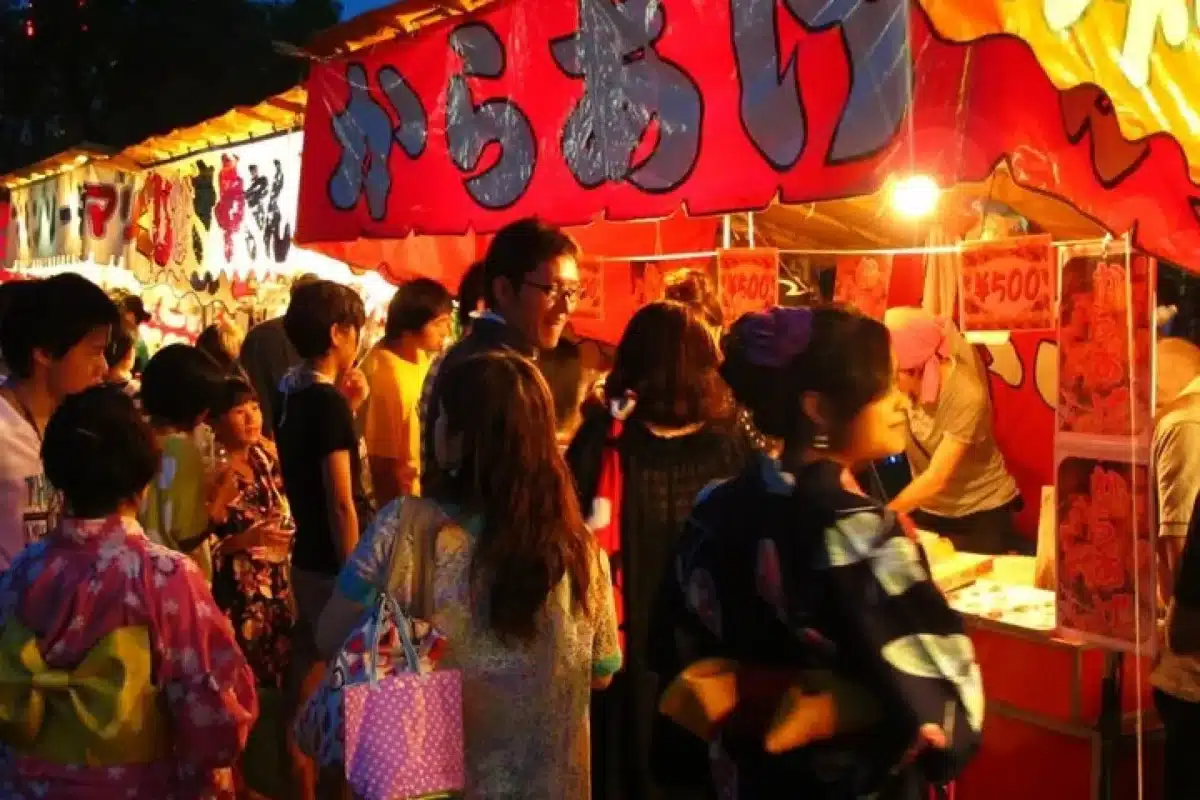
The event attracts thousands of people every year and transforms the beachfront into a vibrant fairground. Hundreds of colorful and varied stalls are set up in preparation for the fireworks, selling festival foods and drawing families dressed in yukata summer kimono who browse and form large queues for their favorite treats.
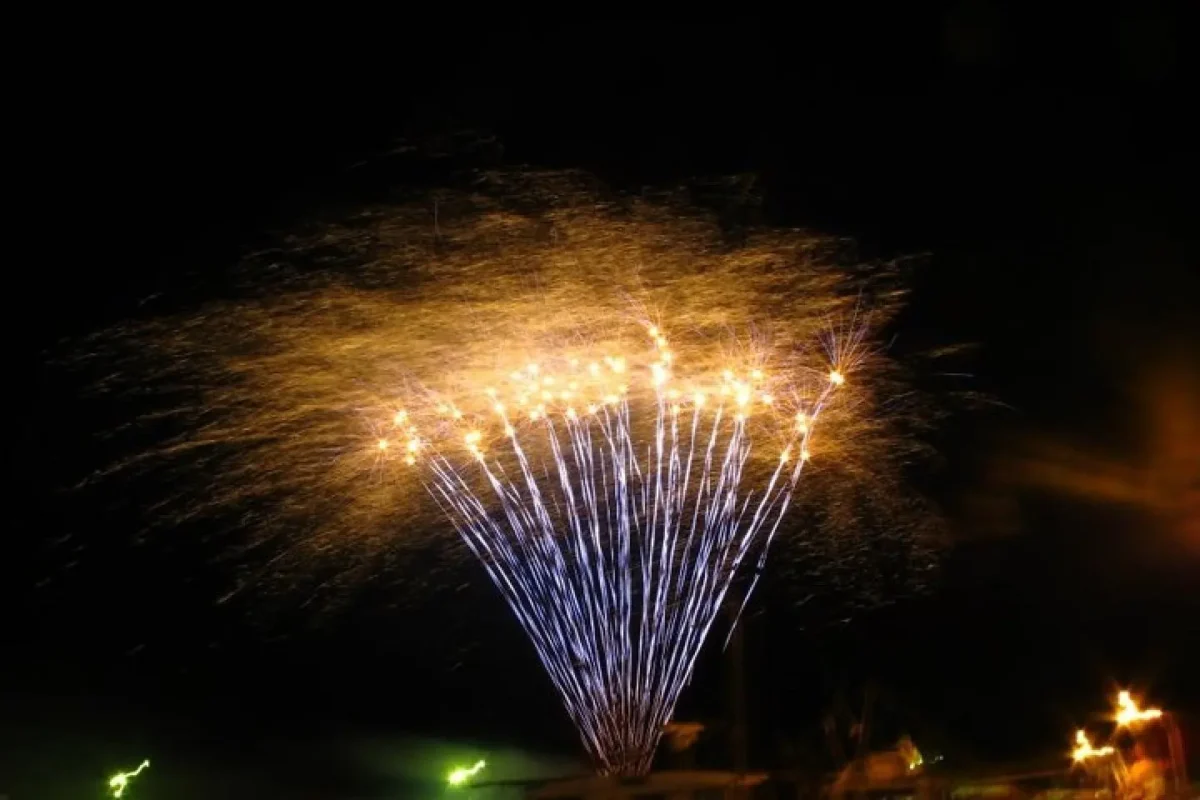
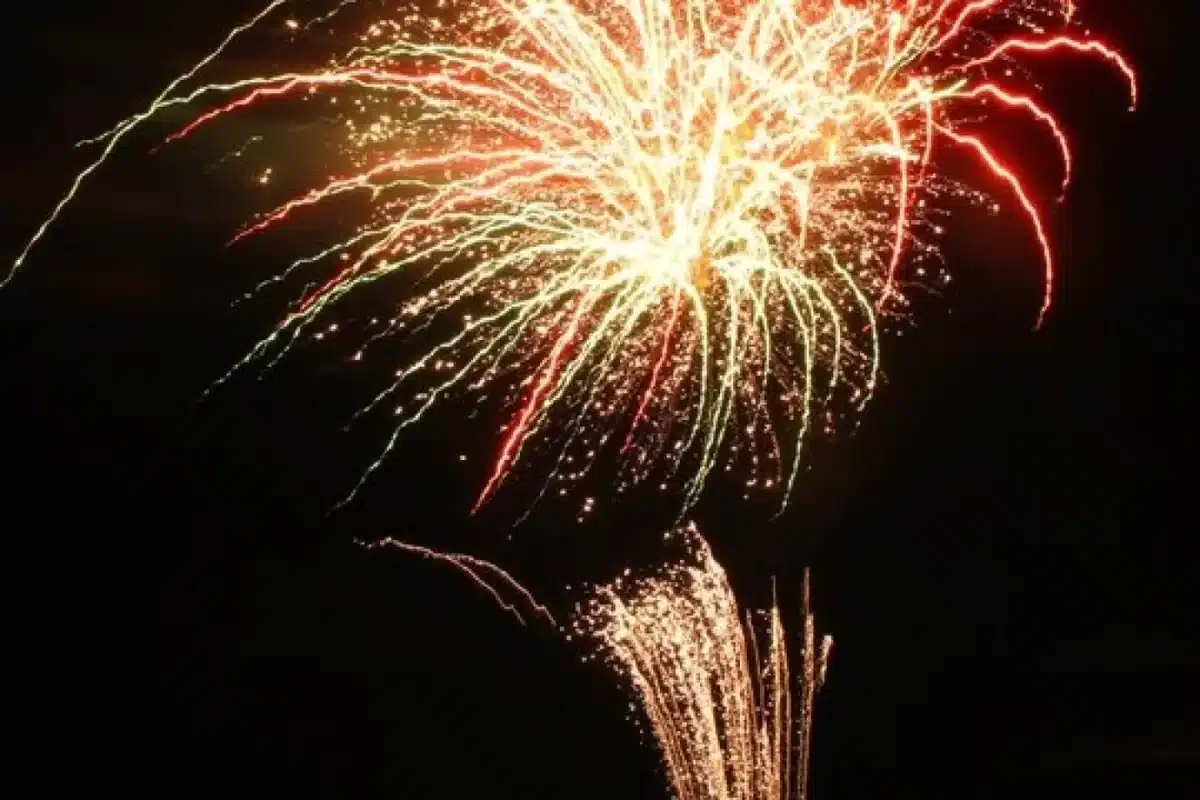
What makes it distinctive: The fireworks are renowned for light explosions of various shapes and sizes. For example, fireworks can form into the shape of an animal, cartoon character, or even Beppu’s famous hot springs logo. The display is choreographed as an art of light and music, with multi-colored bursts reflected in the calm sea.
Enjoy Your Event Stress-Free with Japan Travelo
Do you know? Planning events, festivals, concerts, and cultural experiences in Japan can be overwhelming. Japan Travelo brings everything together in one place, helping you manage your itinerary, transport, and accommodation with ease—so you can enjoy Japan without the stress of planning.
Dual experience: Beppu offers a uniquely local way to enjoy hanabi. Visitors have the option to dip into an outdoor hot spring pool and relax while watching the lights in the sky from afar, blending onsen culture with summer celebration.
Extended festival season: If the main event is not enough, Beppu offers yet another similar fireworks festival on the following weekend in the Kamegawa district by a small fishing port, giving a contrasting countryside atmosphere with fireworks launched from a large boat floating on the calm blue sea.
Cultural Significance & Origins
Fireworks festivals, or hanabi taikai, hold deep cultural meaning in Japan. The tradition dates back to 1732 when the shogun Tokugawa Yoshimune ordered fireworks along the Sumida River as part of a Buddhist memorial ritual called kawasegaki to mourn victims of famine and cholera and to ward off evil spirits. Over centuries, these memorial displays evolved into celebrations of summer, community resilience, and gratitude.
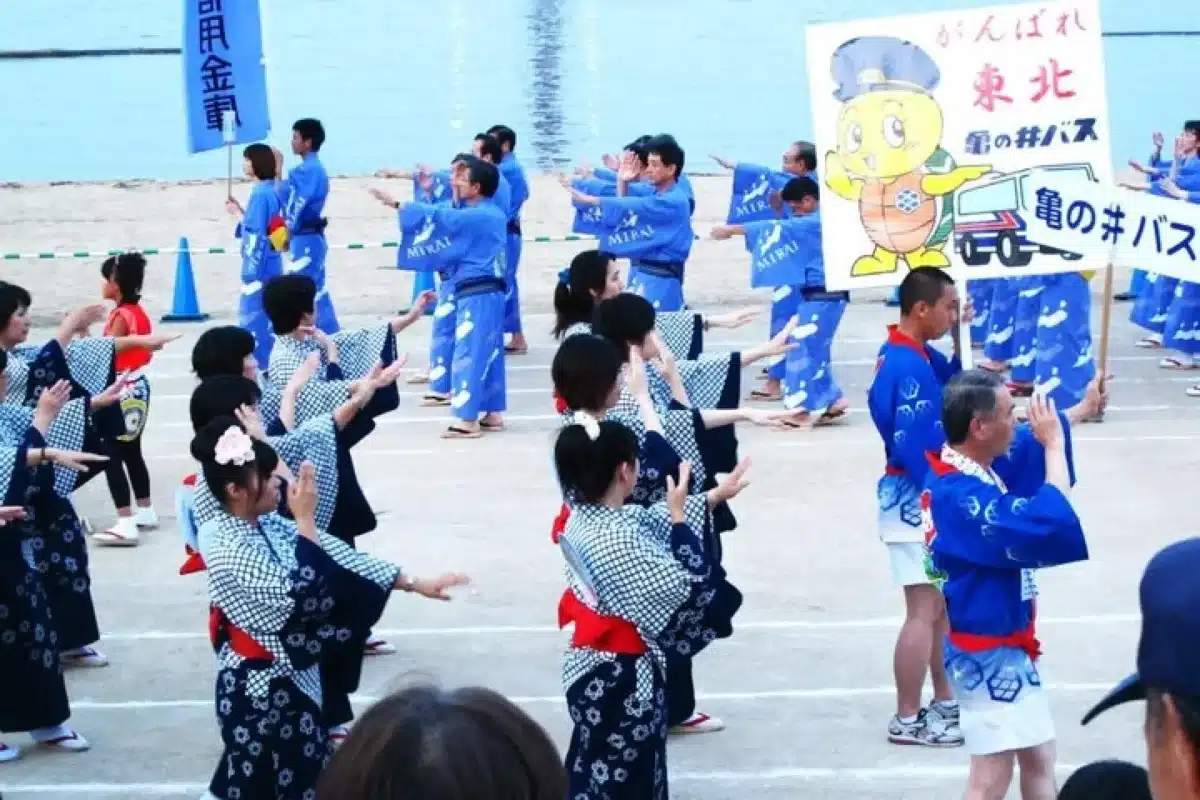
Onsen gratitude: In Beppu, the festival is tied to the city’s identity as the world’s second largest source of hot spring water. The event is part of the broader Beppu Noryo or summer cool-down festival season, where locals give thanks to the god of hot springs. Members of large companies and organizations gather on a stage by the sand to praise the god of hot springs in the form of a traditional dance known as Beppu Ondo or Noryo Ondo.
Community dance: The dance is not a performance for tourists alone. It is a participatory folk dance where locals in matching yukata move in elegant, repetitive motions to welcome summer and pray for health. The tradition is over several decades old and involves all eight major hot spring areas of Beppu, known as Beppu Hatto, including Beppu Onsen, Kankaiji, Kamegawa, Shibaseki, Kannawa, Myoban, Horita and Hamawaki.
Modern evolution: What began as a small local summer gathering has grown into one of the highlights of summer in Beppu, attracting visitors from across Kyushu while retaining its local character as a neighborhood celebration by the sea.
Traditions, Rituals & Customs
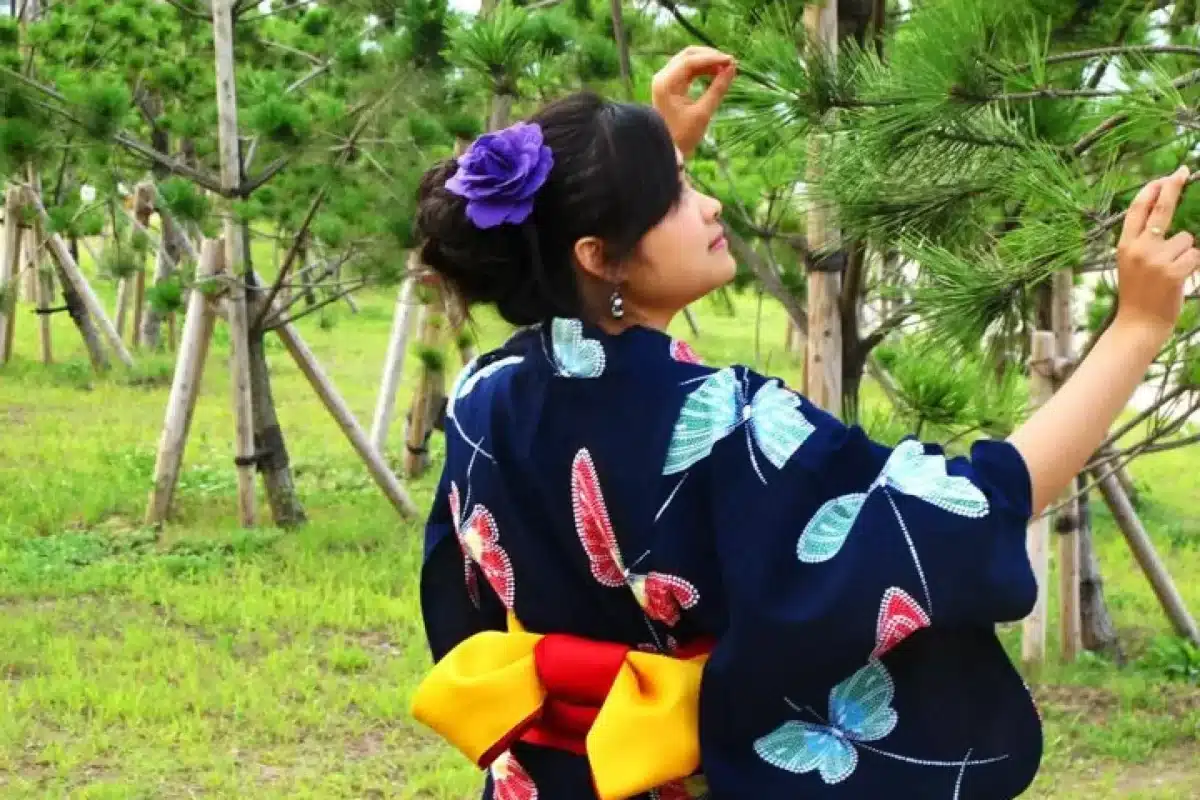
Yukata wearing: Wearing yukata summer kimono is a central custom. Families, couples, and groups of friends dress in light cotton kimono with geta sandals, browsing stalls and posing for photos against the beach sunset. The yukata tradition marks the transition to summer and adds color to the beachfront.
Stall browsing: Hundreds of yatai stalls selling festival foods are set up hours before the fireworks. Queuing, sharing food, and eating while walking in yukata is itself a ritual of Japanese summer festivals.
Onsen blessing dance: Before darkness falls, groups gather on a stage by the sand to perform the traditional hot spring blessing dance. The dance involves slow, graceful hand movements mimicking the flow of hot spring water and is performed to live taiko and folk music.
Beach spot securing: As darkness approaches, there is a collective rush to secure a good spot on the beach. Laying down blue plastic sheets to reserve space is a well-known Japanese festival custom, done with politeness and consideration for neighbors.
Onsen bathing during hanabi: A unique Beppu custom is watching fireworks while soaking in an outdoor hot spring pool. This practice merges two symbols of Japanese relaxation, onsen and hanabi, and is offered at nearby outdoor baths for a small fee.
What to Expect at the Festival
Expect a classic Japanese summer evening that is both lively and relaxed. Spa Beach, also known as Matogahama Park beach area, becomes a pedestrian paradise with ocean breezes, music, and the smell of grilled foods.
Afternoon fair: From afternoon onward, the beachfront is filled with stalls and families. People dressed in yukata browse hundreds of stalls, children carry cotton candy and apple candy, and the stage hosts continuous dance performances that go on and on until darkness falls.
Sunset transition: As the sun sets over Beppu Bay, the atmosphere shifts. Stage lights come on, dance music intensifies, and crowds begin to move toward the sand. You need to be quick on your feet to secure a good viewing spot because everyone will dash to get the best view.
Fireworks display: For the next hour you can relax and enjoy the brilliant multi-colored spectacle in the starlit sky. The display includes synchronized bursts, shape fireworks forming characters and logos, and a finale of large star-mines that illuminate the entire bay. The reflections in the water are breathtaking, especially during the Kamegawa edition where fireworks are launched from a boat.
Family-friendly crowd: The event is family-friendly, with many local families bringing small children who play with sparklers on the beach before the main show.
Date & Schedule
Event Dates: Late July 2027 (Dates TBD)
Typical schedule based on previous editions:
Annual timing: The festival is held annually on either the last weekend of July or first weekend of August. The 2027 edition is planned for Late July 2027, with the exact evening to be announced.
Afternoon: 3:00 PM to 6:00 PM stalls open, yukata browsing, stage preparations, hot spring blessing dance rehearsals.
Evening dance: 6:00 PM to 8:00 PM continuous traditional dance on stage by the sand, with participation open to visitors guided by locals in elegant movements.
Fireworks: Approximately 8:00 PM to 9:00 PM main fireworks display of around one hour, featuring shape fireworks including animal, cartoon character, and Beppu hot springs logo designs.
Extended edition: The following weekend, the Kamegawa Summer Festival and Fireworks is held at Kamegawa Fishery Port from 8:00 PM to 9:00 PM, launched from a large boat floating on the calm blue sea.
Visiting this event? Don’t miss out on these amazing activities and local experiences while you’re here.
Main Events & Programme
Hundreds of festival stalls: The main daytime program is the extensive yatai village. Stalls sell typical festival foods and provide seating on sand or grass, creating a beach picnic atmosphere.
Hot spring god dance: Members of large companies, onsen associations, and community groups gather on a stage by the sand to perform the traditional dance praising the god of hot springs. The dance is participatory, and locals will gladly guide visitors in the elegant movements.
Shape fireworks display: The headline program is the art of light and music fireworks show. The program includes small rapid-fire star bursts, medium chrysanthemum blooms, large shaku-dama shells, and special shape shells that form animals, characters, and the Beppu onsen logo in the sky.
Music synchronization: Fireworks are launched to a soundtrack of Japanese pop and traditional music, creating a narrative flow from gentle opening to dramatic finale.
Outdoor onsen viewing: A parallel program allows visitors to watch the fireworks from outdoor hot spring pools at nearby facilities, combining bathing and viewing for a small fee.
Kamegawa edition: The second weekend program at Kamegawa Port offers a more rural experience. Fireworks launched from a boat create perfect reflections in the water, and the fishing port setting gives a true sense of the Japanese countryside.
Traditional Dress, Arts & Crafts
Yukata and geta: The traditional dress is light cotton yukata with obi sashes and wooden geta sandals. Many shops in Beppu offer yukata rental sets for visitors, including dressing service, from 25 USD to 50 USD per set. The patterns often feature fireworks, waves, and hot spring motifs.
Dance costumes: Dance groups wear matching yukata with company or onsen district logos, creating colorful blocks on stage. The costumes are often custom-made each year.
Fireworks craftsmanship: The fireworks themselves are a traditional craft. Artisans from Kyushu pyrotechnic companies handcraft shells that form specific shapes, a technique requiring precise placement of stars inside the shell. The Beppu logo fireworks demonstrate local pride in craft.
Paper lanterns and fans: Stalls sell uchiwa fans with fireworks designs and paper lanterns that illuminate the beach, traditional summer crafts that help beat the heat.
Onsen crafts: Nearby shops sell bamboo crafts and onsen tamago boiled egg souvenirs that reflect Beppu’s hot spring culture.
Traditional Food & Local Specialties
Festival stall foods: The stalls sell typical festival foods including yakiniku grilled meat, takoyaki octopus balls, yakisoba fried noodles, crepes, apple candy, kakigori shaved ice covered in syrup, and cotton candy. Prices range from 3 USD to 8 USD per item.
Beppu specialties: Beyond standard matsuri food, Beppu is known for toriten chicken tempura, a local soul food served with mustard, and jigoku mushi hell-steamed cuisine where foods are steamed by onsen steam. Toriten sets cost around 7 USD to 12 USD.
Seafood from Beppu Bay: Stalls and nearby restaurants offer fresh seafood from the local fishery port, including grilled squid, scallops, and small fish tempura, priced from 5 USD to 15 USD.
Kakigori and cold treats: Given the summer heat, kakigori shaved ice with syrup flavors like strawberry, melon, and local yuzu citrus is especially popular, costing 3 USD to 6 USD.
Drinks: Cold beer, ramune marble soda, and Beppu’s yuzu drinks are sold throughout the venue.
Location & Festival Areas
Main venue: Beppu Spa Beach, also referred to as Beppu City Matogahama Park Spa Beach, overlooking Beppu Bay and the Pacific Ocean. The beach is a long, wide artificial sandy beach with excellent views and facilities.
Beach layout: The stage for traditional dance is set up directly on the sand near the center of the beach. Stalls line the promenade behind the beach and along the adjacent Kitahama Green Belt.
Best viewing areas: The best places to view the festival are Matogahama Park, Spa Beach itself, and the Kitahama Green Belt along the shore. These locations offer unobstructed views of the fireworks and proximity to stalls.
Kamegawa district: The secondary venue is Kamegawa Fishery Port, Kamegawahama-machi, Beppu-shi, Oita. The port is smaller and more intimate, with the fishing boats moored nearby creating a rustic backdrop. Kamegawa is home to natural sand baths where visitors can be buried in naturally heated sand.
Onsen viewing spots: Several outdoor onsen facilities near Spa Beach, including Beppu Beach Sand Bath and nearby day-use onsen, offer elevated or beachfront pools where fireworks can be viewed while bathing.
Getting to the Festival
By train: Beppu Station is served by the JR Nippo Main Line. From Hakata or Oita City, limited express trains reach Beppu in about 2 hours. From Beppu Station, Spa Beach is a 10-minute walk or 5-minute taxi ride. Buses run regularly to the beach area.
By bus: Highway buses from Fukuoka, Oita, and Kumamoto stop at Beppu Kitahama Bus Center, which is within walking distance of Spa Beach.
By car: Beppu is accessible via the Oita Expressway. Large car parks are available at Matogahama Park, approximately 2 minutes walking distance to Beppu Tower and Spa Beach, though they fill quickly on fireworks evening. Parking fees are typically 5 USD to 10 USD.
Local access: On fireworks evening, the street in front of Beppu Station becomes a pedestrian paradise, and traffic controls are implemented around Spa Beach. Walking and local buses are recommended.
Kamegawa access: Kamegawa Port is accessible via JR Kamegawa Station, one stop from Beppu Station, followed by a 10-minute walk to the port.
Where to Stay Nearby
Beppu onsen hotels: Beppu offers a wide range of accommodation from luxury ryokan to budget hostels, many with onsen baths. Prices range from 60 USD to 150 USD per night for business hotels and 120 USD to 350 USD for traditional ryokan with kaiseki dinner.
Spa Beach area: Hotels along Kitahama and near Beppu Tower offer sea views and direct beach access, ideal for fireworks viewing. These include Beppu Tower Hotel and seaside resorts, priced from 80 USD to 200 USD per night during festival period.
Kamegawa and Kannawa: Staying in Kamegawa or Kannawa onsen districts provides a more traditional atmosphere with steam-filled streets and sand baths. Kannawa is famous for its historic steam vents and public baths, with ryokan from 70 USD to 180 USD.
Budget options: Guesthouses and hostels like Happy Neko Ryokan offer dorm beds from 20 USD to 40 USD, popular with backpackers.
Booking tip: Hotels in Beppu sell out quickly for fireworks weekends. Book at least two to three months in advance, especially for rooms with bay views.
What Visitors Can Participate In
Traditional dance: Visitors are more than welcome to try the hot spring blessing dance. Locals will gladly guide you in the elegant movements on stage or in the beachfront dance circle. No experience or costume is required.
Yukata dressing: Rent a yukata from local shops and join the crowd in traditional summer attire. Many shops offer dressing service and hair styling.
Food stall hopping: Participate by sampling various stalls, queuing with locals, and enjoying the social aspect of festival eating on the beach.
Onsen fireworks viewing: Purchase entry to an outdoor hot spring pool for approximately 3 USD, based on previous edition pricing of 400 JPY, and relax your body while watching the lights from afar. This is a uniquely Beppu experience.
Sparklers: Small handheld fireworks called senko hanabi can be purchased at convenience stores and played with on the beach before the main show, especially popular with children. Note that personal fireworks are restricted during the main display for safety.
Things to Do Before or After the Festival
Beppu Hatto onsen tour: Visit Beppu’s eight major hot spring areas, including the famous Jigoku or Hell Tour of seven spectacular hot springs for viewing rather than bathing, with waters colored blue, red, and white by minerals.
Beppu Tower and beach: Beppu Tower offers panoramic views of Beppu Bay, and Matogahama Park is ideal for daytime swimming and sunset walks.
Kamegawa sand baths: Experience natural sand baths where you are buried in naturally heated sand by the sea, a specialty of Kamegawa, costing around 10 USD to 15 USD.
Mount Takasaki and Takasakiyama Monkey Park: Nearby Mount Takasaki is home to wild Japanese macaques that can be observed at close range.
Oita and Yufuin: Extend your trip to Yufuin, a charming onsen town in the mountains with art museums and boutique shops, 40 minutes by train from Beppu, or to Oita City for urban dining and nightlife.
Local Food & Restaurants
Hell-steamed cuisine: Beppu’s signature is jigoku mushi, where seafood, meat, and vegetables are steamed using natural onsen steam at Kannawa’s Jigoku Mushi Kobo. Sets cost 12 USD to 25 USD.
Toriten and chicken: Local restaurants serve toriten chicken tempura with mustard and vinegar sauce, a Beppu specialty, and karaage fried chicken, with lunch sets from 7 USD to 12 USD.
Seafood: Restaurants near Kamegawa Port serve fresh catch from Beppu Bay, including sashimi, grilled fish, and seafood donburi rice bowls, priced from 10 USD to 20 USD.
Ramen and local noodles: Beppu is known for its tonkotsu pork broth ramen with thin noodles, and reimen cold noodles, with bowls from 6 USD to 10 USD.
Cafes and bars: Beachfront cafes along Kitahama offer views of the bay, serving coffee, beer, and light meals for 5 USD to 12 USD. Many bars offer all-you-can-drink plans for 20 USD to 35 USD.
Ticket Information & Access
Admission: Access to Spa Beach, the dance stage, and the fireworks viewing area is free. No tickets are required for general viewing. This free access has been consistent across previous editions.
Onsen viewing: The option to watch fireworks from an outdoor hot spring pool costs approximately 3 USD, based on previous edition pricing of 400 JPY. This fee covers entry to the outdoor bath.
Stall food: Budget 15 USD to 30 USD for food and drinks from stalls if you plan to eat dinner at the festival.
Reserved seating: In some years, paid reserved seating areas with chairs or sheet spaces close to the launch site are offered by local tourism associations, priced from 20 USD to 50 USD per person. General beach space remains free.
Access notes: The beach is flat and accessible, suitable for wheelchairs and strollers, though crowds are dense. Arrive early to secure space. Public toilets and first aid stations are available at Matogahama Park.
Official Event Information
Event name: Beppu Summer Fireworks, Beppu Hanabi Taikai, Beppu Fireworks Festival, The Art of Light and Music
Venue: Beppu Spa Beach, Matogahama Park, Beppu-shi, Oita Prefecture, Japan and Kamegawa Fishery Port for secondary weekend edition
Organizer: Beppu City, Beppu City Tourism Association, Beppu Chamber of Commerce
Contact: 0977-24-2828, Beppu City Tourism Information
Official website: https://en.japantravel.com/oita/beppu-summer-fireworks-the-art-of-light-and-music/872
Access: 10-minute walk from JR Beppu Station to Spa Beach, 10-minute walk from JR Kamegawa Station to Kamegawa Port. Bus and taxi available.
Note: Fireworks may be postponed or canceled in case of strong winds or heavy rain for safety. Check official Beppu City tourism website for launch confirmation on the day.
Video
Location
FAQ
Is the Beppu Fireworks Festival free to attend?
Yes, viewing the fireworks from Spa Beach, Matogahama Park, and Kitahama Green Belt is completely free with no tickets required. The festival has maintained free public access to encourage community participation and gratitude for hot springs. Only optional services like outdoor onsen entry, food stalls, and occasional reserved seating areas require payment.
What makes Beppu fireworks different from other Japanese fireworks festivals?
Beppu is famous for creative shape fireworks that form animals, cartoon characters, and the city's hot spring logo in the sky, showcasing the skill of Kyushu pyrotechnicians. The setting at Spa Beach overlooking Beppu Bay provides beautiful reflections, and the unique option to watch from an outdoor hot spring pool while soaking is found only in Beppu. The accompanying hot spring blessing dance also ties fireworks to onsen culture.
Can I really watch fireworks from a hot spring?
Yes, this is a signature Beppu experience. Several outdoor day-use onsen and sand bath facilities near Spa Beach offer pools where you can soak and watch the fireworks from afar for a small fee around 3 USD. The experience combines relaxation with spectacle and is especially popular with couples and families seeking a less crowded viewing option. Towels and yukata are often provided by the facility.
What is the Kamegawa fireworks edition and how is it different?
The Kamegawa Summer Festival is a second fireworks event held on the following weekend at Kamegawa Fishery Port, a small fishing port that gives a true sense of the Japanese countryside. Fireworks are launched from a large boat floating on the calm blue sea, creating breathtaking reflections. The atmosphere is more rural and intimate than the main Spa Beach event, with fewer crowds and a stronger local fishing community feel.
What should I bring and when should I arrive for good viewing?
Bring a blue plastic sheet or picnic blanket to reserve space, light jackets as sea breezes can be cool at night, and cash for food stalls and onsen entry. Arrive in the afternoon to enjoy stalls and secure a beach spot, as the dance goes on until darkness and then everyone dashes for the best view. Wearing yukata enhances the experience and many shops offer affordable rental sets near Beppu Station.

Leave a Reply