
Overview
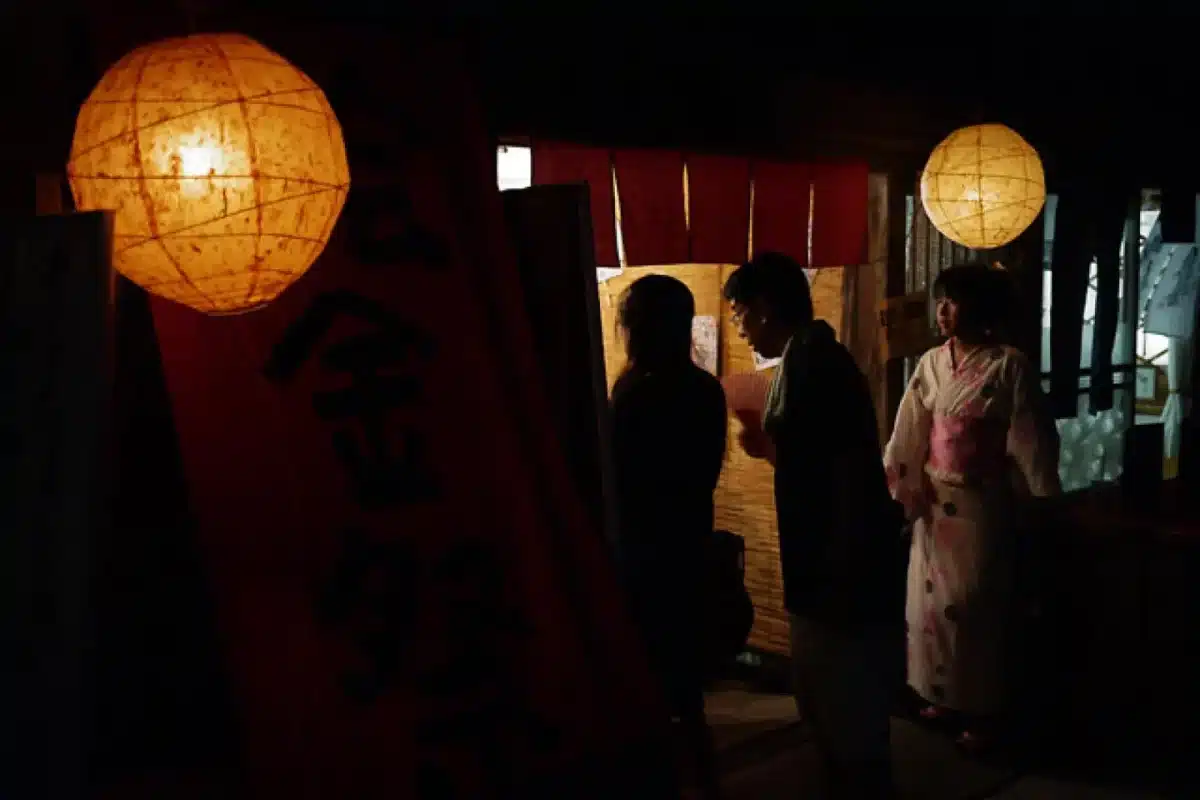
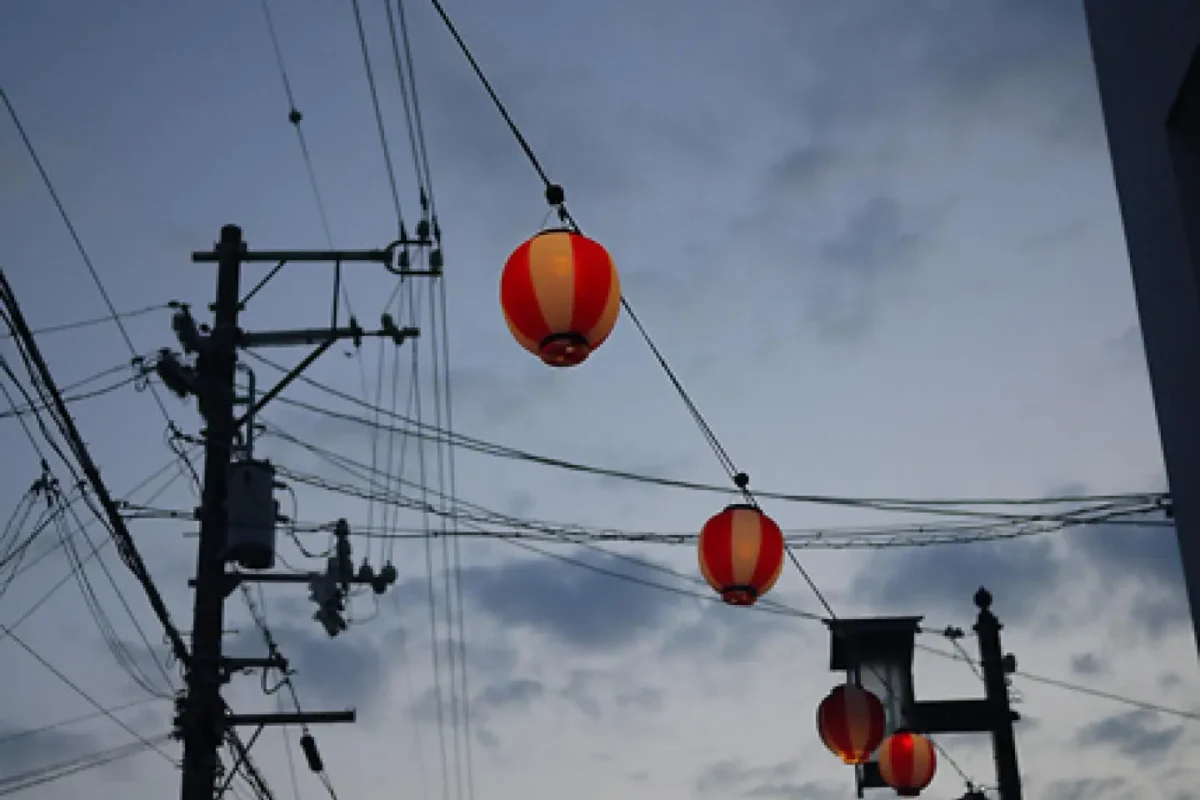
Walking the narrow streets of small town Akaoka at night with nothing illuminating the way but candlelight and paper lanterns strung up above, one instantly notices this is not your typical festival. Feeling a little more like Halloween, Ekin Festival is a trip into the frightening, dramatic, and beautiful scenes of famous kabuki plays as depicted by one local artist.
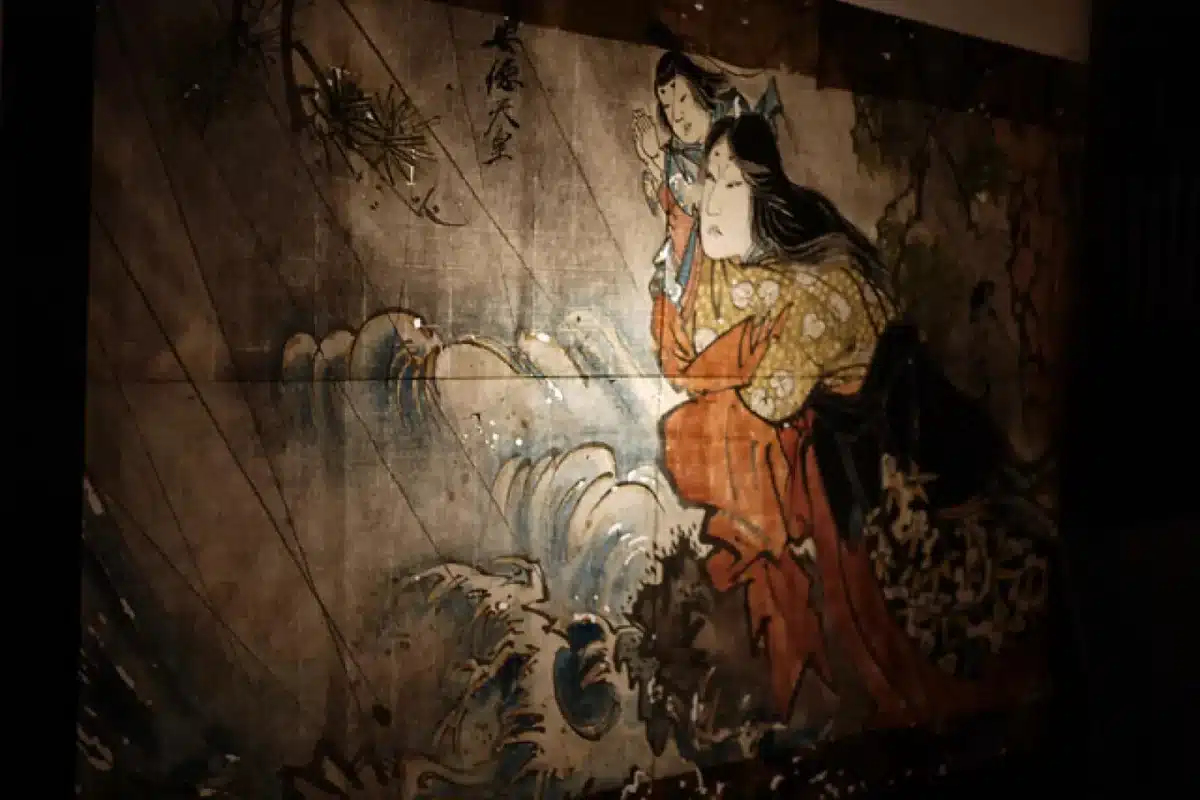
The festival celebrates Hirose Kinzo, better known as Ekin in Kochi, who lived from 1812 to 1876 and is famous for his shibai-e byobu, or theatrical images on folding screens. Unlike typical gallery settings, original copies of Ekin’s folding screen paintings are displayed outdoors in Akaoka’s shopping area, folded out in front of stores on the street, each lighted by a single candlestick.
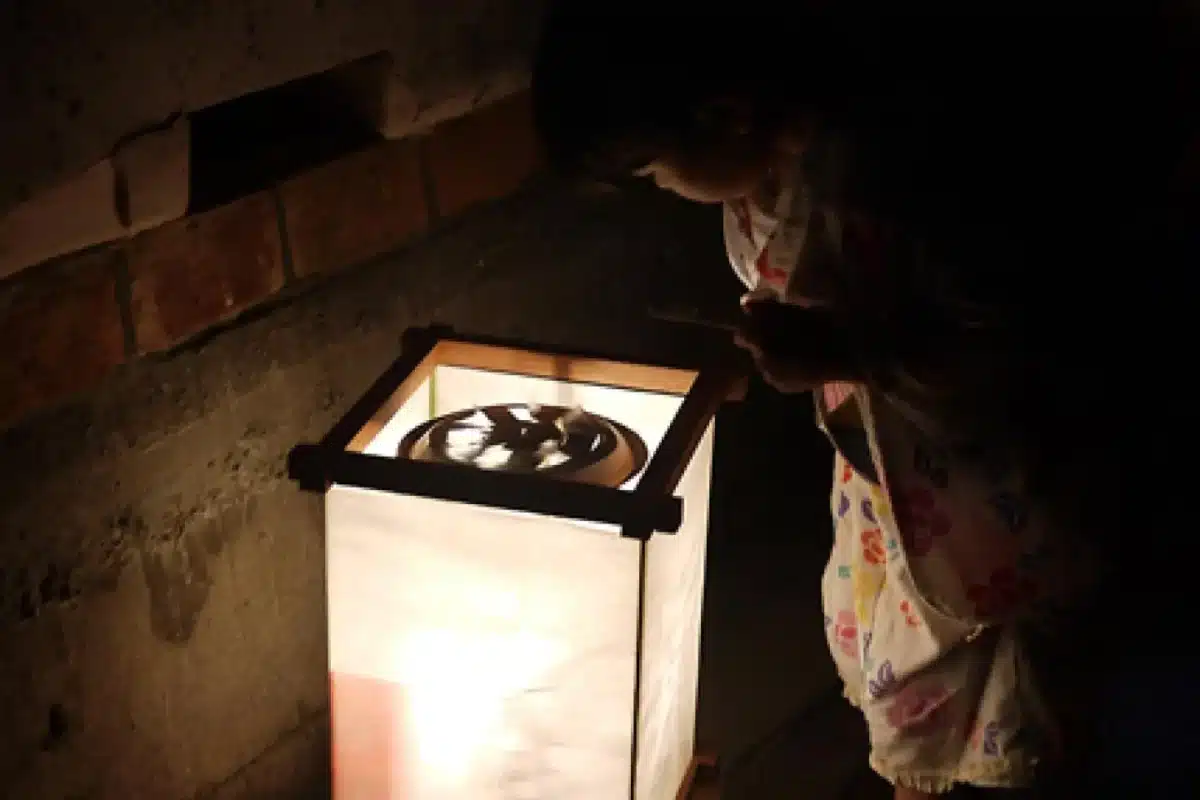
To protect the sensitive condition these paintings are in, all of the street lights, even those of the vending machines, are turned off during the festival. Rather than harsh electric light, each painting is illuminated from behind by a single candle, creating a flickering, atmospheric glow that makes the gruesome and theatrical scenes come alive. Personally, given the nature of these scary images, this seems like the only proper way to view them.
Enjoy Your Event Stress-Free with Japan Travelo
Do you know? Planning events, festivals, concerts, and cultural experiences in Japan can be overwhelming. Japan Travelo brings everything together in one place, helping you manage your itinerary, transport, and accommodation with ease—so you can enjoy Japan without the stress of planning.
The streets of the festival wrap around in front of Bentenza, a lovely little kabuki theater. After wandering through the streets and taking in all the spookiness, you will find a central square where the typical Japanese festival yatai food booths are set up in plenty. This area is well lit by high beam super lights of the 21st century, and there’s a stage with entertainment constantly going on in the background. The food here is very good, so you can eat, have a beer, and relax between viewings.
Ekin Festival is one of Kochi’s most novel festivals, a rare chance to see priceless Edo-period art not in a museum, but in its original community context, surrounded by yukata-wearing onlookers and excited children running through the crowds playing in the dark.
Cultural Significance & Origins
The festival honors Hirose Kinzo, known as Ekin, one of Japan’s most colorful and dynamic Edo-period painters. Born in Kochi, Ekin began as a barber and amateur artist, but soon began pushing the boundaries of art, using traditional two-panel folding screens as canvases to paint dynamic scenes from Japan’s historical past with a fictional, theatrical flair.
The jumbling, provincial, and gory shibai-e paintings produced during this period were especially popular in Tosa, now Kochi Prefecture. Ekin specialized in scenes from kabuki theatre, depicting blood-soaked revenge dramas, ghost stories, and heroic battles with exaggerated expressions, vivid red pigments, and dramatic composition. The unique red color used in Ekin’s paintings is believed to possess protective qualities against evil spirits and was made from a special pigment that has retained its intensity for over a century.
During Japan’s modernization process, the diversification of popular amusements resulted in a decline in the number of summer festivals that exhibited Shibai-e screens. Ekin’s works, owned by individual merchant houses in Akaoka, were kept in private storage, brought out only occasionally.
Due to the historical context of Japan in the 1960s, when interest in folk art revived, Ekin and his works returned to the public limelight. Shortly afterward, in 1977, the Ekin festival was organized in Akaoka, a town in what is now Konan City, Kochi Prefecture, to commemorate the 100th Anniversary of Ekin’s death. In 1993, the Tosa Ekin-Kabuki Denshokai Association was formed by locals interested in the preservation of Shibai-e screens. In 2005, the Ekingura Ekin Museum was constructed in Akaoka to exhibit Ekin’s works and to educate visitors about his techniques.
Today, the festival serves as a living museum, ensuring that the 23 original folding screens and many ema-chochin picture paper lanterns and hakubyo-ga ink drawings are not just preserved but experienced as they were meant to be seen, by candlelight, in the community that has guarded them for generations.
Traditions, Rituals & Customs
The customs of the Ekin Festival are designed around art preservation and atmospheric viewing.
Candlelight Viewing: The central tradition is that all artificial lights are extinguished. Street lights, shop signs, and even vending machines are turned off or covered. Each byobu screen is displayed leaning against the front of a merchant house, with a single candlestick placed behind it. The light shines through the washi paper and illuminates the painting from within, highlighting the texture of brushstrokes and the depth of the red pigments. Visitors walk slowly from house to house, viewing each screen in respectful silence before moving to the next.
Byobu Display by Merchant Houses: The original folding screens are still owned by individual houses in Akaoka. Each house takes responsibility for its own painting, bringing it out from storage, setting up the display stand, and tending the candle throughout the evening. This is considered a great honor and a duty of the household.
Ekin Kabuki Performances: Appropriately, the festival is linked to live kabuki. The Tosa Ekin Kabuki Group performs scenes depicted in the paintings, often staging plays at Bentenza, the local kabuki theater. The theater itself is a beautifully preserved wooden building, and performances are usually held in the late afternoon on both days of the festival.
Protection Ritual: Before the screens are displayed, a small Shinto ritual is performed to pray for protection of the fragile artworks and for safety of visitors walking in the dark. The red pigment in Ekin’s paintings is itself considered to have spiritual protective qualities against evil.
Community Guardianship: Local volunteers act as guardians, standing near each screen to ensure no one touches the surface and that candles are kept at a safe distance. They also share stories about the kabuki play depicted, explaining the characters and the gruesome plot twists.
What to Expect at the Festival
Expect a festival that feels like stepping into another time, where the boundary between art, theatre, and street life dissolves.
As darkness falls, the shopping arcade of Honmachi in Akaoka-cho becomes a tunnel of soft light. Paper lanterns strung above the street sway gently, and the only illumination comes from the candles behind the screens. You will see paintings of samurai committing seppuku, ghosts with long black hair, warriors battling monsters, and lovers in tragic poses, all rendered with exaggerated facial expressions and splashes of blood-red paint.
The mood is spooky but festive. Unlike solemn museum viewing, this is a lively community event. Yukata-wearing onlookers stroll with children, some children excitedly running through the dark, others clinging to parents at the scarier images. The contrast between the frightening paintings and the cheerful chatter of families creates a unique, almost Halloween-like atmosphere.
After viewing the screens, the central square provides a sharp contrast. Here, the area is well lit by modern high beam lights, with rows of yatai food booths selling Kochi specialties, beer, and shaved ice. A stage features constant entertainment, from local dance groups to shamisen performances. Finding a table can be competitive, but the food is very good and the atmosphere is relaxed and convivial.
The Bentenza kabuki theater is a must-visit. Even if you cannot get a seat for the free plays, go inside to admire the wooden architecture, the hand-painted backdrops, and the small museum of Ekin-related artifacts.
Date & Schedule
Location: Honmachi, Akaoka-cho, Kochi Prefecture
Official Period: Mid-July 2027 (Dates TBD)
The Tosa Akaoka Ekin Festival is traditionally held annually on the third Saturday and Sunday of the warmest festival season. For 2027, the official dates are to be determined, but the structure consistently follows a two-day evening program.
Evening Program Both Days: The candlelight display begins after sunset, typically around 19:00 and continues until around 21:00 to 21:30. During this time, all street lights and vending machine lights in the Akaoka Shotengai shopping arcade are turned off. Original Shibai-e Byobu folding screens are displayed outdoors in front of merchant houses, each lit by a single candle.
Daytime Activities: In the late afternoon, around 17:00, kabuki performances by the Tosa Ekin Kabuki Group are held at Bentenza Theater. These performances are usually free and depict scenes from the paintings on display.
Central Square Festival: The yatai food booth area in the central square is open from late afternoon until around 21:30, with stage entertainment throughout.
Related Exhibition: Every year during the same period, the Suruda Hachimangu Jinsai is also held, a more tranquil festival that allows visitors to appreciate Ekin’s works in peace at the shrine. The Ekingura Ekin Museum also extends its hours and offers free entry during the festival.
Visiting this event? Don’t miss out on these amazing activities and local experiences while you’re here.
Main Events & Programme
Shibai-e Byobu Candlelight Exhibition: The main event. Approximately 23 original two-panel folding screens and additional ema-chochin lanterns are displayed along the streets of Akaoka Shotengai. Each screen is illuminated by a single candle placed behind it, creating an ethereal glow. Volunteers explain the kabuki stories depicted.
Tosa Ekin Kabuki Performances: Live kabuki theatre performed at Bentenza, a lovely little kabuki theater in Akaoka. The plays run at around 5 PM on both days of the festival and are free to watch. The performances recreate the dramatic scenes shown in the folding screens, with actors in full makeup and costume.
Ekingura Museum Special Opening: The Ekin Museum, known as Ekingura, located in Konan City, opens for free during the festival period. Inside, 23 reproductions of Ekin’s masterpieces are exhibited in rooms lit by candlelight, along with exhibits showing how Ekin’s artistic prowess evolved from quaint woodblocks to huge screens. The museum provides detailed English explanations of the stories.
Central Square Yatai and Stage Entertainment: A lively festival area with typical Japanese festival food booths, beer stands, and a stage with constant entertainment including local dance, taiko drumming, and musical performances.
Children’s Lantern Procession: Local children often carry small handmade ema-chochin paper lanterns painted with scenes inspired by Ekin, parading through the dark streets.
Guided Storytelling: Local guides stationed at each screen offer short explanations in Japanese and sometimes English pamphlets about the kabuki play depicted, helping visitors understand the gruesome and dramatic context.
Traditional Dress, Arts & Crafts
This festival’s art form is the shibai-e byobu itself.
Shibai-e Byobu Folding Screens: These are large two-panel folding screens painted with scenes from kabuki theatre. Ekin’s technique involved bold outlines, dynamic composition that breaks the frame, and a distinctive use of vermilion red pigment that was said to ward off evil. The screens are painted on washi paper mounted on wooden frames, with pigments made from natural minerals.
Ema-chochin Picture Paper Lanterns: Smaller than the byobu, these are paper lanterns with paintings of kabuki characters on them, traditionally hung at shrines as votive offerings. During the festival, they are displayed alongside the larger screens.
Hakubyo-ga Ink Drawings: Ekin also created drawings with black ink alone, showcasing his mastery of line and expression without color. These are sometimes displayed in the museum during the festival.
Kabuki Costumes and Makeup: The costumes used in the Bentenza performances are handmade reproductions of Edo-period kabuki costumes, featuring heavy brocade, exaggerated shoulder padding, and elaborate wigs. The makeup, known as kumadori, uses bold red and black lines to emphasize emotion.
Bentenza Theatre Craft: The Bentenza kabuki theater itself is a craft treasure, built entirely of wood with a revolving stage, trap doors, and hand-painted backdrops. Maintaining the theatre requires traditional carpentry skills.
Traditional Food & Local Specialties
The food at Ekin Festival reflects Kochi’s reputation as a foodie prefecture, with a focus on fresh, local ingredients.
Katsuo no Tataki: Kochi’s signature dish, bonito lightly seared over straw fire, sliced thick and served with garlic, green onions, and yuzu ponzu. Available at many yatai stalls.
Yaki Udon and Yakisoba: Stir-fried noodles with vegetables and savory sauce, a staple of Kochi festivals. Akaoka’s version often uses local Tosa red ginger.
Imo Kenpi and Citrus Sweets: Sweet potato crisps fried and coated in sugar, and sweets made from Kochi’s famous yuzu and buntan citrus fruits.
Tosa Akaushi Beef Skewers: Grilled skewers of premium brown Wagyu beef from Kochi, seasoned with salt and local sansho pepper.
Local Sake and Beer: Kochi is famous for its sake, with brands like Suigei and Tosatsuru. Cold beer and sake are sold at yatai stalls, perfect for warm evenings.
Kakigori and Ice Cream: Shaved ice flavored with local fruit syrups and yuzu sorbet, popular with children.
The food booth area is well lit and offers tables, though finding a table can be competitive during peak hours. The quality is notably good for a small-town festival, as many stalls are run by local restaurants rather than traveling vendors.
Location & Festival Areas
The festival takes place in the small, historic town of Akaoka, part of Konan City, Kochi Prefecture, on Shikoku Island.
Akaoka Shotengai Shopping Mall: The main venue. This is a narrow, covered shopping arcade in Honmachi, Akaoka-cho, where the folding screens are displayed in front of merchant houses. The arcade is transformed into a dark, candlelit gallery.
Bentenza Kabuki Theatre: Located at the edge of the shopping arcade, this lovely little kabuki theater is the cultural heart of the festival. It hosts free kabuki plays and serves as a rest area.
Central Square Yatai Area: A small open square near the shopping arcade where food booths and the entertainment stage are set up. This area is brightly lit and serves as the social hub.
Ekingura Ekin Museum: Located a short walk from the shopping arcade, at 1-1-1 Akaoka-cho, Konan City. The museum houses reproductions and original works and is free during the festival. It is the best place to learn about Ekin before viewing the originals.
Suruda Hachimangu Shrine: Nearby shrine that holds a related quiet viewing of Ekin screens during its own Jinsai festival, offering a more tranquil experience.
Getting to the Festival
Akaoka is easily accessible from Kochi City, making it a perfect half-day or evening trip.
By Train: Take the JR Dosan Line from Kochi Station to Tosa-Ikku or take the Tosa Kuroshio Railway Gomen-Nahari Line from Kochi Station to Akaoka Station directly. Akaoka Station is a small local station, about a 5-minute walk from the shopping arcade. Trains run frequently, and the journey from Kochi Station is approximately 30 to 40 minutes.
By Car: You can get to Akaoka by driving east of Kochi City on National Road Number 55. The drive takes about 30 minutes from Kochi City center. During the festival, parking near the shopping arcade is restricted, and street lights are turned off, so driving slowly is essential. Temporary parking areas are set up on the outskirts of town with shuttle volunteers.
Local Transport: Once in Akaoka, the entire festival is walkable. The town is small, and all venues are within a 10-minute walk of each other. No local buses are needed.
Accessibility: The shopping arcade is flat and paved, but becomes very dark during the candlelight display. Bring a small flashlight for safety between viewing spots, but turn it off when viewing the paintings. The central square is well lit and accessible.
Where to Stay Nearby
Akaoka is a small town with limited accommodation, so most visitors stay in nearby Kochi City.
In Akaoka and Konan City: There are a few small guesthouses and minshuku family-run lodgings in Konan City. These offer a traditional experience and home-cooked meals but sell out quickly during the festival. Booking early is recommended.
In Kochi City: Kochi City, about 30 minutes away by train, offers a full range of accommodation from business hotels to luxury hotels and ryokan. Staying in Kochi City allows you to combine the Ekin Festival with other attractions like Kochi Castle, Hirome Market, and the Yosakoi Festival culture.
Booking Tips: Hotels in Kochi City during the summer festival season are busy but generally available if booked 1 to 2 months ahead. Business hotels typically range from $60.00 to $100.00 per night. If you wish to stay in Akaoka itself, contact the Akaoka Yoshikawa Regional Chamber of Commerce for assistance finding local lodgings.
Alternative: For a unique stay, consider a temple lodging or a guesthouse in the nearby countryside, where you can enjoy the rural scenery of Kochi Prefecture.
What Visitors Can Participate In
The Ekin Festival is highly participatory and welcoming to all visitors, with no special skills required.
Candlelight Viewing Walk: The main participation is simply walking the dark streets and viewing each byobu screen. Visitors are encouraged to take their time, ask questions of the homeowner guardians, and appreciate the flickering light.
Kabuki Theatre Attendance: Attend the free kabuki plays at Bentenza Theatre. Arrive early to secure a seat, as the small theatre fills quickly. Even if you cannot see a play, you can go in and have a look around at this local theatre, which is beautiful and historic.
Museum Visit: Visit the Ekingura Museum, which is free during the festival. The museum offers detailed explanations of each painting’s story, helping you understand the kabuki plots.
Food Stall Enjoyment: Participate in the central square festivities by eating, having a beer, and relaxing at the yatai area. The food is very good and the stage entertainment is constant.
Children’s Activities: Children can participate in small lantern painting workshops often held in the central square, creating their own ema-chochin inspired by Ekin’s style.
Photography: Photography of the screens is allowed without flash, respecting the delicate condition of the paintings. The candlelight creates dramatic photo opportunities, but tripods are discouraged due to crowds.
Things to Do Before or After the Festival
Konan City and Kochi Prefecture offer many attractions to combine with the Ekin Festival.
Ekingura Ekin Museum: Spend time before the evening display exploring the museum’s full collection, including 23 reproductions of masterpieces in candlelit rooms and exhibits showing Ekin’s evolution.
Akaoka Townscape Walk: During daylight, explore Akaoka’s historic townscape, with its old merchant houses, sake breweries, and small shrines. The town is known for its novel festivals and has a charming, retro atmosphere.
Kochi Castle and Hirome Market: In Kochi City, visit Kochi Castle, one of only 12 original castles in Japan, and Hirome Market, where over 60 stalls serve katsuo no tataki and local sake in a communal hall.
Anpanman Museum and Shimanto River: For families, the nearby Anpanman Museum is popular, and the Shimanto River, Japan’s last clear river, offers canoeing and scenic views a short drive away.
Ryugado Cave: Explore one of Japan’s three great limestone caves, located near Konan City, with stunning stalactites and underground rivers.
Sunday Market in Kochi City: If staying overnight, visit Kochi’s famous Sunday street market stretching over a kilometer, selling fresh produce, knives, and antiques.
Local Food & Restaurants
The Kochi area is renowned for its food culture, blending mountain and sea ingredients.
Kochi’s Signature – Katsuo no Tataki: At restaurants in Akaoka and Konan City, try the authentic straw-seared bonito. Local restaurants like Tosa Ryori Akaoka serve it with garlic and yuzu ponzu for around $10.00 to $15.00.
Sawachi Ryori: A large platter feast unique to Kochi, featuring sashimi, sushi, tempura, and local delicacies arranged on a single large plate, meant to be shared. Ideal for groups, priced from $25.00 to $50.00 per platter.
Yatai Festival Food: During the festival, yatai stalls offer yakisoba for $4.00 to $6.00, grilled chicken skewers for $3.00 to $5.00, and local craft beer for $4.00 to $6.00.
Citrus and Sweet Potato Snacks: Try imo kenpi sweet potato crisps and yuzu-flavored ice cream, both local specialties, priced from $2.00 to $4.00.
Local Sake: Kochi sake brands like Suigei Drunken Whale and Tosatsuru are available at local izakaya pubs in Akaoka, with glasses from $4.00 to $7.00.
Dining in Kochi City: If staying in Kochi City, the Obiyamachi arcade and Harimayabashi areas have countless izakaya and restaurants serving Kochi cuisine, with dinner budgets from $15.00 to $40.00 per person.
Ticket Information & Access
The Ekin Festival is completely free to attend.
Admission: Viewing the Shibai-e Byobu folding screens along the streets of Akaoka Shotengai, attending the kabuki plays at Bentenza Theatre, and visiting the central yatai square are all free of charge. There are no tickets required for any part of the festival. The Ekingura Ekin Museum is also free for visitors during the festival period.
Pricing from Previous Editions: Since the festival is free, ticket price is $0.00 for all public areas. The Ekingura Museum normally charges admission outside festival days, with pricing from previous editions being $4.50 for adults, $2.50 for high school students, and free for junior high and below, but this is waived during the festival. Food and drinks at yatai stalls are paid individually.
Access: The festival area in Honmachi, Akaoka-cho, is a 5-minute walk from Akaoka Station on the Gomen-Nahari Line. The shopping arcade is closed to vehicle traffic during the festival and is pedestrian-only. For visitors with mobility concerns, the central square is well lit and accessible, while the candlelight viewing area is dark but flat and navigable with assistance.
Facilities: Temporary toilets, information booths, and first aid stations are set up near the central square. English pamphlets explaining the kabuki stories are often available at the Ekingura Museum and information booth.
Contact: Inquiries can be directed to Akaoka Yoshikawa Regional Chamber of Commerce, which organizes the festival, or the Ekingura Museum.
Official Event Information
Festival Name: Tosa Akaoka Ekin Festival, also known as Ekin Matsuri and Ekin Festival Spooky Paintings by Candlelight
Location: Honmachi, Akaoka-cho, Konan City, Kochi Prefecture, Japan. Main venue is Akaoka Shotengai Shopping Mall
Artist Honored: Hirose Kinzo, known as Ekin, 1812 to 1876, Edo-period painter famous for shibai-e byobu theatrical folding screens
Designation: Cultural festival preserving Important Cultural Properties owned by local merchant houses
Organizer: Akaoka Yoshikawa Regional Chamber of Commerce and Tosa Ekin-Kabuki Denshokai Association
Official Website URL as Text: en.japantravel.com/kochi/ekin-festival-spooky-paintings-by-candlelight/255
Additional Official Information as Text: visitkochijapan.com/en/see-and-do/10018 and travel.gaijinpot.com/ekin-festival/
Museum: Ekingura Ekin Museum, Konan City, free during festival
Location
FAQ
What is the Ekin Festival and why are the paintings displayed by candlelight?
The Ekin Festival is a unique night festival in Akaoka, Konan City, celebrating the Edo-period painter Hirose Kinzo, known as Ekin, who painted gruesome and dramatic kabuki scenes on folding screens called shibai-e byobu. The paintings are displayed outdoors in front of merchant houses and lit by a single candle to protect their sensitive condition, as electric light would damage the pigments, and because candlelight creates the most atmospheric and historically accurate way to view these spooky, theatrical images.
Are the paintings original and how old are they?
Yes, the paintings displayed during the festival are original works owned by individual merchant houses in Akaoka, some over 150 years old, painted by Ekin between the 1860s and 1870s. Each house has guarded its own screen for generations, storing it carefully and bringing it out only for this festival and for the related Suruda Hachimangu shrine festival. Reproductions are displayed at the Ekingura Museum throughout the year, but the festival is the only time the originals are shown together in public.
Is the festival suitable for children and is it scary?
The festival is very family-friendly and popular with children, despite the spooky subject matter of ghosts and samurai dramas. The Halloween-like atmosphere with candlelight and paper lanterns excites children who run through the dark streets, and the central square with food booths and stage entertainment is lively and well lit. While some paintings depict blood and gruesome scenes, they are stylized like kabuki theatre and most children find them thrilling rather than truly frightening, especially when viewed with family.
Do I need tickets and how do I get to Akaoka?
The festival is completely free, including viewing the original folding screens, attending the kabuki plays at Bentenza Theatre, and entering the Ekingura Museum during the festival period, with no tickets required. You can get to Akaoka by taking the Tosa Kuroshio Railway Gomen-Nahari Line from Kochi Station to Akaoka Station directly, which takes about 30 to 40 minutes, or by driving east of Kochi City on National Road 55, with the festival area a 5-minute walk from the station.
What is Bentenza kabuki theatre and can I watch a play?
Bentenza is a lovely, historic little kabuki theater located at the edge of Akaoka shopping arcade, beautifully preserved with a wooden revolving stage and hand-painted backdrops, serving as the cultural heart of the festival. Free kabuki plays recreating scenes from Ekin's paintings are performed there in the late afternoon on both days of the festival, and you are strongly recommended to try to attend, though you should arrive early as seating is limited. Even if you cannot see a play, you should go inside to admire the theatre's architecture and small museum of Ekin artifacts.

Leave a Reply