
Overview
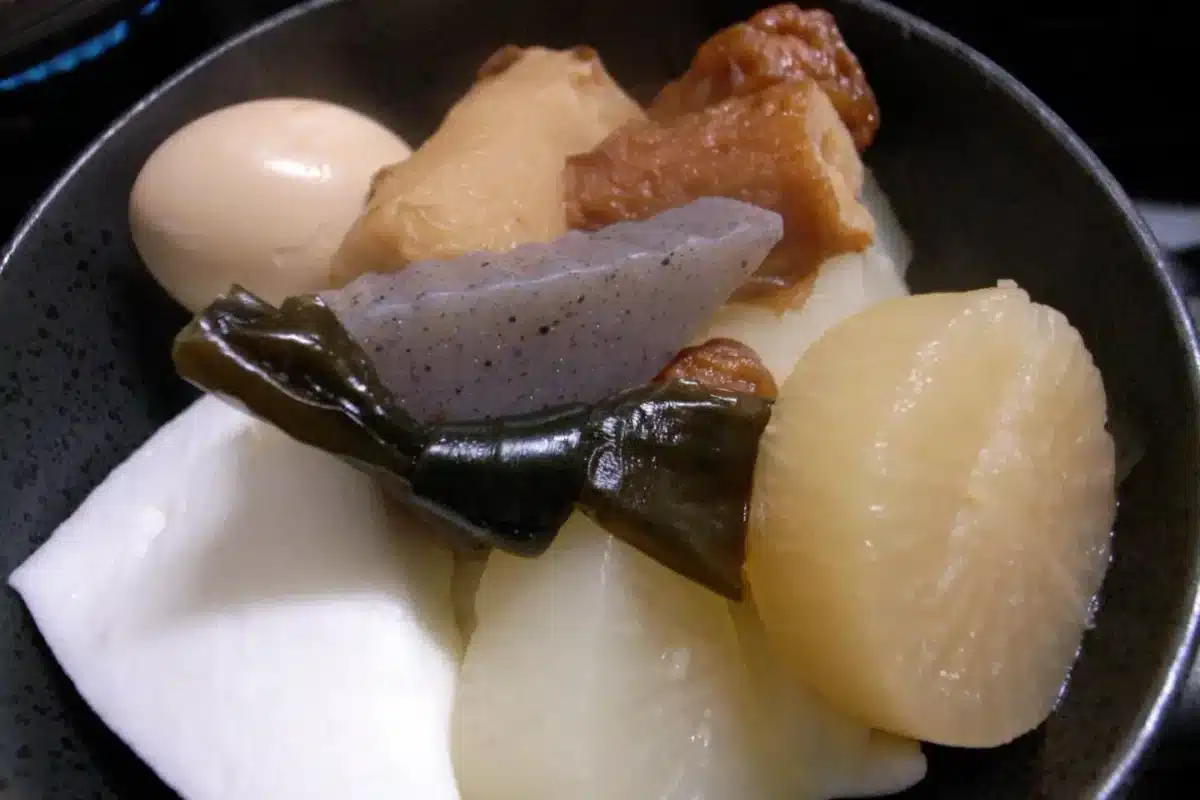
Oden is a traditional Japanese one-pot dish made with a variety of ingredients, such as boiled egg, daikon radish, fish cakes, and konjac, all simmered in a flavorful dashi broth. It’s a comforting, warming dish that’s commonly enjoyed during the colder months, and it’s often served at street stalls or convenience stores.
If you’d like to get your hands on some oden this spring, however, be sure to check out the Odawara Oden Summit. The two-day event is set to include oden types from around the country available for purchase, presenting a great opportunity to try a few and pick a favorite.
The summit is held at Odawara Castle Ruins Park, specifically at Ninomaru Square, one of Odawara’s most scenic historic parks. Odawara is famous throughout Japan as one of the largest producers of kamaboko steamed fish cake, boasting a history of over 220 years. Kamaboko is one of the main ingredients in oden and also one of Odawara’s most famous local delicacies, so there is no better place to host a national gathering of oden styles.
Enjoy Your Event Stress-Free with Japan Travelo
Do you know? Planning events, festivals, concerts, and cultural experiences in Japan can be overwhelming. Japan Travelo brings everything together in one place, helping you manage your itinerary, transport, and accommodation with ease—so you can enjoy Japan without the stress of planning.
The Odawara Oden Summit and the related Oden Festival in autumn have become popular tourist attractions in Odawara City. The summit occurring in spring treats visitors to a delightful array of local oden dishes from across Japan while enjoying the cherry blossoms in Odawara. Guests can savor Odawara Oden alongside diverse selections from various regions, all within view of the castle tower.
What Makes This Food Event Special
What makes the Odawara Oden Summit special is its unique combination of culinary competition, regional cultural showcase, and cherry blossom hanami in a historic castle setting.
National Oden Showcase in One Place: Normally, to try Shizuoka-style black broth oden, Nagoya-style miso oden, Kansai-style light dashi oden, and Hokkaido seafood oden, you would need to travel across Japan. The summit gathers oden types from around the country in one square, allowing visitors to compare broths, ingredients, and serving styles side by side.
Odawara Kamaboko Capital: Odawara’s claim as a kamaboko town makes this summit authentic. Oden items such as tsumire fish balls, shiro hanpen white fish flakes, and chikuwa small fish sticks are supplied by 11 long-established Odawara kamaboko stores, as well as tofu stores, konnyaku stores, produce stores, and butcher stores. A must-try is Odawara suji, an old-fashioned suji-boko made from firefly squid, which has a different texture and flavor. The city of Odawara is one of the largest producers of kamaboko in Japan, and you can find Kamaboko Village by Suzuhiro Kamaboko, where you can taste, prepare, buy, and learn everything about kamaboko in its museum.
Castle and Sakura Setting: The venue is Odawara Castle Ruins Park Ninomaru Square. Odawara Castle has been selected as one of Japan’s Top 100 Cherry Blossom Spots, so the summit takes place under blooming sakura trees. Guests can enjoy steaming hot oden while viewing cherry blossoms, a rare combination of winter comfort food and spring beauty.
Live Entertainment and Community: Beyond food, the summit features live entertainment, local specialty product sales, and a festive atmosphere with families laying out mats under cherry trees. It captures the lively and joyful atmosphere of Odawara’s spring festivals.
Food, Cuisine & Specialties
Oden is deceptively simple, but its regional variations are dramatic because even slight differences in dashi preparation dramatically affect its character.
Odawara Oden – The Host Style: Odawara Oden is characterized by its clear, elegant broth made from kombu kelp and the use of abundant local kamaboko and nerimono fish paste products. The broth is light enough to highlight the natural flavors of ingredients. Typical Odawara ingredients include daikon radish simmered until translucent, boiled eggs, konjac, chikuwabu wheat gluten, and various kamaboko types including age kamaboko fried fish cakes. The soup stock made from kombu and the addition of high-quality Odawara kamaboko gives it a refined, slightly sweet flavor.
Shizuoka Oden: One of the most distinctive styles. Shizuoka-style features a striking black broth with pork giblet and beef stock dashi where the ingredients are topped with flour and served skewered on sticks, topped with green dried seaweed aonori and dashi powder. Black hanpen fish cake is a regional specialty. It is soulful comfort food, loved by locals.
Nagoya Miso Oden: Also known as Kanto-ni or miso oden, this style features beef tendon and taro slowly boiled in a broth with Nagoya’s famous Hatcho miso paste. The oily texture of the meat and taro combined with bold, earthy miso creates a hearty, rich flavor. Ingredients are often glazed with miso after simmering.
Kansai and Kanto Styles: Kansai-style oden, also called Kanto-daki, uses a light, clear dashi broth made from a blend of dashi stock and light soy sauce, subtly seasoned to highlight natural flavors. Kanto-style is slightly darker with soy sauce, featuring atsuage deep-fried tofu, ganmodoki tofu-based cakes mixed with vegetables, and chikuwa.
Regional Specialties from Across Japan: The summit also includes Hokkaido seafood-heavy oden with crab and scallops, Kanazawa oden with refined flavors using local seafood and duck, Himeji oden eaten with ginger soy sauce, and Okinawan oden with pig’s feet and mustard.
Ingredients Common to All: Boiled egg, daikon radish, konnyaku konjac, shirataki noodles, potatoes, cabbage rolls, and various fish cakes. Each ingredient absorbs broth differently, creating varied textures.
Chefs, Restaurants & Food Vendors
The summit is not led by celebrity chefs but by artisan kamaboko makers and regional oden associations, making it a true community food summit.
11 Long-Established Odawara Kamaboko Stores: The core vendors are the historic kamaboko stores of Odawara, including Suzuhiro Kamaboko Honten, founded in 1865, whose main business was selling seafood before the fourth owner started preparing kamaboko as a side business. Other participants include Kagosei, Maru Kamaboko, and small family-run shops from the kamaboko wholesale district near Odawara Station. Each brings its own secret dashi and specialty nerimono.
Regional Oden Associations: Guest vendors come from Shizuoka, Nagoya, Kanazawa, Niigata, and other prefectures, representing local oden preservation societies. They set up stalls with banners indicating their prefecture and broth style.
Local Tofu, Konnyaku, and Produce Merchants: Odawara’s tofu stores, konnyaku stores, butcher stores, and produce stores also participate, supplying fresh ingredients that are simmered on site in large pots. This farm-to-pot approach ensures freshness.
Odawara Oden Honten and Honjin: Local specialty restaurants such as Odawara Oden Honten, a stylish and charming restaurant located in a quiet kamaboko wholesale district, and Odawara Oden Honjin in Odawara Station Harune B1F, which started as an oden shop using local kamaboko, often operate special stalls during the summit, offering their signature broths.
Sweet and Side Vendors: Alongside oden, vendors sell Odawara Uiro, a long-established steamed rice cake sweet, and local sake from Odawara and Hakone breweries to pair with oden.
Vendors cook in large, steaming pots in the open air, allowing visitors to watch the simmering process and choose ingredients directly from the pot with tongs.
Food Experience
The food experience is hands-on, warming, and highly comparative.
Choose-Your-Ingredient Style: Unlike set meals, oden at the summit is typically sold per piece or per small bowl. You approach a steaming pot, point to the ingredients you want, and the vendor places them in a bowl with ladles of broth. Prices per piece allow you to mix and match from different regional pots.
Sakura Hanami with Steam: The unique experience is enjoying hot oden while sitting under cherry blossoms. Families bring mats and lay them on the grass of Ninomaru Square, grilling is not needed as the oden provides warmth. The contrast of cool spring air, pink petals falling, and hot broth is unforgettable.
Broth Tasting Journey: Connoisseurs can do a broth tour, starting with light Kansai dashi, moving to Kanto soy, then to rich Nagoya miso, and finishing with bold Shizuoka black broth topped with fish powder and aonori. Each broth tells a story of local ingredients and climate.
Pairing with Sake: Odawara Oden Honten is known for outstanding sake selection, and during the summit, local sake breweries offer tastings. The clean, light Odawara broth pairs with delicate junmai sake, while miso oden pairs with robust honjozo.
Live Cooking and Aroma: The square fills with the aroma of simmering kombu, fish cakes, and daikon. Large pots bubble continuously, and vendors constantly add fresh ingredients. The sound of lids clattering and ladles serving adds to the festival market feel.
Family-Friendly and Casual: The event is casual, with no formal seating. Standing tables and benches are available, but many visitors sit on the grass. Children enjoy boiled eggs and fish cakes, while adults savor beef tendon and sake.
Date & Schedule
Location: Odawara Castle
Official Period: Early April 2027 (Dates TBD)
The Odawara Oden Summit is a two-day event traditionally held in early April, coinciding with the cherry blossom season at Odawara Castle Ruins Park. It is distinct from the Odawara Oden Festival held in early October.
Typical Schedule Based on Previous Editions:
Day One: Venue opens around 10:00 AM at Odawara Castle Ruins Park Ninomaru Square. Opening ceremony with remarks from Odawara City officials and kamaboko association. Food stalls begin serving at 10:00 AM and continue until around 4:00 PM to 5:00 PM. Live entertainment including local taiko drumming and folk performances takes place on a small stage in the square throughout the afternoon. Cherry blossom viewing continues into the evening with light-up illuminations.
Day Two: Same hours, from around 10:00 AM to 4:00 PM to 5:00 PM. The second day often includes a popularity vote where visitors can vote for their favorite regional oden. Awards are announced in the late afternoon. The square remains open for hanami picnics after food stalls close.
Both days are free to enter, with food and drinks available for purchase. The event is held rain or shine, with tents covering cooking areas.
Visiting this event? Don’t miss out on these amazing activities and local experiences while you’re here.
Location & Venue
The venue is one of Kanagawa’s most historic and scenic locations.
Odawara Castle Ruins Park Ninomaru Square: Address is 6-1 Jonai, Odawara, Kanagawa 250-0014, Japan. Ninomaru Square is a large open plaza within the castle’s second bailey, surrounded by stone walls, pine trees, and cherry trees. It is flat, spacious, and ideal for food festivals, with the castle tower visible in the background.
Odawara Castle: The castle itself is one of the largest Japanese castles and has been selected as one of Japan’s Top 100 Cherry Blossom Spots. During the summit, visitors can combine oden tasting with castle tower entry and the spring lights event Light Corridor that illuminates the square at night.
Surrounding Park Areas: The park includes Domon Square, Akagane-mon Square, and the surrounding moat area, which are used for additional events like the Odawara Chochin Lantern Festival and Fuma Ninja Festival. During oden summit, overflow seating spreads into these areas.
Facilities: The park has public toilets, vending machines, and a tourist information center. Suzuhiro Kamaboko Village is a short walk from the park, allowing visitors to learn about kamaboko making after tasting oden.
Atmosphere: The combination of historic castle walls, cherry blossoms, and steaming oden pots creates a photogenic and uniquely Japanese spring scene that cannot be experienced elsewhere.
Getting to the Event
Getting to Odawara Castle is very easy from Tokyo and Yokohama.
By Train: The venue can be accessed in 10 minutes on foot from Odawara Station, which is served by various lines including the Tokaido Shinkansen, the Tokaido Main Line, the Odakyu Odawara Line, the Hakone Tozan Line, and the Daiyuzan Line. From Tokyo Station, take the Tokaido Shinkansen Kodama to Odawara, about 35 minutes, or the Tokaido Main Line rapid, about 80 minutes. From Shinjuku, take the Odakyu Romancecar or rapid express to Odawara, about 85 minutes. From Yokohama, about 60 minutes via Tokaido Line.
From Odawara Station to Venue: Exit Odawara Station East Exit and walk straight through the main street toward the castle, about 10 minutes. Signage for Odawara Castle and Ninomaru Square is clear in English and Japanese.
By Car: Driving is not recommended during cherry blossom season due to heavy traffic and limited parking. If driving, use the Odawara-Atsugi Road and park at paid lots near Odawara Station, then walk. The Tomei Expressway Odawara exit is about 15 minutes by car.
Accessibility: Odawara Station has elevators and escalators. The park paths are paved and mostly flat, with some gravel areas in Ninomaru Square. Wheelchair accessible toilets are available in the park. The venue is suitable for strollers.
Where to Stay Nearby
Odawara City and nearby Hakone offer excellent accommodation for combining the summit with hot springs and sightseeing.
Near Odawara Station: Business hotels such as Toyoko Inn Odawara Station East Exit, APA Hotel Odawara Station, and Odawara Green Hotel are within 5 minutes walk of the station and 10 to 15 minutes walk of the venue. Prices typically range from $65.00 to $110.00 per night.
In Hakone: For a resort experience, stay in Hakone, about 20 minutes by train from Odawara. Hakone offers ryokan with onsen baths, such as Hakone Yumo Prince Hotel, Ryuguden, and many boutique ryokan. Prices range from $120.00 to $350.00 per night including dinner.
In Odawara Castle Area: Small ryokan and guesthouses near the castle, such as Ryokan Plum with 103 years of history, offer traditional stays within walking distance of the summit.
Booking Tips: Early April is cherry blossom season and peak travel season in Odawara and Hakone, so hotels sell out quickly. Book 2 to 3 months ahead. Many hotels offer cherry blossom viewing packages that include castle entry.
Alternative: Staying in Yokohama or Tokyo and doing a day trip to Odawara is also easy due to the Shinkansen access, with travel time under an hour.
Things to Do Before or After the Event
Odawara and Hakone offer rich history and nature.
Odawara Castle Tower and History Museum: Climb the castle tower for panoramic views of Sagami Bay and, on clear days, Mount Fuji. The castle’s history museum explains Odawara’s role as the Hojo clan’s stronghold.
Suzuhiro Kamaboko Village: Visit the Kamaboko Village by Suzuhiro Kamaboko, where you can taste, prepare, buy, and learn everything about kamaboko in its museum, make your own chikuwa fish cake, and see artisans at work.
Hakone Day Trip: From Odawara, take the Hakone Tozan Railway and cable car to Lake Ashi, Owakudani volcanic valley, and the Hakone Open-Air Museum. The Hakone Freepass covers transport.
Odawara Art and Culture Exchange Center: Located near the castle, this center hosts exhibitions and workshops.
Cherry Blossom Light-Up: In early April, Odawara Castle Spring Lights Event Light Corridor illuminates Ninomaru Square at night, creating a photogenic site where castle walls reflect in the moat. This light-up typically runs from 6 PM onwards during sakura season.
Fishing and Seafood Market: Odawara Port has a morning fish market where you can enjoy fresh sashimi and dried fish products.
Restaurants & Local Food to Try
Beyond oden at the summit, Odawara has distinctive local foods.
Odawara Kamaboko: Try the city’s famous kamaboko at Suzuhiro Kamaboko Honten and other shops. Purchase assorted kamaboko sets from $10.00 to $25.00. Grilled kamaboko with cheese and bamboo-ring chikuwa are popular snacks.
Odawara Oden Honjin and Honten: For a sit-down oden experience outside the festival, visit Odawara Oden Honten in the kamaboko wholesale district and Odawara Oden Honjin in Odawara Station Harune B1F. Both serve diverse oden highlighting fish cakes, with excellent sake selections. Budget $15.00 to $30.00 per person.
Odawara Uiro: A traditional steamed rice cake sweet made from rice flour and sugar, with a chewy texture, available at long-established Uiro stores near the castle. A box costs around $8.00 to $12.00.
Hakone Yuba and Soba: In nearby Hakone, try yuba tofu skin and handmade soba noodles.
Seafood: Odawara is known for fresh seafood from Sagami Bay, including aji horse mackerel, saba mackerel, and dried fish. Restaurants near Odawara Port serve seafood bowls for $12.00 to $20.00.
Local Sake and Craft Beer: Odawara has sake breweries and new craft beer taprooms. Pair kamaboko and oden with local sake or craft beer.
Dietary & Food Allergy Information
Oden is generally approachable but contains common allergens.
Allergen Information: Oden broth is typically made from kombu kelp, bonito flakes, and soy sauce, containing fish and soy. Fish cakes and kamaboko contain fish and may contain egg white as binder. Boiled eggs contain egg. Konnyaku and daikon are generally allergen-free but cooked in shared broth. Some broths may contain chicken or beef stock, especially Shizuoka black broth and Nagoya miso broth which includes beef tendon.
Gluten: Most oden contains soy sauce which contains wheat, though in small amounts. Chikuwa, hanpen, and some fish cakes contain wheat flour as binder. Ganmodoki contains wheat. Gluten-free options are limited; plain daikon, boiled egg, and konnyaku may be safer but cross-contact with broth is unavoidable.
Vegetarian and Vegan: Traditional oden is not vegetarian due to fish-based dashi and fish cakes. Some stalls may offer kombu-only broth with vegetable ingredients, but this is rare. Vegan visitors should ask for shojin-style oden if available. Most broths contain fish.
Halal: Oden is not halal due to sake, mirin, and non-halal meat and fish ingredients. Halal options are not typically available at the summit.
Language Support: Vendor menus are primarily in Japanese with pictures. Some stalls have English names for regional oden. Having a translation app helps. Staff at the tourist information center near Odawara Castle can provide allergy information.
Ticket Information
The Odawara Oden Summit is a free-entry food festival with pay-as-you-go food.
Admission: There is no admission fee to enter Odawara Castle Ruins Park Ninomaru Square and enjoy the atmosphere, cherry blossoms, and live entertainment. Entry to the park is free. Castle tower entry is separate.
Food Pricing Based on Previous Editions: Oden is sold per piece or per small bowl. Typical pricing from previous summits:
Per Piece: Individual oden ingredients such as boiled egg, daikon, konnyaku, chikuwa, hanpen, and kamaboko pieces range from $2.00 to $4.00 per piece. Premium ingredients like beef tendon, firefly squid suji, and large scallops may be $4.00 to $6.00.
Small Bowls and Sets: Small bowls with 3 to 4 pieces including broth cost $6.00 to $9.00. Regional sets, such as Shizuoka oden 5-skewer set or Nagoya miso oden set, cost $8.00 to $12.00.
Full Meals: A hearty oden meal with rice and miso soup may cost $12.00 to $18.00.
Drinks: Local sake tasting cups cost $3.00 to $5.00, beer $5.00 to $7.00.
Payment: Most stalls accept cash only. Bring yen in cash. Some larger stalls may accept IC cards like Suica. ATMs are available at Odawara Station convenience stores.
No Advance Tickets: No advance purchase is needed. Simply arrive and buy directly from stalls.
Official Event Information
Event Name: Odawara Oden Summit
Location: Odawara Castle Ruins Park Ninomaru Square, 6-1 Jonai, Odawara, Kanagawa 250-0014, Japan
Access: 10 minutes on foot from Odawara Station, served by Tokaido Shinkansen, Tokaido Main Line, Odakyu Odawara Line, and others
Format: Two-day outdoor food summit with regional oden from across Japan, live entertainment, and cherry blossom viewing
Organizer: Odawara City Tourism Association, Odawara Kamaboko Association, and Odawara Castle Ruins Park Management
Official Website URL as Text: en.japantravel.com/kanagawa/odawara-oden-summit/69715
Additional Official Information as Text: odawara-guide.com and princehotels.com/festivals for Odawara festival information
Related Events: Odawara Oden Festival held in early October at same venue, Odawara Kamaboko Cherry Blossom Festival
Location
FAQ
What is the Odawara Oden Summit and how is it different from regular oden?
The Odawara Oden Summit is a two-day national gathering where oden types from around Japan are available for purchase in one place, allowing you to try regional variations side by side. Unlike convenience store oden which is standardized, summit oden includes authentic regional styles like Shizuoka black broth with fish powder, Nagoya miso oden with beef tendon, and Odawara's own light kombu broth featuring local kamaboko from 11 historic stores, all served fresh from steaming pots in a castle park.
Is there an entry fee and do I need to book in advance?
There is no admission fee to enter Odawara Castle Ruins Park Ninomaru Square and enjoy the summit atmosphere, cherry blossoms, and entertainment, with only food and drinks requiring payment per piece. No advance booking is needed as the event is open-air and free-flow, you simply arrive, walk up to the stalls, and purchase the oden pieces or sets you want directly from vendors using cash.
Why is Odawara famous for oden and kamaboko?
Odawara is one of the largest producers of kamaboko steamed fish cake in Japan, with a history of over 220 years, and kamaboko is a core ingredient in oden. The city became a kamaboko center because it was a post town where samurai traveling for sankin-kotai stayed and needed preserved protein, and its proximity to Sagami Bay provided fresh fish. The summit leverages this heritage, with 11 long-established kamaboko stores supplying fish cakes and running stalls.
What regional oden styles can I try at the summit?
You can try Odawara's light kombu broth oden with diverse kamaboko, Shizuoka-style dark broth oden served on skewers topped with aonori and dashi powder with black hanpen, Nagoya-style miso oden simmered in Hatcho miso with beef tendon and taro, Kansai-style light clear dashi oden, and other variations like Kanazawa seafood oden and Himeji ginger soy oden. Each stall displays its prefecture and broth style, making it easy to compare.
Is the summit suitable for families and what else can I do there?
The summit is very family-friendly, held in a spacious castle park with cherry blossoms, benches, and grassy areas where families can picnic while enjoying oden, with many child-friendly ingredients like boiled eggs, potatoes, and fish cakes. Beyond eating, you can enjoy live entertainment, visit Odawara Castle tower, explore Suzuhiro Kamaboko Village to learn how kamaboko is made, and in the evening enjoy the Odawara Castle spring illumination light corridor reflecting in the moat.

Leave a Reply