
Overview
As an island nation which is also home to abundant lakes and rivers, Japan has a great affinity for seafood, and fish in particular is at the top of the list. The Sakana and Japan Festival aims to highlight this strong connection between fish dishes and Japanese culture.
This is one of the largest fish and seafood festivals in Japan, where a wide variety of gourmet seafood dishes and seafood products are made available. At the festival there will be approximately 80 different booths serving traditional seafood-based meals from across the country for attendees to enjoy.
Admission to the event itself is free, but bring some yen if you plan to grab a bite at the food booths. The event is organized by the Sakana and Japan Project promotion committee who also organizes the Japan Fisherman’s Festival. Since its founding in 2019, the festival has operated with a clear mandate to reverse Japan’s declining per-capita fish consumption by making the experience of eating great seafood theatrical, accessible, and pleasurable.
Enjoy Your Event Stress-Free with Japan Travelo
Do you know? Planning events, festivals, concerts, and cultural experiences in Japan can be overwhelming. Japan Travelo brings everything together in one place, helping you manage your itinerary, transport, and accommodation with ease—so you can enjoy Japan without the stress of planning.
The festival opened in 2019, went dark during the pandemic years, and returned with an attendance that suggested the break had intensified rather than diminished public appetite. Last year’s events drew crowds of around 120,000 to 240,000 people over four days, with attendance projected at 150,000 to 200,000 individuals. Together with its sister event, the Hibiya Fisherman’s Festival in autumn, it forms the twice-yearly punctuation of Japan’s seafood festival year.
What Makes This Food Event Special
What makes the Sakana and Japan Festival special is its national scope, educational mission, and theatrical seafood culture.
80 Booths from 47 Prefectures: Its eighty booths draw fishing cooperatives, sake brewers, and food producers from across Japan’s forty-seven prefectures, operating under a deliberate mandate to showcase regional diversity. A stall from Ibaraki serves monkfish liver in earthenware cups. A cooperative from Fukui presents Echizen crab. Hiroshima and Iwate compete quietly for dominance in oysters. This is not a local market with delusions of grandeur, it is genuinely national.
Largest Seafood Gourmet Festival: Considered one of the largest seafood gourmet festivals in Japan, drawing approximately 2.7 million attendees across its previous editions combined. The event brings around 80 stalls brimming and bubbling with ocean delights.
Live Tuna Filleting Shows: The stage runs a tuna filleting show, maguro kaitai, two to three times per day, a form of public butchery that turns the breakdown of a whole bluefin tuna, typically 100 to 200 kg, into something genuinely worth watching. The show takes fifteen to twenty minutes and portions are sold immediately after demonstration. It draws the largest crowd of anything at the festival.
Fukushima Recovery Support: The festival showcases not only Japanese dishes but international flavors, supporting Fukushima’s fishing industry with the Discover Fukushima Fish Festival branding. The Fukushima Sake Brewers Association has operated a dedicated corner every year, with curated daiginjo tasting sets that let visitors sample premium expressions while supporting recovery.
Free Entry and Cultural Education: The event also aims to educate attendees about Japan’s rich fishing heritage, sustainable practices, and regional culinary specialties, making it both a cultural and gastronomic experience. Admission is free, so you can focus budget on food and sake.
Food, Cuisine & Specialties
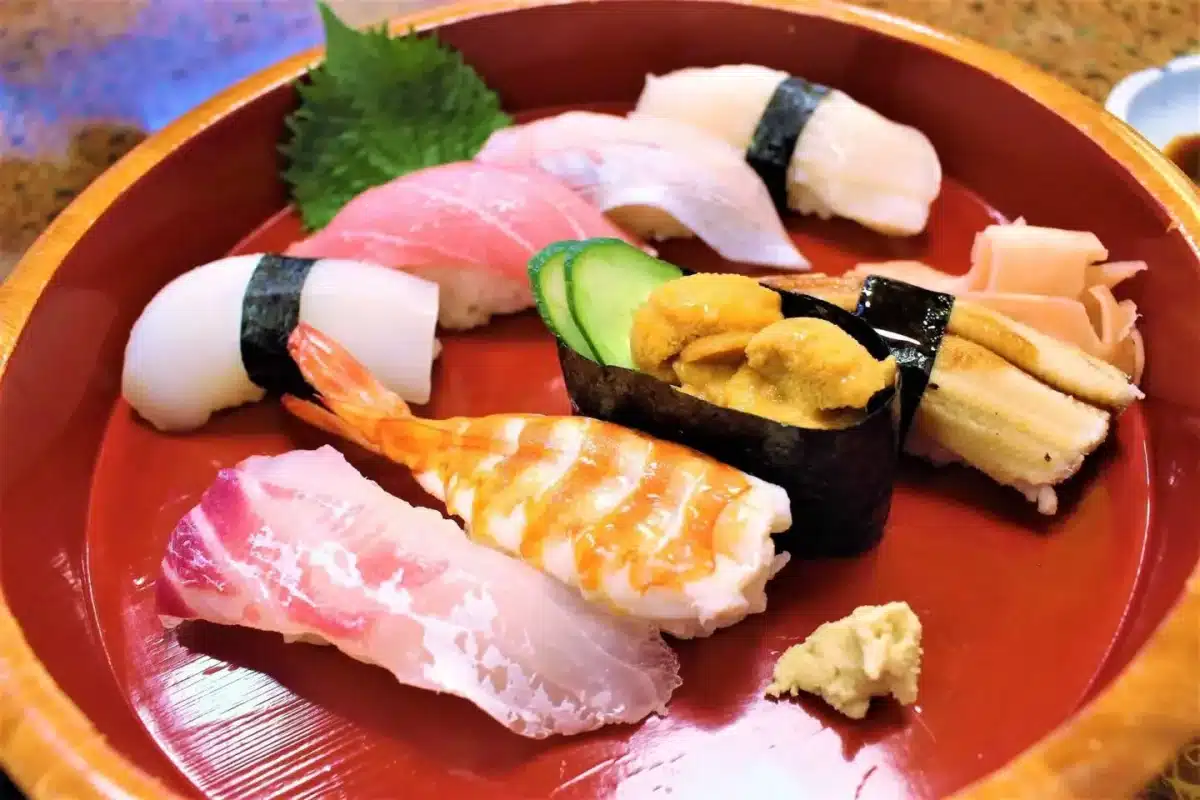
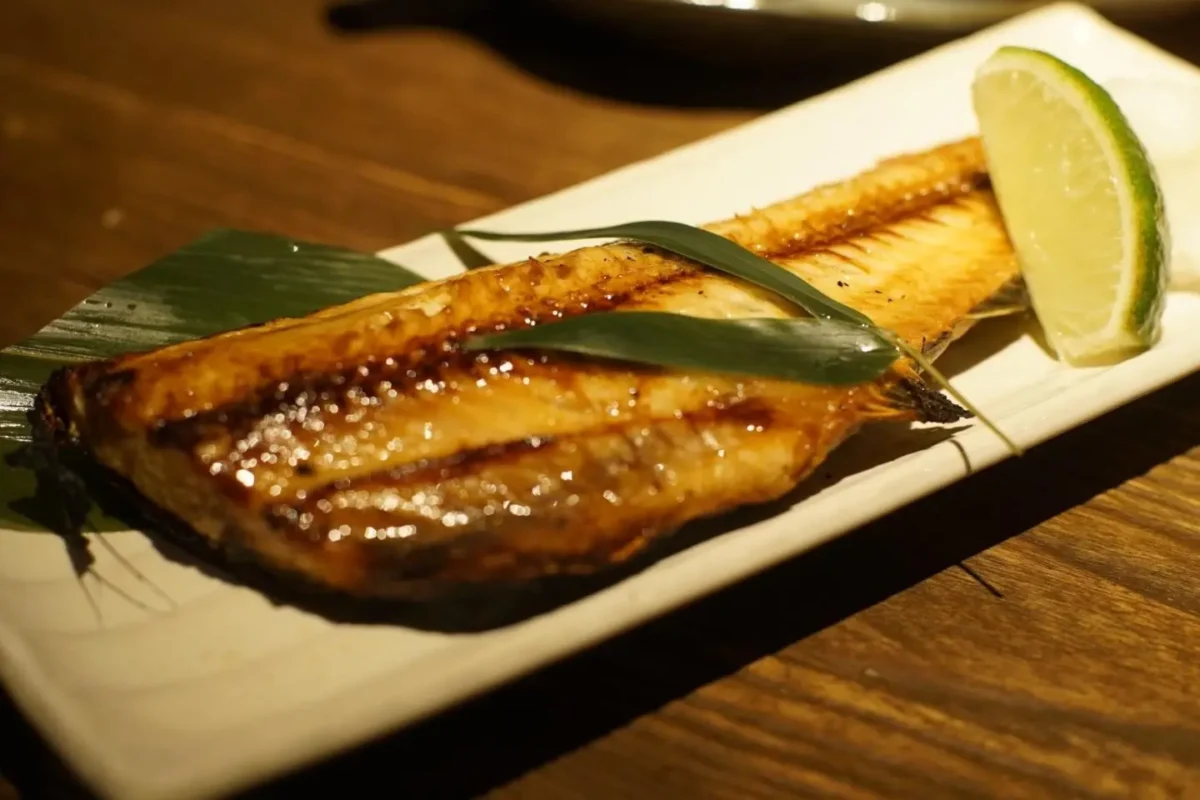
The cuisine is seafood in all its forms: raw, grilled, steamed, fried, and in soups.
Hokkaido King Crab: The festival’s prestige product and biggest draw. Season for live Hokkaido king crab runs roughly September to January, making the February festival the final moment to catch crab that was still moving within the week. A single leg portion served grilled, steamed, or draped over a mounded donburi typically costs between $13.00 and $27.00. Queues begin forming before stalls open.
Sea Urchin Uni Bowls: Technically at its peak between June and August, particularly from Shakotan and Rishiri Island in Hokkaido, but the festival sources premium flash-frozen and preserved uni from Hokkaido, Iwate, and Miyagi that justifies pricing. A quality uni-don runs $10.00 to $23.00. Do not skip it on seasonality grounds.
Tuna, Salmon, and Ikura: Fresh tuna sashimi and tuna bowls from maguro kaitai shows, salmon and ikura from Fukushima prefecture under Maple Salmon label, and ikura-salmon don, salmon fillet topped with salmon roe over rice, one of the most photographed dishes.
Regional Specialties: Monkfish liver ankimo from Ibaraki, served as smooth steamed preparation not unlike foie gras in texture, oysters kaki from Hiroshima and Iwate served raw, grilled, or in miso soup, sea bream tai from Ehime, seafood hotpot kaisenabe from Tohoku, which is exactly what cold weather demands, and crab miso soup.
Sake Corner: Beyond food, sake available draws from country’s major brewing regions. Niigata and Akita produce sake with clean, dry character that pairs cleanly with raw shellfish. Yamagata’s slightly richer ginjo works better alongside grilled king crab and salmon.
Chefs, Restaurants & Food Vendors
The vendors are fishing cooperatives, regional food producers, and sake brewers rather than restaurant chefs.
Fishing Cooperatives: Cooperatives from Hokkaido, Fukui, Ibaraki, Hiroshima, Iwate, Miyagi, and Fukushima bring their catch directly. For example, Fukui cooperative presents Echizen snow crab, Ibaraki cooperative serves ankimo, and Hokkaido cooperative serves king crab and uni.
Seafood Specialty Shops: Shops specializing in tuna, salmon, oyster bars, and crab specialists grill and steam on site. Many are family-run operations that have fished for generations.
Fukushima Sake Brewers Association: Operates dedicated sake corner with curated tasting sets from Fukushima’s brewing industry, demonstrating that sake quality is unaffected by adversity since 2011. Offers daiginjo, junmai daiginjo, and ginjo tastings.
Regional Gourmet Producers: Producers of local delicacies such as canned seafood, dried fish, fish sausages, and seafood-based snacks sell merchandise to take home.
International and Fusion Stalls: Some booths offer international flavors such as Alaskan seafood, showcasing collaborations, and creative preparations like seafood ramen and seafood curry.
Stage Chefs: Professional fish-cutters perform maguro kaitai tuna filleting, demonstrating knife technique and explaining cuts.
Food Experience
The food experience is outdoor, theatrical, and deeply seasonal.
Theatrical Eating: Eating at Sakana Festival is one kind of education. The tuna filleting show turns butchery into spectacle. The sizzle of king crab on charcoal grills, the steam from oyster miso soup, and the glistening of uni bowls create a sensory feast.
Queue Culture and Priorities: The eighty booths are not equal. Some are worth queuing for from opening bell, others are perfectly serviceable but not worth detour. Priorities: arrive at opening time 10:00 AM to beat queues at king crab and uni stalls, secure spot for tuna filleting show 30 minutes before it starts, try Fukushima sake brewers association daiginjo tasting set, order salmon-ikura don from Fukushima regional booth, seek out ankimo stall from Ibaraki, sample oysters from both Hiroshima and Iwate for comparison.
Bring Cash: Bring 10,000 to 20,000 yen in small bills recommended, as many stalls are cash only. Dress in warm layers as February outdoor temperatures are 3 to 8 degrees.
Sake Pairing Learning: The festival’s sake corner functions as useful introduction to pairing: drink lighter, drier sake with raw and delicate preparations, move toward fuller expressions as palate shifts toward grilled and smoked fish. Standing sake bars tachinomi in Ginza and Nakameguro offer deeper dive after dark.
Family-Friendly: Yoyogi Park Events Square is spacious, with room for strollers and groups. Children enjoy salmon rice bowls, grilled crab legs, and fish sausages.
Date & Schedule
Location: Yoyogi Park
Official Period: Mid – Late February 2027 (Dates TBD)
The Sakana and Japan Festival is held annually at Yoyogi Park in late February, anchoring the winter seafood calendar.
Typical Schedule Based on Previous Editions:
Duration: The festival runs for 4 days, typically Friday to Monday, anchored on February 23 national holiday. For example, previous editions ran February 23 to 26, 2023 with 80 booths record high, February 22 to 25, 2024, February 21 to 24, 2025, February 20 to 23, 2026, and estimated February 19 to 22, 2027.
Daily Hours: Opening hours are 10:00 AM to 8:00 PM daily, with last day 10:00 AM to 6:00 PM. For example, 2025 edition hours were 10:00 to 20:00 daily, final day until 18:00. Admission until 30 minutes before closing.
Stage Program: Tuna filleting shows maguro kaitai run 2 to 3 times per day, typically around 11:00 AM, 1:30 PM, and 3:30 PM. Sake tasting events run throughout day.
Fukushima Corner: Fukushima Fish Festival Discover corner runs all days with special talks about fishing industry recovery.
Visiting this event? Don’t miss out on these amazing activities and local experiences while you’re here.
Location & Venue
The venue is one of Tokyo’s most beloved parks in the heart of Harajuku and Shibuya.
Yoyogi Park – Yoyogi Park Events Square and Zelkova Avenue: The festival occupies the Event Plaza in the park’s northeastern section, known as Yoyogi Park Events Square, Shibuya, Tokyo, and Zelkova Trees area at 1-5-11 Jinnan, Shibuya-ku, Tokyo. The park is one of Tokyo’s largest green spaces.
Facilities: Yoyogi Park has wide open lawns, paved event squares, public toilets, vending machines, and food truck areas. During festival, additional tents, tables, and benches are set up.
Atmosphere: The approach from Harajuku Station is genuinely pleasant three-minute walk through torii gate entrance and past beginning of Meiji Jingu forested approach. In February, ginkgo trees are bare, light is low and blue, and smell of salt and charcoal begins near park entrance. The festival area is illuminated with traditional Japanese lanterns glowing at night festival, creating festive atmosphere.
Accessibility: Yoyogi Park is flat and accessible with paved paths. Event Square is suitable for wheelchairs and strollers.
Getting to the Event
The Sakana and Japan Festival is held at Tokyo’s Yoyogi Park. The park is easily accessible on foot from a number of different train stations.
By Train:
JR Harajuku Station – Yamanote Line: The most common access, 3 minutes on foot from Takeshita exit, through Meiji Jingu gate to Event Square.
Yoyogi-Koen Station – Tokyo Metro Chiyoda Line: 5 minutes on foot from exit 1, directly to park’s west side.
Yoyogi-Hachiman Station – Privately-operated Odakyu Odawara Line: 6 minutes on foot, quieter approach from west.
Meijijingu-Mae Station – Tokyo Metro Chiyoda Line or Fukutoshin Line: 5 minutes on foot from exit 5, near Harajuku and Omotesando shopping.
By Bus: Shibuya and Harajuku have extensive bus networks, but train is recommended due to crowds.
By Car: Driving to Yoyogi Park is not recommended due to lack of parking and crowds. Paid parking is available in nearby Harajuku and Shibuya at $4.00 to $7.00 per hour, but spaces fill quickly. Public transport is advised.
Accessibility: All stations have elevators and escalators. Yoyogi Park paths are paved and accessible.
Where to Stay Nearby
Harajuku, Shibuya, and Shinjuku offer ideal bases for the festival.
Near Yoyogi Park – Harajuku and Shibuya: Hotels such as JR East Hotel Mets Shibuya, Shibuya Excel Hotel Tokyu, Trunk Hotel Shibuya, and Harajuku’s Toggle Hotel are within 5 to 10 minutes walk of park. Prices from $100.00 to $250.00 per night. Book refundable hotel in Harajuku, Shibuya, or Shinjuku as soon as announcement lands, festival weekend creates genuine demand.
In Shinjuku: Shinjuku offers many options from business hotels like APA Hotel Shinjuku to luxury like Park Hyatt Tokyo, with direct train access via Yamanote Line to Harajuku. Prices $70.00 to $300.00 per night.
Booking Tips: February is still winter low season but festival weekend creates demand. Book accommodation before announcement based on estimated window anchored on February 23 national holiday. Official site at 37sakana.jp/sakanajapanfes/ will publish dates in autumn.
Alternative Morning Market: Combine festival afternoon with Tsukiji Outer Market morning. Tsukiji Outer Market has over 400 shops and restaurants lining lanes, selling fresh seafood, dried goods, kitchen knives, and tamagoyaki. Recommended arrival window is 07:00 to 09:00 before tour groups arrive.
Things to Do Before or After the Event
Combine seafood festival with Tokyo’s rich seafood culture.
Tsukiji Outer Market: The Sakana Festival occupies afternoon, Tsukiji Outer Market owns morning. The two belong on same two-day itinerary. Inner Market moved to Toyosu in October 2018, but Outer Market remains dense with shops. Bring cash, many stalls closed Wednesdays and Sundays.
Toyosu Market Tuna Auction: For ultimate dawn experience, Toyosu Market tuna auction begins at approximately 05:30. Observation decks allow open-access viewing without reservation. For deeper experience with licensed guide and historical context, combined Toyosu and Tsukiji tour formats are practical.
Cooking Classes: Tokyo’s cooking class ecosystem is well-developed. Structure of well-run Tokyo sushi class: instructor demonstrates knife technique and rice preparation, guides students through hand-pressing nigiri and rolling maki. Recommended classes include Tokyo Sushi Making Class in Tsukiji with Professional Chef from $73.00, and Ramen and Sushi Cooking Class with Sake Pairing Set from $133.00.
Meiji Jingu Shrine: Located adjacent to Yoyogi Park, Meiji Jingu Shrine is Tokyo’s most famous Shinto shrine, with forested approach and peaceful grounds, perfect for pre-festival walk.
Harajuku and Omotesando Shopping: Explore Takeshita Street’s quirky fashion, Omotesando’s luxury boutiques, and Cat Street’s cafes after festival.
Restaurants & Local Food to Try
Beyond festival stalls, Harajuku and Shibuya offer excellent seafood.
Tsukiji Outer Market Restaurants: Try sushi at Daiwa Sushi, sashimi bowls at various stalls, and tamagoyaki sweet rolled egg. Meals from $15.00 to $40.00.
Harajuku Seafood: Harajuku has many seafood izakaya serving fresh sashimi, grilled fish, and seafood hotpot. Uoshin and Isomaru Suisan are popular chains.
Shibuya Sushi and Ramen: Shibuya offers high-quality sushi at Uobei and Kura Sushi conveyor belt chains, and ramen shops.
Sake Bars: Tokyo’s standing sake bars tachinomi in Ginza and Nakameguro have most interesting recent additions, while Shinjuku’s Kubota Sake Bar provides comprehensive structured tasting format. Japan produces approximately 1,400 sake breweries nationwide.
Fukushima Specialties: Try Fukushima’s local sake and seafood, including Maple Salmon and sake lees dishes, supporting recovery efforts.
International Seafood: Try Alaskan seafood collaborations featured at festival, and seafood curry and ramen fusion dishes.
Dietary & Food Allergy Information
Seafood festival contains major allergens, careful checking needed.
Allergen Information: Most dishes contain fish, shellfish, soy sauce, and may contain shrimp, crab, and sea urchin. Crab, oyster, and uni are shellfish allergens. Many soups contain fish-based dashi. Soy sauce contains soy and wheat.
Gluten: Many dishes contain soy sauce which contains wheat. Tempura and fried seafood contain wheat batter. Some dishes may be gluten-free like plain grilled crab or sashimi, but cross-contact likely.
Vegetarian and Vegan: Seafood festival is not vegetarian-friendly as almost all dishes contain fish or shellfish. Some stalls may offer vegetable miso soup or rice, but these may contain fish dashi. Vegan options are very limited.
Halal: Halal-certified seafood may be available at some stalls, but most dishes contain sake, mirin, and non-halal seasonings. Check with individual stalls.
Language Support: Menus are primarily in Japanese with English for major items like king crab and uni. Staff speak basic English. Translation apps help. Festival information booth provides English pamphlets.
Ticket Information
The Sakana and Japan Festival is free to enter with pay-as-you-go food.
Admission: Admission to the event itself is free. No tickets required for entry to Yoyogi Park Event Square. You only pay for food and drinks you purchase.
Food Pricing Based on Previous Editions:
King Crab Portion: $13.00 to $27.00 for single leg portion grilled, steamed, or over donburi, based on 2,000 to 4,000 yen.
Uni Don: $10.00 to $23.00 for quality sea urchin bowl, based on 1,500 to 3,500 yen.
Salmon Ikura Don: $8.00 to $18.00 for salmon and salmon roe over rice.
Oysters and Ankimo: $4.00 to $10.00 per serving for grilled oysters or monkfish liver in earthenware cups.
Sake Tasting: Fukushima Sake Brewers Association daiginjo tasting set around $6.00 to $12.00 for several premium expressions.
Festival Day Budget: Festival day budget for food plus sake is $20.00 to $53.00 based on 3,000 to 8,000 yen, according to 2026 guides. Bring 10,000 to 20,000 yen in small bills recommended, as many stalls cash only.
Payment: Most stalls cash only, some accept e-payment like Suica and PayPay. Bring cash in small bills.
No Reservation Needed: No reservation needed for general entry. Tuna filleting shows require arriving 30 minutes early for good position due to large crowds.
Official Event Information
Event Name: Sakana and Japan Festival, also known as SAKANA and JAPAN FESTIVAL and Sakana and Japan Project
Location: Yoyogi Park Events Square and Zelkova Avenue, 1-5-11 Jinnan, Shibuya-ku, Tokyo, Japan
Access: Easily accessible from JR Harajuku Station Yamanote Line, Yoyogi-Koen Station Tokyo Metro Chiyoda Line, Yoyogi-Hachiman Station Odakyu Odawara Line, or Meijijingu-Mae Station Tokyo Metro Chiyoda Line or Fukutoshin Line
Format: 4-day outdoor seafood festival with approximately 80 booths serving traditional seafood-based meals from across country, live tuna filleting shows, and sake corner
Organizer: Sakana and Japan Festival Executive Committee and Sakana and Japan Project Promotion Committee
Official Website URL as Text: en.japantravel.com/tokyo/sakana-and-japan-festival/61361 and 37sakana.jp/sakanajapanfes/
Additional Official Information as Text: tokyocheapo.com and metropolisjapan.com for latest dates and booth information
Contact: Sakana and Japan Festival Executive Committee via official site
Video
Location
FAQ
What is the Sakana and Japan Festival and how many booths are there?
As an island nation home to abundant lakes and rivers, Japan has great affinity for seafood, and the Sakana and Japan Festival aims to highlight this strong connection between fish dishes and Japanese culture. It is one of the largest fish and seafood festivals in Japan with approximately 80 different booths serving traditional seafood-based meals from across the country, from Hokkaido king crab and uni bowls to regional specialties like monkfish liver and oysters.
Is admission free and what should I budget for food?
Admission to the event itself is free, but bring some yen if you plan to grab a bite at the food booths, with most stalls cash only and small bills recommended. Based on previous editions, a festival day budget for food plus sake is $20.00 to $53.00, with king crab portions $13.00 to $27.00, uni don $10.00 to $23.00, and sake tasting sets $6.00 to $12.00, so bringing $70.00 to $140.00 in cash ensures you can try multiple booths.
What are the highlights and must-try foods?
Highlights include live tuna filleting shows maguro kaitai where a whole bluefin tuna 100 to 200 kg is broken down on main stage two to three times per day, Hokkaido king crab served grilled or over donburi, sea urchin uni bowls, salmon-ikura don from Fukushima recovery fishing industry, monkfish liver ankimo from Ibaraki, and oysters from Hiroshima and Iwate served raw or grilled. The Fukushima Sake Brewers Association sake corner with daiginjo tasting sets is also a must for pairing with seafood.
How do I get to Yoyogi Park for the festival?
The Sakana and Japan Festival is held at Tokyo's Yoyogi Park, easily accessible on foot from JR Harajuku Station on Yamanote Line 3 minutes, Yoyogi-Koen Station on Tokyo Metro Chiyoda Line 5 minutes, Yoyogi-Hachiman Station on Odakyu Odawara Line 6 minutes, or Meijijingu-Mae Station on Chiyoda or Fukutoshin Line 5 minutes. Public transport is advised as there is limited paid parking nearby at $4.00 to $7.00 per hour.
Is the festival family-friendly and what else can I do nearby?
The festival is family-friendly with spacious Yoyogi Park Events Square suitable for strollers and groups, with children enjoying salmon rice bowls and grilled crab. Beyond the festival, you can visit Meiji Jingu Shrine adjacent to park, explore Harajuku's Takeshita Street and Omotesando shopping, combine morning at Tsukiji Outer Market with over 400 shops selling fresh seafood and kitchen knives, or take a cooking class like sushi making in Tsukiji from $73.00 to learn Japanese seafood techniques.

Leave a Reply