
Overview
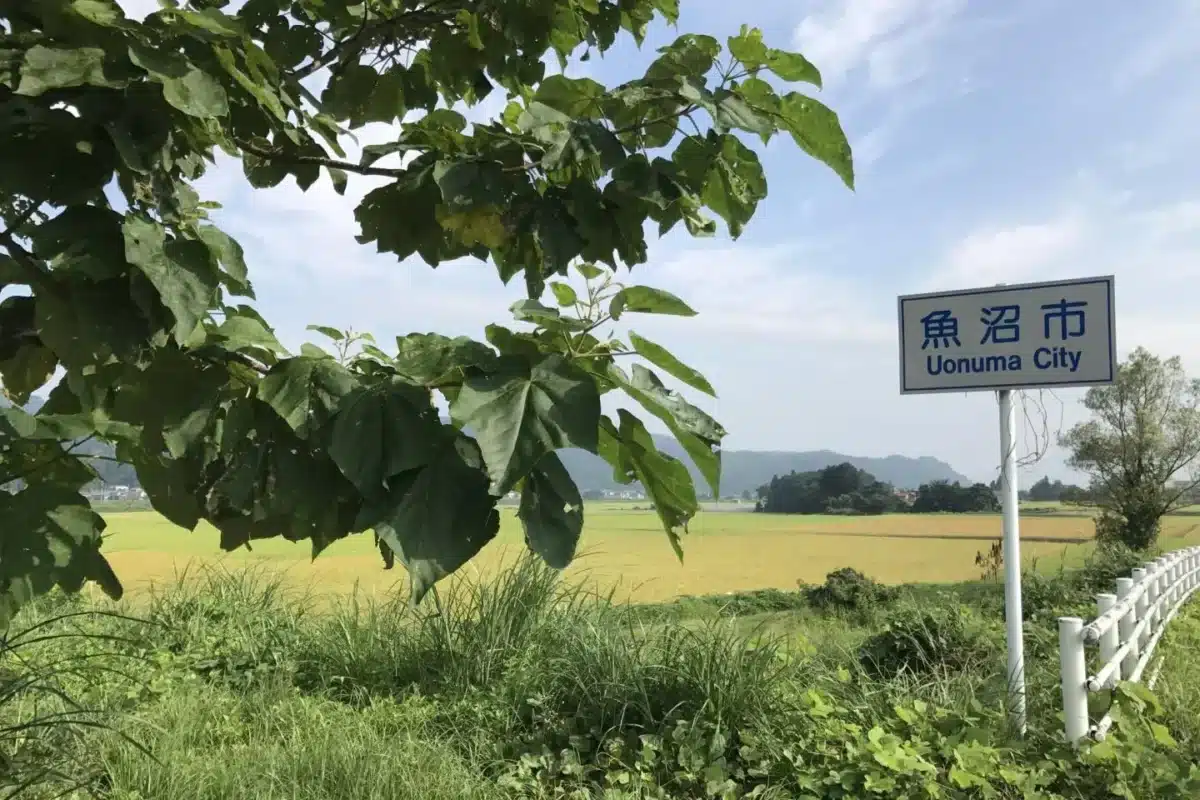
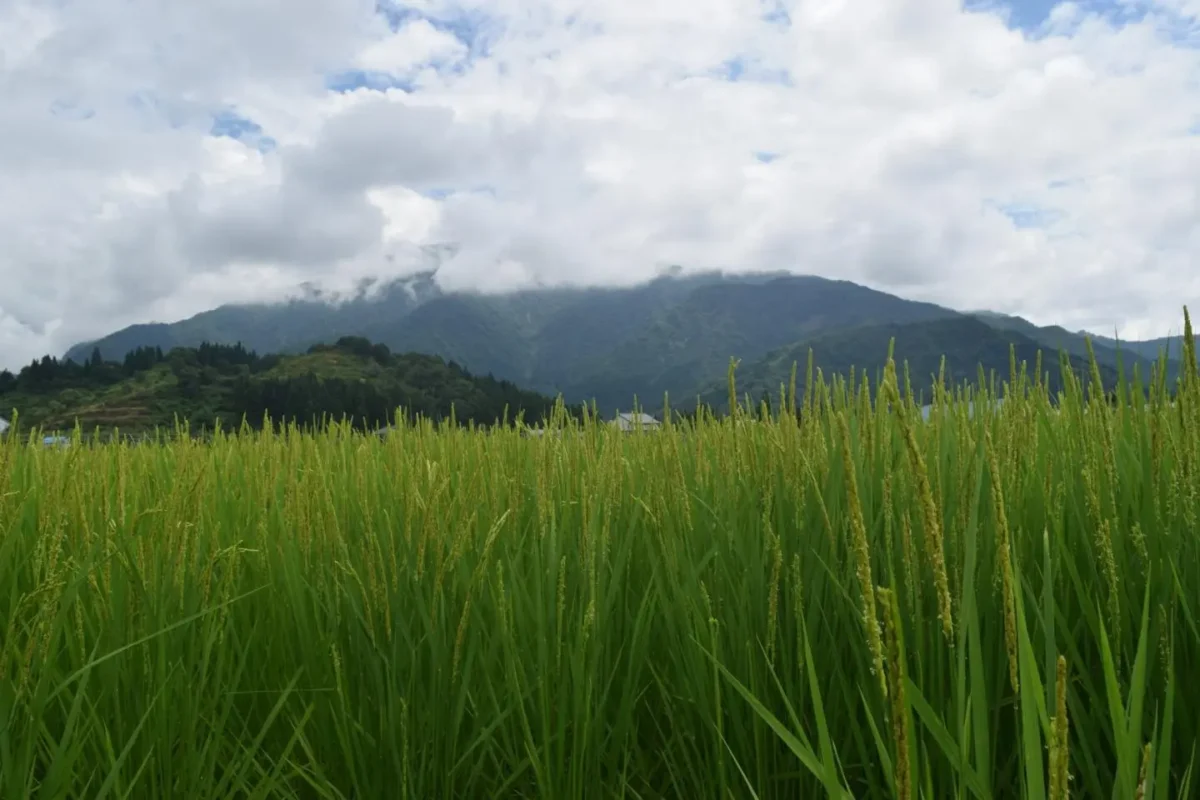
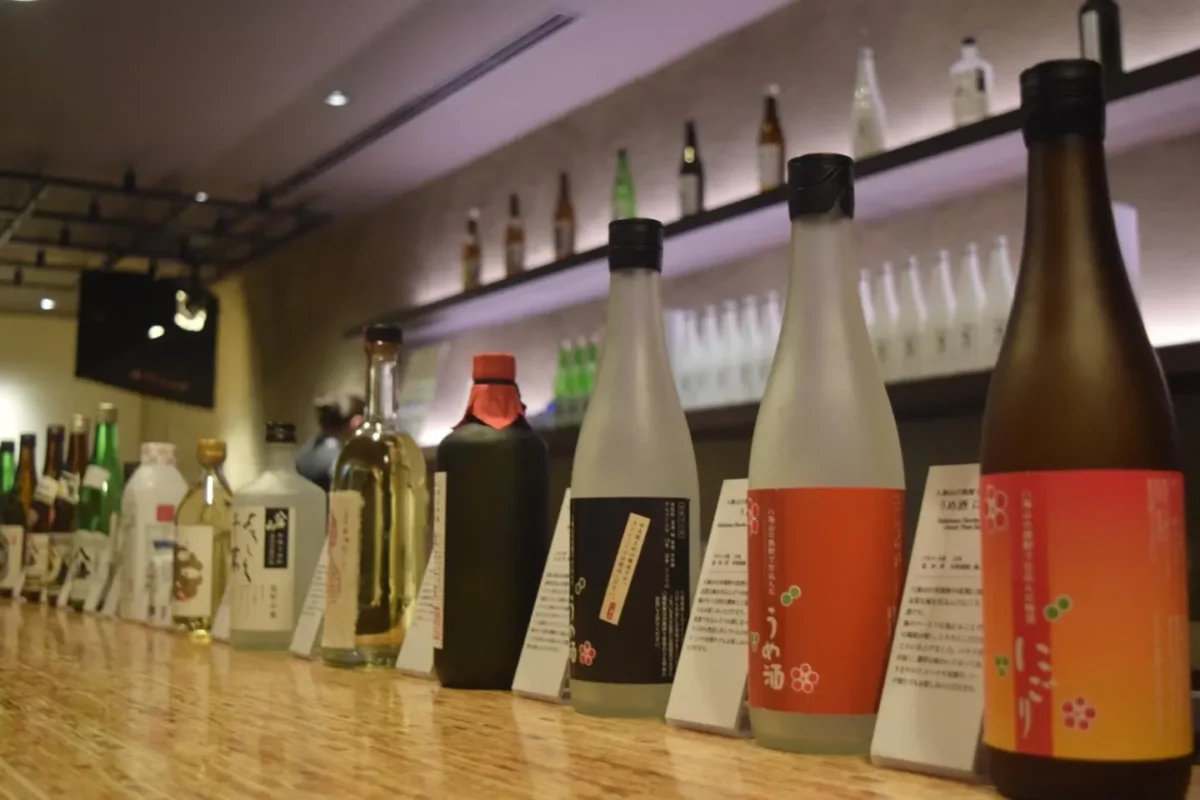
The Uonuma region of Niigata Prefecture experiences heavy winter snowfall, and the pure snow melt water nurtures two of their most famous exports – sake and rice. The Uonuma no Jin Rice and Sake Festival highlights these local delicacies, and ten different breweries from the yukiguni, snow country, region will be offering samples of their beverages to the public. The brews will be served up alongside a range of tasty food, including koshihikari rice, one of Niigata’s staple crops.
In addition to the eats and drinks on offer, there will be an entertainment stage featuring music performances and appearances from local TV personalities and chefs, making it a full cultural festival celebrating the snow country’s bounty.
Uonuma was formed in 2005 from the merger of six towns, which means this year is the 20th birthday of the city, and it is now officially old enough to drink. The city is one of the biggest rice-producing places in Japan and is located just north of Tokyo in Niigata Prefecture. The festival is held at Urasa Station, accessible by both the JR Joetsu Local Line and the Joetsu Shinkansen, making it an easy day trip from the capital.
Enjoy Your Event Stress-Free with Japan Travelo
Do you know? Planning events, festivals, concerts, and cultural experiences in Japan can be overwhelming. Japan Travelo brings everything together in one place, helping you manage your itinerary, transport, and accommodation with ease—so you can enjoy Japan without the stress of planning.
The special characteristics of Uonuma sake are very much tied to the water source that many brewers share. The area is mountainous, part of the Japanese alps, and the breweries have abundant sources of mountain stream, snow-melt water. The water ranks exceedingly soft on the hardness scale of water, and this creates clean, refined sake that has become famous worldwide.
What Makes This Food Event Special
What makes Uonuma no Jin special is its pure focus on the relationship between snow, rice, and sake in one of the snowiest regions on Earth.
Snow Country Terroir: Brewed in one of the snowiest regions on Earth, Uonuma sake is crafted from snow country terroir. The heavy winter snowfall that blankets the region melts into pure, soft water that nurtures both rice paddies and sake brewing. This snow-melt water is exceedingly soft and is shared by many brewers, giving Uonuma sake its clean, refined character.
Koshihikari Rice Focus: Unlike most sake festivals that focus only on sake, this festival highlights both rice and sake, because in Uonuma they are inseparable. Koshihikari rice, one of Niigata’s staple crops, is considered Japan’s best table rice, and some breweries even craft premium sake entirely from Uonuma Koshihikari, a rice grown for the table rather than for sake, polished to 50 percent and fermented in deep-winter cold.
Ten Breweries in One Station: Ten different breweries from the yukiguni region gather at Urasa Station, offering samples side by side. This includes famous names like Hakkaisan Brewery, renowned for producing clean, refined sake using extremely soft spring water from Mount Hakkai in one of Japan’s heaviest snowfall regions, and Tsunan Sake Brewery, which produces GO series of sake made exclusively from 100 percent Uonuma-grown Koshihikari rice.
Station Festival Format: The festival is held at a train station, Urasa Station, creating a unique atmosphere where travelers arriving by shinkansen step directly into a sake celebration. The station plaza transforms into an open-air tasting hall with brewery stalls, food booths, and entertainment stage.
Entertainment and Local Culture: In addition to eats and drinks, there will be an entertainment stage featuring music performances and appearances from local TV personalities and chefs, bringing local culture and humor to the sake tasting.
Food, Cuisine & Specialties
The cuisine centers on rice and sake, with food designed to complement the brews.
Koshihikari Rice: Koshihikari rice is the star food. Uonuma Koshihikari is considered the highest quality Koshihikari in Japan due to heavy snow melt water, large temperature differences between day and night, and fertile soil. At the festival, you can enjoy freshly cooked koshihikari rice on its own, with its glossy, sticky texture and sweet aroma, as onigiri rice balls, and as part of dishes like koshihikari rice bowls with local pickles and miso.
Premium Table Rice Sake: A unique category is Premium Table Rice Sake, premium sake brewed from edible Uonuma Koshihikari. Tsunan Sake Brewery’s GO GRANDCLASS Uonuma Koshihikari Edition is flagship, recognized abroad with Kura Master Gold and Milano Sake Challenge Platinum, and GO TERRACE, crafted entirely from Uonuma Koshihikari polished to 50 percent and fermented in deep-winter cold of Tsunan, which won Gold at Tokyo Sake Challenge. These sakes pair terroir of heavy snow country with smart brewing that draws on generative AI.
Hakkaisan and Traditional Sake: Hakkaisan Brewery, located in Minamiuonuma, is renowned for clean, refined sake using extremely soft spring water from Mount Hakkai. Its junmai, ginjo, and daiginjo sakes showcase soft water brewing. Other breweries like Tamagawa Sake Brewery and Shiokawa Sake Brewery bring their own styles.
Food Pairings: The brews will be served up alongside a range of tasty food including koshihikari rice dishes, miso soup made with local miso, grilled river fish, pickled vegetables, sake lees soup, and local specialties like hegi soba, a seaweed-infused buckwheat noodle from Uonuma area.
Sake Varieties: Ten breweries offer junmai, junmai ginjo, junmai daiginjo, honjozo, and aged sake, all made with soft snow-melt water, creating light, clean, and slightly sweet profiles.
Chefs, Restaurants & Food Vendors
The vendors are sake breweries and local food producers, not restaurant chefs.
Ten Snow Country Breweries: The core participants are ten different breweries from yukiguni snow country region, including:
Hakkaisan Brewery Co., Ltd.: Located in Minamiuonuma, renowned for clean, refined sake using extremely soft spring water from Mount Hakkai. Known for its flagship Hakkaisan Tokubetsu Junmai and Hakkaisan Junmai Ginjo.
Tsunan Sake Brewery: Headquarters in Tsunan Town, Nakauonuma District, Niigata Prefecture. Produces GO series of sake made exclusively from 100 percent Uonuma-grown Koshihikari rice, including GO GRANDCLASS and GO TERRACE that won gold medals. They also launch multilingual hubs for premium table rice sake.
Tamagawa Sake Brewery, Shiokawa Sake Brewery, Uonuma Shuzo: Based in Niigata, part of initiatives turning to unique rice varieties to produce premium sake.
Other Local Breweries: Other participants include small family breweries from Minamiuonuma City and Uonuma City, each with 100 plus years of history, many of which spent a year studying every step in sake-making process from milling rice, steaming rice, and making mash to pressing and bottling.
Food Vendors: Local restaurants and JA agricultural cooperatives serve koshihikari rice onigiri, hegi soba, miso dengaku, and grilled fish. Some stalls are run by local TV personalities and chefs who appear on entertainment stage.
Mineral Water: Pure snow-melt mineral water is also provided as palate cleanser between sake tastings.
Food Experience
The food experience is educational, communal, and deeply tied to snow country culture.
Sake Ticket Tasting: You purchase drink tickets and move from brewery to brewery, tasting small samples and comparing soft water profiles. The experience is like a sake crawl where you can talk directly to brewers who spent a year studying every step from milling to bottling. Brewers explain how exceedingly soft water affects fermentation and flavor.
Rice and Sake Pairing: You taste freshly cooked koshihikari rice alongside sake made from same rice, understanding how same grain transforms from staple food to premium beverage. This table rice to sake journey is unique to Uonuma.
Station Plaza Atmosphere: The festival at Urasa Station plaza has a lively, open-air market feel with snow still visible on surrounding mountains. Locals and visitors from Tokyo mingle, sharing tables and recommendations. The entertainment stage with music performances and appearances from local TV personalities adds festival energy.
Limited Edition Cup: The limited edition Uonuma no Jin Rice and Sake Festival cup, included with larger ticket sets, is a collectible ochoko sake cup that you use for tasting and take home as souvenir.
Snow Country Hospitality: Uonuma people are known for warm hospitality despite cold climate. The festival reflects this with generous pours, free mineral water to stay hydrated, and friendly explanations.
Day Trip Friendly: Via shinkansen, the region can be accessed from Tokyo in approximately 1 hour and 30 minutes, making it possible to enjoy sake tasting and still return to Tokyo same day, though many choose to stay for onsen.
Date & Schedule
Location: Urasa Station
Official Period: Early March 2027 (Dates TBD)
The Uonuma no Jin Rice and Sake Festival is held in early March, at the tail end of heavy snow season when snow-melt water is at its purest and sake brewed in winter is ready for release.
Typical Schedule Based on Previous Editions:
Duration: The festival is typically a one-day event held on a Saturday or Sunday in early March, running from late morning to mid-afternoon, though some editions extend to two days over weekend.
Daily Hours: Stalls generally open at 10:00 AM to 11:00 AM and serve until 3:00 PM to 4:00 PM. The entertainment stage runs throughout with music performances at regular intervals and appearances from local TV personalities and chefs around noon.
Tasting Hours: Sake tasting with drink tickets runs continuously from opening to 30 minutes before closing. Breweries may run out of limited brews early, so arriving early is recommended.
Seasonal Note: Early March in Uonuma still has heavy snow on ground and mountains, with daytime temperatures around 5 to 10 degrees. The snow country landscape adds to experience.
Contact for Latest: Phone number listed for inquiries is 025-777-2172 for Uonuma City tourism division.
Visiting this event? Don’t miss out on these amazing activities and local experiences while you’re here.
Location & Venue
The venue is a train station that serves as gateway to snow country.
Urasa Station: Address is Urasa, Minami-Uonuma City, Niigata prefecture 719-2, specifically at Urasa Station plaza and surrounding area. Urasa Station is a junction station on both JR Joetsu Local Line and Joetsu Shinkansen, making it highly accessible.
Facilities: Urasa Station has waiting rooms, toilets, tourist information center, souvenir shop selling Uonuma Koshihikari rice and local sake, and large plaza in front where festival tents are set up. The station is modern and accessible.
Surrounding Area: Urasa is home to traditional temple town with Bishamondo Temple, one of Echigo’s three famous temples, and is surrounded by snow-covered mountains and rice terraces that will be under snow during festival.
Atmosphere: The station festival atmosphere is unique: travelers arriving on shinkansen step off into sake stalls, with steam rising from food booths and sound of music from entertainment stage. Snow piles line edges of plaza, creating snow country ambiance.
Getting to the Event
Getting to Urasa Station is very easy from Tokyo via shinkansen.
By Shinkansen: The Uonuma no Jin Rice and Sake Festival will be held at Urasa Station, accessible by Joetsu Shinkansen. Via shinkansen, the region can be accessed from Tokyo in approximately 1 hour and 30 minutes. Take Joetsu Shinkansen Toki or Tanigawa from Tokyo Station or Ueno Station directly to Urasa Station, no transfer needed. From Niigata City, take Joetsu Shinkansen to Urasa, about 1 hour.
By Local Train: Accessible by JR Joetsu Local Line from Nagaoka and Echigo-Yuzawa. From Echigo-Yuzawa, about 30 minutes to Urasa.
By Car: From Kan-Etsu Expressway, take Koide Interchange or Muikamachi Interchange and follow Route 17 to Urasa. Parking is available near station but limited during festival, so train is recommended. Paid parking around station costs $3.00 to $5.00 per day.
From Airport: Niigata Airport is about 2 hours by train and shinkansen to Urasa via Niigata Station.
Accessibility: Urasa Station and shinkansen are fully accessible with elevators, escalators, and accessible toilets. Festival plaza is flat and paved, suitable for wheelchairs.
Where to Stay Nearby
Minamiuonuma City offers onsen ryokan and ski resorts that are ideal for combining sake festival with snow activities.
Near Urasa Station: Business hotels such as Hotel Route Inn Muikamachi, Muikamachi Onsen Hotel, and Urasa area guesthouses are within 5 to 10 minutes by car or taxi from station. Prices from $60.00 to $90.00 per night.
Echigo-Yuzawa Onsen Area: Echigo-Yuzawa, 30 minutes by shinkansen, is famous onsen and ski resort town with many ryokan, hotels, and ski lodges from $80.00 to $200.00 per night, many with onsen baths and ski slopes still open in early March.
Minamiuonuma Onsen: Muikamachi Onsen, Imaizumi Onsen, and other local onsen ryokan offer snow-view open-air baths, ideal after sake tasting. Prices $90.00 to $180.00 per person including dinner with Koshihikari rice and local dishes.
Booking Tips: Early March is still ski season and sake season, so onsen hotels are popular. Booking 2 to 4 weeks ahead is recommended. Many hotels offer festival packages including shuttle to Urasa Station.
Things to Do Before or After the Event
Combine sake festival with snow country experiences.
Bishamondo Temple and Urasa Temples: Visit Bishamondo Temple in Urasa, part of historic temple town, with beautiful snow-covered gardens in March.
Echigo-Yuzawa and Snow Activities: Enjoy skiing and snowboarding at Gala Yuzawa, Kagura, and other resorts still open in early March, or snowshoeing and kamakura snow hut experiences.
Hakkaisan Brewery Tour: Visit Hakkaisan Brewery in Minamiuonuma for full brewery tour, learning every step from milling rice to bottling, with tasting of limited brews not available at festival. Reservation recommended.
Rice Terraces and Snow Landscapes: Drive or take local bus to see Uonuma’s famous rice terraces under snow, and visit roadside stations selling Koshihikari rice and sake.
Onsen Bathing: Enjoy onsen baths at Muikamachi Onsen, Echigo-Yuzawa Onsen, and Imaizumi Onsen, where you can soak while viewing snow-covered mountains.
Tsunan and Tokamachi Snow Country: Visit Tsunan Town, one of snowiest towns in Japan, and Tokamachi City for snow festival remnants and textile museums.
Restaurants & Local Food to Try
Beyond festival, Uonuma offers exceptional rice and sake-based cuisine.
Koshihikari Rice Meals: Try freshly cooked Uonuma Koshihikari rice at local restaurants, served with miso soup, pickles, and grilled fish. Many restaurants offer all-you-can-eat Koshihikari rice lunch for $10.00 to $15.00.
Hegi Soba: Hegi soba is a specialty of Uonuma area, buckwheat noodles infused with funori seaweed, giving smooth texture, served on wooden hegi tray. Try at local soba shops for $8.00 to $12.00.
Sake Lees Dishes: Try dishes made with sake lees such as sake lees soup, sake lees pickles, and sake lees marinated fish.
Local Sake and Food Pairings: Try local sake paired with river fish like ayu sweetfish, mountain vegetables, and pickles at izakaya near Urasa Station.
Snow-Aged Foods: Uonuma is famous for snow-aged foods where vegetables and meat are stored in yukimuro snow rooms, developing sweetness. Try snow-aged carrots and snow-aged beef.
Sake Manju and Sweets: Sake manju buns and sake lees sweets are popular souvenirs.
Dietary & Food Allergy Information
Rice and sake festival is relatively allergen-friendly but sake contains alcohol.
Allergen Information: Koshihikari rice itself is gluten-free and allergen-free, but dishes may contain soy sauce, miso, and fish. Sake is made from rice, water, yeast, and koji, and is generally gluten-free but contains alcohol. Food stalls may contain wheat in soba and tempura.
Gluten: Plain Koshihikari rice is gluten-free. Hegi soba contains buckwheat but also wheat in some versions. Sake is gluten-free. Ask vendors about gluten-free options.
Vegetarian and Vegan: Many rice dishes and pickles are vegetarian. Hegi soba with dipping sauce may be vegetarian. Sake itself is vegan. Vegan options available but ask about dashi containing fish.
Halal: Halal options are limited as sake contains alcohol. Plain rice and pickles may be halal-friendly but check.
Language Support: Menus primarily in Japanese with some English. Staff speak basic English. Translation apps help. Sake breweries have English pamphlets explaining sake types.
Ticket Information
The Uonuma no Jin Rice and Sake Festival uses a drink ticket system.
Admission: Entry to festival plaza at Urasa Station is free. You only pay for sake tasting tickets and food.
Sake Pricing Based on Previous Editions: Prices vary depending on how many sake variants you wish to try. 100 yen gets you one drink ticket, 1000 yen gets you 10 drink tickets and mineral water, and 2000 yen gets you 20 drink tickets, mineral water, and a limited edition Uonuma no Jin Rice and Sake Festival cup.
Converted to USD: One drink ticket $0.70 based on 100 yen, 10 drink tickets plus mineral water $6.70 based on 1000 yen, 20 drink tickets plus mineral water plus limited edition cup $13.30 based on 2000 yen.
Additional Tickets: Extra drink tickets can be purchased throughout day at ticket booths for $0.70 each.
Food Pricing: Koshihikari rice onigiri $2.00 to $3.00, hegi soba $6.00 to $8.00, grilled fish $5.00 to $8.00.
Payment: Drink tickets purchased with cash at booths. Food vendors accept cash and some accept IC cards like Suica. Bring cash in small bills.
Cup: Limited edition cup is collectible and included with 20 ticket set. It is an ochoko style cup suitable for sake tasting.
Official Event Information
Event Name: Uonuma no Jin Rice and Sake Festival
Location: Urasa Station, Urasa, Minami-Uonuma City, Niigata prefecture 719-2, Japan. Festival held at Urasa Station plaza, accessible by JR Joetsu Local Line and Joetsu Shinkansen
Access: Via shinkansen from Tokyo in approximately 1 hour and 30 minutes, direct to Urasa Station
Format: One-day outdoor sake and rice festival with ten different breweries from yukiguni snow country region offering samples, food booths with koshihikari rice, and entertainment stage with music and local TV personalities
Organizer: Uonuma City, Minamiuonuma City Tourism Association, Uonuma no Jin Executive Committee, and ten participating breweries
Official Website URL as Text: en.japantravel.com/event/uonuma-no-jin-rice-and-sake-festival/60296
Additional Official Information as Text: city.minamiuonuma.niigata.jp and 37sakana.jp style sake event listings for Niigata sake festivals
Contact: Phone 025-777-2172 for Uonuma City tourism division and Uonuma no Jin executive committee
Location
FAQ
What is Uonuma no Jin Rice and Sake Festival?
The Uonuma region of Niigata Prefecture experiences heavy winter snowfall, and the pure snow melt water nurtures two of their most famous exports sake and rice, and the festival highlights these local delicacies with ten different breweries from yukiguni snow country region offering samples. The brews are served alongside tasty food including koshihikari rice, one of Niigata's staple crops, plus entertainment stage featuring music performances and appearances from local TV personalities and chefs.
How much does sake tasting cost and what is included?
Prices vary depending on how many sake variants you wish to try, with drink tickets sold at festival booths, and the system is designed to let you try many breweries in small samples. The largest set includes mineral water to stay hydrated between tastings and a limited edition Uonuma no Jin Rice and Sake Festival cup which is a collectible ochoko cup you use for tasting and take home as souvenir.
Where is the festival held and how do I get there from Tokyo?
The festival will be held at Urasa Station, accessible by both JR Joetsu Local Line and Joetsu Shinkansen, making it one of the easiest sake festivals to reach from Tokyo. Via shinkansen, the region can be accessed from Tokyo in approximately 1 hour and 30 minutes with direct trains from Tokyo Station or Ueno Station to Urasa Station, no transfer needed.
What makes Uonuma sake special compared to other sake?
The special characteristics of Uonuma sake are very much tied to water source that many brewers share, as area is mountainous part of Japanese Alps with abundant sources of mountain stream snow-melt water that ranks exceedingly soft on hardness scale. This soft water creates clean refined sake, and some breweries even craft premium sake entirely from Uonuma Koshihikari table rice polished to 50 percent and fermented in deep-winter cold, pairing terroir of heavy snow country with innovative brewing.
Is the festival family-friendly and what else can I do in Uonuma?
The festival is family-friendly with free entry to plaza, food booths serving koshihikari rice onigiri and hegi soba buckwheat noodles, and entertainment stage with music that appeals to all ages, though sake tasting is for adults. Beyond festival, you can visit Hakkaisan Brewery for full brewery tour, enjoy onsen baths at Muikamachi Onsen and Echigo-Yuzawa Onsen with snow views, try skiing at nearby resorts still open in early March, and explore Bishamondo Temple historic temple town.

Leave a Reply