
-
May 26, 2027
Event date:
-
June 7, 2027
Event end:
What to expect
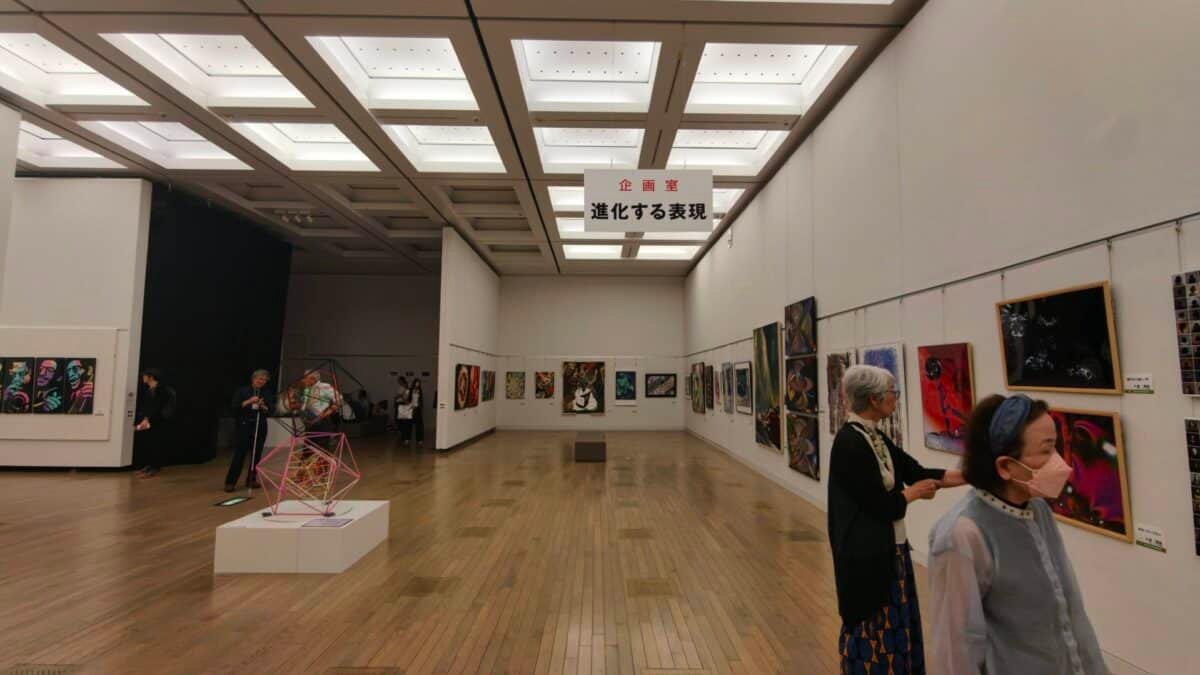
The Art Festival GENTEN is one of Japan’s most historic and largest open-call contemporary art festivals, organized by the Contemporary Artists Association, known as Gendai Bijutsuka Kyokai. With a lineage that reaches over eighty editions, GENTEN has become a gateway for emerging and mid-career artists across Japan and increasingly from overseas to exhibit in one of the country’s most prestigious venues. The 2027 edition continues this tradition as the 83rd Art Festival GENTEN, presenting a vast salon-style exhibition that showcases painting, sculpture, photography, printmaking, mixed media and digital works.
What to expect is a uniquely democratic yet professionally curated art festival. Unlike a commercial art fair or a museum-curated thematic exhibition, GENTEN is built on an open submission system. Artists apply through the official recruitment page, undergo jury selection by the Contemporary Artists Association, and if selected, exhibit their works at the National Art Center Tokyo. The festival includes distinct divisions such as Japanese-style painting, Western-style painting, sculpture, crafts, calligraphy, photography and new media, allowing visitors to encounter a broad spectrum of contemporary practice in a single visit. In recent editions, photography has been a major focus, with artists presenting works in A2 size and larger, including socially engaged projects addressing themes such as regional reconstruction after the Noto Peninsula earthquake, memory, and urban life.
The atmosphere is that of a true artist festival rather than a market. Works are displayed in the vast, light-filled galleries of the National Art Center Tokyo, designed by Kisho Kurokawa, and visitors can meet exhibiting artists, attend award ceremonies, and participate in related events. For artists, GENTEN offers recognition through awards including kaiyu honors, recommendation status, and selection for future traveling exhibitions. For visitors, it offers an unparalleled opportunity to discover new talent, with hundreds of works presented across multiple galleries.
Enjoy Your Event Stress-Free with Japan Travelo
Do you know? Planning events, festivals, concerts, and cultural experiences in Japan can be overwhelming. Japan Travelo brings everything together in one place, helping you manage your itinerary, transport, and accommodation with ease—so you can enjoy Japan without the stress of planning.
Event dates
Exhibition Period: May 26 (Wed) – June 7 (Mon) 2027
Venue Closed Day: June 4 (Fri) 2027, the National Art Center Tokyo is closed on Tuesdays, but open on public holidays with closure shifted to the following weekday
Opening Hours: 10:00 AM – 6:00 PM, last admission at 5:30 PM. Extended hours until 8:00 PM on Fridays and Saturdays during special exhibition periods.
Visiting this event? Don’t miss out on these amazing activities and local experiences while you’re here.
Venue & exhibition site
Venue Name: National Art Center Tokyo (NACT)
Address: 7-22-2 Roppongi, Minato-ku, Tokyo 106-8558, Japan
Official Festival Site: https://art-genten.com/e_boshu.html
Venue Overview: The National Art Center Tokyo is Japan’s largest exhibition space and the fifth institution under the Independent Administrative Institution National Museum of Art. Founded in 2007, it functions as an art center without permanent collections, providing the public with a place to experience many different forms of artistic expression. The building is an undulating concrete-and-glass structure designed by pioneering architect Kisho Kurokawa, featuring a ground floor and two upper floors with several exhibition halls, a courtyard, an art library, an auditorium, museum shop and restaurants.
Location Context: NACT is located in the heart of Roppongi, surrounded by modern complexes and luxury boutiques, and forms part of the Art Triangle Roppongi alongside the Mori Art Museum and Suntory Museum of Art. The facility quickly became one of the most visited art museums in the country, welcoming its 10 millionth visitor in 2010. The exhibition halls offer professional lighting, climate control and spacious viewing distances suitable for large-scale contemporary works.
Full exhibition programme
Main GENTEN Exhibition: The core programme presents juried works from the Contemporary Artists Association open call. The exhibition is organized by genre divisions including Western-style painting, Japanese-style painting, sculpture, crafts, calligraphy, photography, and mixed media. Each division is displayed in dedicated gallery zones, allowing visitors to follow their interests or explore all categories.
Photography Section: A major highlight of recent editions, the photography section presents works typically sized at A2, 420mm x 594mm and larger. In the 80th anniversary edition, works addressed themes such as the fragility of cultural heritage, with projects documenting buildings on the Noto Peninsula that are registered tangible cultural properties and endangered by earthquakes. The section includes both documentary and artistic approaches.
Award-Winning Works Section: Selected works receiving kaiyu honors, encouragement awards, and recommendation status are highlighted with special display treatment and extended wall texts. In recent years, short films and moving image works have also been recognized, such as Civilization and Its Discontents selected for the 82nd edition.
Related Events Programme: The festival includes opening ceremonies, award presentations, gallery talks by association members, and artist meet-and-greet sessions. The programme also features workshops and portfolio guidance for applicants preparing for future editions.
Traveling and Regional GENTEN: Beyond Tokyo, the Contemporary Artists Association organizes regional versions such as Sanyo GENTEN in Higashi-Hiroshima, extending the festival’s reach and providing additional exhibition opportunities for selected artists.
Featured artists & designers
Exhibiting Artists: GENTEN features hundreds of artists each year, ranging from first-time exhibitors to veteran members of the Contemporary Artists Association. Recent editions have included photographers such as Shinji K Photography with works exploring themes of light, memory and regional identity, alongside painters, sculptors and new media artists from across Japan. The 82nd edition recognized emerging filmmakers and photographers with kaiyu honors.
Recommended and Selected Artists: The association designates categories such as Selected, Recommended, and Member artists. Recommended artists receive larger display areas and consideration for solo presentations. The selection process emphasizes artistic originality, technical skill and contemporary relevance.
Contemporary Artists Association: The organizing body itself is a collective of professional artists and designers who serve as jurors and mentors. Their expertise spans fine art, design, photography and craft, ensuring a balanced jury process across divisions.
Architectural Designer: The venue’s architecture by Kisho Kurokawa is integral to the experience, with its organic glass facade and spacious interior providing a neutral yet inspiring backdrop for contemporary art. The building’s graphic visual identity was developed by designer Kashiwa Sato of Samurai Inc., contributing to its recognition as a design landmark.
Galleries & exhibitors
Exhibition Format: GENTEN is not a gallery-based art fair but an association exhibition where individual artists exhibit directly. There are no commercial gallery booths; instead, each artist presents independently under the association’s curation.
Participating Artists by Division: Painters in Japanese-style and Western-style painting, sculptors working in wood, metal and mixed materials, photographers working in documentary and fine art modes, printmakers, calligraphers and craft artists.
Institutional Support: The festival is supported by the National Art Center Tokyo as venue, with additional cooperation from art material companies, photography equipment manufacturers such as Nikon which has historically supported photography sections through Nikon Plaza, and local art universities.
Publishing and Documentation: Exhibition catalogues are produced for each edition, documenting selected works and award winners, available at the museum shop and through the association.
Exhibition halls & sections
Special Exhibition Gallery 1E and 2E: The main halls used for GENTEN, offering large, column-free spaces with high ceilings suitable for large paintings and photographic works. These halls are located on the upper floors and accessed via the central atrium.
Photography Division Hall: A dedicated zone within the main halls where photographic works are displayed with controlled lighting to protect prints and ensure optimal viewing.
Sculpture and Three-Dimensional Works Area: Ground-level sections with reinforced flooring for heavy sculpture and installation works.
Award Winners Corridor: A special section near the entrance highlighting prize-winning works and jury comments, allowing visitors to quickly identify outstanding contributions.
Art Triangle Roppongi Connection: While GENTEN itself occupies NACT, its location within Art Triangle Roppongi encourages visitors to also explore exhibitions at Mori Art Museum and Suntory Museum of Art, with discount benefits for presenting ticket stubs from any of the three museums.
Talks, workshops & special events
Opening Ceremony and Awards: The festival begins with an opening ceremony and announcement of awards, including kaiyu honors and encouragement prizes, attended by association leadership, jurors and selected artists.
Gallery Talks: Association members and jurors lead gallery talks throughout the exhibition period, explaining selection criteria, artistic trends and individual work contexts. These talks are free with exhibition admission.
Artist Guidance Sessions: For prospective applicants, the association offers guidance on submission guidelines, presentation standards and portfolio preparation, particularly valuable for first-time exhibitors.
Photography Workshops: In the photography division, workshops on printing, mounting and presentation are offered, reflecting the professional standards required for large-format exhibition.
Special Screenings: Recent editions have included moving image and short film presentations as part of the expanded media divisions, with screenings in the NACT auditorium.
Regional Exchange Events: Events connecting Tokyo GENTEN with regional editions such as Sanyo GENTEN, fostering dialogue between urban and rural contemporary art communities.
Ticket types
Pricing is based on National Art Center Tokyo standard exhibition fees and recent GENTEN editions, converted to USD. Entry to NACT itself is free; exhibition admission fees are determined for each exhibition. All prices include tax.
General Admission – GENTEN Exhibition: $6.50 for adults. This is the typical admission for artist association exhibitions at NACT, with prices varying around $6 to $10 depending on scale. Recent NACT special exhibitions range from $14.60 for large international shows to $6.50 for association exhibitions.
College Student Admission: $6.50. College students typically receive discounted rates at NACT, often $9.40 for major exhibitions and $6.50 for association exhibitions.
High School Student Admission: $3.30. High school students are offered reduced rates, recently $6.70 for major shows and $3.30 for association shows.
Advance Purchase Discount: Advance tickets offer approximately $1.30 discount off general admission. For example, recent NACT exhibitions offer advance at $14.60 versus $16.00 general for major shows, and $5.40 versus $6.50 for smaller association exhibitions.
Art Triangle Roppongi Discount: $0.65 off when presenting ticket stub from current exhibition at Suntory Museum of Art or Mori Art Museum. Reduction applies at ticket counter.
Campus Members Discount: Students, faculty and staff of Campus Members institutions receive discount rates upon presentation of membership at ticket counter.
Free Admission Categories: Children 15 years and younger, junior high school age and younger, visitors with disabilities plus one caregiver with valid proof of disability, and holders of complimentary tickets do not require paid admission. Credit card, e-cash including Suica and Pasmo, and other electronic payments accepted.
Group Rate: Groups of 20 or more receive bracket pricing, typically $0.65 to $1.30 off per person, as indicated in prices in brackets on official ticketing pages.
VIP & collector access
Member and Recommended Artist Preview: Members of the Contemporary Artists Association and recommended artists receive invitation to preview and opening reception prior to public opening, with opportunities for networking with jurors and collectors.
Award Ceremony Access: Award-winning artists and their guests receive VIP access to the award ceremony and reception held in NACT’s lecture hall and restaurant spaces.
Collector Guidance: While GENTEN is not a commercial fair, many works are available for acquisition directly from artists. The association can facilitate introductions between interested collectors and exhibiting artists.
Campus Members and Institutional Partners: University faculty and museum partners receive special guided tours led by association leadership, providing deeper insight into selection trends and emerging talent.
Press and Professional Access: Press accreditation provides early access for documentation and interviews with exhibiting artists, with inquiries handled through the association and NACT public relations office.
Event rules
Photography in Exhibition Halls: Photography for personal use may be permitted in certain areas but is often restricted for specific works at artist’s request. No flash photography, tripods, selfie sticks or commercial photography without permission. Respect signage at each gallery entrance.
Handling of Artworks: Do not touch artworks, frames or display cases. Maintain distance from works, particularly large photographic prints and delicate sculpture.
Admission and Re-entry: Tickets are valid for one day only. Re-entry may be permitted with ticket stub on same day, subject to staff discretion during crowded periods.
Bag and Luggage Policy: Large bags, backpacks and umbrellas must be stored in lockers in the basement level. Carry only small handbags inside galleries.
Behavior: Maintain quiet conversation, avoid phone calls inside galleries, set mobile phones to silent mode. Sketching with pencil may be permitted with prior permission; ink, easels and watercolors prohibited.
Age Policy: Exhibition is suitable for all ages. Children must be accompanied by adults.
Food and Drink: Eating and drinking not permitted inside exhibition galleries. Restaurant and cafes available on second and third floors.
How to get there
Subway Access – Nogizaka Station: Directly connected to NACT via underground passage from Tokyo Metro Chiyoda Line Nogizaka Station Exit 6, approximately one minute walk. This is the most convenient access, providing barrier-free entry to the building.
Subway Access – Roppongi Station: Five minutes walk from Tokyo Metro Hibiya Line and Toei Oedo Line Roppongi Station Exit 7. Follow signs to National Art Center Tokyo through Roppongi Hills and Tokyo Midtown area.
Bus Access: Toei Bus routes serving Roppongi and Azabu areas stop near Roppongi Crossing, with short walk to NACT.
From Major Stations: From Tokyo Station, take Tokyo Metro Marunouchi Line to Kokkai-gijidomae, transfer to Chiyoda Line to Nogizaka. From Shinjuku Station, take Toei Oedo Line direct to Roppongi.
Building Location: NACT is located in central Roppongi, surrounded by modern complexes, luxury boutiques and restaurants, making it easily combined with other cultural visits in Art Triangle Roppongi.
Public transport & parking
Public Transport Recommended: Due to limited parking in central Roppongi and heavy traffic, public transport via Tokyo Metro is strongly recommended. Nogizaka Station provides direct underground access, eliminating weather concerns.
Day Pass Options: Tokyo Metro 24-hour ticket costs approximately $4.30 and provides unlimited travel on Tokyo Metro and Toei Subway lines, ideal for visiting multiple museums in Roppongi area.
Parking: NACT has a paid parking lot in basement with limited spaces, fee approximately $2 per 30 minutes. Spaces fill quickly during popular exhibitions. Nearby commercial parking available at Roppongi Hills and Tokyo Midtown, with fees ranging from $2.50 to $4.00 per 30 minutes.
Taxi and Ride Share: Taxi from Tokyo Station costs approximately $18 to $22, from Shibuya approximately $12 to $15. Ride share services operate throughout central Tokyo.
Accessibility Transport: All stations serving NACT have elevators and escalators. Nogizaka Station Exit 6 offers step-free access directly into NACT basement level.
Accommodation areas
Roppongi and Azabu: Luxury and business hotels within walking distance of NACT, including Grand Hyatt Tokyo, Ritz-Carlton Tokyo, and boutique hotels, rates from $150 to $600 per night. Ideal for collectors and artists seeking proximity.
Akasaka and Nogizaka: Mid-range hotels and serviced apartments within one subway stop, rates from $80 to $200 per night, convenient for extended exhibition visits.
Shibuya and Shinjuku: Vibrant areas with wide range of accommodation from $60 to $400 per night, with direct subway access via Chiyoda and Oedo lines.
Art Triangle Roppongi Benefits: Staying in Roppongi allows easy access to Mori Art Museum, Suntory Museum of Art and NACT, with ticket stub discounts encouraging multi-museum visits.
Booking Advice: Accommodation should be booked early as late May to early June coincides with exhibition season and tourism peak in Tokyo. Many hotels offer art packages during major exhibition periods.
Food & refreshments
Inside NACT: The National Art Center Tokyo offers multiple dining options including Brasserie Paul Bocuse Le Musee on second floor offering French cuisine with park views, Cafe Coquille on first floor for light meals and coffee, and Salon de The ROND on second floor for tea and desserts. Average lunch prices range from $10 to $25.
Roppongi Hills and Tokyo Midtown: Extensive dining options within five minutes walk, including Japanese, Western, Asian and fusion cuisines, with prices from $8 to $50 per meal.
Convenience: Vending machines and water fountains available inside NACT. Convenience stores located near Nogizaka and Roppongi stations.
Museum Shop: The shop offers exhibition catalogues, art books, postcards and design goods related to current exhibitions and the Kisho Kurokawa architecture.
Nearby Cultural Cafes: Art Triangle Roppongi cafes at Mori Art Museum and Suntory Museum of Art offer additional options for visitors combining multiple museums.
Accessibility
Venue Accessibility: The National Art Center Tokyo is fully barrier-free with level entrances from Nogizaka Station, elevators to all floors, accessible restrooms on each floor, and wide aisles suitable for wheelchair users.
Wheelchair Services: Wheelchairs available for loan free of charge at information desk in basement level. All exhibition galleries accessible via elevator.
Visitors with Disabilities: Free admission for visitors with disabilities plus one caregiver upon presentation of valid proof of disability such as disability certificate. No need to purchase specified date/time tickets for free admission categories.
Visual and Hearing Support: Large-print guides, written exhibition summaries and staff assistance available for visitors with visual or hearing impairments. Guide dogs and service dogs permitted inside venue.
Family Access: Stroller access permitted throughout venue, with elevators providing easy movement between floors. Nursing room available on basement level.
Language Support: Multilingual staff and information materials in Japanese and English. Exhibition labels typically in Japanese and English.
Must-see exhibitions
Photography Division: This is often the most dynamic section, featuring large-format A2 prints that address contemporary social themes. Recent editions have highlighted works documenting cultural heritage at risk, such as endangered tangible cultural properties in Ishikawa Prefecture, presented as lights of hope for reconstruction.
Award-Winning Works: The corridor highlighting kaiyu honors and encouragement awards showcases the jury’s selection of outstanding emerging talent, providing a curated overview of the best works from hundreds of submissions.
Western and Japanese Painting Divisions: Traditional yet contemporary approaches to painting, with artists exploring both classical techniques and modern themes, offering insight into current trends in Japanese contemporary painting.
Sculpture and Mixed Media: Three-dimensional works that take advantage of NACT’s high ceilings and spacious galleries, including installation and craft-based practices.
Regional Exchange Works: Works selected for traveling exhibitions to regional venues such as Sanyo GENTEN, indicating works considered representative of the festival’s highest standards.
Previous year’s highlights
80th Anniversary Edition: The 80th Art Festival GENTEN held at NACT marked a major milestone, with expanded participation and special anniversary programming. The photography section featured powerful works addressing the Noto Peninsula earthquake, with artists documenting endangered heritage buildings as symbols of resilience.
82nd Edition Recognition: The 82nd edition recognized new media including short films, with works such as Civilization and Its Discontents selected and honored with kaiyu distinction, signaling the festival’s expansion beyond traditional media.
Annual Participation Growth: Each year sees consistent participation from artists who have exhibited for multiple consecutive years, such as artists first selected in 2021 for the 77th edition and continuing through 78th, 79th and 80th editions, demonstrating career development through GENTEN.
Regional Editions Success: The Sanyo GENTEN and other regional versions have grown in prominence, providing additional platforms for artists and strengthening the association’s national network.
Educational Impact: The festival continues to serve as an important entry point for emerging artists, with many first-time exhibitors later achieving gallery representation and museum exhibitions, supported by the association’s mentorship and exhibition infrastructure.
Official tickets
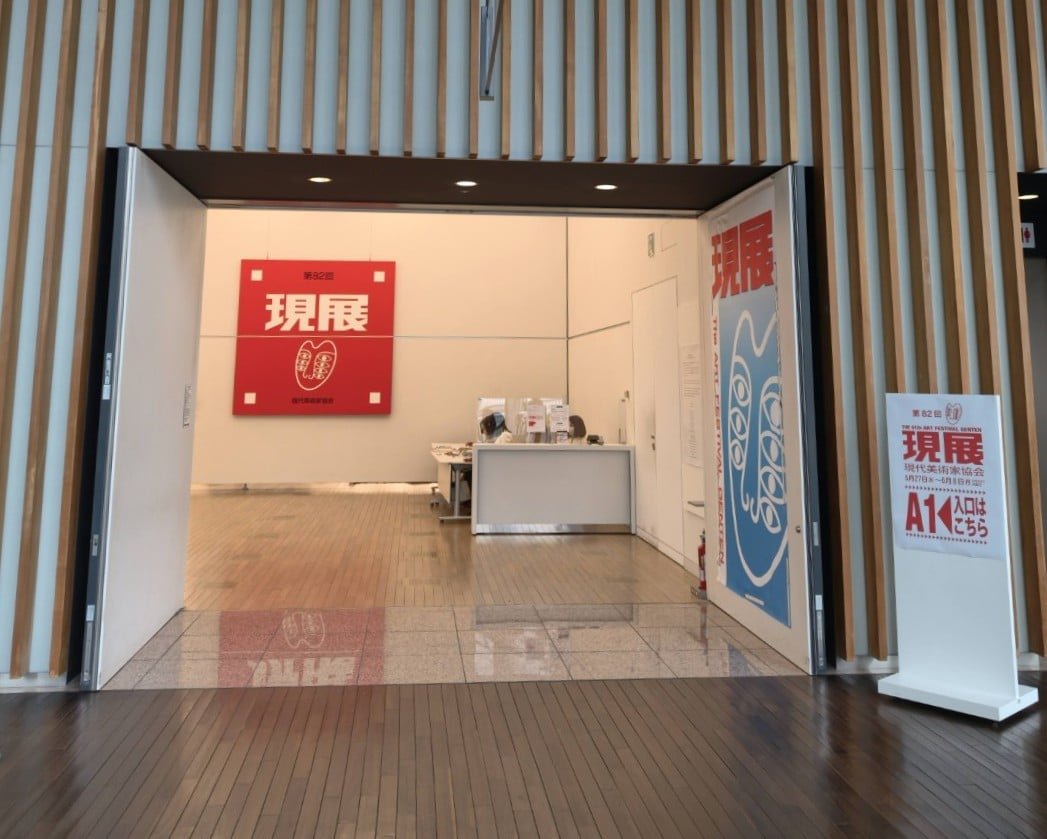
Purchase Method: Tickets available at NACT ticket counter in basement level and online via Asoview and e-tix platforms for special exhibitions. For GENTEN, tickets are typically sold on-site at the entrance to Special Exhibition Gallery 1E and 2E during exhibition period.
Online Sales: Advance tickets sold from approximately one month before opening, with selling periods clearly indicated on NACT website. General tickets available from opening day until final day.
On-Site Sales: Ticket counter at entrance to Special Exhibition Gallery sells both advance and general tickets during exhibition hours.
Benefits Included: Ticket stub from GENTEN provides $0.65 discount for current exhibitions at Suntory Museum of Art and Mori Art Museum within Art Triangle Roppongi, encouraging multi-museum visits.
Contact Information: Inquiries for general visitors via NACT Hello Dial and for exhibitors via Contemporary Artists Association official recruitment page at https://art-genten.com/e_boshu.html for application guidelines and future edition information.
Payment Methods: Credit cards including Master Card, Visa, JCB, American Express, electronic cash such as Suica and Pasmo, and other payment methods accepted.
Location
FAQ
What is the difference between GENTEN and a typical art fair or museum exhibition?
GENTEN is an open-call art festival organized by the Contemporary Artists Association where individual artists apply and are juried to exhibit, rather than a commercial gallery fair or a museum-curated thematic show. Entry to the National Art Center Tokyo building itself is free, but you purchase a ticket for the specific GENTEN exhibition galleries. This structure allows hundreds of emerging and mid-career artists to present work in a prestigious national venue, creating a salon-style overview of current contemporary art practice in Japan.
How can an artist apply to exhibit at GENTEN and what are the divisions?
Artists apply through the official recruitment page at art-genten.com, where submission guidelines, deadlines and fee information are published for each edition. The festival includes multiple divisions including Japanese-style painting, Western-style painting, sculpture, crafts, calligraphy, photography and new media. Each division has its own jury and presentation standards, with photography typically requiring A2 size prints and other divisions following specific mounting and framing guidelines detailed in the application materials.
Is photography allowed inside the exhibition halls and are there guided tours?
Photography rules vary by division and by individual artist's request, with signage at each gallery entrance indicating whether photography is permitted, and flash, tripods and commercial photography are generally prohibited. Gallery talks led by association members and jurors are held regularly throughout the exhibition period and are free with exhibition admission. These talks provide valuable insight into selection criteria and artistic trends without requiring separate reservation.
What facilities are available for visitors with disabilities and for families with children?
The National Art Center Tokyo is fully barrier-free with direct underground access from Nogizaka Station, elevators to all floors, accessible restrooms and wheelchair loan service at the information desk. Visitors with disabilities plus one caregiver receive free admission upon presenting valid proof of disability and do not need specified date and time tickets. Children fifteen years and younger also receive free admission, and strollers are permitted throughout the venue with nursing facilities available in the basement.
How can I combine a visit to GENTEN with other art museums in Roppongi?
GENTEN is held within the Art Triangle Roppongi, which includes Mori Art Museum and Suntory Museum of Art, all within five to ten minutes walk of each other. Presenting your GENTEN ticket stub provides a discount for current exhibitions at the other two museums, and vice versa. This arrangement encourages a full day of art viewing, with dining options at NACT's restaurants and nearby Roppongi Hills and Tokyo Midtown allowing comfortable breaks between museum visits.

Leave a Reply