
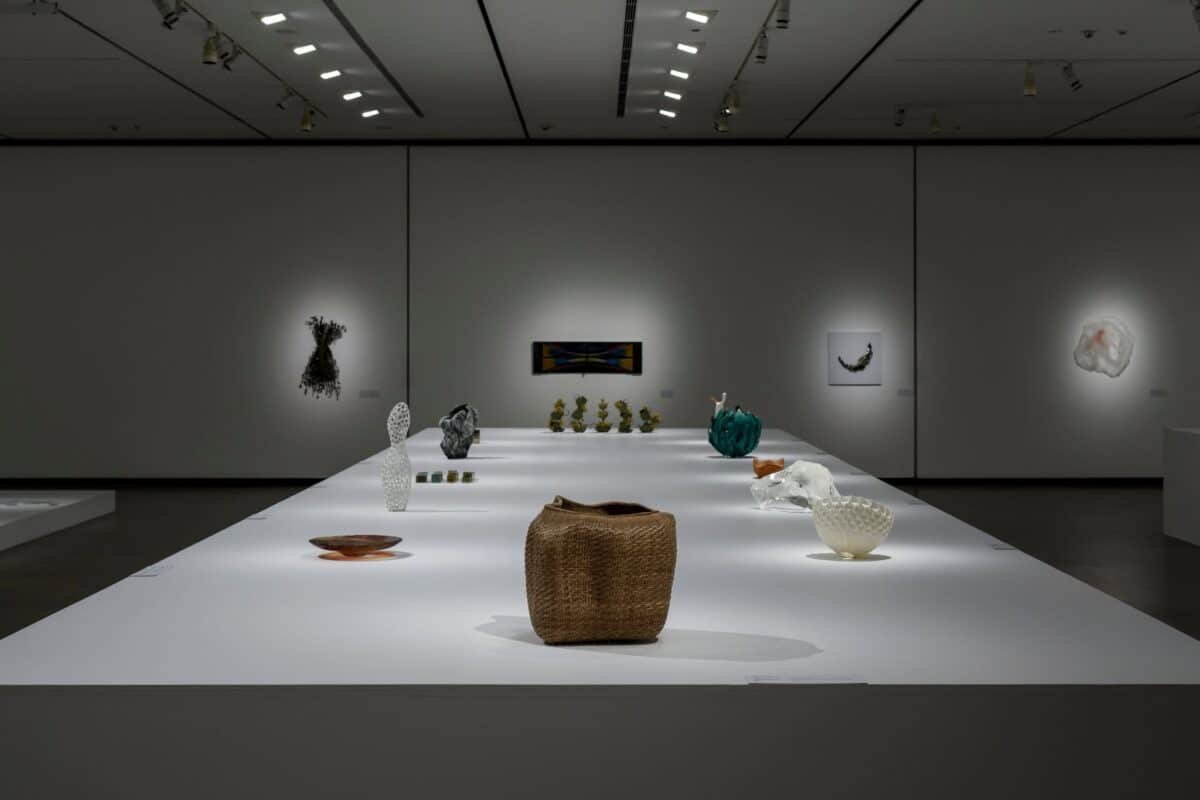
What to expect
Triennale of Kogei in Kanazawa is Japan’s premier international festival dedicated to kogei, the Japanese concept of craft that encompasses ceramics, lacquerware, metalwork, textile, glass, wood, bamboo and contemporary expressions that transcend traditional boundaries. Organized as part of Kanazawa’s identity as a UNESCO Creative City of Crafts and Folk Art, the Triennale aims to question the position and framework of the everchanging art of crafts while introducing novel crafts generated in a new era.
What to expect is a city-wide celebration that reframes craft as contemporary art. Unlike a conventional museum exhibition or a hotel-based art fair, the Triennale unfolds across multiple venues including the 21st Century Museum of Contemporary Art Kanazawa, the National Crafts Museum, historic machiya townhouses, former merchant storehouses known as kura, sake breweries, and repurposed urban spaces such as Rifare. The inaugural edition, designed by studio Nendo, famously used agricultural growing tunnels inside a former bookstore to create five distinct exhibition spaces without altering the existing shop fittings, setting the tone for an approach that respects place while reimagining it.
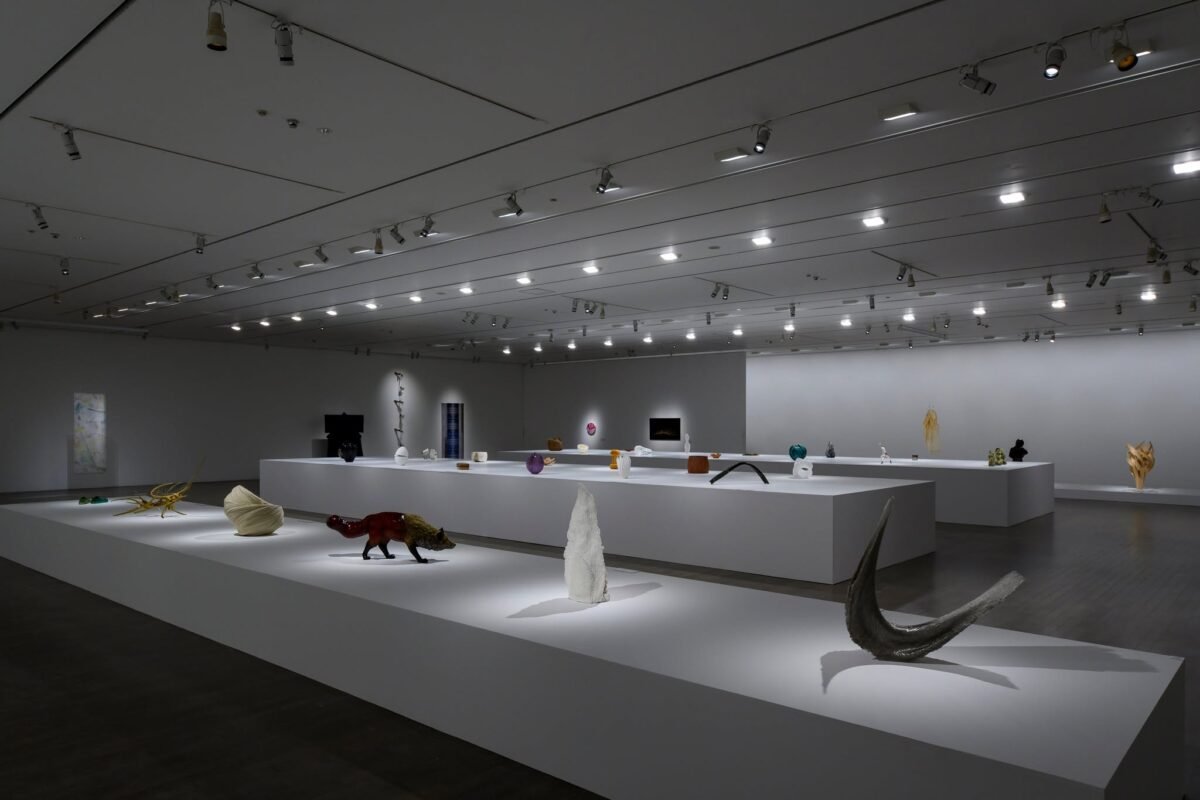
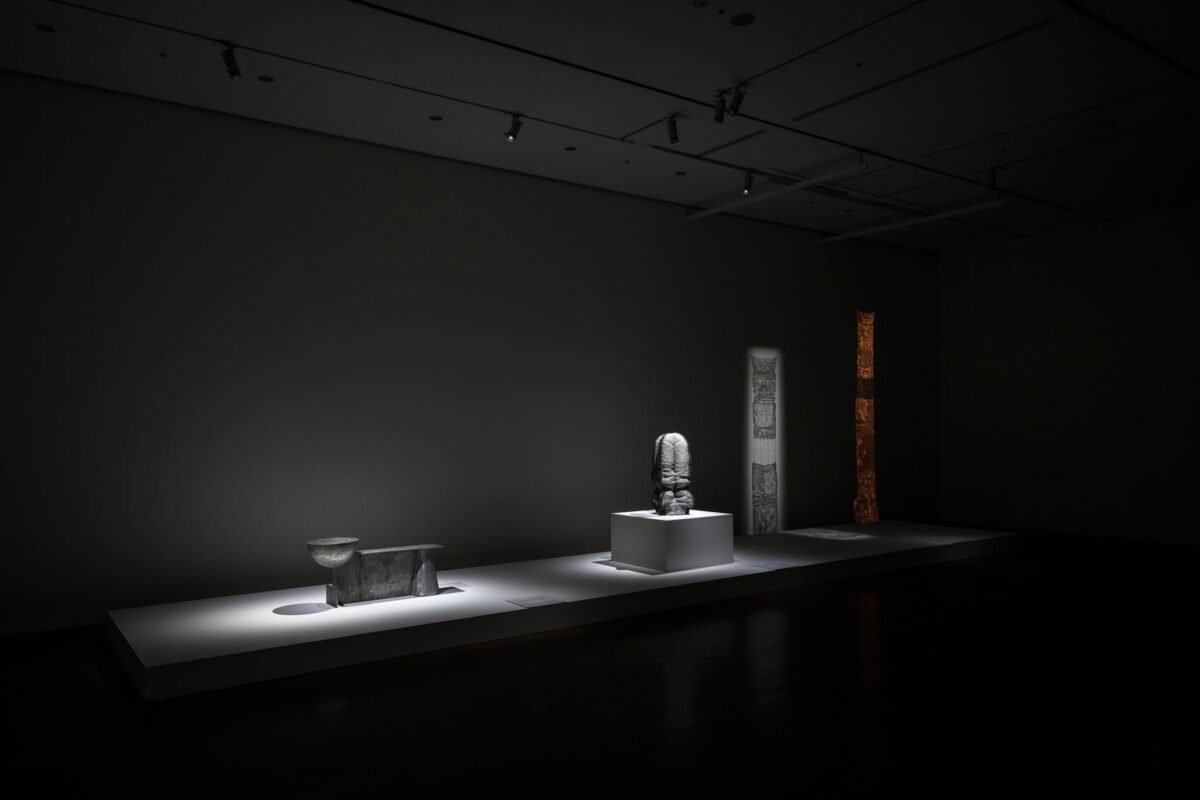
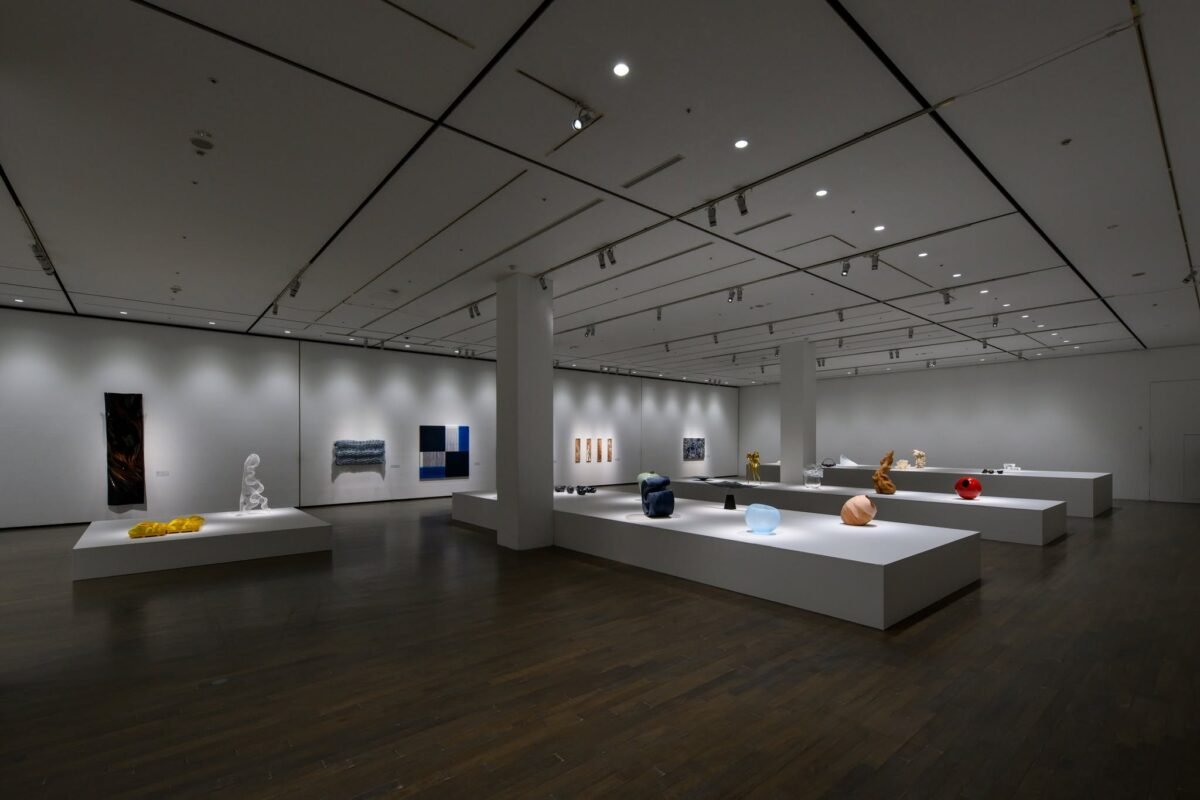
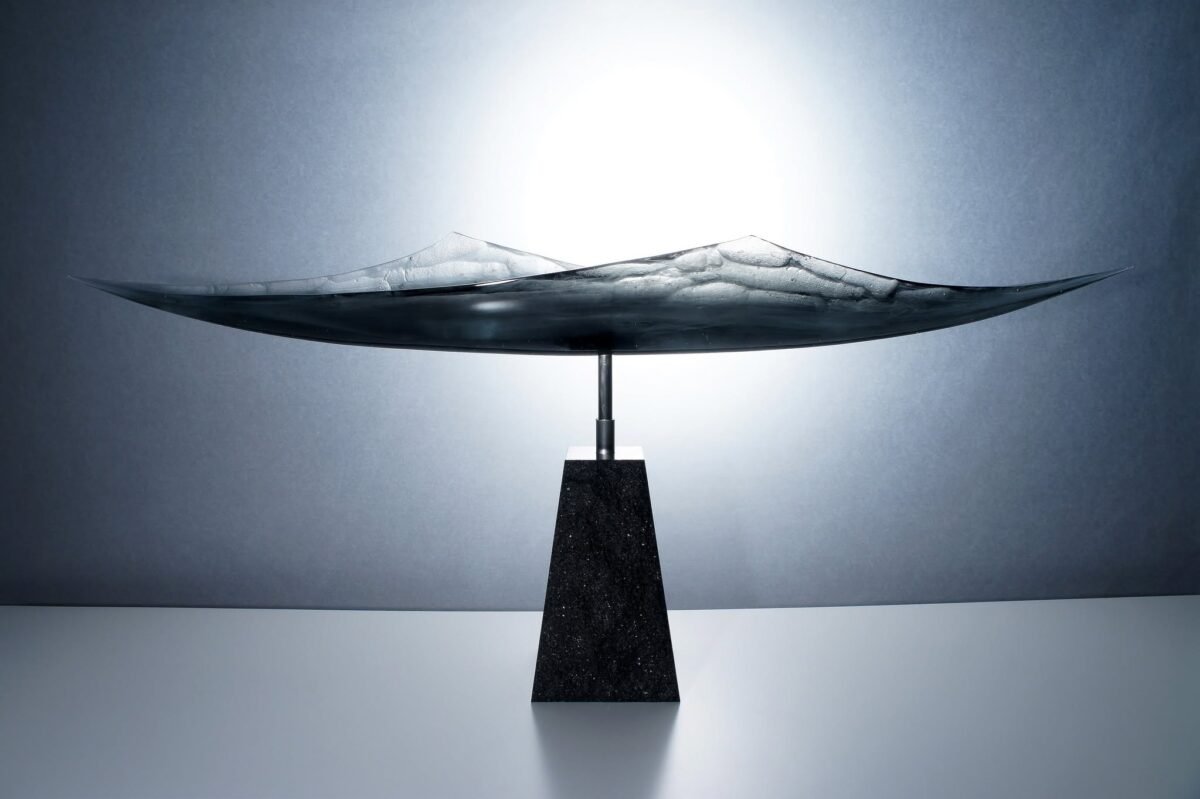
The Triennale consists of two main pillars. The KOGEI World Competition in Kanazawa is an international juried competition that invites one work per artist or group, with a total size limit of 250 centimeters across three dimensions and weight limit of 20 kilograms including frames and stands. Registration is free and the competition attracts submissions from Japan and abroad, aiming to contribute to the promotion of crafts around the world. The second pillar is a curated special exhibition that explores kogei as contemporary craft, transcending boundaries between craft, art, design and social practice. Visitors can expect to encounter works that embody the spirit of kogei by demonstrating the restorative powers of handwork, material imagination and deep engagement with everyday life.
Enjoy Your Event Stress-Free with Japan Travelo
Do you know? Planning events, festivals, concerts, and cultural experiences in Japan can be overwhelming. Japan Travelo brings everything together in one place, helping you manage your itinerary, transport, and accommodation with ease—so you can enjoy Japan without the stress of planning.
Event dates
Event Period: November 2028 (Dates TBD)
Visiting this event? Don’t miss out on these amazing activities and local experiences while you’re here.
Venue & exhibition site
Main City: Kanazawa, Ishikawa Prefecture, Japan
Core Venues: 21st Century Museum of Contemporary Art Kanazawa located at Hirosaka 1-2-1, National Crafts Museum located at 3-2 Dewamachi near Kenrokuen Garden and Kanazawa Castle Park, Higashiyama traditional district, and various satellite venues including KAMU Kanazawa, KUMU Kanazawa – THE SHARE HOTELS, historic Baba family residence, Masuda Sake Brewery and private kura storehouses behind shops.
Venue Concept: Kanazawa is a city where Edo period culture remains alive amidst modern advancement. The Triennale uses this context as its exhibition site. The 21st Century Museum, known as a museum open to the city, offers spacious contemporary galleries with natural light, while the National Crafts Museum, housed in relocated historic army buildings, provides an intimate setting for craft. The Higashiyama area and other historic districts provide atmospheric settings where craft is encountered in the context of daily life. Some venues are former retail spaces left intentionally intact, allowing visitors to experience craft within the layered history of the city.
Address for Inquiries: Contact provided through official channels, with executive committee based in Kanazawa. Access to venues is within walking distance in central Kanazawa, with local bus connections from Kanazawa Station East Exit.
Full exhibition programme
KOGEI World Competition in Kanazawa: The competition exhibition presents selected works from international open call, showcasing the current state of craft innovation. Works are juried by leading artists, curators and scholars in the field of craft and contemporary art. The competition emphasizes both technical mastery and conceptual originality, inviting works that question what craft can be in the present moment.
Special Exhibition – KOGEI as Contemporary Craft: Transcending Boundaries: This curated exhibition, organized as part of each Triennale, brings together established and emerging artists whose practice engages with craft materials and techniques to address contemporary issues. Past special exhibitions have explored themes such as material imagination, ethnography of body and matter, and slowness and depth in an accelerated society. The exhibition often includes large-scale installations, site-specific works and collaborative projects.
GO FOR KOGEI Related Programme: In connection with the broader Hokuriku craft platform, GO FOR KOGEI organizes craft festivals and art fairs centered on encountering new potential of crafts in Hokuriku. This platform promotes crafts distinctive to seven cities in the region, offering in-person and virtual studio tours and craft encounters.
KOGEI Art Fair Kanazawa: Held annually as the only art fair in Japan specializing in crafts, the fair presents new aesthetics and values of kogei to an international audience. It is organized by the private sector with support from local companies and the city, featuring galleries from Japan and abroad exhibiting works by young and up-and-coming artists as well as internationally active artists. The fair format includes special tours with commentary on recommended artists, popular galleries and trends in crafts.
Educational and Community Programme: Workshops at Kanazawa Utatsuyama Kogei Kobo, children’s craft workshops, and cultural industry trainee programs provide opportunities for hands-on engagement.
Featured artists & designers
Competition Artists: The Triennale features artists selected through the KOGEI World Competition, representing diverse backgrounds in ceramics, lacquerware, weaving and dyeing, metalwork, glass, wood and bamboo, leather and other materials. Exhibitors include both Japanese and international artists, many of whom are affiliated with Kanazawa College of Art, which maintains international exchange programs with sister art colleges abroad.
Curated Exhibition Artists: The special exhibition invites artists whose work exemplifies personalized and regional diversity, using longstanding tradition as a means of contemporary expression. Past featured artists include prestigious craftspeople and professors at Kanazawa College of Art, artists working with gold leaf – a signature Kanazawa material – and artists exploring restorative handwork in contexts such as sake breweries and merchant residences.
Design Collaborators: The inaugural Triennale installation by Nendo demonstrated the festival’s commitment to design innovation. Subsequent editions have collaborated with architects, spatial designers and local artisans to create scenography that respects existing interiors while providing fresh perspectives. The Kanazawa Craftwork Business Creation Agency, established to promote Kanazawa crafts and facilitate linking crafts with business, supports the development of highly value-added products that use traditional techniques.
Fukutake Foundation and International Advisors: The Triennale benefits from advisory input from cultural leaders including figures associated with Benesse Corporation and other creative foundations, contributing to its international outlook.
Galleries & exhibitors
Exhibiting Galleries: For the associated KOGEI Art Fair Kanazawa, galleries apply with details including gallery name, representative, address, contact information and categories of kogei works to be exhibited. Room types for hotel fair format include Junior Suite with larger area and Superior rooms, with fees reflecting space size. Galleries from Japan and abroad gather to exhibit and sell works, with participation ranging from established craft galleries to contemporary art galleries presenting craft-informed practices.
Institutional Exhibitors: National Crafts Museum, 21st Century Museum of Contemporary Art Kanazawa, Kanazawa College of Art, Kanazawa Utatsuyama Kogei Kobo, and Kanazawa Craftwork Business Creation Agency participate as institutional exhibitors and co-organizers.
Nonprofit Organization Syuto Kanazawa: Acts as management organization for the fair, with co-organization by Kanazawa ART SPACE LINK and other local cultural agencies.
Craft Categories Represented: Ceramics, lacquerware, weaving and dyeing, metalwork, glass, wood and bamboo, leather, and other innovative materials that expand the definition of kogei.
Exhibition halls & sections
Competition Exhibition Hall: Located at the 21st Century Museum of Contemporary Art Kanazawa People’s Galleries, presenting juried works with professional lighting and display supports suitable for diverse materials and scales.
Special Exhibition Halls: Dedicated galleries for the curated special exhibition exploring kogei as contemporary craft, often using thematic sections that guide visitors through material, process and concept.
Historic District Sections: Higashiyama area venues, Iwase area in Toyama as part of broader Hokuriku collaboration, and central Kanazawa machiya venues provide intimate, site-specific sections where craft is encountered within traditional architecture.
Art Fair Section: Hyatt Centric Kanazawa serves as venue for KOGEI Art Fair, with rooftop terrace bar serving as private lounge for VIP encounters, offering intimate experiences such as local sake served in cups made by artisans.
Community Workshop Section: Kanazawa Utatsuyama Kogei Kobo and children’s workshop venues provide active making spaces where visitors can observe artisans at work and participate in hands-on experiences.
Talks, workshops & special events
Special Tours with Commentary: The KOGEI Art Fair offers special tours of the event floor with expert commentary, providing opportunities to hear about recommended artists, popular galleries and trends in crafts, and to get closer look at works on display. Tours are limited to small groups to ensure intimate discussion.
VIP Lounge Encounters: At Hyatt Centric Kanazawa, the rooftop terrace bar serves as private lounge for event, offering encounters with artists and artisans over sake served in craft cups, fostering direct dialogue between makers and collectors.
Symposium and Jury Talks: Jurors for the KOGEI World Competition and curators of the special exhibition lead symposiums discussing the position and framework of crafts in contemporary society, the role of material imagination and the future of craft cities.
GO FOR KOGEI Studio Tours: In-person and virtual studio tours organized across Hokuriku region, showcasing ateliers of ceramicists, lacquer artists, textile weavers and metalworkers, emphasizing the living heritage of craft.
Children’s Crafts Workshop: Two-year program providing basic knowledge of crafts through design training and workshop tours, aiming to improve quality of craft art by exposing children to crafts from young age and fostering future artisans.
Cultural Industry Trainee Programs: Scholarship programs for trainees at Kanazawa Utatsuyama Kogei Kobo and for those playing leading roles in continuation of traditional performing arts, supporting inheritance of traditional crafts.
Ticket types
Pricing is based on previous editions of Triennale of Kogei and KOGEI Art Fair Kanazawa, converted to USD. Official pricing for the upcoming edition will be announced closer to opening.
General Admission – Triennale Competition and Special Exhibition: $6.50. Standard adult ticket for entry to main venues including 21st Century Museum of Contemporary Art Kanazawa galleries and National Crafts Museum special exhibition areas. Group rate for twenty or more visitors is approximately $5.20.
University and College Student: $3.30. Discounted admission with valid student ID, with group rate approximately $2.60.
High School and Younger: $1.30 to free depending on venue, with many city museums offering free admission for high school age and younger to promote youth engagement.
Senior Citizen – 65 and Over: $5.20. Reduced rate with proof of age, reflecting Kanazawa city’s policy to encourage lifelong cultural participation.
Persons with Disabilities: Free admission for holder of disability certificate plus one accompanying caregiver, with free admission ticket obtained at information desk.
KOGEI Art Fair Special Tour with Commentary: $40 per person. Includes entry to VIP lounge, small group tour limited to ten people per session, duration approximately ninety minutes, with opportunities for closer viewing and discussion.
KOGEI Art Fair General Entry: $8.00 for general public, providing access to fair floor at Hyatt Centric Kanazawa or equivalent hotel venue, with option to upgrade to VIP lounge access.
Junior Suite Gallery Room Fee for Exhibitors: $2,000 per room for galleries participating in hotel art fair format, and $1,300 for Superior rooms, reflecting exhibitor participation fees rather than visitor tickets.
Kanazawa City Cultural Facility Common Ticket: $12.00. Combined ticket offering access to multiple municipal cultural facilities including 21st Century Museum, National Crafts Museum, DT Suzuki Museum and others during festival period.
VIP & collector access
First View Invitation Only: The KOGEI Art Fair opens with invitation-only first view, typically in early afternoon through evening, allowing collectors, curators and press to preview works before public opening.
VIP Lounge at Hyatt Centric Kanazawa: Rooftop terrace bar serves as private lounge, offering intimate encounters with crafts, local sake in artisan cups, and direct meetings with exhibiting artists and gallery directors.
Special Tour Priority: VIP ticket holders receive priority booking for special tours with commentary, limited to ten people per session, ensuring in-depth discussion of recommended artists and trends.
Collector Preview of Competition Works: Private viewing of KOGEI World Competition selected works before public opening, with opportunity to meet jurors and discuss selection criteria.
Kanazawa Craftwork Business Creation Agency Network: VIP collectors gain access to agency’s network linking culture with business, including introductions to high-value-added product development and artisan collaborations.
Artist-in-Residence Connections: Through Kanazawa’s long-term artist-in-residence program and international craft events, VIP visitors can access studio visits and cross-cultural residency opportunities.
Event rules
Handling of Works: Do not touch artworks, frames or dedicated stands. Many kogei works are fragile, particularly ceramics, glass and lacquerware. Maintain distance and follow staff guidance.
Photography Policy: Photography may be permitted in some competition areas for personal use without flash, but prohibited in special exhibition areas and at fair galleries unless explicitly allowed by gallery. No tripods, selfie sticks or commercial photography without permission.
Size and Weight Compliance for Competition: Submitted works must comply with size limit of total three dimensions 250 centimeters or less and weight 20 kilograms or less including frames and stands. One piece per person or group.
Food and Drink: Eating and drinking not permitted inside exhibition galleries. Water bottles must be stored in bags.
Bag Policy: Large bags, backpacks and umbrellas must be stored in lockers at museum venues. Small handbags permitted.
Behavior in Historic Venues: In machiya townhouses, sake breweries and kura storehouses, remove shoes where indicated, avoid touching wooden structures and respect residential nature of some venues.
Ticket Validity: Tickets valid for one entry only per venue. Re-entry may be permitted with stamp on same day at some venues, subject to staff discretion.
Children: Children must be accompanied by adults in all venues. Strollers may be restricted in historic buildings with narrow passages.
How to get there
Main City Access: Kanazawa is accessible via Hokuriku Shinkansen from Tokyo, with travel time approximately two and a half hours to Kanazawa Station. From Osaka and Kyoto, limited express trains provide direct connection.
To 21st Century Museum: From JR Kanazawa Station East Exit, take Hokutetsu local bus from bus terminals at East Exit. Get off at Hirosaka – 21st Century Museum stop. The museum is located at Hirosaka 1-2-1, within walking distance of Kenrokuen Garden and Kanazawa Castle.
To National Crafts Museum: Located at 3-2 Dewamachi, walking distance from Kanazawa Castle Park. From Kenrokuen area, five minutes walk. The museum is situated near former army buildings in Honda-no-Mori area.
To Higashiyama and Historic Districts: Higashiyama area is accessible by bus or on foot from central Kanazawa, with many venues clustered within walking distance in preserved geisha district streets.
To Art Fair Venue: Hyatt Centric Kanazawa located at 1-5-2 Hirooka, approximately five minutes by bus from Kanazawa Station, with rooftop terrace lounge accessible via hotel elevators.
By Car: Twenty minutes by car from Kanazawa Interchange via Hokuriku Expressway. Parking limited in central areas; public transport recommended.
Public transport & parking
City Buses: Kanazawa’s flat-fare bus system provides convenient access to all main venues. The Hokutetsu bus network connects Kanazawa Station with Hirosaka – 21st Century Museum, Kenrokuen and Higashiyama areas. Day passes available for unlimited rides, cost approximately $4.30.
Kanazawa Loop Bus: Tourist loop bus serving major cultural facilities including 21st Century Museum, National Crafts Museum, DT Suzuki Museum and Kenrokuen, ideal for festival visitors.
Parking: Museum parking lots available with limited spaces, including accessible spaces. 21st Century Museum parking fills quickly during peak periods. Coin parking available around Hirosaka and Honda-no-Mori areas at approximately $2 per hour. Historic districts have very limited parking; public transport strongly recommended.
Bicycle Rental: Machi-nori bicycle sharing system provides rental stations throughout central Kanazawa, cost approximately $1.30 for first thirty minutes, convenient for moving between close venues.
Taxi and Ride Share: Taxi from Kanazawa Station to 21st Century Museum costs approximately $8 to $10. Taxi between venues within central area costs $5 to $7.
Accessibility Transport: Low-floor buses operate on main routes, and all major venues have elevator access. Bus stops near museums have tactile paving and audio guidance.
Accommodation areas
Hirosaka and Katamachi: Hotels within walking distance of 21st Century Museum and central venues, including Hotel Nikko Kanazawa and boutique hotels, rates from $80 to $200 per night. Ideal for visitors focusing on main competition and special exhibitions.
Kanazawa Station and Hirooka: Hotels near station including Hyatt Centric Kanazawa which hosts KOGEI Art Fair, providing direct access to fair and easy transport to other venues. Rates from $100 to $250 per night, with fair participants receiving priority booking.
Higashiyama and Kazuemachi: Traditional ryokan and machiya guesthouses within historic geisha districts, offering immersive experience near satellite venues and craft shops. Rates from $120 to $400 per night, including traditional breakfast.
Kenrokuen and Honda-no-Mori: Hotels near National Crafts Museum and Kenrokuen Garden, offering quiet surroundings and garden views, rates from $90 to $220 per night.
Booking Advice: Accommodation should be booked well in advance as festival coincides with autumn foliage season and cultural tourism peak in Kanazawa. Many hotels offer craft-themed packages during Triennale period.
Food & refreshments
Museum Cafes: 21st Century Museum offers cafe with views of park and contemporary art, serving light meals, coffee and seasonal sweets. National Crafts Museum has tea room offering traditional sweets and tea, reflecting craft aesthetics.
Higashiyama District Dining: Traditional teahouses, gold leaf decorated cafes, and restaurants serving Kaga cuisine including jibuni duck stew, Kaga vegetables and sake from local breweries such as Masuda Sake Brewery which also serves as venue.
Kanazawa Station Area: Wide range of dining from standing sushi bars to ramen shops and international cuisine, with average lunch prices from $7 to $15.
Art Fair Lounge Refreshments: At Hyatt Centric Kanazawa, VIP lounge offers local sake served in cups made by artisans, providing tasting experience that connects beverage and craft.
Local Specialties: Kanazawa is known for gold leaf products, wagashi sweets, seafood from Sea of Japan and Kaga vegetables. Many restaurants incorporate craft ceramics for serving, allowing visitors to use kogei in daily life context.
Convenience: Convenience stores and vending machines located near all major venues. Food and drink not permitted inside exhibition galleries.
Accessibility
Venue Accessibility: 21st Century Museum of Contemporary Art Kanazawa is fully barrier-free with level entrances, elevators to all floors, accessible restrooms and wide galleries suitable for wheelchair users. National Crafts Museum is also barrier-free with elevator access in historic buildings adapted for accessibility.
Historic Venue Limitations: Some machiya townhouses, kura storehouses and sake breweries have steps, narrow doorways, tatami flooring and no elevators. Staff assistance available and advance inquiry recommended for detailed accessibility information.
Wheelchair Services: Wheelchairs available for loan free of charge at 21st Century Museum and National Crafts Museum information desks.
Visual and Hearing Support: Large-print guides and written exhibition summaries available. Staff can provide written communication support for hearing-impaired visitors. Guide dogs and service dogs permitted inside museum venues.
Free Admission for Support Needs: People with disabilities plus one accompanying caregiver receive free admission to main venues upon presentation of disability certificate.
Family Accessibility: Stroller access permitted in modern museum venues, with elevators providing easy movement. Nursing rooms available at 21st Century Museum. Historic venues may restrict stroller access due to narrow passages.
Language Support: Multilingual staff and information materials in Japanese and English. Exhibition labels typically in Japanese and English, with additional languages for major exhibitions.
Must-see exhibitions
KOGEI World Competition Exhibition: The heart of the Triennale, presenting selected works from international open call, showcasing current state of craft innovation and questioning position and framework of everchanging art of crafts.
Special Exhibition Transcending Boundaries: Curated exhibition exploring kogei as contemporary craft, often featuring large-scale installations that use agricultural growing tunnels or other inventive scenography to create distinct exhibition spaces without disturbing existing architecture.
National Crafts Museum Collection Integration: Special displays connecting Triennale works with museum’s permanent collection of Mingei and contemporary craft, providing historical context for new works.
Higashiyama and Kura Installations: Site-specific installations in historic storehouses behind shops and former Baba family residence, where craft is encountered within context of Hokuriku’s wealthy shipping merchant heritage.
KOGEI Art Fair Kanazawa: The only art fair in Japan specializing in crafts, presenting new aesthetic sense and values of kogei to world, with special tours offering commentary on recommended artists and trends.
GO FOR KOGEI Material Imagination Programme: Related programme exploring material, data and fantasy, demonstrating restorative powers of handwork and presenting works that embody spirit of kogei.
Previous year’s highlights
Competition and Special Exhibition Structure: Previous edition consisted of competition exhibition KOGEI World Competition in Kanazawa and special exhibition exploring contemporary craft boundaries, attracting submissions from Japan and abroad and demonstrating novel crafts generated in new era.
Nendo Installation: The inaugural International Triennale of Kogei by Nendo featuring five agricultural growing tunnels inside former bookstore created memorable exhibition architecture that left empty retail space intact while providing five separately curated spaces, setting precedent for inventive venue use.
KOGEI Art Fair Growth: The fair has grown from its launch as annual event to become recognized as only craft-focused art fair in Japan, with galleries from Japan and abroad gathering to exhibit and sell works by young and up-and-coming artists as well as internationally active artists. The fair’s Online Viewing Room format during pandemic demonstrated adaptability while maintaining support for galleries.
GO FOR KOGEI Platform Launch: Establishment of GO FOR KOGEI as platform for promotion of crafts distinctive to Hokuriku region, organizing in-person and virtual studio tours and craft festivals that offer ways crafts can be enjoyed during everyday life in area full of diverse craftworks.
Community Engagement: Kanazawa Children’s Crafts Workshop, Utatsuyama Kogei Kobo scholarship programs and Cultural Industry Trainee Scholarship have fostered next generation of artisans, while dining gallery Ginza no Kanazawa in Tokyo has served as promotional hub attracting many visitors annually and linking culture with business.
Official tickets
Purchase Locations: Tickets for main Triennale venues available at 21st Century Museum of Contemporary Art Kanazawa ticket counter, National Crafts Museum ticket counter and online via official website. KOGEI Art Fair tickets available at fair venue entrance at Hyatt Centric Kanazawa and via online reservation for special tours.
Online Information: Official website at https://kanazawa-kogeitriennale.com/ provides current exhibition details, admission fees, application guidelines for KOGEI World Competition and special tour reservations. Registration for competition is free, with timeline and guidelines available at kogeisummit website.
Ticket Types: General admission for main venues, student discounts, senior discounts, disability free admission, group rates for twenty or more visitors, Kanazawa City cultural facility common ticket, KOGEI Art Fair general entry and special tour tickets with VIP lounge access.
Payment Methods: Cash, major credit cards, IC cards such as Suica and Pasmo accepted at museum venues. Fair venues accept cash and credit cards.
Contact for Inquiries: Executive committee contact via email at contact@kanazawa-kogeitriennale.com and phone at +81 76-220-2373 for general inquiries, competition registration and group bookings.
Location
FAQ
What is the difference between kogei and regular craft and what will I see at the Triennale?
Kogei in Japanese encompasses a philosophy of craft that values material, technique and use, ranging from ceramics and lacquerware to textile and glass, but also embraces contemporary expressions that transcend traditional categories. At the Triennale you will see competition works selected through international open call alongside curated special exhibitions that explore kogei as contemporary art. The festival presents works in museums as well as in historic machiya, sake breweries and storehouses, allowing you to experience craft within everyday life contexts.
How is the Triennale different from the KOGEI Art Fair Kanazawa and do I need separate tickets?
The Triennale is a triennial international festival organized by the city with a juried competition and curated special exhibition, held across major museums and historic venues, while KOGEI Art Fair is an annual commercial fair where galleries exhibit and sell craft works in a hotel venue. The two events are complementary and often overlap in programming, with the fair presenting new aesthetics of kogei to international audience. Separate tickets are required, with Triennale tickets covering museum venues and fair tickets covering the hotel fair floor and special tours.
Are the historic venues like machiya and kura accessible and how should I plan my route?
The main museum venues including 21st Century Museum and National Crafts Museum are fully barrier-free with elevators and accessible restrooms, while historic machiya townhouses, kura storehouses and sake breweries may have steps, narrow passages and tatami areas that limit accessibility. It is best to group venues by area, such as Hirosaka and Honda-no-Mori for museums, Higashiyama for historic district installations, and Hirooka for the art fair, using loop bus or bicycle sharing to move between clusters. Staff can provide assistance and advance inquiry is recommended for specific needs.
Can international artists participate in the KOGEI World Competition and how does the application work?
International artists are encouraged to participate in the KOGEI World Competition, which aims to promote crafts worldwide and question position of crafts in contemporary art. Registration is free, with one piece per person or group allowed, and size limited to total three dimensions 250 centimeters and weight 20 kilograms including frames. Application guidelines, registration timeline and jurying process are published on kogeisummit website and official Triennale site, with selected works exhibited at 21st Century Museum galleries.
What makes Kanazawa a UNESCO Creative City of Crafts and why is it a special place for a craft triennale?
Kanazawa was designated as UNESCO Creative City of Crafts and Folk Art due to its living heritage of diverse craft traditions including gold leaf, Kaga Yuzen dyeing, Kutani ware, lacquerware and more, supported by institutions like Kanazawa College of Art and Utatsuyama Kogei Kobo. The city has implemented major initiatives linking culture with business through Kanazawa Craftwork Business Creation Agency, cultivating human resources through scholarships and children's workshops, and spreading craft culture internationally through artist-in-residence programs. The Triennale embodies this vision by creating a city filled with intriguing crafts and enabling crafts to live in daily life.

Leave a Reply