
What to expect
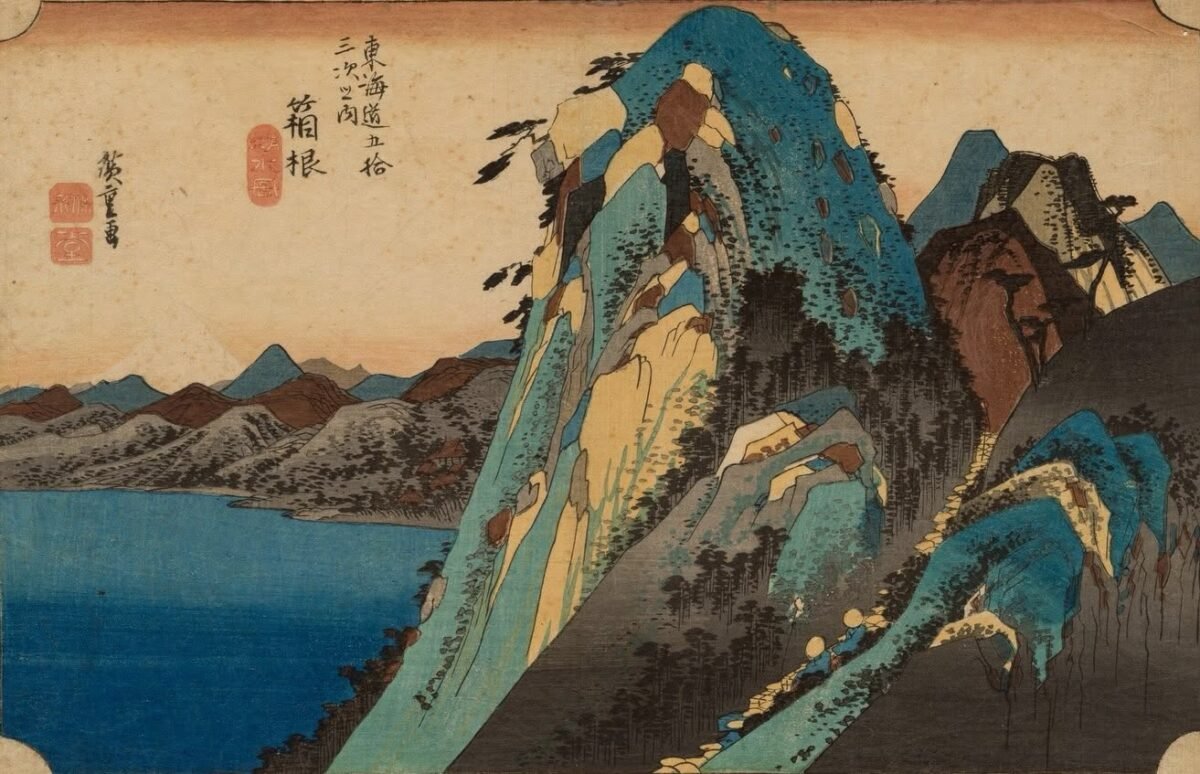
Hakone Art & Culture Festival is a unique celebration that transforms the mountain resort town of Hakone into an expansive open-air museum, blending nature, art and cultural heritage. Organized with the cooperation of major museums across the Hakone area, the festival presents a rare opportunity to experience art in harmony with the natural landscape, from sculpture gardens surrounded by mountains to glass art, ceramics, Japanese painting and contemporary installations.
What to expect is a town-wide art journey rather than a single-venue exhibition. Hakone is home to more museums per square kilometer than almost anywhere in Japan, and the festival connects them through special programs, joint ticketing and cultural events. The centerpiece is the Hakone Open-Air Museum, Japan’s first open-air art museum, built with the aim of harmonizing nature and art across a vast site surrounded by beautiful trees, grass and mountains. The museum holds more than three hundred works in its Picasso Pavilion, alongside sculptures by Henry Moore, Taro Okamoto and Yasuo Mizui.
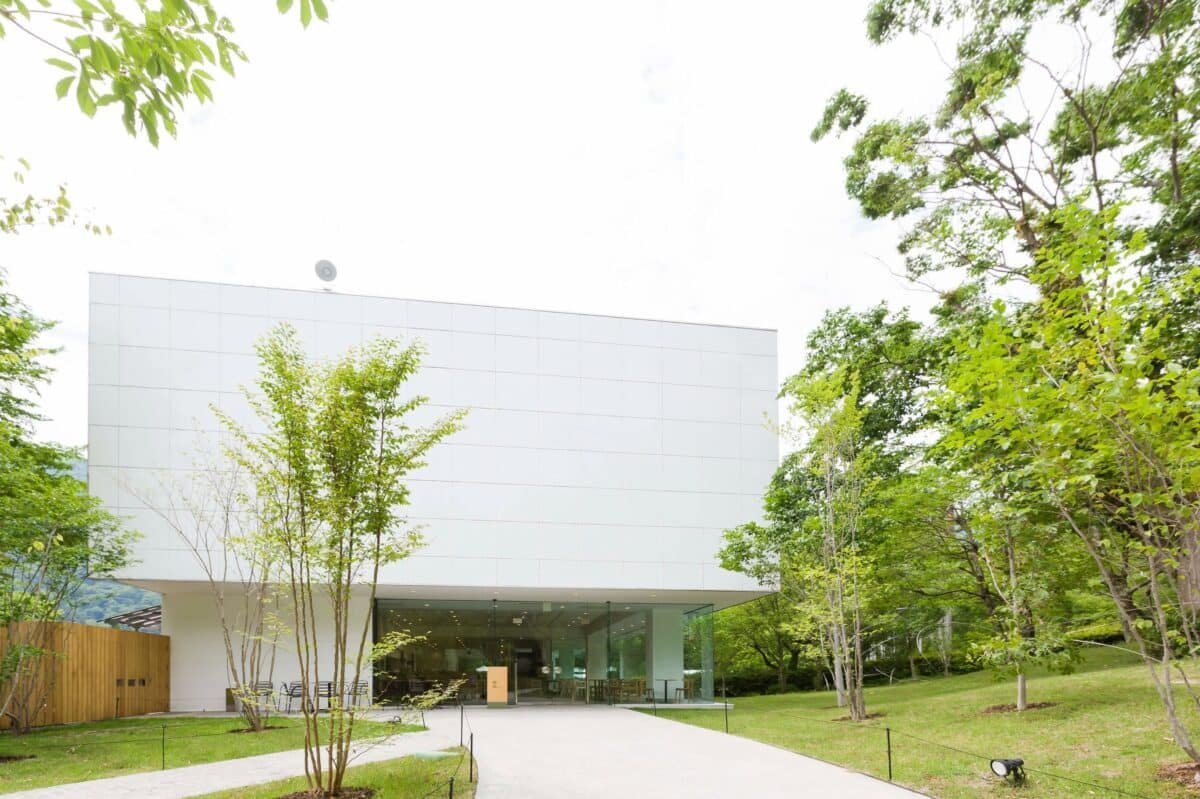
Beyond the Open-Air Museum, the festival includes the POLA Museum of Art, known for its symbiosis between Hakone’s natural beauty and art, the Okada Museum of Art which is the largest museum in Hakone in terms of exhibition space with five floors and approximately five thousand square meters of gallery space showcasing East Asian ceramics, sculptures and paintings, the Hakone Museum of Art housing Japanese painting, Oriental ceramics, Asian lacquerware and religious art, the Venetian Glass Museum, the Lalique Museum with its Orient Express exhibition, and the Narukawa Art Museum overlooking Lake Ashi with a collection of contemporary Japanese paintings.
Enjoy Your Event Stress-Free with Japan Travelo
Do you know? Planning events, festivals, concerts, and cultural experiences in Japan can be overwhelming. Japan Travelo brings everything together in one place, helping you manage your itinerary, transport, and accommodation with ease—so you can enjoy Japan without the stress of planning.
The festival emphasizes interaction between art and nature, with outdoor installations, forest exhibitions, glass art in gardens, and special evening programs. Visitors can enjoy the fusion of art and nature in just one day, or extend their stay to explore multiple venues connected by the Hakone Tozan Railway, Cable Car and Ropeway.
Event dates
Festival Period: July–August 2027 (Dates TBD)
Visiting this event? Don’t miss out on these amazing activities and local experiences while you’re here.
Venue & exhibition site
Main Town: Hakone-machi, Ashigarashimo-gun, Kanagawa Prefecture, Japan
Core Venues: Hakone Open-Air Museum at 1121 Ninotaira, POLA Museum of Art at 1285 Kozukayama in Sengokuhara, Okada Museum of Art at 493-1 Kowakudani, Hakone Museum of Art in Gora, Venetian Glass Museum at 940-48 Sengokuhara, Lalique Museum at 186-1 Sengokuhara, Narukawa Art Museum at 570 Motohakone overlooking Lake Ashi, and other museums across Gora, Sengokuhara and Lake Ashi areas.
Site Overview: Hakone is a mountain hot spring resort town where museums are nestled among forests, valleys and volcanic landscapes. The Hakone Open-Air Museum grounds extend across approximately seventy thousand square meters and combine outdoor paths with indoor galleries including the Picasso Pavilion and Art Hall. The POLA Museum of Art is set within the national park forest, with architecture that blends into nature. The Okada Museum of Art features expansive grounds with a Japanese garden, teahouse and cafe with hot spring foot bath. Each venue offers a distinct atmosphere, from open-air sculpture gardens to intimate glass displays.
Contact Information: Phone 0460-82-2717, Email hacf@hmop.com, Official Website https://www.hakone-art-festival.com/
Full exhibition programme
Open-Air Sculpture Programme: The Hakone Open-Air Museum presents its permanent collection of modern and contemporary sculpture displayed against mountain backdrops, alongside special festival installations in Maruta Hiroba and other outdoor plazas. The programme includes large-scale works designed to be viewed in changing natural light.
Picasso and Modern Masters Exhibition: Inside the Picasso Pavilion, more than three hundred works by Picasso are displayed, alongside works by other modern masters. The Art Hall hosts rotating exhibitions of paintings, ceramics and mixed media.
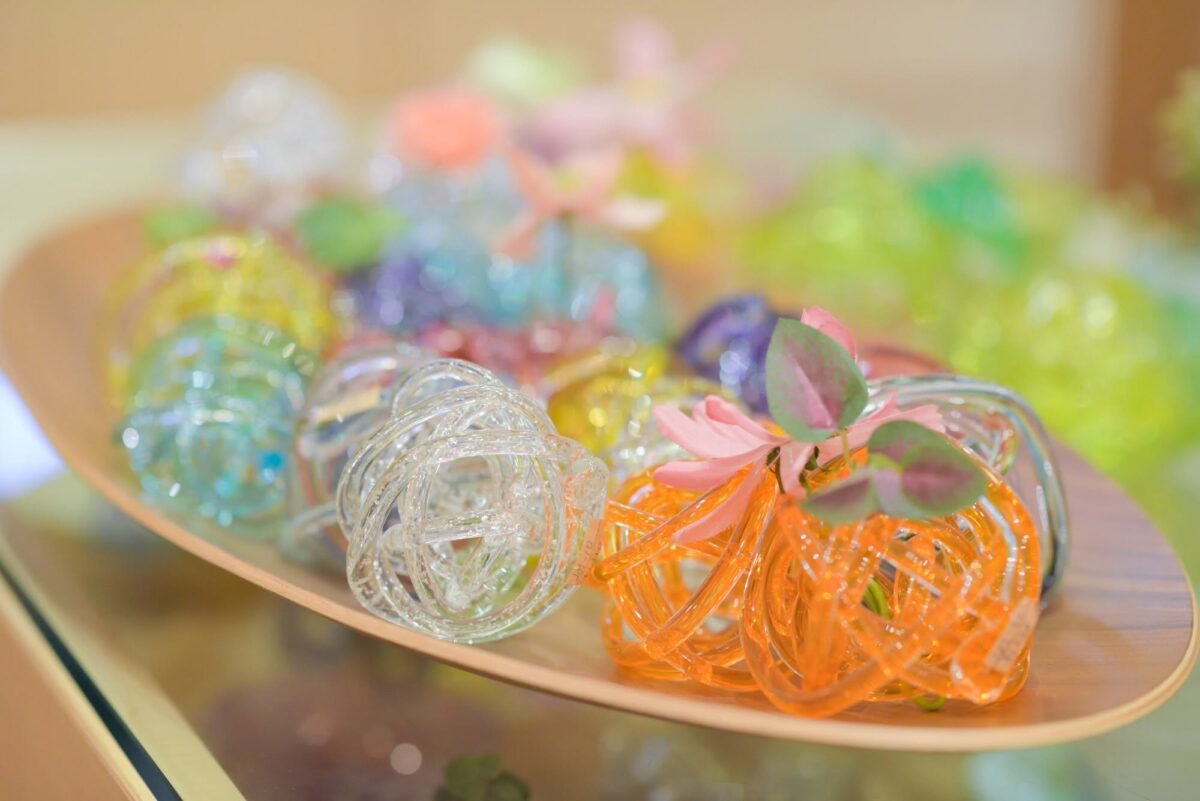
Glass Art Festival: The Venetian Glass Museum and Lalique Museum present special exhibitions of glass art, including Venetian glass traditions and the magnificence of Lalique’s creations. The Lalique experience includes a journey through art and culinary delight with booking post-admission, merging glass art with dining in the Orient Express carriage.
Japanese Painting and Oriental Ceramics: The Okada Museum of Art showcases a wide-ranging collection from antiquity to modern era, with East Asian ceramics, sculptures and paintings housed in spacious modern facility. The Hakone Museum of Art presents Japanese painting and Oriental ceramics, with seasonal changes reflecting traditional aesthetics.
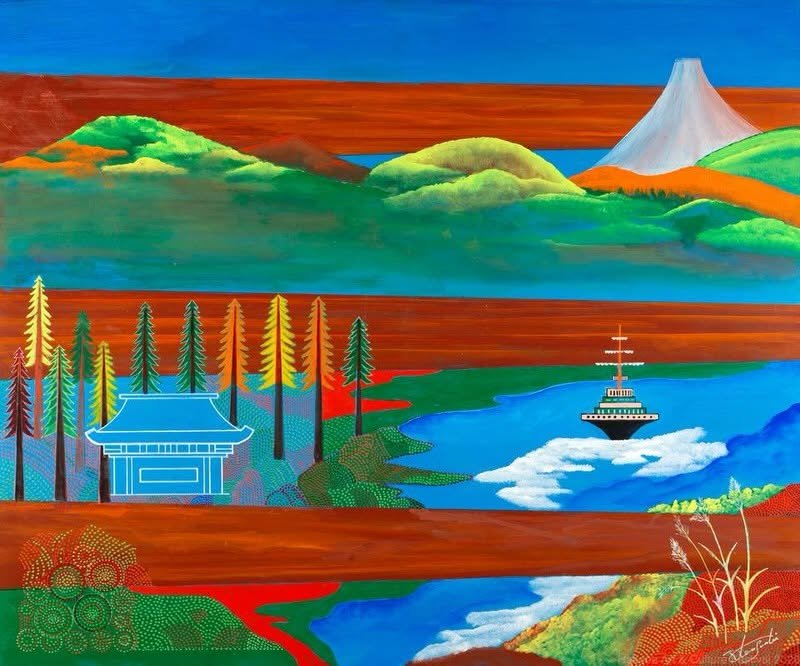
Lake Ashi Contemporary Painting Exhibition: At Narukawa Art Museum, a special exhibition from its collection of over four thousand works, mainly contemporary Japanese paintings, offers views of Lake Ashi and Mount Fuji through museum windows.
Forest and Nature Installations: POLA Museum of Art presents exhibitions where art meets nature, with forest trails and outdoor installations that conceptualize wonder and amazement, engaging viewers in intimate dialogue about relationship between nature and art.
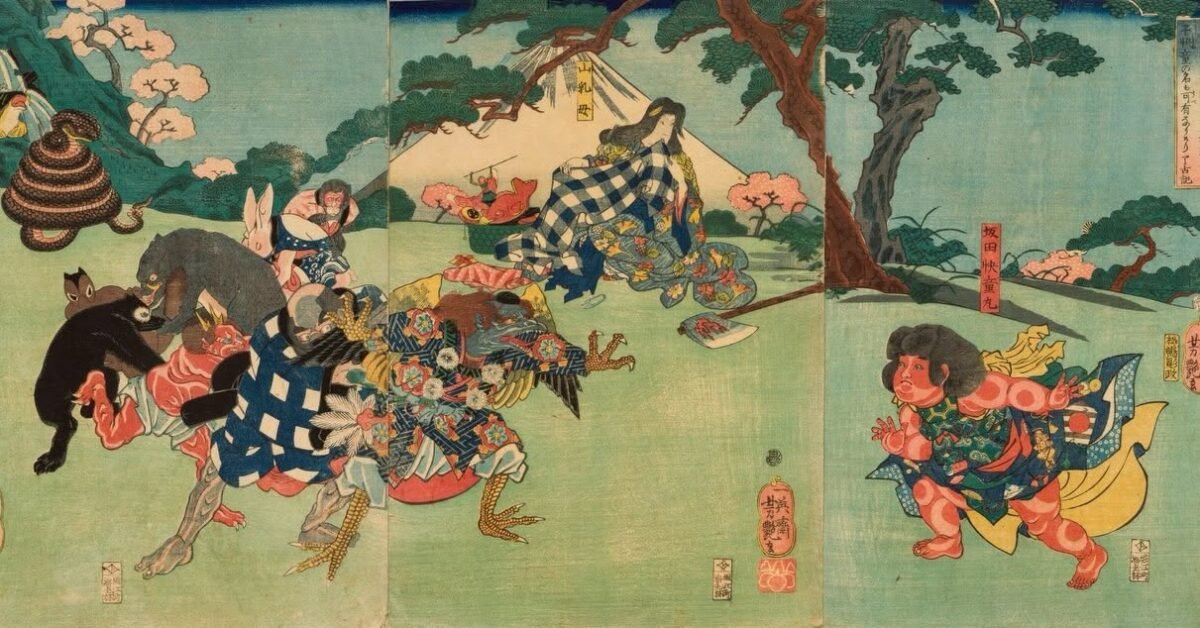
Karakuri and Craft Heritage: Exhibitions of karakuri puzzles, which include various types of building blocks and trick boxes produced in Odawara and Hakone regions since ancient times, highlighting local craft traditions.
Featured artists & designers
Picasso and Western Masters: The festival features works by Pablo Picasso with extensive collection in dedicated pavilion, alongside Henry Moore whose monumental sculptures are placed in natural settings, and other Western modern sculptors.
Japanese Contemporary Artists: Taro Okamoto, Yasuo Mizui and other Japanese sculptors and painters whose works explore harmony between nature and art. Contemporary Japanese painters from Narukawa collection present diverse approaches to Nihonga and Western-style painting.
Glass Artists: Masters of Venetian glass, Emile Galle and Rene Lalique whose works exemplify Art Nouveau and Art Deco glass art, with special focus on Lalique’s perfume bottles, jewelry and architectural glass.
Ceramic and Craft Artists: Artists working in East Asian ceramics, Kutani, Bizen and other traditions, alongside contemporary ceramic artists pushing boundaries of material.
Installation Artists: Contemporary artists creating forest interventions, light installations and interactive works designed for outdoor mountain environment, including installations at Maruta Hiroba Kitoki and cafe areas.
Galleries & exhibitors
Hakone Open-Air Museum: The main exhibitor and organizer, Japan’s first open-air museum, presenting sculpture, Picasso collection and special exhibitions. The museum offers unique blend of nature and art with indoor and outdoor galleries.
POLA Museum of Art: Exhibitor focusing on Impressionist and modern Western paintings alongside Japanese Western-style paintings, set within forest environment that emphasizes symbiosis between natural beauty and art.
Okada Museum of Art: Private museum and largest in Hakone, exhibitor of wide collection dating from antiquity to modern era, with emphasis on East Asian art, ceramics and screens.
Hakone Museum of Art: Exhibitor of Japanese painting, Oriental ceramics, lacquerware and religious art, with garden featuring moss and autumn foliage.
Venetian Glass Museum and Lalique Museum: Exhibitors specializing in glass art, with Venetian Glass Museum presenting European glass traditions and Lalique Museum focusing on French glass art and Orient Express exhibition.
Narukawa Art Museum: Exhibitor of contemporary Japanese paintings, particularly Nihonga, with seasonal exhibitions and panoramic views of Lake Ashi.
Local Craft Studios: Exhibitors from Odawara and Hakone regions presenting karakuri puzzle boxes, wood crafts and traditional woodwork, connecting craft heritage with contemporary art.
Exhibition halls & sections
Outdoor Sculpture Park: The vast outdoor area of Hakone Open-Air Museum where sculptures are placed among trees, grass and hills, allowing visitors to wander and discover art in natural settings. Includes permanent collection and festival special installations.
Picasso Pavilion: Indoor gallery dedicated to Picasso with more than three hundred works including paintings, prints and ceramics, providing comprehensive overview of artist’s career.
Art Hall: Indoor gallery for rotating exhibitions, hosting thematic shows, artist retrospectives and new media presentations.
Forest Gallery and Nature Trails: At POLA Museum of Art, forest paths serve as exhibition halls with outdoor sculpture and nature-integrated installations.
Five-Floor Museum Galleries: At Okada Museum of Art, five floors of approximately five thousand square meters provide extensive exhibition space for East Asian art, with Japanese garden and teahouse as additional sections.
Glass Art Pavilions: Dedicated glass exhibition halls at Venetian Glass Museum and Lalique Museum, featuring climate-controlled cases for delicate glass works and immersive installations.
Lake View Gallery: At Narukawa Art Museum, gallery with large windows overlooking Lake Ashi and Mount Fuji, where contemporary paintings are displayed with natural backdrop as part of exhibition design.
Talks, workshops & special events
Artist Talks and Curator Tours: Guided tours with museum staff providing deeper understanding of collection and festival theme, including tours of Picasso Pavilion and outdoor sculpture park with commentary on harmony between nature and art.
Glass Art Workshops: Hands-on workshops in glass blowing and fusing at Venetian Glass Museum, allowing visitors to create small glass works with guidance from artisans.
Karakuri Puzzle Experiences: Workshops on traditional trick boxes and building blocks produced in Hakone region, teaching mechanics and craftsmanship behind these puzzles.
Forest Art Walks: Guided walks through POLA Museum forest trails combining nature observation with art appreciation, emphasizing dialogue between environment and artwork.
Tea Ceremony in Art Spaces: Experiences of powdered green tea served in fine porcelain at Narukawa Art Museum and other venues, merging tea culture with art viewing.
Evening and Light Events: Special evening openings with illuminated sculptures and glass installations, creating different atmosphere from daytime viewing.
Luxury Exclusive Events: Private tours and garden parties targeted towards luxury travelers, featuring high-end food and drink options and guided tours with museum staff, available at Hakone Open-Air Museum and other venues.
Ticket types
Pricing is based on previous editions and individual museum admissions, converted to USD. Joint festival passes offer savings over individual tickets.
Hakone Open-Air Museum General Admission: $10.50. Standard adult ticket for entry to outdoor sculpture park, Picasso Pavilion and Art Hall. This is Japan’s first open-air museum with extensive grounds.
POLA Museum of Art General Admission: $12.00. Adult ticket for museum with forest setting and collection of Western and Japanese paintings.
Okada Museum of Art General Admission: $12.00 with discount to $10.50 with Hakone Freepass. Largest museum in Hakone with five floors and garden.
Hakone Museum of Art General Admission: $6.00. Adult ticket for museum housing Japanese painting and ceramics.
Venetian Glass Museum General Admission: $10.00. Adult ticket for glass art collection.
Lalique Museum General Admission: $10.00. Adult ticket including Orient Express exhibition and glass collection.
Narukawa Art Museum General Admission: $8.00. Adult ticket for contemporary Japanese painting collection with lake views.
Hakone Art Festival Joint Pass – All Museums: $45.00. Special festival pass providing one-time entry to all participating museums including Open-Air Museum, POLA, Okada, Hakone Museum of Art, Glass Museum and Narukawa. Valid throughout festival period and offers significant savings over individual tickets.
Hakone Freepass with Museum Discount: $40.00 for two-day pass plus discounted museum entries. The Hakone Freepass covers unlimited rides on Hakone Tozan Railway, Cable Car, Ropeway, buses and Lake Ashi cruise, with museum discounts of $1.50 to $2.00 off regular admission.
Student and Youth Tickets: University students approximately $7.00 at major museums, high school students $4.50, elementary school age $2.50, with some museums offering free admission for younger children.
Senior Discount: Visitors aged 65 and over receive approximately $1.50 discount off general admission at most venues with proof of age.
Group Rate: Groups of 15 or more receive approximately $1.00 to $2.00 off per person at participating museums with advance reservation.
VIP & collector access
Luxury Private Tours: Exclusive events and private tours available for luxury travelers at Hakone Open-Air Museum and other venues, featuring garden parties, high-end food and drink options and guided tours with museum staff. These tours can be booked through hotel concierge or museum directly.
Museum Patron Programs: Annual membership programs at major museums including POLA and Okada offer VIP previews, invitation to opening events, free admission throughout year and discounts at museum shops and cafes.
Collector Preview of New Acquisitions: Private viewings of newly acquired works and special exhibitions before public opening for patrons and collectors, with curator-led discussions.
Art and Culinary Exclusive Experience: At Lalique Museum, exclusive experience in heart of Hakone where magnificence of Lalique’s creations and allure of Orient Express converge, requiring booking post-admission and including dining in historic carriage.
Hotel Partnership Packages: Luxury ryokan and hotels in Hakone including Gora and Sengokuhara areas offer packages including festival passes, private transfers to museums, hot spring access and kaiseki dining, with rates reflecting premium service.
Corporate and Group VIP: Custom tours for corporate groups including vehicle with English-speaking guide, private gallery access and catering, available through local tour operators.
Event rules
Outdoor Sculpture Park Etiquette: Do not touch sculptures unless explicitly permitted as tactile experience. Stay on designated paths to protect trees, grass and mountainside vegetation. No climbing on artworks.
Indoor Gallery Rules: No flash photography, tripods, selfie sticks or large bags inside galleries. Photography may be permitted in outdoor areas but restricted inside Picasso Pavilion and other indoor galleries. Check signage at each venue.
Food and Drink: Eating and drinking not permitted inside galleries. Some venues offer cafes with hot spring foot bath and tea service in designated areas only.
Nature Conservation: Hakone is within national park. Do not pick plants, feed wildlife or leave trash. Follow designated trails in forest areas.
Museum Garden Rules: At Okada Museum Japanese garden and other gardens, stay on paths, do not enter moss areas and maintain quiet atmosphere.
Footwear: Comfortable walking shoes recommended for extensive outdoor grounds with slopes and natural paths. Some glass museums require shoe covers or provide slippers.
Weather Preparedness: Festival takes place in mountain area where weather can change quickly. Bring rain gear and sun protection. Some outdoor installations may be temporarily closed during heavy rain for safety.
Ticket Validity: Individual museum tickets valid for one entry only. Joint festival pass valid for one entry per participating museum during festival period. Keep tickets for verification.
How to get there
From Tokyo to Hakone-Yumoto: Take Odakyu Romancecar limited express from Shinjuku to Hakone-Yumoto, approximately 85 minutes, cost around $18. Alternatively take JR Tokaido Shinkansen to Odawara then transfer to Hakone Tozan Railway to Hakone-Yumoto.
To Hakone Open-Air Museum: From Hakone-Yumoto Station, take Hakone Tozan Railway to Chokoku-no-Mori Station, directly at museum entrance. The museum is at 1121 Ninotaira.
To POLA Museum of Art: From Hakone-Yumoto, take Hakone Tozan Bus to Sengokuhara area, get off at POLA Museum stop. Located at 1285 Kozukayama, approximately 2.2 kilometers from Hakone Museum of Art.
To Okada Museum of Art: From Hakone-Yumoto, take bus to Kowakudani area. Located at 493-1 Kowakudani, near Owakudani bus stop. 24 minutes from Hakone Museum of Art by local transport.
To Hakone Museum of Art: Located at 130 Gora, accessible via Hakone Tozan Cable Car to Koen-Shimo Station.
To Venetian Glass Museum and Lalique Museum: Both located in Sengokuhara area, accessible by bus from Hakone-Yumoto or Gora. Lalique Museum at 186-1 Sengokuhara.
To Narukawa Art Museum: Located at 570 Motohakone, accessible by bus to Motohakone or Lake Ashi area, with views of lake.
Hakone Area Transport Network: Festival venues connected by Hakone Tozan Railway, Cable Car, Ropeway, local buses and Lake Ashi cruise, all covered by Hakone Freepass.
Public transport & parking
Hakone Freepass: Recommended for festival visitors, covering unlimited rides on Hakone Tozan Railway, Cable Car, Ropeway, local buses and Lake Ashi cruise. Two-day pass approximately $40, three-day pass approximately $45, with museum discounts included.
Local Buses: HAKONE Tozan Bus network connects major museum areas including Gora, Sengokuhara, Kowakudani and Motohakone. Buses run frequently but can be crowded during peak summer season.
Hakone Tozan Railway: Mountain railway connecting Hakone-Yumoto to Gora with switchback sections, offering scenic views. Direct access to Open-Air Museum via Chokoku-no-Mori Station.
Parking: Each museum offers on-site parking with small fee, typically $3 to $5 per visit. During festival period parking may be limited and incur small fee. Gora and Sengokuhara areas have coin parking. Public transport strongly recommended due to narrow mountain roads and traffic congestion during summer.
Taxi and Rental Car: Taxis available from Hakone-Yumoto Station, cost from station to Sengokuhara approximately $20 to $25. Rental cars available at Odawara but driving in Hakone requires caution on winding roads.
Accessibility Transport: Low-floor buses operate on some routes. Hakone Tozan Railway stations have steps and may require assistance for wheelchair users. Advance inquiry recommended.
Accommodation areas
Gora: Hotels and ryokan within walking distance of Hakone Open-Air Museum and Hakone Museum of Art, including traditional ryokan with hot springs and modern hotels. Rates from $100 to $400 per night.
Sengokuhara: Hotels and resorts near POLA Museum of Art, Venetian Glass Museum and Lalique Museum, including luxury resorts with golf courses and hot springs. Rates from $120 to $500 per night. This area is quieter and surrounded by nature.
Kowakudani: Hotels near Okada Museum of Art, including ryokan with valley views and hot spring baths. Rates from $90 to $350 per night.
Motohakone and Lake Ashi: Hotels and ryokan overlooking Lake Ashi near Narukawa Art Museum, including historic lakeside hotels and modern resorts with views of Mount Fuji on clear days. Rates from $110 to $450 per night.
Hakone-Yumoto: Gateway town with wide range of accommodation from budget guesthouses to luxury ryokan, convenient for transport connections. Rates from $60 to $300 per night.
Booking Advice: Accommodation should be booked well in advance as summer is peak season in Hakone with festivals, hiking and hot spring tourism. Many hotels offer art festival packages including museum passes.
Food & refreshments
Museum Cafes: Hakone Open-Air Museum Cafe offers views of sculpture park and serves light meals, coffee and seasonal sweets. POLA Museum cafe offers forest views. Okada Museum cafe features hot spring foot bath where visitors can soak feet while enjoying tea and sweets with garden views.
Local Specialties: Hakone is known for black eggs from Owakudani volcanic valley, yosegi marquetry craft, and mountain vegetables. Many restaurants serve kaiseki cuisine featuring local ingredients.
Gora and Sengokuhara Dining: Restaurants ranging from soba shops to French cuisine using local ingredients, with average lunch prices from $10 to $25.
Lake Ashi Area: Restaurants with lake views serving Japanese and Western cuisine, including hotels offering lunch with views of Mount Fuji.
Art and Culinary Experience: At Lalique Museum, whimsical journey through art and culinary delight requires booking post-admission, promising exclusive experience where magnificence of Lalique’s creations and allure of Orient Express converge with dining.
Convenience: Convenience stores located near Hakone-Yumoto and major bus stops. Vending machines available at museum entrances. Food and drink not permitted inside galleries.
Accessibility
Hakone Open-Air Museum Accessibility: Vast site of approximately seventy thousand square meters includes slopes, gravel paths and steps that may be challenging for wheelchair users. Wheelchairs available for loan, but some outdoor areas may require assistance. Indoor galleries including Picasso Pavilion have elevator access.
Other Museums: POLA Museum of Art, Okada Museum of Art and other major museums are fully barrier-free with elevators, accessible restrooms and level entrances. Okada Museum with five floors has elevators to all levels.
Glass Museums: Venetian Glass Museum and Lalique Museum are accessible with elevator access and level entrances, though some areas may have low lighting.
Transport Accessibility: Hakone Tozan Railway and Cable Car have steps and may not be fully accessible. Low-floor buses operate on some routes. Advance inquiry recommended for visitors with mobility needs.
Visual and Hearing Support: Large-print guides and staff assistance available at major museums. Guide dogs permitted.
Family Access: Stroller access permitted in most museums, though outdoor sculpture park may have uneven terrain. Nursing rooms available at larger museums.
Hot Spring Foot Bath: At Okada Museum cafe, foot bath area is accessible and provides relaxing break during art viewing.
Must-see exhibitions
Symphonic Sculpture at Open-Air Museum: Large stained-glass tower that visitors can climb inside, offering panoramic views of sculpture park and mountains through colored glass, creating immersive light experience.
Picasso Pavilion Collection: More than three hundred works by Picasso including paintings, sculptures and ceramics, providing comprehensive overview of artist’s evolution and his connection to craft and sculpture.
POLA Forest and Impressionist Collection: Symbiosis between Hakone’s natural beauty and art, with collection including Monet, Renoir and other Impressionists displayed in forest setting.
Okada Museum Five Floors of East Asian Art: Largest museum in Hakone showcasing art from Japan, China and Korea, with Japanese garden and teahouse offering contemplative space.
Lalique Orient Express: Whimsical journey through Lalique’s glass art inside actual Orient Express carriage, combining art, history and culinary experience.
Venetian Glass Masterpieces: Collection of Venetian glass spanning centuries, demonstrating techniques and artistry of European glassmakers.
Narukawa Lake View Paintings: Contemporary Japanese paintings displayed with natural frame of Lake Ashi and Mount Fuji visible through gallery windows, merging art and nature.
Karakuri Trick Boxes: Traditional puzzles from Odawara and Hakone regions showcasing local woodcraft ingenuity, with interactive displays.
Previous year’s highlights
Open-Air Museum Special Programs: Previous festival editions featured special programmes at Hakone Open-Air Museum including thematic exhibitions such as Meets Art: Tamatebako in the Forest, engaging viewers in intimate dialogue about relationship between nature and art.
Kusama Pumpkin Installation: Special presentation of Yayoi Kusama’s Pumpkin installation at Maruta Hiroba Kitoki and cafe area, attracting visitors with iconic yellow and black dotted sculpture against mountain backdrop.
Glass Art Collaborations: Special exhibitions at Venetian Glass Museum and Lalique Museum presenting collaborations between glass artists and culinary experiences, offering exclusive art and dining combinations.
Forest Installations at POLA: Exhibitions conceptualized to inspire wonder and amazement, with art placed in forest to create immersive experience.
Community Engagement: Festival has encouraged interaction between museums through joint ticketing, shuttle services and cultural events, promoting Hakone as creative haven where art and nature harmonize.
Luxury Traveler Programs: Previous editions offered exclusive events and private tours for luxury travelers, with garden parties and high-end food and drink options, demonstrating festival’s appeal to diverse visitor segments.
Official tickets
Joint Festival Pass: Official ticket providing access to all participating museums, available via official website https://www.hakone-art-festival.com/ and at participating museum ticket counters. The pass offers significant savings over individual admissions.
Individual Museum Tickets: Available at each museum entrance and online via museum websites. Advance purchase recommended during peak summer season.
Hakone Freepass with Museum Discounts: Available at Odawara Station, Hakone-Yumoto Station and major transport hubs, covering transport plus museum discounts.
Online Booking: Official festival website provides online ticket sales, program details and venue information. Klook and other travel platforms also offer Hakone Open-Air Museum tickets with reviews and booking options.
Payment Methods: Cash, major credit cards and IC cards such as Suica and Pasmo accepted at major museums. Some smaller venues may accept cash only.
Contact for Inquiries: Phone 0460-82-2717 and Email hacf@hmop.com for ticket inquiries, group bookings and accessibility information.
Group and Student Verification: Students must present valid ID at entrance. Group rates require advance reservation for 15 or more visitors.
Video
Location
FAQ
What makes Hakone Art & Culture Festival different from a regular museum visit?
The festival transforms the entire town of Hakone into an art destination, connecting multiple museums including Open-Air Museum, POLA, Okada and glass museums through joint programming and special installations. Instead of visiting a single museum, you experience art in diverse settings including seventy thousand square meter sculpture parks, forest galleries, lakeside museums with Mount Fuji views and glass art in mountain settings. The program emphasizes harmony between nature and art, with outdoor installations and forest walks that are not available during regular museum operations.
How can I efficiently visit multiple museums during the festival?
All major venues are connected by Hakone Tozan Railway, Cable Car, Ropeway and local buses, all covered by Hakone Freepass which also provides museum discounts. The joint festival pass offers one entry to each participating museum at significant savings over individual tickets. It is best to group venues by area, such as Gora for Open-Air Museum and Hakone Museum of Art, Sengokuhara for POLA and glass museums, and Motohakone for Narukawa Art Museum, allowing you to explore each cluster on foot after arriving by bus.
Are the outdoor sculpture parks accessible for families and visitors with mobility needs?
The Hakone Open-Air Museum vast site includes slopes and gravel paths that may require assistance for wheelchair users and strollers, though wheelchairs are available for loan and indoor galleries have elevator access. Other museums like POLA and Okada are fully barrier-free with elevators and accessible restrooms. The festival provides advance accessibility information via phone and email, and low-floor buses operate on some routes, making it possible for most visitors to enjoy majority of venues with planning.
What are the must-see highlights for first-time visitors to Hakone?
First-time visitors should prioritize the Symphonic Sculpture tower at Open-Air Museum where you can climb inside stained glass for panoramic mountain views, the Picasso Pavilion with more than three hundred works, the POLA Museum forest setting with Impressionist collection, and the Lalique Museum Orient Express carriage combining glass art with dining. The Narukawa Art Museum offers stunning lake views alongside contemporary Japanese paintings, while Okada Museum provides comprehensive East Asian art across five floors with garden and foot bath cafe for relaxation.
How does the festival incorporate local Hakone craft traditions?
Beyond contemporary sculpture and painting, the festival highlights local craft heritage including karakuri trick boxes and yosegi marquetry produced in Odawara and Hakone regions since ancient times, with workshops allowing hands-on experience. The Venetian Glass Museum and Lalique Museum showcase glass traditions that connect to local craft appreciation, while Okada Museum's ceramics and lacquerware demonstrate continuity between historic and contemporary craft. This blend of traditional woodcraft, glass art and modern sculpture embodies the festival's theme of art and culture in harmony with nature and heritage.

Leave a Reply