
What to expect
Toyama International Glass Exhibition is an international open-call triennale established to gather the latest achievements in contemporary glass art from around the world and contribute to the further development of the field. Held at the Toyama Glass Art Museum in Toyama City, the exhibition is organized by the Executive Committee of the Toyama International Glass Exhibition, Toyama City and the Toyama Glass Art Museum.
What to expect is a comprehensive survey of current contemporary glass art on a global scale. Since its inaugural edition, the exhibition has been held three times, growing steadily in international recognition. In the most recent edition, 785 works were submitted from 50 countries and regions worldwide, while an earlier edition presented 54 works selected from 1,110 entries from 46 nations and regions, demonstrating the breadth of participation and the rigorous selection process.
Contemporary glass art traces its origins to the Studio Glass Movement, which emerged in the former Czechoslovakia and in the United States, where glass began to be used as a medium for artistic expression. Since then its sculptural and artistic possibilities have spread globally and, particularly after the turn of the millennium, diversified rapidly into a dynamic art field filled with limitless creative potential. The Toyama exhibition aims to open new horizons for this field while also serving as an opportunity for Toyama, known as the City of Glass, to further establish itself as a global center for glass art.
Enjoy Your Event Stress-Free with Japan Travelo
Do you know? Planning events, festivals, concerts, and cultural experiences in Japan can be overwhelming. Japan Travelo brings everything together in one place, helping you manage your itinerary, transport, and accommodation with ease—so you can enjoy Japan without the stress of planning.
Toyama’s commitment to glass art is longstanding. In the early nineties, the Toyama Institute of Glass Art opened to train talented glass artists. Shortly after, the Toyama Glass Studio opened to promote industry. Between 2002 and 2011, the Contemporary Glass Triennial in Toyama, a public-entry exhibition accepting submissions, was held at Art Gallery Toyama Shimin Plaza. The Toyama Glass Art Museum, which opened in the central Toyama Kirari complex, actively holds exhibitions of contemporary glass and acquires works for the collection to promote and encourage glass art. In 2018, the Toyama International Glass Exhibition was launched as the successor triennale, earning Toyama global recognition as a center for contemporary glass art.
Event dates
Exhibition Period: July – October 2027 (Dates TBD)
Visiting this event? Don’t miss out on these amazing activities and local experiences while you’re here.
Venue & exhibition site
Venue Name: Toyama Glass Art Museum
Address: Toyama Kirari, 5-1 Nishicho, Toyama City, Toyama Prefecture 930-0062, Japan
Official Website: https://toyama-glass.jp/
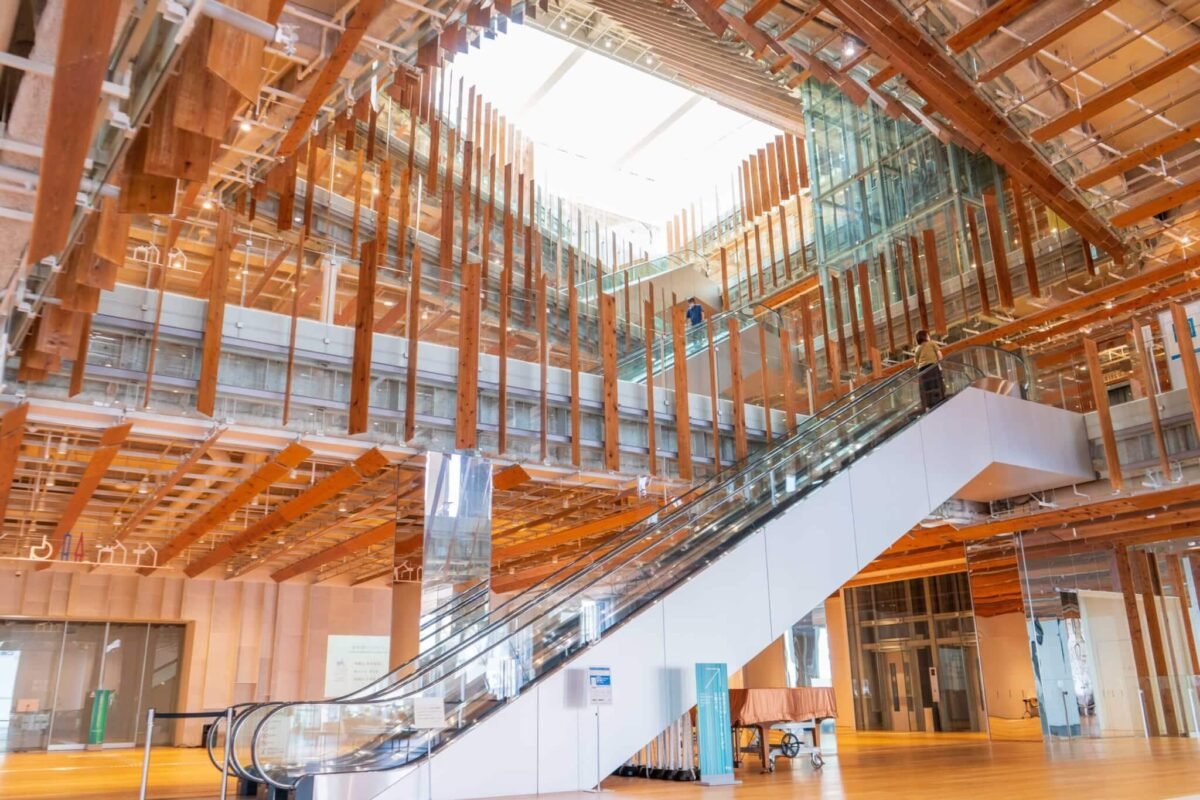
Building Design: The museum is located within Toyama Kirari, a striking building designed by world-renowned architect Kengo Kuma. While the building’s facade is crafted from granite, glass and aluminium, the interior uses Toyama wood louvers, creating a warm and inviting atmosphere. The shimmering exterior opens into a cathedral-like interior of native Toyama cedar planks arching up six stories to the stunning permanent Dale Chihuly installation occupying the entire top floor. The building also houses Toyama City Library, a local bank, gift shop and restaurant.
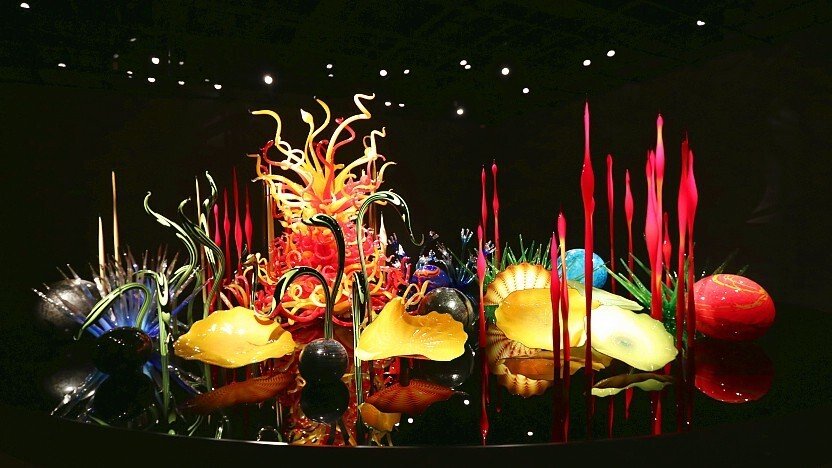
Exhibition Spaces: Special exhibitions are held on the second and third floors in Exhibition Rooms 1 to 3, the permanent collection is housed on the fourth floor with the acclaimed Glass Art Garden by American artist Dale Chihuly located on the sixth floor, and additional spaces include Transparent Storage and Glass Art Passage. The museum hosts a permanent collection alongside rotating special exhibitions, offering fresh perspectives with every visit.
City Context: Toyama is the preeminent glass art city in Japan and is located in the Hokuriku region. The museum is a 9-minute walk from Toyama Castle Park and is accessible via Toyama City Tram. The building’s beautiful timber and glass atrium is itself a masterpiece of modern architecture, utilizing natural light, wood and glass to create a harmonious space.
Organizers: The Executive Committee of the Toyama International Glass Exhibition, Toyama City, Toyama Glass Art Museum.
Full exhibition programme
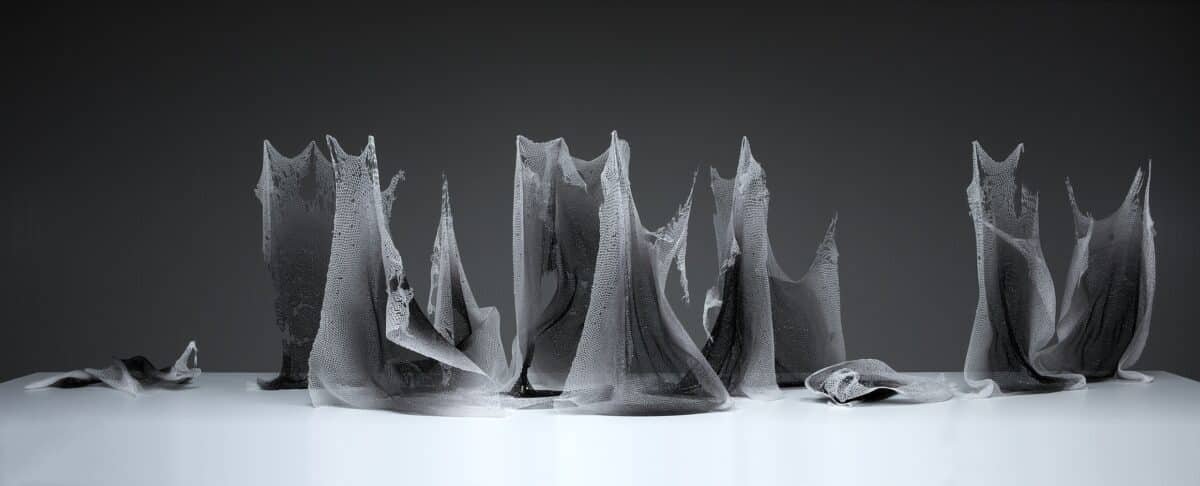
Main Triennale Exhibition: The core programme presents selected works from international open call, introducing the latest results of contemporary glass art worldwide. The exhibition presents works selected through international jury, showcasing diverse approaches including blown glass, cast glass, kiln-formed glass, cold-worked glass, mixed media incorporating glass, and installation art using glass as primary medium.
Collection Exhibition – Towards the Triennale: A related exhibition held on the fourth floor Exhibition Room 4 and Transparent Storage, presenting works from the museum’s collection that trace development of contemporary glass art and provide context for the international exhibition. This exhibition has historically run alongside the main triennale, offering historical perspective from Contemporary Glass Triennial era to present.
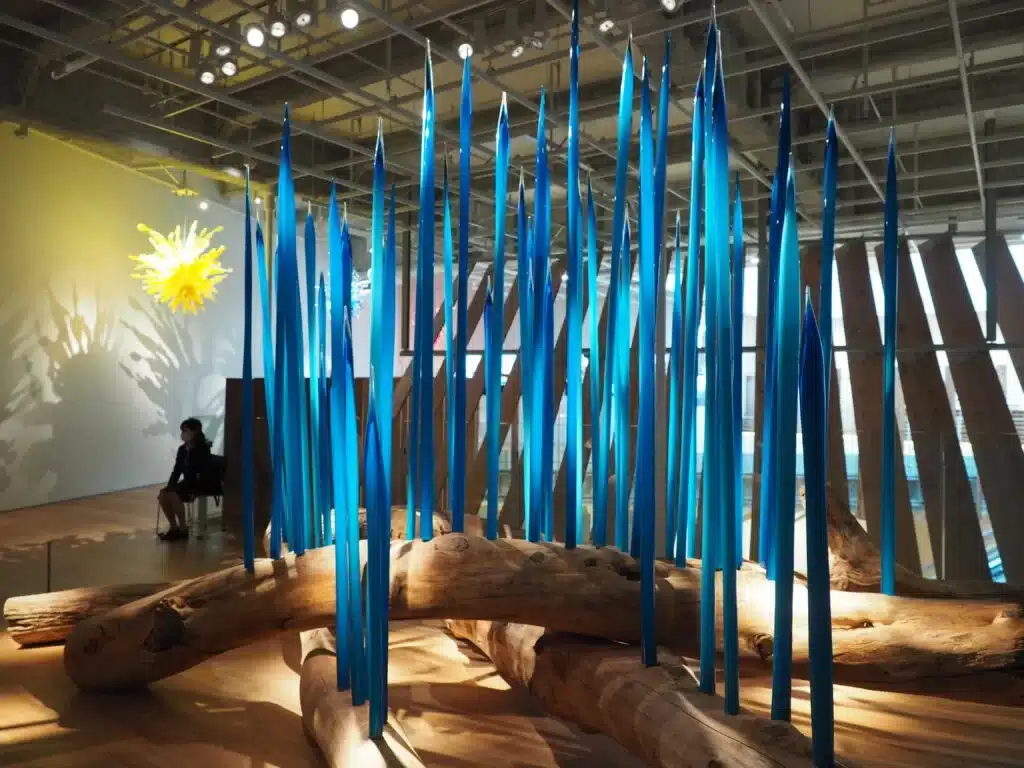
Glass Art Garden Permanent Installation: Dale Chihuly’s Toyama Mille Fiori, a large-scale installation measuring approximately H280 x W940 x D580 centimeters, occupies the sixth floor and is included with triennale ticket. The installation exemplifies studio glass movement’s evolution into monumental installation art.
Glass Art Passage: A connecting passage displaying glass artworks, allowing visitors to experience glass art while moving between library and museum areas within Toyama Kirari complex.
Educational Programme: The museum conducts curator’s talks, artist talks and gallery talks within the exhibition rooms and conference rooms, providing insight into jury selection and contemporary glass trends. Past programmes have included talks by curator Asada Maho and other specialists.
Community Outreach: Related events include workshops at Toyama Institute of Glass Art and Toyama Glass Studio, offering public opportunities to learn glass techniques and understand production processes that underpin contemporary glass art.
Featured artists & designers
International Glass Artists: The exhibition features artists from around the world, with recent edition receiving submissions from 50 countries and regions. Participating artists represent diverse approaches to glass, from traditional vessel-making to experimental sculpture and installation. The open-call format ensures emerging artists exhibit alongside internationally recognized figures.
Dale Chihuly: American master of contemporary glass art whose permanent installation Glass Art Garden – Toyama Mille Fiori anchors the museum’s collection and represents the studio glass movement’s global influence.
Japanese Glass Artists: Artists trained at Toyama Institute of Glass Art and active at Toyama Glass Studio, many of whom have gone on to international recognition. These artists contribute to Toyama’s reputation as city of glass art and demonstrate high technical skill combined with contemporary expression.
Studio Glass Movement Pioneers: The exhibition context honors pioneers from former Czechoslovakia and United States who established glass as artistic medium, with historical references providing foundation for understanding contemporary works.
Emerging Artists: The triennale serves as platform for discovery of new talent, with many selected artists being early-career artists presenting innovative approaches to glass that push boundaries of material.
Architect Kengo Kuma: While not an exhibiting glass artist, the architect of Toyama Kirari complex is integral to experience, with his design using Toyama wood louvers and glass creating warm and inviting atmosphere that complements glass art display.
Galleries & exhibitors
Exhibition Format: Unlike commercial art fair, Toyama International Glass Exhibition is a juried public-entry exhibition where individual artists submit works rather than galleries exhibiting. The exhibition does not have commercial gallery booths but presents selected artworks in museum context.
Participating Countries: Recent edition included entries from 50 countries and regions, with earlier edition including 46 nations, indicating truly international participation spanning North America, Europe, Asia, Oceania and other regions.
Institutional Partners: Toyama Institute of Glass Art, Toyama Glass Studio, Toyama City Library within same building, Kitanippon Shimbun and other local media as supporters, and special cooperation from institutions such as Suntory Museum of Art for related programmes.
Collection Donors and Sponsors: Toyama Chamber of Commerce and Industry, Toyama City Board of Education, Citizens Arts Administration Center of Toyama and other civic organizations support exhibition as part of city’s cultural strategy.
Glass Art Museum Shop: The museum shop exhibits and sells works by local glass artists, providing opportunity for visitors to acquire contemporary glass pieces and supporting local glass industry.
Exhibition halls & sections
Exhibition Rooms 1 to 3 – Floors 2 to 3: Main venues for triennale exhibition, spacious galleries with professional lighting and climate control suitable for diverse glass works including large-scale installations. These rooms host the core selection of triennale.
Exhibition Room 4 and Transparent Storage – Floor 4: Venue for Collection Exhibition Towards the Toyama International Glass Exhibition and permanent collection display, featuring transparent storage concept allowing visitors to see works in storage as part of exhibition experience.
Glass Art Garden – Floor 6: Sixth floor space dedicated to Dale Chihuly installation and related glass art garden concept, offering immersive experience with natural light from atrium.
Glass Art Passage: Connecting passage between library and museum areas, used as exhibition space for smaller works and as introduction to glass art for library visitors.
Toyama Kirari Atrium: Central atrium with six-story cedar louvers serves as orientation space and occasional venue for opening ceremonies and special events.
Conference Rooms 1 and 2 – Floor 2: Used for curator’s talks, artist talks and educational programmes related to triennale, with capacity for small groups and free admission with exhibition ticket.
Talks, workshops & special events
Opening Ceremony: Exhibition opens after opening ceremony on first day, featuring remarks from organizers, jury members and city officials, marking official start of triennale.
Curator’s Talks: Talks by curators including Asada Maho and other museum staff held in conference rooms, discussing selection process, trends in contemporary glass art and highlights of exhibition. Talks are free admission with exhibition ticket and no reservation required, with capacity for approximately 17 to 20 people per session.
Artist Talks and Gallery Talks: Presentations by selected artists and jury members providing insight into techniques, concepts and personal journeys in glass art.
Workshops at Toyama Glass Studio: Hands-on experiences in glass blowing, casting and cold working, allowing public to understand material challenges and possibilities that artists explore in triennale works.
Educational Programme for Children: Programs designed to expose children to glass art from young age, fostering future appreciation and potential career interest, aligned with Toyama’s strategy of cultivating human resources for cultural development.
International Symposium: Symposiums discussing global development of contemporary glass art, studio glass movement history and future directions, with participation from international artists and curators.
Media Coverage: Supported by Kitanippon Shimbun, Toyama Shimbun, Kitanihon Broadcasting, Toyama Television Broadcasting and Tulip-TV, ensuring wide dissemination of exhibition information.
Ticket types
Pricing is based on previous editions of Toyama International Glass Exhibition, converted to USD. Official pricing for upcoming edition will be announced closer to opening via official website.
General Admission – Triennale Exhibition: $8.00 for adults, with group rate for 20 or more at $6.70. Ticket includes admission to Collection Exhibition on fourth floor and Glass Art Garden on sixth floor. Price in brackets indicates group rate. This pricing reflects previous edition general admission of 1,200 yen for adults and 1,000 yen for groups.
College and University Student: $6.70 for college students, with group rate at $5.30. Ticket includes same access as general admission.
Elementary, Junior High and High School Students: Free admission for elementary, junior high and high school students, reflecting city’s policy to encourage youth engagement with glass art.
Permanent Collection Only: $1.30 for adults, providing access to collection exhibition on fourth floor and Glass Art Garden. Regular exhibition without special exhibition was previously 200 yen per person, very affordable.
Combination Ticket with Special Exhibition: $8.00 for adults, covering both special triennale exhibition and permanent collection. Combo ticket is recommended as regular exhibition was $1.30 but combo with special exhibition offers full experience.
Group Discounts: Groups of 20 or more receive approximately $1.30 to $1.50 discount per person off general admission, as indicated in prices in brackets on official ticketing information.
Free Admission Categories: Persons with disabilities plus one caregiver, children under elementary school age and holders of complimentary tickets receive free admission.
Hakone Freepass Comparison Note: While not applicable to Toyama, many visitors use Toyama City Tram day passes costing approximately $4.30 for unlimited tram rides, convenient for reaching museum from Toyama Station and castle area.
VIP & collector access
Opening Ceremony VIP: Invited guests including jury members, city officials, sponsors and selected artists receive invitation to opening ceremony held on first day before public opening, with speeches and first viewing.
Collector Preview: Private preview for collectors and patrons of Toyama Glass Art Museum, offering opportunity to view selected works before public and meet artists.
Patron Membership: Toyama Glass Art Museum membership program offers free admission to collection and discounted admission to special exhibitions including triennale, invitation to previews and events, and discounts at museum shop and restaurant.
Artist-in-Residence Connections: Through Toyama Institute of Glass Art and Toyama Glass Studio, VIP visitors can access studio visits and demonstrations by resident artists, providing deeper understanding of glass production.
Corporate Sponsorship Benefits: Sponsors including Toyama Chamber of Commerce and Industry receive VIP hospitality, recognition in exhibition materials and opportunities for corporate events within museum spaces.
International Jury Network: Jury members from international glass community provide networking opportunities for serious collectors interested in global contemporary glass art trends.
Event rules
Handling of Artworks: Do not touch glass artworks, display cases or installations. Glass is fragile and many works are irreplaceable. Maintain safe distance and follow staff guidance, particularly around large installations such as Dale Chihuly’s Mille Fiori.
Photography Policy: Photography for personal use without flash may be permitted in some areas but prohibited in special exhibition rooms. No tripods, selfie sticks or commercial photography without permission. Check signage at entrance to each exhibition room.
Bag and Luggage Policy: Large bags, backpacks and umbrellas must be stored in lockers. Small handbags permitted. Transparent Storage area may have additional restrictions to protect collection.
Food and Drink: Eating and drinking not permitted inside exhibition galleries. Restaurant and cafe available within Toyama Kirari complex offering light meals and beverages.
Behavior: Maintain quiet conversation, set mobile phones to silent mode, avoid phone calls inside galleries. Sketching with pencil may be permitted with prior permission; ink and watercolors prohibited.
Children: Children must be accompanied by adults. Strollers may be permitted in some areas but restricted in crowded exhibition rooms.
Ticket Validity: Triennale ticket allows admission to Collection Exhibition and Glass Art Garden on same day. Re-entry may be permitted with ticket stamp on same day, subject to staff discretion.
Opening Hours Compliance: Last admission 30 minutes before closing time. On first day, exhibition opens after opening ceremony, so opening time may be delayed.
How to get there
Main Access – Toyama Station: From Tokyo, take Hokuriku Shinkansen to Toyama Station, travel time approximately two hours. Toyama is also accessible via limited express from Osaka and Kyoto.
To Toyama Glass Art Museum: From Toyama Station, take Toyama City Tram, approximately 10 minutes, get off at Nishicho stop. Museum is located within Toyama Kirari building at 5-1 Nishicho, a short walk from tram stop. The building’s striking facade of granite, glass and aluminium is easily recognizable.
Walking from Toyama Castle: Museum is a 9-minute walk from Toyama Castle Park, making it convenient to combine castle visit with glass art museum.
From Toyama Airport: Take airport bus to Toyama Station, then transfer to tram or walk to museum.
By Car: From Hokuriku Expressway Toyama Interchange, approximately 15 minutes drive to central Toyama. Parking available near Toyama Kirari complex but limited.
Cultural Facilities Nearby: Toyama Castle, Toyama City Local History Museum, Toyama Prefectural Museum of Art and Design, and former Baba Family House are within walking distance, allowing cultural day tour.
Public transport & parking
Toyama City Tram: Main public transport for museum access, fare approximately $1.30 per ride, day pass available for approximately $4.30 for unlimited tram rides. Tram fare per person is affordable and trams run frequently.
Loop Bus: Toyama City Loop Bus serves major tourist attractions including castle, glass art museum and other cultural facilities, convenient for visitors.
Parking: Toyama Kirari has limited parking with fee approximately $1.50 per 30 minutes. Nearby coin parking available around Nishicho and central Toyama area at similar rates. Public transport recommended due to central location and limited parking during popular exhibitions.
Bicycle Rental: Bicycle sharing available in central Toyama, convenient for moving between castle, museum and other attractions.
Taxi: Taxi from Toyama Station to museum costs approximately $6 to $8.
Accessibility Transport: Low-floor trams operate on some services, and Toyama Kirari building has elevator access to all museum floors. Bus stops near museum have tactile paving.
Accommodation areas
Nishicho and Central Toyama: Hotels within walking distance of Toyama Glass Art Museum including business hotels and city hotels, rates from $60 to $150 per night. Ideal for visitors focusing on triennale and city cultural facilities.
Toyama Station Area: Wide range of hotels from budget business hotels to upscale city hotels, rates from $50 to $200 per night, with direct tram access to museum and Shinkansen access for day trips.
Castle Park and Sogawa Area: Hotels near Toyama Castle and shopping district, offering quiet surroundings and shopping convenience, rates from $70 to $180 per night.
Iwase and Coastal Area: Traditional area with historic storehouses and sake brewery, offering guesthouses and boutique hotels for visitors interested in broader Hokuriku craft culture including Go For Kogei venues.
Booking Advice: Accommodation should be booked in advance as exhibition period coincides with summer and autumn tourism in Toyama, with many visitors combining glass art museum with Tateyama mountain range and coastal attractions.
Food & refreshments
Toyama Kirari Restaurant and Cafe: Within same building as museum, restaurant and cafe offer light meals, coffee and seasonal sweets with views of atrium. Museum cafe provides break during extensive glass art viewing.
Sogawa and Central Toyama Dining: Toyama is known as sushi capital with fresh seafood from Sea of Japan, particularly white shrimp and firefly squid. Restaurants within walking distance of museum offer sushi, ramen, Toyama black ramen and local specialties, average lunch prices from $7 to $20.
Iwase Area: Historic area with sake brewery and traditional restaurants offering local cuisine, including Masuda Sake Brewery as part of Go For Kogei related venues.
Convenience: Convenience stores and vending machines located near Toyama Station and within Toyama Kirari complex. Food and drink not permitted inside exhibition galleries.
Toyama Glass Art Museum Shop: Shop offers glass artworks, books and souvenirs related to glass art, providing opportunity to take home contemporary glass pieces.
Accessibility
Venue Accessibility: Toyama Glass Art Museum within Toyama Kirari is fully barrier-free with elevators to all floors including floors 2 to 3 for special exhibition, floor 4 for collection and floor 6 for Glass Art Garden. Wide galleries suitable for wheelchair users, accessible restrooms on each floor.
Wheelchair Services: Wheelchairs available for loan free of charge at museum entrance.
Visual and Hearing Support: Large-print guides, written exhibition summaries and staff assistance available for visitors with visual or hearing impairments. Guide dogs and service dogs permitted inside museum.
Free Admission for Support Needs: Visitors with disabilities plus one accompanying caregiver receive free admission upon presentation of disability certificate.
Family Access: Stroller access permitted throughout museum, with elevators providing easy movement between floors. Nursing room available within Toyama Kirari complex. Toyama City Library within same building offers quieter space for families.
Language Support: Multilingual staff and information materials in Japanese and English. Exhibition labels typically in Japanese and English.
Building Design Benefits: Kengo Kuma’s design with natural light and wood louvers creates warm and inviting atmosphere that is comfortable for extended viewing, with beautiful timber and glass atrium providing natural orientation.
Must-see exhibitions
Triennale Selected Works: The heart of exhibition, presenting selected works from international open call, showcasing latest results of contemporary glass art worldwide with diverse techniques and concepts.
Dale Chihuly Glass Art Garden: Permanent installation Toyama Mille Fiori on sixth floor, monumental glass installation occupying entire top floor, representing masterwork of contemporary glass art and studio glass movement.
Collection Exhibition Towards the Triennale: Fourth floor exhibition tracing development of contemporary glass art from Contemporary Glass Triennial era to present, providing historical context for triennale.
Glass Art Passage: Connecting passage displaying glass artworks, allowing experience of glass art while moving between library and museum, demonstrating integration of art into daily life.
Transparent Storage: Innovative display concept where collection storage is visible to public, allowing visitors to see breadth of museum’s holdings beyond exhibited works.
Toyama Kirari Architecture: The building itself is must-see, with shimmering exterior of granite, glass and aluminium opening into cathedral-like interior of native Toyama cedar planks arching six stories, creating harmonious space for glass art.
Previous year’s highlights
High International Participation: Previous edition received 785 submissions from 50 countries and regions, demonstrating global recognition as center for contemporary glass art and significant increase from earlier edition’s 46 nations.
Large-Scale Installations: Exhibition included large-scale installations that pushed boundaries of glass as sculptural medium, with works utilizing blown glass, cast glass and mixed media to create immersive experiences within museum’s second and third floor galleries.
Educational Programme Success: Curator’s talks by Asada Maho and other specialists attracted many visitors, providing insight into jury selection and contemporary glass trends, with free admission and no reservation required.
Collection Integration: Combination of triennale ticket with admission to Collection Exhibition and Glass Art Garden allowed visitors to experience both latest achievements and permanent collection including Dale Chihuly installation, offering comprehensive overview of contemporary glass art.
City-Wide Recognition: Exhibition contributed to Toyama’s establishment as global center for glass art, with museum’s acquisition of works for collection ensuring lasting legacy of each triennale edition.
Media and Community Support: Supported by Kitanippon Shimbun, Toyama Shimbun and local broadcasters, with extensive coverage promoting glass art to wider public and reinforcing city’s identity as City of Glass.
Official tickets
Purchase Locations: Tickets available at Toyama Glass Art Museum ticket counter within Toyama Kirari building and via official website https://toyama-glass.jp/. Advance tickets may be available via local convenience stores and online platforms.
Online Information: Official website provides current exhibition details, admission fees, opening hours and access information. Exhibition information also available at Toyama Glass Art Museum website.
Ticket Types: Triennale exhibition ticket including collection and Glass Art Garden, permanent collection only ticket, group tickets for 20 or more, and free admission categories for students and persons with disabilities.
Payment Methods: Cash, major credit cards, IC cards and electronic money accepted at museum ticket counter.
Contact for Inquiries: Toyama Glass Art Museum phone and Executive Committee of Toyama International Glass Exhibition for inquiries regarding exhibition, group bookings and educational programmes.
Opening Hours: Museum open from 9:30 AM to 6:00 PM, extended to 8:00 PM on Fridays and Saturdays during special exhibition periods, with last admission 30 minutes before closing. On first day, exhibition opens after opening ceremony.
Location
FAQ
What is the difference between Toyama International Glass Exhibition and the earlier Contemporary Glass Triennial?
The Contemporary Glass Triennial was held between 2002 and 2011 at Art Gallery Toyama Shimin Plaza as a public-entry exhibition accepting submissions, while Toyama International Glass Exhibition was launched in 2018 at the Toyama Glass Art Museum as its successor international triennale. The new exhibition benefits from Kengo Kuma designed museum within Toyama Kirari complex, with dedicated galleries on floors 2 to 3, collection on floor 4 and Dale Chihuly installation on floor 6. It continues the mission of gathering latest achievements in contemporary glass art while contributing to further development of field with enhanced international participation.
How are works selected for the triennale and how many countries participate?
The triennale is an international open-call exhibition where glass artists from around world submit works for jury selection, with recent edition receiving 785 submissions from 50 countries and regions. An earlier edition presented 54 works selected from 1,110 entries from 46 nations, indicating rigorous selection process. The jury includes leading figures in contemporary glass art who evaluate works based on originality, technical skill and contribution to contemporary glass art. Selected works are exhibited at Toyama Glass Art Museum Exhibition Rooms 1 to 3.
Do I need separate tickets for the permanent collection and the Glass Art Garden?
The triennale ticket includes admission to Collection Exhibition on fourth floor and Glass Art Garden on sixth floor featuring Dale Chihuly's Toyama Mille Fiori installation, providing comprehensive experience in single ticket. A separate permanent collection only ticket is available for visitors interested solely in collection and garden at lower price. Tickets include access to Glass Art Garden on sixth floor and Glass Art Passage, allowing you to experience both special triennale and permanent collection in one visit without purchasing multiple tickets.
What facilities are available at Toyama Kirari and how accessible is the museum?
Toyama Kirari is a complex housing Toyama Glass Art Museum, Toyama City Library, local bank, gift shop and restaurant, designed by Kengo Kuma with granite, glass and aluminium facade and interior using Toyama wood louvers. The museum occupies floors 2 to 4 and 6, with elevators to all floors, accessible restrooms and wide galleries suitable for wheelchair users. The building features a cathedral-like interior of native cedar planks arching six stories, creating warm and inviting atmosphere. Wheelchairs are available for loan and guide dogs are permitted.
How can I combine a visit to the glass art museum with other attractions in Toyama?
The museum is located in central Toyama at 5-1 Nishicho, a 9-minute walk from Toyama Castle Park, making it easy to combine with castle visit, local history museum and former Baba Family House. Toyama City Tram provides convenient access from Toyama Station, and city loop bus serves major tourist attractions. Toyama is known as City of Glass and offers additional glass-related sites including Toyama Institute of Glass Art and Toyama Glass Studio, plus Iwase historic area with sake brewery and storehouses that are part of Go For Kogei platform.

Leave a Reply