

-
January 31, 2027
Event date:
-
January 31, 2027
Event end:
What to expect
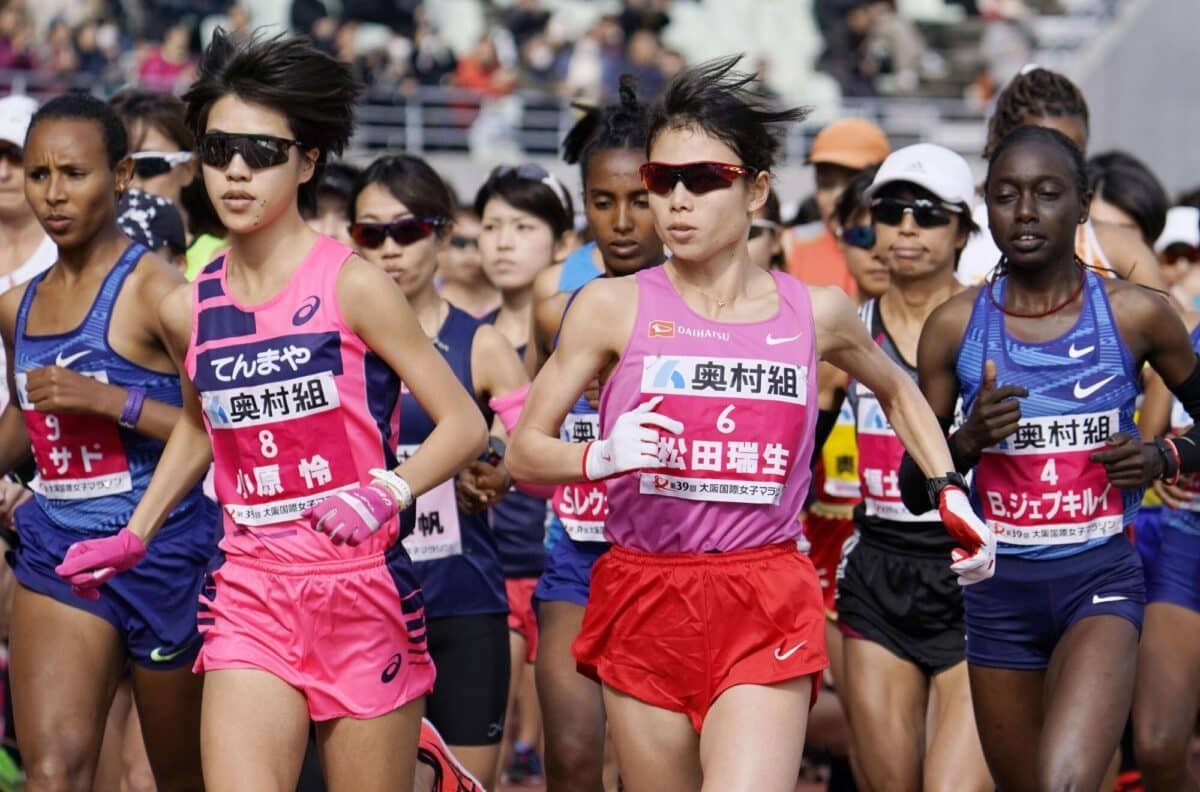
Osaka Women’s Marathon is Japan’s premier women-only elite road race, a World Athletics Platinum Label event and one of the most prestigious women’s marathons in the world. First held in the early 1980s and won by Italy’s Rita Marchisio in its inaugural running, the race has become a cornerstone of the global marathon calendar, known for its fast, flat course and deep elite women’s field.
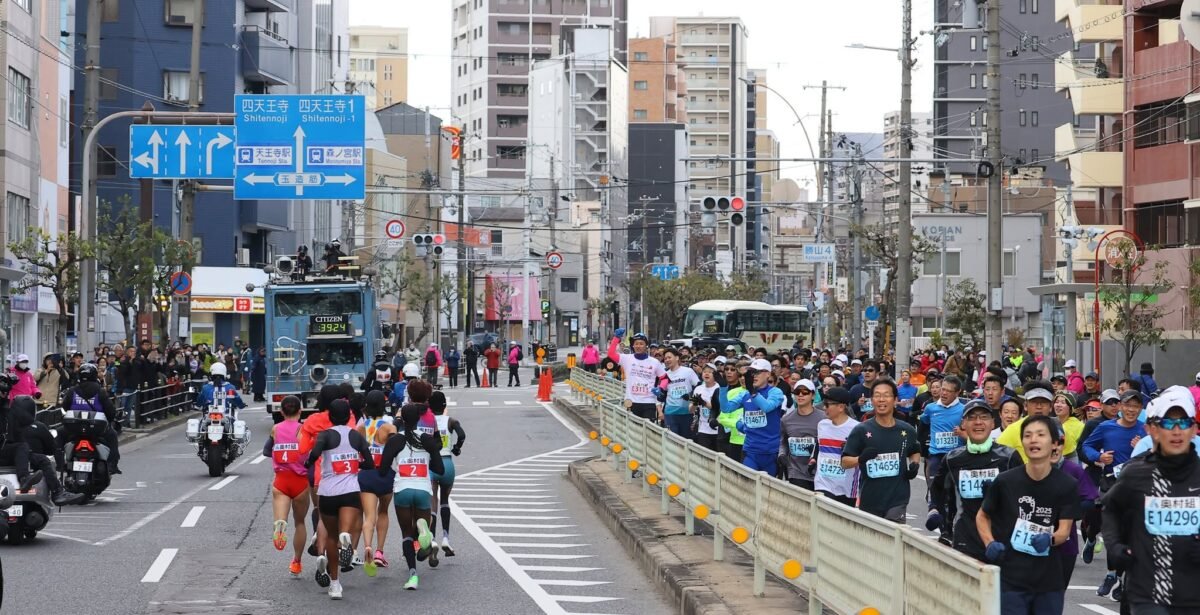
The marathon takes place in the city and passes prominent landmarks such as Osaka Castle, Midosuji Street with its beautiful ginkgo trees, and Osaka City Hall, before finishing at Yanmar Stadium Nagai. The course was altered to allow for faster times by cutting out hilly sections near Osaka Castle, creating a mostly flat route with little change in elevation, protected from wind by buildings and trees along the streets.
Expect an elite-focused event that is strictly time-limited and qualification-based. It is characterized by its strict time limits and unique course setting which allows runners to cross paths, creating an exciting spectator experience. Unlike mass-participation city marathons, Osaka Women’s Marathon is an invitation and qualification-based race for women who have met high standards, alongside a separate Osaka Half Marathon open regardless of gender.
Enjoy Your Event Stress-Free with Japan Travelo
Do you know? Planning events, festivals, concerts, and cultural experiences in Japan can be overwhelming. Japan Travelo brings everything together in one place, helping you manage your itinerary, transport, and accommodation with ease—so you can enjoy Japan without the stress of planning.
The race serves as a key selection event for Japanese national teams for World Championships and Olympic trials, attracting one of the strongest women-only fields in the world. Recent editions have featured defending champions and course record holders such as Workenesh Edesa, whose course record stands under 2:19, alongside stars like Stella Chesang who achieved world-leading marathon wins in Osaka.
Hosted by Japan Association of Athletics Federations, Kansai Telecasting Corporation, the Sankei Shimbun, Sankei Sports, Radio Osaka and Osaka City, the event combines elite sport with Osaka’s renowned hospitality and food culture.
Match/event dates
Event Date: January 31, 2027
Event Name: Osaka Women’s Marathon 2027
Venue: Yanmar Stadium Nagai, Osaka, Japan
Official Website: https://www.osaka-marathon.jp/english/index.html
Contact: 81-6-6633-9632 and support@osaka-marathon.com
Race Distance: 42.195 kilometres, classic marathon distance
Calendar Status: World Athletics Platinum Label road race, certified by World Athletics and AIMS
Next Confirmed Event: Sunday, January 31, 2027, as per AIMS calendar and World Athletics calendar which lists calendar kicking off with Osaka Women’s Marathon in central Japanese city
Entry Period: Entry by qualification only typically opens in autumn of previous year and closes in early December
Related Event: Osaka Half Marathon held alongside women’s marathon, open regardless of gender
Exact start time and race day schedule is announced via official website closer to event, with elite women typically starting late morning.
Visiting this event? Don’t miss out on these amazing activities and local experiences while you’re here.
Stadium & sports venue
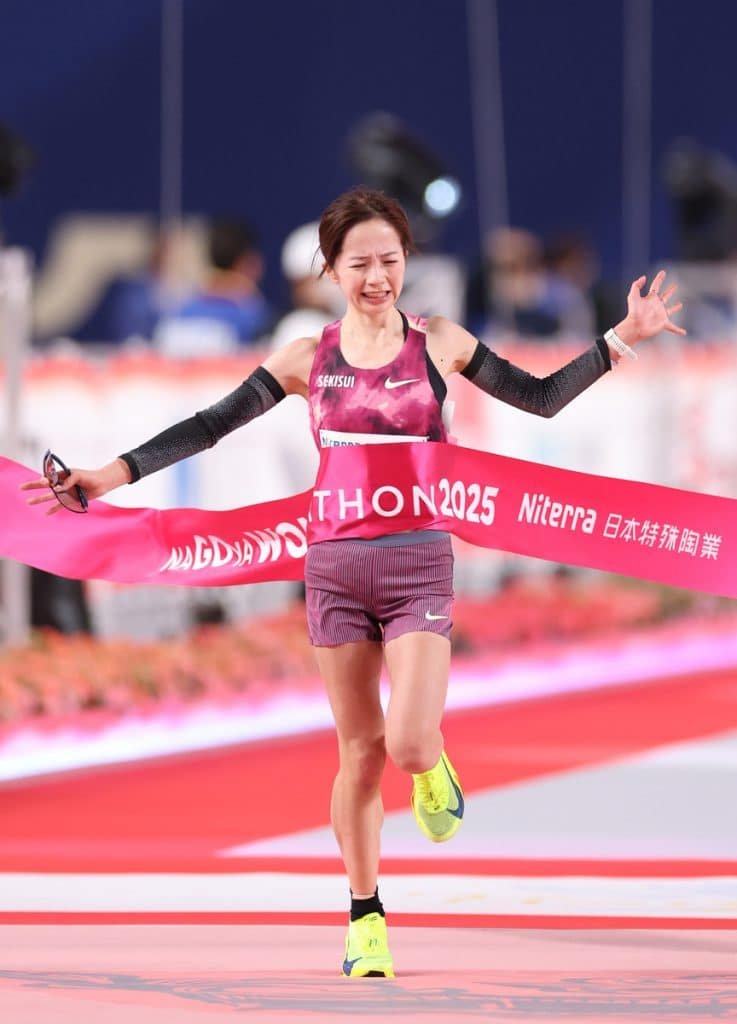
Start and Finish Venue: Yanmar Stadium Nagai, located at 1-1 Nagai Park, Higashisumiyoshi Ward, Osaka 546-0034, Japan. A venue that has hosted numerous international events, including the 2007 World Athletics Championships. Runners finish inside the stadium on the track, creating dramatic finish line atmosphere.
Course Description: The race starts and finishes at Yanmar Stadium Nagai. The route covers the most scenic and historic areas of Osaka City. After leaving the stadium, runners head north toward Osaka Castle, one of Japan’s most iconic landmarks, before running beneath the beautiful ginkgo trees along Midosuji Street, Osaka’s main thoroughfare. Runners then pass Osaka City Hall and Nakanoshima area before heading south again, passing Osaka Castle a second time before covering last 12 kilometers back to Yanmar Stadium Nagai.
Course Profile: Flat course with mostly flat profile, little change in elevation, ideal for personal best and fast times. Protected from wind by buildings and trees. Certified by World Athletics and AIMS for record purposes. In special circumstances such as pandemic adjustments, course has been run as 15 laps of flat 2.8 km loop inside Nagai Park followed by track finish inside stadium, but traditional city course is standard.
Half Marathon Course: Osaka Half Marathon shares start and finish areas but follows slightly shorter loop through similar scenic areas, allowing broader participation while elite women compete on main course.
Full fixture or event schedule
Race Weekend Schedule Based on Previous Editions:
Two Days Before Race: Osaka Marathon EXPO and runners’ registration at INTEX Osaka Hall 6 or similar venue, where elite athletes collect bibs and attend technical meetings.
Day Before Race: Press conference with elite field announcement, course preview, and final preparations at Yanmar Stadium Nagai.
Race Day Morning: Venue opens early for warm-up, elite athlete call room procedures, and spectator entry to stadium. Opening ceremony inside stadium.
Race Time: Elite women’s marathon starts late morning, typically around noon, to allow for cooler temperatures and optimal broadcast timing. Cut-off time strict at around 3 hours and 5 minutes after start, reflecting elite nature of event.
Finish: First finishers expected around 2 hours 20 minutes after start for elite leaders, with course closing after final qualifier finishes.
Post-Race: Award ceremony inside Yanmar Stadium Nagai, doping control, and press interviews with top finishers.
Teams, athletes & participants
Participant Profile: Women only for main marathon, aged 19 years or older on race day. Approximately 500 to 600 elite invited and qualified women, far smaller than mass marathons, ensuring high quality field.
Elite Field Composition: Includes defending champions, course record holders, Japanese national team contenders, and international stars from Ethiopia, Kenya, Uganda, and other distance running powerhouses. Recent elite fields have included last year’s winner Workenesh Edesa, 3rd placer Mizuki Matsuda, 7th placer Natsumi Matsushita, 9th placer Madoka Nakano, top Japanese Olympic marathon placer Yuka Suzuki, veteran Kenyan-born Israeli Lonah Chemtai Salpeter, and Ugandan star Stella Chesang.
Qualification Standards: Female runners who have met following standards in official World Athletics or AIMS certified race from designated period through application date: Marathon under 3 hours 7 minutes, 30km road race under 2 hours 8 minutes, Half Marathon under 1 hour 25 minutes, 10km road race under 36 minutes. For most recent World Athletics scoring-based standards, revised entry standards include 10000m 30:40, half marathon 1:07:29, marathon 2:27:30 for top elite consideration.
Japanese Contingent: Strong Japanese elite contingent including national record contenders and Olympic trial qualifiers, with race factoring into complex algorithms for making World Championships team and Olympic marathon trials.
Half Marathon Participants: Open regardless of gender, with broader qualification standards, allowing thousands of recreational runners to participate alongside elite women’s event.
Tournament format & competition structure
Race Format: Single women’s marathon race over 42.195km, conducted in accordance with World Athletics rules, Japan Association of Athletics Federations rules, and Osaka Women’s Marathon regulations. World Athletics Road Race Label regulations apply as Platinum Label event.
Competition Structure: Gun start with all elite women starting together. No age group waves for main marathon due to small elite field. Time bonuses and prize money based on finishing position and time.
Selection Role: Serves as selection race for Japanese national team for upcoming World Athletics Championships and Olympic Games. Performance factors into Japanese marathon ranking system.
Prize and Ranking: Prize money awarded to top finishers, with additional time bonuses for course records and national records. World Athletics ranking points awarded based on finishing time and position due to Platinum Label status.
Half Marathon Integration: Half marathon runs concurrently on overlapping course sections, with separate start times to avoid interference, allowing spectators to watch both events.
Match/event times
Typical Race Day Timeline:
Morning Venue Opening: Stadium gates open early morning for spectator entry and athlete warm-up in Nagai Park.
Call Room: Elite athletes report to call room approximately one hour before start for bib check and final instructions.
Start: Elite women’s marathon starts late morning, typically around 12:10 PM to 12:15 PM JST, to optimize conditions and television broadcast.
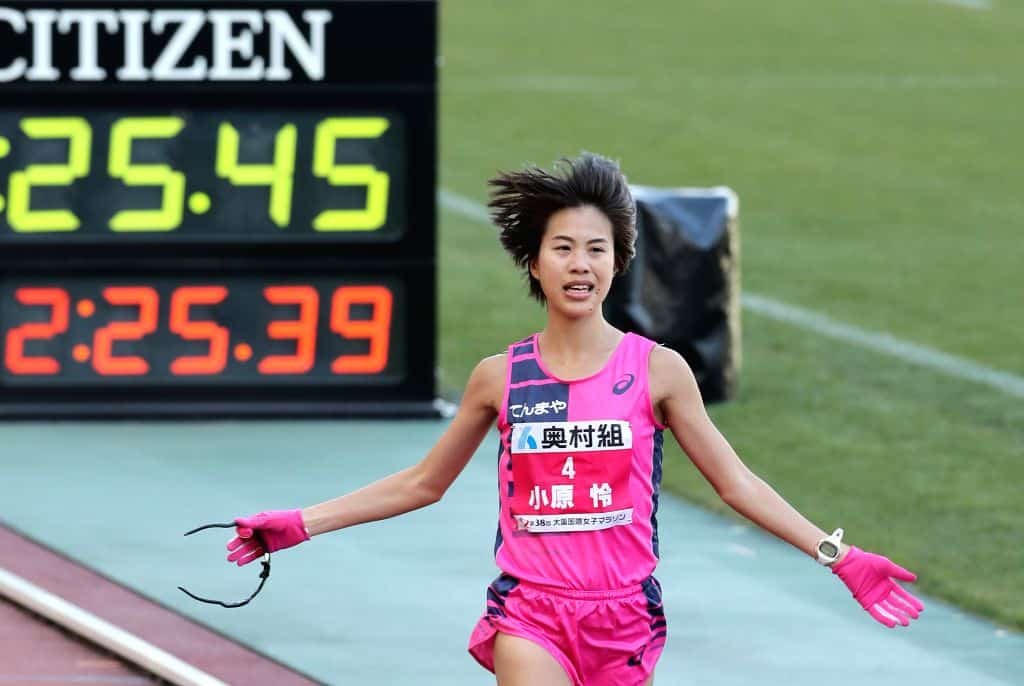
Race Duration: Elite winner expected around 2 hours 18 minutes to 2 hours 26 minutes depending on conditions. Strict time limit of approximately 3 hours 5 minutes from gun time, after which course closes.
Course Checkpoints: Intermediate timing mats at 5km, 10km, 15km, 20km, half marathon, 25km, 30km, 35km, 40km, and finish, with cut-off times at each point.
Award Ceremony: Held inside Yanmar Stadium Nagai approximately 30 minutes after elite winner finishes, with podium for top three.
Ticket types
Osaka Women’s Marathon is primarily a free-to-watch roadside event for spectators, with stadium seating options.
Roadside Spectating: Free and open to public along entire city course, including prime viewing spots near Osaka Castle, Midosuji Street, and Nakanoshima. Spectators can sample best of Osakan food while watching runners.
Stadium Seating: Yanmar Stadium Nagai offers free or low-cost seating inside stadium to watch start and finish on track. Some editions require free ticket or general admission ticket for stadium entry to manage capacity.
Premium Seating: Some editions offer paid premium seating inside stadium with better views of finish line and access to heated indoor areas, typically priced around $20 to $40.
Hospitality Packages: VIP hospitality with catering inside stadium lounge areas available for corporate guests and invited sponsors.
Pricing Converted to USD: Since roadside spectating is free, main cost is stadium entry if ticketed. Based on similar World Athletics Platinum Label marathons in Japan, stadium general admission when charged is approximately $10 to $15, premium seating $25 to $50. No entry fee for runners who qualify via standards, though travel costs apply.
Participant Entry: No general public entry lottery for women’s marathon due to qualification standards. Entry fee for qualified athletes typically around $80 to $120, which includes timing chip, bib, and post-race services.
Ticket release phases
Athlete Entry Phases:
Qualification Period: Athletes must achieve qualifying time in official certified race during designated qualification window, typically from January of two years prior through early December of previous year.
Application Phase: Entry by qualification only opens in early October and closes in early December. Applications submitted via official website with proof of qualification time.
Verification Phase: After proof of qualification checked, notifications sent to those unable to participate under standards with refund information, and eligible participants notified in early February with virtual press conference.
Spectator Tickets: If stadium seating is ticketed, free tickets typically released via official website and Lawson Ticket in January, first-come first-served.
VIP & hospitality options
Stadium VIP Lounge: Heated indoor lounge inside Yanmar Stadium Nagai with live TV feed of race, catering featuring Osaka specialties, and direct access to premium finish line seating.
Sponsor Hospitality: Kansai Telecasting Corporation and Sankei Shimbun host sponsor guests in VIP boxes overlooking finish line with commentary and hospitality.
Athlete Hospitality: Elite athlete lounge with physiotherapy, warm-up facilities, and post-race recovery services.
Media Hospitality: Press center with workspaces, results service, and interview rooms for accredited media.
Corporate Packages: Companies can purchase hospitality packages including stadium seating, food and drink vouchers for Nagai Park food stalls, and meet-and-greet with invited athletes where available.
Stadium & event rules
WA Rules: Race conducted in accordance with World Athletics rules, 2022 Japan Association of Athletics Federations rules, and Osaka Women’s Marathon regulations.
Eligibility: Women only for main marathon, aged 19 years or older on race day, having met qualification standards.
Time Limit: Strict time limit of approximately 3 hours and 5 minutes from gun time. Runners failing to reach checkpoints within designated cut-off times will be directed to disembark.
Course Rules: No outside assistance, no pacing by non-participants, no wearing of headphones in elite field, must wear official bib number front and back.
Doping Control: Top finishers and randomly selected athletes subject to doping control per World Athletics regulations.
Weather Policy: Race held rain or shine, except extreme weather conditions such as Great Hanshin earthquake level disaster which caused cancellation in one historical edition.
Spectator Rules: Spectators must not encroach onto course, must follow police and volunteer instructions, no drones, no standing on barriers.
How to get there
Address: Yanmar Stadium Nagai, 1-1 Nagai Park, Higashisumiyoshi Ward, Osaka 546-0034, Japan.
Nearest Stations: Nagai Station on Midosuji Subway Line, 5 minutes walk to stadium east gate. Tsurugaoka Station on JR Hanwa Line, 10 minutes walk. Nagai Park is large urban park with clear signage to stadium on race day.
From Central Osaka: From Namba, take Midosuji Line direct to Nagai Station, about 15 minutes. From Umeda, take Midosuji Line direct, about 20 minutes.
From Airport: From Kansai International Airport, take Nankai Airport Express to Tengachaya then transfer to Sakaisuji Line to Dobutsuen-mae then Midosuji Line to Nagai, or take JR Haruka to Tennoji then Midosuji Line, total about 60 to 70 minutes.
Course Access: Spectators can use subway to access viewing points along course: Tanimachi 4-chome or Tanimachi 6-chome stations for Osaka Castle area, Shinsaibashi or Yodoyabashi for Midosuji Street, Kitahama or Naniwabashi for City Hall area.
Public transport & parking
Public Transport Strongly Recommended: Osaka City imposes extensive traffic restrictions on race day with road closures from early morning until mid-afternoon across central Osaka including Midosuji Street, Sakaisuji, and roads around Osaka Castle. Public transport via Osaka Metro is most reliable.
Subway Frequency: Midosuji Line, Tanimachi Line, and Chuo Line run with increased frequency on race morning.
Bus: Osaka City buses diverted due to course closures, check Osaka Metro website for race day diversions.
Parking: No official event parking at Yanmar Stadium Nagai due to race operations. Nagai Park parking closed on race day. Nearby coin parking lots also closed or inaccessible due to road closures. Avoid driving.
Taxi: Taxis cannot enter course area during closures, drop-off points outside closure zones required, expect heavy traffic after race.
Accessibility Transport: Nagai Station has elevators. Yanmar Stadium Nagai is barrier-free with wheelchair access to all gates and accessible restrooms.
Accommodation areas
Best Areas to Stay:
Nagai and Tennoji: Closest area with business hotels such as Hotel Trusty Osaka Abeno, APA Hotel Tennoji, and Hotel Monterey Grasmere Osaka ranging $70 to $140 per night. Walking or one subway stop to stadium, ideal for early race morning.
Namba and Shinsaibashi: Central Osaka with vibrant food scene and direct Midosuji Line to Nagai and to Osaka Castle viewing points. Hotels like Cross Hotel Osaka, APA Hotel Namba-Shinsaibashi, and Swissotel Nankai Osaka range $90 to $180 per night.
Umeda: Business and luxury hub with direct Midosuji Line to all course areas. Hotels like Hotel Granvia Osaka and InterContinental Osaka range $120 to $300 per night.
Budget Options: Toyoko Inn, Super Hotel chains near Nagai, Tennoji, and Dobutsuen-mae offer $45 to $75 per night.
Book at least two months in advance as race weekend coincides with high occupancy in Osaka.
Food & drink at the venue
Inside Yanmar Stadium Nagai: Stadium concourse offers bento boxes, hot drinks, and snacks on race day, with heated indoor areas for spectators.
Nagai Park: Food stalls set up in Nagai Park on race day offering Osaka specialties such as takoyaki, okonomiyaki, kushikatsu, and warm noodles, allowing spectators to sample best of Osakan food while watching runners.
Course Spectating: Midosuji Street and Dotonbori areas offer countless restaurants and street food vendors where spectators can eat while waiting for runners. Osaka Castle Park area has cafes and food trucks.
Athlete Nutrition: Elite athletes provided with personal drink tables with designated drinks at designated stations, plus official water and sports drink stations every 5km.
Post-Race: Athlete refreshment area with recovery drinks and light food, plus spectator food court in Nagai Park continues after finish.
Accessibility
Venue Accessibility: Yanmar Stadium Nagai is fully barrier-free with elevators to all levels, accessible restrooms, and wheelchair spaces in stands.
Course Viewing Accessibility: Most roadside viewing points are accessible via flat sidewalks, though crowds can be dense near Osaka Castle and Midosuji. Early arrival recommended for wheelchair users to secure viewing spot.
Accessible Seating: Wheelchair spaces inside stadium available via advance application through official inquiry phone number.
Hearing and Visual Assistance: Large screens inside stadium provide close-up views of race with commentary. Race information available via official website and app.
Contact for Accessibility: Contact Osaka Women’s Marathon office via 81-6-6633-9632 or support@osaka-marathon.com for specific accessibility needs.
Best matches/events to attend
Start at Yanmar Stadium Nagai: Best place to feel elite atmosphere, watch warm-up, and see dramatic stadium finish on track.
Osaka Castle Area: Most scenic viewing point where runners pass twice, once heading north and again covering last 12 kilometers back to stadium. Beautiful backdrop of castle and park.
Midosuji Street Ginkgo Avenue: Iconic stretch where runners run beneath beautiful ginkgo trees along Osaka’s main thoroughfare, offering wide boulevard viewing with department stores and cafes.
Osaka City Hall and Nakanoshima: Central business district viewing with riverside scenery and close proximity to Namba food areas.
Finish Inside Stadium: Most dramatic moment as runners enter stadium for final 300 meters on track, with crowd cheering inside historic venue that hosted World Championships.
Previous year’s highlights
45th Edition Highlights: World Athletics Platinum Label event that lived up to billing with one of strongest women-only fields in world. Starting and finishing at Yanmar Stadium Nagai, fast 42.195km course through central Osaka past landmarks such as Osaka Castle attracted elite international field. Defending champion and course record holder Workenesh Edesa alongside compatriot Bedatu Hirpa remained in close contention deep into race, showcasing tactical battle.
Course Record: Course record holder Workenesh Edesa set fast time under 2:19, demonstrating course’s potential for fast times after alteration in 2011 to cut hilly sections near Osaka Castle for faster times.
Competitive Depth: Recent editions featured Ugandan star Stella Chesang striking gold with world-leading marathon win, showing Osaka’s ability to produce world-leading times early in season.
Historical Significance: First edition took place on January 24, 1982, won by Italy’s Rita Marchisio. Race cancelled only once due to Great Hanshin earthquake, otherwise held annually on 4th or 5th Sunday of January, making it one of longest-running women’s-only marathons globally.
Community Impact: Osaka Half Marathon held alongside allows broader participation, with thousands enjoying beautiful scenery of Osaka while aiming for personal bests, creating festival atmosphere around elite women’s race.
Official tickets
Official Website: https://www.osaka-marathon.jp/english/index.html
Contact Phone: 81-6-6633-9632
Email: support@osaka-marathon.com
Entry Method: Entry by qualification only via official website with proof of qualifying time from World Athletics or AIMS certified race
Spectator Access: Free roadside viewing along entire course, stadium entry may require free ticket via Lawson Ticket or official site on race weekend
Registration Location: Runners’ registration at Osaka Marathon EXPO at INTEX Osaka Hall 6 or similar venue, two days before race
Organizer: Japan Association of Athletics Federations, Kansai Telecasting Corporation, Sankei Shimbun, Sankei Sports, Radio Osaka and Osaka City
Video
Location
FAQ
Who can participate in Osaka Women's Marathon and what are the qualification standards?
Osaka Women's Marathon is women-only elite race, not open to general public lottery. Female runners aged 19 or older must have met standards in official certified race, such as marathon under 3 hours 7 minutes, 30km under 2 hours 8 minutes, half marathon under 1 hour 25 minutes, or 10km under 36 minutes, with more stringent World Athletics scoring standards for top elite field. Entry is by qualification only via official website with proof of time.
Where is the best place to watch the race as a spectator?
Best viewing spots are roadside along entire city course, especially Osaka Castle where runners pass twice, Midosuji Street with ginkgo trees offering wide boulevard views, and inside Yanmar Stadium Nagai for dramatic track finish. All roadside viewing is free, while stadium may require free ticket for capacity management. Spectators can sample Osakan food from stalls in Nagai Park and along course while watching.
What is the course like and is it fast?
Course starts and finishes at Yanmar Stadium Nagai and covers scenic historic areas including Osaka Castle and Midosuji Street. Course is mostly flat with little elevation change, protected from wind by buildings and trees, and was altered to cut hilly sections near Osaka Castle for faster times. Certified by World Athletics and AIMS, it is considered ideal for personal bests and has produced course records under 2 hours 19 minutes.
How do I get to Yanmar Stadium Nagai and around the course on race day?
Take Midosuji Subway Line to Nagai Station, 5 minutes walk to stadium east gate, or JR Hanwa Line to Tsurugaoka Station, 10 minutes walk. Road closures across central Osaka from early morning mean public transport is strongly recommended over driving, with no official parking at stadium. To watch at different points, use subway stations like Tanimachi 4-chome for Osaka Castle and Shinsaibashi for Midosuji Street.
Is there a half marathon or other race I can join if I don't qualify for women's marathon?
Yes, Osaka Half Marathon is held alongside women's marathon, open regardless of gender, allowing broader participation while elite women compete. It shares start and finish areas at Yanmar Stadium Nagai and covers scenic areas of Osaka over flat course perfect for personal best. Entry for half marathon has more accessible standards and includes separate registration via same official website, offering festival atmosphere for recreational runners.

Leave a Reply